Along Chaussée de Charleroi in Gembloux, Baguettes et Fourchette sits in a corner of Wallonia where French-inflected dining traditions remain deeply embedded in daily life. The name itself signals the register: bread and cutlery, the two constants of the Belgian table. For the Gembloux dining scene, it represents the kind of address where sourcing and seasonal rhythm tend to matter more than spectacle.
 Discover on Pearl
Pearl is the En Primeur Club membership app — saves, bookings, and concierge access live there. Same editors, same standards.
- Address
- Chau. de Charleroi 201, 5030 Gembloux, Belgium
- Phone
- +32471406346
- Website
- baguettesetfourchette.be
Where Wallonian Dining Stays Close to the Ground
Along the Chaussée de Charleroi, Gembloux's main artery connecting the town to the broader Namur province, the physical language of dining establishments shifts noticeably from what you find an hour north in Brussels. There is less theatre, less deliberate minimalism, and a different relationship between the kitchen and the surrounding farmland. Gembloux sits at the centre of one of Belgium's more productive agricultural zones, and restaurants here have historically drawn on proximity to produce in ways that Brussels addresses, operating across a longer and more complex supply chain, often cannot replicate with the same directness.
Baguettes et Fourchette, at number 201 on that road, occupies a position in this local tradition. Its name is instructive: baguettes and forks are the two instruments of the French-Belgian table, and framing an address around them signals a certain deliberate groundedness. This is a kitchen focused on a straightforward menu rather than a tasting menu for destination diners. It is the other model that Belgian dining has long sustained quietly alongside its headline restaurants: the neighbourhood address where the cooking stays close to what the season and the region actually supply.
The Sourcing Logic Behind Gembloux's Table
Belgium's restaurant scene operates across a wide spectrum. At one end, you have addresses like Hof van Cleve in Kruishoutem, Boury in Roeselare, and Zilte in Antwerp, operating at the highest formal tier with sourcing programs and kitchen investment to match. At the other end, you have the deep civic tradition of the Belgian brasserie, where a steak-frites arrives reliably and without pretension. Between those poles sits a significant and often underappreciated category: the regional table, where French culinary grammar gets applied to genuinely local ingredients without the apparatus of a destination restaurant.
Gembloux's agricultural surroundings make it well-suited to that middle register. The Namur and Brabant Wallon provinces produce a range of vegetables, poultry, and dairy that supply markets and kitchens across Wallonia. A restaurant on the Chaussée de Charleroi has shorter distances between field and plate than most addresses in the Belgian capital. That logistical advantage, when a kitchen chooses to use it, produces a different kind of meal: one where the cooking follows ingredient availability rather than the reverse, and where the menu shifts in cadence with the growing season rather than holding to a fixed programme.
This is the model that addresses like Willem Hiele in Oudenburg and Vrijmoed in Gent have applied at a higher tier of ambition and recognition. Baguettes et Fourchette works at a different scale, one oriented toward the local diner rather than the regional destination visitor, but the underlying sourcing logic has the same geographic advantage.
The French-Belgian Framework
Wallonia's culinary identity sits in a distinct position within Belgian dining. Where Flemish restaurants, from De Jonkman in Sint-Kruis to Castor in Beveren, have increasingly developed a regional identity drawing on North Sea produce and Flemish tradition, Wallonian cooking leans into the French framework without apology. Sauces matter. The sequence of courses follows classical structure. Bread, the baguette, is a functional and cultural constant at the table, not an afterthought.
That framework is not nostalgic inertia. The French-Belgian tradition, represented at its formal peak by addresses like Le Chalet de la Forêt in Uccle and the long-running Bozar Restaurant in Brussels, offers structural rigour that rewards good sourcing. When the ingredient is right, French technique amplifies rather than obscures it. A well-sourced Namur chicken benefits from a proper jus in a way that more deconstructed formats can sometimes obscure.
In this context, the name Baguettes et Fourchette functions as a position statement. The kitchen is not interested in subverting the tradition. It is working within it, which in Gembloux, and with access to the surrounding farmland, is a coherent and defendable choice.
Gembloux in the Wallonian Dining Picture
For a town of its size, Gembloux holds a particular status in Wallonia. It is home to Gembloux Agro-Bio Tech, the faculty of the University of Liège focused on agricultural and biological sciences, which gives the area an unusual intellectual relationship with food production, sustainability, and land use. That institutional presence does not automatically translate into restaurant menus, but it shapes the conversation around food in the town in ways that distinguish it from comparable-sized Wallonian centres.
Restaurants in Gembloux, including Les Terrasses du Prince, operate in a town where the relationship between agriculture and the table is closer to the surface than in most Belgian cities. For a full picture of what the Gembloux dining scene currently offers, our full Gembloux restaurants guide maps the range of addresses across different registers and price points.
Further afield in Wallonia, addresses like d'Eugénie à Emilie in Baudour, La Table de Maxime in Our, and Ralf Berendsen in Neerharen demonstrate the range of ambition operating within the French-Belgian tradition across the region. La Durée in Izegem and Cuchara in Lommel show how the creative French-Belgian mode plays out in Flemish settings. Internationally, the sourcing-first philosophy finds its most formal expression at addresses like Le Bernardin in New York City and Lazy Bear in San Francisco, where ingredient provenance is both a kitchen discipline and an explicit editorial commitment.
Planning a Visit
Baguettes et Fourchette is located at Chaussée de Charleroi 201, 5030 Gembloux, accessible from Brussels in under an hour by train on the Namur line, with Gembloux station a short distance from the main road. Reservations are recommended, and the restaurant's hours are Mon: Closed; Tue: 7-9 PM; Wed: 7-9 PM; Thu: 7-9 PM; Fri: 12-2 PM, 7-9 PM; Sat: 7-9 PM; Sun: Closed.
Comparable Venues
Comparable venues nearby, for context on price, style, and recognition.
| Venue | Cuisine | Price | Awards | Notes |
|---|---|---|---|---|
| Baguettes et FourchetteThis venue — the venue you are viewing | French-Asian Fusion | $$$ | , | |
| Les Terrasses du Prince | Modern French Brasserie | $$ | , | Gembloux |
| TAN | Organic Fusion with Vegan Options | $$$ | 1 recognition | Chatelain |
| Kitsune Burgers | Asian Fusion Vegan Burgers | $$ | , | Pl. de Brouckere |
| CALYPSO | Japanese-Belgian Fusion Sharing Plates | $$$ | , | Knokke |
| Verso Café | Fusion Bistro | $$ | , | fashion district |
At a Glance
- Modern
- Elegant
- Intimate
- Date Night
- Special Occasion
- Open Kitchen
- Extensive Wine List
- Local Sourcing
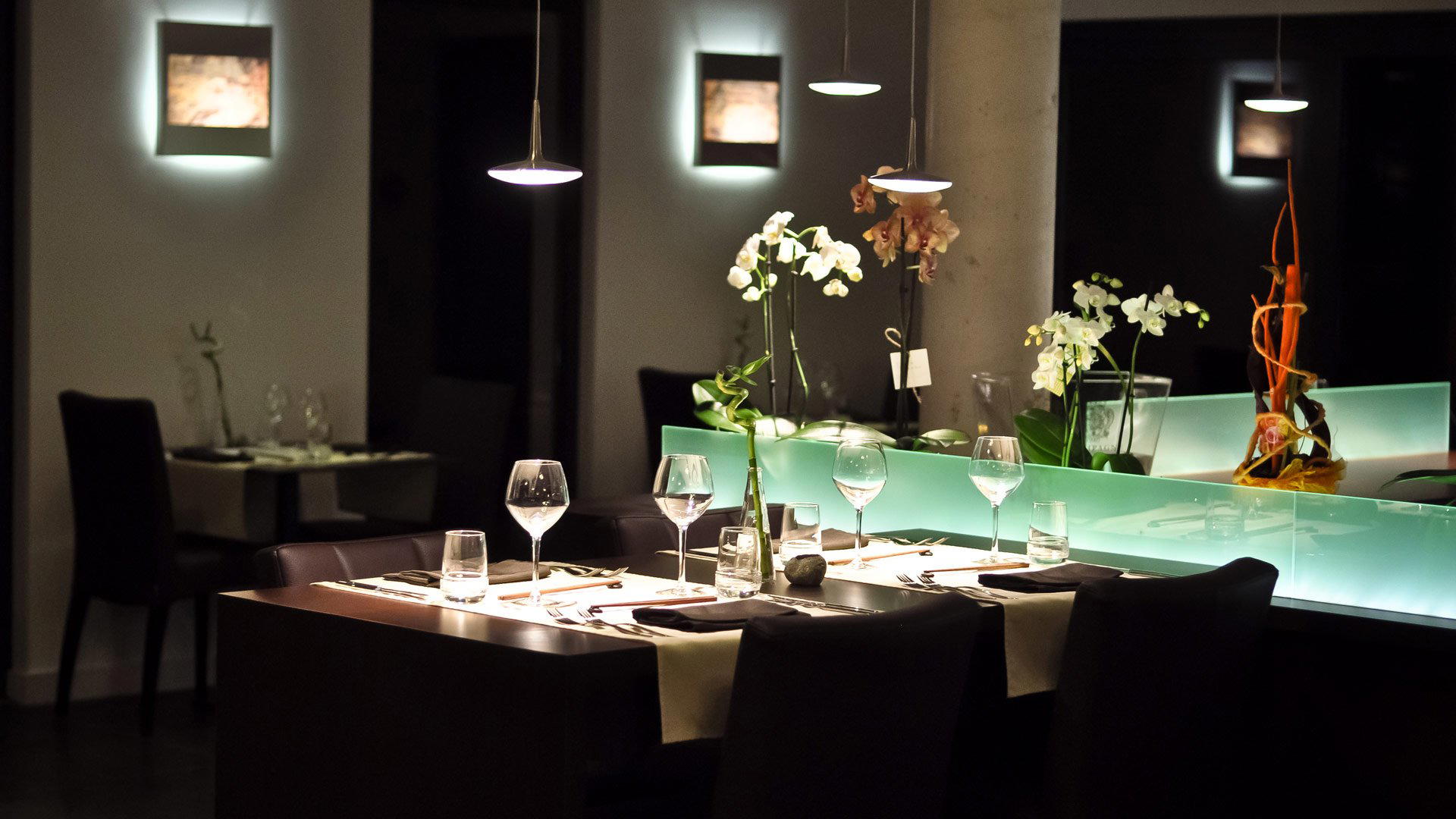
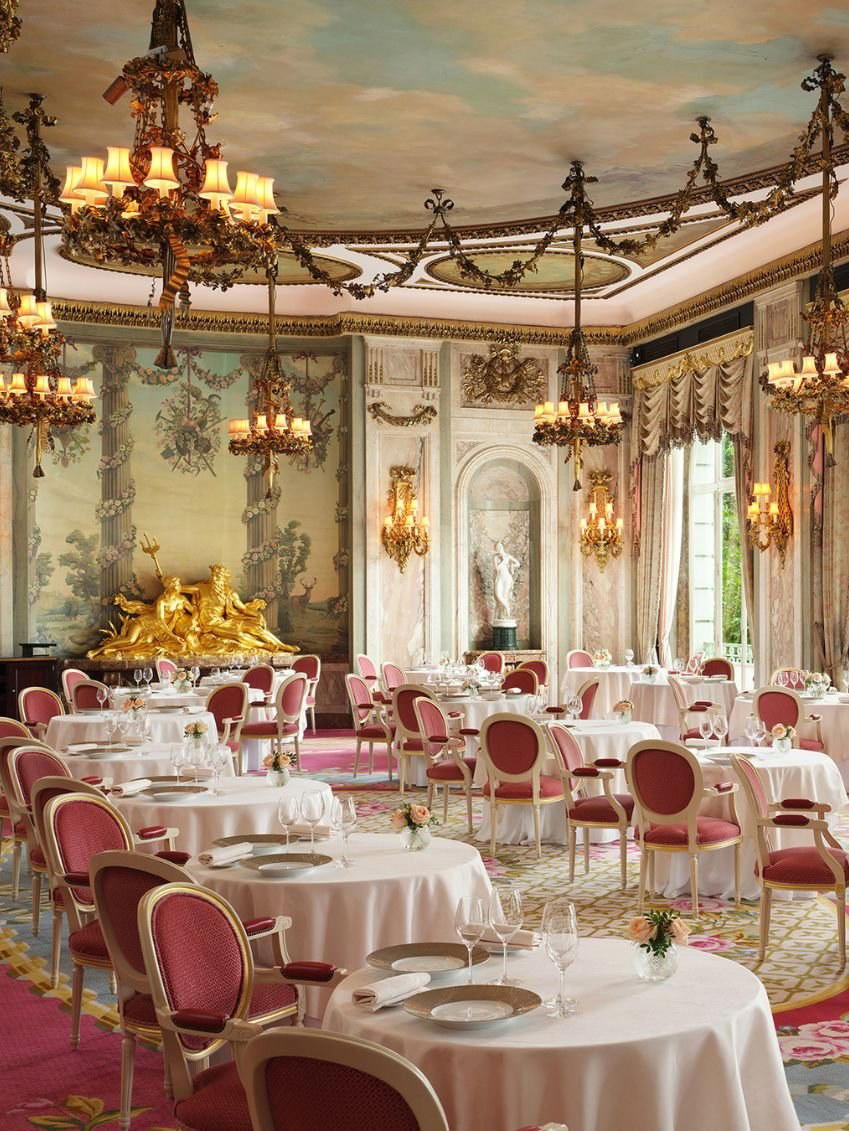
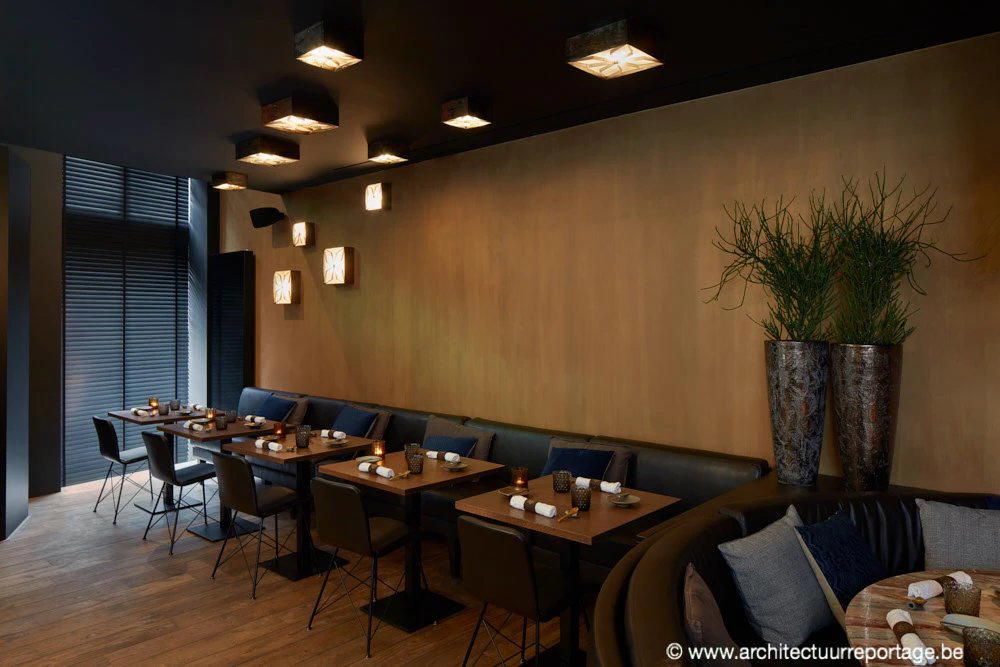
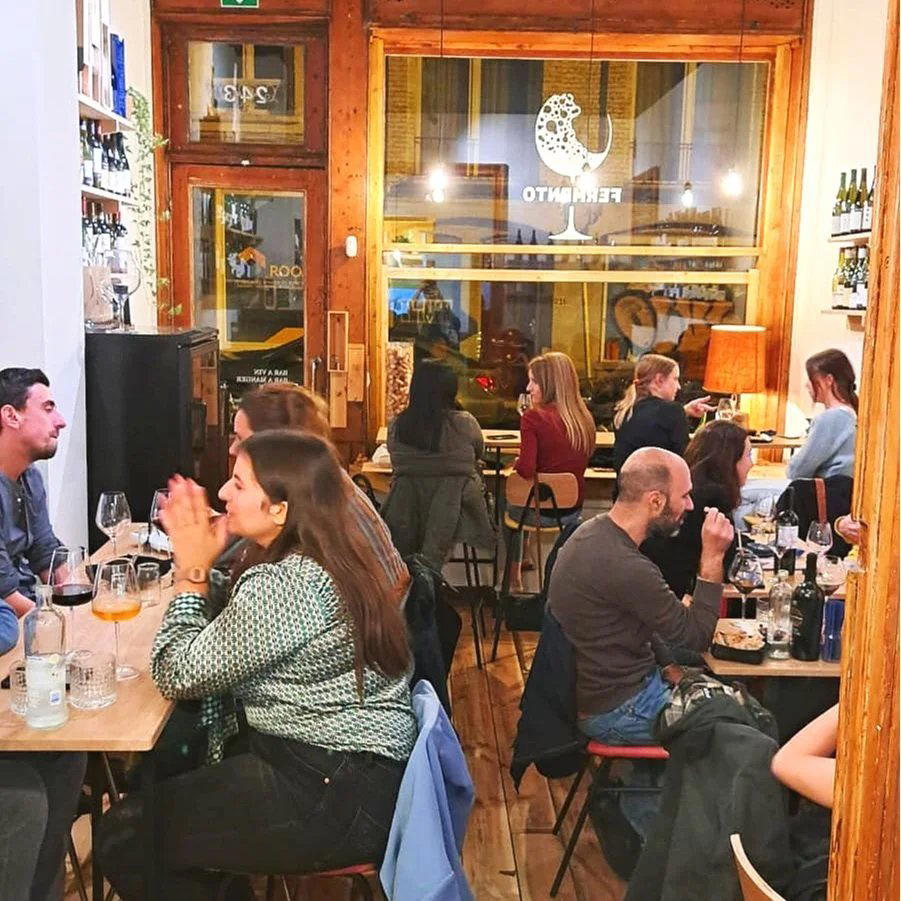
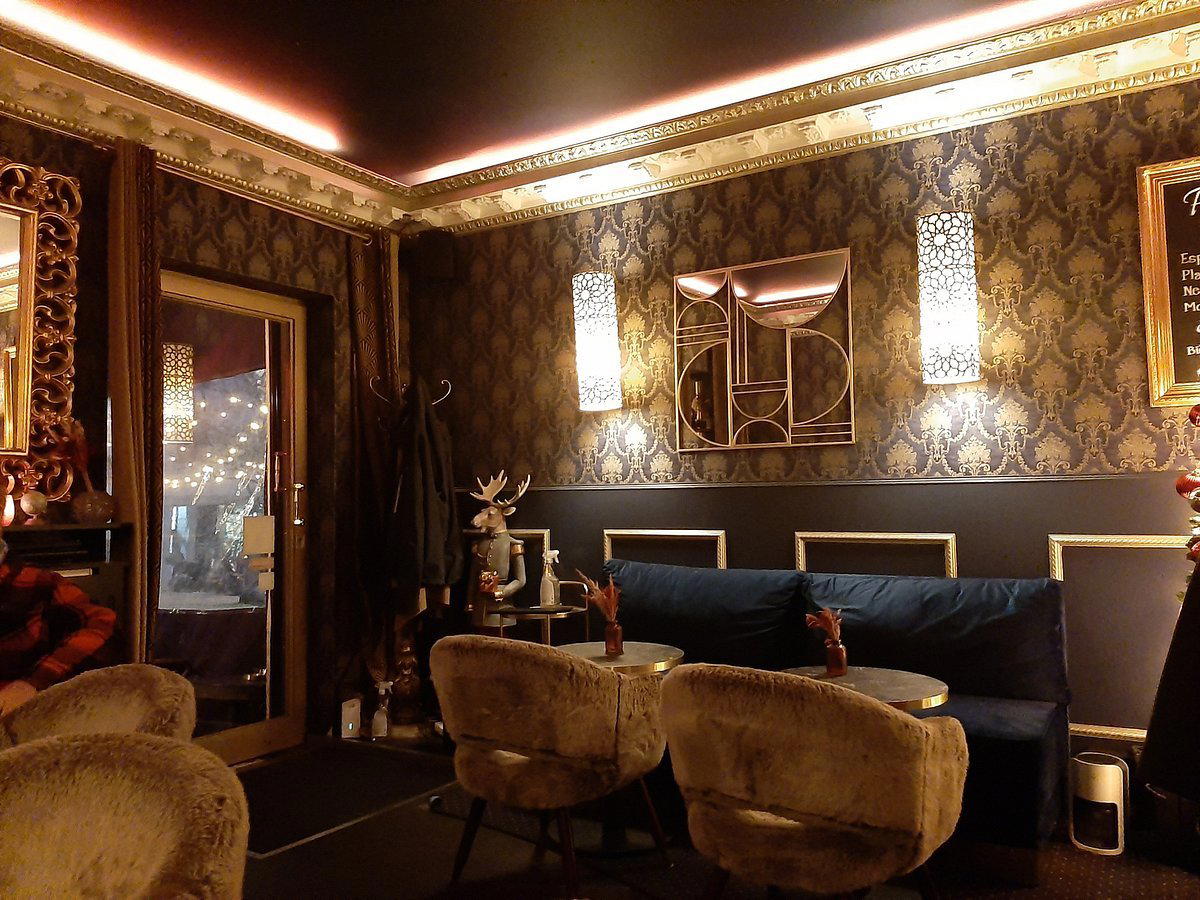
Cadre contemporain, moderne et zen avec cuisine ouverte, confortablement épuré et éclairage raffiné.