CALYPSO
On the Zeedijk promenade in Knokke-Heist, CALYPSO occupies a position where the Belgian coast's dining scene converges with serious culinary intent. The address places it within reach of the town's most competitive restaurant corridor, where kitchen ambition and seaside setting rarely align as neatly. A reference point for the area's evolving food conversation.
Pearl is the En Primeur Club membership app — saves, bookings, and concierge access live there. Same editors, same standards.
- Address
- Zeedijk-Knokke 510, 8300 Knokke-Heist, Belgium
- Phone
- +32495944526
- Website
- calypso-knokke.be
- Directions
- Get directions
 Saves & bookings on Pearl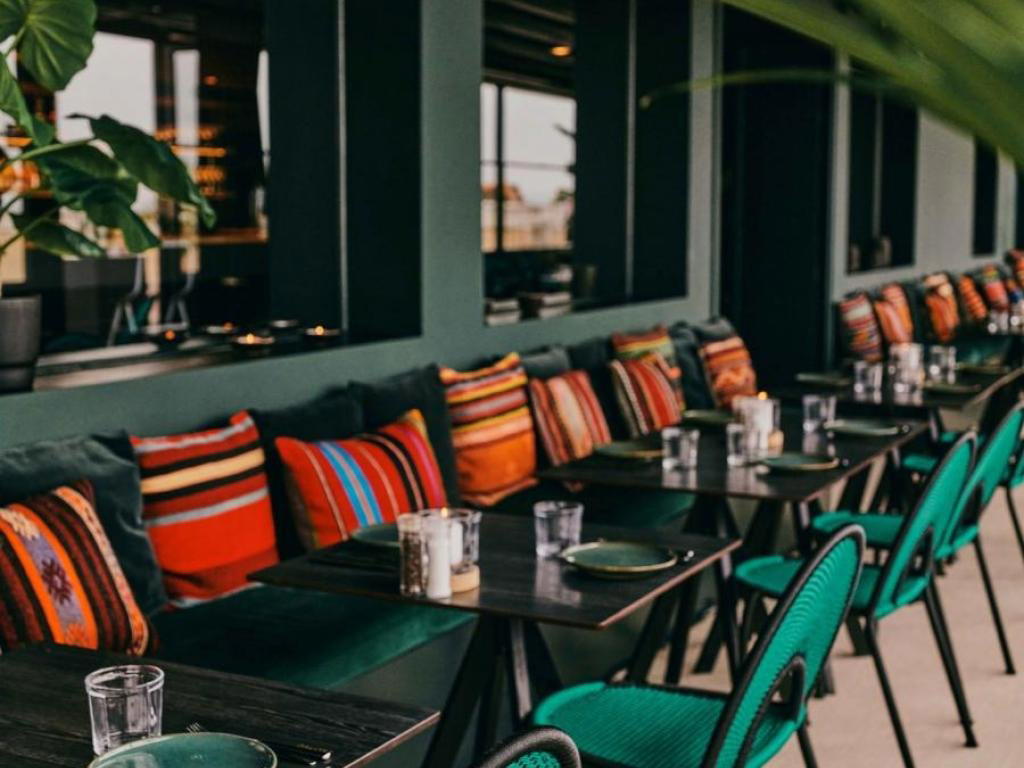
Where the Zeedijk Meets the Table
The Zeedijk in Knokke-Heist is one of Belgium's most commercially dense seafront promenades: a long, wind-exposed strip where brasseries, beach clubs, and occasion restaurants compete for the same pool of weekend visitors and summer regulars. The address at number 510 places CALYPSO near the eastern end of that corridor, where the crowd thins slightly and the properties tend toward fewer, more deliberate operators. In a town where dining choices range from casual moules-frites counters to kitchens with serious culinary pedigree, position on the Zeedijk signals intent as much as anything on the menu.
Knokke-Heist has spent the last decade consolidating a reputation as the most food-serious resort town on the Belgian coast. That reputation is partly driven by proximity to Ghent and Brussels, partly by the spending power of its second-home population, and partly by a critical mass of ambitious operators who have found the town willing to support prix-fixe formats and longer tasting menus at prices that would be harder to sustain in smaller coastal communes. CALYPSO sits within that context, on a promenade that functions as the town's most visible hospitality statement.
Reading the Menu Structure
In Belgian coastal dining, the menu often tells you more about a restaurant's competitive positioning than any press release would. A kitchen oriented toward the sea will typically anchor its structure around the North Sea's seasonal catch: turbot, sole, langoustine, and grey shrimp, with the latter carrying particular cultural weight as a Belgian coastal staple. The most considered menus build around the rhythm of what arrives from local boats rather than what imports can guarantee year-round. This is the distinction between a restaurant that treats proximity to the water as atmosphere and one that treats it as a supply chain.
The broader Belgian fine dining conversation has moved steadily in recent years toward menus that are shorter, more ingredient-specific, and more reliant on producer relationships than on technique as spectacle. Kitchens like Boury in Roeselare and Zilte in Antwerp have demonstrated that compressed, highly seasonal formats can carry significant critical weight without the sprawling course counts of an earlier generation. The coastal setting at Knokke-Heist adds a further layer: diners arrive with an expectation of seafood-forward cooking, and the most coherent kitchens here meet that expectation without defaulting to formula.
For a restaurant on the Zeedijk, the menu's architecture also functions as a social signal. Knokke-Heist's dining public is experienced, well-traveled, and accustomed to the formats they encounter in Antwerp or Brussels. A kitchen that structures its offer with discipline, whether through a fixed menu sequence, a carefully limited à la carte, or a clear seasonal pivot, earns credibility with that audience faster than one that hedges with an encyclopedic list. The local peer group, which includes Caillou, Alexandra, and bablut., has already demonstrated that structured formats find an audience here.
The Coastal Belgian Context
Belgium's relationship with North Sea ingredients is long and specific. Grey shrimp from the coast appear in dishes at kitchens as far inland as Brussels and Ghent, where they function as a shorthand for provenance and seasonal discipline. On the coast itself, that relationship is more direct: the supply lines are shorter, the quality ceiling higher, and the expectation of freshness harder to paper over. Restaurants on the Zeedijk face a more demanding benchmark precisely because proximity to the source is visible.
The wider Belgian fine dining circuit provides useful comparison points. Hof van Cleve in Kruishoutem and Willem Hiele in Oudenburg represent different ends of a spectrum that connects rigorous technique to local ingredient culture. Willem Hiele, based closer to the coast in Oudenburg, has built a reputation precisely around that connection between West Flemish terroir and kitchen discipline. For coastal diners calibrated to that level of engagement, the bar at Knokke-Heist restaurants is set accordingly. The question any Zeedijk kitchen must answer is where it positions itself between accessible seafood brasserie and the more demanding format that the town's culinary reputation now supports.
Internationally, the structural conversation around seafood-focused menus has been shaped by kitchens like Le Bernardin in New York City, where the menu's architecture is explicitly built around the primacy of the fish and the subordination of everything else to it. That philosophy, adapted to Belgian coastal scale and sensibility, runs through the better kitchens along this stretch of coast, even when the format is less formally structured.
Understanding CALYPSO requires mapping the competitive environment it operates within. The Zeedijk and its immediate surrounds host a cluster of restaurants that collectively define the town's culinary character. Café de Paris and Carcasse represent distinct registers of the local offer, the former with a more brasserie-coded identity, the latter with a meat-focused format that deliberately steps away from the coastal seafood default. This variety within a concentrated geography is what gives Knokke-Heist a dining scene rather than simply a collection of restaurants.
The town also draws visitors primed by experiences elsewhere in Belgium. A diner who has passed through Vrijmoed in Gent, Bozar Restaurant in Brussels, or d'Eugénie à Emilie in Baudour arrives with a specific frame of reference. Coastal restaurants that meet that frame earn loyalty from a visitor base that returns to Knokke-Heist season after season. Those that don't get filtered out quickly by an audience with no shortage of options. See our full Knokke Heist restaurants guide for a complete picture of the town's current dining offer.
Planning a Visit
CALYPSO is located at Zeedijk-Knokke 510, placing it directly on the seafront promenade in Knokke-Heist. The Zeedijk is accessible on foot from the town centre and from the main tram stop, which connects Knokke-Heist to the broader Belgian coastal tram network running between De Panne and Knokke. Seasonal demand patterns on the Zeedijk follow the Belgian coastal rhythm: high pressure from late June through August, with weekend bookings in May and September filling faster than the calendar might suggest. Contact directly for current availability and format details, as operational specifics vary by season.
How CALYPSO Knokke Heist compares with similar nearby venues.
| Venue | Cuisine | Price |
|---|---|---|
| Esmeralda | Classic Cuisine, Peruvian (Pachamanca) | €€€ |
| Tablàvins | Modern Cuisine | €€€ |
Continue exploring
More in Knokke Heist
Restaurants in Knokke Heist
Browse all →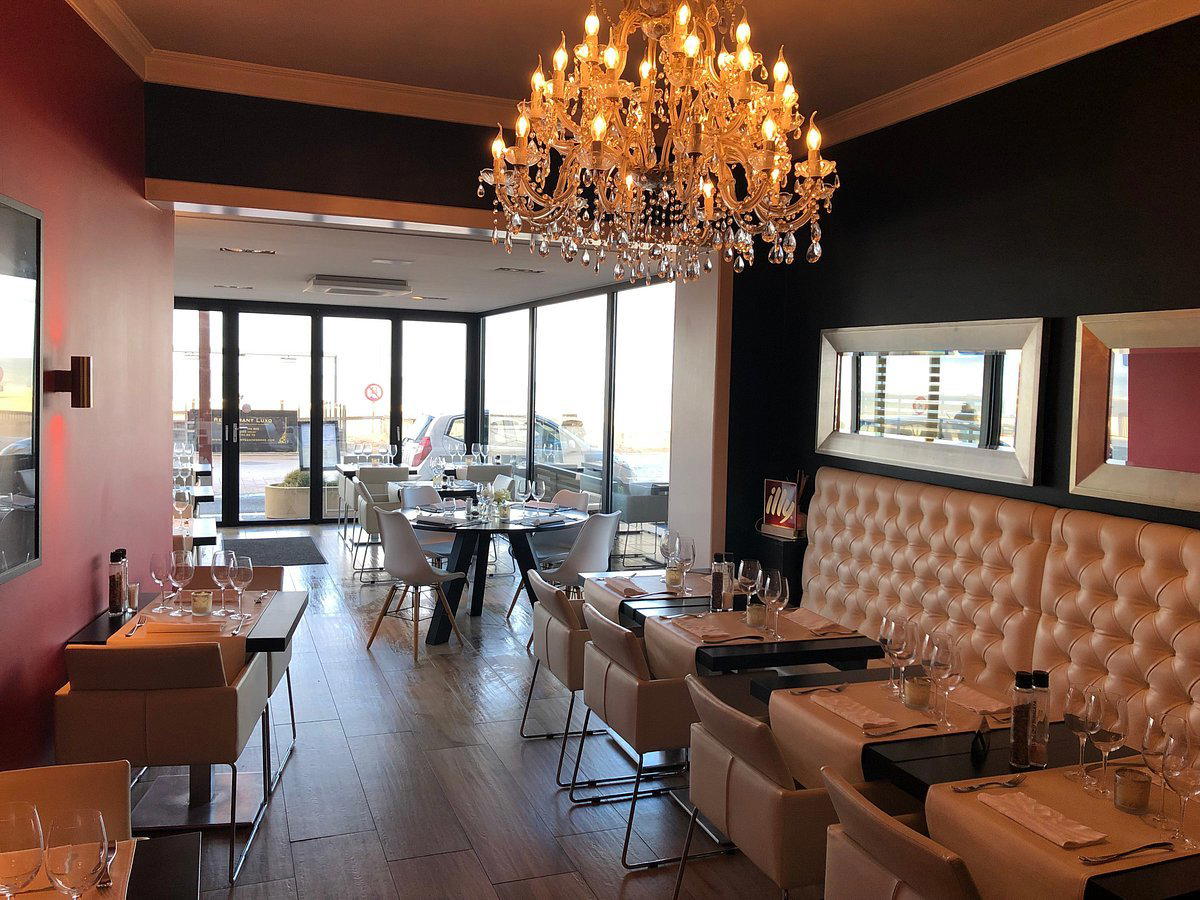
Bars in Knokke Heist
Browse all →
At a Glance
- Trendy
- Lively
- Cozy
- Modern
- Group Dining
- Casual Hangout
- Waterfront
- Open Kitchen
- Craft Cocktails
- Waterfront
- Street Scene
Current opening hours
- Monday
- 6 PM–1 AM
- Tuesday
- 6 PM–1 AM
- Wednesday
- 6 PM–1 AM
- Thursday
- 6 PM–1 AM
- Friday
- 6 PM–1 AM
- Saturday
- 6 PM–1 AM
- Sunday
- 6 PM–1 AM
Hours can change for holidays and private events. Last verified .
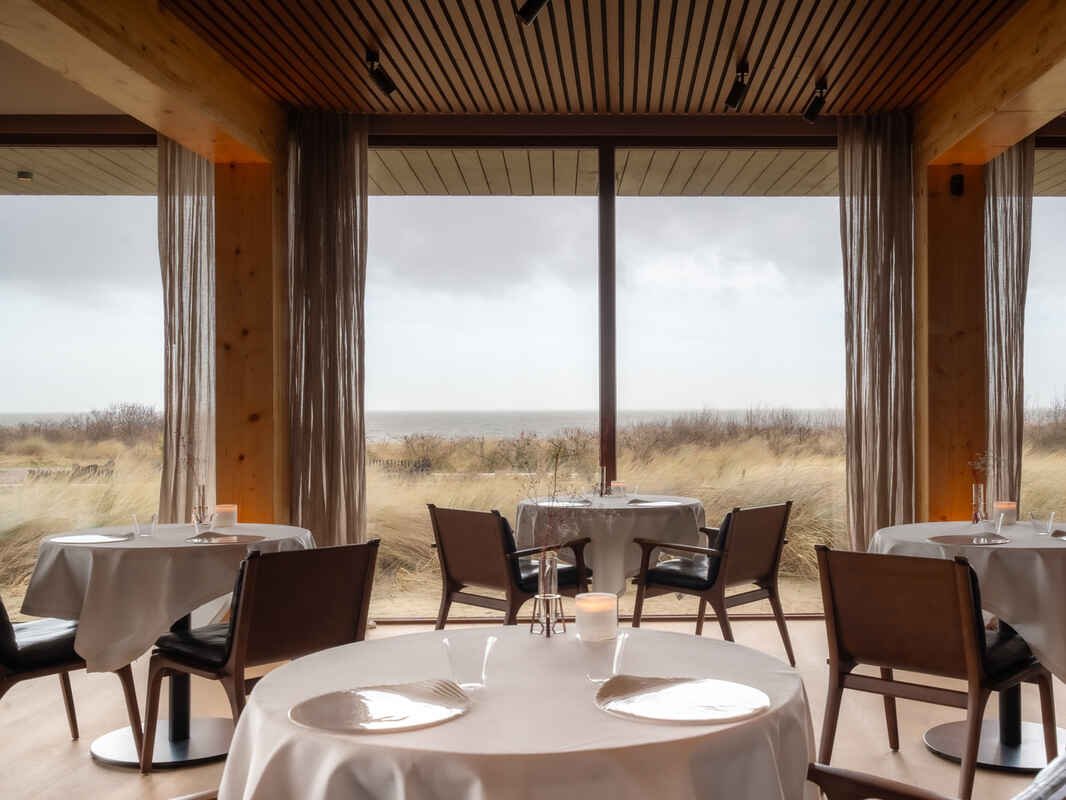
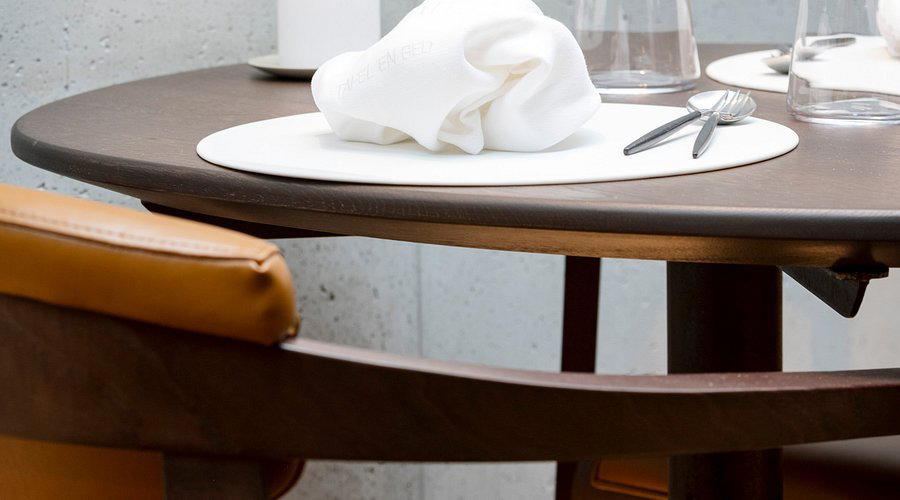
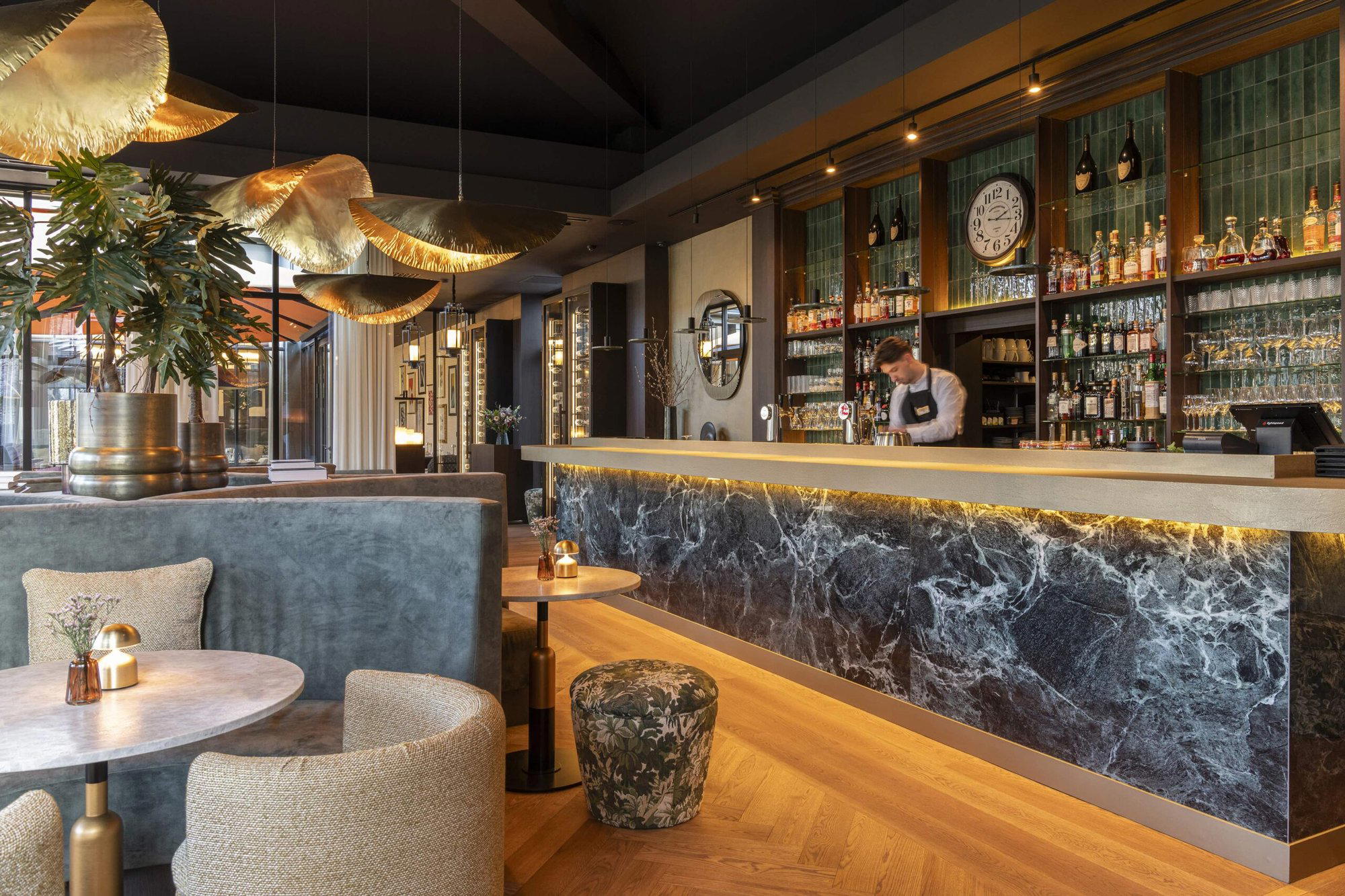
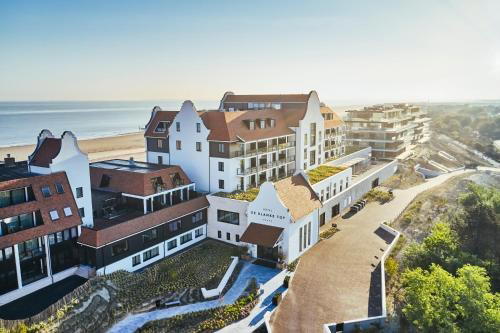
Warm contemporary tropical interior with lively music, atmospheric lighting, and beach views.
Know Before You Go
- Getting there
- Zeedijk-Knokke 510, 8300 Knokke-Heist, Belgium