Bacherlwirt
A Gasthof rooted in the thermal-spa town of Bad Radkersburg, Bacherlwirt sits at the quieter end of Austria's southern Styria dining circuit, where regional produce from the Mur valley and proximity to Slovenia shape the kitchen's character. The cooking here follows the Styrian tradition of letting local ingredients carry the weight, in a region that rarely makes noise about itself but rewards those who pay attention.
Pearl is the En Primeur Club membership app — saves, bookings, and concierge access live there. Same editors, same standards.
- Address
- Markowitschweg 2, 8490 Bad Radkersburg, Austria
- Phone
- +436641656396
- Website
- bacherlwirt-ra.at
- Directions
- Get directions
 Saves & bookings on Pearl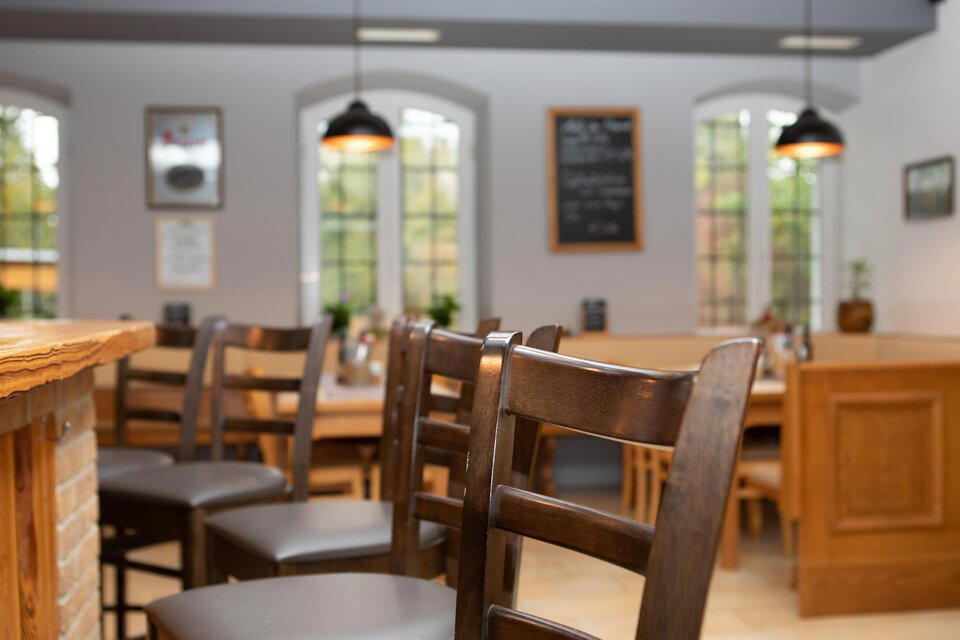
Southern Styria's Quiet Dining Logic
Bad Radkersburg occupies a particular position in the Austrian travel imagination: a small spa town on the Slovenian border, flanked by the Mur river and the vineyards that stretch south toward Jeruzalem. Visitors come for the thermal baths and the pace, not for restaurant marquees. The dining here operates on a different frequency than the country's better-publicised culinary corridors. That quieter register is precisely what defines the local scene, and Türkenloch and Bacherlwirt sit within it as working expressions of a traditional Austrian country inn.
In Austria's provincial Gasthof culture, the kitchen is not a stage. It is a function, embedded in daily life, sourcing from the immediate region, and accountable to a local clientele that eats there regularly rather than once. That structure produces a different kind of discipline than the destination-restaurant model practiced at places like Steirereck im Stadtpark in Vienna or Döllerer in Golling an der Salzach, where the menu must justify travel. Here, the food justifies itself through repetition, consistency, and rootedness.
What Southern Styria Puts on the Table
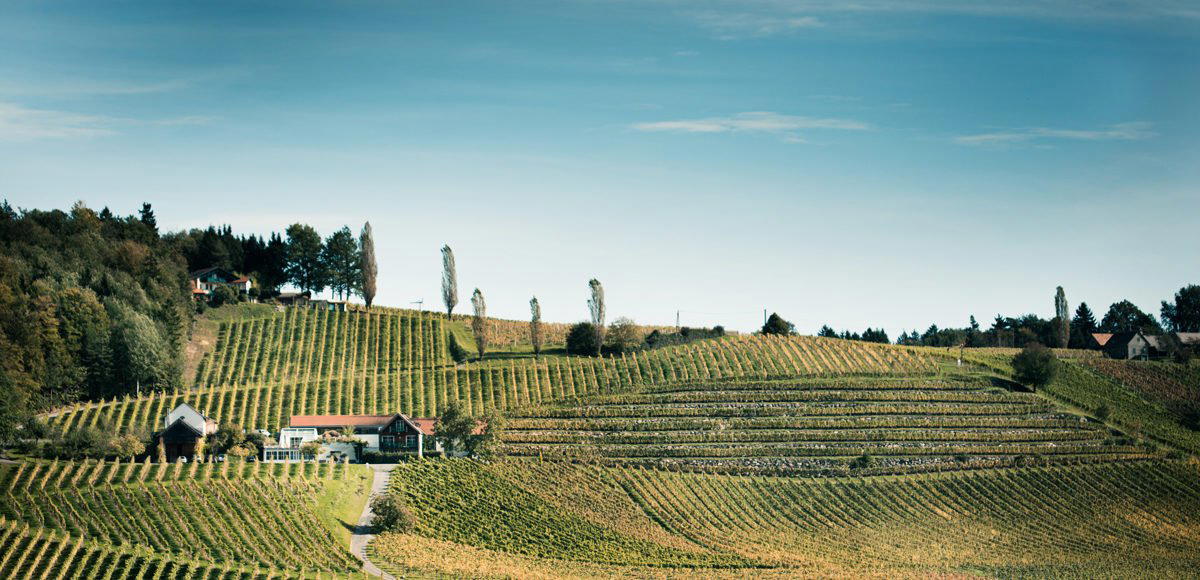
The Südsteiermark is one of Austria's most agriculturally specific regions. The soil transitions rapidly between the limestone-edged foothills and the warmer flatlands near the Slovenian border, producing pumpkins, sunflowers, and the pressed oils that define regional cooking in ways that butter and cream define cooking further north. Styrian pumpkin seed oil, cold-pressed and almost black-green in the bottle, is among the more geographically specific condiments in central European cooking: it does not travel well in flavor terms, meaning the closer you are to where it is pressed, the more precisely you understand what it does to a salad or a soup.
That geographic specificity matters because it creates a culinary argument for being here rather than elsewhere. Establishments operating in this tradition, Bacherlwirt among them, draw from a supply network that is genuinely local, not because it is a marketing position, but because the logistics of rural Styrian sourcing make hyper-local procurement the natural path. Regional mushrooms, cured meats from Styrian producers, and fresh-water fish from the Mur sit comfortably inside this framework. The cooking at this level of the Austrian dining circuit is steady rather than inventive.
The Gasthof Format and Its Demands
The Gasthof, at its functional core, serves the community it inhabits. Unlike the destination restaurants that have made Austrian cooking internationally recognizable, such as Landhaus Bacher in Mautern an der Donau or Obauer in Werfen, a Gasthof is measured by whether its regulars return on a Tuesday in February, not by whether it fills a dining room during peak tourist season. That accountability shifts what the kitchen prioritizes. Portion size, value, and seasonal rotation matter as much as plating. The format tolerates a degree of informality that would read as negligence in a Michelin-tracked context but reads as appropriate ease in a village setting.
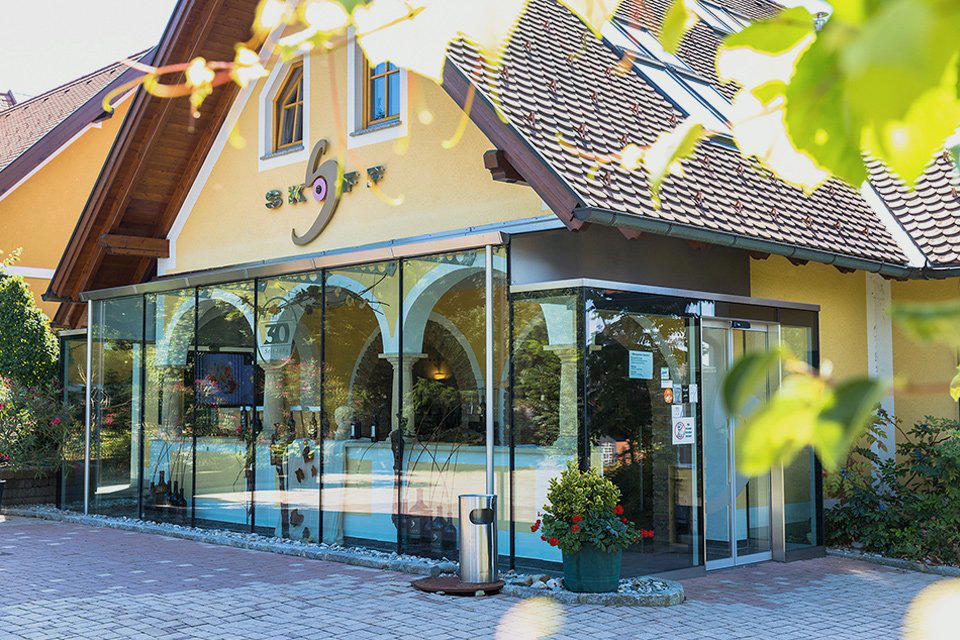
Bacherlwirt, addressed at Markowitschweg 2 in Bad Radkersburg, sits within this format. The address places it in the residential periphery of a small town, which signals that its audience is at least partly local rather than purely tourist-facing.
Styrian Cooking in Its Regional Hierarchy
Understanding where Bacherlwirt sits requires understanding how Styrian dining organises itself across price and ambition. At the apex, the Graz-anchored restaurants and destination properties in the wine villages push creative interpretations of regional produce toward an international audience. Below that tier, a mid-level of gasthouses and wine-taverns serves regional cooking with varying degrees of sophistication. Further still, the functional Gasthof operates in the space where food is sustenance with character, shaped by what the surrounding fields and forests actually yield.
This tier produces some of Austria's most direct cooking, even if it rarely produces its most talked-about. The herb-forward, oil-dressed salads that Austrian kitchens built their regional identity around appear here without ceremony. Schnitzel, when properly sourced and properly fried, remains among the more technically demanding simple dishes in central European cooking, and the provincial Gasthof is where that standard is most honestly applied. Comparison with internationally profiled properties like Ikarus in Salzburg or Gourmetrestaurant Tannenhof in Sankt Anton am Arlberg is a category error; the relevant comparable set is other southern Styrian Gasthöfe, assessed on their own terms.
Visitors who arrive in Bad Radkersburg from the international fine-dining circuit, following up on experiences at places like Le Bernardin in New York City or Lazy Bear in San Francisco, should recalibrate expectations accordingly. The value is not in formal ambition but in the chance to eat within a tradition that has not been reshaped to appeal to an audience beyond its own region.
Comparable regional-kitchen cooking elsewhere in Austria can be found at Ois in Neufelden, Atelier Fischer in Sankt Gilgen, Kräuterreich by Vitus Winkler in Sankt Veit im Pongau, Stüva in Ischgl, Griggeler Stuba in Lech, Schwarzer Adler in Hall in Tirol, and Restaurant 141 by Joachim Jaud in Mieming, each operating within a regional logic shaped by where they sit rather than where they aspire to be placed in a national ranking.
Planning a Visit
Bad Radkersburg is a small town, and Bacherlwirt operates in the Gasthof tradition, which means that calling ahead or arriving at standard Austrian meal times (noon to two, and from six in the evening) is sensible practice. Bacherlwirt is open Wednesday through Saturday from 9:30 AM to 9:30 PM and Sunday from 9:30 AM to 4 PM; it is closed Monday and Tuesday, and reservations are recommended. The town itself is compact enough to combine a meal here with a visit to the thermal spa facilities.
At-a-Glance Comparison
Comparable venues nearby, for context on price, style, and recognition.
| Venue | Cuisine | Price | Notes |
|---|---|---|---|
| BacherlwirtThis venue — the venue you are viewing | Traditional Austrian Country Inn | $$ | Not listed |
| Türkenloch | Traditional Austrian Styrian | $$ | Bad Radkersburg |
| Knappenhof | Regional Austrian Fine Dining | $$ | Kleinau |
| Restaurant Die Hexn-Stubn | Traditional Styrian Austrian | $$ | Feistritztal |
| Kirchenwirt Hofer | Traditional Styrian | $$ | Puch bei Weiz |
| Görg | Seasonal Austrian Fine Dining | $$ | Eichbüchl |
Continue exploring
More in Bad Radkersburg
Restaurants in Bad Radkersburg
Browse all →

Bars in Bad Radkersburg
Browse all →
Hotels in Bad Radkersburg
Browse all →

At a Glance
- Rustic
- Cozy
- Family
- Casual Hangout
- Standalone
- Local Sourcing
Current opening hours
- Monday
- Closed
- Tuesday
- Closed
- Wednesday
- 9:30 AM–9:30 PM
- Thursday
- 9:30 AM–9:30 PM
- Friday
- 9:30 AM–9:30 PM
- Saturday
- 9:30 AM–9:30 PM
- Sunday
- 9:30 AM–4 PM
Hours can change for holidays and private events. Last verified .
rustic country inn atmosphere with commitment to quality local cuisine.