

Krispels Genusstheater holds consecutive Michelin Bib Gourmand awards for 2024 and 2025, placing it among the Südsteiermark's most consistent contemporary kitchens. Chef Jason Kline operates from Neusetz 29 in the wine-country village of Straden, where the dining room draws on the region's agricultural depth without mimicking the formality of Austria's starred tier. The €€ price point makes the level of cooking here genuinely notable within its comparable set.
Pearl is the En Primeur Club membership app — saves, bookings, and concierge access live there. Same editors, same standards.
- Address
- Neusetz 29, 8345 Straden, Austria
- Phone
- +43 3473 7862
- Website
- krispel.at
- Directions
- Get directions
 Saves & bookings on Pearl
Where Wine Country Meets the Contemporary Table
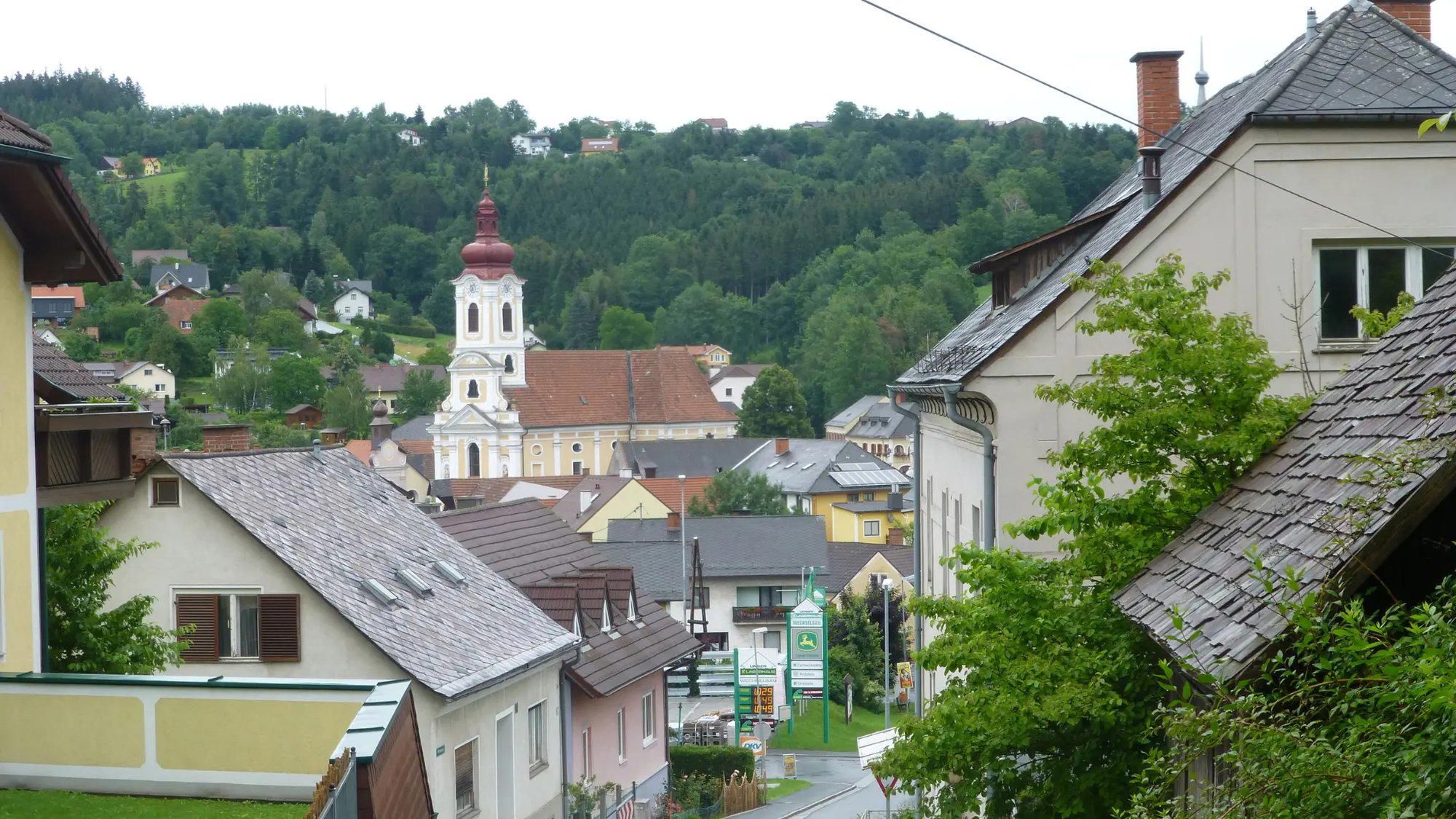
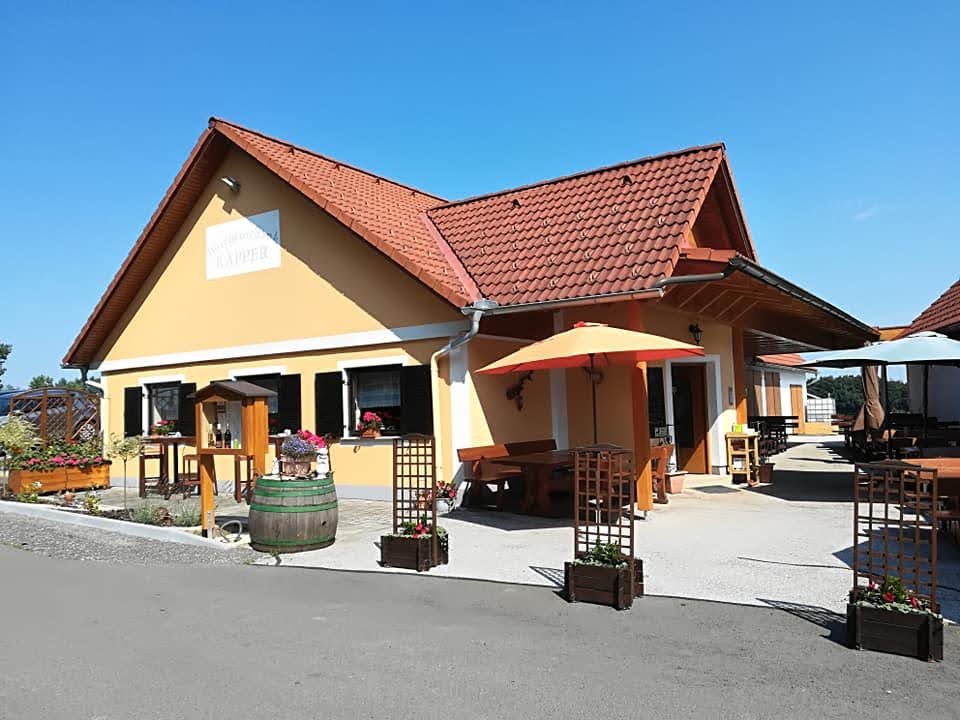
Straden sits in the rolling hills of Südsteiermark, a corner of Austria better known for its Sauvignon Blanc and Welschriesling than for destination dining. The village is small, the roads narrow, and the pace unhurried. Arriving at Neusetz 29 places you squarely inside that agricultural quietude: the setting is rural Styria at its most unaffected, a far remove from the polished hotel dining rooms of Vienna or Salzburg. That physical context matters, because it shapes what the kitchen at Krispels Genusstheater is actually doing and why consecutive Michelin Bib Gourmand recognition in 2024 and 2025 carries weight here in a way it might not in a denser dining city.
The Bib Gourmand Standard in a Rural Austrian Context
Michelin's Bib Gourmand designation signals a specific promise: cooking of genuine quality at a price that doesn't demand the full ceremonial outlay of the starred tier. In Austria, that tier is populated by houses such as Steirereck im Stadtpark in Vienna, Döllerer in Golling an der Salzach, and Landhaus Bacher in Mautern an der Donau, all operating at €€€€ price points with the full apparatus of fine-dining service. Krispels operates at €€€, which means the kitchen's ability to sustain inspector-level recognition depends on discipline and consistency. Earning that distinction in consecutive years is not routine. Across Austria's broader contemporary dining circuit, venues such as Obauer in Werfen, Ikarus in Salzburg, and Kräuterreich by Vitus Winkler in Sankt Veit im Pongau each represent different calibrations of ambition and format. What sets the Bib-holding tier apart is a particular clarity of purpose: the cooking justifies attention without the scaffolding of prestige pricing.
Chef Jason Kline and the Styrian Framework
Contemporary cooking in rural Austria tends to follow one of two trajectories. The first is a nostalgic regionalism, where the menu catalogues local produce with light technique and little editorial point of view. The second, and more demanding, is a genuine engagement with contemporary method that uses regional ingredients as raw material rather than as identity markers. Chef Jason Kline's position at Krispels points toward the latter. The designation of the cuisine as "contemporary" rather than "Austrian" or "regional" is a deliberate signal: the kitchen is working in a genre defined by technique and composition rather than by geography alone. That approach places Krispels in a peer conversation with venues like Ois in Neufelden and Restaurant 141 by Joachim Jaud in Mieming, kitchens operating at similar award levels with contemporary frameworks and strong regional rootedness. The name "Genusstheater" (loosely, pleasure theatre) hints at an approach to dining that treats the meal as a structured arc rather than a series of plates, a philosophy common among European kitchens that have absorbed the tasting-menu logic of the past two decades without necessarily adopting its price architecture.
The Südsteiermark as a Dining Region
Straden is one of several villages within the Südsteiermark wine corridor that has begun generating dining-specific travel decisions. The region's wine production, centred on Sauvignon Blanc and Gelber Muskateller among other varieties, creates a natural pairing culture that the leading local kitchens exploit. Saziani, also in Straden, represents the seasonal-cuisine strand of that same local conversation. What is emerging in this corner of Styria is a cluster model: visitors do not drive out for a single restaurant in isolation but for the accumulated weight of the area's food and wine offer. That pattern resembles what has happened in parts of Burgundy or the Basque Country, where the density of quality across a small geography creates a reason to stay rather than pass through.
Planning a Visit
Straden is not a drop-in destination. The village sits in rural Styria. The €€ price positioning means a full meal here will not impose the financial weight of the starred tier, which makes Krispels a sensible anchor for a multi-stop itinerary combining wine-country visits with dining. Booking in advance is advisable given the Bib Gourmand profile; rural restaurants with consistent award recognition in small villages tend to fill their limited covers well ahead, particularly on weekends and during the regional harvest season in autumn. Accommodation options in and around Straden are limited. Griggeler Stuba in Lech to Gourmetrestaurant Tannenhof in Sankt Anton am Arlberg. Those curious about how the contemporary genre performs at different price points internationally will find useful reference points in EP Club's coverage of César in New York City and Jungsik in Seoul.
What Regulars Order
What do regulars order at Krispels Genusstheater?
The kitchen's Michelin Bib Gourmand recognition across two consecutive years points toward consistent execution of the core contemporary menu rather than a reliance on rotating specials. Regulars at Bib-level Austrian contemporary restaurants typically anchor their order around the kitchen's set menu format, where the composition reflects the chef's current editorial point of view on regional ingredients. Chef Jason Kline's contemporary approach suggests that seasonal Styrian produce, treated with modern technique, forms the spine of what the kitchen does most confidently. For specific current dishes and any seasonal changes, check the current menu.
At-a-Glance Comparison
Comparable venues nearby, for context on price, style, and recognition.
| Venue | Cuisine | Price | Awards | Notes |
|---|---|---|---|---|
| Krispels GenusstheaterThis venue — the venue you are viewing | Modern Styrian Fine Dining with Woolly Pig | $$$ | Bib Gourmand | Not listed |
| Das LiebEck | Refined Regional Austrian with International Influences | $$$$ | Not listed | Stainz bei Straden |
| Saziani | Creative Seasonal Austrian | $$$$ | Michelin 1 Star | Straden |
| Rote Bar | Modern Viennese Classics | $$$ | Michelin Plate | Staatsoper |
| Reiterhof Stückler | Modern Austrian Regional Cuisine | $$$ | Bib Gourmand | Sankt Margarethen im Lavanttal |
| Wirtshaus Steirereck am POGUSCH | Regional Austrian Country Cooking | $$$ | Bib Gourmand | Pogusch |
Recognition history
Dated appearances from independent guides and award organizations, with the underlying list record or original source where available.
Falstaff Restaurant - 93 Falstaff Points
Falstaff
Michelin Bib Gourmand
Michelin
Michelin Bib Gourmand
Michelin
Michelin Bib Gourmand
Michelin
Continue exploring
More in Straden
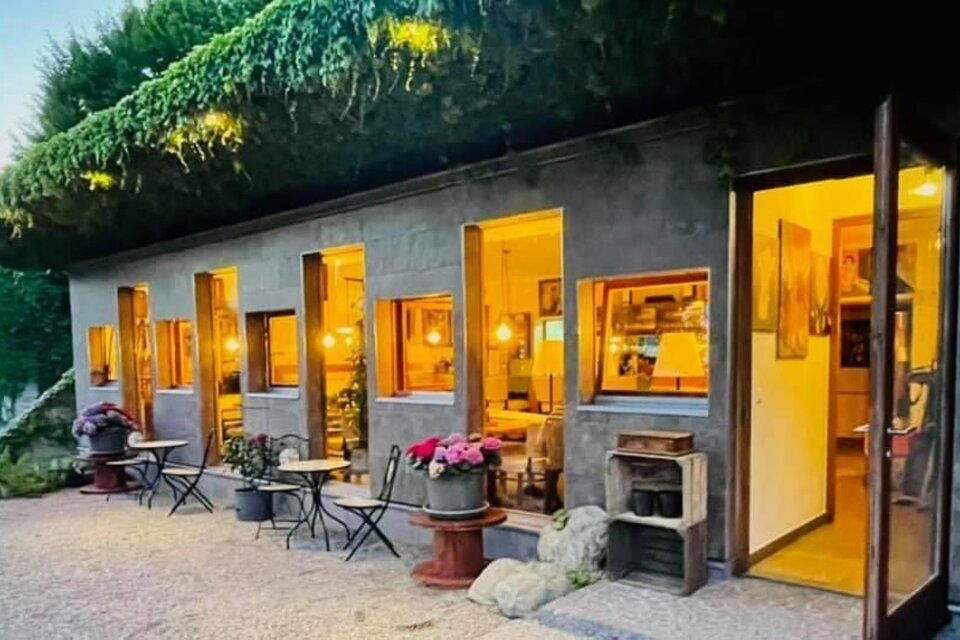
Restaurants in Straden
Browse all →
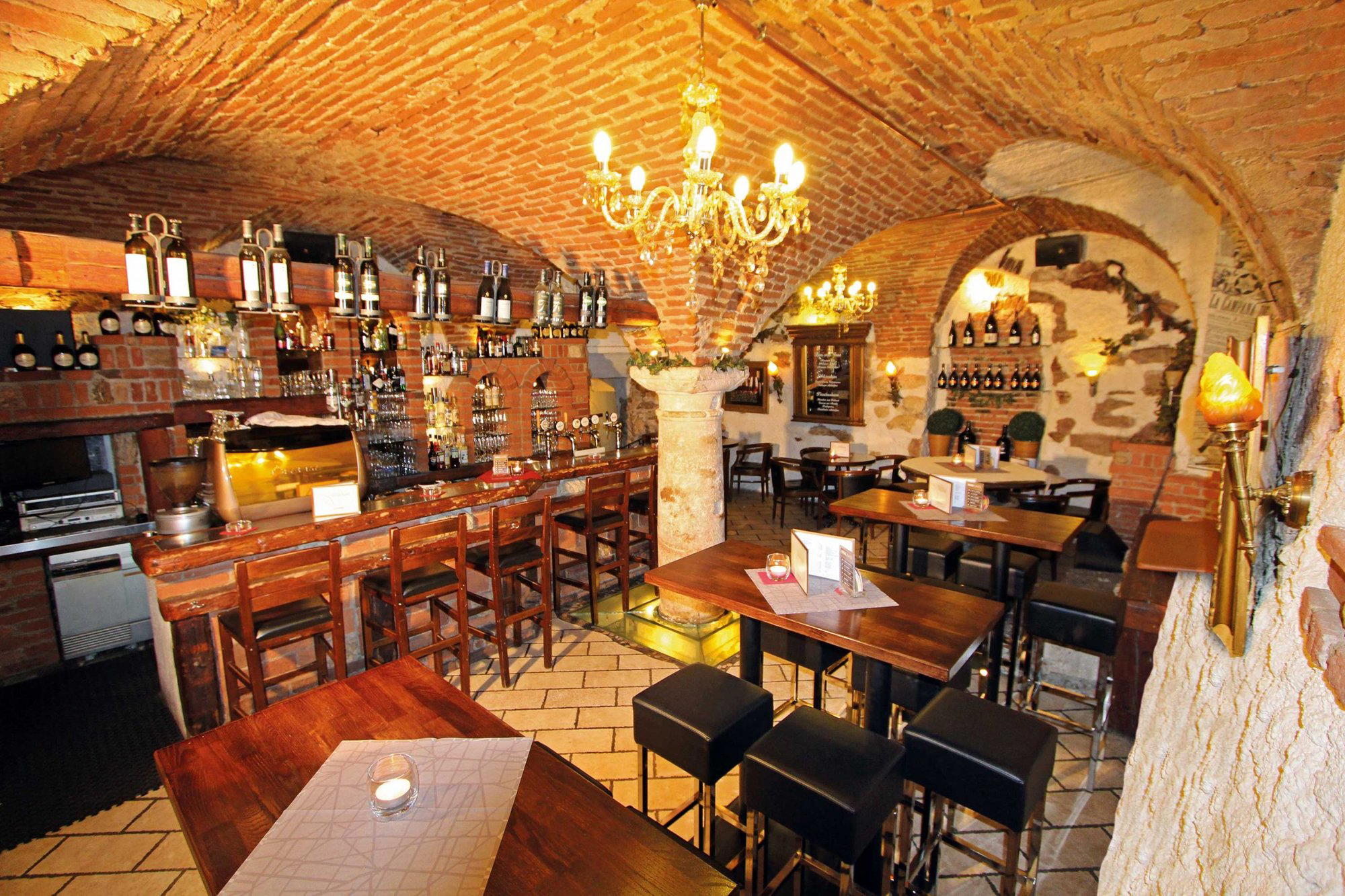
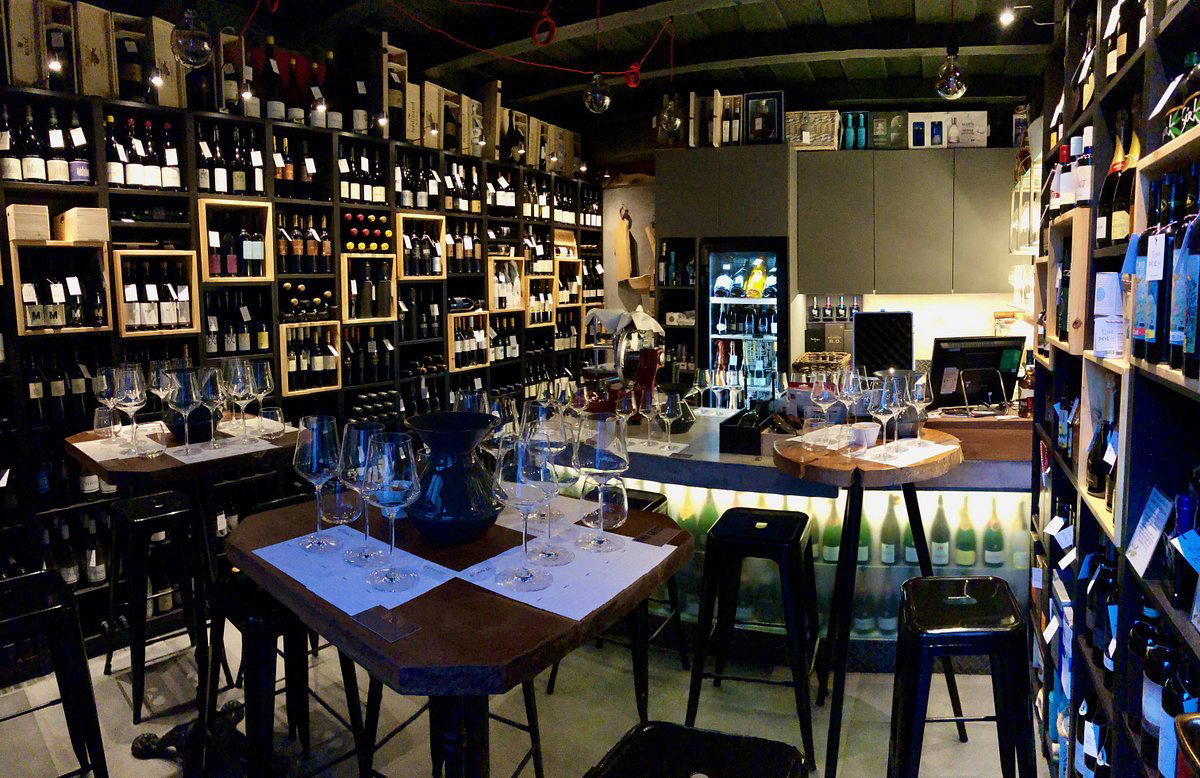
Bars in Straden
Browse all →
Hotels in Straden
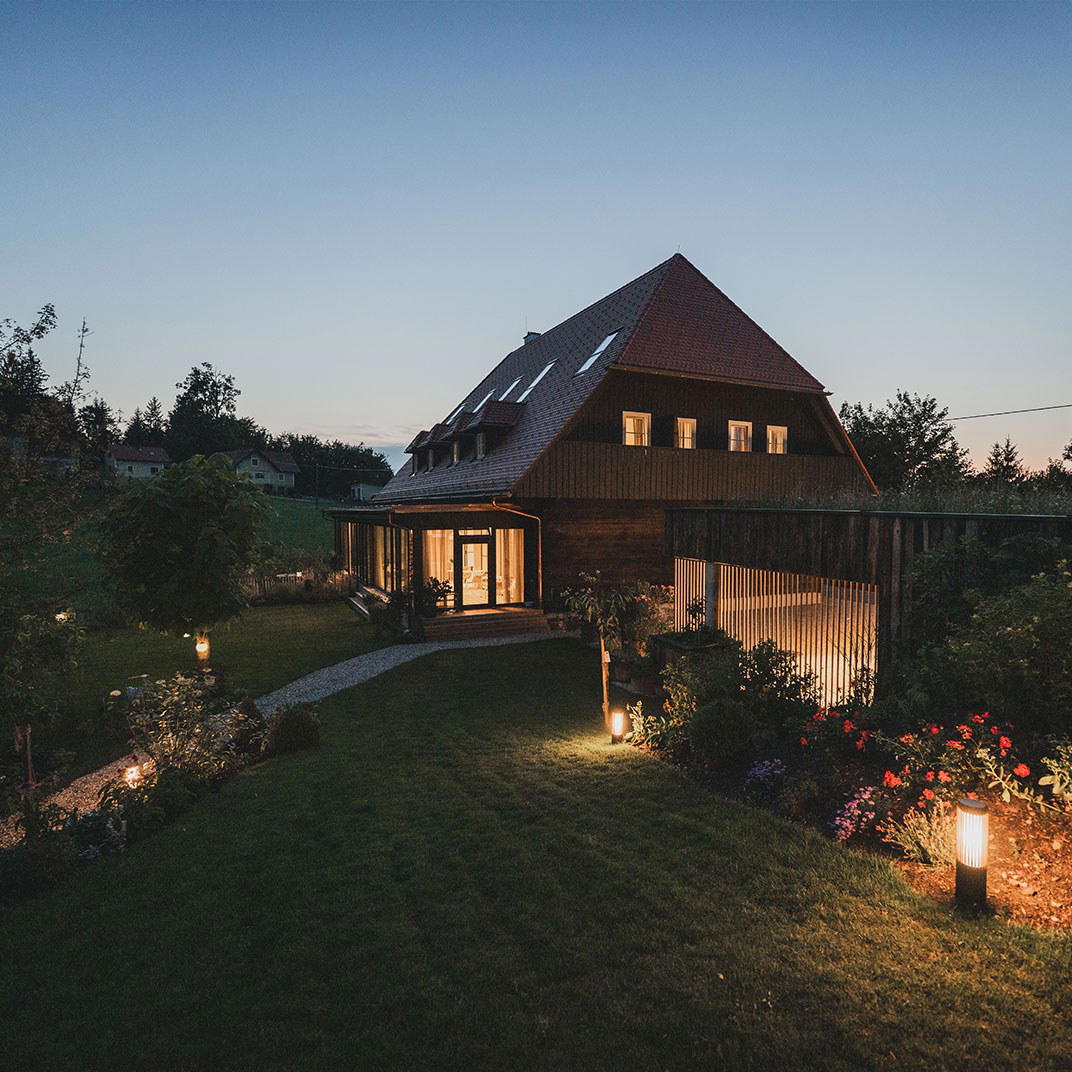
Browse all →


At a Glance
- Elegant
- Cozy
- Scenic
- Special Occasion
- Date Night
- Open Kitchen
- Courtyard
- Historic Building
- Extensive Wine List
- Local Sourcing
- Organic
- Garden
Mediterranean courtyard with shimmering paving, green islands, and a dramatic larchwood kitchen curtain creating an immersive, sensory atmosphere.