Kirchenwirt Hofer
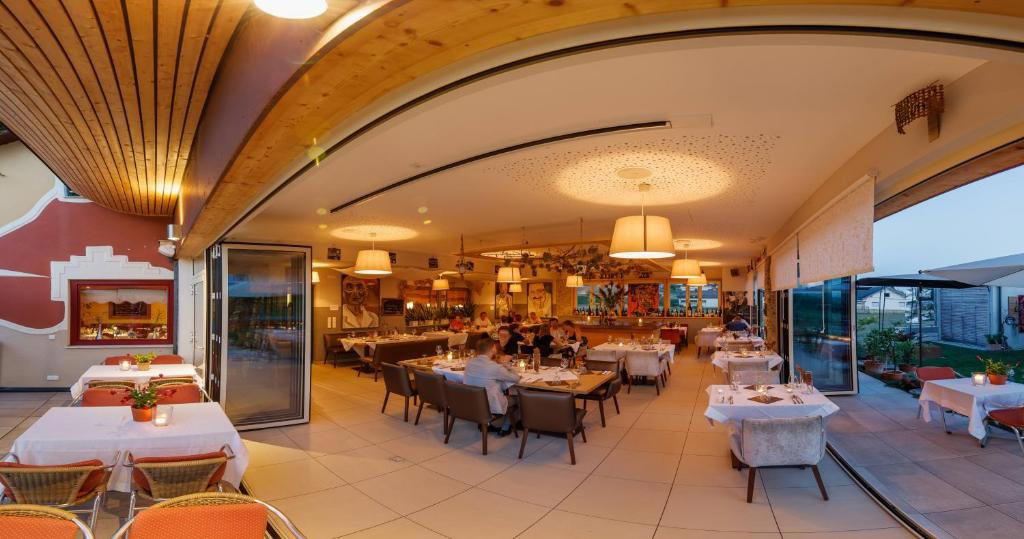
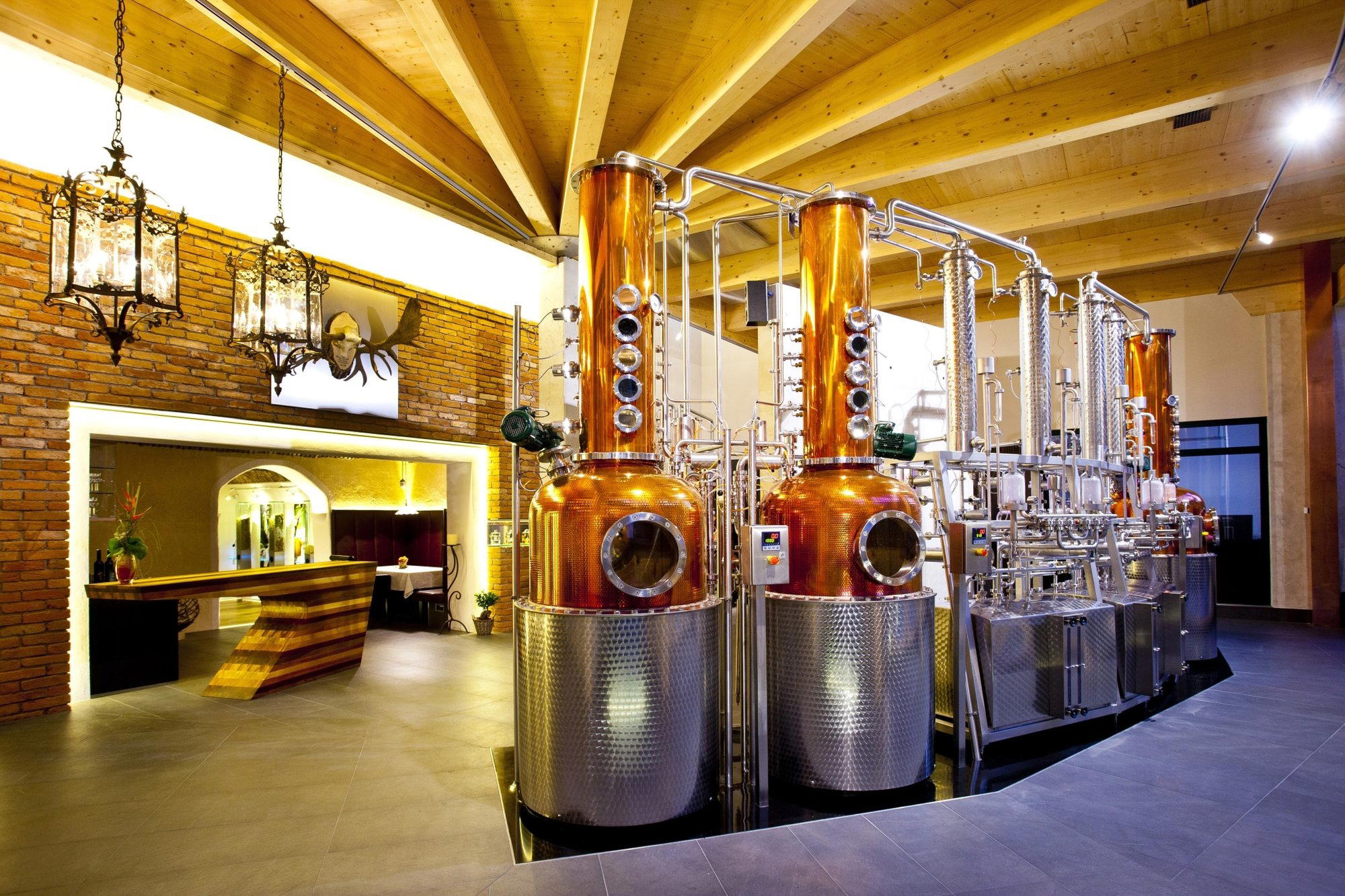
A sleek, cosy venue with modern vibes
 Discover on Pearl
Pearl is the En Primeur Club membership app — saves, bookings, and concierge access live there. Same editors, same standards.
- Address
- Puch bei Weiz 2, 8182 Puch bei Weiz, Austria
- Phone
- +434331772247
- Website
- kirchenwirt-hofer.at
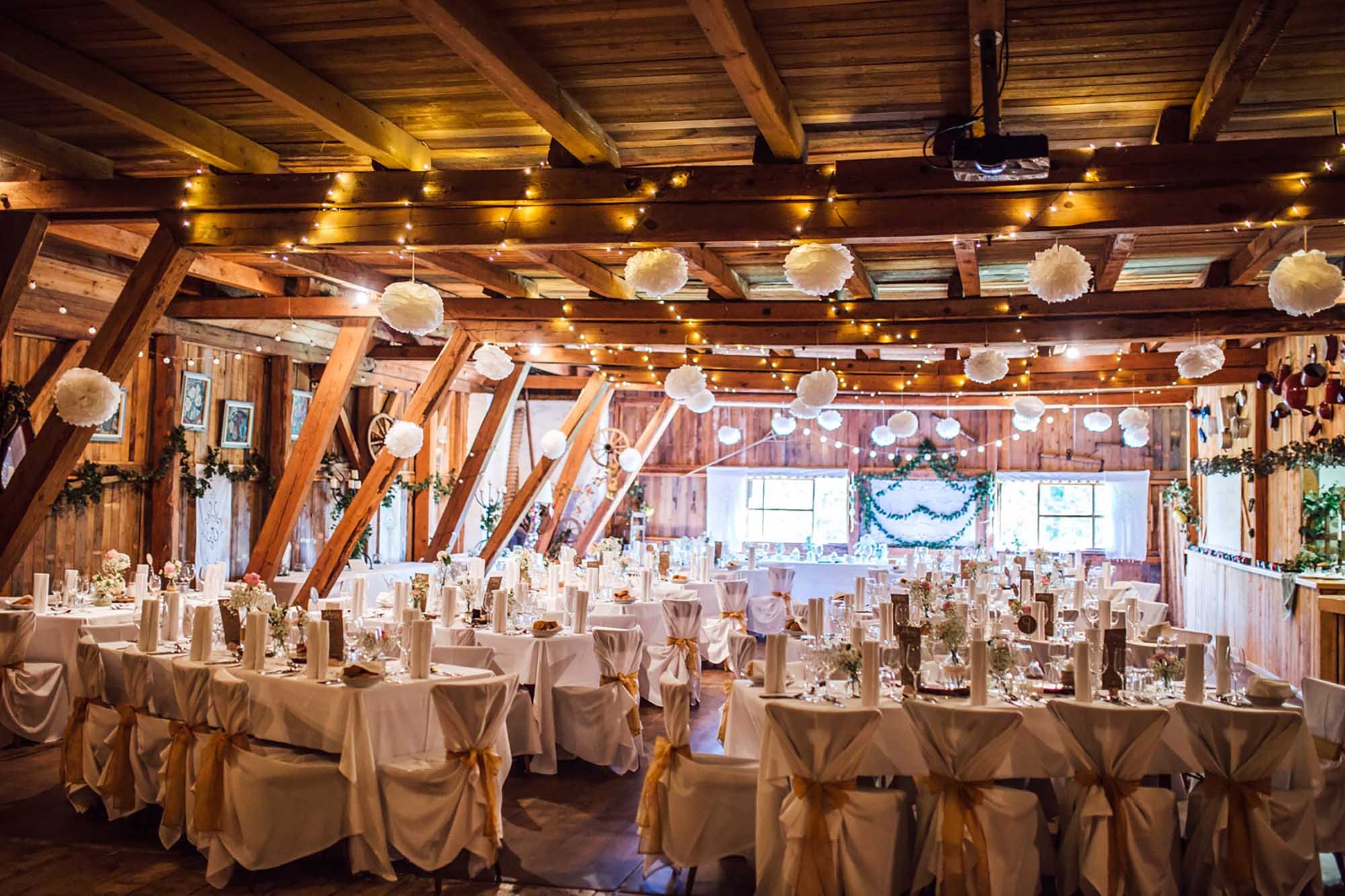
Styria's Village Table: What a Country Kirchenwirt Tells You About Austrian Dining
The road into Puch bei Weiz runs through a stretch of eastern Styria that most travellers skip entirely on their way between Graz and the Slovenian border. The hills are low and vine-threaded, the settlements small enough that a single building can anchor a community's social life for generations. That is the precise context in which a Kirchenwirt operates: a parish inn, positioned physically and functionally beside the church, serving a congregation that has never needed a reservation platform or a tasting-menu format to feel at home. Kirchenwirt Hofer is a traditional Styrian restaurant in Puch bei Weiz, Austria, with a 4.7 Google rating from 220 reviews and a casual dress code. Kirchenwirt Hofer sits inside that tradition, at Puch bei Weiz 2, in a village where the inn and the bell tower remain the two most load-bearing structures in daily life.
The Logic of the Kirchenwirt Format
Austria's dining culture divides more clearly than outsiders often assume. At one end, a tier of destination restaurants commands attention and significant spend: Steirereck im Stadtpark in Vienna, Döllerer in Golling an der Salzach, Ikarus in Salzburg, and Landhaus Bacher in Mautern an der Donau all operate at the €€€€ tier with the awards to match. At the other end, less discussed but no less structurally important, sit the Kirchenwirts and Gasthöfe, the inns that have fed rural Austria for centuries. The gap between these two formats is not a failure of ambition; it reflects two entirely different social contracts with the diner.
The Kirchenwirt contract is one of continuity and proximity. Food arrives because it was grown, raised, or gathered nearby, because the kitchen has always made it this way, and because the person ordering it probably knows the person who grew it. That sourcing logic, short and largely invisible on any menu, is the backbone of what these inns serve. In Styria specifically, that means pumpkin-seed oil pressed from local Kernöl varieties, beef from the surrounding hill farms, freshwater fish from regional rivers, and seasonal produce tied to an agricultural calendar that the kitchen follows without needing to announce it as a concept.
Ingredient Sourcing and the Styrian Kitchen
Eastern Styria is one of Austria's more agriculturally coherent regions: the elevation is low enough for reliable growing seasons, the soil varied enough to support both arable crops and pasture, and the community networks tight enough that a village inn can maintain direct relationships with producers across multiple categories. This is not the curated farm-to-table positioning that urban restaurants spend considerable marketing effort constructing; it is simply how supply chains function when the geography is small and the relationships are long-standing.
Styrian cuisine carries a few anchoring ingredients that any serious engagement with the region's food must acknowledge. Kürbiskernöl, the dark, nutty pumpkin-seed oil produced almost exclusively in Styria and neighbouring Slovenia, functions here the way olive oil functions in Liguria: as a finishing agent, a dressing base, and a flavour signal that tells you where you are before anything else does. Alongside it, Styrian beef, white wine from the southern slopes toward the Slovenian border, and a tradition of hearty but precise offal cookery define the broader culinary register. A Kirchenwirt operating in this environment draws from those resources not as a creative decision but as a structural one.
For context on how this regional-sourcing logic plays out at a more ambitious scale, Kräuterreich by Vitus Winkler in Sankt Veit im Pongau and Taubenkobel in Schützen am Gebirge both frame ingredient provenance as a central editorial proposition.
Where Puch bei Weiz Sits in the Regional Dining Picture
Graz, roughly 40 kilometres to the southwest, is the region's culinary reference point, with a food scene that includes Artis in Graz and a broader market and wine culture that draws weekend visitors from Vienna. The villages of the Weiz district sit in a quieter orbit around that energy. They are not positioned as dining destinations in the way that, say, alpine resort towns like Lech or Ischgl are, where restaurants operate partly as leisure infrastructure for high-spending visitors. The Weiz area functions on local rhythms, and the Kirchenwirt format is calibrated accordingly.
This matters for the traveller making a considered choice. A village inn in eastern Styria is not the right venue for a special-occasion tasting menu or an internationally composed wine list. It is the right venue when the objective is contact with a specific, geographically anchored food tradition, eaten in an environment that has not been designed around outside visitors. That is a distinct value proposition, and for certain travellers it outweighs the polish of a destination restaurant. For those seeking the high-end Austrian progression, Obauer in Werfen, Gourmetrestaurant Tannenhof in Sankt Anton am Arlberg, Schwarzer Adler in Hall in Tirol, Ois in Neufelden, Restaurant 141 by Joachim Jaud in Mieming, and Atelier Fischer in Sankt Gilgen represent the more formally ambitious tier. For comparison across entirely different dining traditions, Le Bernardin in New York City and Atomix in New York City illustrate how ingredient sourcing and kitchen identity operate at the opposite end of the formality spectrum.
Planning a Visit
Puch bei Weiz is reached by car from Graz, with the journey running northeast through the Weiz valley. The village is small, and the inn sits at the address Puch bei Weiz 2, making it direct to locate. Because specific hours, current booking requirements, and pricing are not confirmed, contacting the venue directly before travel is the practical approach, a habit worth maintaining for any small rural inn in Austria, where seasonal closures and private bookings can affect availability without notice. Given the scale and community orientation of the format, reservations are recommended, but a call ahead removes the uncertainty.
For broader context on what the Puch bei Weiz area offers, see our full Puch bei Weiz restaurants guide.
A Quick Peer Check
Comparable venues nearby, for context on price, style, and recognition.
| Venue | Cuisine | Price | Awards | Notes |
|---|---|---|---|---|
| Kirchenwirt HoferThis venue — the venue you are viewing | Traditional Styrian | $$ | , | |
| Jedermann's | Austrian | $$ | , | Innsbruck city center |
| Restaurant Die Hexn-Stubn | Traditional Styrian Austrian | $$ | , | Feistritztal |
| Frankowitsch | Austrian Deli Brötchen | $$ | , | Innere Stadt |
| Stoxi's Mostschänke | Traditional Austrian | $$ | , | Fohnsdorf |
| Schwabenhof | Traditional Burgenland & Austrian | $$ | , | Heiligenbrunn |
Continue exploring
More in Puch Bei Weiz
Restaurants in Puch Bei Weiz
Browse all →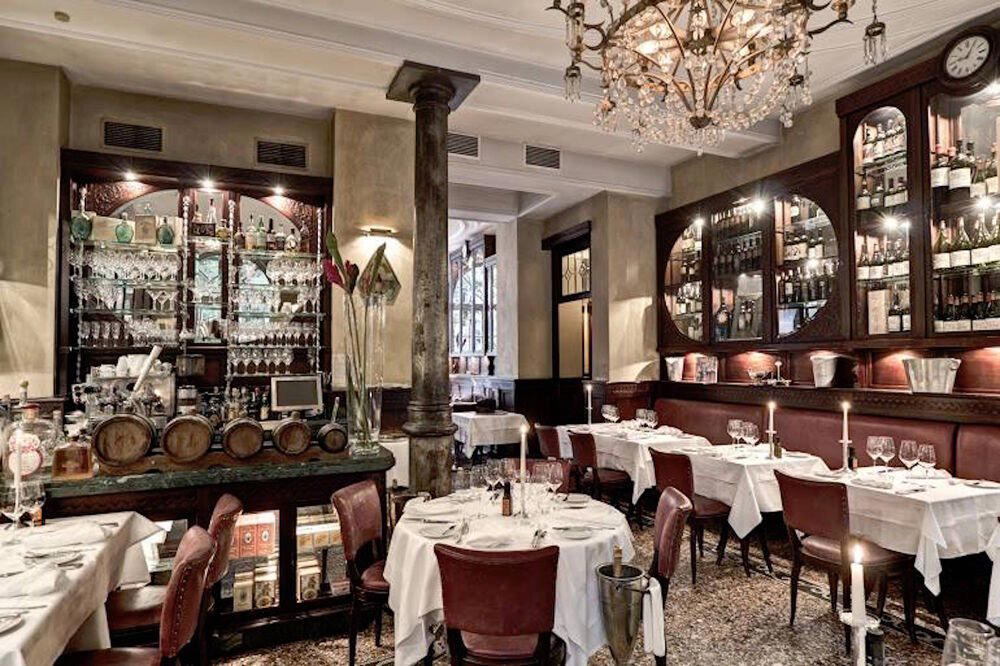
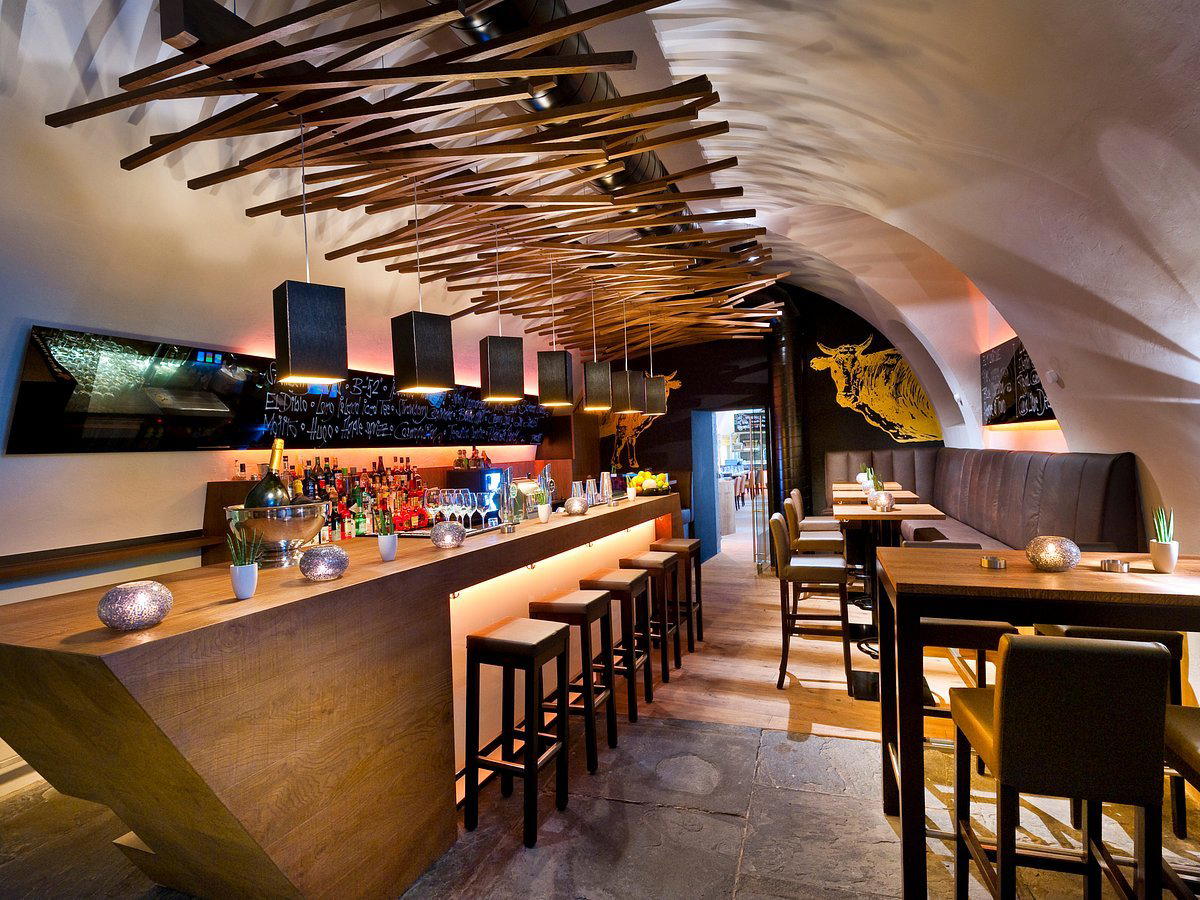
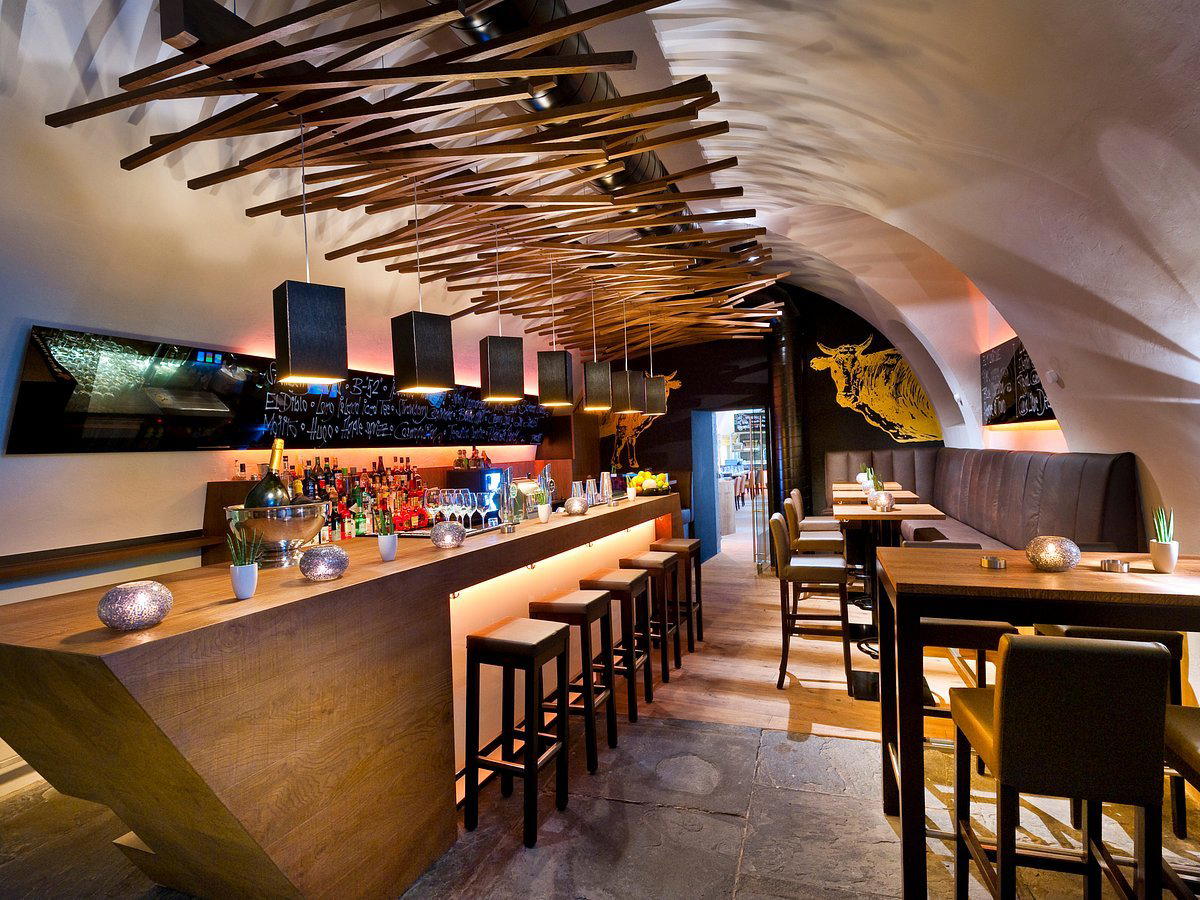
Bars in Puch Bei Weiz
Browse all →
Hotels in Puch Bei Weiz
Browse all →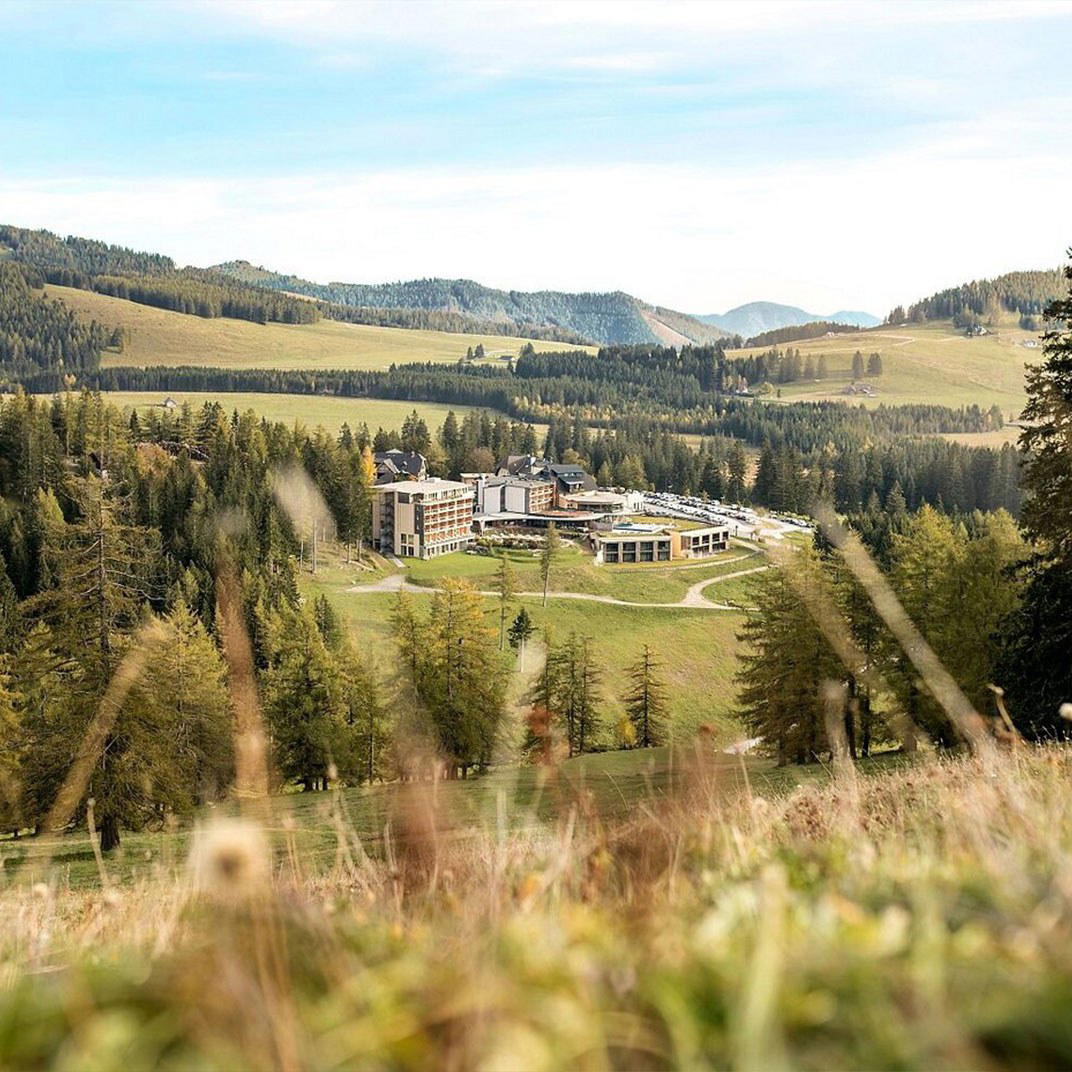

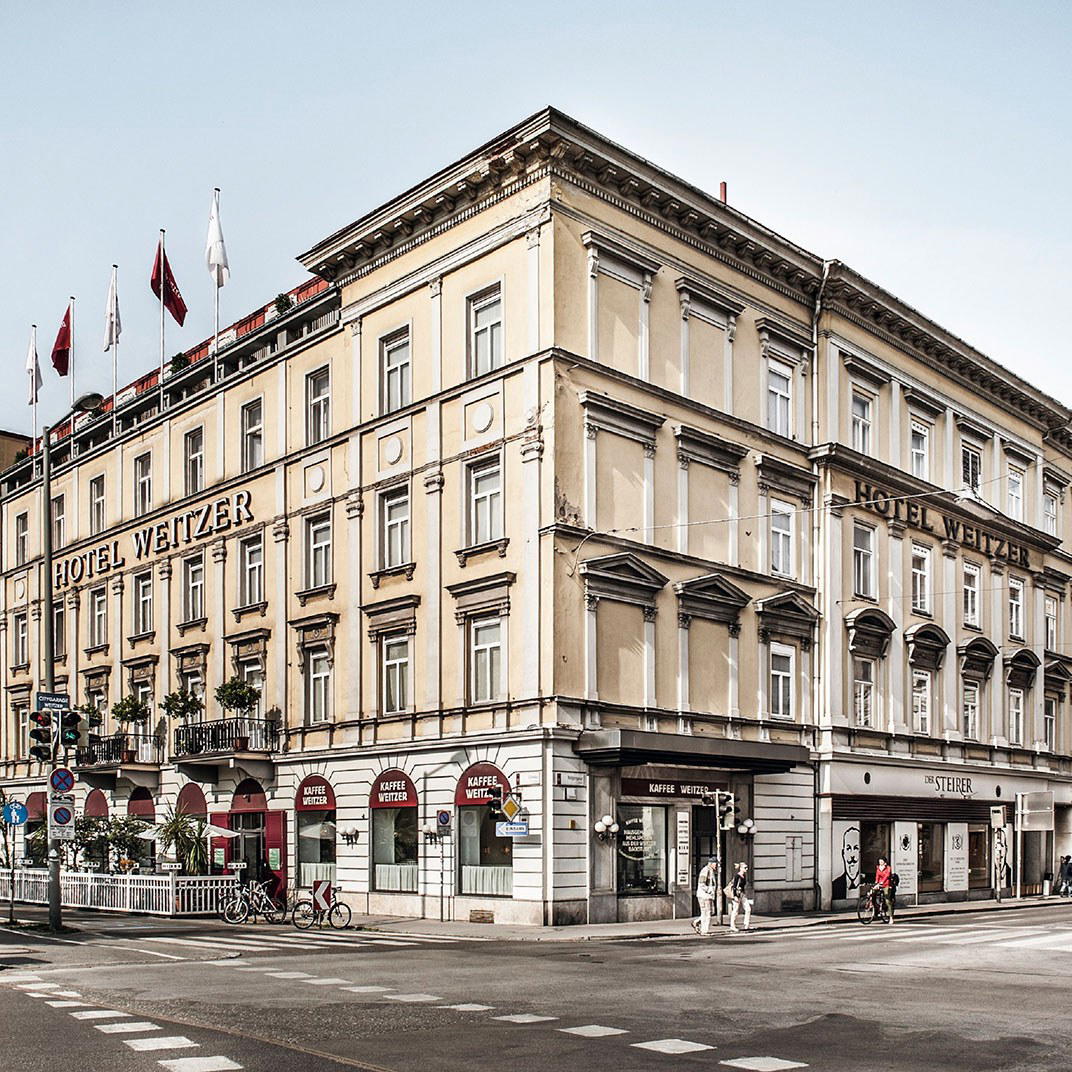



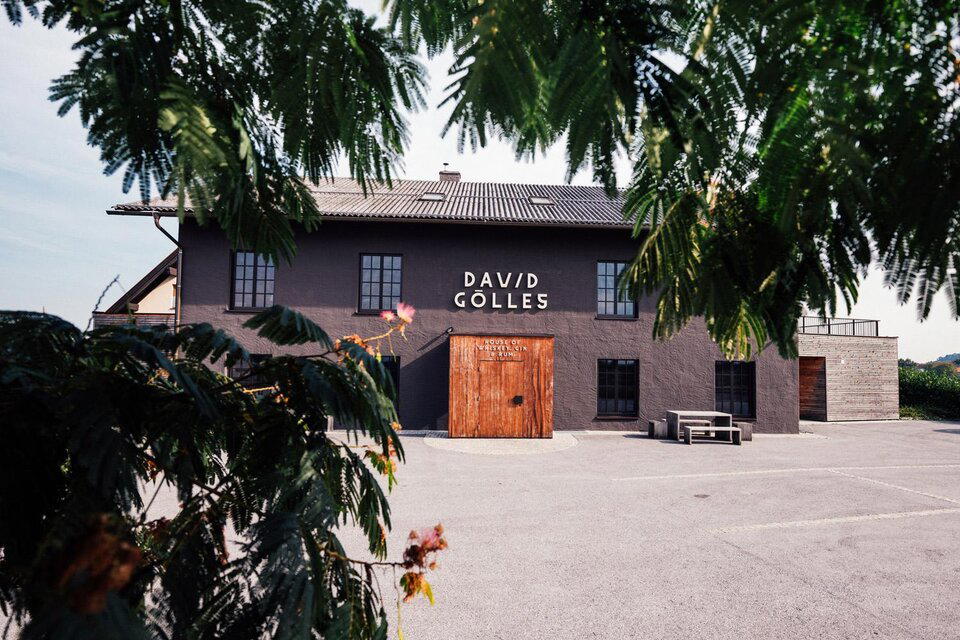
At a Glance
- Cozy
- Rustic
- Classic
- Family
- Casual Hangout
- Garden
- Historic Building
- Local Sourcing
- Garden
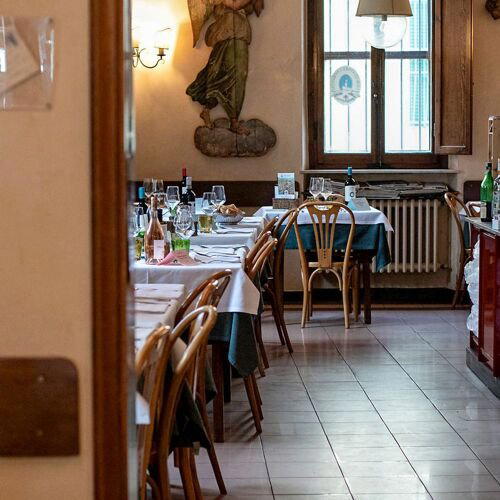
Cozy parlors and idyllic guest garden with a warm, traditional atmosphere.