

A Michelin-starred country house restaurant in the Styrian wine village of Straden, Saziani sits beside the Neumeister estate and earns its star through ingredient-driven seasonal cooking with precise, uncluttered flavours. Open Wednesday through Sunday evenings, with Saturday and Sunday lunch, it offers a seasonal menu alongside à la carte options and a terrace with views across the surrounding hillside. A handful of hotel rooms make an overnight stay practical.
Pearl is the En Primeur Club membership app — saves, bookings, and concierge access live there. Same editors, same standards.
- Address
- Saziani W. 42, 8345 Straden, Austria
- Phone
- +43 3473 8651
- Website
- neumeister.cc
- Directions
- Get directions
 Saves & bookings on Pearl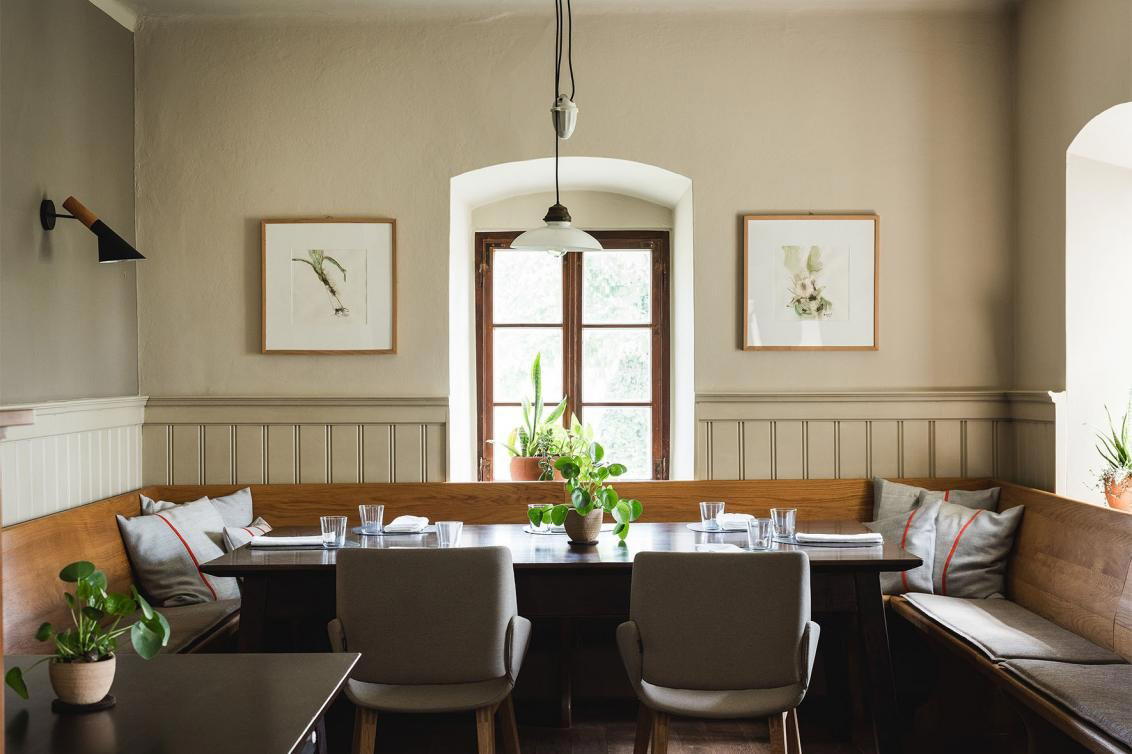
Where the Styrian Wine Country Sets the Table
Saziani is a one-Michelin-star restaurant in Straden, Austria, serving creative seasonal Austrian cuisine at about €150 per person. This is not the kind of place where a Michelin star arrives by accident. The landscape around Straden is organised around winemaking and hospitality, and the villages here take both with a seriousness that rarely makes it into broader Austrian dining conversations. That relative obscurity is precisely why the region rewards the traveller who seeks it out.
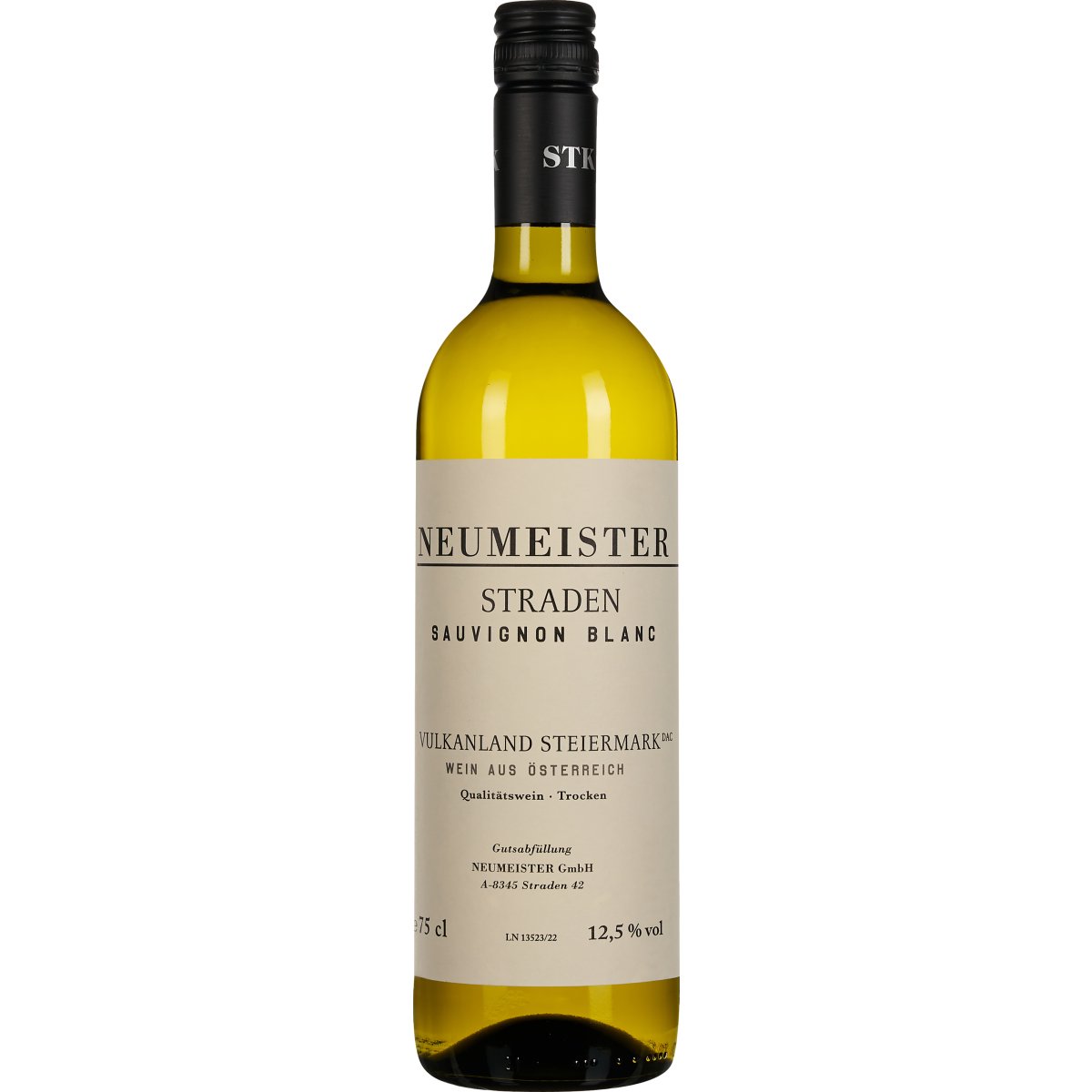
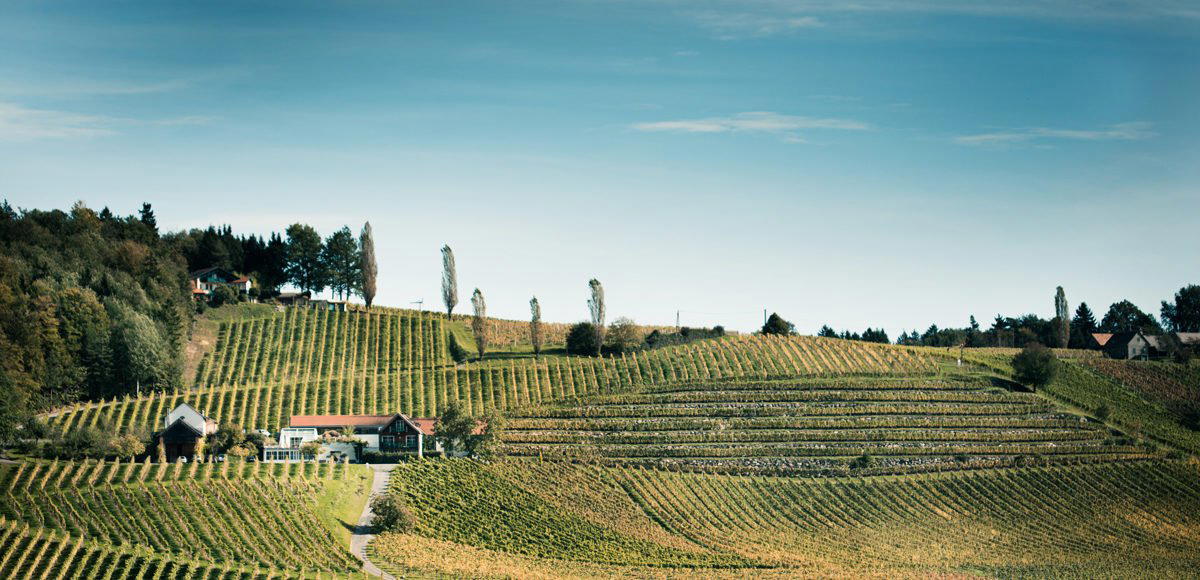
Saziani sits at the edge of the village at Saziani W. 42, directly alongside Neumeister Weingut, one of the Vulkanland's most respected estates. The proximity is not incidental. The relationship between the wine estate and the restaurant reflects a broader dynamic in this part of Styria, where serious cellars and serious kitchens have developed alongside one another, each shaping the expectations of the other. To arrive here in the early evening, with the terraced vineyards stepping up the hillside behind the building, is to understand immediately that the cooking will be rooted in place in a way that few urban restaurants can replicate.
The Character of the Cooking
Seasonal cuisine, the category Saziani occupies, covers considerable ground in Austrian fine dining. At its strongest, as practised at addresses like Kirchenwirt in Leogang and Mesnerhaus in Mauterndorf, it means cooking that uses the season as both constraint and argument, where the ingredient is the sentence and the technique is the punctuation.
Saziani's Michelin citation, held since 2024, points specifically to the clarity of the cooking and its signature style. The dishes cited in the award description, salmon trout with dill and horseradish, and fawn with pea, mint, polenta, and yoghurt, share an architecture that tells you something about the kitchen's sensibility: clean herb and acid accents, proteins from the immediate region, and dairy components that ground the plate without overwhelming it. This is cooking that acknowledges classical Austrian foundations while refusing to be museum-bound by them. The result earns its star not through technical theatre but through the kind of ingredient confidence that can only come from cooking in close proximity to where things grow.
The format gives diners a choice between a seasonal menu and à la carte dishes, which positions Saziani in a slightly different tier from the strictly menu-only Michelin houses in Austria's western alpine corridor. Addresses like Gourmetrestaurant Tannenhof in Sankt Anton am Arlberg and Griggeler Stuba in Lech operate within the tightly choreographed tasting format that alpine resort dining has made standard. Saziani's retained à la carte option suggests a different philosophy, one more aligned with the regional farmhouse-restaurant tradition where the diner drives the pace rather than the kitchen.
Styrian Seasonal Cooking in Its Broader Context
Austrian fine dining has historically centred on Vienna and the Salzburg-to-Innsbruck alpine arc. The metropolitan end of that spectrum runs from Steirereck im Stadtpark in Vienna through to Vienna's Mraz & Sohn, both operating at €€€€ price points with ambitious tasting formats. The alpine end runs through names like Obauer in Werfen, Döllerer in Golling an der Salzach, and Ikarus in Salzburg, all at €€€€ and all working within formats shaped by resort-town expectations.
Saziani at €€€ operates at a different price tier entirely, which is partly a function of geography and partly a deliberate positioning. The Styrian Vulkanland is not a resort economy, and the restaurant does not price like one. That the kitchen holds a Michelin star at a price point a full bracket below the bulk of Austria's starred houses says something useful about what is actually driving the award: cooking quality and product, not the cost of running a high-volume alpine hotel restaurant.
Within Straden itself, Krispels Genusstheater represents a different register of the local dining scene, operating in a more theatrical contemporary format. The two addresses together give Straden a surprising critical mass for a village of its size. For those building a broader Styrian itinerary, our full Straden restaurants guide maps the complete picture.
The Room, the Terrace, and the Sommelier
Inside, the atmosphere reads as cosy in the specific central-European sense: warm materials, measured scale, a room that functions as a shelter from the season rather than a neutral backdrop for the food. This is not the spare Scandinavian minimalism that has colonised a certain tier of European fine dining, nor the formal grandeur of old-school Austrian Haubenrestaurants. It is a country house dining room that takes its food seriously without performing seriousness as an aesthetic.
The terrace deserves particular mention. Positioned to look out over the village and the surrounding vineyards and hills, it provides exactly the kind of context for a meal that no indoor room can manufacture. Eating at that terrace in the warmer months, with a glass poured by a sommelier who also co-runs the house, is a different proposition from the same meal taken inside. The outdoor setting becomes an argument for the food's own regionality.
The sommelier role is held by Ruth Mandl, who also serves as host. The combination of expert wine service and genuine hospitality from one of the owners is a structural advantage that larger, more professionalised operations rarely replicate. In a region as wine-serious as Vulkanland Styria, with Neumeister's cellar metres away and other serious estates within easy reach, having that level of sommelier knowledge integrated into the hosting function shapes the entire experience of the meal.
Planning a Visit
Saziani opens Wednesday through Friday for dinner from 6 PM to 10 PM, adds a Saturday lunch service from noon to 1:30 PM before the evening session, and closes the week on Sunday lunch from noon to 3 PM. Monday and Tuesday are closed. The limited weekly hours and single-restaurant scale mean that booking ahead is advisable, particularly for weekend services. The €€€ price positioning makes it accessible relative to the starred field in Austria, though it remains a considered expenditure rather than a casual drop-in.
For those making the journey from Graz, the driving route through the southern Styrian wine roads adds to the arrival experience rather than deducting from it. A small number of hotel rooms at the property make an overnight stay a sensible option, removing the question of the return drive and opening up the possibility of visiting Neumeister the following morning.
Travellers comparing Austrian one-star destinations across regions might also consider Ois in Neufelden, Restaurant 141 by Joachim Jaud in Mieming, Schwarzer Adler in Hall in Tirol, and Kräuterreich by Vitus Winkler in Sankt Veit im Pongau. Each operates within its own regional context, and comparing them illuminates how differently a Michelin star can be earned across Austria's distinct culinary geographies. Saziani's argument is rooted in Styrian terroir, ingredient proximity, and a cooking style that treats clarity as a value rather than a limitation.
Cost and Credentials
Comparable venues nearby, for context on price, style, and recognition.
| Venue | Cuisine | Price | Awards | Notes |
|---|---|---|---|---|
| SazianiThis venue — the venue you are viewing | Straden, Creative Seasonal Austrian | $$$$ | Michelin 1 Star | Not listed |
| Krispels Genusstheater | Not listed | $$$ | Bib Gourmand | Straden, Modern Styrian Fine Dining with Woolly Pig |
| Das LiebEck | Not listed | $$$$ | Not listed | Stainz bei Straden, Refined Regional Austrian with International Influences |
| Harald Irka am Pfarrhof - Fine Dine | Not listed | $$$$ | Michelin 1 Star | Sankt Andrä im Sausal, Modern Austrian Fine Dining |
| Lukas Kapeller | Not listed | $$$$ | Michelin 1 Star | Steyr center, Modern Regional Austrian Fine Dining |
| RAU nature-based cuisine | Großraming, Nature-Based Cuisine | $$$$ | Michelin 1 Star | Not listed |
Recognition history
Dated appearances from independent guides and award organizations, with the underlying list record or original source where available.
Falstaff Restaurant - 95 Falstaff Points
Falstaff
Michelin 1 Star
Michelin
Michelin 1 Star
Michelin
Michelin 1 Star
Michelin
Continue exploring
More in Straden
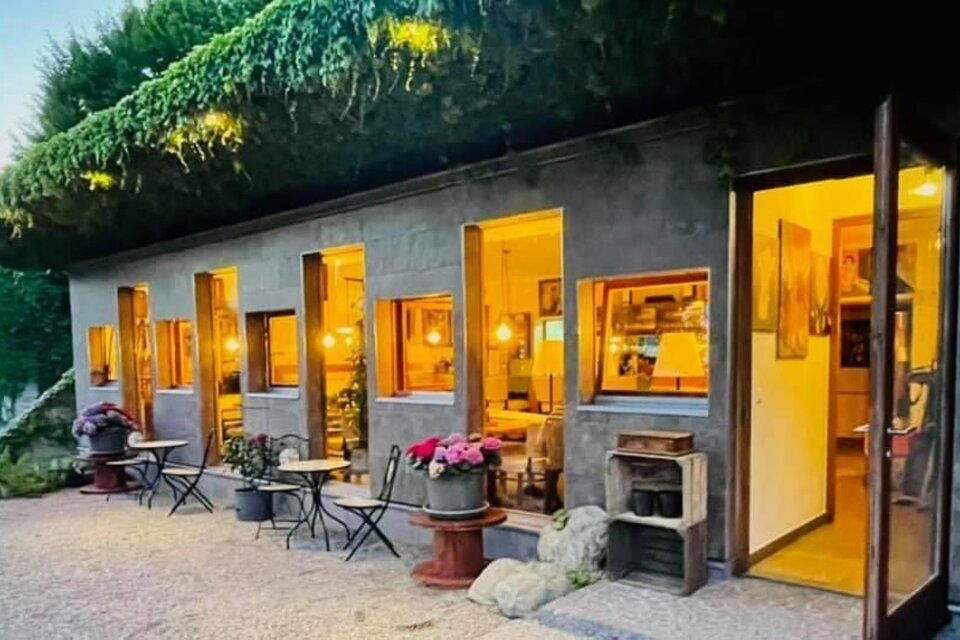
Restaurants in Straden
Browse all →
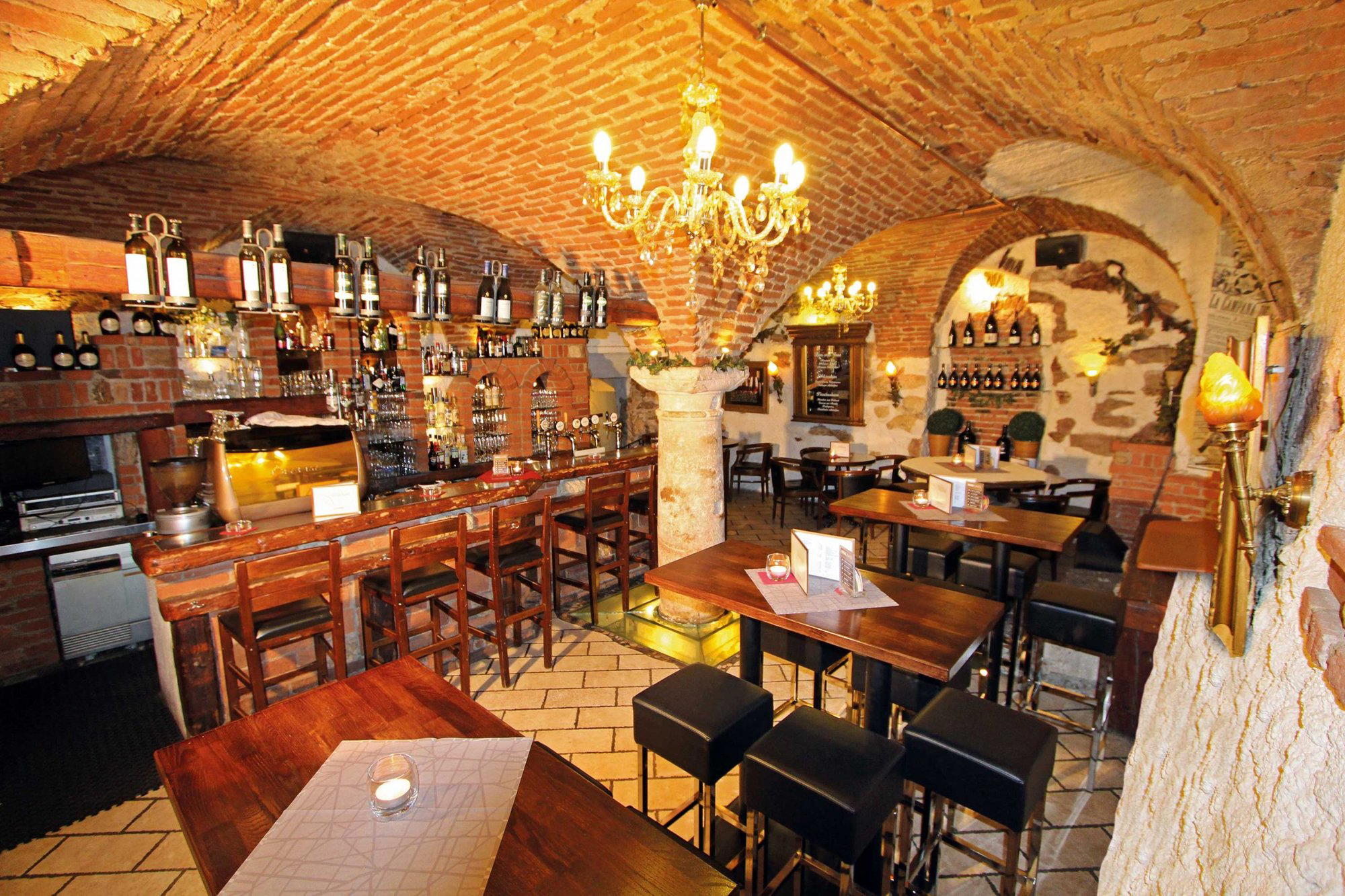
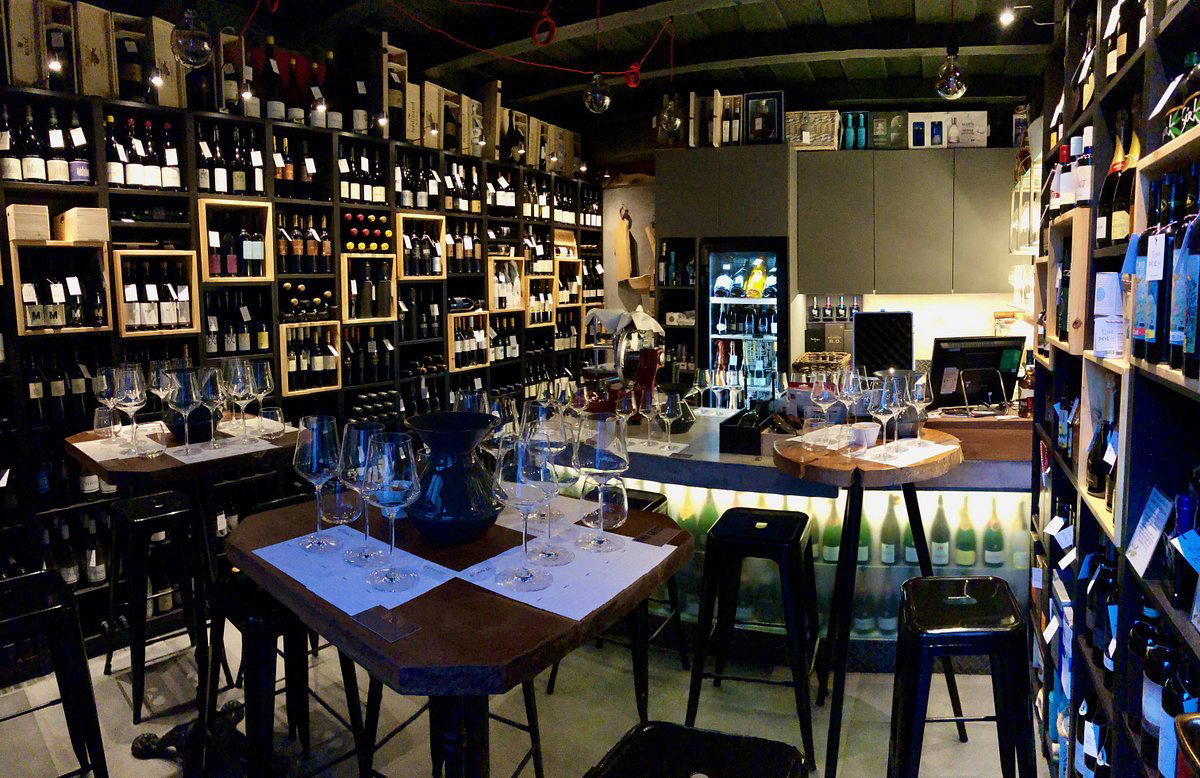
Bars in Straden
Browse all →
Hotels in Straden
Browse all →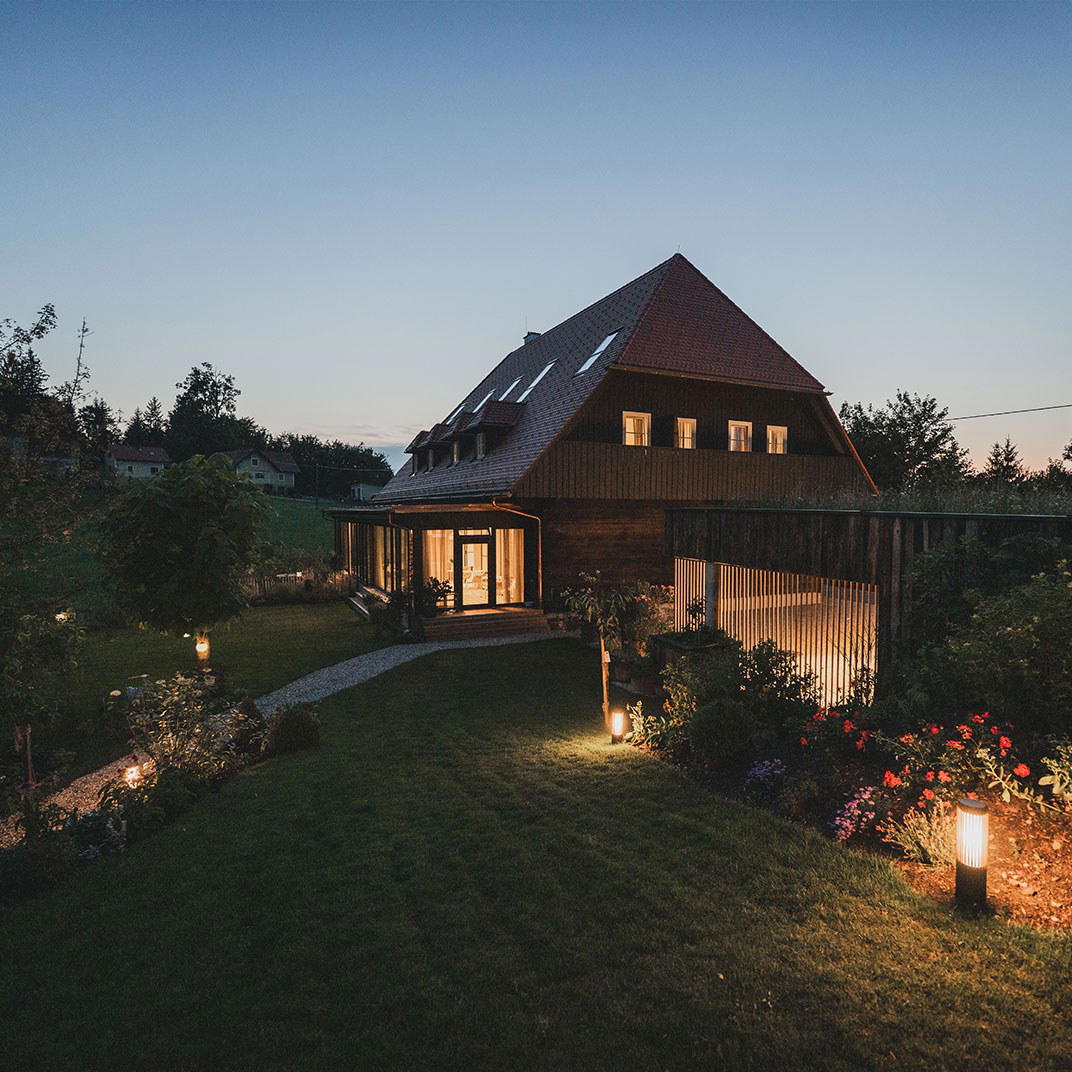

At a Glance
- Cozy
- Romantic
- Elegant
- Scenic
- Date Night
- Special Occasion
- Terrace
- Extensive Wine List
- Sommelier Led
- Local Sourcing
- Vineyard
- Street Scene
Current opening hours
- Monday
- Closed
- Tuesday
- Closed
- Wednesday
- Closed
- Thursday
- Closed
- Friday
- Closed
- Saturday
- Closed
- Sunday
- Closed
Hours can change for holidays and private events. Last verified .
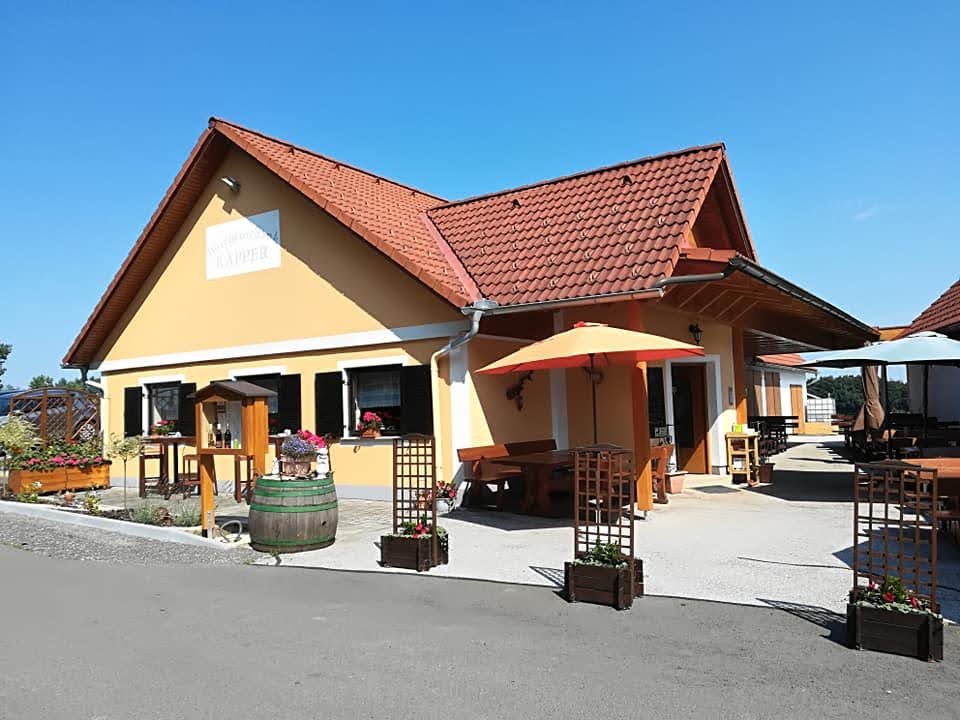
Cosy interior atmosphere with a pretty terrace offering views of the village and surrounding area.