Türkenloch
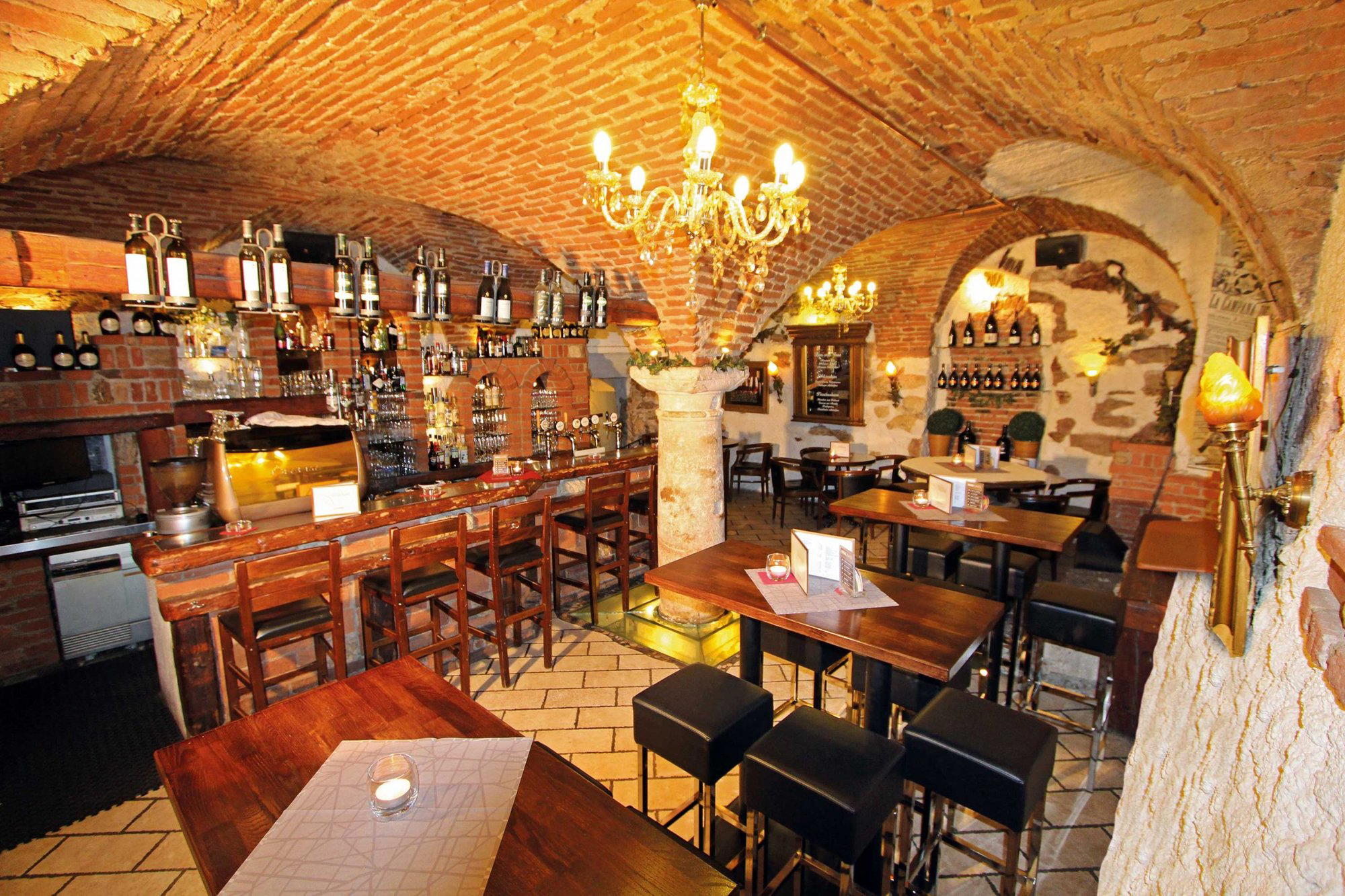
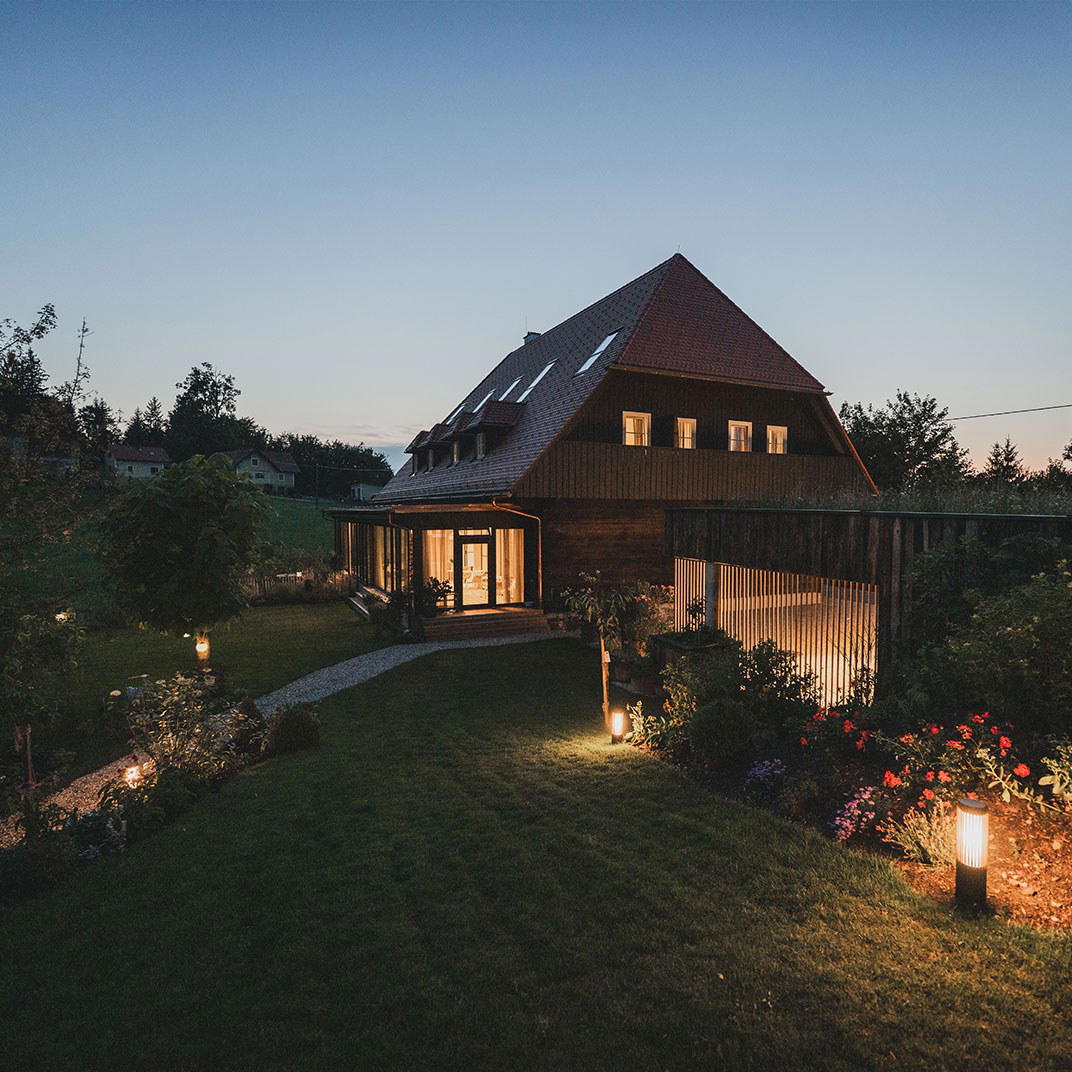
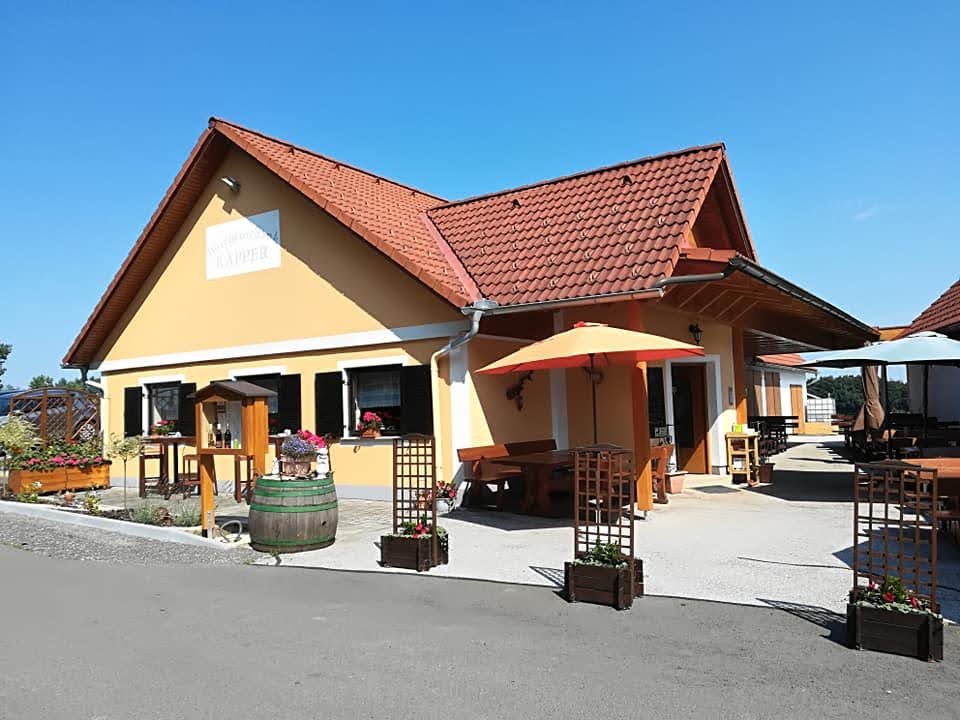
Türkenloch serves Traditional Austrian Styrian cooking in a historic building on Langgasse 10, with Backhendl and an extensive wine list for lunch or dinner.
Pearl is the En Primeur Club membership app — saves, bookings, and concierge access live there. Same editors, same standards.
- Address
- Langgasse 10, 8490 Bad Radkersburg, Austria
- Phone
- +43347620389
- Website
- tuerkenloch.at
- Directions
- Get directions
 Saves & bookings on Pearl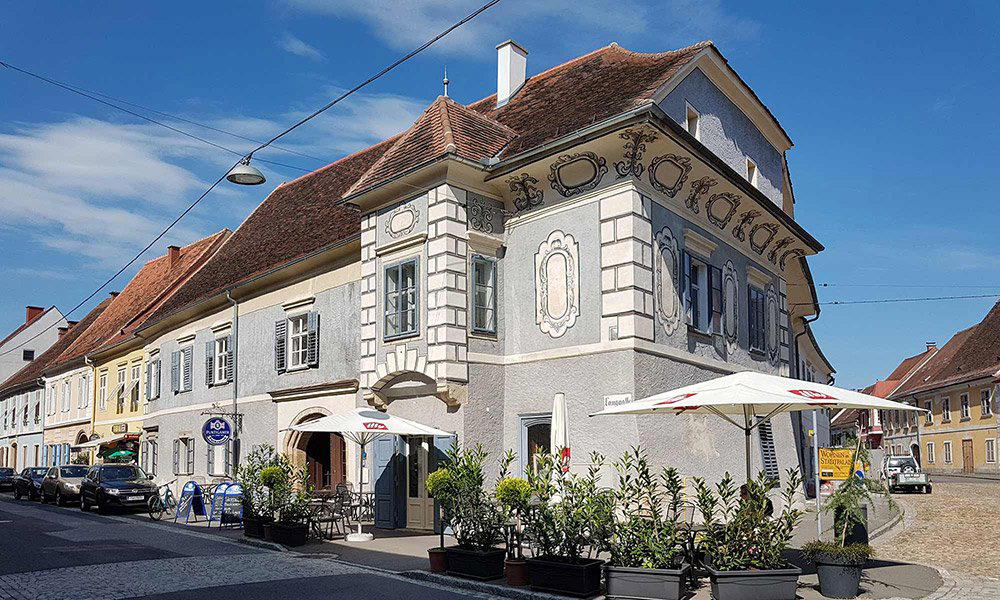
Where the Styrian Borderlands Meet the Table
Bad Radkersburg sits at Austria's southeastern edge, pressed against the Slovenian border where the Mur river defines the boundary between two countries and, more quietly, between two culinary traditions. The town itself is one of the smallest spa resort designations in the country, a place where thermal waters draw visitors who tend to linger rather than pass through. Langgasse, the address of Türkenloch, is one of the old town's central arteries, a street where the architecture still reads medieval and the pace of life reflects a community that has not yet been absorbed into the rhythms of mass tourism. That physical context matters when thinking about what a restaurant here represents: this is not a stage-set for destination dining, but a place embedded in a working town at the quiet end of the Styrian map.
Southern Styria and the Ingredient Question
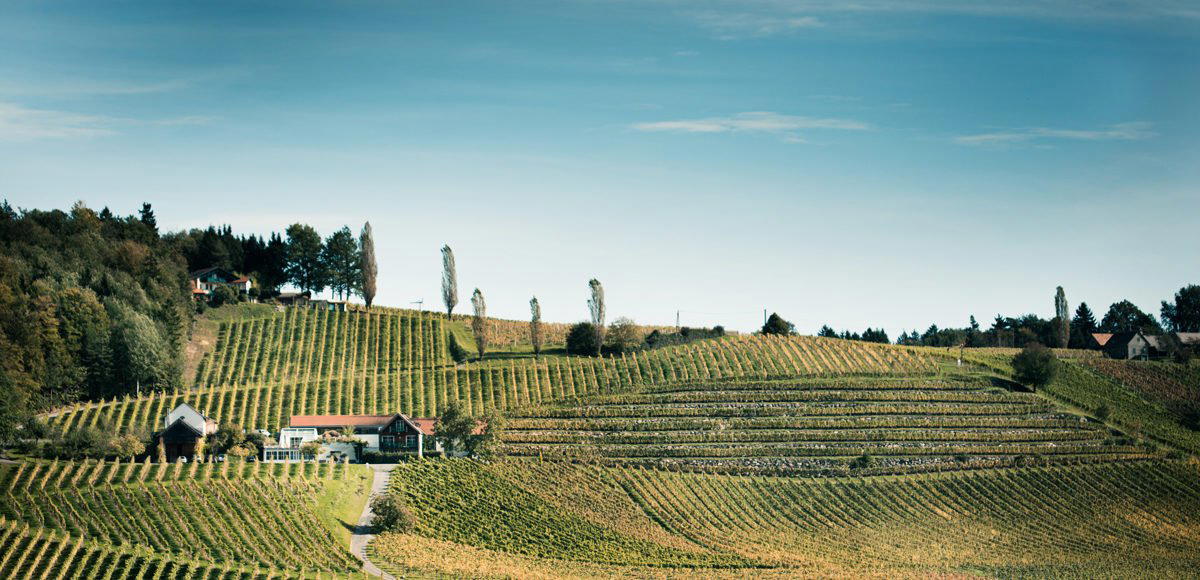
The broader region around Bad Radkersburg is among Austria's most agriculturally productive and least celebrated. Southern Styria produces pumpkin seed oil that carries a protected designation of origin, along with wines from the Südsteiermark DAC that have drawn international attention over the past decade. The Mur valley supplies produce to kitchens across Graz and beyond, but the local supply chain feeding restaurants in Bad Radkersburg itself rarely makes the food press. Restaurants in small Austrian spa towns often occupy an awkward middle tier: too regional for destination visitors, too ambitious for purely local trade. The ingredient story in this corner of Styria is strong enough to support serious cooking, a point illustrated by the trajectory of better-known Styrian kitchens farther up the food press hierarchy, including Steirereck im Stadtpark in Vienna, which has long used Styrian suppliers as a foundation for its market-driven approach.
Within the Austrian dining conversation, the sourcing-led model has proven durable. Döllerer in Golling an der Salzach has built its reputation on hyper-regional Alpine sourcing, while Kräuterreich by Vitus Winkler in Sankt Veit im Pongau has made herb and plant sourcing the organizing principle of an entire restaurant identity. What each of these demonstrates is that provenance, when taken seriously, becomes a culinary argument in itself rather than a marketing annotation. The geography makes the raw material question unavoidable: the land surrounding Bad Radkersburg is simply too productive to ignore.
The Address and What It Signals
Langgasse 10 places Türkenloch within the protected historic core of Bad Radkersburg, a town whose old town district is itself a listed ensemble of late medieval and Renaissance architecture. Dining within that envelope carries an ambient quality that no purpose-built restaurant space can replicate: low ceilings, thick walls, the particular acoustic deadness of old stone. Restaurants in similarly situated Austrian towns, from the inn tradition of the Burgenland wine villages to the bürgerlich houses of Carinthian market towns, tend to carry that physical history into their hospitality in ways that affect pacing and formality. The room, in these cases, sets expectations that the menu then has to meet or deliberately subvert.
For comparison, Taubenkobel in Schützen am Gebirge in the Burgenland operates from a historic farmhouse footprint and has used that spatial identity to support a wine-forward, produce-led approach that sits comfortably in the upper tier of Austrian dining. Landhaus Bacher in Mautern an der Donau similarly anchors itself in a heritage building on the Danube and has maintained a Michelin star over decades, demonstrating that regional positioning and physical character can sustain serious culinary ambition over the long term. Türkenloch's address suggests a similar physical vocabulary, even if the scale and register remain unconfirmed by available data.
Bad Radkersburg in the Austrian Dining Context
Bad Radkersburg does not appear in the annual circuits of Austrian fine dining coverage the way Graz, Salzburg, or the Tyrolean resort towns do. The restaurants that command consistent press attention in Austria tend to cluster in places that combine culinary ambition with either urban density or high-volume tourism infrastructure: Griggeler Stuba in Lech, Stüva in Ischgl, and Ikarus in Salzburg all operate in contexts where deep-pocketed visitor flows support premium pricing and international recognition. Bad Radkersburg's visitor profile is different: thermal spa guests, cross-border visitors from Slovenia, and a local catchment area that extends into the Slovenian Mur region. That audience supports a different kind of restaurant, one measured by hospitality consistency and regional authenticity rather than by tasting menu innovation or sommelier depth.
The closest local comparison in Bad Radkersburg's own dining context is Bacherlwirt, another address in the same small town. Between the two, the town offers more dining character per square metre than its population size would suggest. Our full Bad Radkersburg restaurants guide covers both in broader context. Further afield in the Austrian dining map, Obauer in Werfen, Ois in Neufelden, Schwarzer Adler in Hall in Tirol, Restaurant 141 by Joachim Jaud in Mieming, and Artis in Graz each demonstrate how kitchens operating outside the major urban centres can develop credible regional identities. Gourmet-curious travellers willing to extend their radius, as with Gourmetrestaurant Tannenhof in Sankt Anton am Arlberg, consistently find that the provincial Austrian kitchen rewards the detour. For international reference points on what disciplined, produce-anchored cooking can achieve at the highest register, Le Bernardin in New York City and Atomix in New York City illustrate how sourcing specificity and editorial restraint translate into sustained critical standing over time.
Comparable Spots, Quickly
Comparable venues nearby, for context on price, style, and recognition.
| Venue | Cuisine | Price | Notes |
|---|---|---|---|
| TürkenlochThis venue — the venue you are viewing | Traditional Austrian Styrian | $$ | Not listed |
| Bacherlwirt | Traditional Austrian Country Inn | $$ | Bad Radkersburg |
| Kollar Göbl | Austrian Regional Cuisine | $$ | Hauptplatz |
| Stadlmaier-Alm | Traditional Austrian Buschenschank | $$ | Klein-Gößgraben |
| Bratlalm | Traditional Austrian Almheuriger | $$ | Wenigzell |
| Das Mizis | Traditional Austrian | $$ | Matzendorf |
Continue exploring
More in Bad Radkersburg
Restaurants in Bad Radkersburg
Browse all →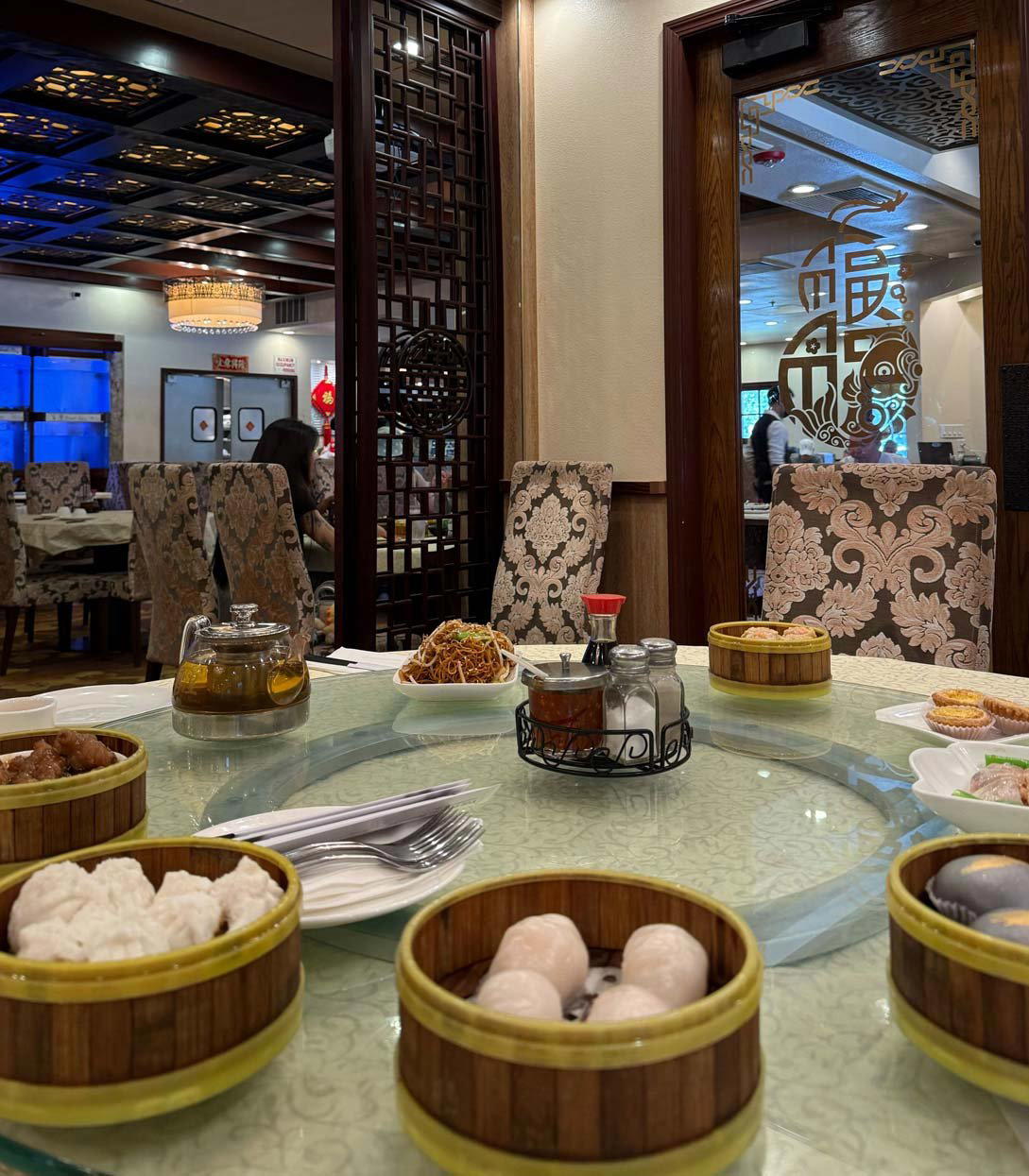
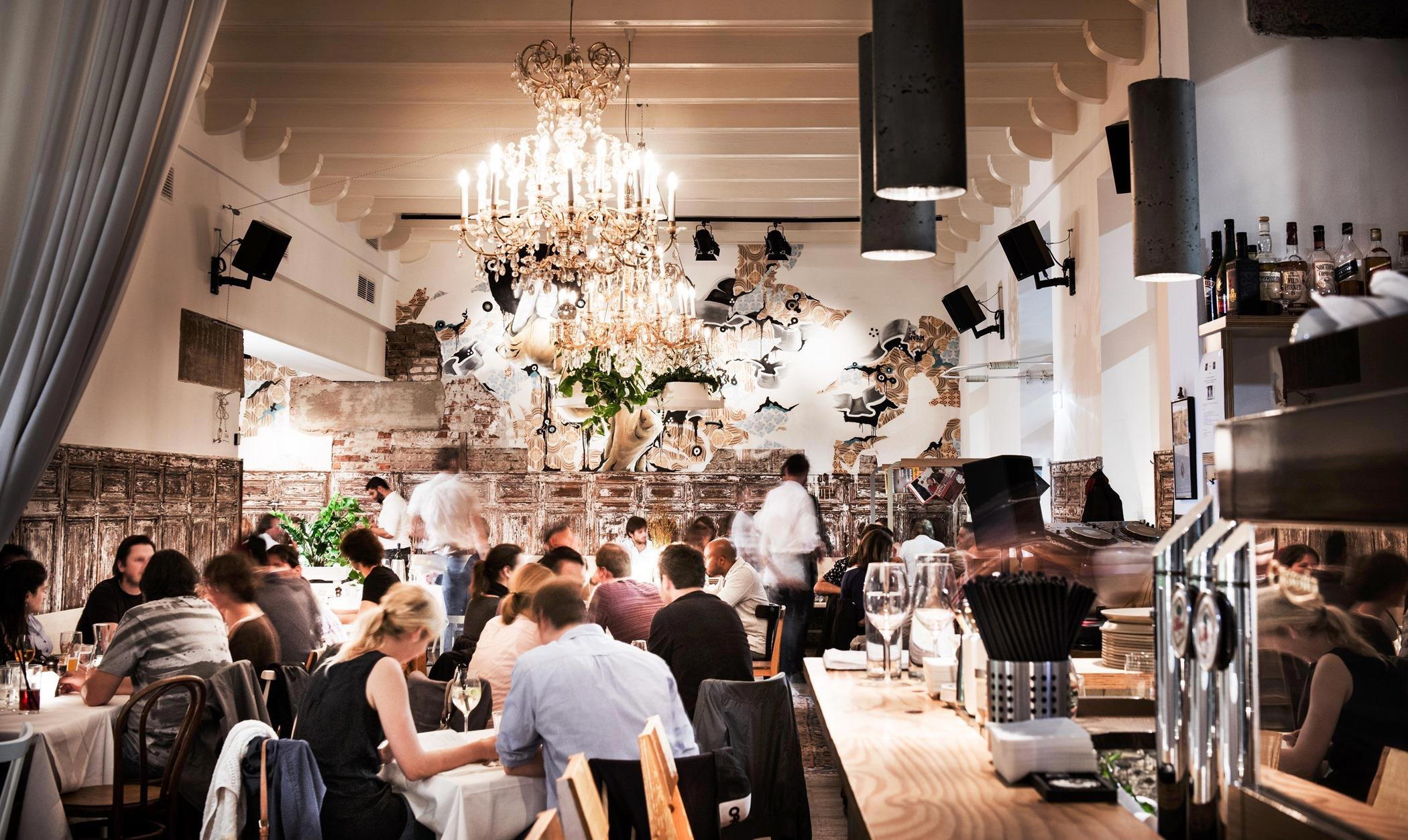
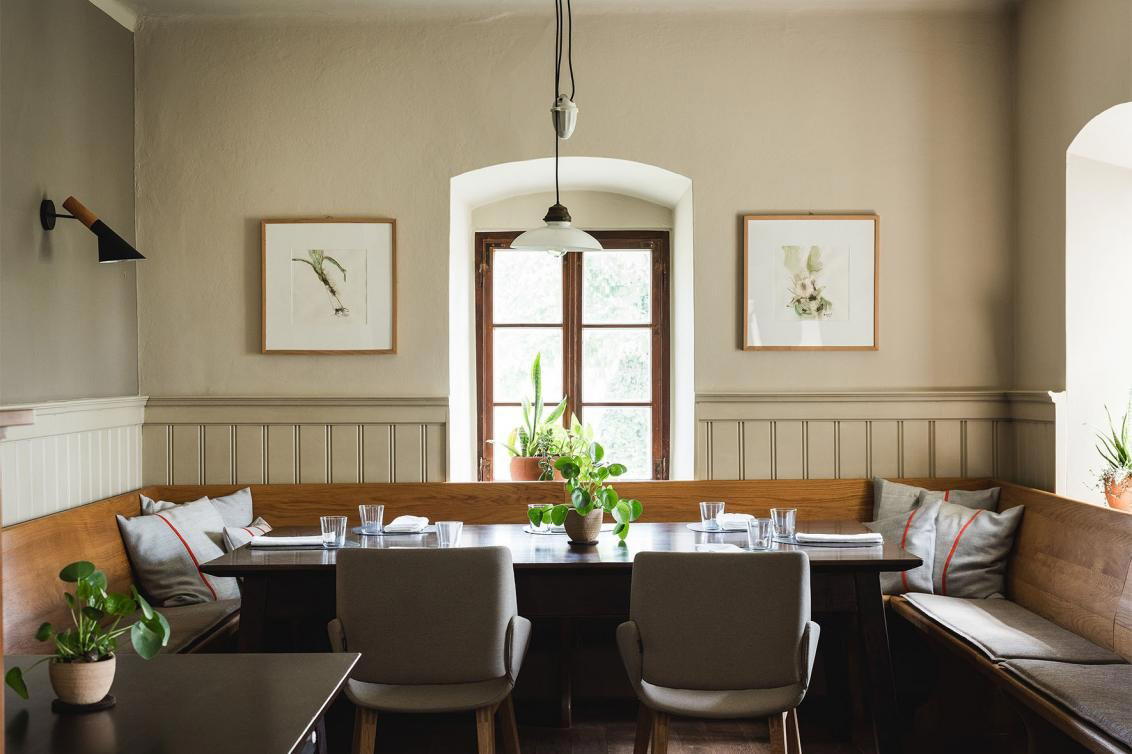
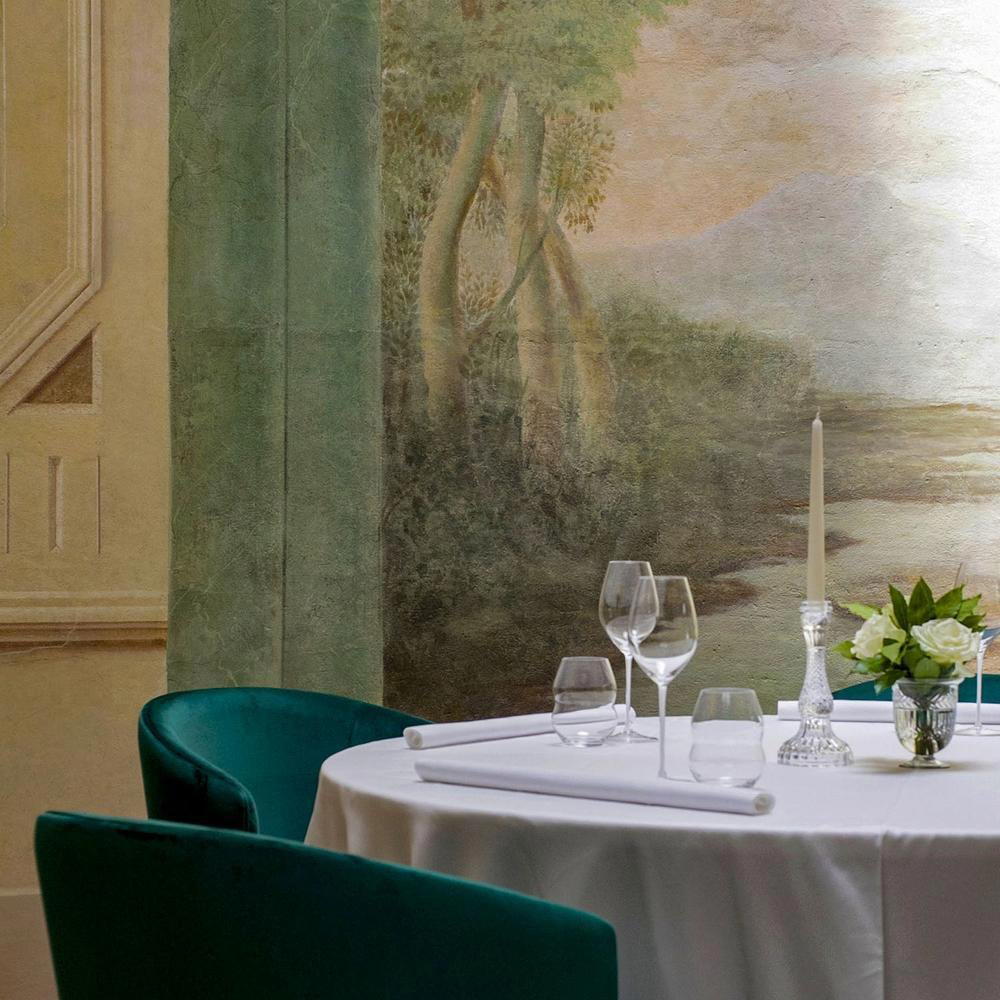
Bars in Bad Radkersburg
Browse all →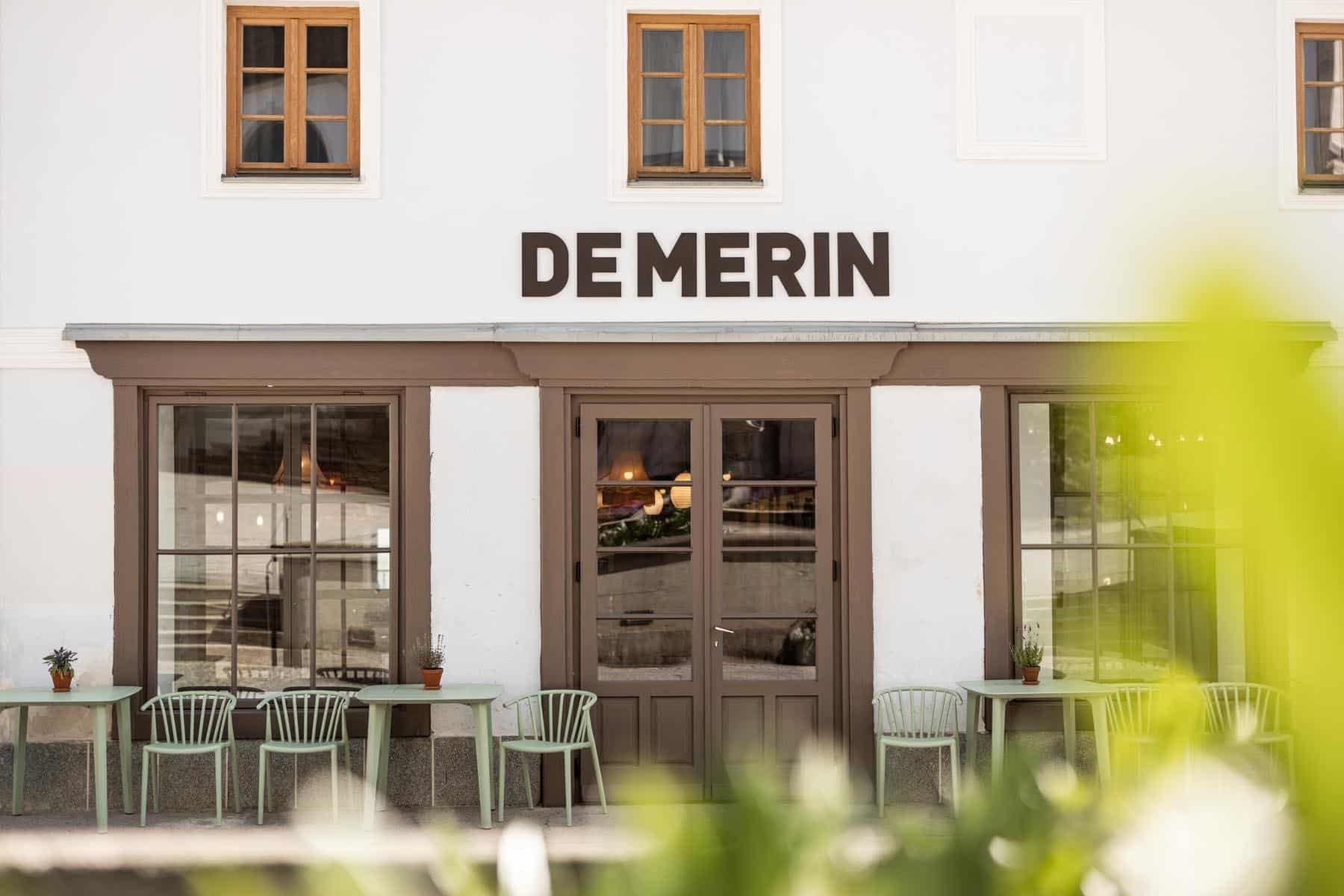
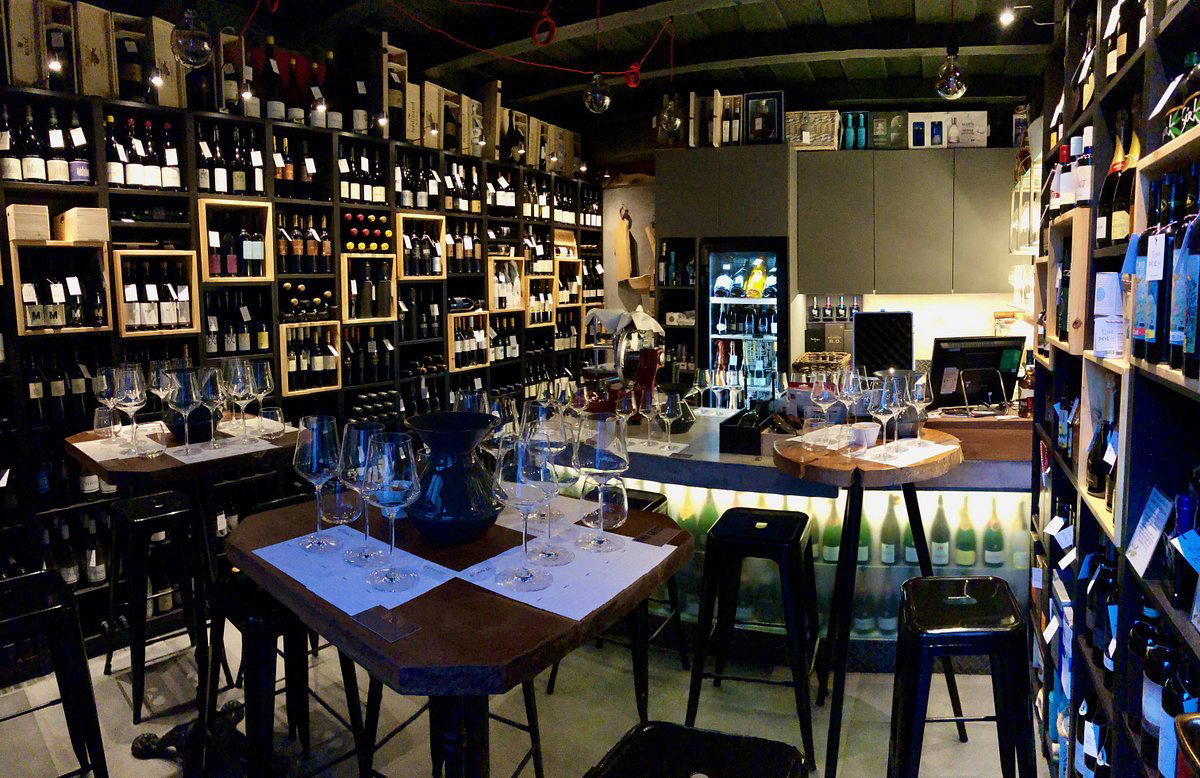
Hotels in Bad Radkersburg
Browse all →

At a Glance
- Classic
- Rustic
- Cozy
- Historic
- Casual Hangout
- Family
- Historic Building
- Extensive Wine List
- Local Sourcing
Current opening hours
- Monday
- 10 AM–10 PM
- Tuesday
- Closed
- Wednesday
- 10 AM–10 PM
- Thursday
- 10 AM–10 PM
- Friday
- 10 AM–10 PM
- Saturday
- 10 AM–10 PM
- Sunday
- 10 AM–10 PM
Hours can change for holidays and private events. Last verified .
Rustic historic atmosphere with cozy interior, sometimes dark lighting.