Knappenhof

Knappenhof sits in Kleinau, a hamlet on the edge of Reichenau an der Rax in the lower Alps of Lower Austria, where the Rax massif shapes both the climate and the culinary rhythm. This is a region where farm-to-table is not a marketing phrase but a geographic fact, and the kitchen draws on that proximity directly. For visitors making the drive from Vienna, roughly 90 minutes south, it represents a different register of Austrian dining entirely.
Pearl is the En Primeur Club membership app — saves, bookings, and concierge access live there. Same editors, same standards.
- Address
- Kleinau 34, 2651 Kleinau, Austria
- Phone
- +43266653633
- Website
- knappenhof.at
- Directions
- Get directions
 Saves & bookings on Pearl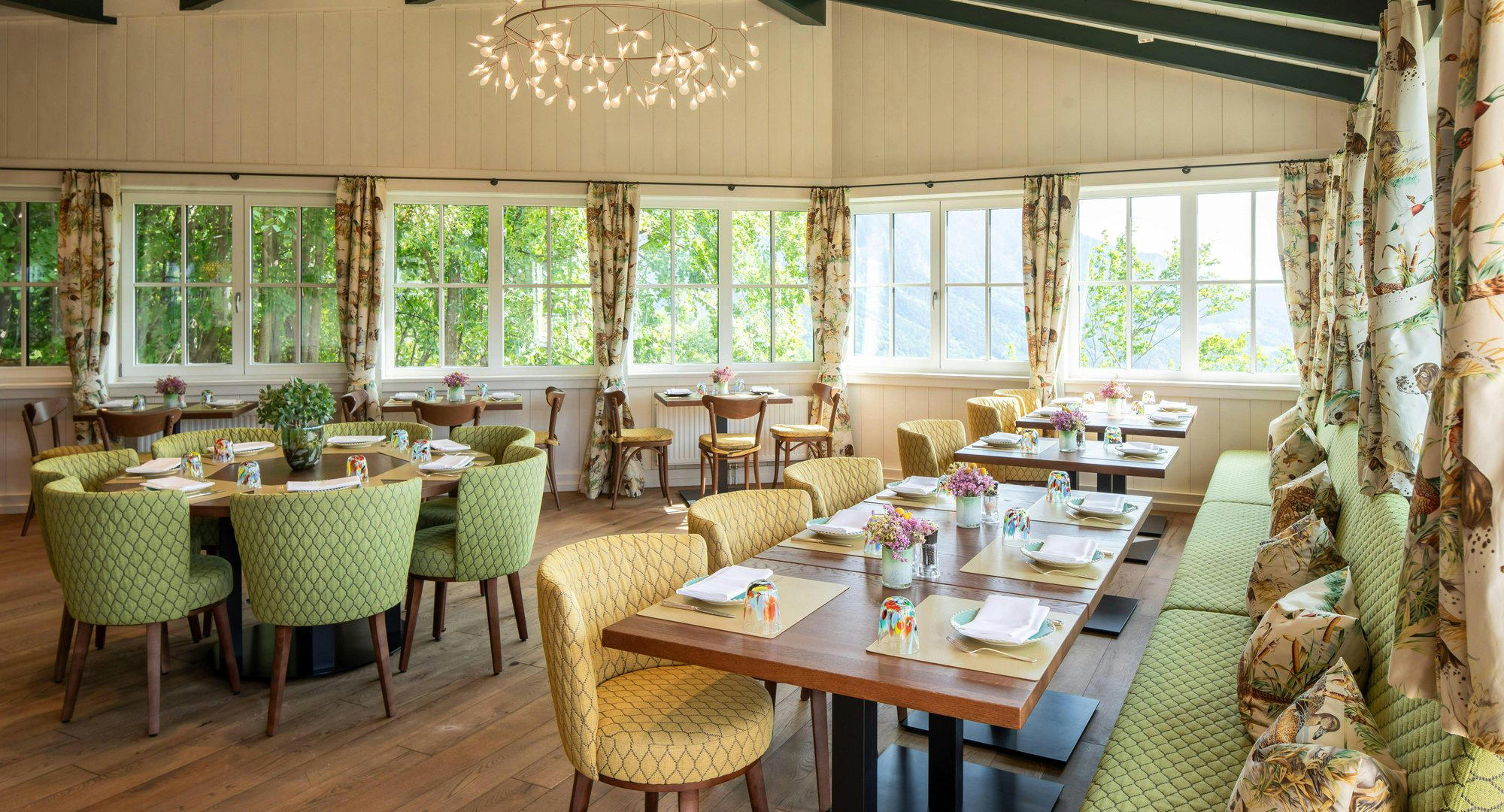
The Lower Austrian Alpine Table: Ingredients Before Everything
There is a particular kind of restaurant that only makes sense in a particular kind of place. The lower foothills of the Rax massif, south of Vienna and above the Schwarza valley, produce a microclimate that keeps summer temperatures cooler than the capital and extends the growing season in ways that flatter root vegetables, alpine herbs, and dairy. Knappenhof, at Kleinau 34 in the hamlet of Kleinau just outside Reichenau an der Rax, is embedded in that geography rather than merely located near it. The address alone tells a visitor something: this is not a restaurant that happens to be in the countryside, but one whose entire proposition depends on being where it is.
Austria has developed a strong tradition of destination dining outside its cities, from the Wachau valley to the Salzburg foothills. Venues like Landhaus Bacher in Mautern an der Donau and Obauer in Werfen have long demonstrated that Austrian fine dining does not require a Vienna postcode. Knappenhof belongs to this broader pattern of rurally anchored tables where provenance is not a menu annotation but a structural commitment.
Approaching Kleinau: What the Setting Signals
The drive from Vienna to Reichenau an der Rax takes roughly 90 minutes along the A2 Süd Autobahn before turning into the narrower roads that follow the Schwarza river into the valley. The shift in character is abrupt: the pastoral flatlands of Lower Austria give way to steep limestone walls, dense fir stands, and the kind of Alpine silence that makes the journey feel like a genuine departure rather than a suburban extension. Kleinau itself is a small agricultural settlement, and Knappenhof sits within that context, not above it.
This physical framing matters for ingredient sourcing. High-altitude grazing in the Rax and Schneeberg area produces dairy and meat with a flavour profile shaped by mountain pasture grasses rather than intensive feed. The short supply chain between production and kitchen is not incidental; in regions like this, it is what allows a kitchen to serve ingredients at a point of freshness that urban restaurants, however well-resourced, cannot easily replicate. The Kräuterreich by Vitus Winkler in Sankt Veit im Pongau operates on similar logic in the Salzburg highlands, where herb cultivation on-site is both a practical decision and an editorial statement about what the kitchen values.
The Regional Sourcing Model in Austrian Alpine Dining
Austria's most serious rural kitchens have moved beyond the generic farm-to-table framing of the 2010s toward something more specific: a named-producer, place-identified sourcing discipline that treats ingredient geography with the same rigour that wine critics apply to terroir. Döllerer in Golling an der Salzach applies this to its "Cuisine Alpine" concept, drawing on the Salzach valley ecosystem with documented specificity. Taubenkobel in Schützen am Gebirge does the same in the Burgenland with a wine-and-land integration that blurs the kitchen and the estate. In each case, the landscape directly determines what arrives on the plate, and when.
For a property in Reichenau an der Rax, the sourcing logic runs through the valley's long history as a retreat for Viennese society, a reputation the area built in the nineteenth century and has sustained through its proximity to demanding urban clientele. That history has generated a local hospitality culture that expects quality without theatrical complexity, and it orients kitchens in the region toward honest material rather than technique-led showmanship. This is a different emphasis than, say, Ikarus in Salzburg, which rotates guest chefs through an international creative programme, or Steirereck im Stadtpark in Vienna, where the kitchen's ambition is explicitly metropolitan. The lower Rax valley operates at a quieter register, and its kitchens are evaluated on a different set of terms.
Placing Knappenhof in the Austrian Rural Dining Field
Within Austria's broader map of rural dining, the area around Reichenau an der Rax occupies a position closer to weekend retreat territory than to established gastronomic circuit destinations. The Rax and Schneeberg massifs draw hikers and cyclists from Vienna between May and October, with the Rax cable car at Hirschwang providing the area's most accessible high-altitude access point. This seasonal rhythm influences when the kitchen is working at full capacity and who is at the table.
Compared to more heavily trafficked Austrian restaurant destinations, the Reichenau valley has fewer formal competitors in the upper dining tier. Venues in Tirol, such as Gourmetrestaurant Tannenhof in Sankt Anton am Arlberg, Griggeler Stuba in Lech, or Stüva in Ischgl, operate within a dense winter-sports economy that sustains year-round demand from international visitors with high price tolerance. The lower Alps of Lower Austria operate on a different scale, with a primarily domestic visitor base and a price architecture that reflects that context.
Other comparisons worth drawing: Schwarzer Adler in Hall in Tirol, Ois in Neufelden, Restaurant 141 by Joachim Jaud in Mieming, and Artis in Graz all represent versions of Austrian ambition outside the major cities, each shaped by different regional geographies. Atelier Fischer in Sankt Gilgen applies a similar logic to the Salzkammergut lake district. The thread connecting them is the primacy of place over programme, and Knappenhof belongs to that company by address and orientation.
Planning a Visit: What to Know Before You Go
Reichenau an der Rax is most accessible by car from Vienna, a drive that takes approximately 85 to 95 minutes depending on traffic through the southern corridor. Rail access exists via the Südbahn to Payerbach-Reichenau, though the final distance to Kleinau requires onward transport. The summer and early autumn months, when the Rax plateau trails are open and the alpine meadows are at full growth, represent the season during which local sourcing potential is highest.
Knappenhof's address at Kleinau 34 places it in a genuinely rural setting; this is not a village-centre address with immediate infrastructure around it, so arriving with full directions and without relying on mobile signal throughout is sensible.
Comparable Spots, Quickly
Comparable venues nearby, for context on price, style, and recognition.
| Venue | Cuisine | Price | Notes |
|---|---|---|---|
| KnappenhofThis venue — the venue you are viewing | Regional Austrian Fine Dining | $$ | Not listed |
| Gasthof Thomahan | Traditional Austrian Styrian | $$ | Friesach |
| Landhotel Gafringwirt | Traditional Mostviertel Austrian Cuisine | $$ | Mostviertel |
| Bratlalm | Traditional Austrian Almheuriger | $$ | Wenigzell |
| Restaurant Rudolfshof | Traditional Austrian Home-Style | $$ | Gaminger Berg |
| Stoxi's Mostschänke | Traditional Austrian | $$ | Fohnsdorf |
Recognition history
Dated appearances from independent guides and award organizations, with the underlying list record or original source where available.
Falstaff Restaurant - 93 Falstaff Points
Falstaff
Continue exploring
More in Reichenau An Der Rax
Restaurants in Reichenau An Der Rax
Browse all →
Hotels in Reichenau An Der Rax
Browse all →
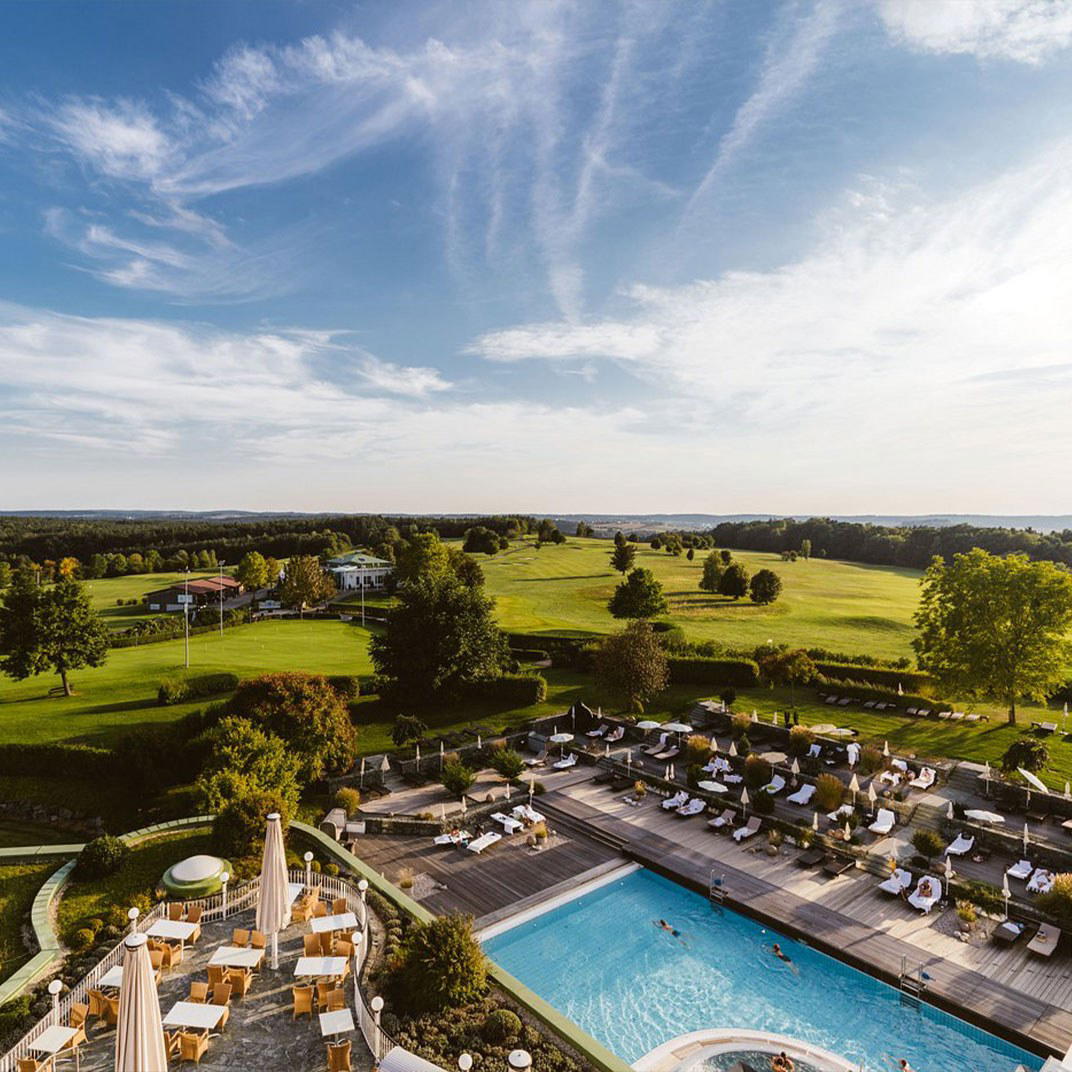
Wineries in Reichenau An Der Rax
Browse all →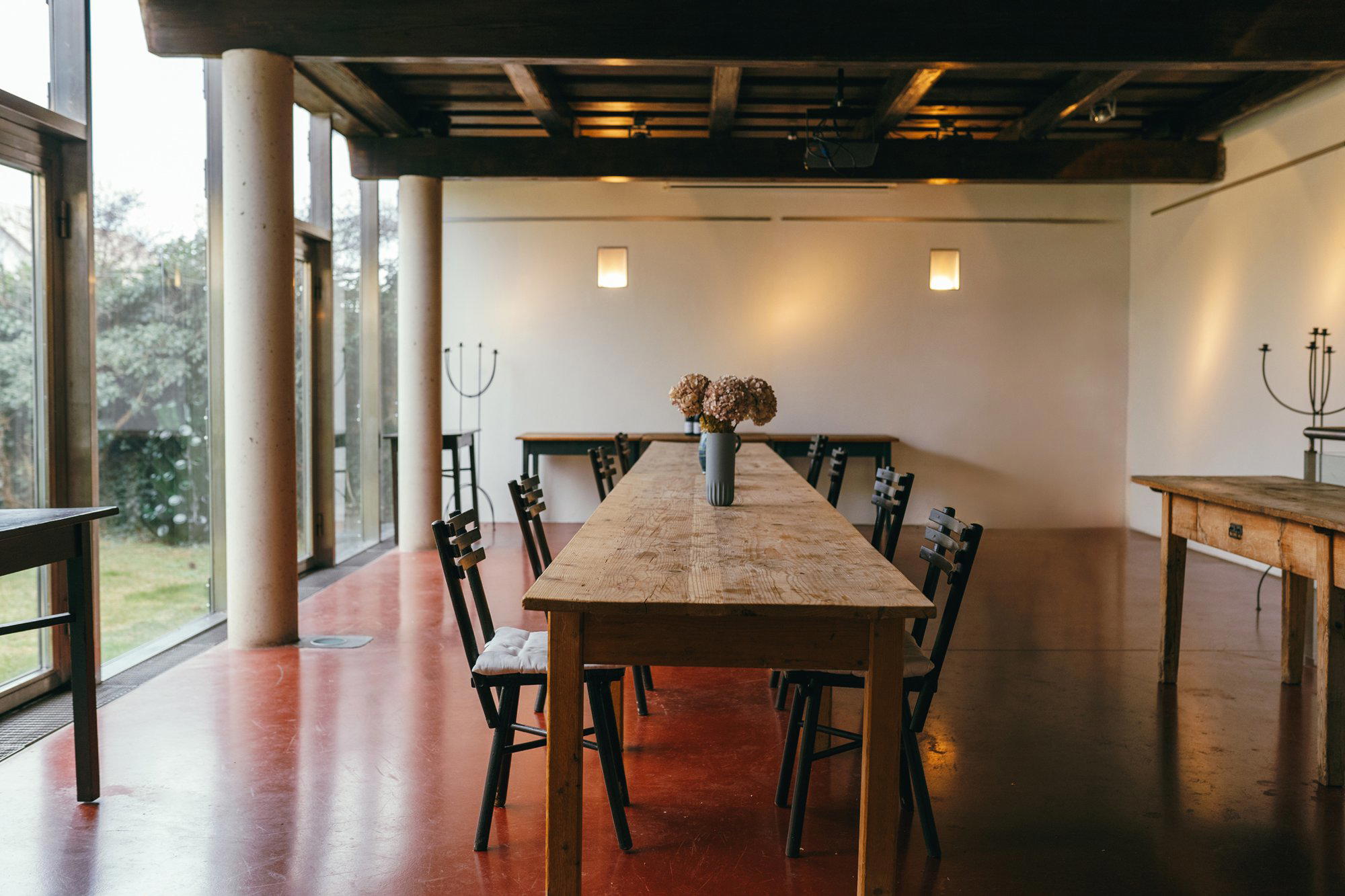
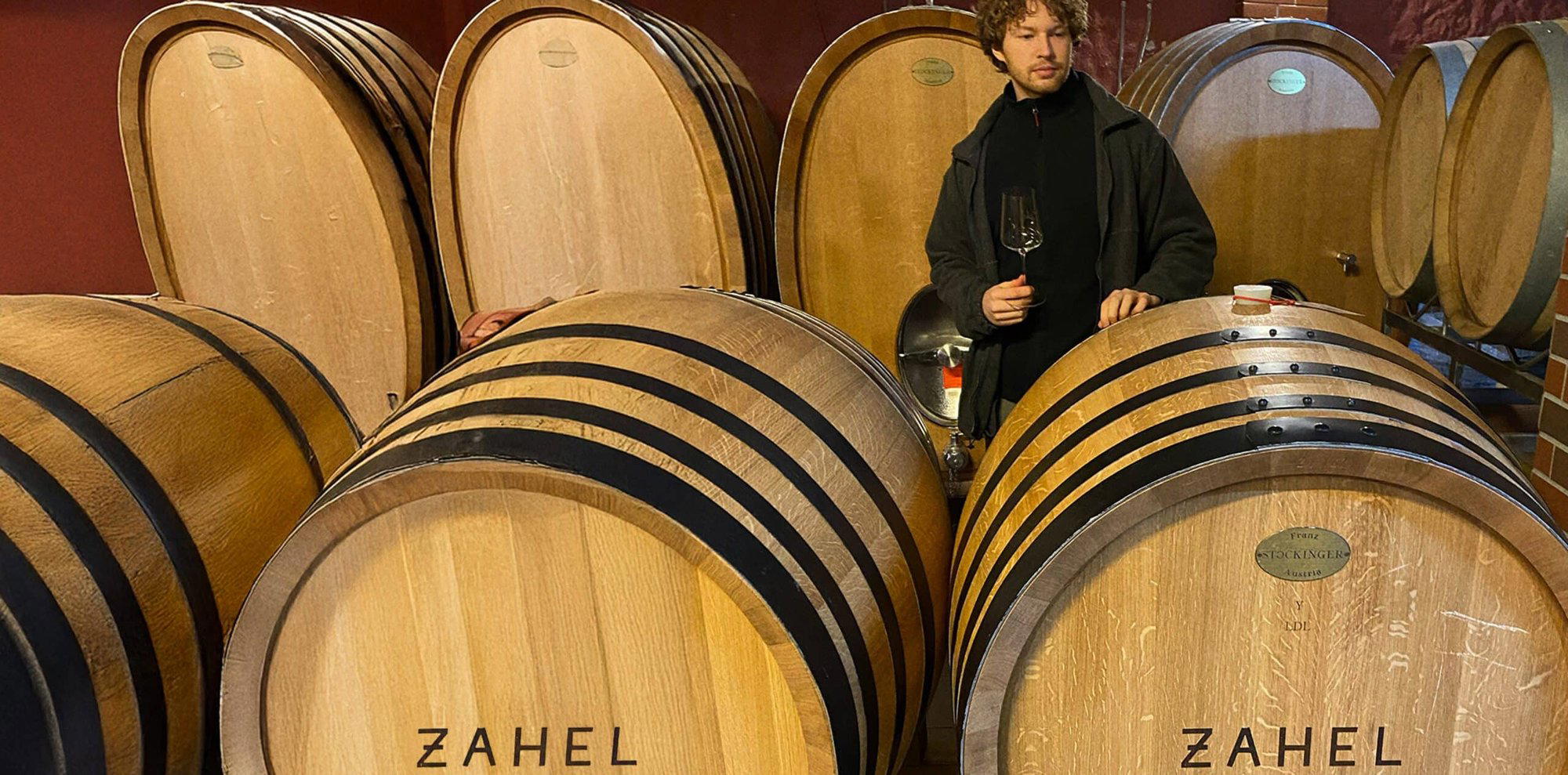
At a Glance
- Rustic
- Cozy
- Scenic
- Special Occasion
- Date Night
- Terrace
- Hotel Restaurant
- Local Sourcing
- Mountain
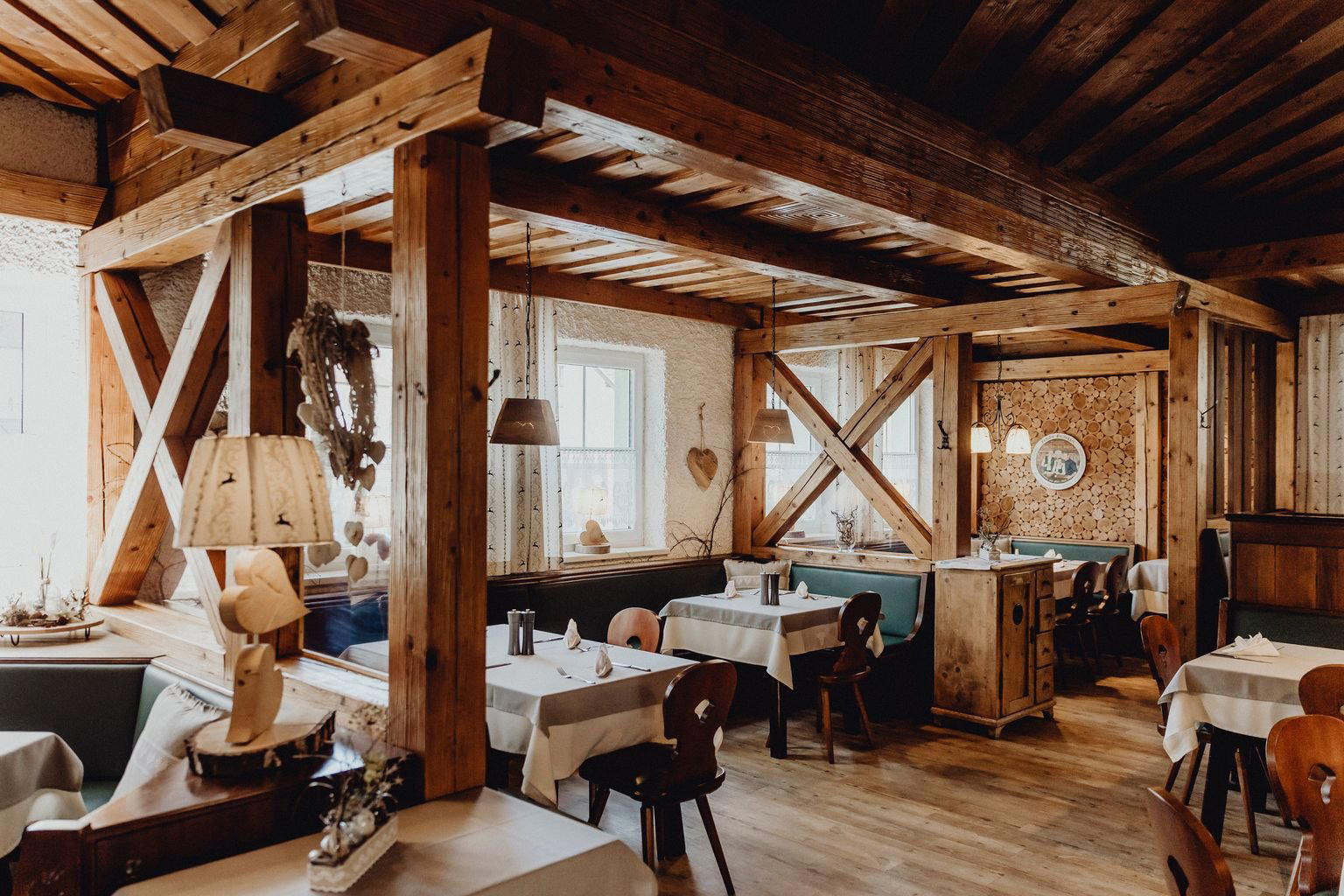
Rustic and stylish interior with a warm, scenic atmosphere.