Weingut Gross

Weingut Gross sits in Ratsch, a hamlet within the Ehrenhausen wine corridor in Austria's Südsteiermark, where steep hillside vineyards define the region's Sauvignon Blanc and Welschriesling character. For visitors exploring southern Styrian wine country, Gross represents a grounded introduction to what this particular slice of hillside terrain can produce.
Pearl is the En Primeur Club membership app — saves, bookings, and concierge access live there. Same editors, same standards.
- Address
- Ratsch 26, 8461 Ehrenhausen
- Phone
- +43 3453 2527
- Website
- gross.at
- Directions
- Get directions
 Saves & bookings on Pearl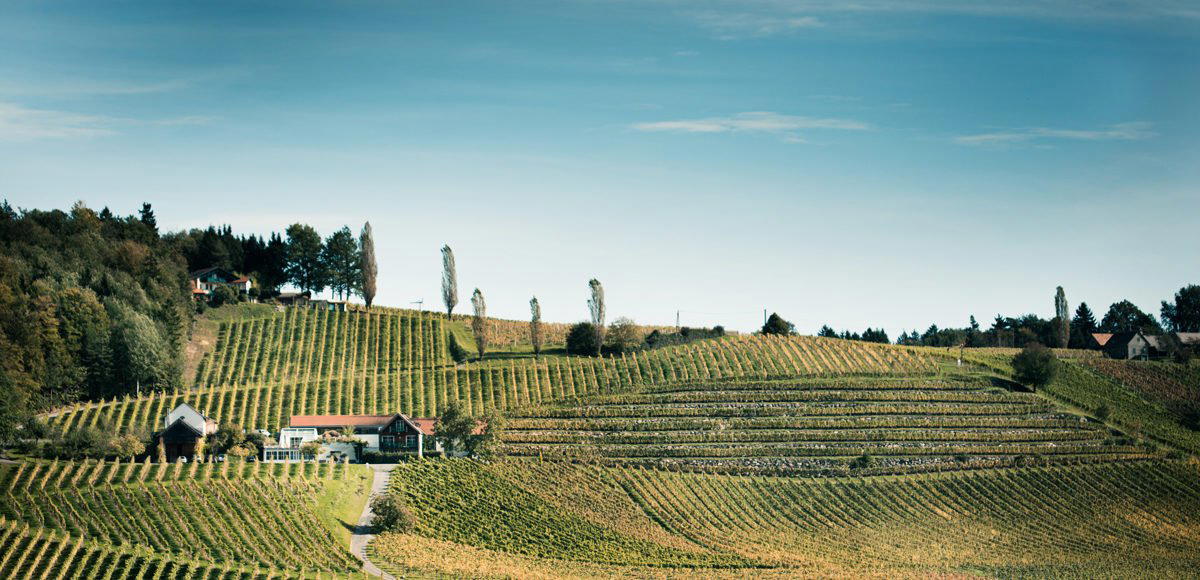
Where Südsteiermark's Hillside Terrain Meets the Glass
The road into Ratsch, a cluster of farmhouses and vine rows tucked into the folded hills south of Ehrenhausen, narrows quickly. Before you reach Weingut Gross at Ratsch 26, you have already driven through the landscape that ends up in the bottle: steep gradients, south-facing exposures, and the kind of thin, slate-flecked soils that push vines to work harder and produce less. In Südsteiermark, the topography is not backdrop. It is argument.
Austria's southern Styrian wine zone has spent the past two decades building a reputation on aromatic white wines, Sauvignon Blanc above all, followed by Welschriesling and Morillon (the local name for Chardonnay grown in Styrian conditions). The region sits close to the Slovenian border, at a latitude where cool mountain air from the Alps meets warmer Adriatic influence drifting north. That temperature oscillation is the defining climatic mechanism: warm days build ripeness; cool nights preserve acidity and aromatic intensity. The wines it produces tend to carry a particular kind of tension, fruited but not soft, mineral without being austere.
For context within Austria's southern Styrian scene, that tier of recognition places Gross alongside producers whose wines are taken seriously both domestically and by export markets that have grown increasingly attentive to the region over the past decade.
The award functions as a useful navigational marker for visitors unfamiliar with how Austrian wine classifications and independent rating systems interact. Austria's DAC (Districtus Austriae Controllatus) framework governs regional identity at the appellation level, but it is third-party quality ratings from bodies like Pearl that provide the more granular differentiation between producers within the same geographic zone. A 2 Star Prestige award in this context is a credential worth taking seriously, not a courtesy designation.
For a broader view of how Gross sits within Austrian wine recognition, producers like Weingut Bründlmayer in Langenlois and Weingut Emmerich Knoll in Dürnstein occupy the upper bracket of Austrian wine recognition from different regional bases, Kamptal and Wachau respectively, and their award trajectories illustrate how regional identity anchors producer reputation at the national level. Gross operates from its own distinct geographic premise: the Südsteiermark hillside corridor, with its own soil profile, climate logic, and varietal strengths.
Terroir in Practice: How Ratsch Shapes the Wine
The Südsteiermark's vine-growing conditions are shaped by a set of physical facts that producers in the region work with rather than around. Soil composition in the hillside zones around Ratsch and Ehrenhausen runs toward Opok, a compressed marl and silt mixture that drains efficiently, retains just enough moisture to sustain the vine through dry periods, and contributes a structural backbone to wines that distinguishes them from the rounder profiles produced on the flatter valley floors.
Sauvignon Blanc grown on Opok in this part of Styria tends to carry a different character than its counterparts from Bordeaux or Marlborough. The aromatic register can be intense, elderflower, green herbs, stone fruit, but the acidity is usually firm and the finish carries a stony, mineral thread that reflects the soil composition directly. These are wines built for food pairing rather than solo drinking, and that characteristic shapes the producer profile of serious Südsteiermark estates: they tend to be agricultural businesses with deep community roots, not lifestyle wineries built around tasting room theatre.
Welschriesling occupies a different register. In Styria, it rarely achieves the richness it can in Burgenland, but in the hillside zones it produces wines of precise, citrus-driven character that age with a quiet dignity. Among Austria's southern wine estates, those who have committed to Welschriesling as a serious varietal rather than a secondary label often operate with a restraint-forward philosophy that aligns with the demands of the soil rather than market fashion.
For a contrasting perspective on what Styrian estate viticulture looks like across different altitudinal zones, Weingut Wohlmuth in Kitzeck and Familienweingut Tement, also based in Ehrenhausen, offer useful reference points. Tement in particular is among the more cited benchmarks for understanding what the Südsteiermark's hillside sites are capable of at a recognised quality ceiling.
Ehrenhausen as a Wine Destination
Ehrenhausen itself is a small market town on the Mur river, roughly 35 kilometres south of Graz and close to the Slovenian border. Its position within the Südsteiermark wine zone makes it a natural base for tasting-focused visits, though its infrastructure is deliberately low-key. The town has a Renaissance castle visible from the valley and a market square that retains the agricultural character of the surrounding countryside. There is no wine-tourism apparatus of the kind found in more aggressively marketed European wine regions. Visits to estates here tend to involve direct contact with producers rather than staffed visitor centres, and the experience of arriving at an address like Ratsch 26 reflects that culture.
That directness is part of what gives Südsteiermark visits their texture. The absence of large-scale tourism infrastructure concentrates the experience on the wine and the land. Appointments are advisable for cellar visits, and the rhythm of the agricultural year matters: harvest season in late September and October brings its own energy and access constraints. Spring and early summer, before the vineyard management cycle intensifies, are generally considered hospitable periods for estate visits. For more on planning time in the area, our full Ehrenhausen restaurants and wine guide covers the broader local scene.
Visitors with time to extend a southern Styrian itinerary might also consider estates operating in adjacent or contrasting Austrian wine zones. Weingut Pittnauer in Gols and Weingut Kracher in Illmitz represent Burgenland's quite different terroir logic, flatter, warmer, with a tradition of red wine and botrytised whites that contrasts sharply with the Styrian hillside model. Weingut Heinrich Hartl in Oberwaltersdorf offers another reference point from the Thermenregion zone north of Graz. Together, these producers map the range of what Austrian wine geography can express across different physical environments.
For those whose itinerary extends into spirits production, Austria has a growing distillery scene. 1310 Spirit of the Country Distillery in Sierning, 1404 Manufacturing Distillery in Sankt Peter-Freienstein, and A. Batch Distillery in Bergheim each represent distinct approaches to Austrian craft distillation. The 1516 Brewing Company in Vienna adds a fermentation-adjacent perspective for those interested in the wider Austrian producer scene.
Planning a Visit to Weingut Gross
Weingut Gross is located at Ratsch 26, 8461 Ehrenhausen in Austria's Südsteiermark. Ratsch is a small settlement within the Ehrenhausen municipality, and GPS navigation is reliable for reaching the address. As with most smaller Austrian wine estates, direct contact with the winery to arrange visits is advisable before arriving; contact details should be confirmed through current channels, as operating hours at family estates can shift with the agricultural calendar.
Those travelling from Graz will find Ehrenhausen approximately 35 kilometres to the south, accessible by road in under 45 minutes. The area rewards slow travel: the hillside wine roads between estates are narrow but navigable, and the density of serious producers within a small geographic area means a two-day itinerary can cover meaningful ground without covering large distances.
At-a-Glance Comparison
Comparable venues nearby, for context on price, style, and recognition.
| Venue | Cuisine | Price | Awards | Notes |
|---|---|---|---|---|
| Weingut GrossThis venue — the venue you are viewing | Sauvignon Blanc, Gelber Muskateller | $$ | Not listed | Not listed |
| Familienweingut Tement | Sauvignon Blanc, Morillon | $$$ | World's 50 Best #15 | Ehrenhausen |
| Destillerie Weisz | Winery | Not listed | Not listed | Neckenmarkt |
| Weingut Erich & Walter Polz | Sauvignon Blanc, Morillon | $$ | Not listed | Spielfeld |
| Weingut Neumeister | Sauvignon Blanc, Grauburgunder | $$ | Not listed | Straden |
| Brennerei Schwarzenberger | Winery | Not listed | Not listed | Haiming |
Recognition history
Dated appearances from independent guides and award organizations, with the underlying list record or original source where available.
Falstaff Winery - Listed
Falstaff
Falstaff Winery - 5 Stars
Falstaff
Continue exploring
More in Ehrenhausen
Wineries in Ehrenhausen
Browse all →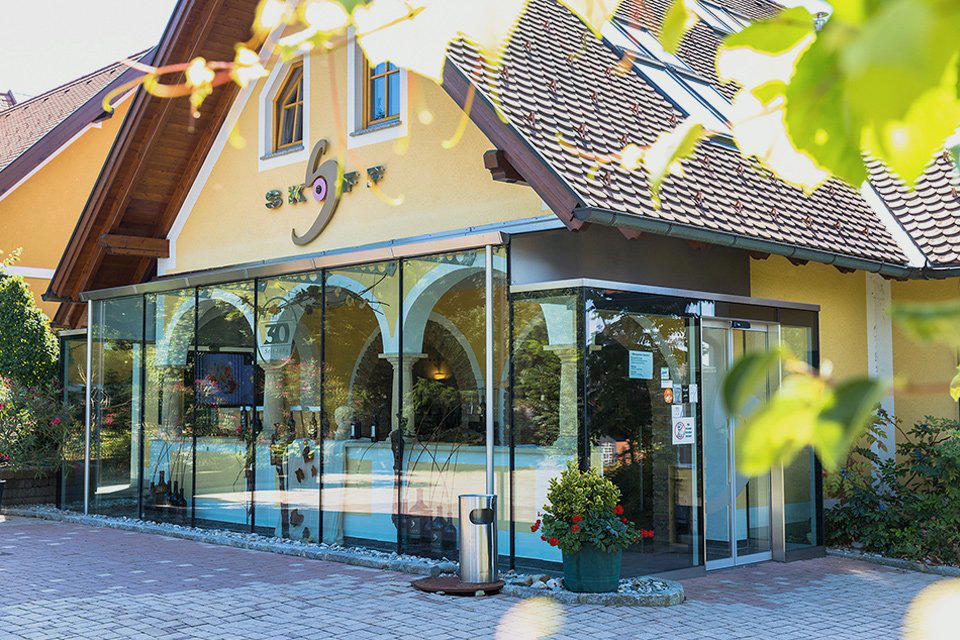
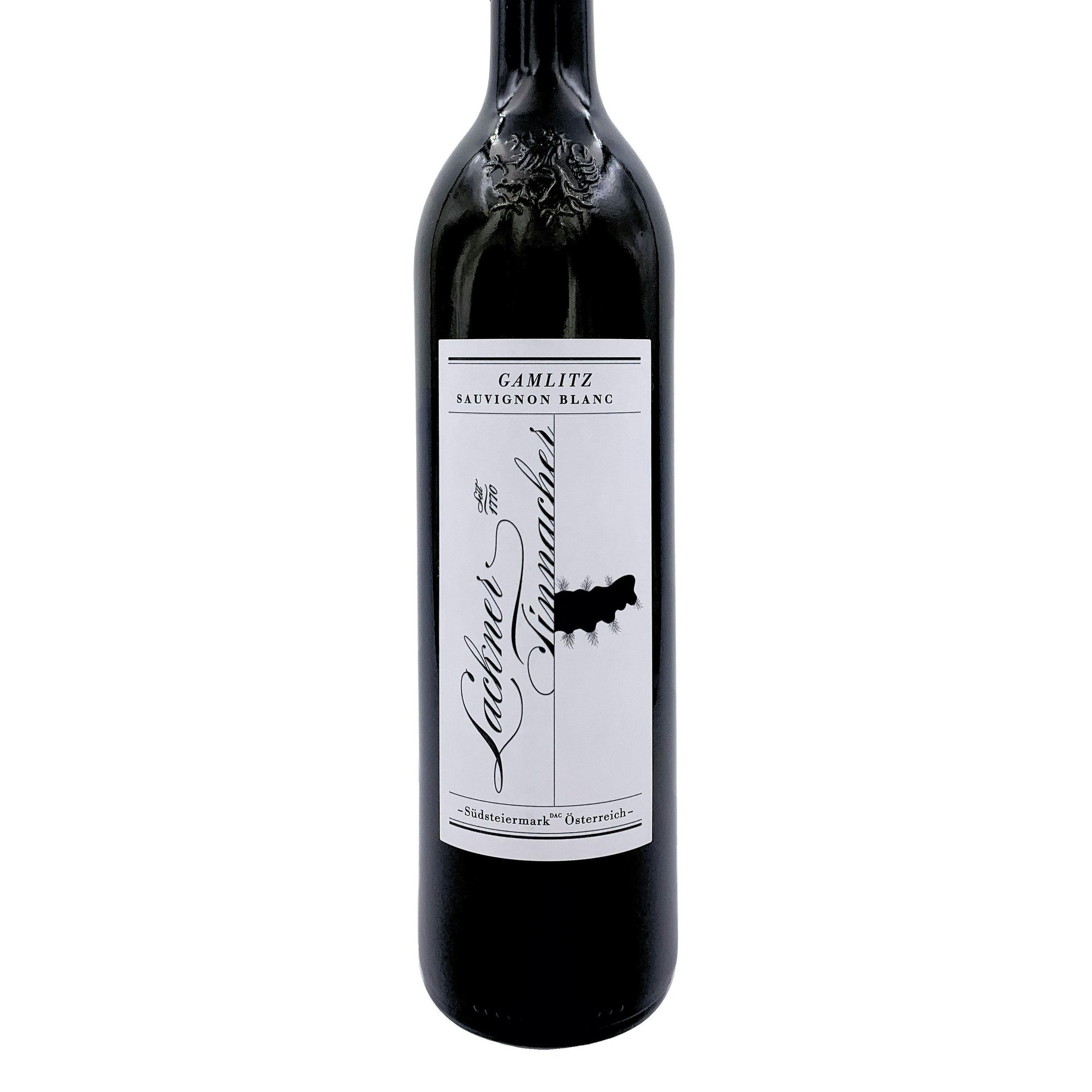


Bars in Ehrenhausen
Browse all →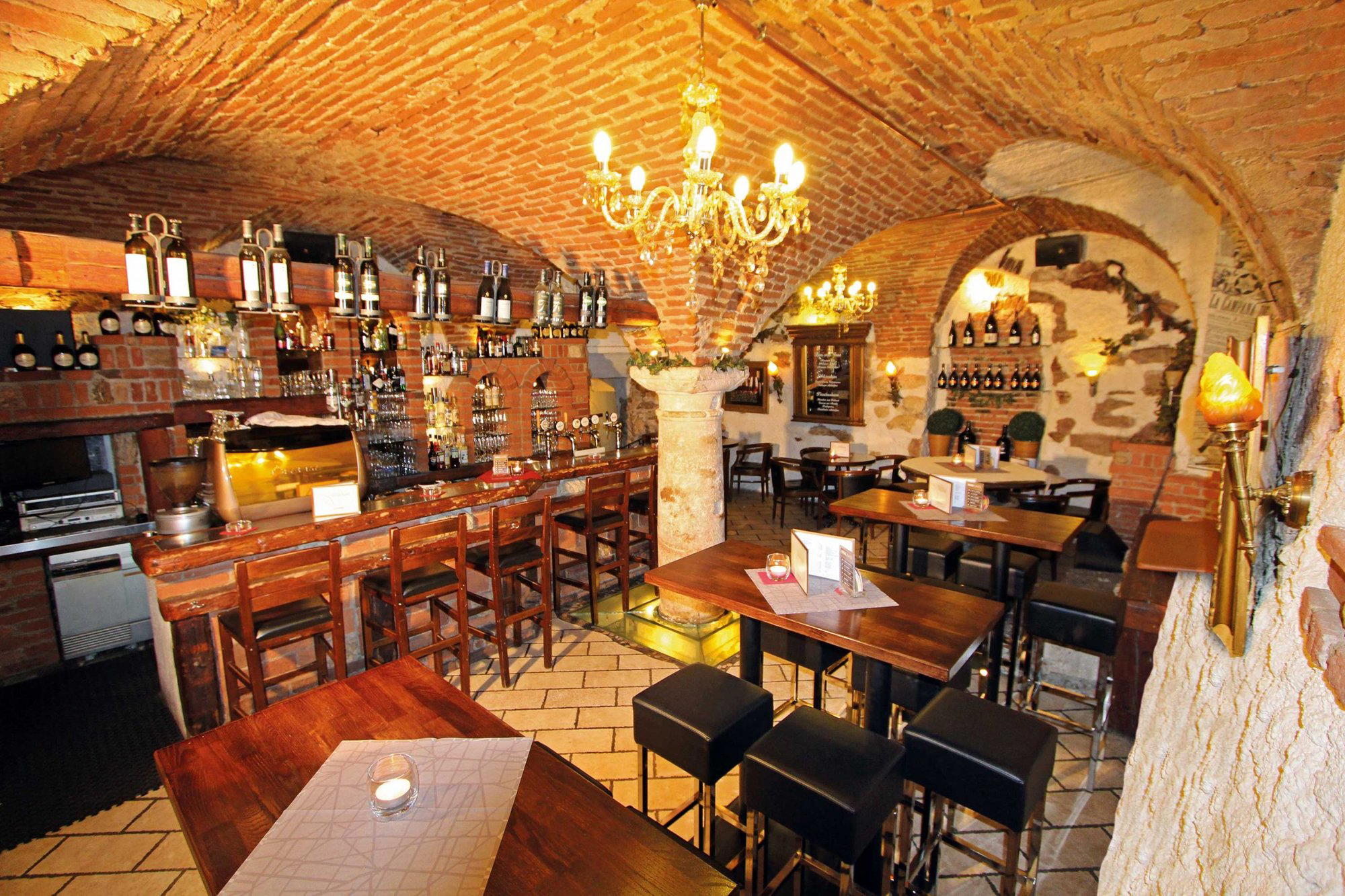
Restaurants in Ehrenhausen
Browse all →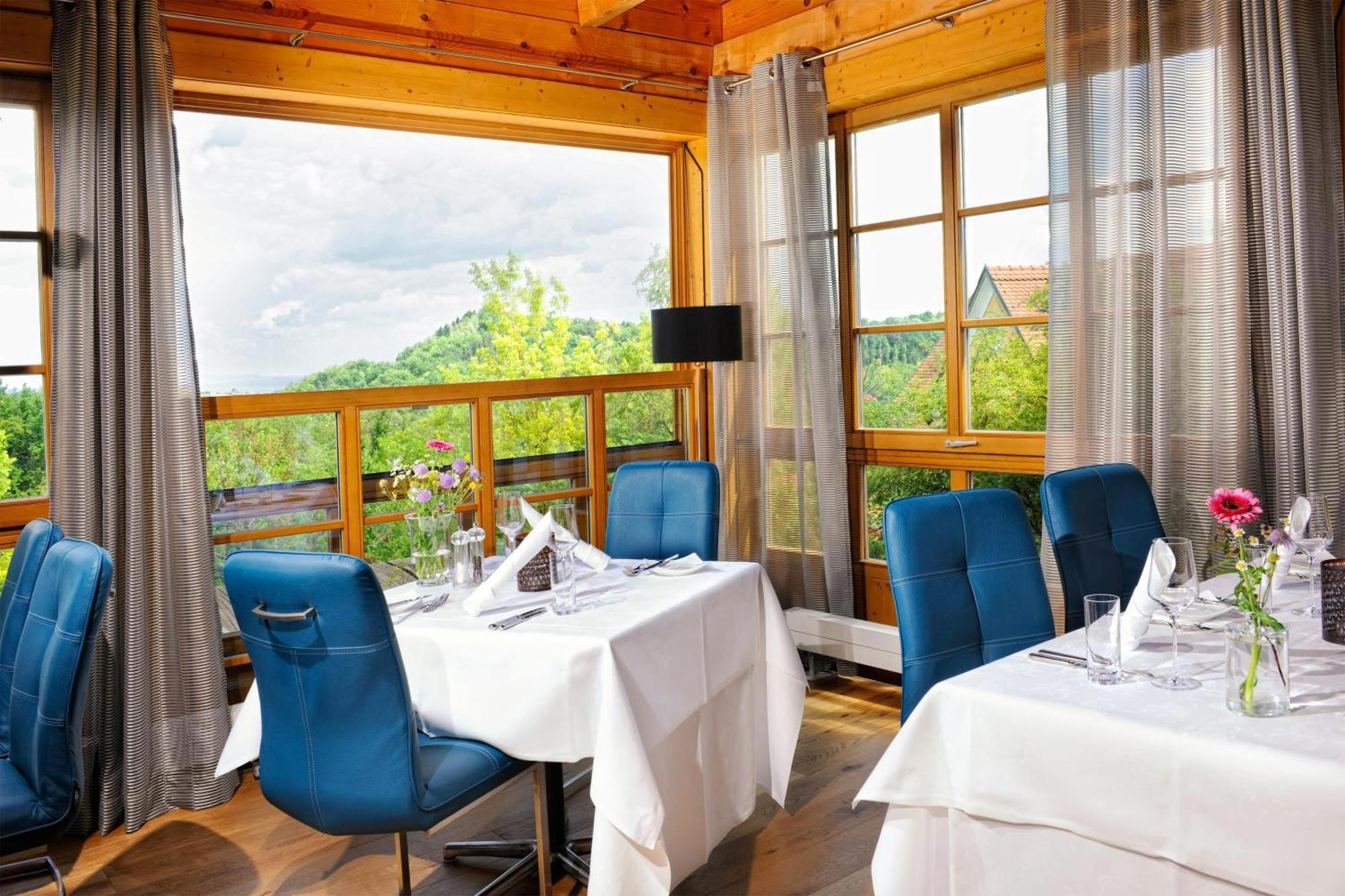
At a Glance
- Rustic
- Scenic
- Quiet
- Elegant
- Wine Education
- Solo Exploration
- Vineyard Tour
- Estate Grounds
- Organic
- Vineyard
- Mountain
- Südsteiermark DAC Ehrenhausen
- Sauvignon Blanc
- Gelber Muskateller
- Weißburgunder
- Welschriesling
- Morillon
- Furmint
- Still White
- Cave Tasting
- Private Tasting
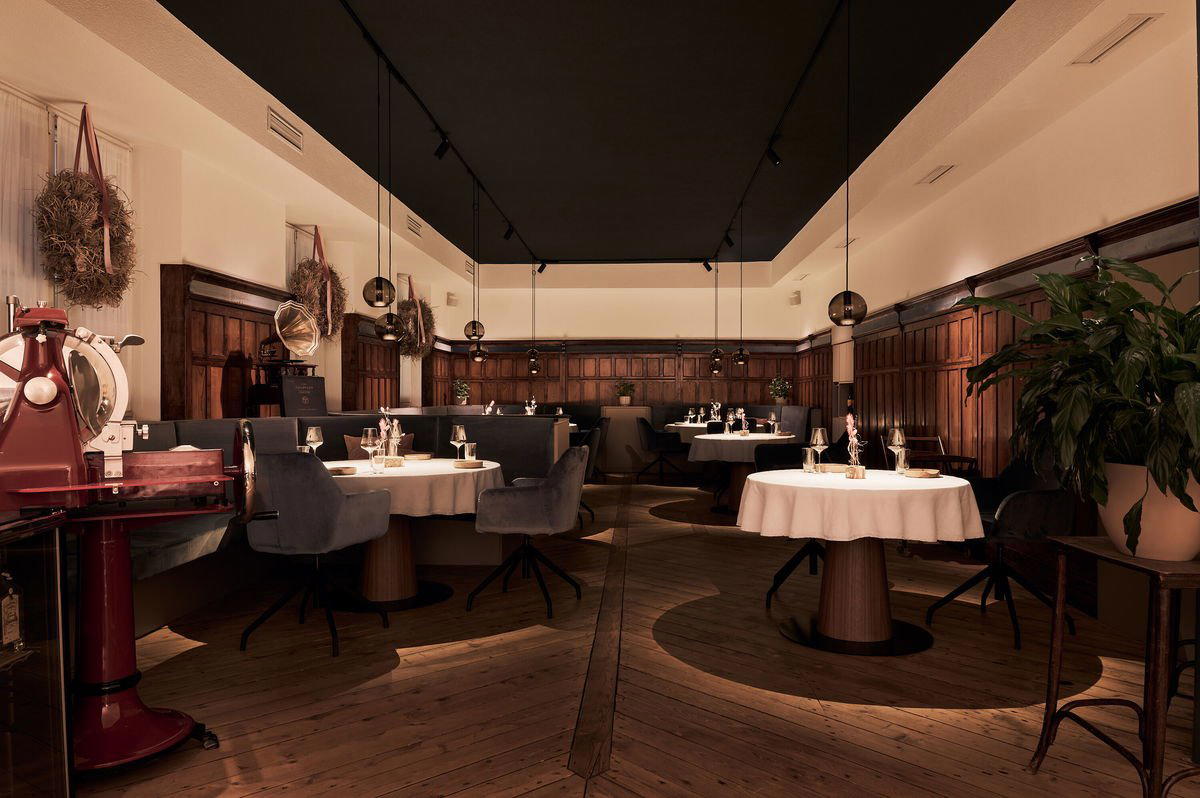
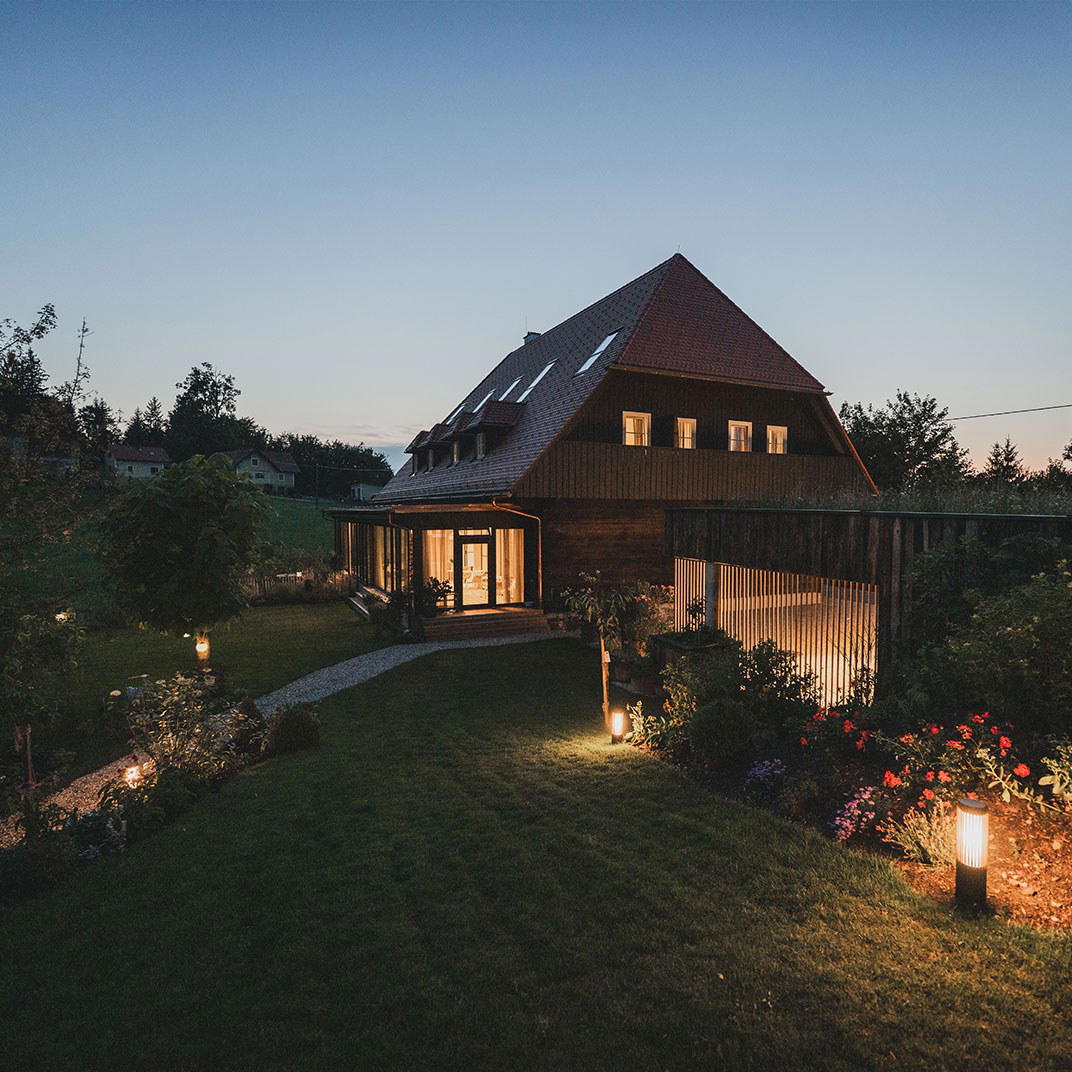
Serene and elegant atmosphere amid vineyards, emphasizing clarity, balance, and natural freshness in a rustic, family-run setting.