Our verdict
汐さぎ 庵 occupies a quiet address in Marugame, Kagawa — a prefecture whose culinary identity is inseparable from the Seto Inland Sea and the agricultural rhythms of the Sanuki plain. In a region where ingredient provenance shapes every meal, this address sits within a dining culture defined by proximity to source. Visitors should approach with the same patience the local table demands: plan ahead, arrive curious, and expect the produce to lead.

Pearl is the En Primeur Club membership app — saves, bookings, and concierge access live there. Same editors, same standards.
- Address
- 1782-2 Ayautacho Kurikumanishi, Marugame, Kagawa 761-2405, Japan
- Phone
- +81877890180
- Hours
- Mon ClosedTue–Sat 11 AM–3 PM, 5:30–9 PMSun Closed
- Website
- tubataikenousagi.com
- Directions
- Get directions
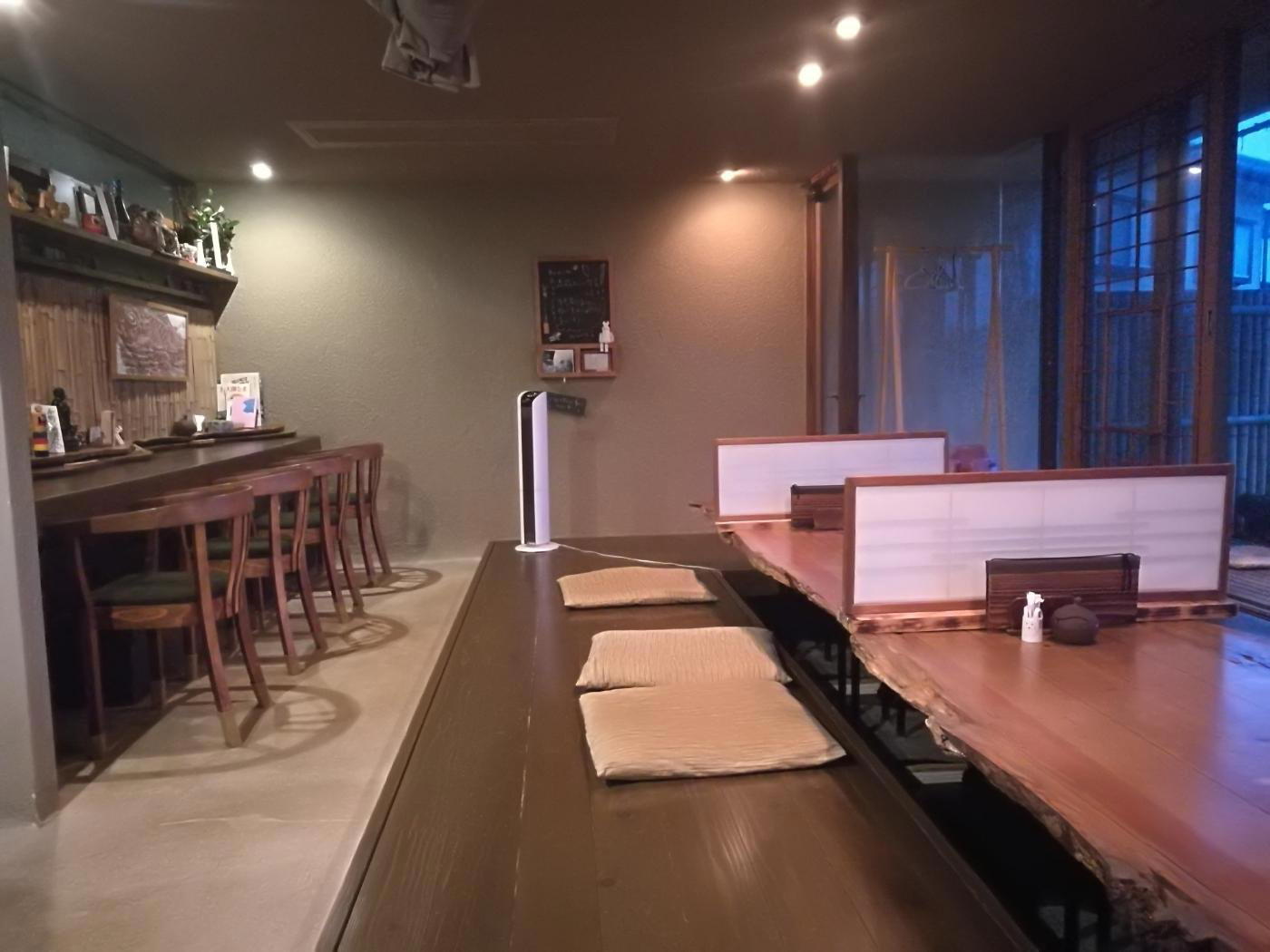
Where Kagawa's Ingredient Culture Comes Into Focus
Kagawa Prefecture occupies a peculiar position in Japan's culinary geography. It is small enough to be overlooked on national itineraries dominated by Kyoto kaiseki or Tokyo counter dining, yet its larder is among the most concentrated in the country. The Seto Inland Sea, which wraps the prefecture's northern coast, produces tai (sea bream), octopus, and shrimp pulled from relatively protected, nutrient-rich waters. Inland, the Sanuki plain contributes wheat — the foundation of the udon tradition that has made Kagawa a destination in its own right — alongside locally grown vegetables shaped by a climate of mild winters and long, warm summers. Marugame sits at the intersection of these two ingredient streams, a castle town where agricultural and maritime supply chains converge in ways that larger cities rarely allow. For anyone tracing how Japanese kitchens relate to their immediate geography, this corner of Shikoku is instructive.
汐さぎ 庵, addressed at 1782-2 Ayautacho Kurikumanishi in Marugame, operates within that wider context. The name itself carries meaning: 汐 (shio/shio) references the tidal pull of the sea, and 庵 denotes a small, intimate retreat, the kind of quietly scaled venue that defines a particular tier of Japanese dining where the room supports the food rather than competing with it. Approaching an address like this in Marugame, you are already some distance from the theatrical counter drama of a Tokyo flagship or the ceremony of a Kyoto ryotei. The register here is determined by the prefecture, not by outside expectation.
The Seto Inland Sea as Kitchen Larder
Understanding what any serious Kagawa kitchen does with its ingredients requires understanding the Seto Inland Sea's ecological specificity. The sea is calmer and shallower than the Pacific-facing coasts of Japan, which produces seafood with different texture profiles, sea bream that are leaner in muscle, smaller clams with more concentrated brine, seasonal fish that cycle through with the tidal patterns rather than the open-ocean migrations that define Hokkaido or Tohoku catches. Kitchens that source directly from this body of water are working with produce that has a distinct regional fingerprint, not a generic Japanese seafood category.
This regional specificity is what separates Kagawa's serious dining addresses from coastal restaurants that simply import premium product. The argument for ingredient-led cooking in a place like Marugame is that the source is genuinely close, fishing communities along the Seto coast operate on a scale where single-day catch-to-table logistics are achievable in ways that metropolitan kitchens can approximate only with significant investment and coordination. Venues like Goh in Fukuoka and Gion Sasaki in Kyoto work within regional ingredient cultures that define their cooking; Kagawa's sea-to-table proximity offers a comparable structural advantage at a smaller, less internationally visible scale.
Marugame in the Regional Dining Picture
Marugame is not typically mentioned alongside Takamatsu, Kagawa's prefectural capital and the city with the greater concentration of reviewed dining addresses, when food-focused visitors plan Shikoku itineraries. That gap is partly a function of critical infrastructure: international food media tends to cluster attention on cities with higher hotel density and English-language booking systems. It is also a function of scale. Marugame's dining scene is compact, which means the ceiling is lower in terms of volume of interesting addresses, but the relationship between venue and local supply chain tends to be tighter. A kitchen drawing from Marugame's immediate agricultural hinterland and the adjacent stretch of coast is working with materially shorter supply chains than a Osaka-based restaurant sourcing Kagawa product.
For comparison, HAJIME in Osaka and Harutaka in Tokyo represent what happens when exceptional Japanese produce meets metropolitan-scale ambition and the full weight of international critical attention. The Marugame proposition is different: the ingredient quality is available, the critical apparatus is largely absent, and the experience scales accordingly, smaller, quieter, less mediated by outside expectation. akordu in Nara illustrates a parallel dynamic, where a serious kitchen operates at some remove from the Osaka-Kyoto axis and finds a different kind of creative freedom as a result.
Shikoku as a whole is underrepresented in the international dining conversation relative to the quality of its produce. The island's other prefectures, Ehime with its citrus and Uwajima tai-meshi, Kochi with its katsuo culture, each carry distinct ingredient identities. Kagawa's contribution centres on the Seto coast and its wheat-growing plains. A venue in Marugame that works seriously with those local streams is participating in a tradition with genuine depth, even where that depth receives limited outside documentation. Dining addresses worth comparing on Shikoku's quieter circuits also include spots tracked in our full Marugame restaurants guide.
Placing the Visit in Practical Terms
Marugame is accessible from Takamatsu by JR Yosan Line in under thirty minutes, making it a realistic half-day addition to a Kagawa itinerary rather than a standalone destination for most visitors. The Marugame castle grounds and the city's famous uchiwa (fan) craft heritage give the visit cultural anchoring beyond the table. For those building a broader Shikoku food route, the Seto Inland Sea island circuit, including Naoshima, accessible from Marugame Port, adds geographic context that makes the ingredient story more legible. Cafe Naoshima Konichiwa in Naoshima sits within that same island-hopping geography.
Japanese dining at this scale rarely operates on open-table walk-in logic, particularly for dinner. The equivalent approach works for similarly quiet but serious addresses like 湖畔荘庵 in Takashima or 鶴羽屋 in Nishikawa Machi, where operating hours and booking windows are best confirmed directly.
The broader regional circuit also includes addresses worth pairing with a Kagawa visit for those extending into the Chugoku or Kinki regions: Denko Sekka in Hiroshima, bodai in Nachikatsuura, and for a sharp stylistic contrast, the internationally positioned counters like Atomix in New York City and Le Bernardin in New York City illustrate how far the ingredient-driven Japanese dining philosophy has travelled from its regional origins.
Frequently asked questions
Can I bring kids to 汐さぎ 庵?
汐さぎ 庵 sits in the Ayautacho district of Marugame, Kagawa, and functions as a considered dining address rather than a casual family venue. The name and setting suggest a quieter, more composed register.
How would you describe the vibe at 汐さぎ 庵?
The name itself — combining tidal imagery (汐) with a heron (さぎ) and the word for hermitage (庵) — points toward a restrained, nature-attuned atmosphere rather than a lively or convivial one. Marugame is a smaller city relative to Takamatsu, which means venues here tend to serve a local or deliberately seeking clientele. Expect calm over bustle.
Is 汐さぎ 庵 a good dinner option when visiting Marugame from Takamatsu?
Marugame is under thirty minutes from Takamatsu by JR Yosan Line, making 汐さぎ 庵 a practical dinner destination for visitors based in Kagawa's prefectural capital who want to move beyond the reviewed dining concentration there. The Ayautacho address puts it outside the central tourist circuit, which is part of the appeal for those specifically seeking out Marugame's quieter dining scene. Confirming hours and availability directly before the trip is advisable given the lack of a listed website or phone.
What's the must-try dish at 汐さぎ 庵?
What is clear from its Kagawa address is that the Seto Inland Sea's seasonal produce — shellfish, small fish, and local agricultural products — forms the likely foundation of the kitchen's focus. Visiting with an open approach to whatever is in season is the practical recommendation.
What's 汐さぎ 庵's location?
汐さぎ 庵 is located at 1782-2 Ayautacho Kurikumanishi, Marugame, Kagawa 761-2405, Japan, Marugame.
Is 汐さぎ 庵 reservation-only?
Given the venue's location in Marugame's Ayautacho area and the nature of smaller Japanese dining establishments of this type, securing a reservation in advance is the safer approach rather than arriving without one.
What's 汐さぎ 庵 best at?
The venue name signals an aesthetic sensibility — seasonal, coastal, and compositionally spare — that points toward ingredient-led cooking rather than theatrical presentation.
Side-by-Side Snapshot
Comparable venues nearby, for context on price, style, and recognition.
| Venue | Cuisine | Price | Awards | Notes |
|---|---|---|---|---|
| 汐さぎ 庵This venue — the venue you are viewing | Local French with Sanuki Ingredients | $10–20 | Not listed | Not listed |
| Jun Teuchi na Manpuku Udon | Dining | Not listed | Tabelog 100 #52 | Marugame |
| Teuchi Udon Ayumi | Traditional Sanuki udon shop | $1–10 | Tabelog 100 #97 | Utazu / Marugame |
| Nakamura Udon | Traditional Sanuki Udon | $1–10 | Tabelog 100 #61 | .null |
| Ayauta Seimen | Sanuki Udon | Not listed | Tabelog 100 #19 | Ayautacho Okadanishi |
| Jun Teuchi Udon Yoshiya | Sanuki Udon | Not listed | Tabelog 100 #80 | Iino-cho |
Details
- Cozy
- Rustic
- Scenic
- Casual Hangout
- Family
- Open Kitchen
- Sake Program
- Local Sourcing
- Garden
- A La Carte
- Vegetarian Friendly
Current opening hours
- Monday
- Closed
- Tuesday
- 11 AM–3 PM, 5:30–9 PM
- Wednesday
- 11 AM–3 PM, 5:30–9 PM
- Thursday
- 11 AM–3 PM, 5:30–9 PM
- Friday
- 11 AM–3 PM, 5:30–9 PM
- Saturday
- 11 AM–3 PM, 5:30–9 PM
- Sunday
- Closed
Hours can change for holidays and private events. Last verified .
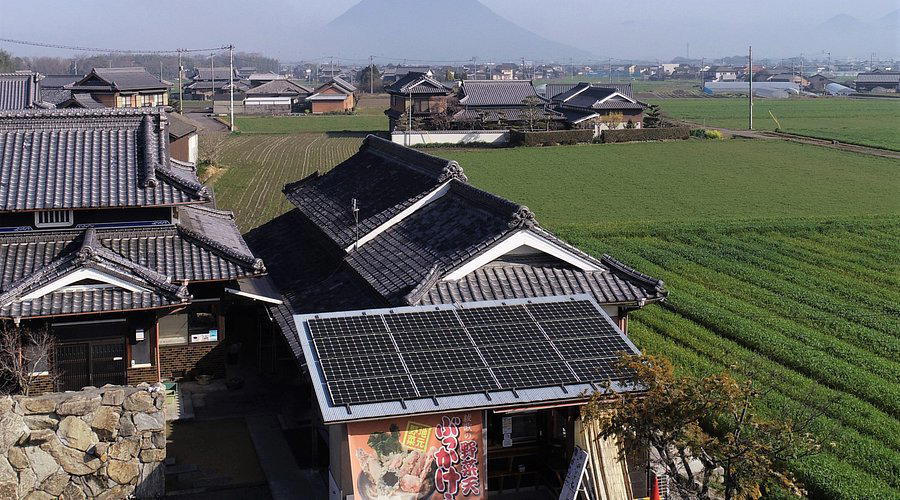
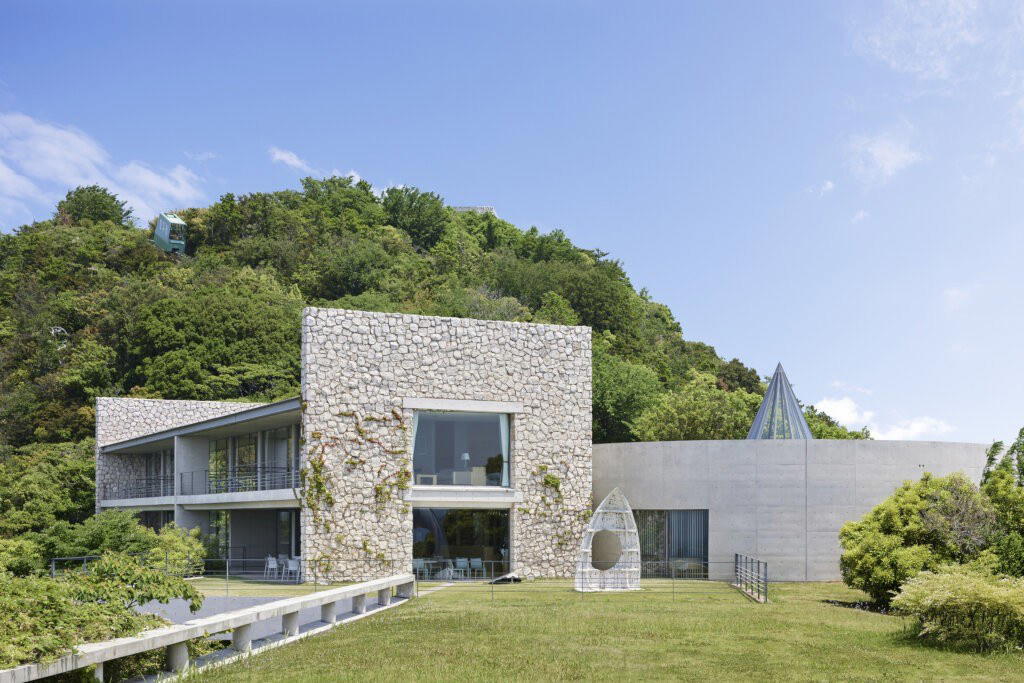
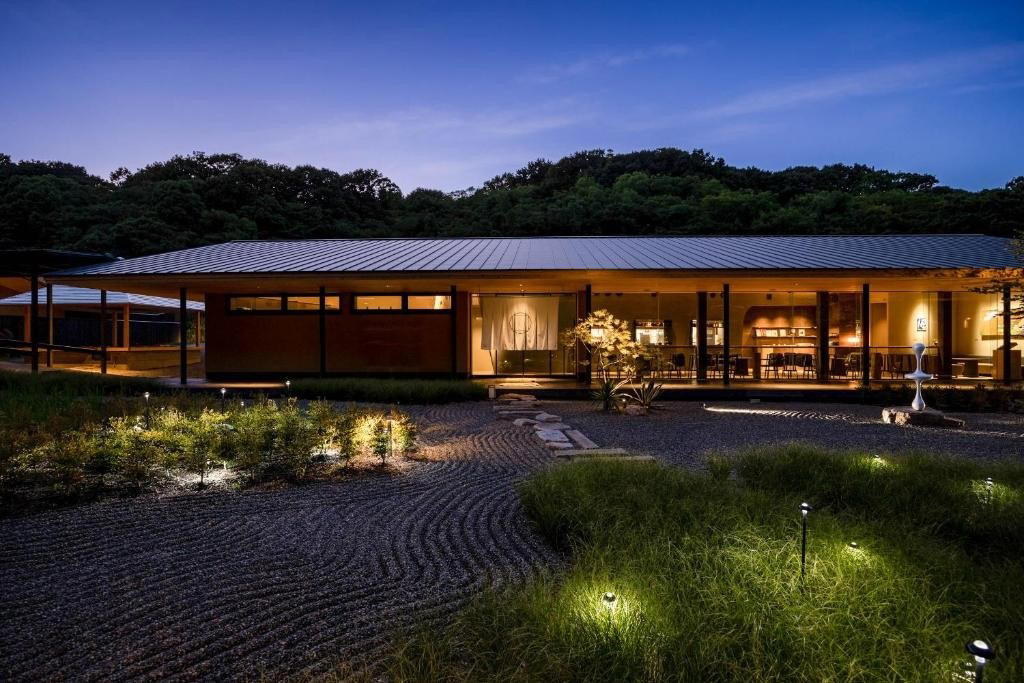
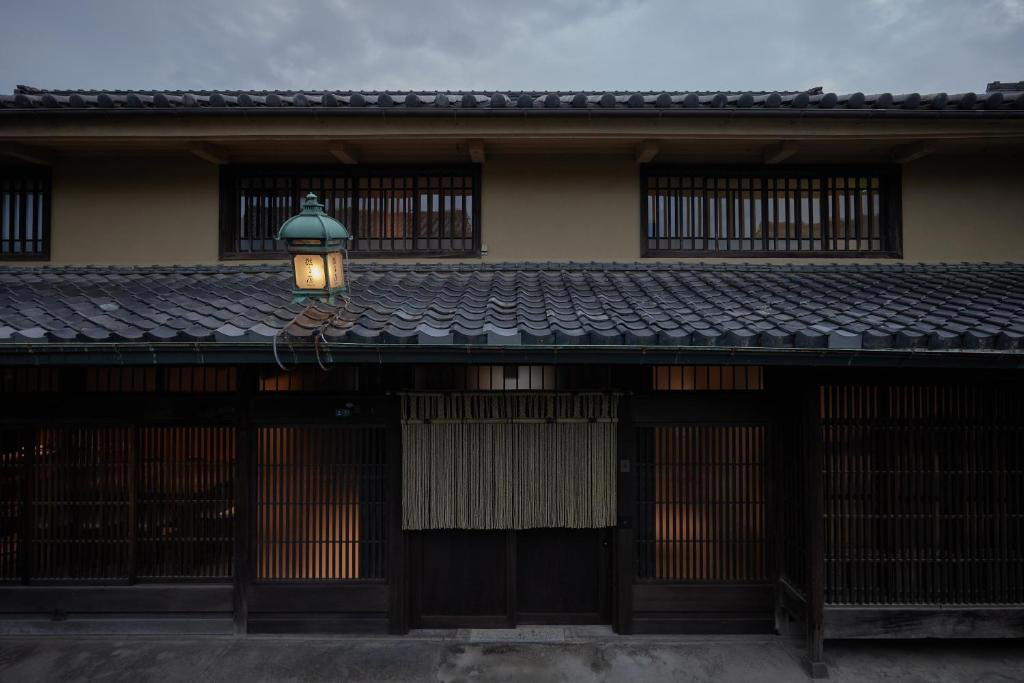
Open and airy space overlooking rice fields and river, creating a serene countryside escape within a fortress-like concrete exterior.