
Tabelog 100 #34
Our verdict
Hinode Seimenjo places Sakaide’s udon culture in its leanest form: a working noodle-maker with a narrow meal service, a small room, and prices that keep the focus on wheat rather than ceremony. Its repeated Tabelog 100 Udon selections put it inside Kagawa’s serious noodle conversation, especially for travelers reading Sanuki udon as an ingredient tradition rather than a restaurant category.

Pearl is the En Primeur Club membership app — saves, bookings, and concierge access live there. Same editors, same standards.
- Address
- 1 Chome-8-5 Fujimicho, Sakaide, Kagawa 762-0046, Japan
- Phone
- +81 877-46-3882
- Hours
- Daily 11:30 AM–12:30 PM
- Website
- hinode.net
- Directions
- Get directions
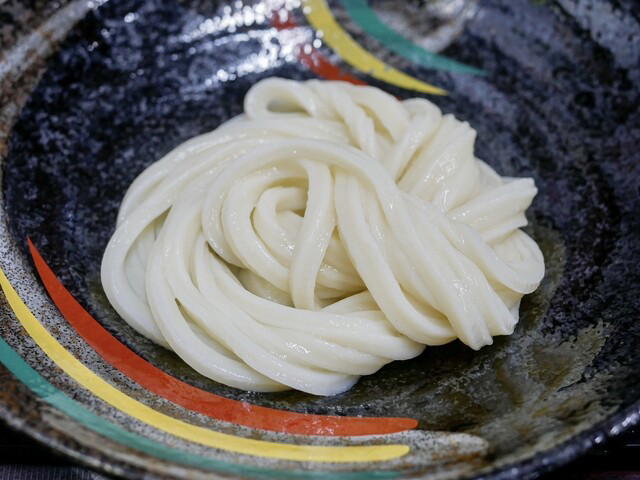
The menu
What to order
- Sanuki udon (small, medium, large)
- Kamatama udon
- Hot and cold udon with simple toppings
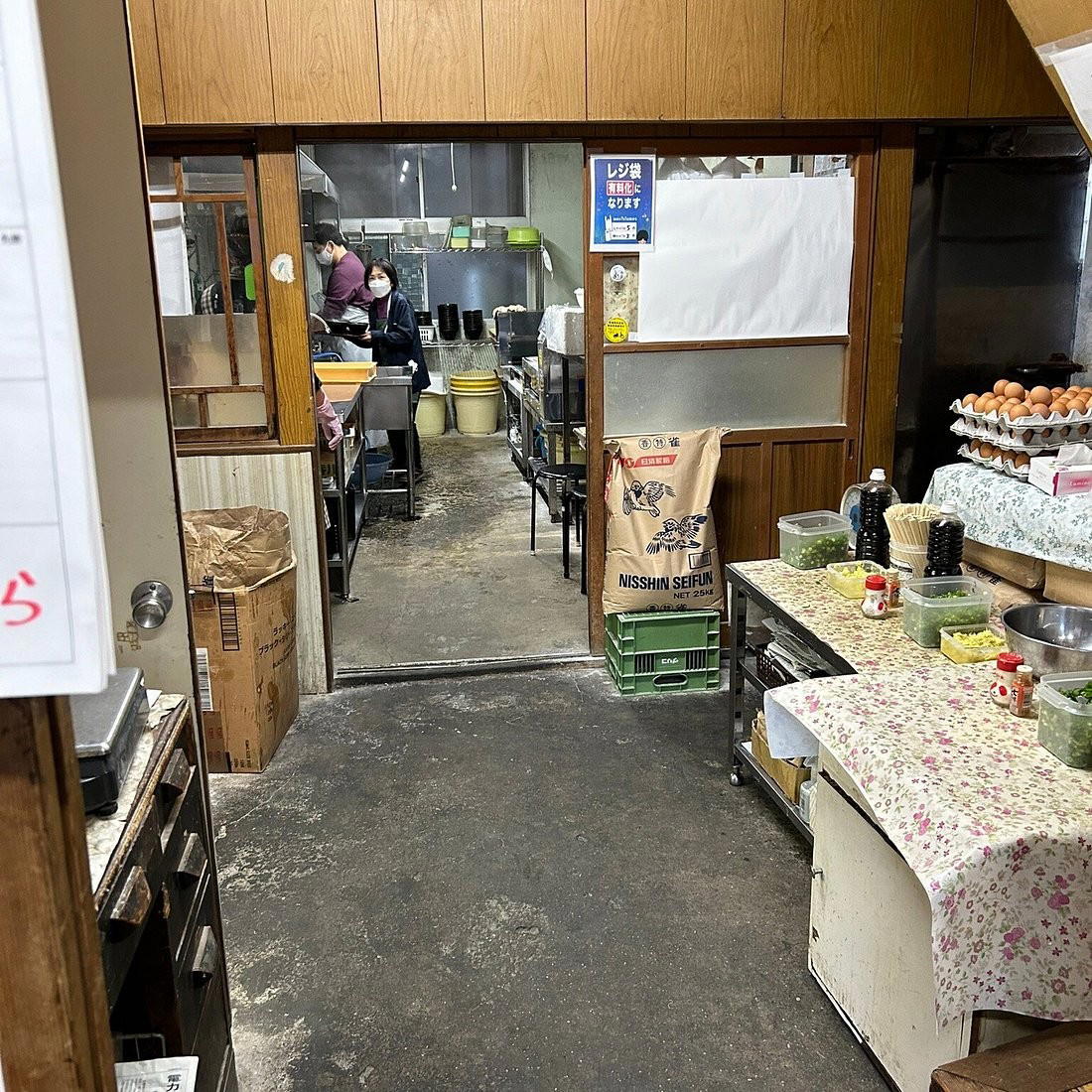
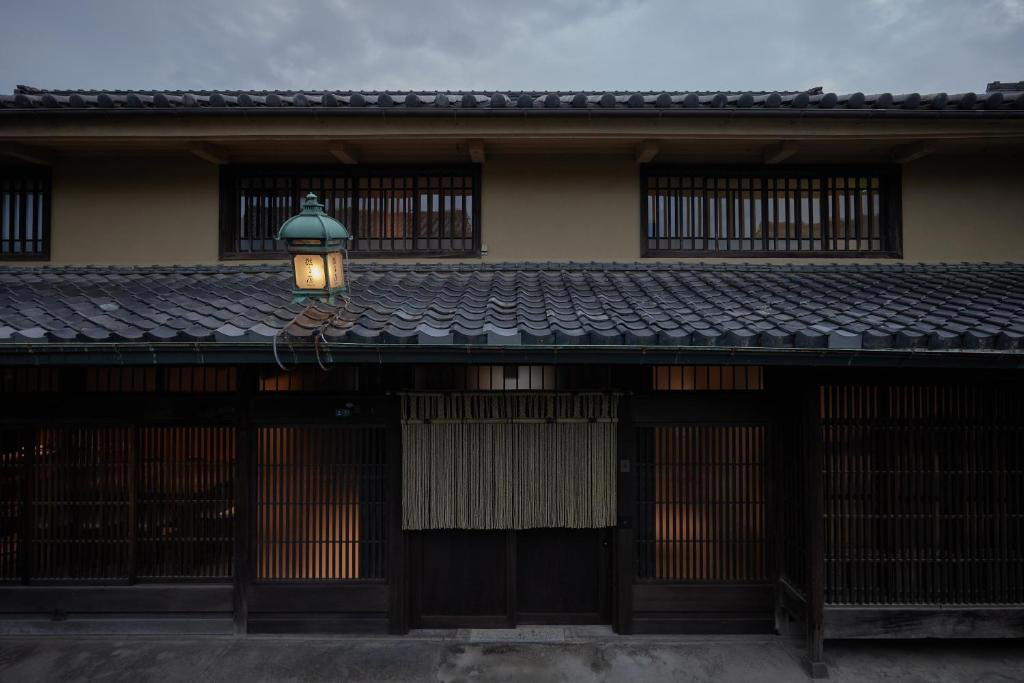
The approach to a serious udon shop is rarely theatrical. In Sakaide, the signal is usually simpler: people arriving with purpose, a line forming with little fuss, and a room built around speed, turnover, and noodles rather than dining-room performance. Hinode Seimenjo belongs to that local grammar. The point is not a long lunch. The point is wheat noodles, timing, and the compact discipline that turns a regional staple into a local obsession.
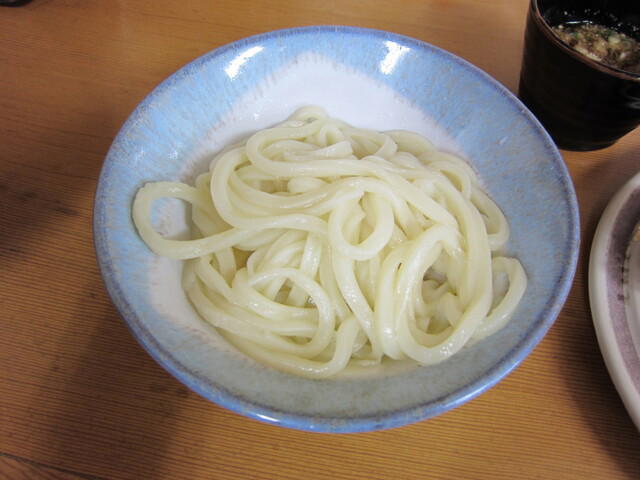
Kagawa’s udon culture rewards shops that treat noodles as the main act. Broth, toppings, and condiments may matter, but the hierarchy starts with the noodle itself: chew, thickness, finish, and how it behaves in the bowl. That is why a focused udon venue can carry more weight than its modest format suggests. The experience narrows the distance between ordering and eating, and that is the reason travelers make detours for places that look, at first glance, almost too plain for the attention they receive.
A noodle-focused logic in Kagawa udon country
Udon in Kagawa is not a luxury language. Its seriousness comes from repetition and constraint. Shops often compete within a tight price band, and the differences are measured in texture, service rhythm, and how clearly the noodle announces itself before garnish takes over. Hinode Seimenjo sits in that low-cost, high-scrutiny category, where a meal is listed at - JPY 999 yet still draws close attention from noodle-focused diners.
The sourcing angle here is less about a named farm than about the structure of the meal. Udon in this region depends on flour quality and handling, and focused noodle shops make that dependency easy to read. The dining format pushes the reader’s attention away from décor and toward the raw material: wheat worked into something elastic enough to justify a queue, direct enough to make ornament feel unnecessary.
Recognition matters because Kagawa is crowded with udon specialists. Hinode Seimenjo appears in Tabelog Hyakumeiten recognition for 2024, with a listed score of 3.87 and a category of Udon (Wheat noodles). Those signals do not turn a modest noodle shop into fine dining; they mark consistency in a prefecture where the category is dense and unforgiving.
How it reads against Sakaide's udon circuit
Sakaide is useful for travelers because its udon addresses can be read as a circuit rather than isolated meals. Maido Maido, Toraya, and other Sakaide dining rooms all sit inside the same regional conversation: inexpensive bowls, direct service, and a clientele that judges quickly. In that context, Hinode Seimenjo’s focus on udon gives it a sharper editorial role. It is a stop for understanding the noodle before the extras, not after them.
Comparison also clarifies what not to expect. This is not the Japanese restaurant template built around a named chef, a long tasting sequence, or a reservations strategy. It belongs closer to the everyday infrastructure of Kagawa eating: practical service, quick turnover, family use, and a room that treats efficiency as part of the form. The format says something useful about the category. Udon here is communal in tempo, not ceremonial in staging.
The broader Japan dining map can make Sakaide feel specialized. A traveler moving through unnamed dining rooms in larger cities is moving through different ideas of Japanese casual dining. Sakaide’s contribution is narrower and more disciplined: a city where the regional noodle can carry the itinerary by itself. Hinode Seimenjo makes that case without needing the language of luxury, spectacle, or a chef-driven narrative.
Use Sakaide as a food stop, not a single address
The practical reading is simple: Sakaide rewards planning around timing and appetite. Hinode Seimenjo is listed in the lowest price band, with pricing shown as - JPY 999, and that shapes the experience as much as the noodles do. The low price also changes the logic of the day: this is a place to pair with another udon stop, not a meal that needs to carry an entire afternoon.
That is the case for building a Sakaide day around categories, not just restaurants. Start with our full Sakaide restaurants guide for the noodle route, then use our full Sakaide hotels guide if staying locally makes the meal timing easier. The city’s wider rails are thinner but still useful for trip design: our full Sakaide bars guide, our full Sakaide wineries guide, and our full Sakaide experiences guide help separate a noodle-focused detour from a broader Kagawa stay.
For international travelers, the value is not just that the bill is low. It is that the format makes a regional food tradition legible quickly. In many cities, Japanese casual formats translate into a wide range of bars, rice shops, and polished neighborhood concepts. Sakaide offers the source code: a wheat noodle, a modest room, and a local audience that has little patience for distraction.
Frequently asked questions
Would Hinode Seimenjo be comfortable with kids?
The provided venue details do not specify a children policy. For planning, treat it as a compact udon stop in Sakaide and confirm directly if child-specific needs matter.
How would you describe the vibe at Hinode Seimenjo?
It reads as a compact udon shop rather than a leisurely dining room. Its Tabelog Hyakumeiten recognition for 2024, 3.87 listed score, and Udon (Wheat noodles) category set the tone.
What price level is Hinode Seimenjo?
Pricing at Hinode Seimenjo is listed as - JPY 999.
What is Hinode Seimenjo known for?
Hinode Seimenjo is known as an udon venue in Sakaide, with Tabelog Hyakumeiten recognition listed for 2024.
In Context: Similar Options
Comparable venues by cuisine and price in the same metro.
| Venue | Cuisine | Price | Awards | Notes |
|---|---|---|---|---|
| Hinode SeimenjoThis venue — the venue you are viewing | Traditional Sanuki udon noodle factory | $1–10 | Tabelog 100 #34 | Not listed |
| Yamashita Udon | Traditional Sanuki udon | $1–10 | Tabelog 100 #7 | .null |
| Maido Maido | Self-service Sanuki udon | $1–10 | Tabelog 100 #35 | Sakaide |
| Toraya | Kagawa udon and curry udon shop | $1–10 | Tabelog 100 #91 | Okinohama |
| Gamō Udon | Traditional Sanuki Udon | $1–10 | Tabelog Bronze | Kamocho |
| KARLY tonomachi | Japanese Spice Curry | Not listed | Not listed | Tonomachi |
Recognition history
Dated appearances from independent guides and award organizations, with the underlying list record or original source where available.
Tabelog 100 #34 · No. 34
Tabelog · Tabelog 100 - Udon - KAGAWA - 2024
Details
- Lively
- Classic
- Rustic
- Well Known
- Solo
- Family
- Casual Hangout
- After Work
- Standalone
- Historic Building
- Local Sourcing
- Counter Dining
- A La Carte
Current opening hours
- Monday
- 11:30 AM–12:30 PM
- Tuesday
- 11:30 AM–12:30 PM
- Wednesday
- 11:30 AM–12:30 PM
- Thursday
- 11:30 AM–12:30 PM
- Friday
- 11:30 AM–12:30 PM
- Saturday
- 11:30 AM–12:30 PM
- Sunday
- 11:30 AM–12:30 PM
Hours can change for holidays and private events. Last verified .
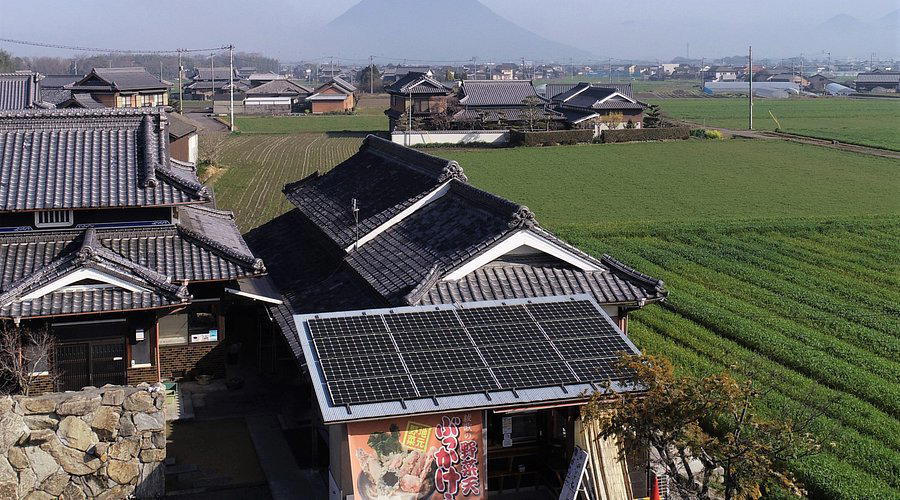
A no-frills, factory-adjacent udon counter with a cramped, functional dining area where guests queue up in a lively, canteen-like atmosphere focused entirely on fast, fresh noodles rather than décor or comfort.