
Tabelog 100 #58
Our verdict
Drive-in Tori Imari ten belongs to a strain of Kyushu dining where sourcing, scale, and road-trip practicality matter as much as polish. Its 2025 Tabelog 100 Yakiniku WEST selection gives the chicken-led grill format a useful credential, while the menu’s local Arita and Ariake chicken signals why this Imari address travels beyond ordinary roadside eating.

Pearl is the En Primeur Club membership app — saves, bookings, and concierge access live there. Same editors, same standards.
- Address
- 1384-2 Otsubocho, Imari, Saga 848-0021, Japan
- Phone
- +81 955-23-0667
- Hours
- Mon–Tue 11 AM–10 PMWed ClosedThu–Sun 11 AM–10 PM
- Website
- drivein-tori.jp
- Directions
- Get directions
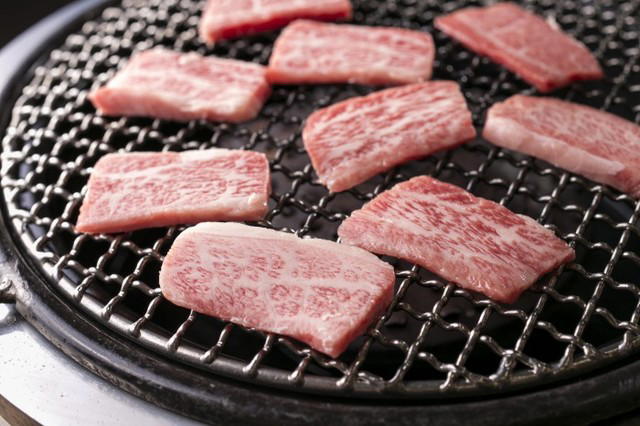
The menu
What to order
- Ichiban Teishoku set
- Tori-meshi (chicken rice)
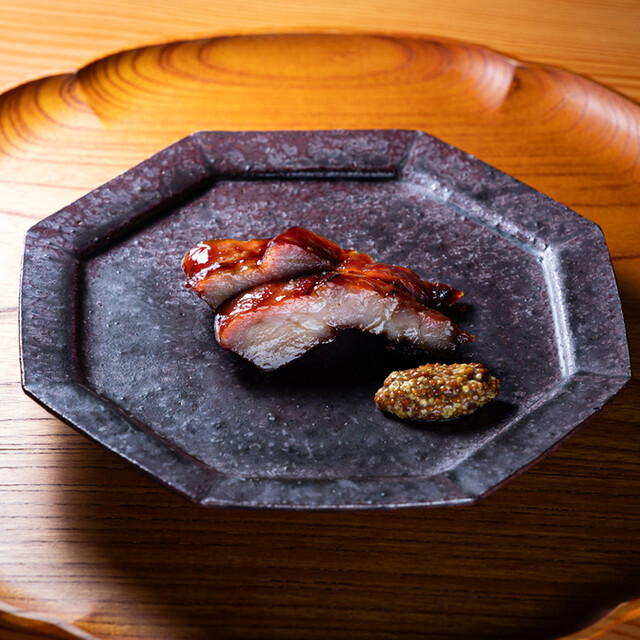
- Grilled fresh chicken with secret sauce
- Imari beef loin
The approach is part of the point: this is not hushed counter dining or a chef-led tasting room, but a grill house built for groups, cars, and the appetite that follows a day moving through Saga. The room’s grammar is practical rather than theatrical, shaped less by ceremony than by the everyday appeal of a shared table and a hot grill. In Imari, a city better known abroad for porcelain than for destination dining, that format matters. It places yakiniku, yakitori, and izakaya habits in the everyday social register, then lets the restaurant’s category recognition carry the serious argument.
Drive-in Tori Imari ten sits in the Tabelog Hyakumeiten Yakiniku WEST 2025 selection, a useful signal because this category is crowded with grill specialists across western Japan. Here, the more interesting reading is not a narrow luxury narrative, but the overlap of yakiniku, yakitori, and izakaya in Imari. That combination gives the restaurant its identity inside a list often associated with grill traditions, table cooking, and the pleasures of eating in company rather than in silence.
Yakitori changes the usual yakiniku equation
Japanese yakiniku has an easy shorthand: smoke, sauce, and a table that turns dinner into a shared grill. At Drive-in Tori Imari ten, that shorthand is complicated by the restaurant’s listed category mix. Yakiniku supplies the grill; yakitori brings grilled chicken skewers into the conversation; izakaya habits bring a more relaxed social tempo. The distinction is not just semantic. A grill house that also sits in yakitori and izakaya categories asks for a different rhythm from a strictly beef-focused yakiniku room: attention to timing, seasoning and dipping sauces, and a closer fit with casual drinking and shared plates.
The category mix tells the story. Yakiniku brings the grill; yakitori brings poultry skewers as part of the logic; izakaya brings the social tempo. That combination makes sense in Imari, where restaurants can serve local regulars and travelers in the same room. Compared with Kate cuore, Restaurant Chimney, or Lion, this address reads as a regional grill institution rather than a special-occasion room. The grill-and-izakaya model here feels democratic without losing critical recognition.
The Tabelog score of 3.53 is less important than the selection context. Tabelog’s Hyakumeiten lists reward depth within a category, and a Yakiniku WEST nod places the restaurant among western Japan’s notable grill addresses for 2025. For travelers, that means the draw is not a glossy dining room or a celebrity-chef narrative. The draw is a format that can be used casually, with enough category specificity to justify detouring from a generic roadside meal.
A drive-in scale with izakaya habits
Scale changes the mood of grilled food. A tiny counter pushes attention toward the chef’s hand; a drive-in grill restaurant pushes attention toward company, pacing, and the table. Drive-in Tori Imari ten belongs closer to the second camp. Its identity is better understood as a communal gathering place than as a metropolitan yakiniku salon. The format is built around use, not display, which is exactly why the Tabelog recognition matters: it signals that an everyday mode can still be critically legible.
That use-case is valuable in a city where many visitors pass through for ceramics, drives, or wider Saga itineraries. Imari’s dining scene is not a single lane. It runs from casual Japanese staples to other local dining rooms, and the stronger meals often come from places that understand their immediate audience before courting outside attention. Readers planning beyond one meal can use our full Imari restaurants guide for the city’s broader table map, then pair it with our full Imari hotels guide, our full Imari bars guide, our full Imari wineries guide, and our full Imari experiences guide for the rest of the trip.
The better comparison is not with luxury tasting menus but with Japan’s durable regional specialists. Other dining rooms in Japan can frame meat, seafood, drinking culture, or casual staples through very different formats, but the useful lesson is the same: the point is not always luxury. Often it is a focused category, a repeatable format, and a room designed for conversation. Drive-in Tori Imari ten sits comfortably in that logic, with its recognition coming from a grill category rather than from formal fine-dining signals.
Where it fits in a wider Japan itinerary
Travelers who chase only metropolitan polish can miss how regional Japan often expresses quality through repetition, category clarity, and everyday usefulness. A narrow specialist in one city, a casual local room in another, or an izakaya-leaning grill house in Imari can teach the same lesson in different registers: focus often produces clearer value than broad ambition. Drive-in Tori Imari ten belongs to that map not because it tries to imitate a destination tasting counter, but because it knows what kind of meal it is built to deliver.
The editorial case for Drive-in Tori Imari ten is therefore specific: go for a yakitori-friendly interpretation of the grill house, backed by a 2025 Tabelog Hyakumeiten Yakiniku WEST selection and a listed score of 3.53, in a restaurant that treats shared eating as the norm rather than an accommodation. It is not the polished answer to Imari dining. It is the regional answer, and that is the more useful one for anyone trying to understand how Saga eats when the table is full.
Frequently asked questions
Is Drive-in Tori Imari ten child-friendly?
Drive-in Tori Imari ten is a casual grill restaurant in Imari, which may make it practical for groups and families. Confirm current seating arrangements and any family-specific needs directly with the restaurant before visiting.
How would you describe the vibe at Drive-in Tori Imari ten?
It reads as a casual regional grill restaurant rather than a quiet counter room. The listed categories are yakiniku, yakitori, and izakaya, so the appeal is built around shared grilling, chicken skewers, and a relaxed tavern-style meal.
What's the pricing like at Drive-in Tori Imari ten?
Pricing at Drive-in Tori Imari ten is listed as dinner at JPY 2,000 - JPY 2,999 and lunch at up to JPY 999.
What days is Drive-in Tori Imari ten closed?
Specific closing days are not included in the provided recognition data. Contact Drive-in Tori Imari ten directly at +81-955-23-0667 before making a special trip.
Where do I go for Drive-in Tori Imari ten?
Imari.
What do critics highlight about Drive-in Tori Imari ten?
The clearest critical signal is its inclusion in the Tabelog Hyakumeiten Yakiniku WEST 2025 selection, alongside a listed Tabelog score of 3.53. The venue is defined by its yakiniku, yakitori, and izakaya categories in Imari.
Comparison Snapshot
Comparable venues by cuisine and price in the same metro.
| Venue | Cuisine | Price | Awards | Notes |
|---|---|---|---|---|
| Drive-in Tori Imari tenThis venue — the venue you are viewing | Traditional Japanese chicken grill & yakitori | $20–30 | Tabelog 100 #58 | Not listed |
| Lion | Teppanyaki steakhouse featuring Imari beef | $30–50 | Tabelog 100 #6 | / Niricho Ozato Otsu |
| Restaurant Chimney | Imari beef steak & hamburger restaurant | $20–30 | Tabelog 100 #75 | Imari |
| Kate cuore | Exquisite Farm-to-Table Italian | $500+ | Tabelog Silver #51 | Tachibanachō |
| Boteyan (ぼてやん多奈加) | Okonomiyaki & Yakisoba | $10–20 | Tabelog 100 #94 | Toyama Station area |
| Nonokura (手打式超多加水麺 ののくら) | Handmade Ultra-High Hydration Ramen | Not listed | Not listed | Kameari |
Recognition history
Dated appearances from independent guides and award organizations, with the underlying list record or original source where available.
Tabelog 100 #58 · No. 58
Tabelog · Tabelog 100 - Yakiniku - WEST - 2025
Details
- Lively
- Classic
- Rustic
- Well Known
- Family
- Group Dining
- Casual Hangout
- After Work
- Celebration
- Solo
- Standalone
- Local Sourcing
- A La Carte
- Set Menu
- Family Style
- Beer
- Sake
- Soft Drinks
- Pescatarian Friendly
Current opening hours
- Monday
- 11 AM–10 PM
- Tuesday
- 11 AM–10 PM
- Wednesday
- Closed
- Thursday
- 11 AM–10 PM
- Friday
- 11 AM–10 PM
- Saturday
- 11 AM–10 PM
- Sunday
- 11 AM–10 PM
Hours can change for holidays and private events. Last verified .
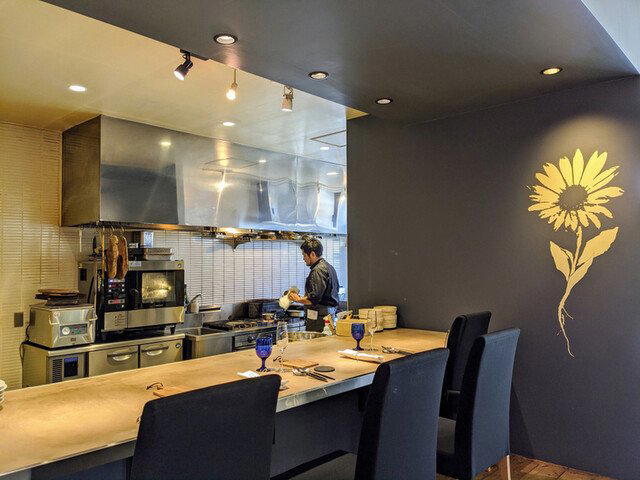
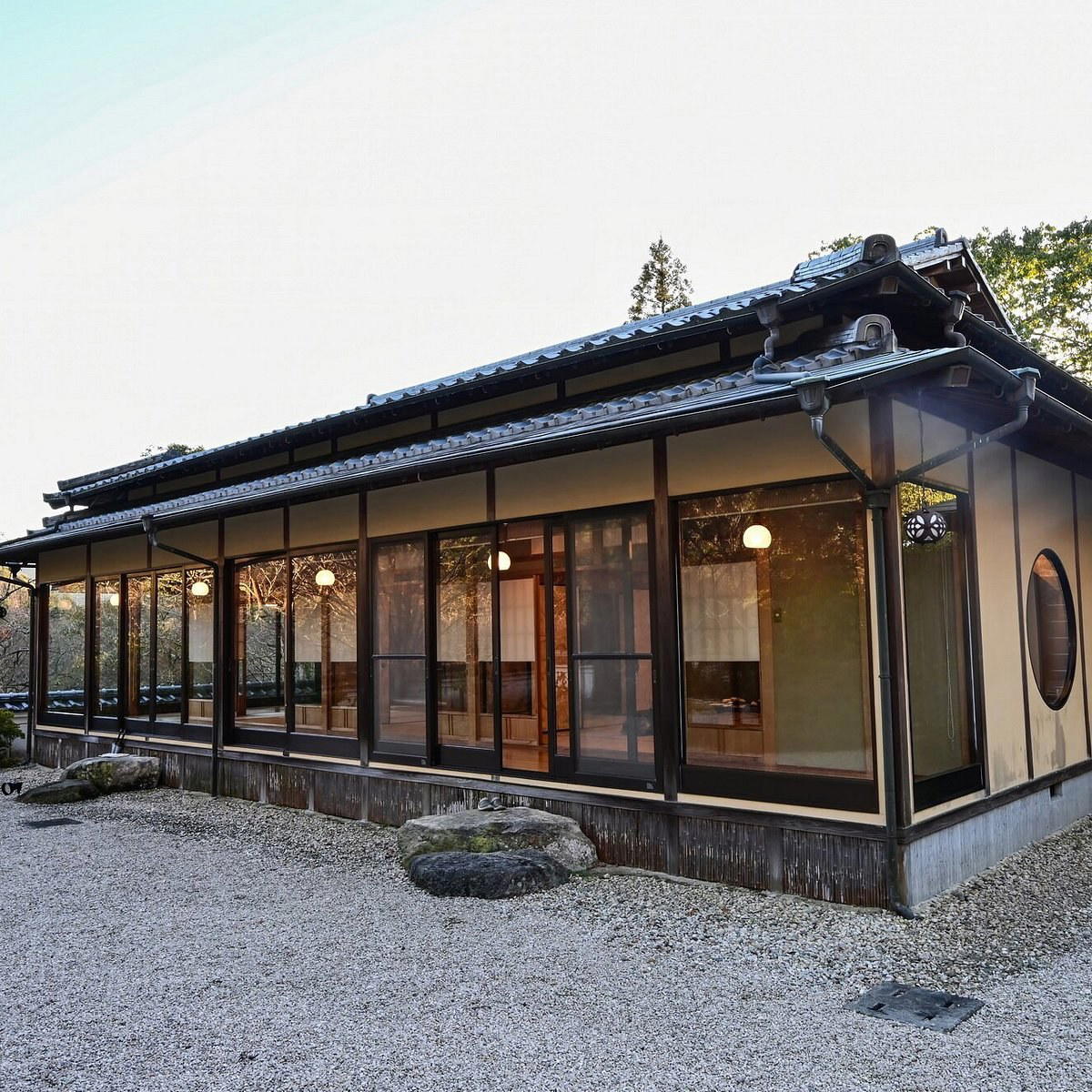
Bustling, family-friendly roadside grill with simple classic interiors, lively BGM and the feel of a local institution rather than a formal restaurant.