ARIS Cantina sits at Badstraße 1 in Absdorf, a small Lower Austrian market town in the Wagram wine corridor roughly 50 kilometres northwest of Vienna. The cantina format places it within a broader Austrian tradition of informal regional dining that draws on local agricultural produce rather than metropolitan polish. For context on where it sits among the area's options, see our full Absdorf restaurants guide.
Pearl is the En Primeur Club membership app — saves, bookings, and concierge access live there. Same editors, same standards.
- Address
- Badstraße 1, 3462 8 Absdorf, Austria
- Phone
- +436767922940
- Website
- ariscantina.com
- Directions
- Get directions
 Saves & bookings on Pearl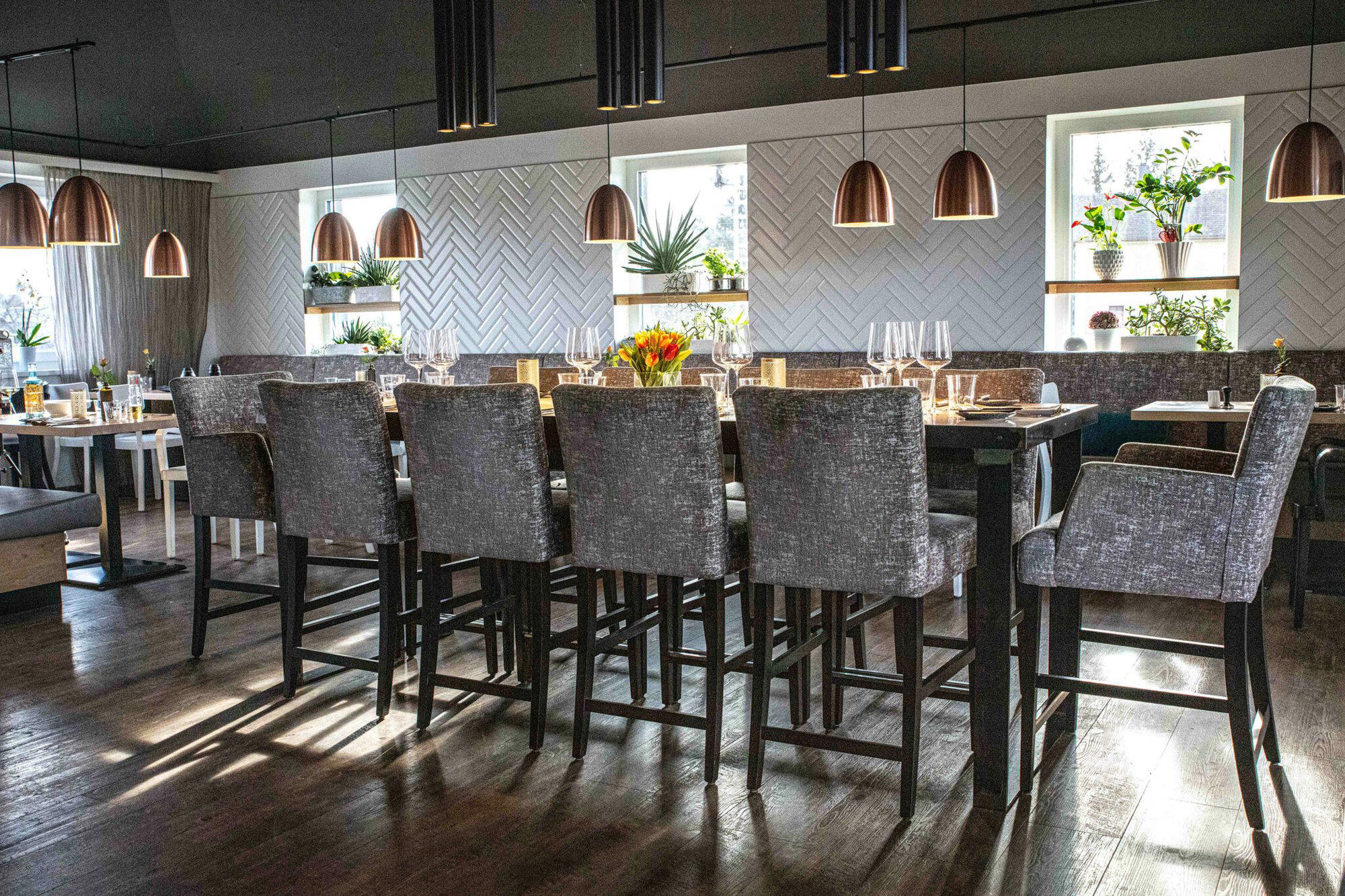
Absdorf and the Wagram Corridor: Where Informal Dining Meets Agricultural Depth
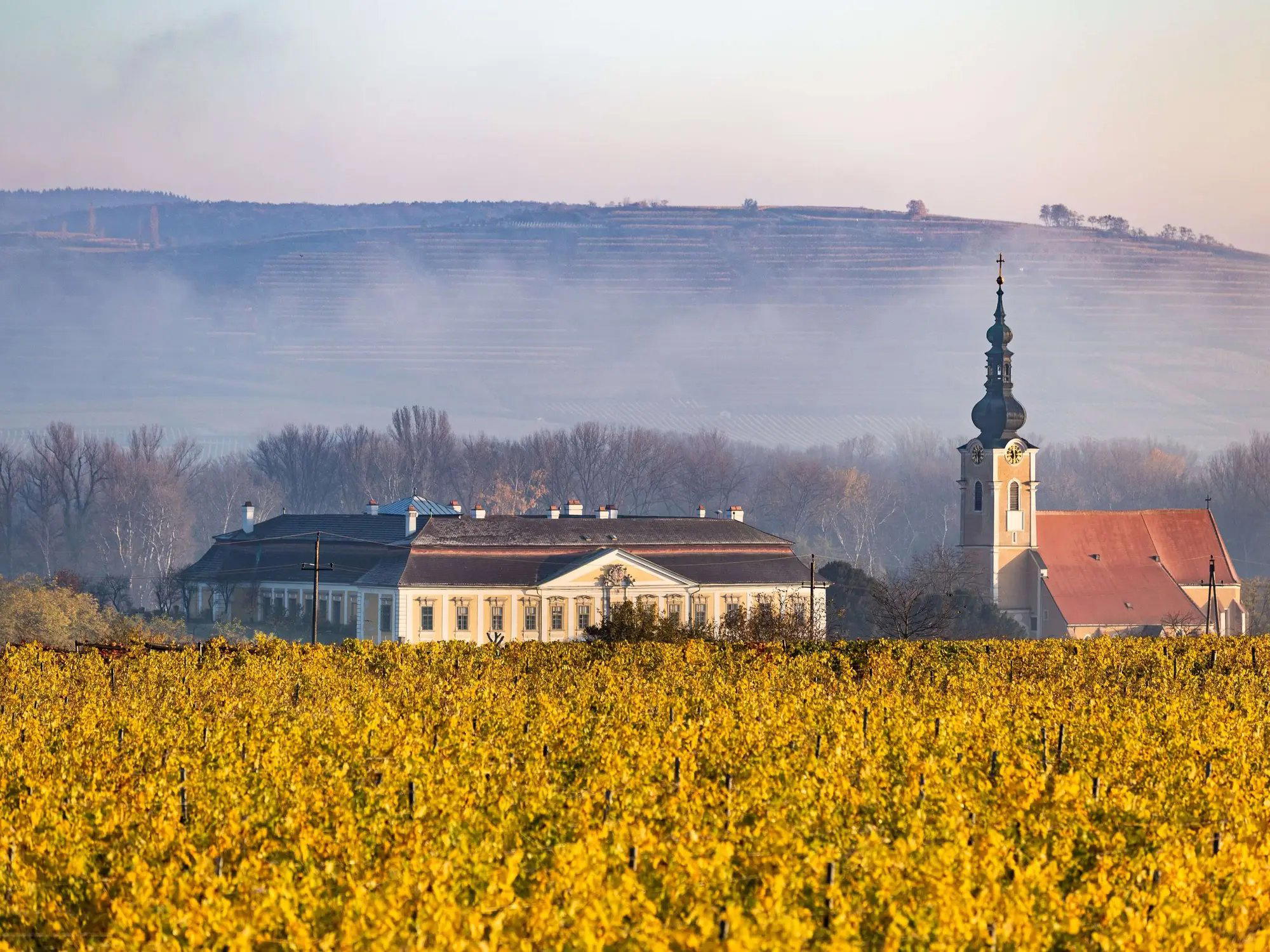
Lower Austria's Wagram plateau is better known for its loess-soil Grüner Veltliner than for its restaurant scene, yet the small market towns strung along the Danube flatlands northwest of Vienna have quietly developed a dining culture rooted in proximity to serious raw materials. Absdorf sits in that corridor, close enough to Vienna for day-trippers but far enough removed to operate on its own agricultural logic. The region grows grain, raises livestock, and harvests root vegetables in quantities that larger cities import from further afield. Any kitchen working here has access to ingredients at a stage of freshness that urban restaurants rarely achieve, and the leading informal dining rooms in the area have historically made that proximity their defining argument.
ARIS Cantina, at Badstraße 1, belongs to this tradition. The cantina designation itself signals something about intent: the word carries connotations of communal, unfussy eating rooted in a working relationship with food rather than a theatrical one. In the Austrian context, that places it in a lineage that values the Wirtshaus over the fine-dining salon, where the measure of quality is whether the sourcing is honest and the cooking respects what the land provides. For a sense of how the broader Austrian dining scene has positioned its premium tier around these same sourcing values, venues like Landhaus Bacher in Mautern an der Donau and Döllerer in Golling an der Salzach have made regional ingredient depth central to their identity at the €€€€ level. ARIS Cantina operates at a smaller scale and a different register, but the underlying argument about provenance is recognisably the same.
The Physical Setting: Arriving in a Working Town
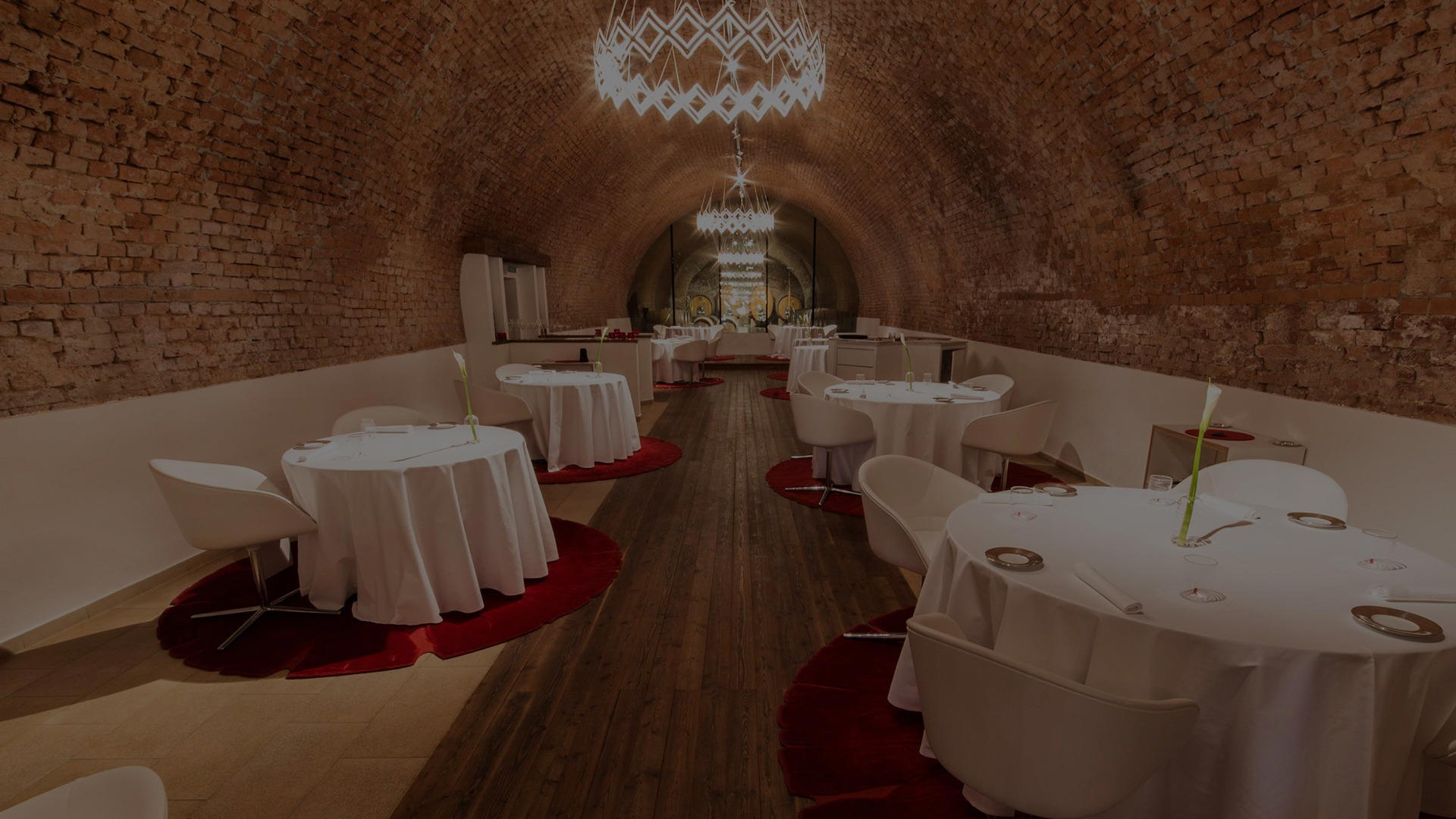
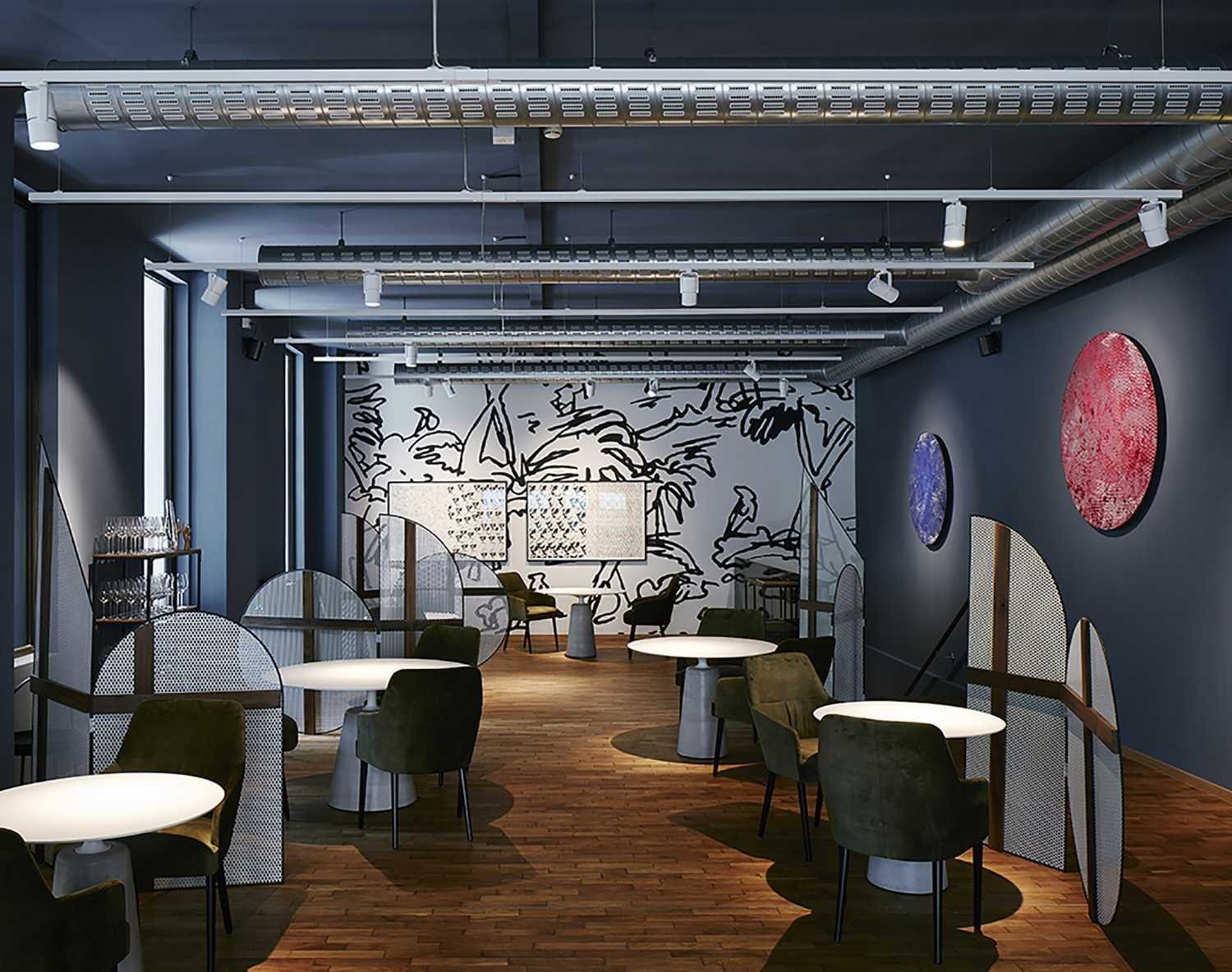
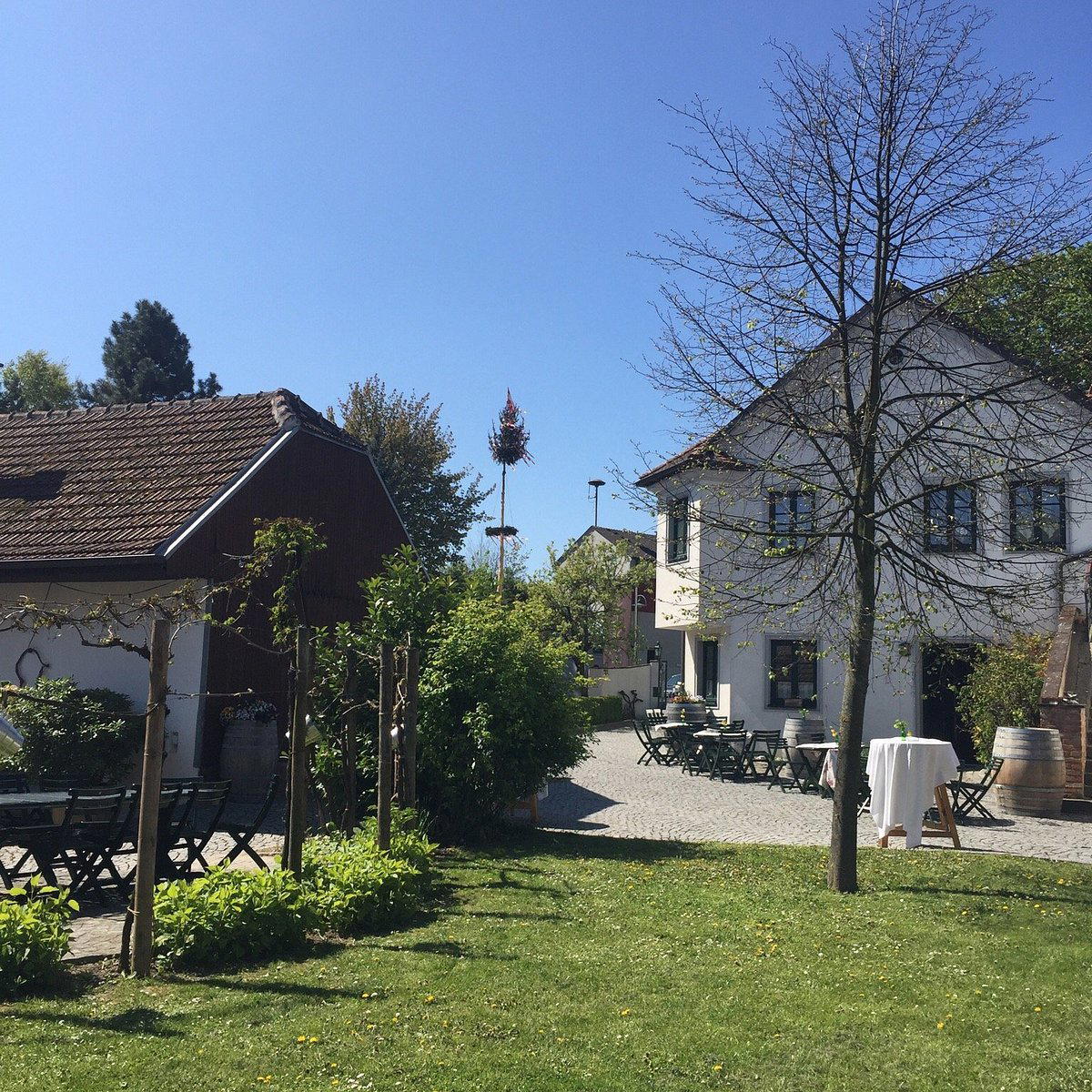
Absdorf is a small town in Lower Austria, and Badstraße 1 places ARIS Cantina in its everyday fabric. It is a functioning agricultural community, and arriving at Badstraße 1 means arriving in that context rather than in a curated hospitality environment. The address places the cantina in the town's existing fabric rather than in a converted rural estate or a purpose-built dining complex. This matters because it shapes expectation: guests are not being transported into an aspirational version of Austrian countryside life but are instead encountering a room that exists within the community it serves. That ground-level positioning is increasingly rare in a European dining culture that has grown skilled at packaging rural authenticity for urban consumption.
The category it occupies suggests an environment where the sourcing on the plate carries more weight than the design of the room around it.
Ingredient Sourcing and the Lower Austrian Argument
One consequential question for any kitchen working in the Wagram corridor is where it draws its supply lines. The plateau's agricultural output includes some of Austria's most considered grain and root vegetable production, and the proximity to the Danube creates microclimate conditions that affect livestock and produce quality in ways that don't translate easily to other regions. A cantina format in this location has a built-in case for short supply chains.
Across Austria's premium dining tier, the sourcing argument has become increasingly central to critical recognition. Steirereck im Stadtpark in Vienna has built part of its identity around Austrian provenance at the €€€€ level, while Taubenkobel in Schützen am Gebirge has pursued a modern Austrian approach that foregrounds regional materials. At the informal end of the spectrum, places like Ois in Neufelden demonstrate how smaller Austrian rooms can anchor their identity in hyper-local supply without the infrastructure of a Michelin-flagged kitchen. ARIS Cantina, operating in a town surrounded by working farmland, has the geographic conditions to make a comparable case.
For comparison, Austrian kitchens that have formalised their ingredient relationships most rigorously include Kräuterreich by Vitus Winkler in Sankt Veit im Pongau, where herb cultivation is central to the kitchen's identity, and Obauer in Werfen, which has maintained a decades-long commitment to Salzburg region sourcing at the leading price tier. These examples define one end of the Austrian provenance spectrum. The cantina format occupies a different register but operates within the same cultural argument about why Austrian geography produces food worth cooking honestly.
Placing ARIS Cantina in Its Competitive Context
But the broader competitive frame matters for understanding what the cantina format is arguing against. Austrian casual dining has historically been divided between the tourist-facing Gasthaus, which tends toward standardised comfort food, and the genuinely local Wirtshaus, which serves a community and makes decisions based on that community's expectations rather than visitor preferences. A cantina positioned on Badstraße 1 in a working agricultural town is, by location alone, aligned with the latter tradition.
At the premium end of Austria's out-of-Vienna dining scene, rooms like Schwarzer Adler in Hall in Tirol, Gourmetrestaurant Tannenhof in Sankt Anton am Arlberg, and Stüva in Ischgl demonstrate how regional Austrian dining can carry serious culinary ambition far from the capital. Restaurant 141 by Joachim Jaud in Mieming and Griggeler Stuba in Lech show how Alpine venues have built recognisable identities through format consistency and ingredient clarity. Atelier Fischer in Sankt Gilgen and Thaller - Gasthaus in Sankt Veit am Vogau illustrate the gasthaus-with-ambition format that has become one of Austria's most distinctive dining exports. Ikarus in Salzburg occupies a different tier entirely. The restaurant operates within the same national conversation about what Austrian food is for and where it comes from.
Planning Your Visit
The restaurant is at Badstraße 1, 3462 Absdorf, in Lower Austria. Hours are Thu-Sat 6-11 PM and Sun 11 AM-4 PM. Reservations are recommended.
Comparable Venues
Comparable venues nearby, for context on price, style, and recognition.
| Venue | Cuisine | Price | Notes |
|---|---|---|---|
| ARIS CantinaThis venue — the venue you are viewing | Austro-Mexican Fusion | $$$$ | Not listed |
| Cosmo Kitchen | Modern Fusion Fine Dining | $$$$ | Innere Stadt |
| Esszimmer by Alexander Kumptner | Modern Austrian-French Fusion Fine Dining | $$$$ | Stephansdom |
| 1870 | ÖKKEI Fusion (Europe-Asia-South America) | $$$$ | Staatsoper |
| Loca | Casual Fine Dining with Austrian-International Fusion | $$$ | Staatsoper |
| AELIUM | Contemporary Fusion Fine Dining | $$$$ | St. Pölten |
Continue exploring
More in Absdorf
Restaurants in Absdorf
Browse all →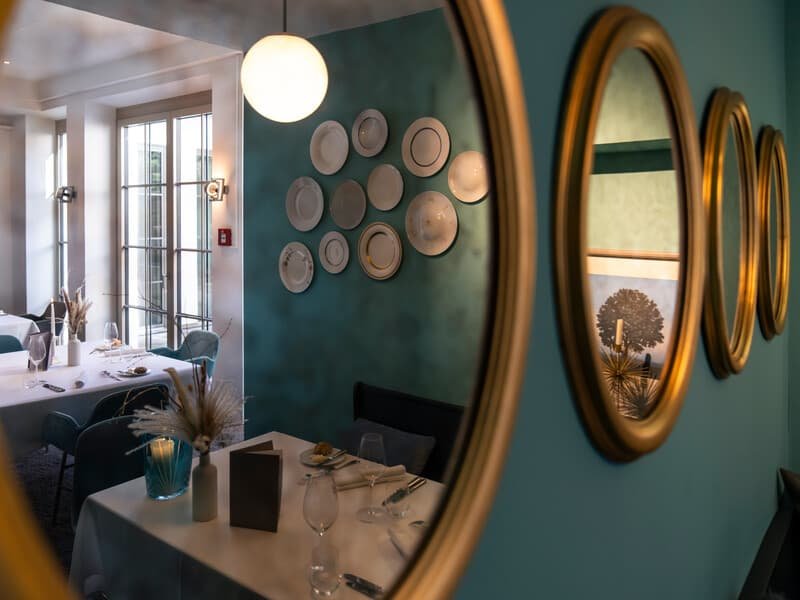
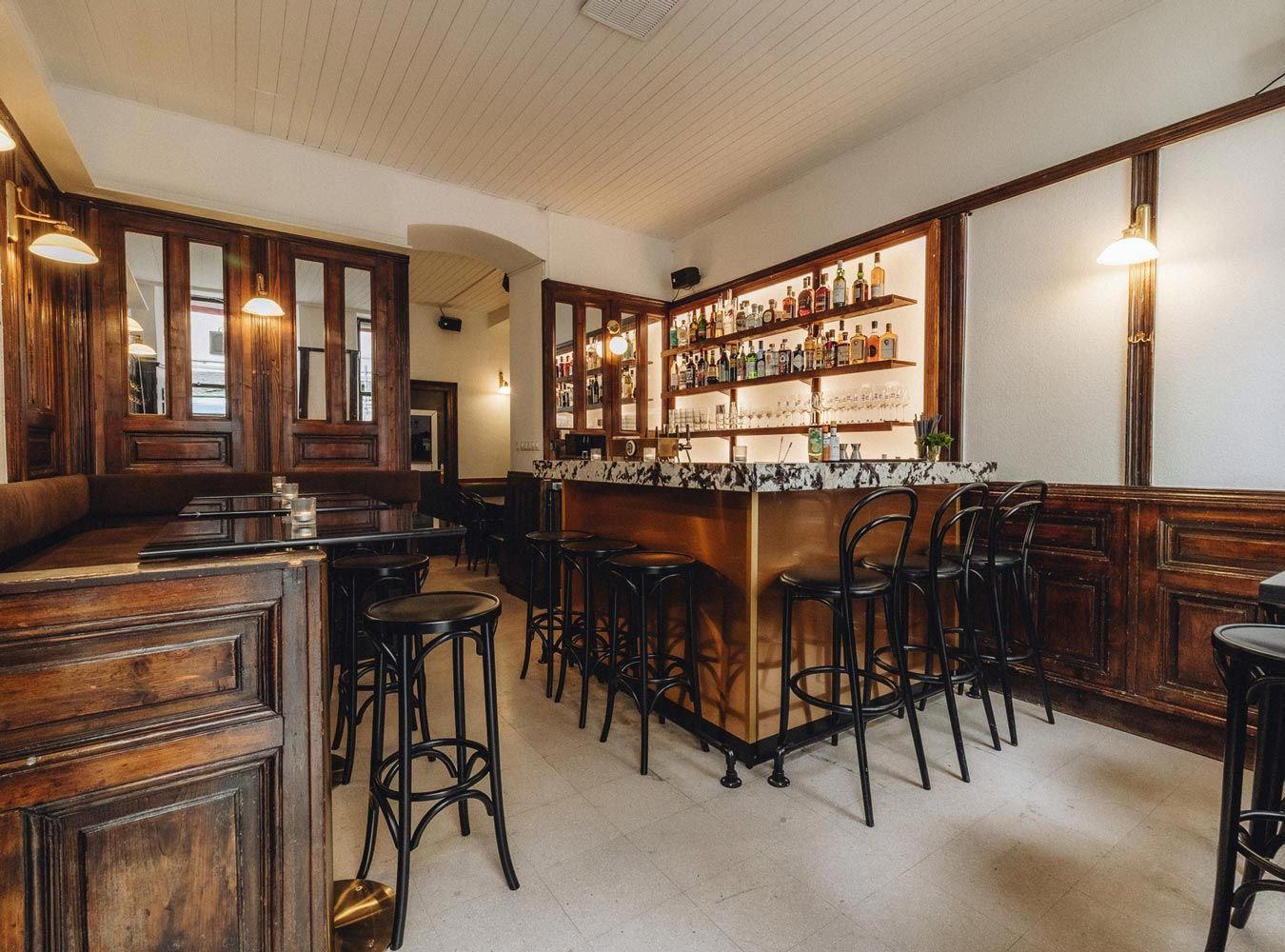
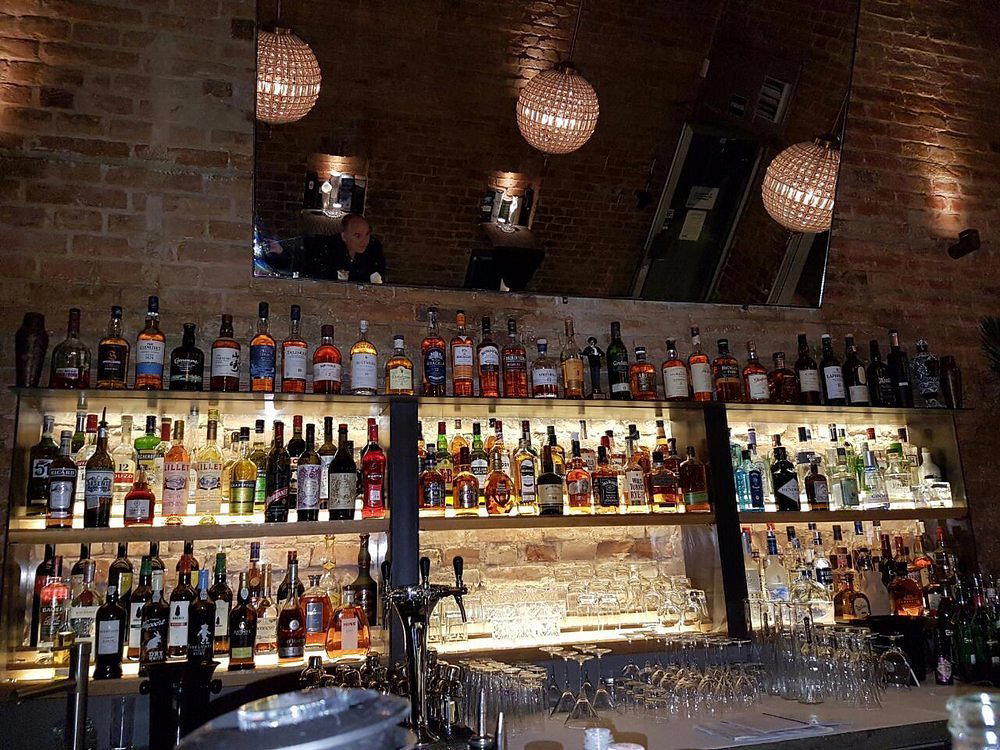
Bars in Absdorf
Browse all →

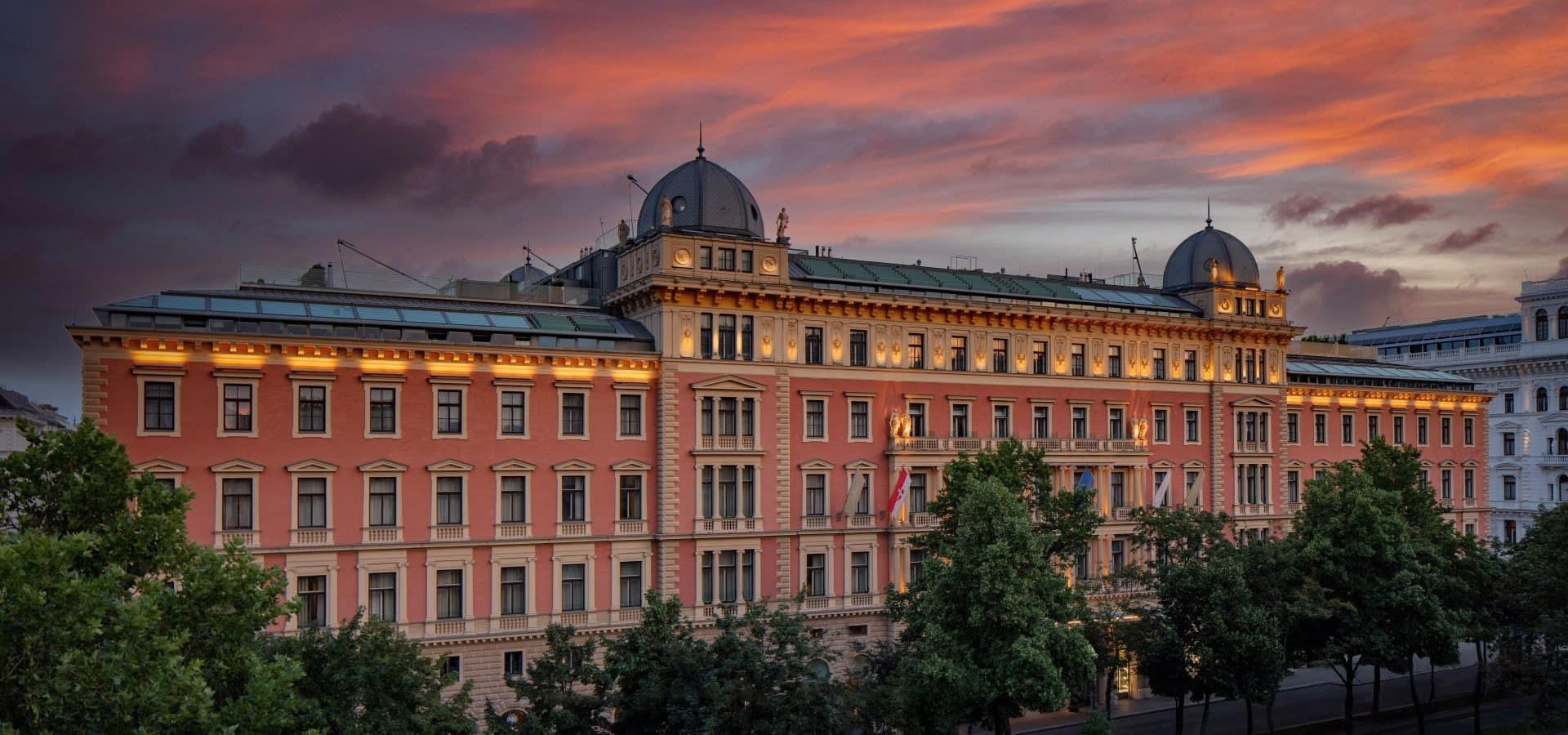
Hotels in Absdorf
Browse all →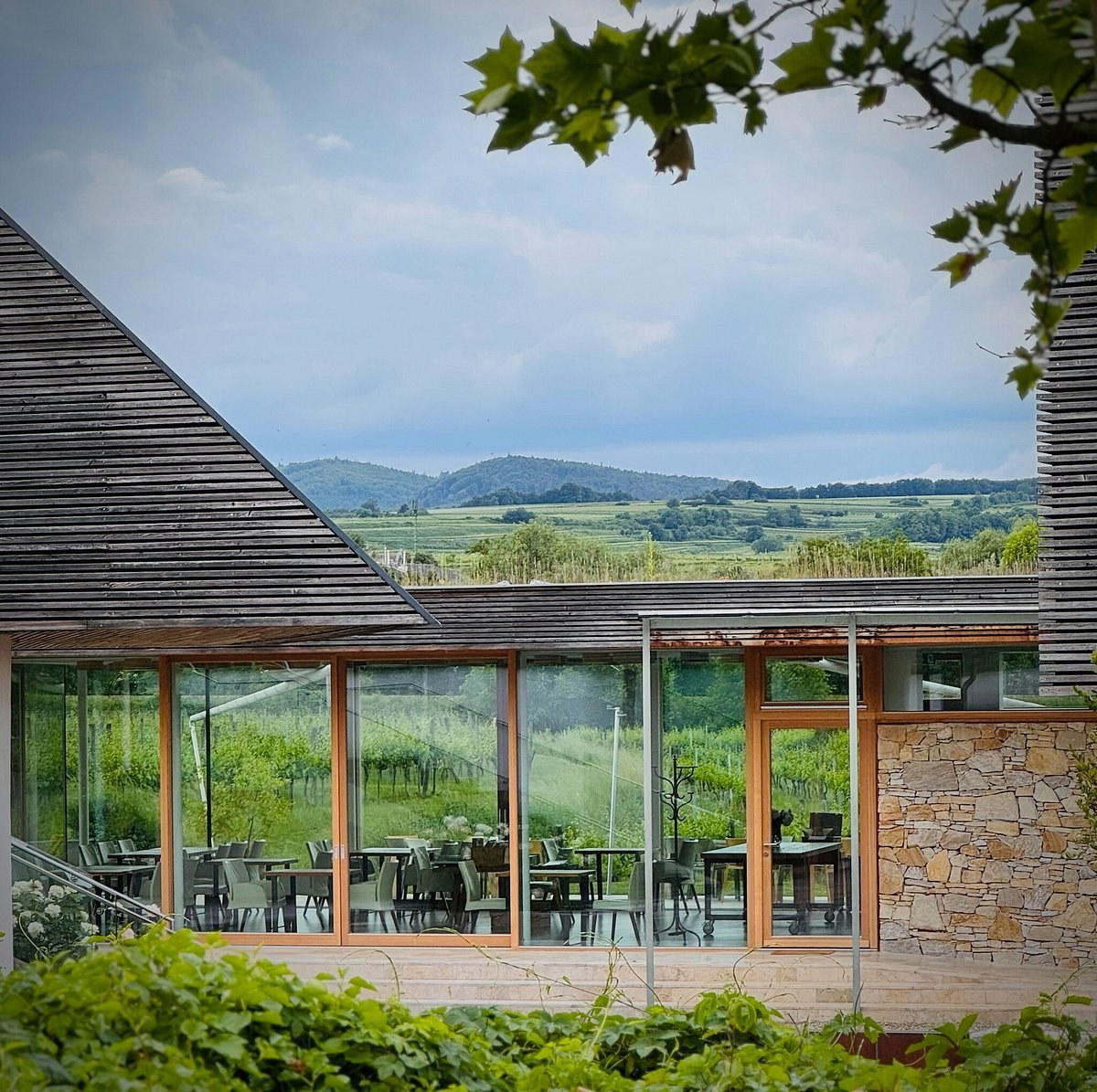

At a Glance
- Cozy
- Modern
- Intimate
- Special Occasion
- Date Night
- Open Kitchen
Current opening hours
- Monday
- Closed
- Tuesday
- Closed
- Wednesday
- Closed
- Thursday
- 6–11 PM
- Friday
- 6–11 PM
- Saturday
- 6–11 PM
- Sunday
- 11 AM–4 PM
Hours can change for holidays and private events. Last verified .
Casual atmosphere with high-end, creative, colorful and modern plating prepared with passion.