Our verdict
Positioned on the seventh floor of the Grand Hotel Wien on Kärntner Ring, 1870 occupies one of Vienna's most architecturally loaded addresses. The restaurant sits within a hotel that predates the Ringstrasse's completion, placing it inside a tier of dining rooms where the building itself carries as much weight as the kitchen. For visitors looking to read the city through its dining rooms, this is a useful coordinate.

Pearl is the En Primeur Club membership app, where members save venues, book tables and use the concierge.

A Dining Room Built Into Vienna's Imperial Memory
Vienna's Ringstrasse hotels were never simply places to sleep. When the Grand Hotel opened in 1870, it was part of a deliberate civic project: Franz Joseph's remaking of the inner city as a statement of Habsburg modernity. The boulevard's grand facades, the opera house opposite, the sequence of institutions stretching toward the Rathaus, all of it designed to be read together. A restaurant on the seventh floor of that building, carrying the year of the hotel's founding as its name, is working with a very particular kind of inherited context. The view alone is an argument.
This places 1870 in a subset of Vienna dining rooms where the physical setting is doing significant editorial work. Rooms like this exist in a handful of European capitals, hotel restaurants where the architecture, the sightlines, and the century of accumulated use are inseparable from the experience of eating. The question for any kitchen occupying such a space is whether the food operates at the same register as the room, or whether the room flatters the food beyond its actual ambition.
The Seventh Floor and What It Offers
The address, Kärntner Ring 9, seventh floor, positions 1870 above the pavement-level noise of one of Vienna's main transit arteries. From that height, the Ringstrasse reads differently. The Opera, the Kunsthistorisches Museum's roofline in the middle distance, the green strip of the Burggarten: the geography of imperial Vienna compresses into a single panorama. Hotel dining rooms at elevation have a long tradition in this city, and 1870 fits that tradition directly.
The Grand Hotel Wien itself belongs to the Ringstrasse's original construction phase, which makes it a contemporary of the Opera and of the other monumental buildings that define Vienna's self-image. Staying or dining here is a different proposition from visiting a converted palace or a modernist insertion. The building was purpose-built for this function at the moment the city was defining itself. That specificity matters when you are thinking about where 1870 sits relative to Vienna's broader dining offer.
Where 1870 Sits in Vienna's Fine Dining Tier
Vienna's upper dining bracket has consolidated around a recognisable group of kitchens. Steirereck im Stadtpark anchors the creative end with a programme built on Austrian ingredients and long-running critical recognition. Konstantin Filippou operates in a modern European register with Michelin recognition. Mraz & Sohn and Amador represent the creative and contemporary Austrian strand. These restaurants compete on kitchen credentials, menu ambition, and the kind of sustained critical attention that drives reservation demand.
Hotel dining rooms in landmark properties sit slightly differently. They absorb some of their positioning from the building rather than earning it entirely through the kitchen. That is not a dismissal, it is a structural observation about how guests, critics, and the city's dining culture assign value. A table at a seventh-floor Ringstrasse hotel carries associations that a standalone restaurant on the same block would not. The comparison set includes hotel dining rooms at other historic European properties rather than only the city's independent fine dining leaders.
For context outside Vienna, the dynamic is comparable to hotel restaurants in other cities where the building's history and the dining room's ambition operate in a complicated relationship, think of grand-hotel dining in Paris or London, where the room's pedigree is part of what is being consumed alongside the food. Internationally, kitchens like Le Bernardin in New York City demonstrate what happens when a hotel-adjacent or formally positioned fine dining room earns its reputation entirely through the kitchen's sustained output, independent of the room's architecture.
The Austrian Fine Dining Map Beyond Vienna
Guests arriving in Vienna for the hotel's dining room will likely already be oriented toward Austria's broader restaurant culture. That culture extends well beyond the capital. Döllerer in Golling an der Salzach has built a serious reputation around Alpine ingredients. Ikarus in Salzburg runs a rotating guest chef format that makes it structurally different from any single-kitchen programme. Obauer in Werfen has maintained its standing for decades. In the western regions, Griggeler Stuba in Lech and Gourmetrestaurant Tannenhof in Sankt Anton am Arlberg serve a different kind of traveller, one combining skiing with serious eating. Landhaus Bacher in Mautern an der Donau, in the Wachau wine region, draws guests partly on the strength of its cellar and its proximity to the vineyards. More recently, Kräuterreich by Vitus Winkler in Sankt Veit im Pongau, Ois in Neufelden, Schwarzer Adler in Hall in Tirol, and Restaurant 141 by Joachim Jaud in Mieming have extended the map of Austrian fine dining into regions that reward itinerary planning. Back in Vienna, Doubek represents a different register of the city's dining offer.
Planning a Visit
The Grand Hotel Wien sits on Kärntner Ring in the first district, within walking distance of the Opera and a short walk from the Stadtpark. Public transport connections are direct; the U4 line at Stadtpark or the U1/U2/U4 interchange at Karlsplatz both put the address within a few minutes on foot. For guests already staying at the Grand Hotel, the restaurant is part of the building's internal offer. For visitors coming from elsewhere in the city, the seventh-floor location requires elevator access through the hotel lobby. See our full Vienna restaurants guide for broader planning context across the city's dining tiers.
Frequently asked questions
What do regulars order at 1870?
Given the restaurant's position within the Grand Hotel Wien and its likely orientation toward the hotel's international and local clientele, the menu almost certainly draws on Austrian and Central European culinary traditions. Comparable kitchens in Vienna's hotel dining tier, such as those referenced in the Steirereck and Amador profiles, offer useful points of reference for what the city's more ambitious kitchens are producing.
Is 1870 reservation-only?
In Vienna's upper dining tier, most hotel restaurants at this address level operate with reservations recommended, particularly for dinner service. Given the Grand Hotel Wien's positioning on Kärntner Ring, walk-in availability at peak times is likely limited. Contact the hotel directly for current policy.
What is the signature at 1870?
What can be said is that the restaurant's name references the Grand Hotel Wien's founding year, which suggests a deliberate connection to the building's history. Kitchens that foreground historical identity in their naming tend to anchor at least part of their offer in regional or period-inflected cooking. Cross-reference with Konstantin Filippou for the kind of modern Austrian approach that contemporary critics are following most closely.
Can 1870 accommodate dietary restrictions?
Hotel restaurants of this class in Vienna generally handle dietary requirements on request, particularly for guests staying in the property. If restrictions are a factor in your planning, raise them at the time of booking.
What makes 1870 a different kind of dining experience from Vienna's standalone fine dining restaurants?
The distinction sits in the building's relationship to the city's history. Vienna's independent fine dining leaders, including Mraz & Sohn and comparable internationally recognised kitchens, earn their positioning through the kitchen's output alone. A restaurant on the seventh floor of a Ringstrasse hotel founded in 1870 is doing something structurally different: the room, the view over the Opera and the boulevard, and the building's century-and-a-half of use all contribute to the experience in ways that have nothing to do with what arrives on the plate. That layering of context is what separates hotel dining rooms in genuinely historic properties from the rest of Vienna's offer.
A Tight Comparison
Comparable venues nearby, for context on price, style, and recognition.
| Venue | Cuisine | Price | Awards | Notes |
|---|---|---|---|---|
| 1870This venue (the venue you are viewing) | ÖKKEI Fusion (Europe-Asia-South America) | $50–100 | Not listed | Not listed |
| Loca | Casual Fine Dining with Austrian-International Fusion | Not listed | Not listed | Staatsoper, Casual Fine Dining with Austrian-International Fusion |
| Soulmate | Fusion Cocktails & Fine Dining | $30–50 | Falstaff Bar - 91 Falstaff Points | Neubau, Fusion Cocktails & Fine Dining |
| Chalet Moeller | Modern Fusion with Asian Influences | $50–100 | Not listed | Neuwaldegg, Modern Fusion with Asian Influences |
| Café Azzurro | Modern Fusion Small Plates | $30–50 | Star Wine List | Neubau, Modern Fusion Small Plates |
Continue exploring
More in Vienna
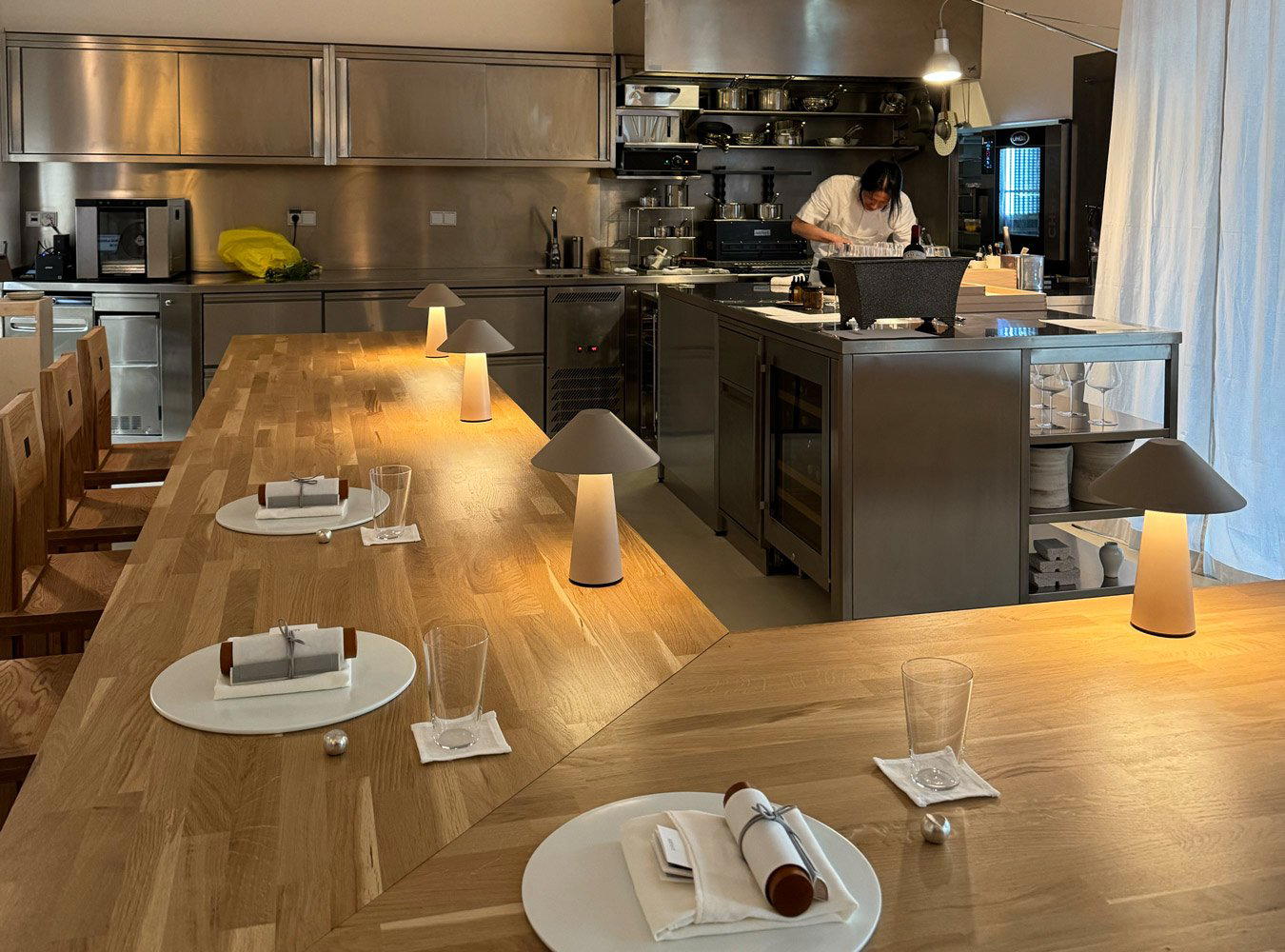
Restaurants in Vienna
All restaurants in Vienna →
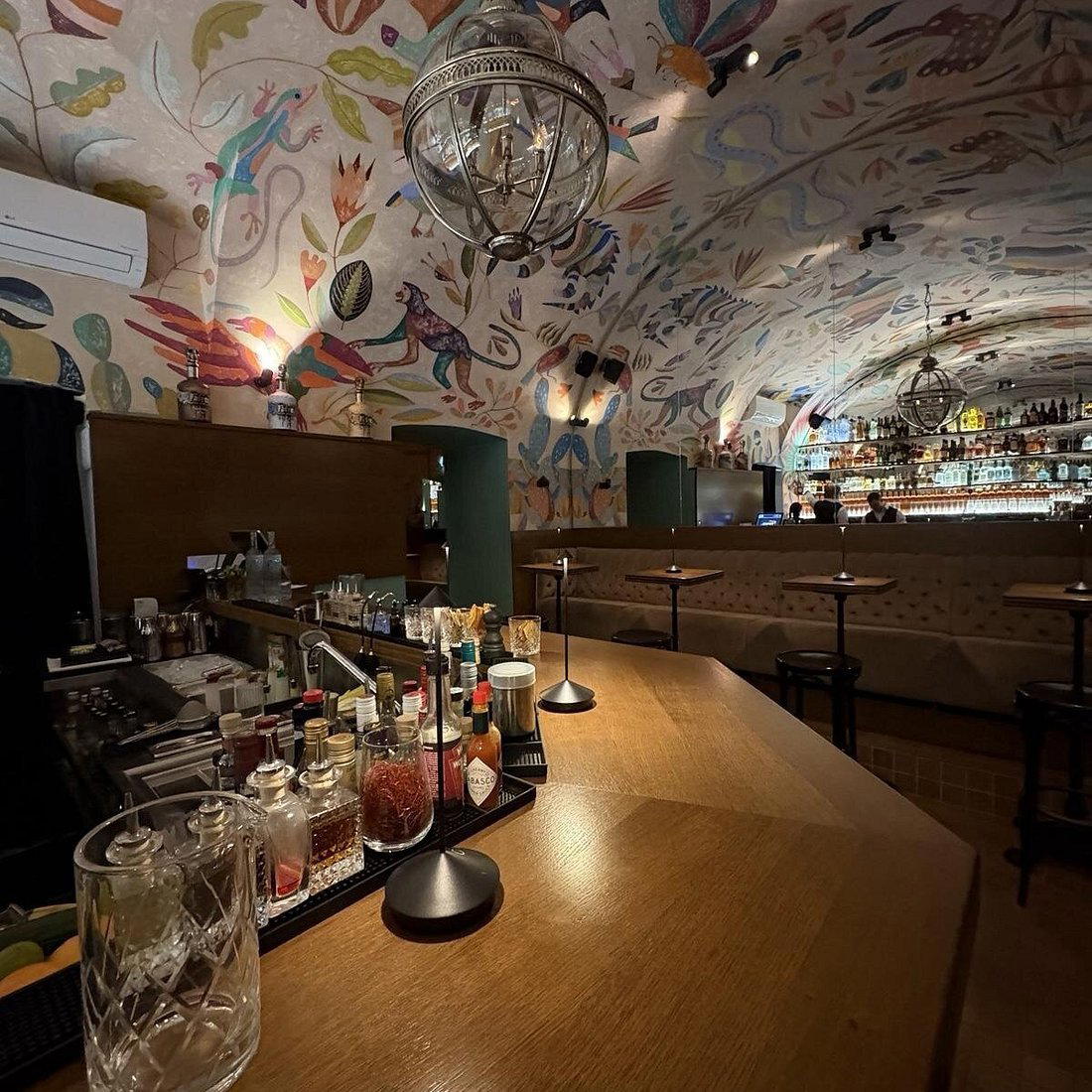
Bars in Vienna
All bars in Vienna →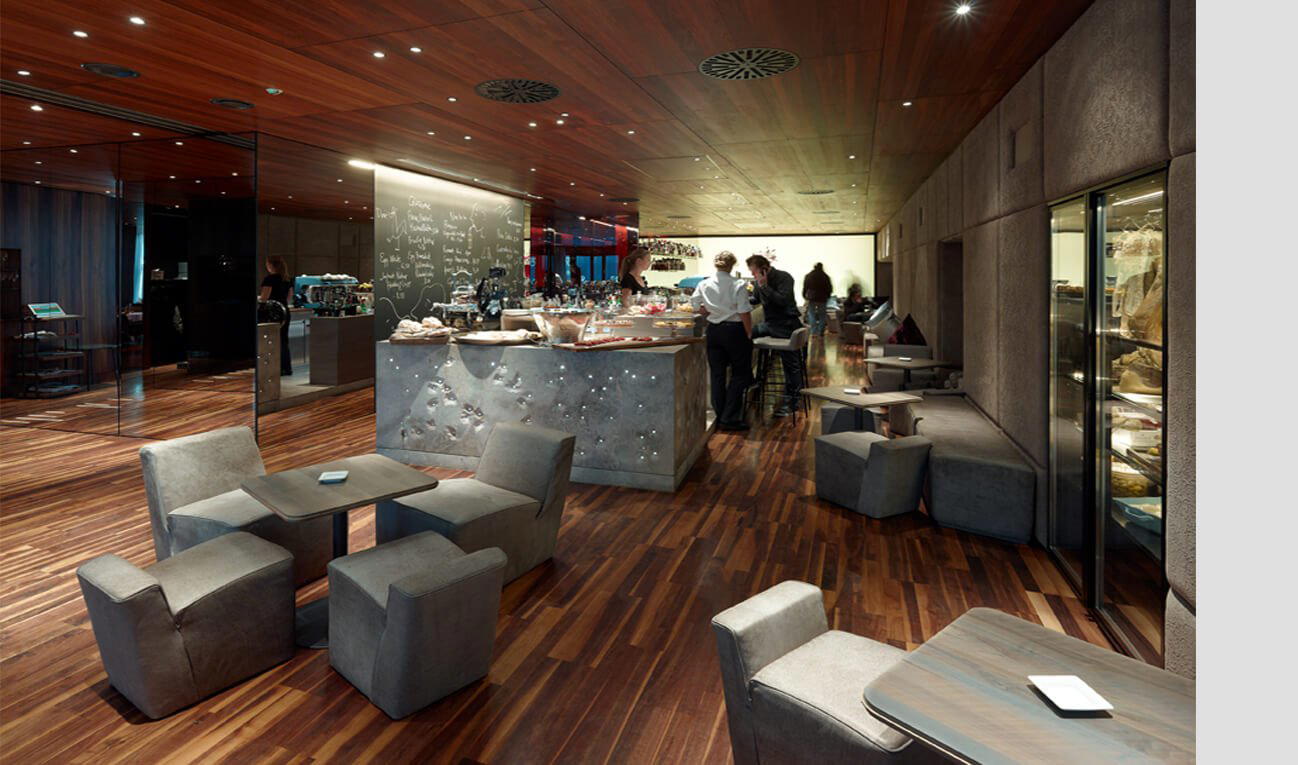
Hotels in Vienna
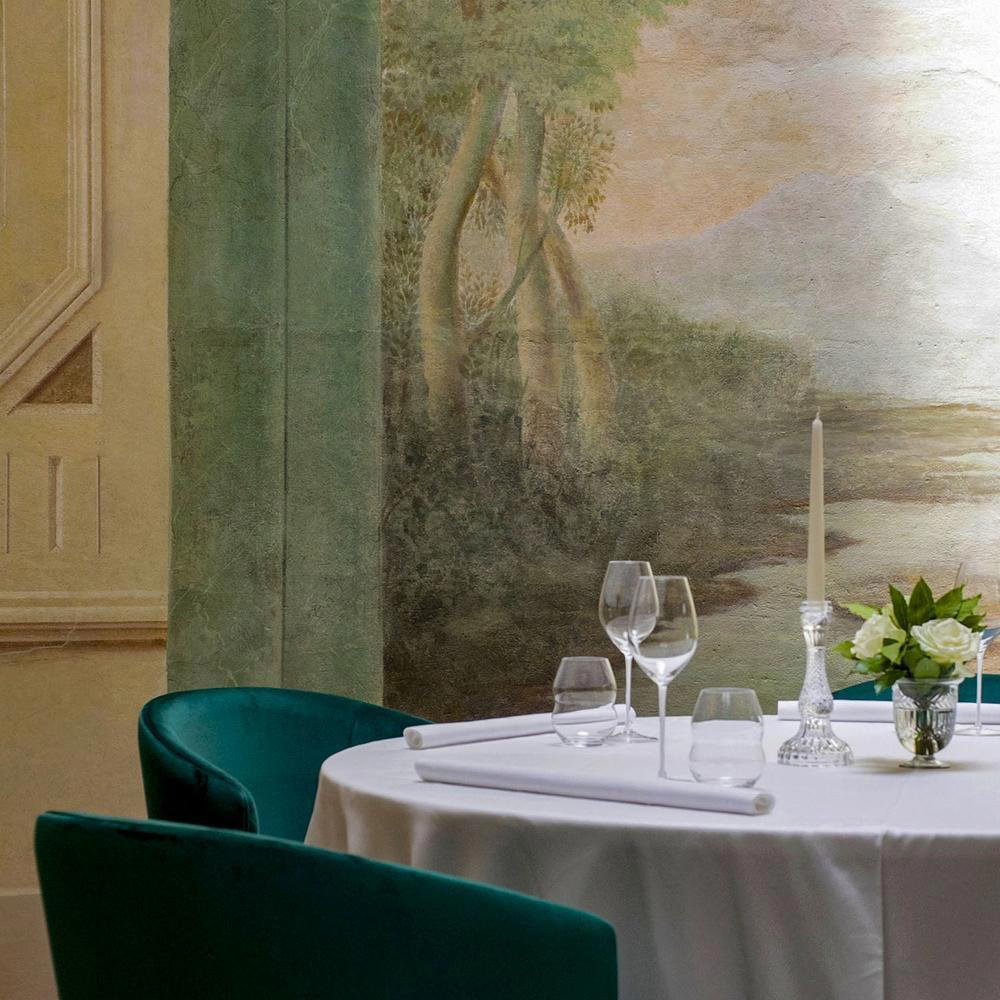
All hotels in Vienna →

Details
- Elegant
- Sophisticated
- Romantic
- Scenic
- Date Night
- Special Occasion
- Business Dinner
- Rooftop
- Terrace
- Private Dining
- Hotel Restaurant
- Skyline
- A La Carte
- Prix Fixe
- Vegetarian Friendly
- Vegan Options
Current opening hours
- Monday
- 12–3 PM
- Tuesday
- 12–3 PM, 6–11 PM
- Wednesday
- 12–3 PM, 6–11 PM
- Thursday
- 12–3 PM, 6–11 PM
- Friday
- 12–3 PM, 6–11 PM
- Saturday
- 6–11 PM
- Sunday
- Closed
Hours can change for holidays and private events. Hours as of .
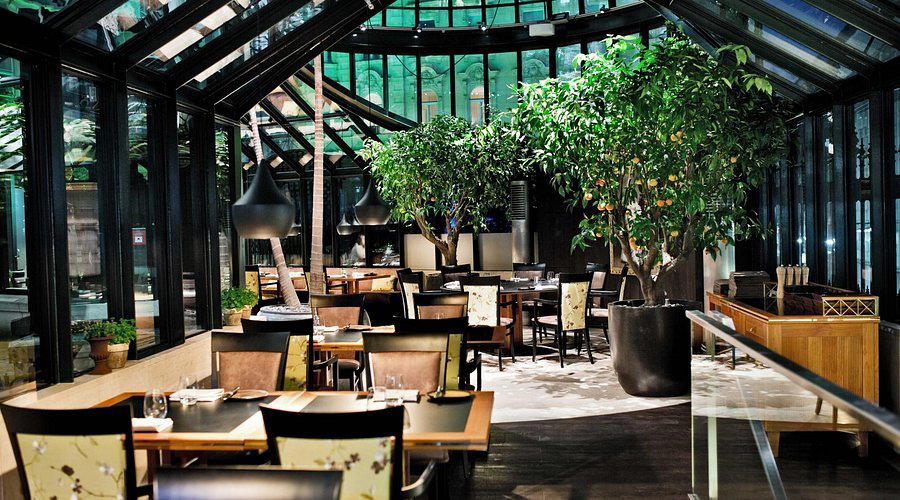
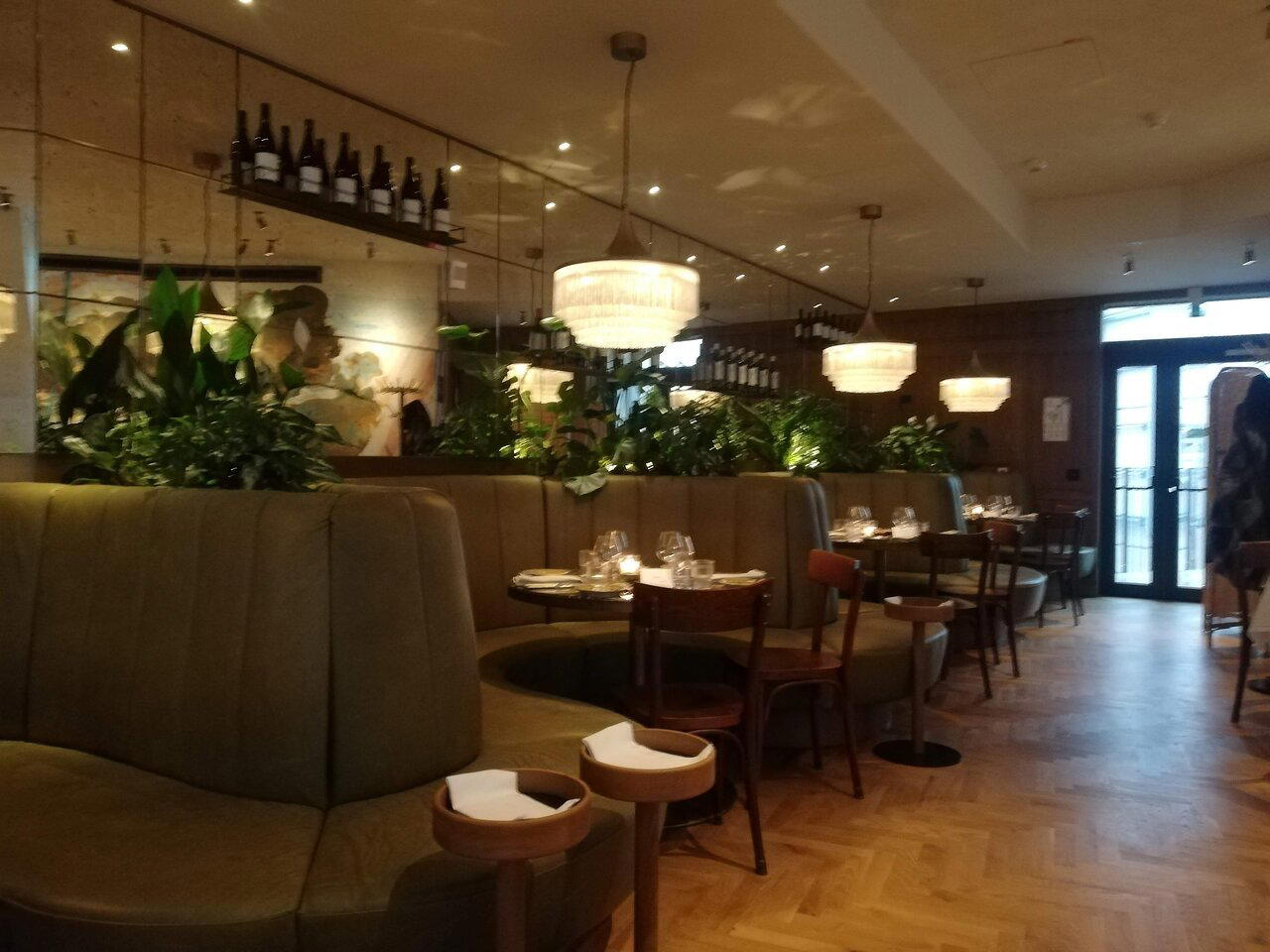
Extremely elegant interior with sophisticated lighting, complemented by a charming roof terrace garden atmosphere.