Aranda's Grill occupies a notable address on Avinguda del Tibidabo in Barcelona's Sarrià-Sant Gervasi district, a neighbourhood that sits apart from the tourist-dense centre and draws a local residential crowd. The Tibidabo corridor has long supported a quieter tier of serious dining, away from the spectacle of the old city. Visitors seeking grilled cooking in an upper-Barcelona setting will find the address worth the ascent.
Pearl is the En Primeur Club membership app — saves, bookings, and concierge access live there. Same editors, same standards.
- Address
- Av. del Tibidabo, 31, Sarrià-Sant Gervasi, 08022 Barcelona, Spain
- Phone
- +34934170115
- Website
- asadordearanda.net
- Directions
- Get directions
 Saves & bookings on Pearl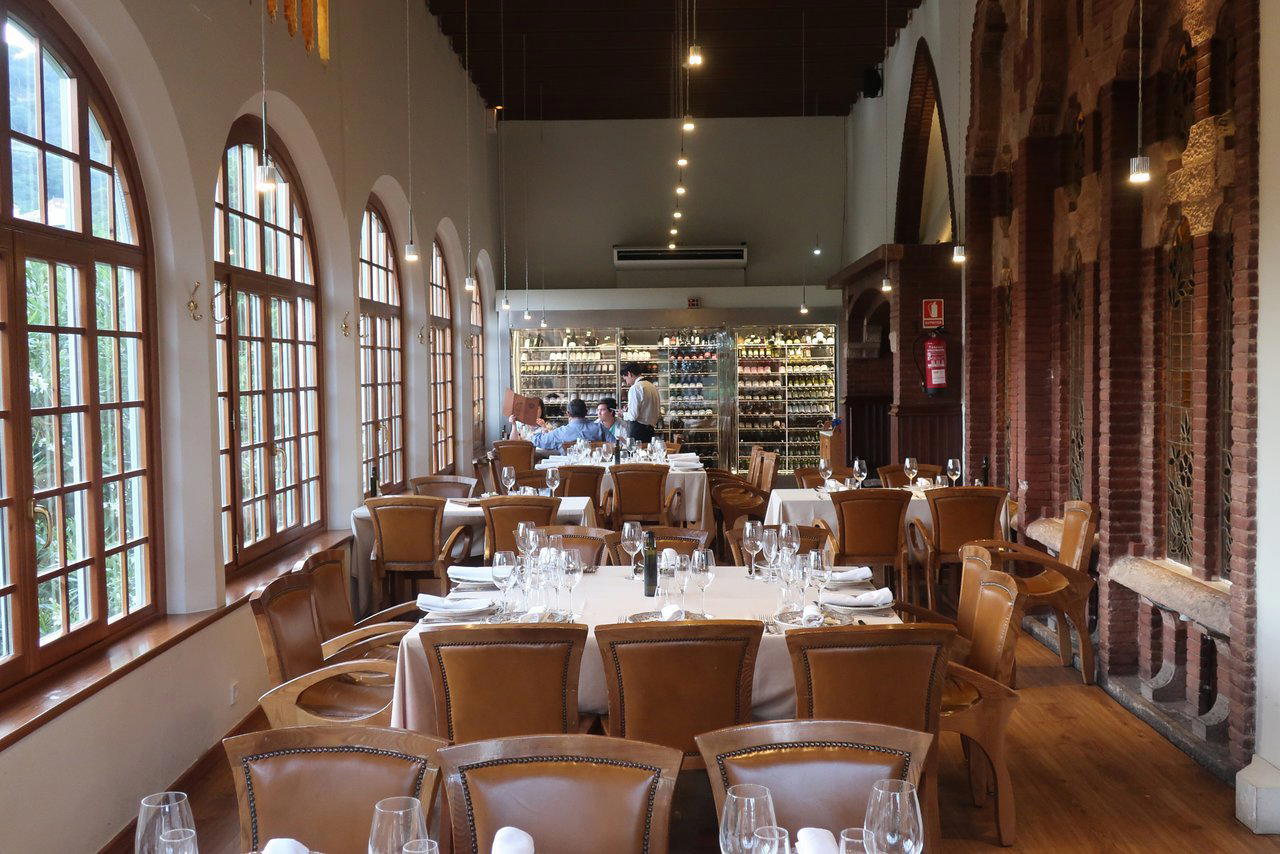
The Tibidabo Corridor and What It Tells You About the Room
Barcelona's dining geography has never been flat. The city sorts itself by altitude as much as by arrondissement: the Barceloneta waterfront, the dense Eixample grid, and then, climbing toward the sierra, the residential calm of Sarrià-Sant Gervasi. Avinguda del Tibidabo is one of those addresses where the city exhales. Tree-lined, comparatively quiet, and populated more by long-term residents than by passing tourists, the avenue sets a particular tone before you even reach the door. Restaurants here do not rely on foot traffic or terrace theatre to fill seats. The dining room has to carry its own weight.
Aranda's Grill sits at number 31 on that avenue. The building's position on the Tibidabo corridor places it in a neighbourhood that has historically preferred substance over spectacle, a posture the upper-Barcelona residential class has maintained across decades of change in the city's hospitality offer. For context, ABaC, one of Barcelona's Michelin-recognised creative addresses, also operates in this same Sarrià-Sant Gervasi zone, signalling that the district supports serious dining at varying price points and formats.
Space as Editorial Statement
The broader trend in Barcelona's premium dining rooms over the past decade has been a shift toward architectural intentionality: spaces conceived as part of the experience rather than as neutral backdrops. The city's highest-profile rooms, from Cocina Hermanos Torres, which converted a former greenhouse into an open-kitchen theatre seating around a hundred covers, to Enigma, which routes guests through a sequence of designed chambers, have made spatial narrative central to their proposition.
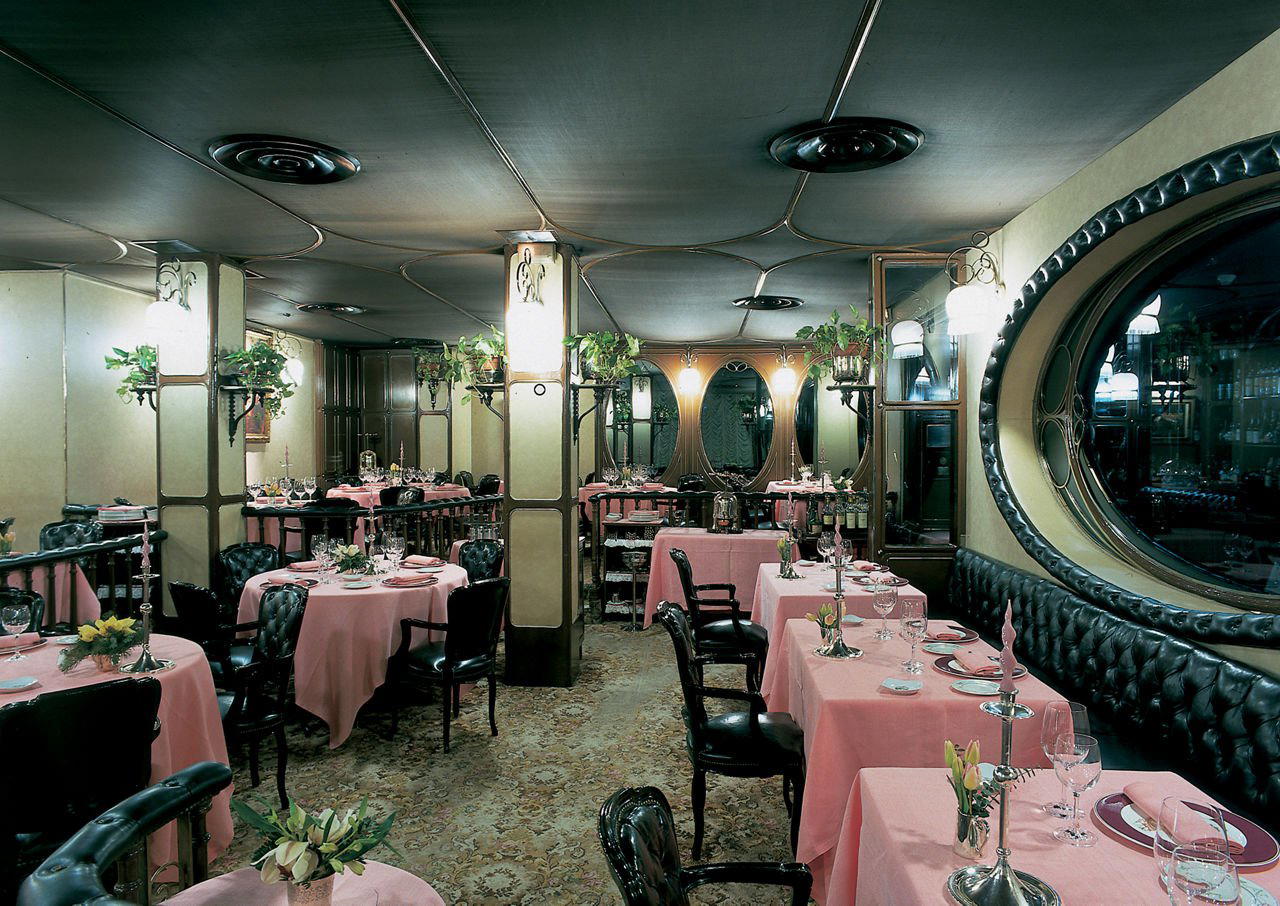
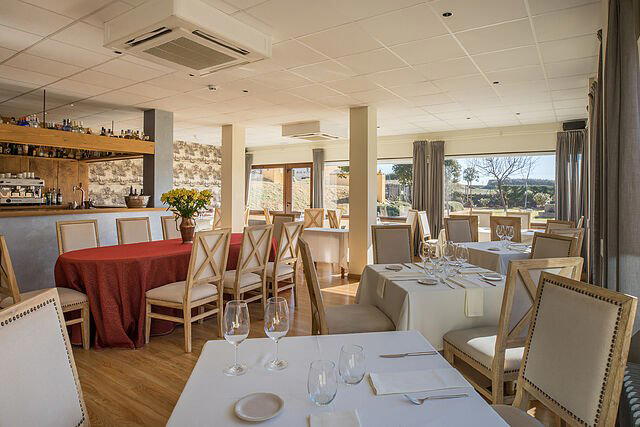
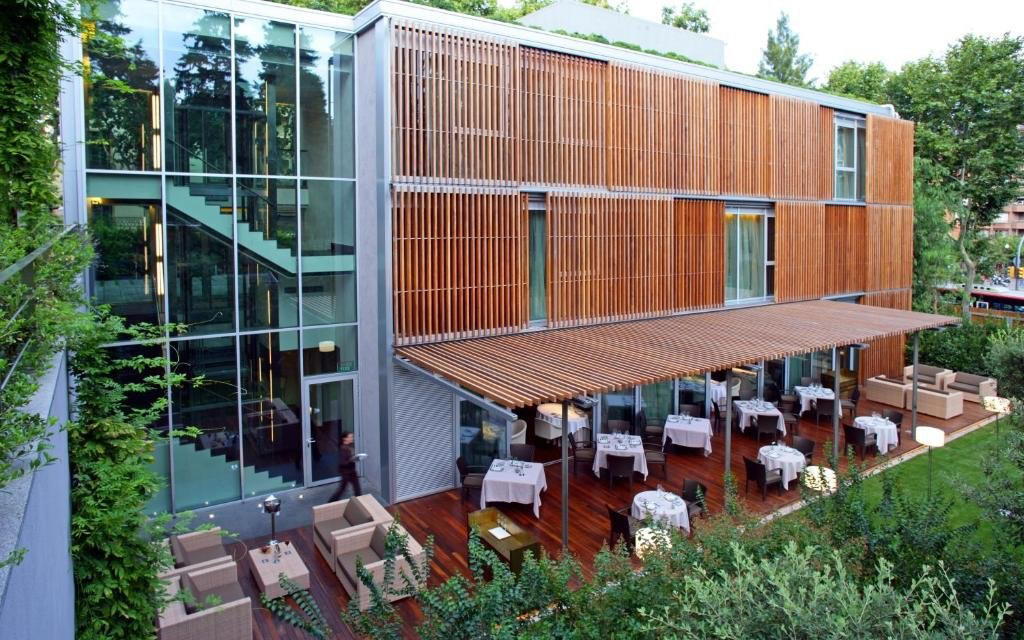
Grill-format restaurants occupy a different architectural register. Where the modernist tasting-menu rooms prioritise controlled environment, minimalism, and the management of sensory detail, a grill operation typically foregrounds warmth, material weight, and the visual and olfactory presence of fire. The seating arrangement in a grill room usually serves a social function that a tasting counter does not: it accommodates tables of varying sizes, supports longer evenings, and allows the room itself to operate as a destination rather than a sequence. On Avinguda del Tibidabo, that spatial logic maps naturally onto a neighbourhood that uses its restaurants for extended meals with family or colleagues rather than for compressed, course-driven occasions.
The physical container of a grill room also tends to age differently from a modernist dining room. Patina matters. Rooms that are used for fire-based cooking accumulate a character over time that designed spaces can only approximate. This is part of what draws a certain kind of diner to grill formats even in cities with extraordinarily deep modernist-cuisine rosters, and Barcelona's roster is deep: Disfrutar and Lasarte both hold multiple Michelin stars and represent the city's progressive-cuisine tier at its most decorated.
Where Aranda's Grill Sits in the Barcelona Dining Structure
Barcelona's restaurant market has stratified considerably since the early 2000s, when the city first consolidated its international reputation for avant-garde cooking. That stratification now runs from the Michelin three-star tier, represented locally by Disfrutar and Lasarte, through a broader mid-tier of contemporary Spanish and Catalan kitchens, down to neighbourhood-anchored specialists that serve a local rather than destination clientele. The grill format occupies an interesting position in this structure. It is neither positioned as a creative-cuisine statement nor as a casual neighbourhood stop. A serious grill room in a residential quartier like Sarrià-Sant Gervasi tends to serve the upper-middle tier of local demand: long lunches, family gatherings, business meals conducted without the formality of a tasting menu.
Spain's grill tradition is geographically broad. The Basque country, which has produced some of the country's most celebrated restaurants, including Arzak in San Sebastián, Azurmendi in Larrabetzu, and Martin Berasategui in Lasarte-Oria, has also maintained a parallel tradition of asador cooking where the quality of the primary ingredient and the precision of the fire take precedence over technique elaboration. Catalonia's own grill tradition leans toward open-hearth cooking and charcoal, with a particular emphasis on local proteins and seasonal market produce. Aranda's Grill, on the Tibidabo avenue, enters this lineage as a neighbourhood address rather than as a destination restaurant pulling international reservation traffic, though the upper-Barcelona location means it competes for a local clientele with relatively high expectations.
For readers comparing Barcelona's highest-reaching options, the full creative tier is covered in our full Barcelona restaurants guide. Further afield, El Celler de Can Roca in Girona and Quique Dacosta in Dénia represent the wider Catalan and Valencian region's premium offer. Spain's national constellation also includes DiverXO in Madrid, Mugaritz in Errenteria, Aponiente in El Puerto de Santa María, Ricard Camarena in València, and Atrio in Cáceres, each anchoring a different regional tradition. Internationally, fire-based and high-intensity kitchen formats have their own comparable venues: Le Bernardin in New York City and Lazy Bear in San Francisco illustrate how different culinary cultures construct their premium casual-to-fine-dining spectrum.
Planning a Visit to Avinguda del Tibidabo
Reaching the restaurant requires a short commitment to upper Barcelona, which is itself part of the logic of eating here. The Tibidabo tram (Tramvia Blau) runs from Plaça del Doctor Andreu up toward the funicular base station and passes through this stretch of the avenue; alternatively, the FGC's Avinguda del Tibidabo station, connected to the L7 line from Plaça de Catalunya, puts the address within walking distance. Driving remains common for this quartier given its residential character and relative distance from the central parking-restricted zone. Reservations are recommended.
Cost Snapshot
Comparable venues nearby, for context on price, style, and recognition.
| Venue | Cuisine | Price | Notes |
|---|---|---|---|
| Aranda's GrillThis venue — the venue you are viewing | Not listed | $$$ | Not listed |
| Asador de Aranda | Not listed | $$$ | la Dreta de l'Eixample, Traditional Castilian Grill |
| Asador d'Aranda | Not listed | $$$ | Sant Gervasi - Galvany, Traditional Castilian Roast Meats |
| Cachitos Diagonal | Not listed | $$$ | Sant Gervasi - Galvany, Modern Traditional Spanish Tapas |
| Asador de Aranda - Paralelo | el Raval, Traditional Castilian Asador | $$$ | Not listed |
| Nova Galiza | Not listed | $$ | la Nova Esquerra de l'Eixample, Spanish Fusion with Galician Specialties |
Continue exploring
More in Barcelona
Restaurants in Barcelona
Browse all →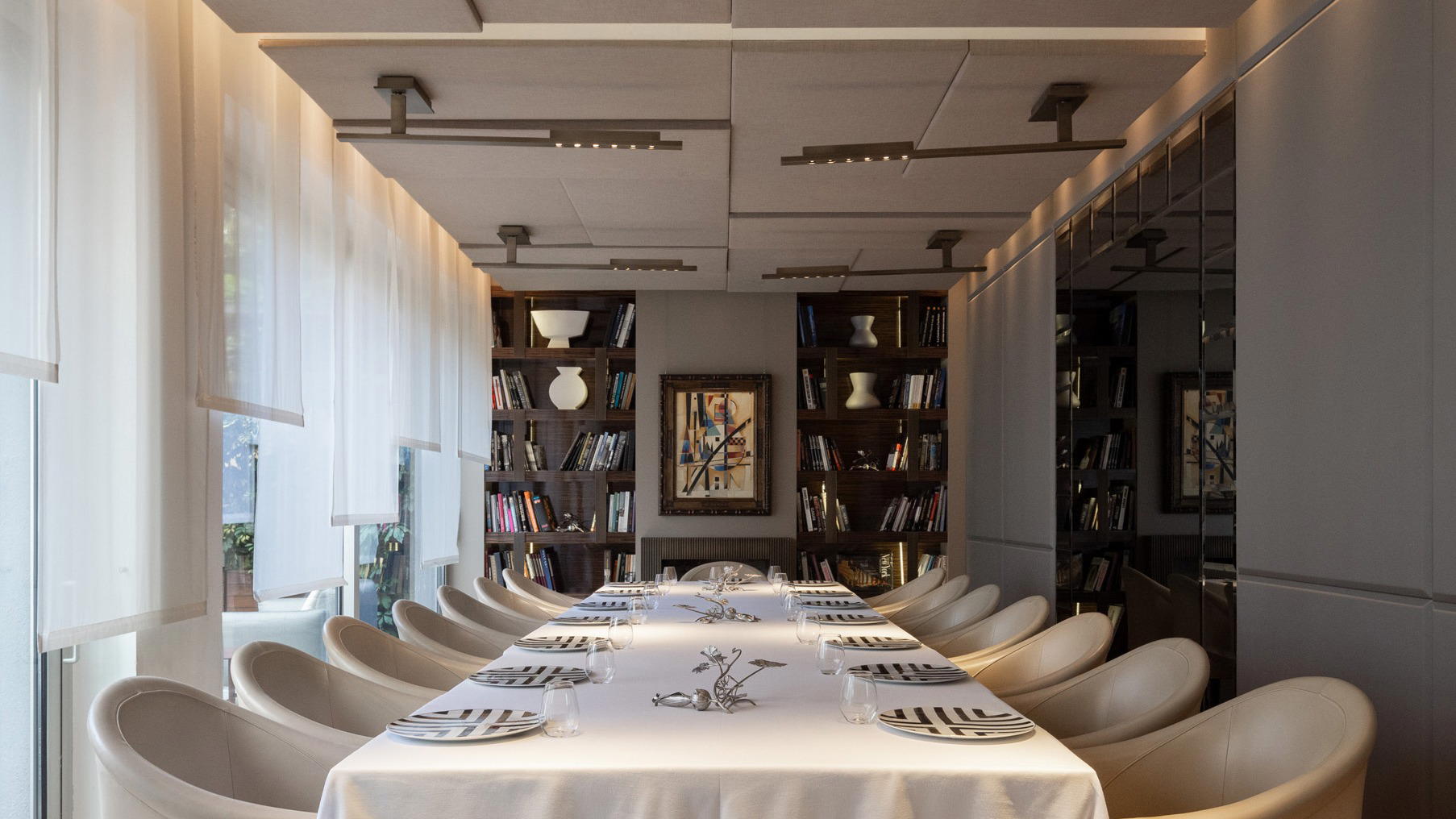
Bars in Barcelona
Browse all →
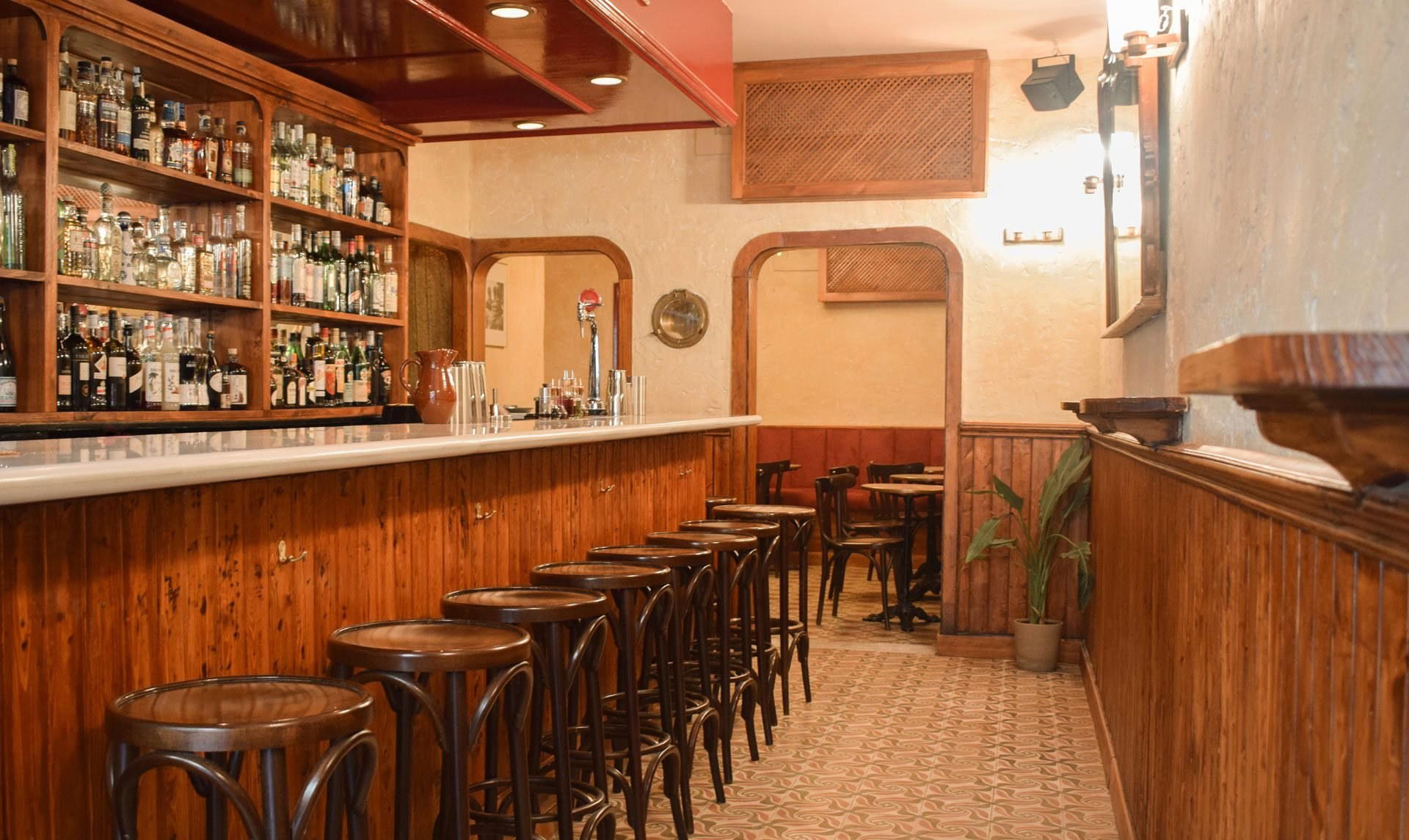
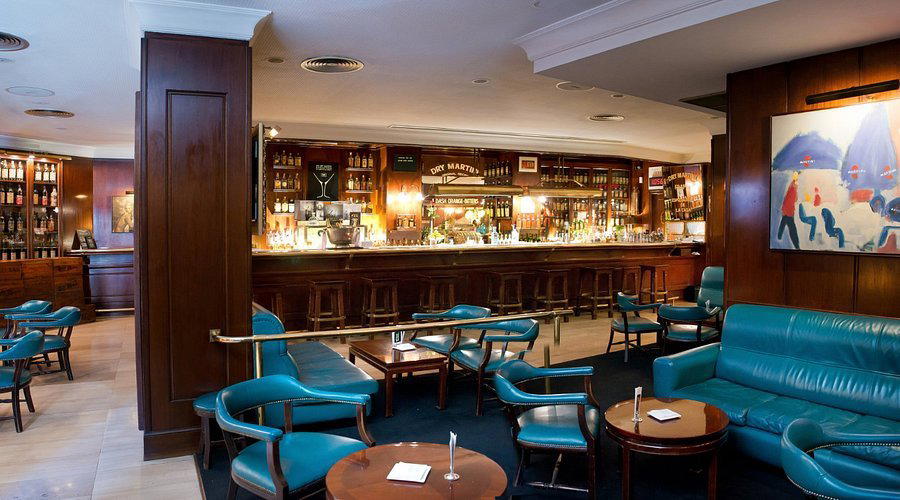
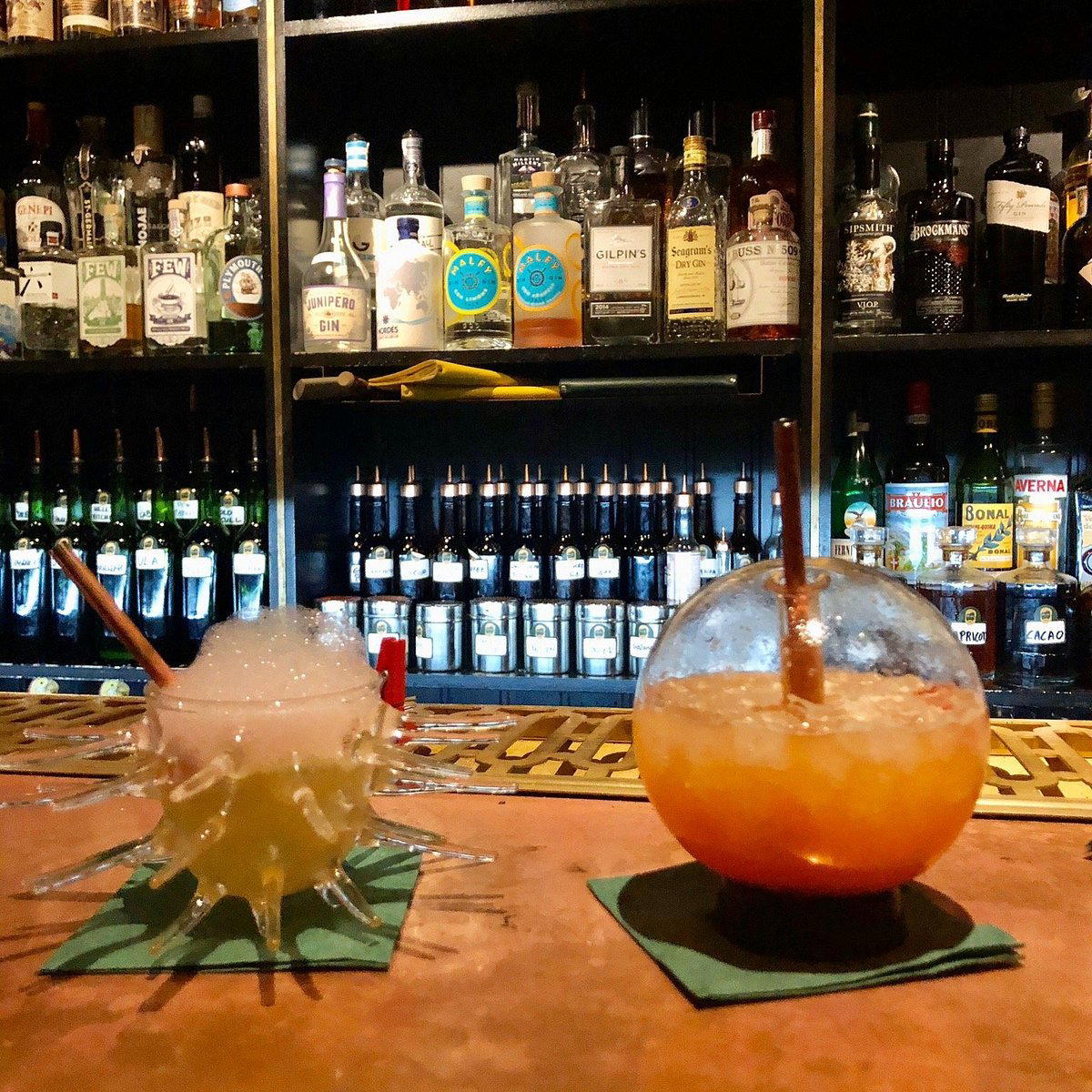
Hotels in Barcelona
Browse all →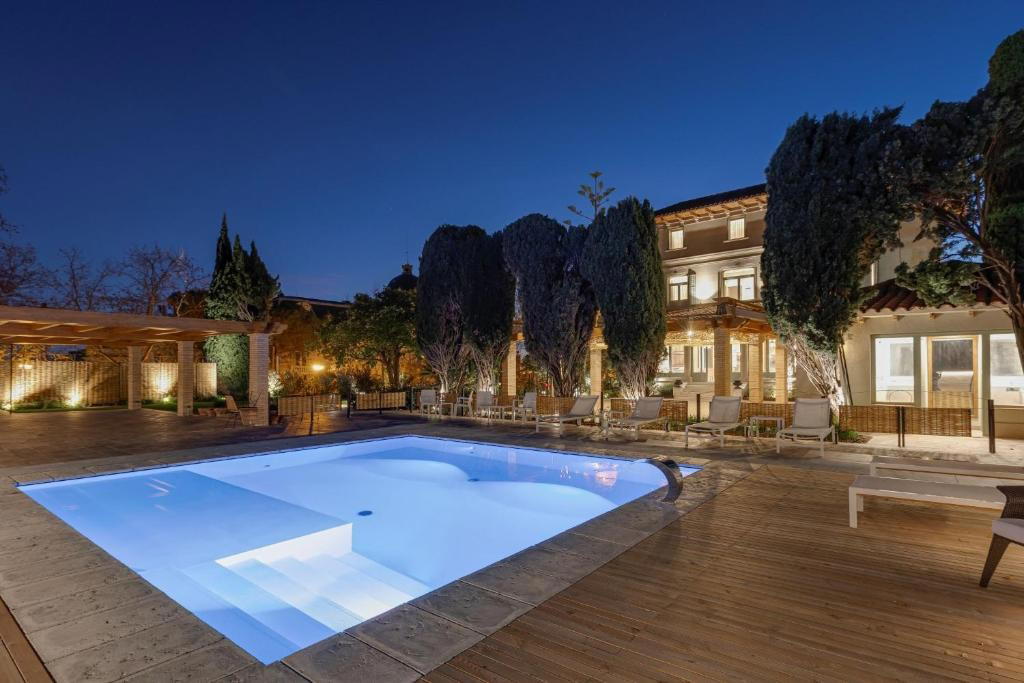
At a Glance
- Rustic
- Cozy
- Classic
- Group Dining
- Family
- Celebration
- Special Occasion
- Open Kitchen
- Private Dining
- Terrace
- Extensive Wine List
Current opening hours
- Monday
- 1 PM–12 AM
- Tuesday
- 1 PM–12 AM
- Wednesday
- 1 PM–12 AM
- Thursday
- 1 PM–12 AM
- Friday
- 1 PM–12 AM
- Saturday
- 1 PM–12 AM
- Sunday
- 1 PM–12 AM
Hours can change for holidays and private events. Last verified .
Rustic charm blending traditional Spanish warmth with a welcoming, cozy atmosphere highlighted by wood-fired ovens.