On Carrer de Calàbria in L'Eixample, Nova Galiza sits within a Barcelona neighbourhood that has grown increasingly serious about regional Spanish cooking. The address places it in a corner of the city where Galician culinary traditions meet a cosmopolitan dining public, making it a reference point for those tracing the Atlantic coast's larder through a Barcelona lens.
Pearl is the En Primeur Club membership app — saves, bookings, and concierge access live there. Same editors, same standards.
- Address
- Carrer de Calàbria, 224, L'Eixample, 08029 Barcelona, Spain
- Phone
- +34934198990
- Website
- novagaliza.com
- Directions
- Get directions
 Saves & bookings on Pearl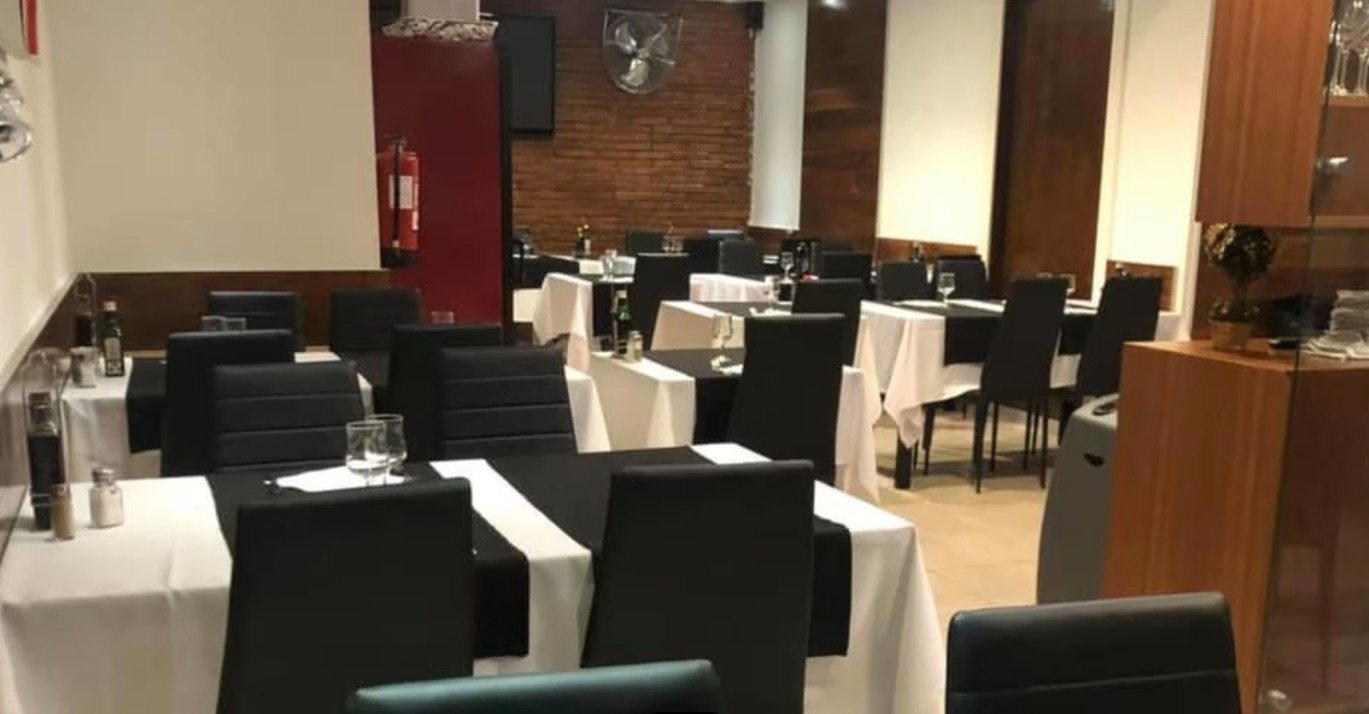
Where the Atlantic Meets L'Eixample
Carrer de Calàbria runs through the southern grid of L'Eixample, a stretch of Barcelona that has quietly accumulated a dining identity distinct from the Michelin theatre of the upper Eixample or the tourist-facing terraces of the Gothic Quarter. The streets here are residential in character, with the kind of foot traffic that suggests locals rather than visitors. Walking this block, the architecture follows Cerdà's familiar chamfered geometry, but the atmosphere at street level is less self-conscious than in the city's more photographed corridors.
Nova Galiza occupies this terrain as a representative of Barcelona's Galician table. Galicia's culinary identity is rooted in the Atlantic, built around shellfish pulled from the Rías Baixas, slow-cooked octopus prepared with paprika and olive oil in the style of Pulpo á feira, and bread that functions less as a side and more as a structural element of the meal. A Galician kitchen offers a different register entirely: one grounded in coastal produce and regional ritual rather than avant-garde technique.
The Ritual of a Galician Meal
A Galician meal unfolds with deliberate pacing. Galician dining is not built around rapid succession or tasting-menu momentum. It moves deliberately, with cold shellfish and cured items arriving before anything warm, giving the table time to settle and conversation to develop. The sharing of food is less a stylistic choice and more an inherited protocol: platters arrive at the centre, portions are taken communally, and the act of eating is understood as a social function before it is a gastronomic one.
This contrasts with Barcelona's leading creative addresses. At ABaC (Creative) or Enigma (Creative), each course arrives as a discrete statement, paced and controlled by the kitchen. At a Galician table, the pacing is more negotiable, shaped partly by the appetite of the guests and partly by what the kitchen deems ready. This is not informality; it is a different set of rules, equally codified but less visible to those unfamiliar with the tradition.
The wine ritual carries its own logic. Albariño from the Rías Baixas is the natural pairing for shellfish, its salinity and acidity calibrated by centuries of proximity to the same Atlantic waters that produced the food. The wines arrive cold, often in the ceramic bowls called cunca that are traditional in Galicia, though this practice has varying degrees of adherence depending on how closely a restaurant aligns with folk tradition versus urban presentation. Spain's broader fine-dining conversation, from Arzak in San Sebastián to El Celler de Can Roca in Girona, tends to treat wine service as a formal ceremony; the Galician approach is less theatrical but no less intentional.
Barcelona's Regional Spanish Dining Tier
Barcelona has always been a city where regional Spanish cuisines compete for attention alongside the Catalan tradition that claims the institutional prestige. Basque cooking has a strong foothold, Andalusian tapas bars are scattered throughout the city, and Valencian rice dishes appear on menus across every neighbourhood. Galician cooking occupies a distinct tier within this: it attracts a clientele that knows what it is looking for, tends toward longer meals, and skews toward the kind of diner who measures a restaurant's merit by the quality of its primary ingredient rather than the complexity of its preparation.
In this context, Nova Galiza on Carrer de Calàbria positions itself within a category that does not compete directly with the tasting-menu establishments holding Michelin recognition. Lasarte (Progressive Spanish, Creative) operates at a different altitude and for a different occasion. The Galician model serves a more regular function in a Barcelonan's dining calendar: the long Sunday lunch, the celebration meal centred on a whole roasted fish or a platter of percebes, the table that reconvenes the same group of friends each season because the formula does not change and that reliability is the point.
Across Spain, the restaurants that have built international reputations from Atlantic and coastal produce demonstrate how high the ceiling of this tradition can reach. Aponiente in El Puerto de Santa María and Quique Dacosta in Dénia have taken marine ingredients into a register that earns three Michelin stars. Mugaritz in Errenteria and Azurmendi in Larrabetzu represent the Basque equivalent of cooking that begins with notable regional produce and asks how far it can be taken conceptually. Nova Galiza operates closer to the source tradition than to those creative extremes, which is a considered position rather than a limitation.
Le Bernardin in New York City offers a useful benchmark for how Atlantic seafood traditions translate across contexts, while Atomix in New York City shows how tightly choreographed tasting formats contrast with the more relaxed Galician model. Further Spanish reference points include Ricard Camarena in València, Martin Berasategui in Lasarte-Oria, DiverXO in Madrid, and Atrio in Cáceres.
Know Before You Go
- Address: Carrer de Calàbria, 224, L'Eixample, 08029 Barcelona, Spain
- Neighbourhood: Southern L'Eixample, a residential stretch distinct from the tourist-heavy centre
- Cuisine focus: Galician regional cooking; expect Atlantic shellfish, octopus, and seafood prepared in traditional styles
- Booking: Reservations are recommended
- Hours: Mon: 11 AM-12 AM; Tue: 11 AM-12 AM; Wed: 11 AM-12 AM; Thu: 11 AM-12 AM; Fri: 11 AM-2 AM; Sat: 11 AM-2 AM; Sun: 11 AM-12 AM
- Price range: About $25 per person
At a Glance
Comparable venues nearby, for context on price, style, and recognition.
| Venue | Price | Notes |
|---|---|---|
| Nova GalizaThis venue — the venue you are viewing | $$ | Not listed |
| La Paella de Su | $$ | la Dreta de l'Eixample, Authentic Valencian Paella |
| Fusco | $$ | Vallcarca i els Penitents, Traditional Spanish with Mediterranean and Fusion Influences |
| La Bodegueta Provença | $$ | la Dreta de l'Eixample, Modern Spanish Tapas |
| MutiClub | $$ | la Vila de Gracia, Modern Spanish Tapas and Signature Sandwiches |
| Denassus | $$ | Sant Antoni, Modern Catalan Tapas & Natural Wine |
Continue exploring
More in Barcelona
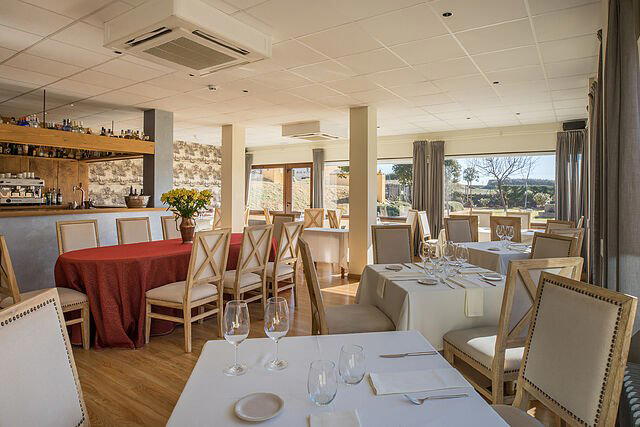
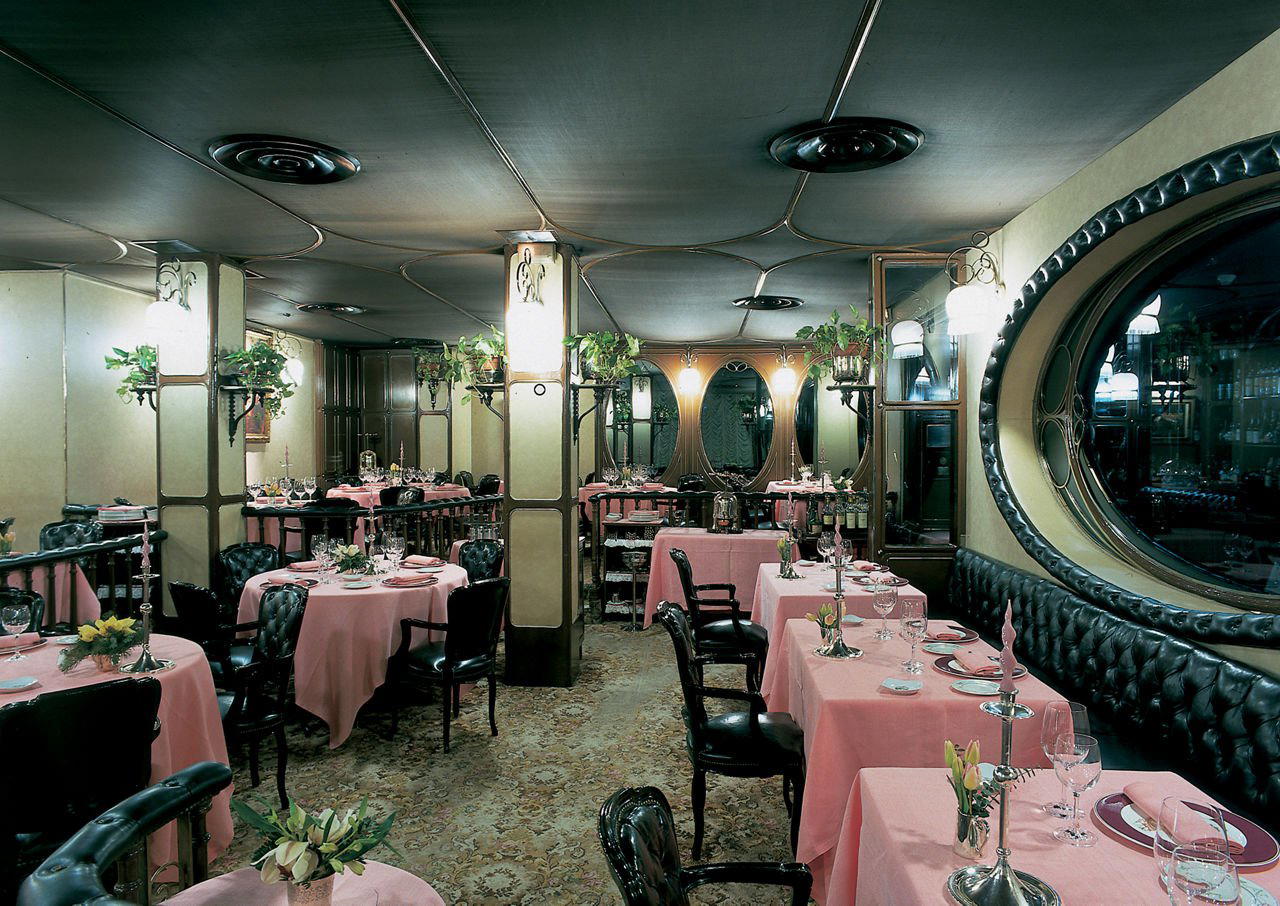
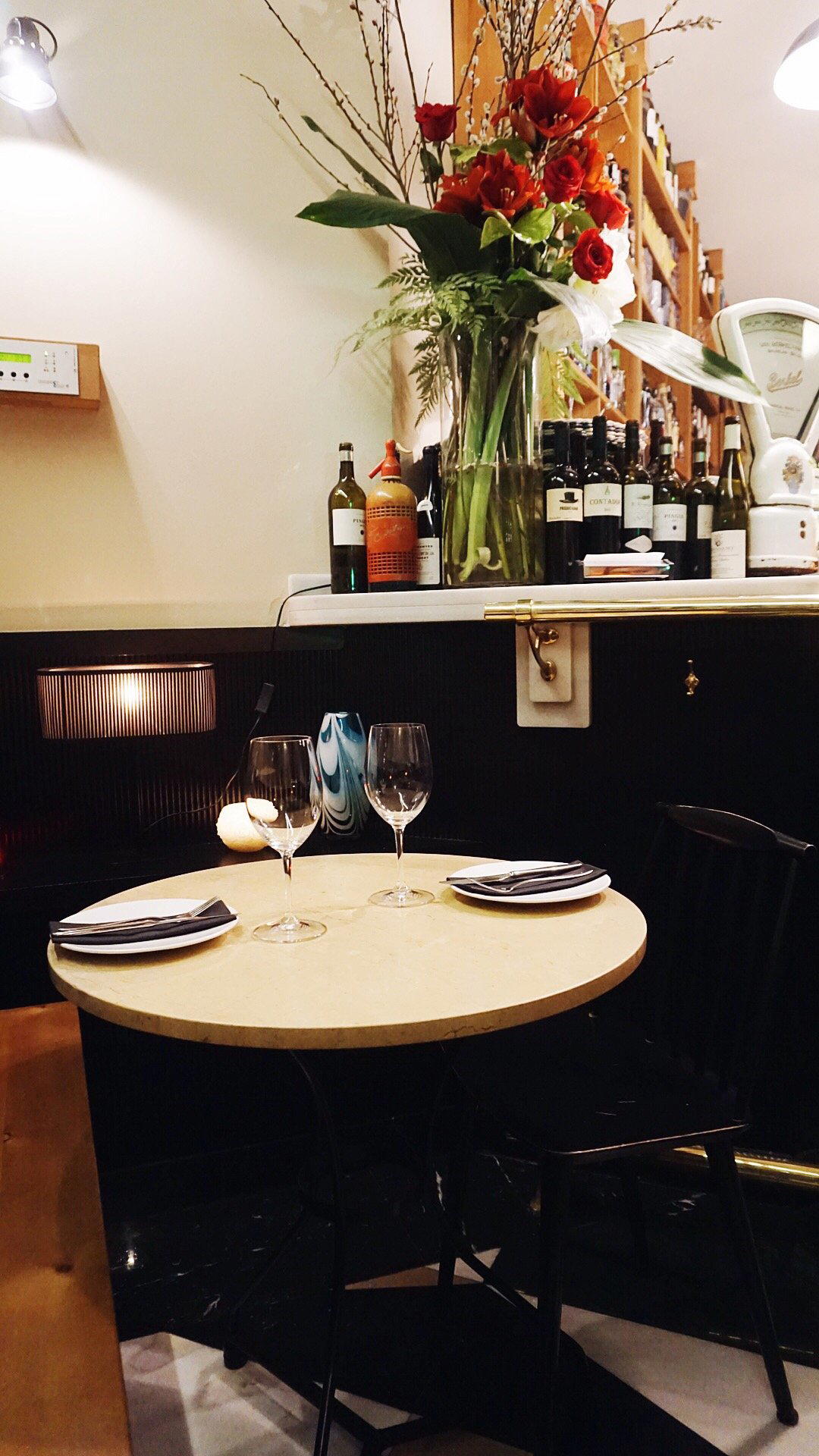
Restaurants in Barcelona
Browse all →
Bars in Barcelona
Browse all →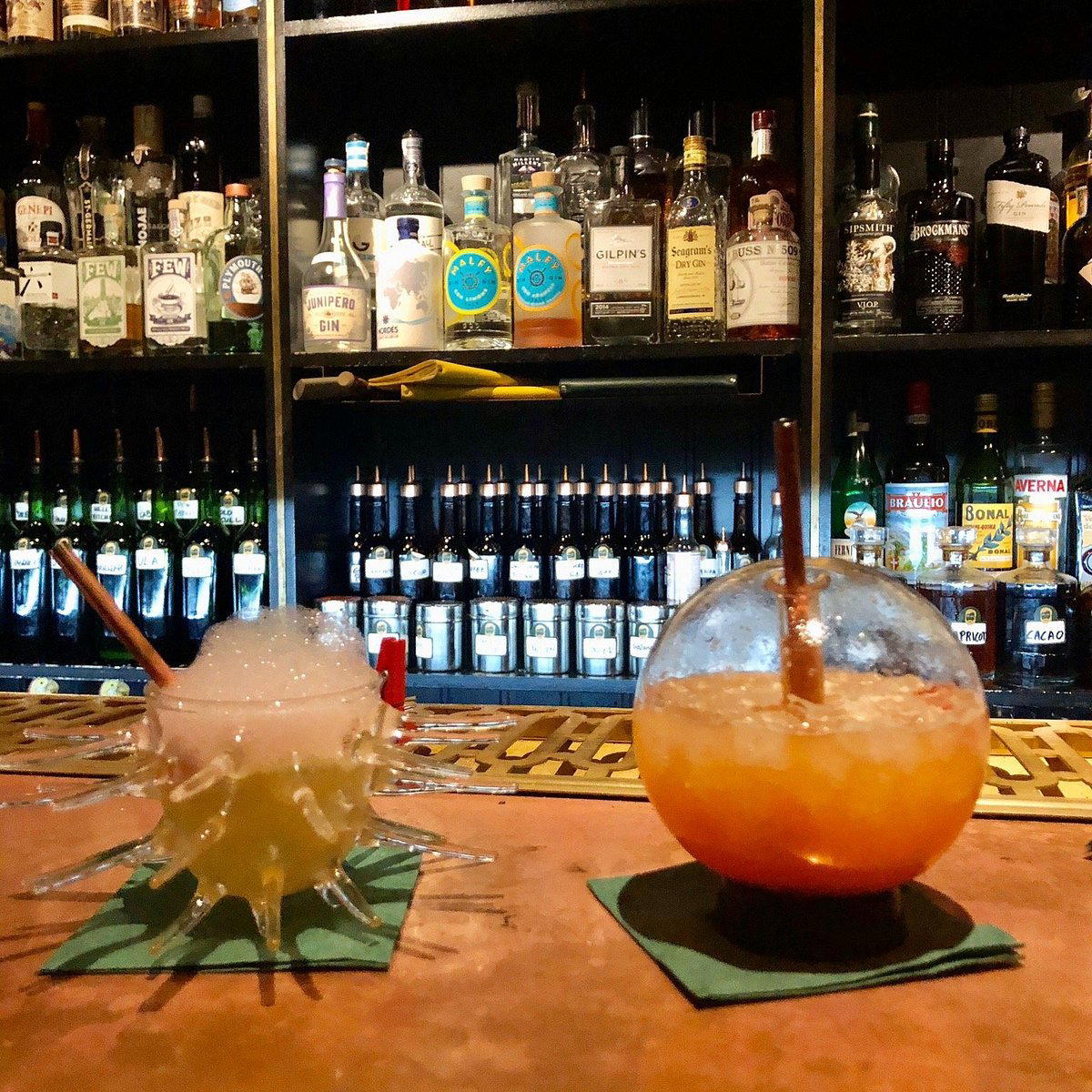
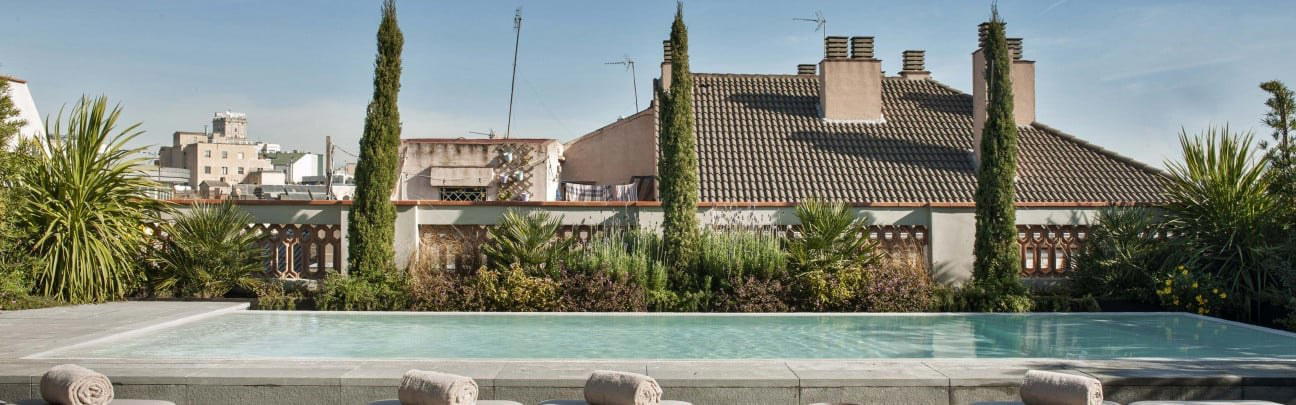
Hotels in Barcelona
Browse all →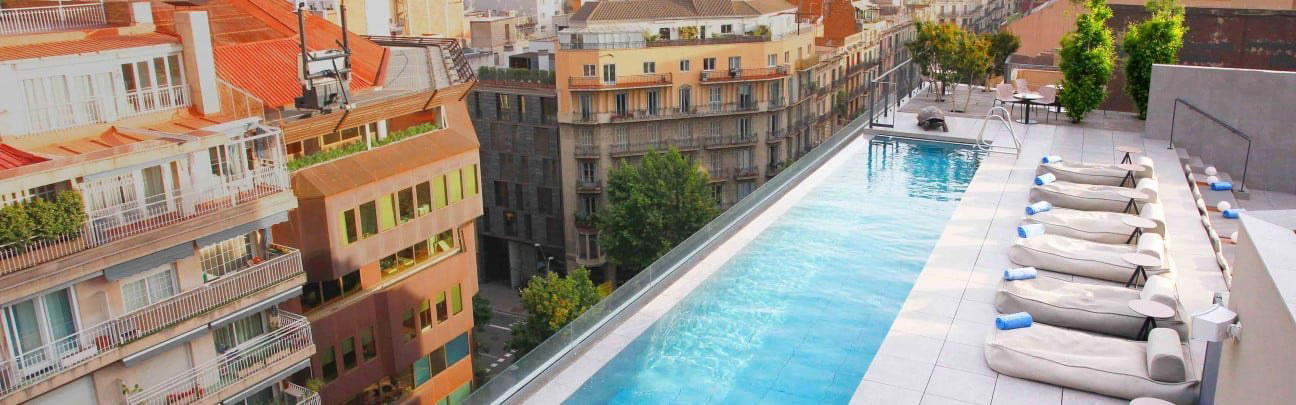
At a Glance
- Lively
- Trendy
- Casual Hangout
- Group Dining
- Family
- Open Kitchen
Current opening hours
- Monday
- 11 AM–12 AM
- Tuesday
- 11 AM–12 AM
- Wednesday
- 11 AM–12 AM
- Thursday
- 11 AM–12 AM
- Friday
- 11 AM–2 AM
- Saturday
- 11 AM–2 AM
- Sunday
- 11 AM–12 AM
Hours can change for holidays and private events. Last verified .
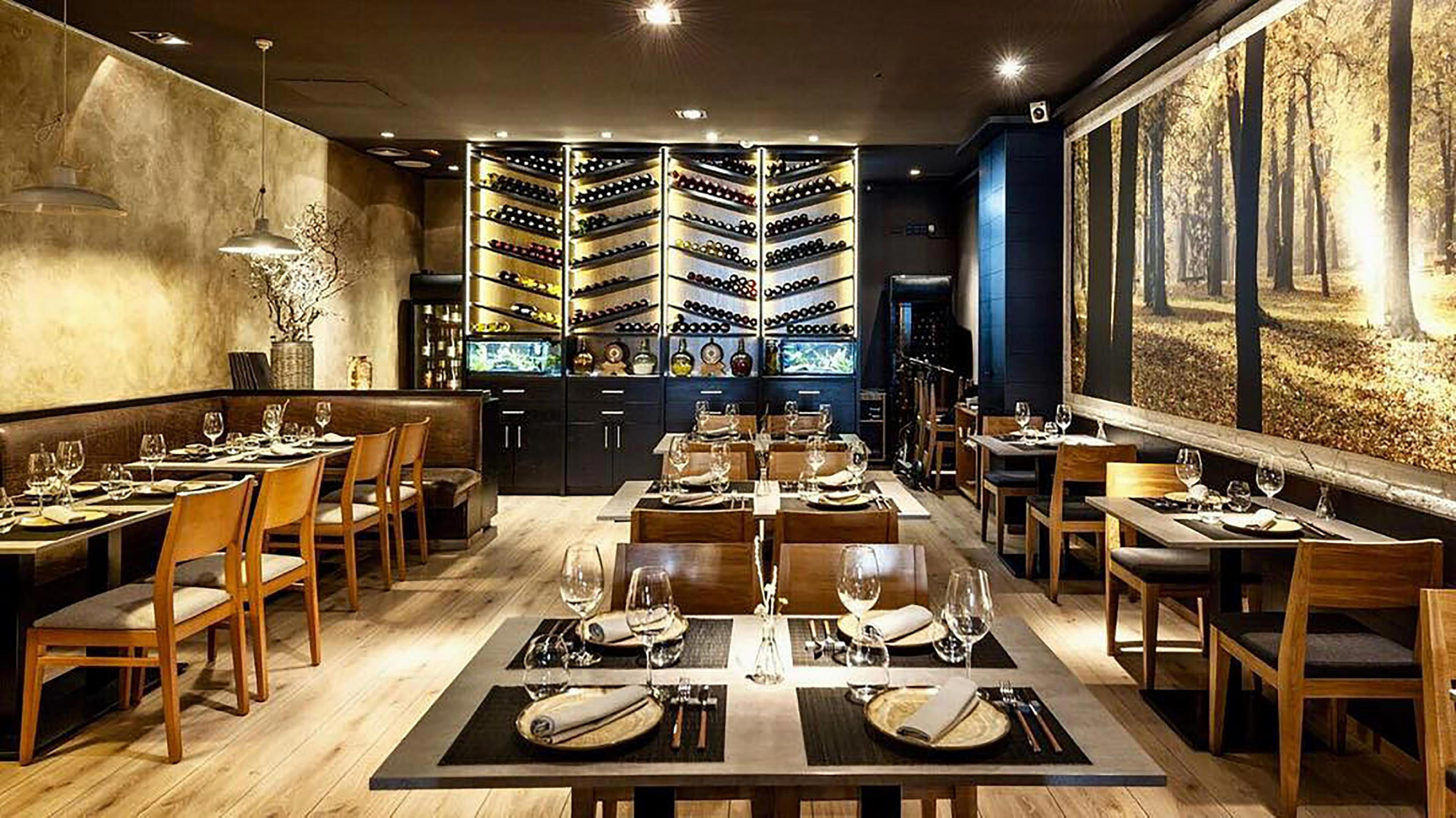
Warm, unpretentious dining room with lively and lively energy.