On Carrer de Pau Claris in Eixample, Asador de Aranda brings the roasting traditions of Castile into Barcelona's dining scene, whole suckling pig and lamb cooked over wood fire in a register that sits apart from the city's avant-garde restaurant culture. The kitchen deals in heat and time rather than technique and transformation, placing it in a distinct tier among the city's Spanish-tradition dining rooms.
Pearl is the En Primeur Club membership app — saves, bookings, and concierge access live there. Same editors, same standards.
- Address
- Carrer de Pau Claris, 70, Eixample, 08010 Barcelona, Spain
- Phone
- +34933425577
- Website
- asadordearanda.net
- Directions
- Get directions
 Saves & bookings on Pearl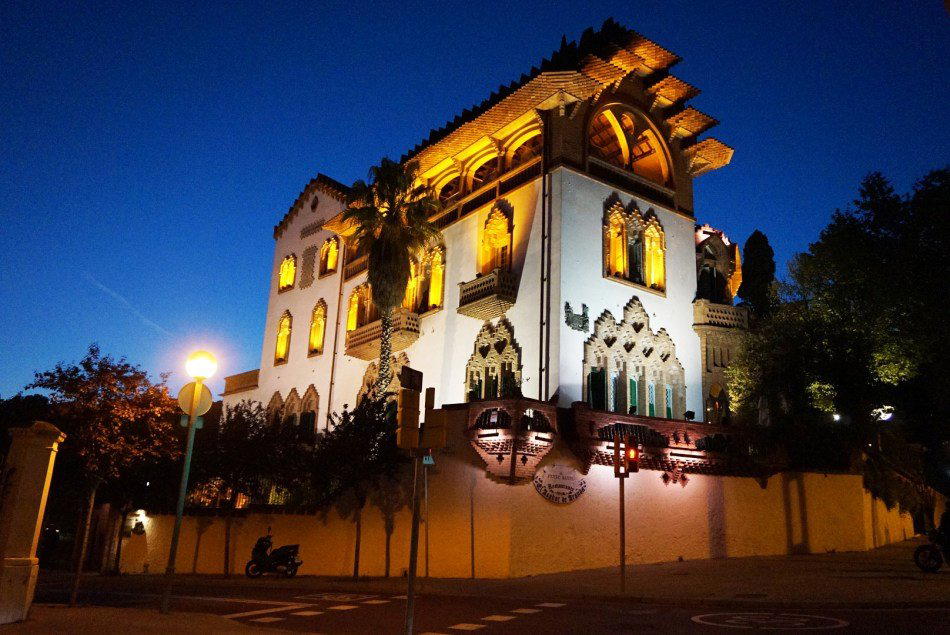
Wood Fire in the Eixample: Where Castilian Roasting Meets Barcelona
Barcelona's restaurant reputation is built largely on transformation, on kitchens that process ingredients through technique, chemistry, and concept. The city that produced Disfrutar, Enigma, and Cocina Hermanos Torres has a well-earned position at the progressive end of Spanish cooking. But that orientation tends to crowd out a different register entirely: the roasting traditions of inland Castile, where wood-fired ovens and whole animals have defined serious eating for centuries. Asador de Aranda, on Carrer de Pau Claris in the Eixample district, operates in that register. It is a Castilian asador transplanted into one of Europe's most forward-looking food cities, and the contrast is precisely the point.
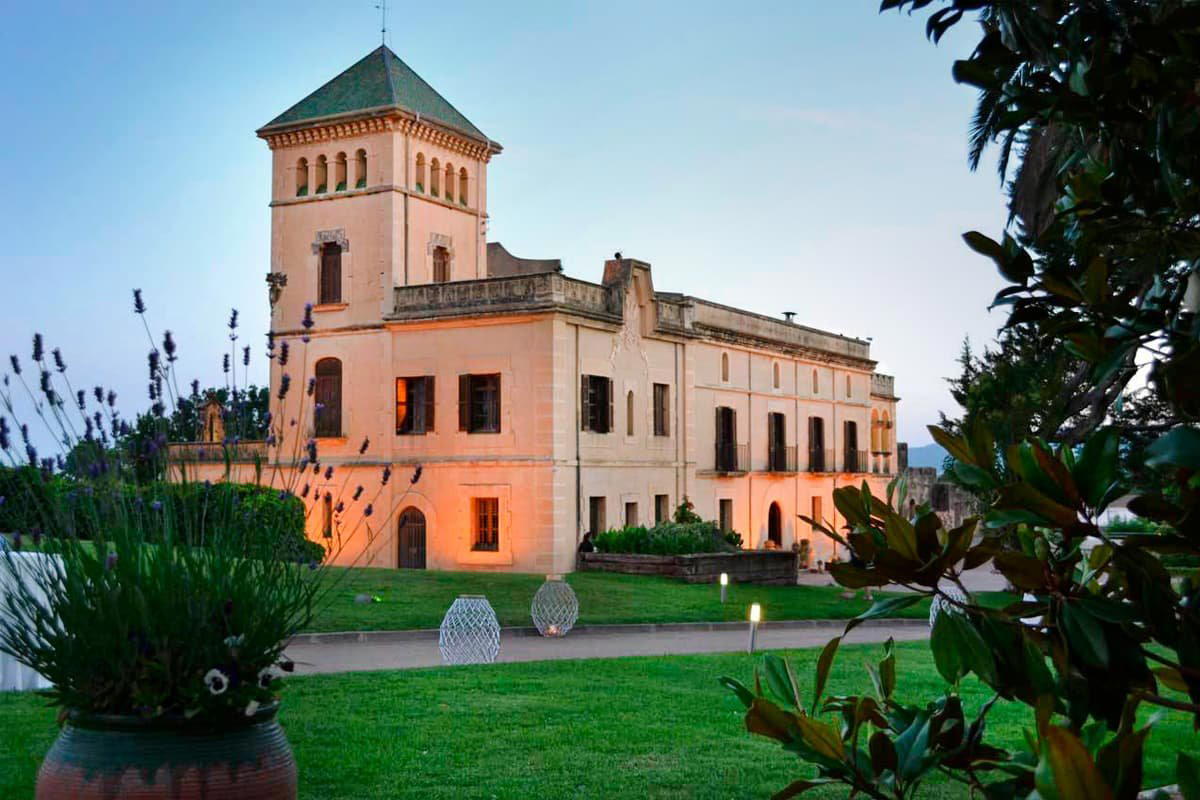
The physical approach to the building signals the category before you reach the dining room. Asador de Aranda occupies premises with architectural weight, the kind of interior that reads more Castilian manor than Barcelona bistro, the sort of space that holds smoke and time in its walls. Where the city's tasting-menu rooms tend toward clean lines and controlled lighting, this format prioritises mass and warmth: the visual and thermal presence of a wood-fired horno is central to the experience rather than a background detail.
The Castilian Asador Tradition and Where It Sits in Spain's Dining Map
Understanding what Asador de Aranda does requires placing it inside a culinary tradition that predates the current era of Spanish fine dining by several centuries. The asador format, roasting whole suckling pig (cochinillo) and milk-fed lamb (lechazo) in clay or brick ovens fired by encina wood, is native to Castile and León, the high plateau region centred on cities like Aranda de Duero, Segovia, and Valladolid. The name Aranda de Duero is not incidental: it is one of the canonical towns of this tradition, and a reference point for the style's provenance.
In Spain's broader dining conversation, the asador format occupies a specific and respected tier. It does not compete with the progressive kitchens at ABaC, Lasarte, or El Celler de Can Roca in Girona for the same kind of recognition, but it does not need to. The benchmark for a serious asador is the quality of its animals, the discipline of its fire management, and the integrity of its sourcing, criteria that align it more closely with tradition-led Spanish houses like Arzak in San Sebastián or Azurmendi in Larrabetzu than with Barcelona's avant-garde tier. This is cooking where the oven is the tool and restraint is the method.
Reading the Wine Program Through a Castilian Lens
One useful editorial angle on any serious asador is the wine list, because the food format dictates a specific set of pairings, and how a kitchen responds to that constraint reveals a great deal about its ambitions. Roasted suckling pig and lamb are among the more demanding subjects for wine: high fat content, clean protein, and minimal sauce or acidic counterpoint means the wine must work harder than it would alongside a braised or sauced dish.
The canonical pairing is Ribera del Duero, and for good reason. The Duero corridor runs through Castile, and its Tempranillo-based reds, structured, often oak-aged, with enough tannin to cut through rendered fat, have developed alongside this cuisine rather than in parallel to it. A wine list built around this food should have Ribera del Duero at its core, running from younger, more accessible expressions through to reserve and gran reserva bottles capable of serving a longer meal. The question worth asking of any asador list is whether it goes deep enough into the region's appellations and aging tiers to match the ambition of the food, or whether it defaults to familiar labels without exploration.
Beyond Ribera, serious asador lists in Spain have begun incorporating older vintages of Rioja, particularly Rioja Alta and Rioja Alavesa, where the combination of Tempranillo and Graciano with extended barrel and bottle aging produces wines that complement roasted meat at a different register. Sommelier programs at tradition-led Spanish restaurants increasingly draw these parallels, positioning the dining room as a context for wine education rather than simply a setting for consumption. For comparison, the cellar at Atrio in Cáceres, one of Spain's most discussed hotel-restaurant wine programs, demonstrates what it looks like when a tradition-rooted Spanish restaurant commits fully to cellar depth. That is the direction of travel for the category.
Asador de Aranda in Barcelona's Wider Dining Context
Placing the restaurant on Carrer de Pau Claris in the Eixample is a considered choice of location. The Eixample is Barcelona's grid district, planned, commercial, relatively central, and it functions as the practical hub for mid-to-high-end dining that is not chasing the destination-restaurant circuit. It is not the neighbourhood for the kind of radical formats seen at Enigma or the chef-table rooms that define the city's Michelin tier, which includes three-star kitchens like Disfrutar and Lasarte. Instead, the Eixample supports a range of more format-legible restaurants where the proposition is clear and repeatable: you know what you are going to eat, and the question is execution quality.
In that context, an asador occupies a rare position in the city. Barcelona's peninsula geography and Mediterranean culinary identity means wood-roast-focused inland traditions are a minority format here. The city's Spanish tradition dining tends toward seafood, rice, and Catalan preparations. A restaurant that plants a Castilian horno in this environment is making a deliberate statement about culinary geography, one that resonates with visitors who have eaten well at roasting houses in Madrid or along the Duero valley, and who want a reference point for that experience without leaving Catalonia.
For readers planning broader Spanish itineraries, the asador format connects to a wider set of regional dining traditions worth mapping. The progressive Valencian kitchen at Ricard Camarena in València, the marine-focused work at Aponiente in El Puerto de Santa María, and the conceptual edge of DiverXO in Madrid or Mugaritz in Errenteria each represent distinct regional cuisines. The Castilian asador is a different node in that network, less discussed in international media, but no less rooted in its geography and tradition.
Internationally, the comparison point for whole-animal roasting at this level sits closer to formats like Lazy Bear in San Francisco, which also treats fire and time as primary tools, than to the tasting-menu circuit represented by Le Bernardin in New York City or the Michelin three-star kitchens at Quique Dacosta in Dénia and Martin Berasategui in Lasarte-Oria. The format priorities are different, and that difference is the feature rather than a limitation.
Planning a Visit
The restaurant sits at Carrer de Pau Claris, 70, in the Eixample district, central enough to combine with an afternoon in the neighbourhood or an evening arriving from elsewhere in the city. The Eixample is well-served by metro, and the street itself is walkable from the Passeig de Gràcia axis. For a meal anchored around a roasted centrepiece, arrival with sufficient time to settle before ordering is worth factoring into the plan. Groups travelling on a Spanish itinerary who want to benchmark the asador format against the city's broader dining offer should cross-reference our full Barcelona restaurants guide for context across price tiers and cuisine types.
Reputation First
Comparable venues nearby, for context on price, style, and recognition.
| Venue | Cuisine | Price | Notes |
|---|---|---|---|
| Asador de ArandaThis venue — the venue you are viewing | Traditional Castilian Grill | $$$ | Not listed |
| Can Xurrades | Catalan Steakhouse with Aged Beef | $$$ | l'Antiga Esquerra de l'Eixample |
| Galante | Authentic Catalan Tapas | $$$ | Sant Pere, Santa Caterina i la Ribera |
| Merendero de la Mari | Classic Catalan Seafood | $$$ | Port Vell |
| Pepa Tomate | Modern Catalan Tapas | $$ | la Vila de Gracia |
| Els Pinxus | Basque-Style Tapas and Pinxus | $$ | Sant Gervasi - Galvany |
Continue exploring
More in Barcelona
Restaurants in Barcelona
Browse all →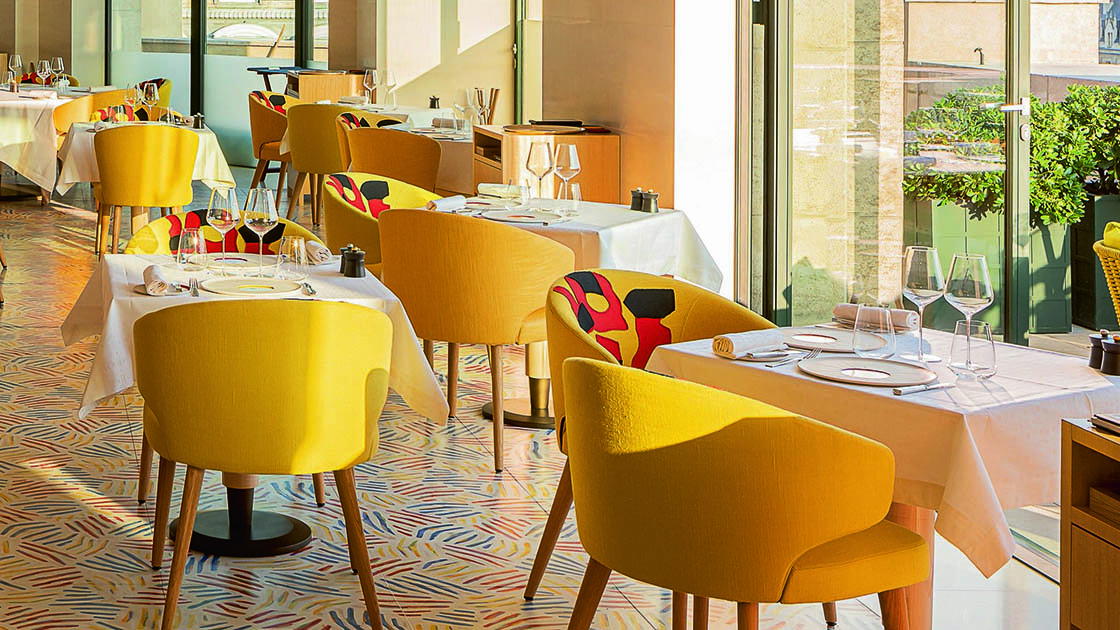
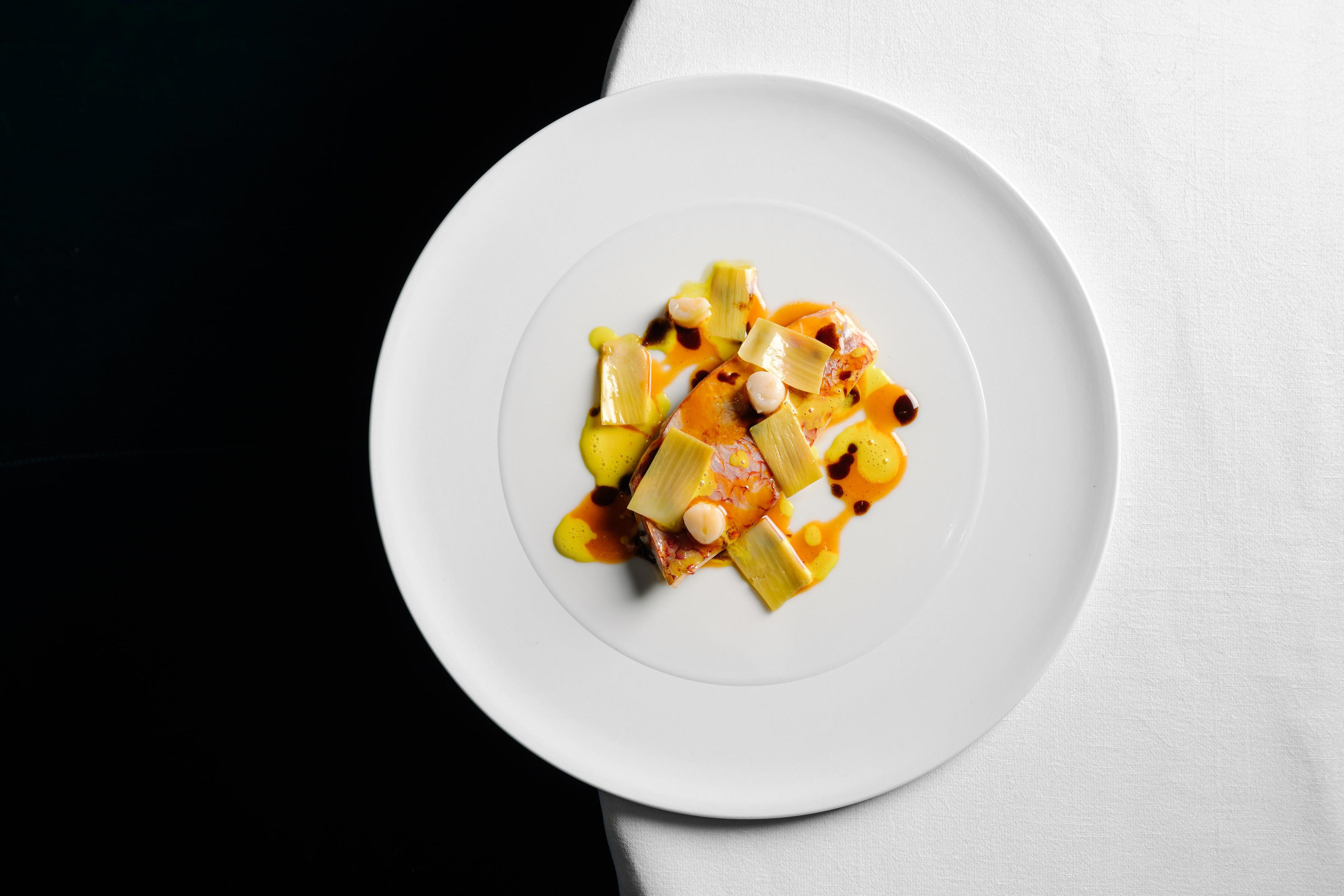
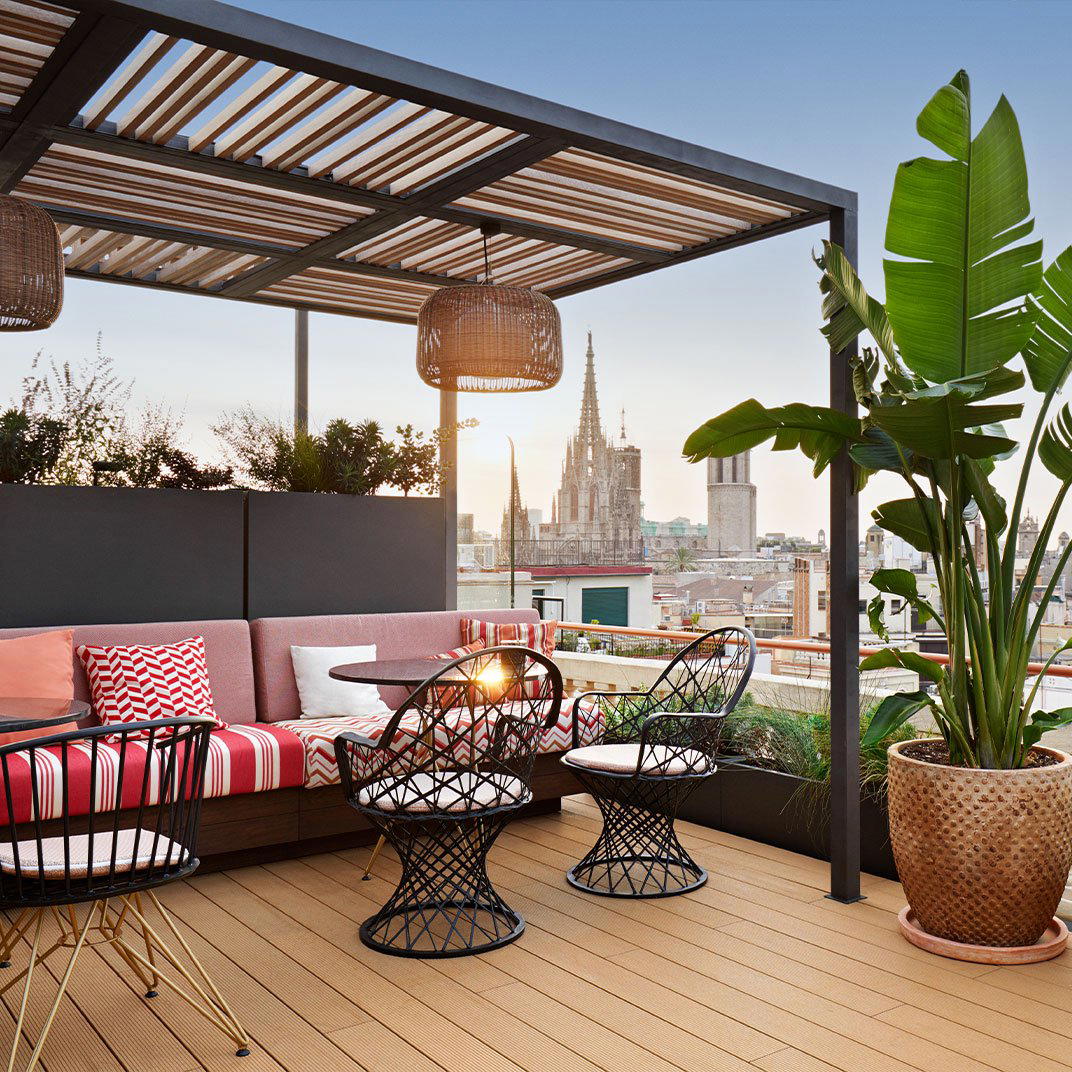
Bars in Barcelona
Browse all →
Hotels in Barcelona
Browse all →
At a Glance
- Rustic
- Classic
- Cozy
- Elegant
- Group Dining
- Family
- Special Occasion
- Open Kitchen
- Private Dining
- Historic Building
- Extensive Wine List
Current opening hours
- Monday
- 1–11:30 PM
- Tuesday
- 1–11:30 PM
- Wednesday
- 1–11:30 PM
- Thursday
- 1–11:30 PM
- Friday
- 1–11:30 PM
- Saturday
- 1–11:30 PM
- Sunday
- 1–11:30 PM
Hours can change for holidays and private events. Last verified .
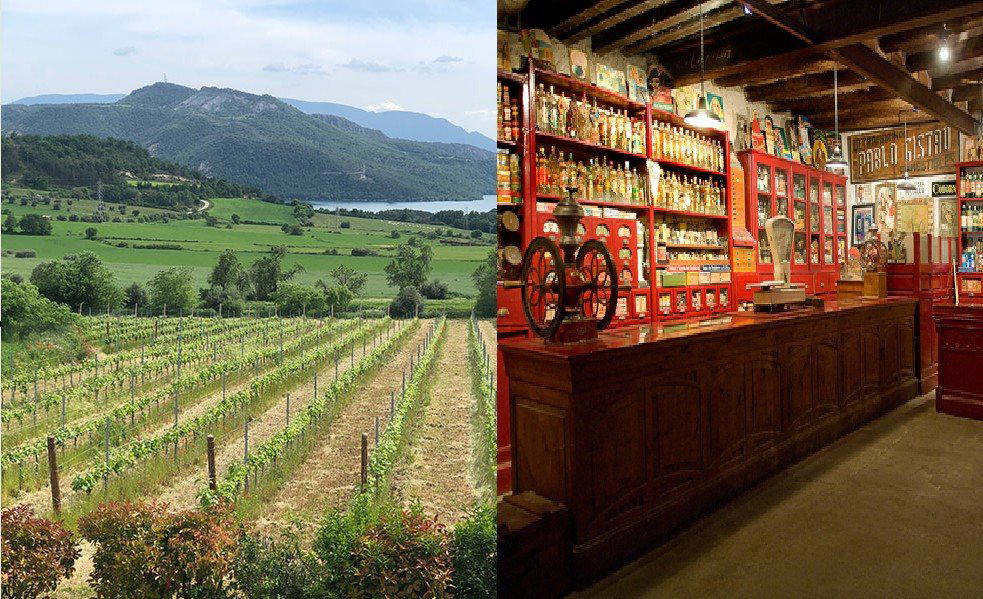
Rustic charm with welcoming atmosphere, featuring wood-fired ovens and traditional Castilian decor.