Antonio's
Our verdict
Antonio's occupies a quietly confident address on Leidsekruisstraat, a side street off Amsterdam's Leidseplein that rewards those who know where to look. The restaurant sits in a neighbourhood where creative dining and classic hospitality coexist, drawing a room that values considered cooking over spectacle. Booking ahead is advisable, particularly during the autumn and winter seasons when the city's dining scene reaches its most competitive pitch.

Pearl is the En Primeur Club membership app, where members save venues, book tables and use the concierge.

The menu
What to order
- Pizza Antonio Speciale
- Penne Arrabiata
- Tiramisu
Leidsekruisstraat and the Quiet Side of Amsterdam's Dining Scene
The stretch of canal-adjacent streets running off Leidseplein is one of Amsterdam's more instructive dining corridors. It is not where the city's most decorated tables sit, those tend to cluster around the Museum Quarter or the grander addresses of the Canal Ring, but it is where a different kind of confidence operates. Antonio's, on Leidsekruisstraat 20-22, belongs to this quieter register: a restaurant whose address suggests neighbourhood utility but whose execution signals something more deliberate. Approaching along the narrow street, the scale is immediately domestic. No grand entrance canopy, no valet queue, no queue management theatrics. The room presents itself on its own terms, which in Amsterdam's mid-range-to-serious dining tier is increasingly a signal worth paying attention to.
How Amsterdam Positions Its Mid-Tier Tables
Amsterdam's restaurant scene has reorganised itself considerably over the past decade. At the upper bracket, venues like Ciel Bleu, Flore, Spectrum, and Vinkeles compete inside a Michelin-decorated tier where multi-course tasting menus and elaborate front-of-house choreography define the expectations. Below that, the city supports a range of confident addresses, including Bistro de la Mer, that operate without the formal signposting of awards but draw consistent local loyalty. Antonio's sits in that second category, at an address where the value proposition depends less on a recognisable name above the door and more on the cumulative impression left by a capable team working in concert.
That team dynamic is worth dwelling on, because it is where smaller Amsterdam restaurants either succeed or stall. In dining rooms without the institutional support of a hotel group or a celebrity-chef profile, the coordination between kitchen, floor, and whoever manages the wine or drinks becomes the actual product. At venues that get this right, the service feels unhurried without being slow, the food arrives in a sequence that makes internal sense, and the drinks choices feel like they belong to the same conversation as the cooking. These are not guaranteed outcomes. They require the kind of operational alignment that takes time and intention to build, and they are frequently what separates a room that fills on word-of-mouth from one that relies on walk-in traffic.
What the Neighbourhood Tells You About the Room
Leidseplein itself is one of Amsterdam's busier intersections, with the tourist economy concentrated in bars and casual dining. The streets radiating off it, however, carry a different character. Leidsekruisstraat in particular has the feel of a transitional block: close enough to the main square to catch foot traffic, far enough to hold a quieter, more deliberate clientele. Restaurants that survive and build reputation on streets like this tend to do so by serving their immediate neighbourhood reliably across multiple years, rather than by targeting the weekend tourist rotation. That longevity pattern tends to correlate with consistency in the kitchen and a front-of-house that recognises returning guests.
For those planning a broader Amsterdam dining itinerary, it is worth understanding that the city's most discussed cooking is increasingly taking place outside the centre. The full Amsterdam restaurants guide maps that geography in detail, but the short version is that the Michelin-decorated and plant-forward scenes both have strong suburban and neighbourhood-level expressions. Antonio's positioning in the Canal Ring adjacent streets keeps it in the city's more accessible dining geography, which for visiting diners can be an advantage when managing an evening's logistics.
The Netherlands Beyond Amsterdam
Understanding Antonio's relative position also means understanding what elite Dutch dining looks like at the national level. The Netherlands supports a number of multi-Michelin-starred addresses well outside the capital, including De Librije in Zwolle, Inter Scaldes in Kruiningen, and De Nieuwe Winkel in Nijmegen. Rural addresses like De Lindenhof in Giethoorn, De Groene Lantaarn in Staphorst, Brut172 in Reijmerstok, De Lindehof in Nuenen, De Treeswijkhoeve in Waalre, De Bokkedoorns in Overveen, and Tribeca in Heeze demonstrate that the country's serious cooking has long been decentralised. Within Amsterdam itself, the decorated tier sets a reference point for the whole city, but venues outside that bracket serve a different function: they absorb the city's regular dining appetite, the weeknight bookings, the business lunches, the neighbourhood dinners, in a way that the formal tasting-menu restaurants structurally cannot.
For international context, the model of a collaborative, team-driven room at a mid-formal address has close parallels in other cities. Operations like Lazy Bear in San Francisco have demonstrated how a cohesive floor-and-kitchen team can build a following independent of Michelin decoration, while the durability of formally led but personality-forward rooms like Le Bernardin in New York City shows that team coordination, maintained over decades, is itself a form of culinary argument.
Seasonal Timing and Practical Planning
Amsterdam's dining room occupancy follows a clear seasonal rhythm. The autumn and winter months, roughly October through February, represent the city's highest-demand period for serious dining. This is when the shorter days push more of the city's social life indoors, when the tourist mix shifts toward cultural visitors rather than summer leisure travellers, and when local diners tend to lock in their preferred tables well in advance. Booking Antonio's during this window, particularly for weekend evenings, warrants planning ahead. Spring and early summer offer more flexibility, with the city's terrace season redistributing some demand to outdoor tables across the Canal Ring.
Frequently asked questions
What dish is Antonio's famous for?
How hard is it to get a table at Antonio's?
What's the signature at Antonio's?
How does Antonio's handle allergies?
Does Antonio's justify its prices?
Is Antonio's a suitable choice for a business dinner in Amsterdam?
Comparable Spots
Comparable venues nearby, for context on price, style, and recognition.
| Venue | Cuisine | Price | Notes |
|---|---|---|---|
| Antonio'sThis venue (the venue you are viewing) | Authentic Italian Pizza and Pasta | $30–50 | Not listed |
| Gió Cucina Italiana | Authentic Italian Cucina | $30–50 | Nieuwendijk Noord |
| Cucina Casalinga | Authentic Southern Italian | $50–100 | Marathonbuurt West |
| Akitsu | Authentic Japanese Sushi & Ramen | $50–100 | Frederik Hendrikbuurt Zuidoost |
| Restaurant Zest | Craft Beer & Grill with Balkan Influences | $20–30 | Da Costabuurt Noord |
| Rain | American Grill | $20–30 | Waterloopleinbuurt |
Continue exploring
More in Amsterdam
Restaurants in Amsterdam
All restaurants in Amsterdam →
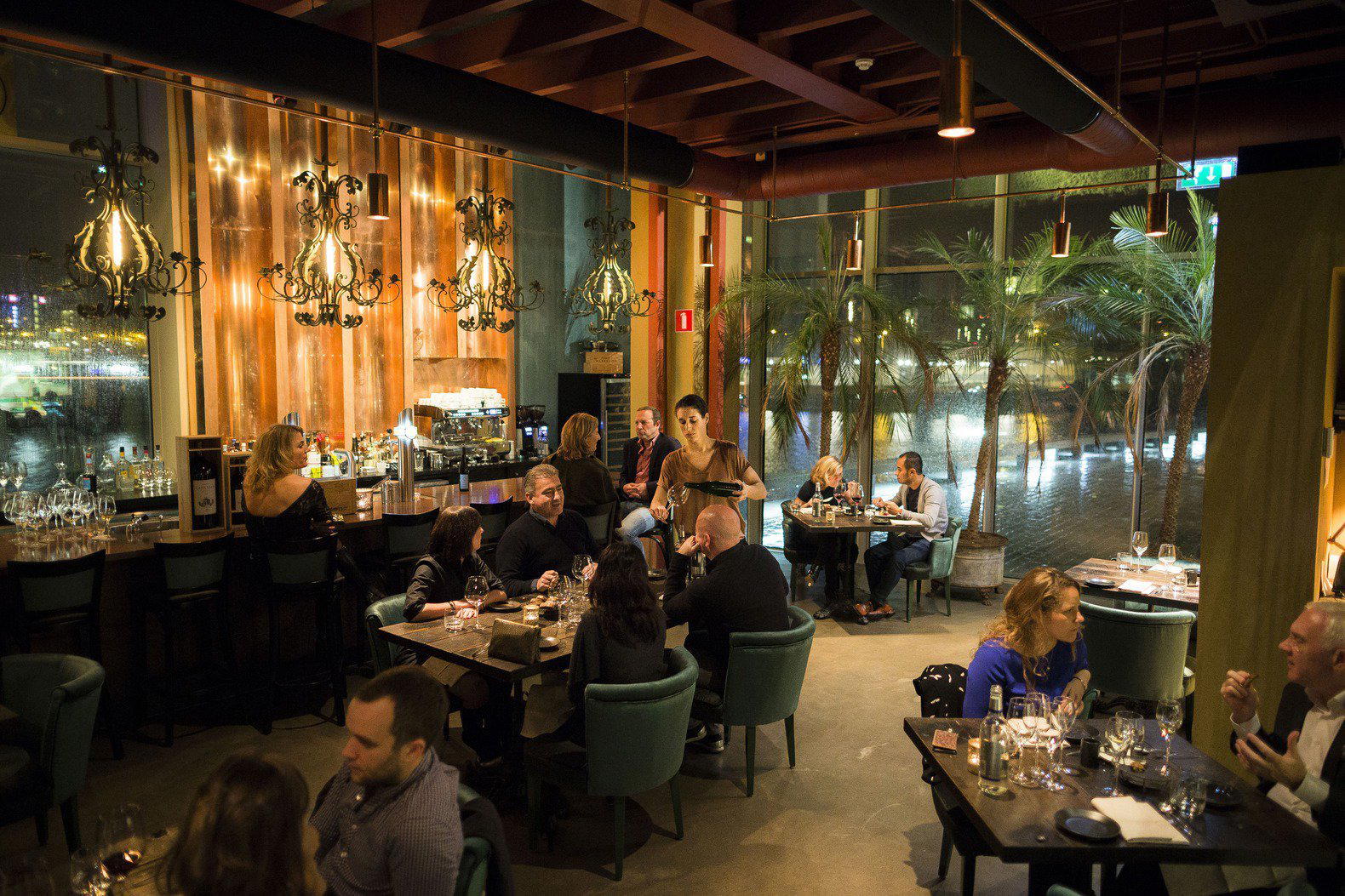
Bars in Amsterdam
All bars in Amsterdam →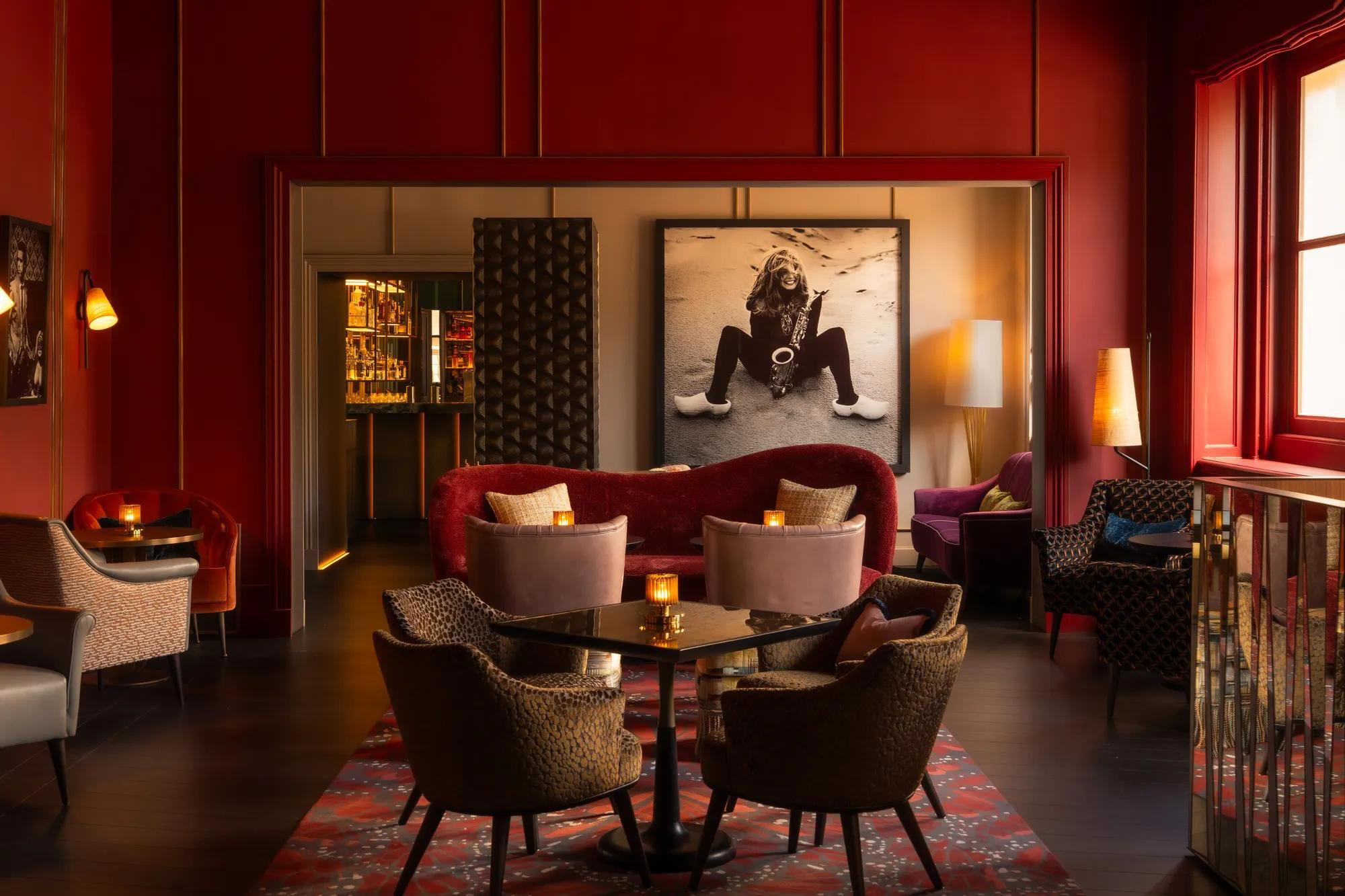
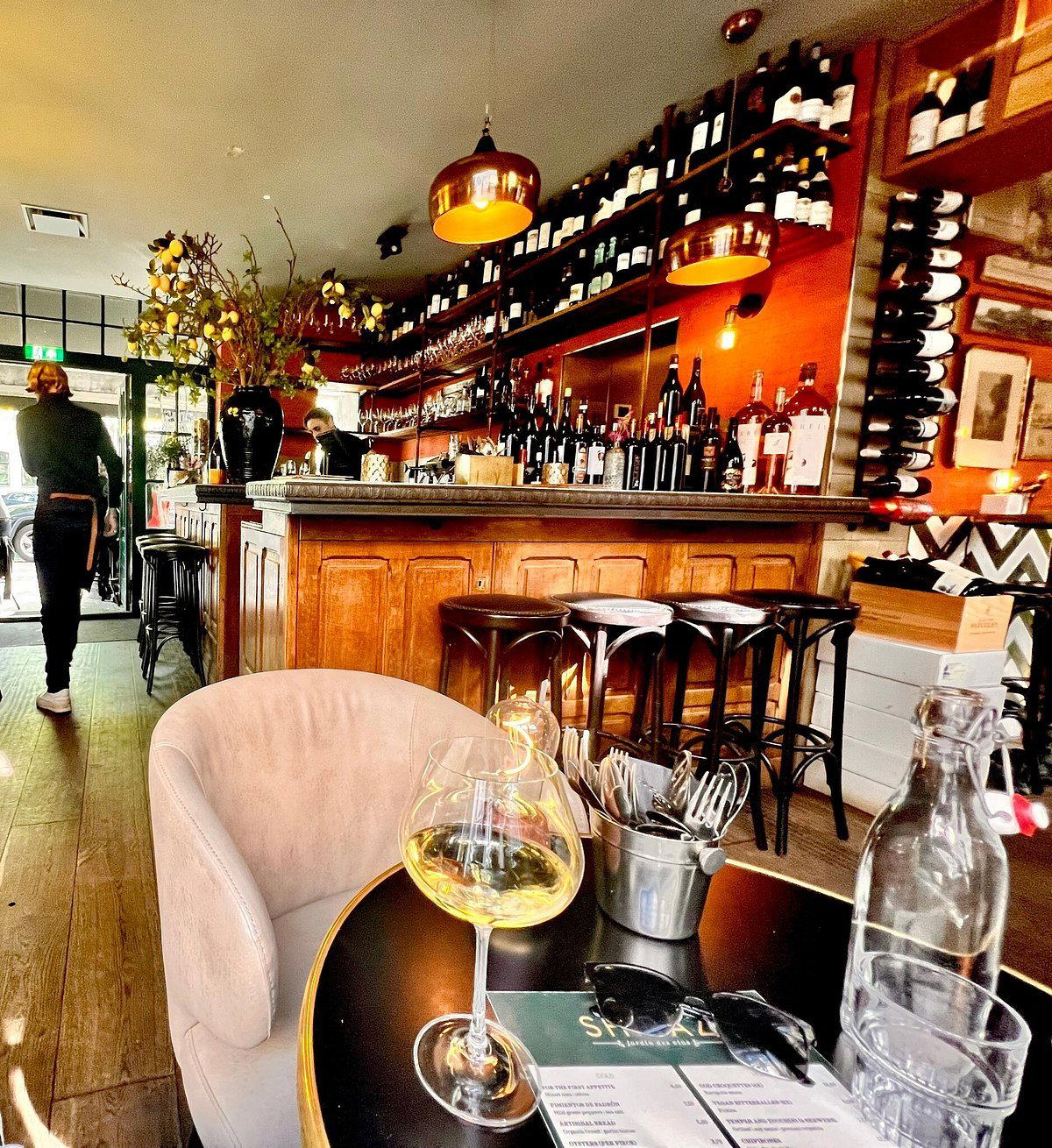
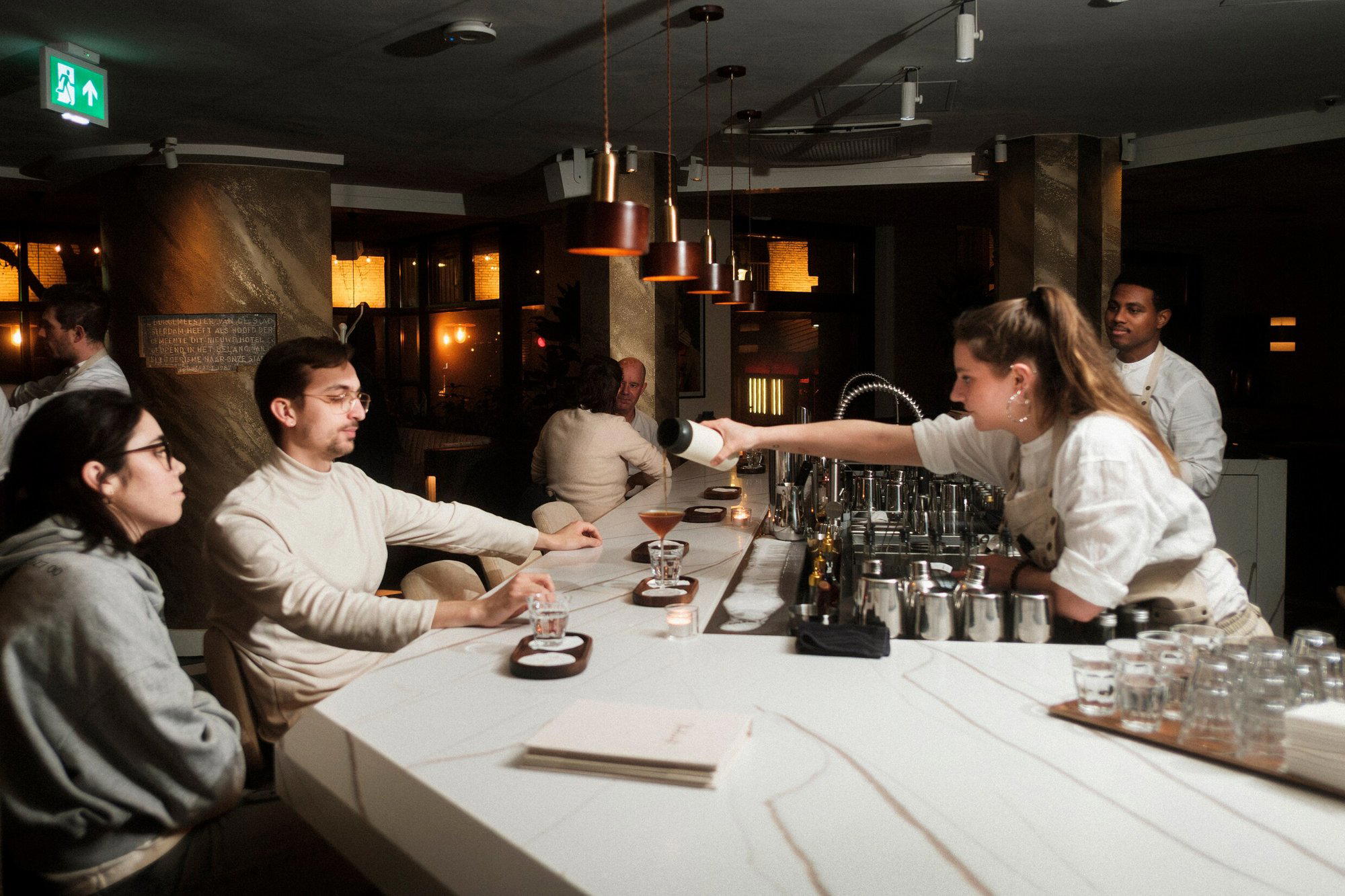
Hotels in Amsterdam
All hotels in Amsterdam →
Wineries in Amsterdam
All wineries in Amsterdam →
Details
- Cozy
- Classic
- Family
- Casual Hangout
- Open Kitchen
- A La Carte
- Vegetarian Friendly
Current opening hours
- Monday
- 12–11 PM
- Tuesday
- 12–11 PM
- Wednesday
- 12–11 PM
- Thursday
- 12–11 PM
- Friday
- 12–11 PM
- Saturday
- 12–11 PM
- Sunday
- 12–11 PM
Hours can change for holidays and private events. Hours as of .
Warm and welcoming with cheerful cooks in the open kitchen and aromas of fresh bread and dishes.