
Operating from the oldest house in Calvisano since 1880, Al Gambero holds a Michelin star for Lombardian cooking that draws on the agricultural depth of the Lower Brescia plain. The same family has run the restaurant across generations, and the menu reflects that continuity: risottos built on local rice traditions, roast kid sourced from the surrounding countryside, and service conducted with the kind of precision that comes from decades of repetition rather than recent ambition.
Pearl is the En Primeur Club membership app — saves, bookings, and concierge access live there. Same editors, same standards.
- Address
- Via Roma, 11, 25012 Calvisano BS, Italy
- Phone
- +39 030 968009
- Website
- algamberoristorante.it
- Directions
- Get directions
 Saves & bookings on Pearl
Where Lower Brescia Puts Food on the Table
The agricultural plain south of Brescia is not the Italy of postcards. There are no dramatic lake shores or Alpine ridges here, just flat, productive farmland that has been feeding the region for centuries. Rice paddies, grazing pastures, and kitchen gardens define the local economy, and the cooking that has emerged from this territory is accordingly direct: ingredient-led, unhurried, and resistant to reinvention for its own sake. In this context, a restaurant like Al Gambero is less an anomaly than a logical endpoint. When a place opens in 1880 and earns a Michelin star in 2024, the trajectory says something specific about how quality accumulates in agricultural communities where sourcing is not a marketing decision but a practical habit inherited over generations.
The building itself sets the tone before you reach the table. Al Gambero operates from the oldest house in Calvisano, on Via Roma 11, and the fabric of the place carries the weight of that history in the way that genuinely old buildings do, not through decorative nostalgia but through proportion and material density. Approaching along the village's main street, the restaurant reads as a permanent fixture rather than a recent arrival, which in Lombardian rural towns carries its own form of credibility.
The Ingredient Logic of the Bassa Bresciana
Lombardy's lower plain, the Bassa, sits within one of Italy's most productive agricultural zones. The Po Valley's fertile alluvial soils support rice cultivation at scale, and the specific varieties grown in this corridor, including Carnaroli and Vialone Nano, have shaped a risotto tradition that runs considerably deeper than the version exported to restaurant menus elsewhere. The technique demanded by these rices, the extended toasting, the careful stock management, the resting period that separates competent risotto from authoritative risotto, is not teachable from a recipe. It is learned in proximity to the grain itself, across many harvests, with the feedback loop of a local palate that knows immediately when something is off.
Al Gambero's risottos carry that provenance. The dish appears on the menu not as a showcase of creative interpretation but as a statement of regional competence, which in this part of Italy is the more demanding standard. For a restaurant running continuously since 1880 under the same family, the risotto is not a signature in the marketing sense; it is simply what this kitchen does, and has done, with the materials at hand.
The roast kid on the menu points to the same sourcing logic. Capretto has been a fixture of Lombardian festive and seasonal cooking for generations, and its presence here reflects the pastoral agriculture of the surrounding area rather than a chef's decision to explore Italian heritage. In this part of the Brescia province, the animal is raised nearby, slaughtered at the appropriate age, and cooked in ways that have not changed substantially because the ingredient itself has not changed. The Michelin recognition, awarded in 2024, acknowledges what locals have understood for considerably longer: that this kind of cooking, grounded in specific place and unbroken continuity, is its own form of achievement.
Where Al Gambero Sits in the Northern Italian Michelin Picture
Italy's Michelin-starred restaurants in the north span a considerable range, from three-star operations like Dal Pescatore in Runate, Enoteca Pinchiorri in Florence, and Enrico Bartolini in Milan, to single-star addresses that operate at a quieter register without aspiring to the same scale of ambition or price point. Al Gambero, at €€€ pricing, belongs to the latter category, and that positioning is part of its argument. The restaurant does not compete with progressive tasting-menu operations like Le Calandre in Rubano or Osteria Francescana in Modena. Its comparable set is the tradition-rooted trattoria with enough technical command to hold Michelin's attention without abandoning the cooking logic of its territory.
Within Lombardy specifically, this means operating alongside addresses like 85 Bistrot in Sesto San Giovanni and Alla Corte Lombarda in Mornago, both working within the regional tradition at comparable price levels. What distinguishes the restaurant within that peer group is the depth of its institutional history. A restaurant in operation since 1880, still run by the same family's descendants, has accumulated a kind of culinary memory that cannot be acquired through research or training alone. The menu reflects that depth: dishes that have survived multiple generations of the same kitchen are there because they work, not because they are on trend.
The comparison with mountain-focused Lombardian and South Tyrolean cooking, such as the three-star approach at Atelier Moessmer Norbert Niederkofler in Brunico, underscores how differently the same regional imperative of ingredient proximity can express itself. The Alpine sourcing logic and the Bassa Bresciana sourcing logic both prioritise the immediate environment, but the results are distinct cuisines. The restaurant's version is the plains iteration: rice-centred, pastoral, unhurried.
For those comparing Italian one-star coastal or pastoral traditions more broadly, restaurants like Uliassi in Senigallia, Quattro Passi in Marina del Cantone, Reale in Castel di Sangro, and Piazza Duomo in Alba each represent a distinct regional argument. The restaurant's argument is specifically Brescian, and specifically about what happens when a kitchen stays in the same place long enough to stop making decisions about it.
Service and the Weight of Continuity
Michelin's own description of the restaurant singles out the service as meticulous and owner-overseen, which in the context of a family-run restaurant at this age means something different from what it means at a recently opened address. In a room where the same family has been receiving guests for well over a century, service continuity is not a training programme; it is a form of institutional knowledge passed through the same hands that carry the cooking tradition. The guest experience at the restaurant is shaped by that kind of accumulated practice, and for visitors accustomed to the more self-conscious theatrics of newer starred restaurants, the register may feel notably different: quieter authority rather than performed precision.
High-volume approval at that rating level, for a small village restaurant with tight seating hours, reflects repeat patronage and word-of-mouth depth rather than algorithm-driven discovery.
Planning a Visit
Calvisano sits in the Lower Brescia plain, accessible from Brescia city to the north and from the A21 autostrada to the south, placing it within reach of visitors travelling between Brescia, Cremona, and the Lago di Garda area. For a broader picture of the town's dining options, our full Calvisano restaurants guide covers the range, including Fiamma Cremisi as a local alternative. Those planning an extended stay can reference our Calvisano hotels guide, while the bars guide, wineries guide, and experiences guide cover the surrounding offer.
The restaurant runs two sittings daily from Monday through Tuesday and Thursday through Sunday, with lunch service from 12:30 to 1:30 PM and dinner from 7:45 to 9:15 PM. The restaurant is closed on Wednesday, and reservations are essential. Pricing sits at the €€€ level, positioning it above the casual trattoria tier but below the four-course tasting-menu pricing of the region's three-star operations. The combination of that price point, the star, and the building's age makes it one of the more considered value propositions in Lombardian starred dining.
What to Order
The risottos and the roast kid are both documented as signature dishes in the Michelin record, and on that basis they represent the clearest entry point to what this kitchen does leading. In a restaurant with this much accumulated history, particularly requested dishes tend to survive because they function as evidence of the kitchen's core competence rather than as menu decoration. Both dishes reflect the agricultural sourcing of the Bassa Bresciana directly, and both reward the attention of a diner who wants to understand what Lower Brescia tastes like at its most precise.
Frequently Asked Questions
What is the must-try dish at Al Gambero?
The risotto is one direct expression of what this kitchen does, and Michelin has specifically cited it among the restaurant's signature dishes. Roast kid is the other documented standout. Both are grounded in the agricultural materials of the Lower Brescia plain rather than in creative reinvention, which is precisely why they have stayed on the menu across multiple generations of the same family kitchen. If the visit is the first, ordering one of these two is the clearest way to understand what the 2024 Michelin star is actually recognising.
How It Stacks Up
Comparable venues nearby, for context on price, style, and recognition.
| Venue | Cuisine | Price | Awards | Notes |
|---|---|---|---|---|
| Al GamberoThis venue — the venue you are viewing | Modern Lombardian Fine Dining | $$$ | Michelin 1 Star | Not listed |
| Fiamma Cremisi | Contemporary Italian | $$$ | Michelin Plate | Calvisano |
| La Rucola 2.0 | Modern Italian Fine Dining | $$$$ | Michelin 1 Star | Historic Centre (Centro Storico) |
| Osteria degli Assonica | Modern Italian Fine Dining | $$$ | Michelin 1 Star | Sorisole |
| Lanterna Verde | Modern Italian Seafood | $$$ | Michelin 1 Star | Villa di Chiavenna |
| La Coldana | Modern Italian Fine Dining | $$$ | Michelin 1 Star | Cascina Coldana |
Recognition history
Dated appearances from independent guides and award organizations, with the underlying list record or original source where available.
Michelin 1 Star
Michelin
Michelin 1 Star
Michelin
Michelin 1 Star
Michelin
Continue exploring
More in Calvisano
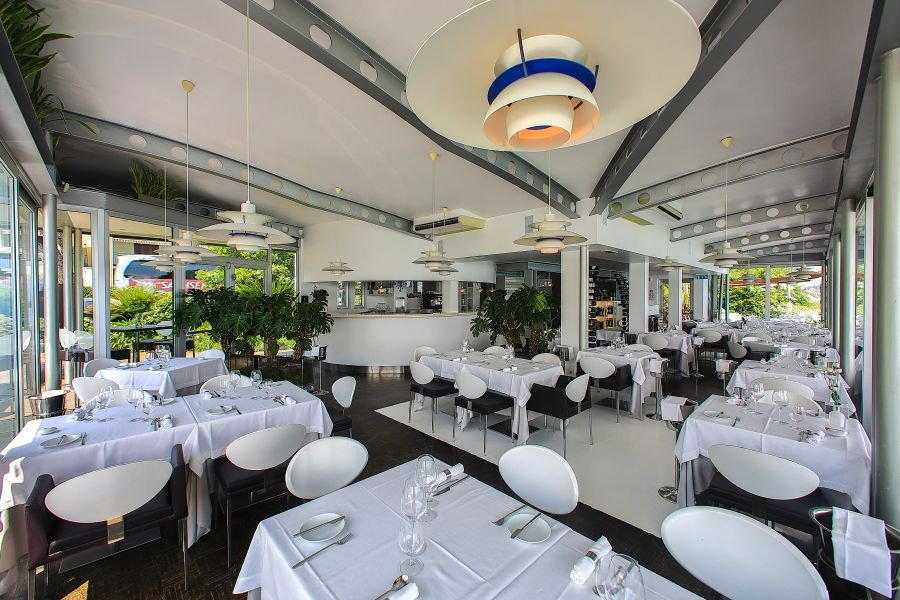
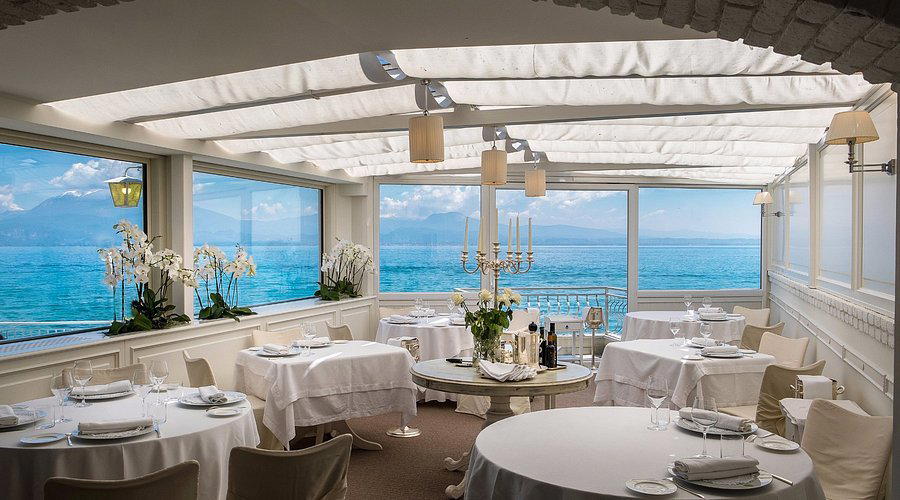
Restaurants in Calvisano
Browse all →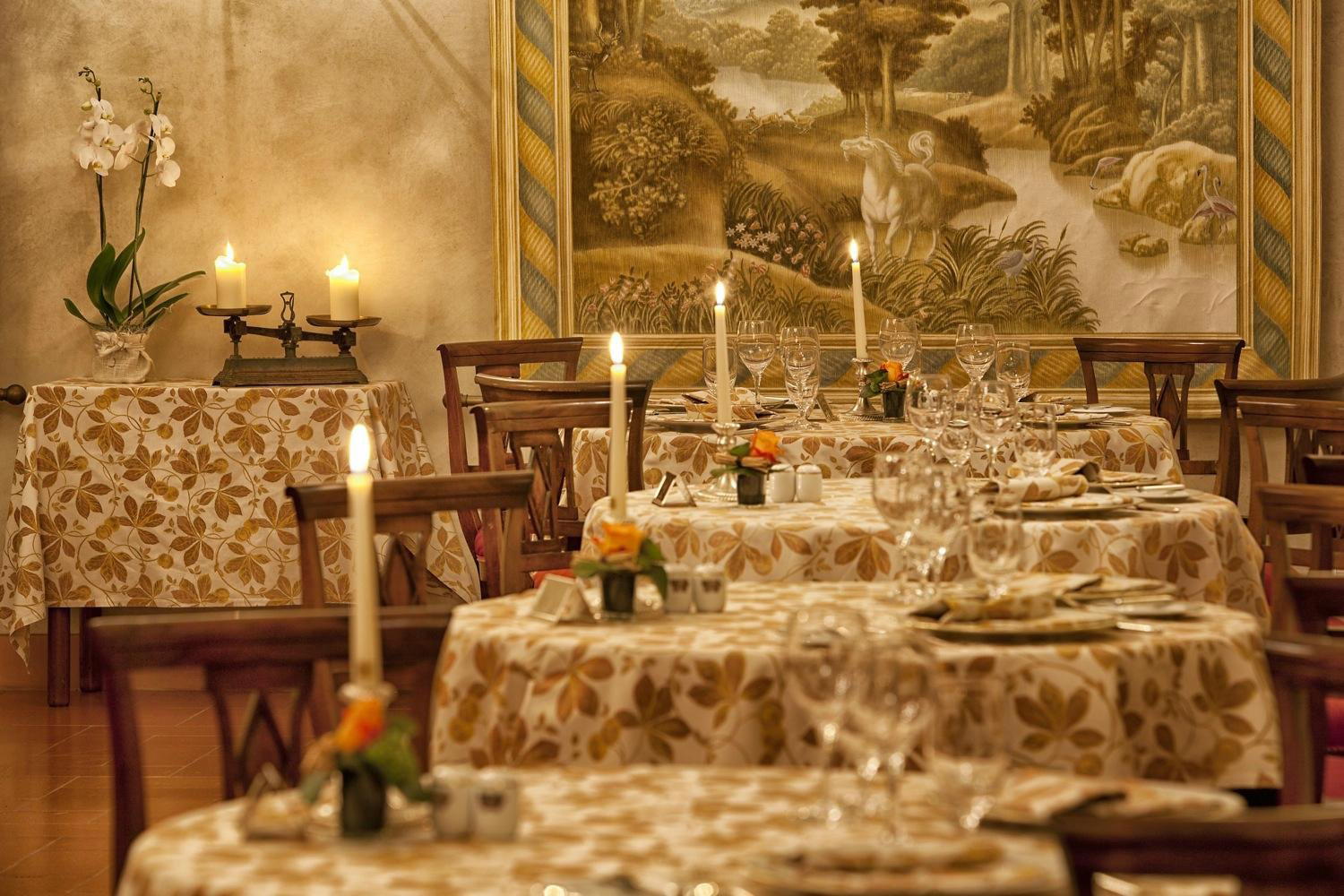
Bars in Calvisano
Browse all →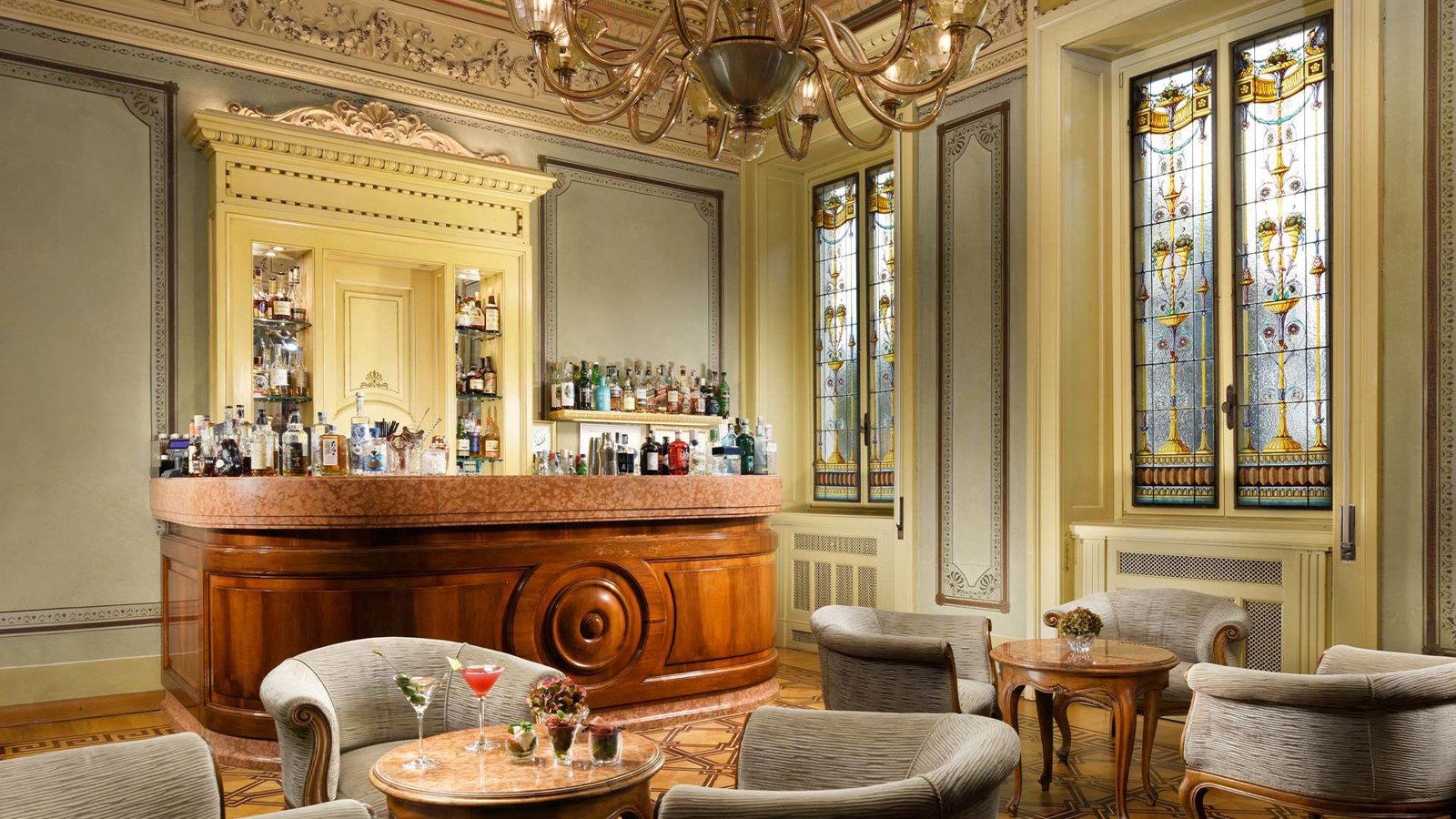
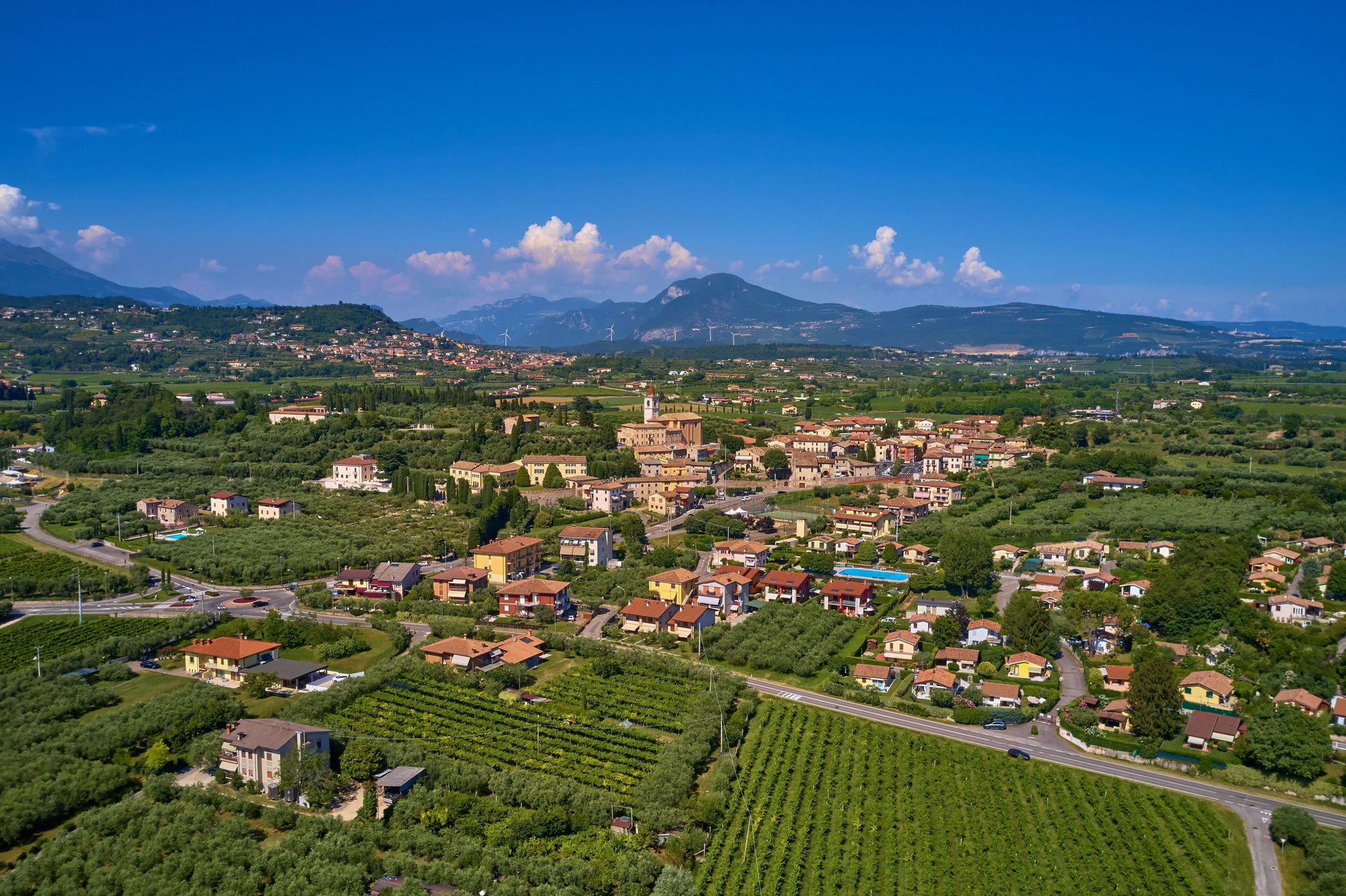
Hotels in Calvisano
Browse all →

At a Glance
- Elegant
- Classic
- Cozy
- Intimate
- Sophisticated
- Date Night
- Business Dinner
- Special Occasion
- Celebration
- Historic Building
- Extensive Wine List
- Local Sourcing
Current opening hours
- Monday
- 12:30–1:30 PM, 7:45–9:15 PM
- Tuesday
- 12:30–1:30 PM, 7:45–9:15 PM
- Wednesday
- Closed
- Thursday
- 12:30–1:30 PM, 7:45–9:15 PM
- Friday
- 12:30–1:30 PM, 7:45–9:15 PM
- Saturday
- 12:30–1:30 PM, 7:45–9:15 PM
- Sunday
- 12:30–1:30 PM, 7:45–9:15 PM
Hours can change for holidays and private events. Last verified .
Elegant yet warm historic setting with meticulous, professional service and quiet, refined atmosphere.