
The menu moves between market-dependent seafood and regional Cremasque classics, including the town's signature sweet tortelli, backed by a wine list that accommodates both conventional and natural preferences. Reservations are strongly advised at both lunch and dinner.
Pearl is the En Primeur Club membership app — saves, bookings, and concierge access live there. Same editors, same standards.
- Address
- Via Giuseppe Verdi, 7, 26013 Crema CR, Italy
- Phone
- +39 0373 87911
- Website
- ristorantebotero.it
- Directions
- Get directions
 Saves & bookings on Pearl
A Historic Palazzo, a Regional Table
Crema sits in the flat agricultural province of Cremona, roughly midway between Milan and Brescia, and its dining character reflects that position: rooted in the Lombard inland tradition, shaped by the Po Valley's dairy and grain culture, and largely unknown to the visitors who filter through the region's more prominent cities. The town's central square and its Duomo are well-documented; the restaurants that ring them are not, which means the few addresses that have earned external recognition operate in a context of genuine local use rather than tourist capture. Botero is one of those addresses.
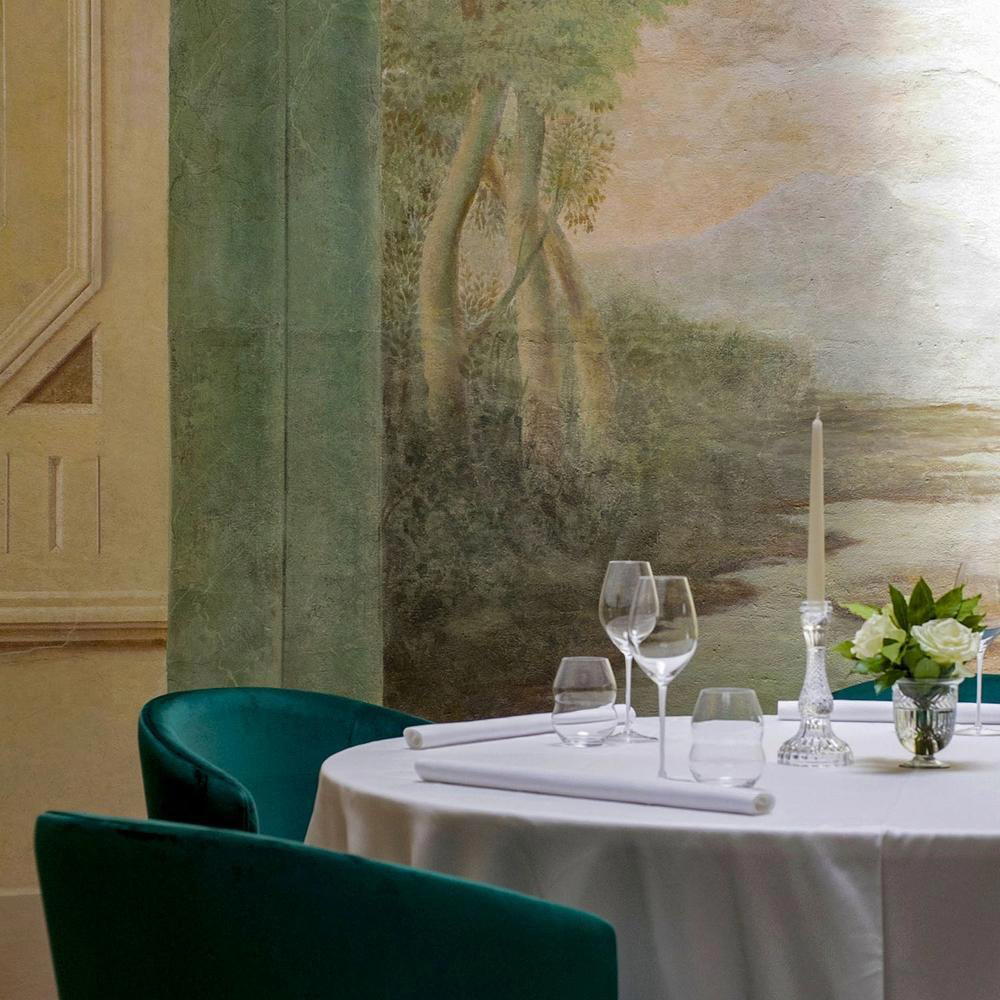
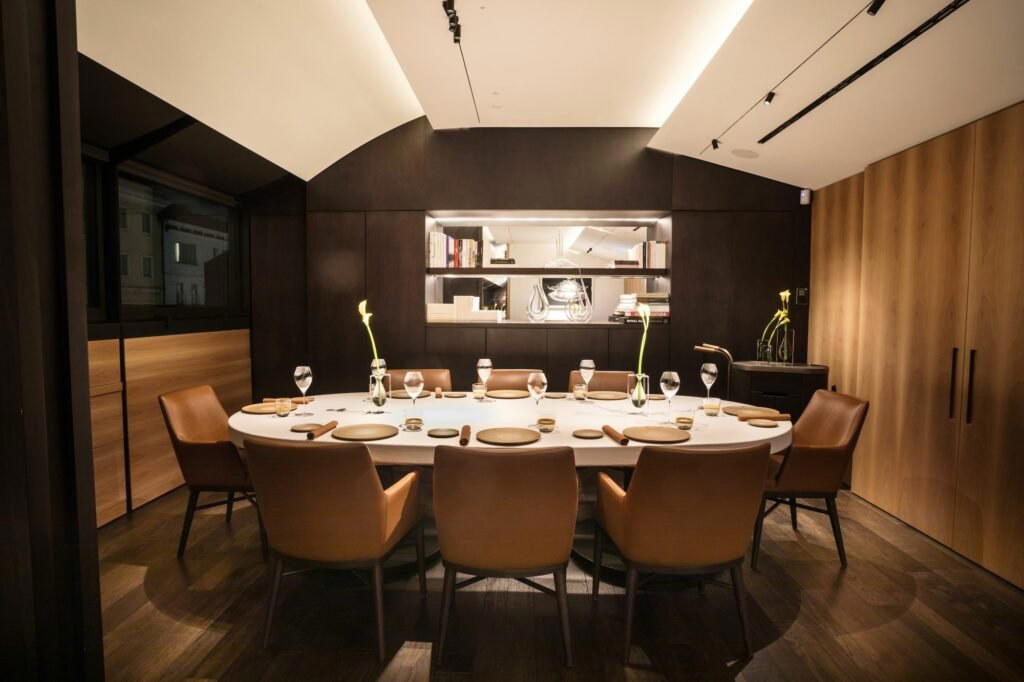
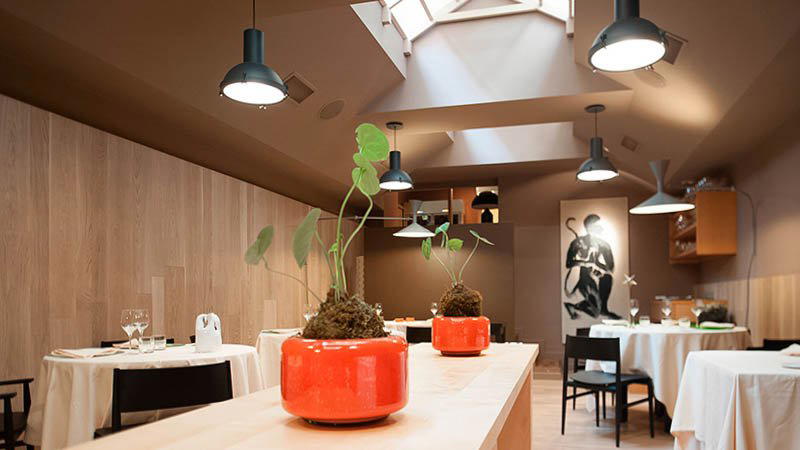
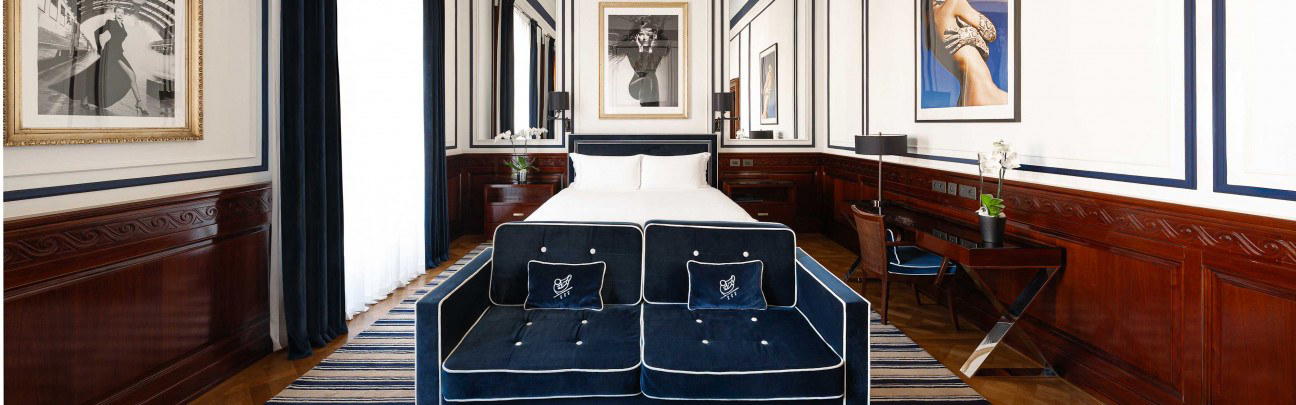
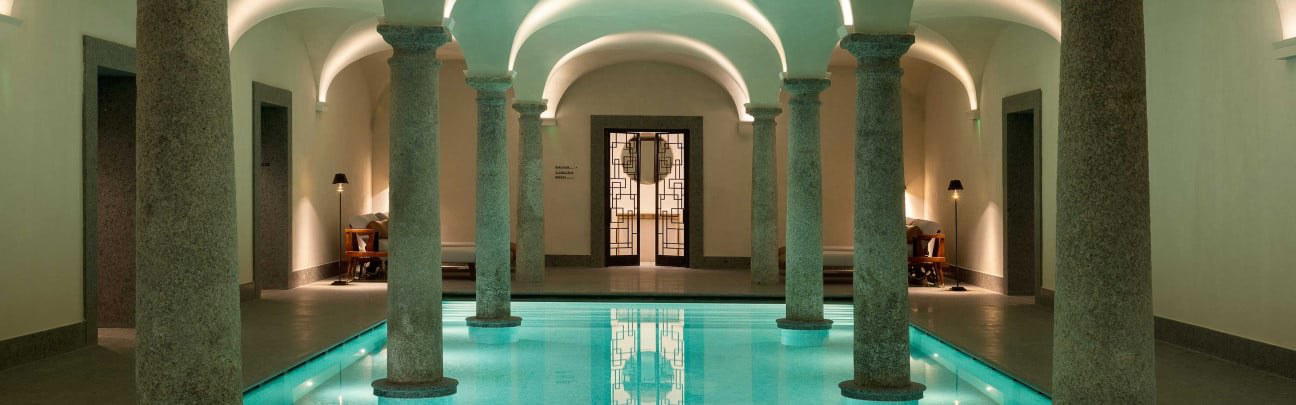
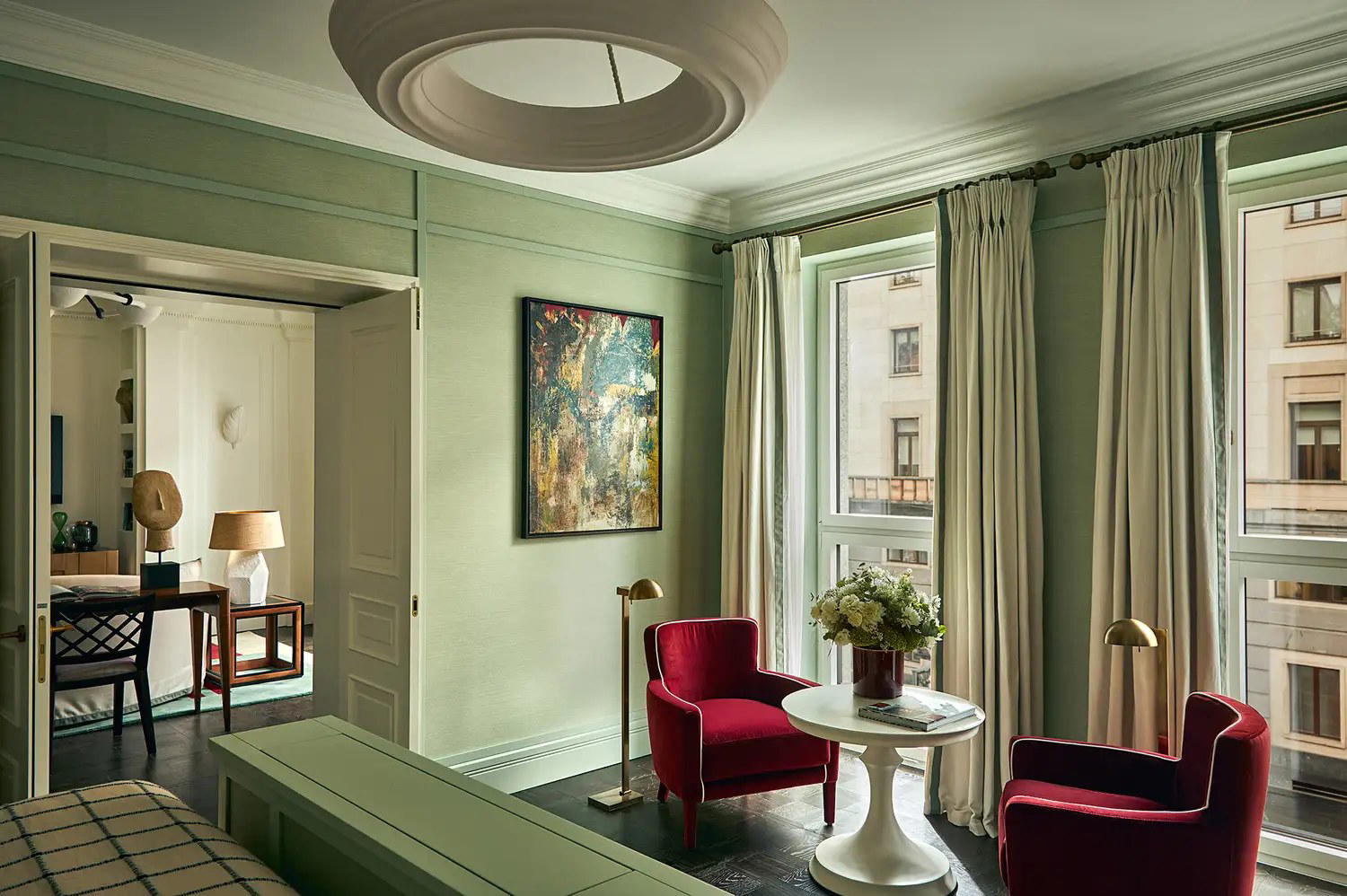
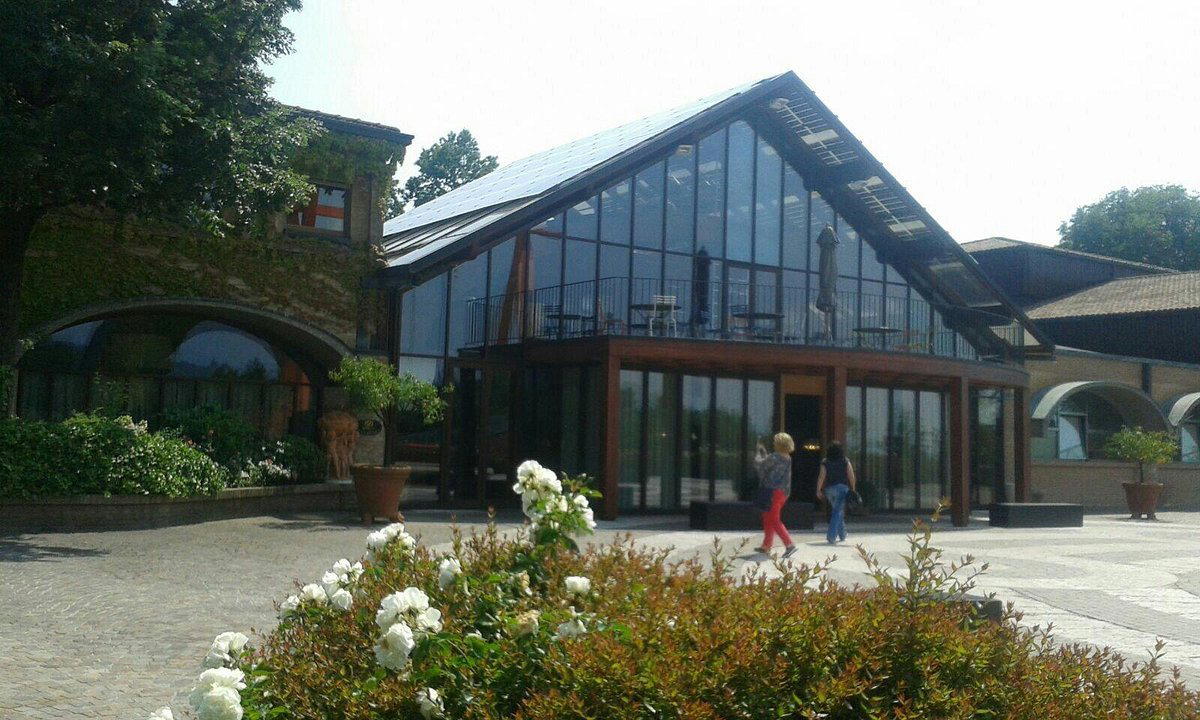
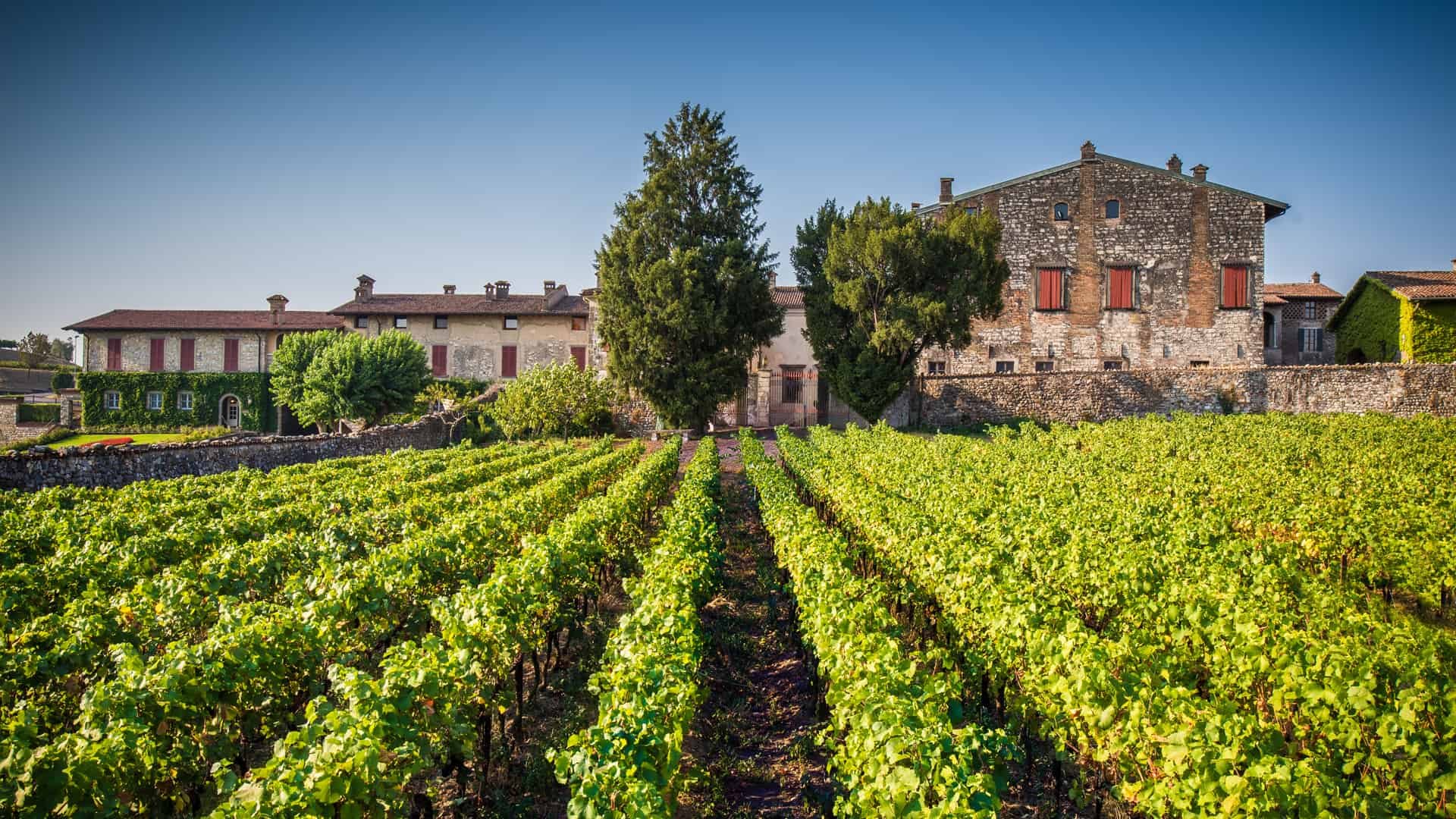
The restaurant occupies a historic palazzo on Via Giuseppe Verdi, within walking distance of the Cathedral. The building does the work that many newer Italian restaurants spend considerable budgets trying to replicate: aged stone, proportioned rooms, the particular quality of light that only accumulated time produces. It is a setting that places the food in a specific tradition before a dish arrives, and that specificity is part of the editorial point. The room frames a certain kind of cooking, ingredient-focused, rooted in the region, unhurried, rather than a statement tasting menu or an international reference point.
Cremasque Cooking in Its Proper Context
To understand what Botero is doing, it helps to understand what Cremasque cuisine is, and why it differs from its Lombard neighbours. Cremona and its surrounding towns occupy a strip of northern Italy where sweet-savoury combinations have persisted in pasta fillings long after they fell out of favour elsewhere. The hand-pinched sweet tortelli of Crema, filled with mostarda, candied citrus, amaretti, and aged cheese, is one of the clearest expressions of Renaissance-era Italian cooking still served as a regular, unremarkable lunch option rather than a heritage reconstruction. Mantua has its tortelli di zucca; Cremona has its mostarda tradition; Crema's tortelli synthesises both and adds its own local proportions.
Botero keeps that dish on the menu as a matter of continuity rather than nostalgia, which is exactly the right framing. Across northern Italy, the tension between regional recipe preservation and modernisation plays out differently depending on the city's proximity to a metropolitan centre. Crema is close enough to Milan to feel its influence, the €€ price positioning here is partly a reflection of that proximity, but far enough that the local cooking tradition has not been absorbed into the city's more globalised appetite. The nettle and angler fish gnudi that appears on the menu alongside the tortelli represents the other side of that balance: a dish that uses regional produce and technique without being a museum piece.
The seafood component of the menu deserves specific attention because it is structurally unusual for an inland Lombard town at this price tier. Market availability drives what appears, which means the kitchen is working with what arrives rather than building around a fixed repertoire. This is common at higher price points, Dal Pescatore in Runate and Uliassi in Senigallia both anchor fish cookery to daily sourcing decisions, but less expected at a mid-range trattoria-adjacent format in a landlocked province. It signals a kitchen that is paying attention to its suppliers and willing to change the menu accordingly.
How It Sits in the Broader Italian Dining Picture
The Michelin Plate awarded in 2025 places Botero in a recognisable tier: restaurants that the guide's inspectors consider worth noting for good cooking without the structural ambition of a starred kitchen. It is a useful signal in a town that does not have a Michelin-starred table of its own. For context, the starred Italian restaurants that EP Club covers in the region include different propositions: Le Calandre in Rubano and Casa Perbellini 12 Apostoli in Verona operate in an entirely different category of ambition, investment, and price. Osteria Francescana in Modena and Enrico Bartolini in Milan represent stronger examples from the progressive Italian tier nationally. Botero is not competing with any of them. Its comparable set is the cluster of regionally grounded, mid-price Italian restaurants that feed local professionals and curious day-trippers rather than destination diners arriving by high-speed train.
That positioning is not a limitation, it is a description of what the restaurant is for. Restaurants that perform at that level over volume tend to do so through consistency in the kitchen and reliability in the room, not through occasional theatrical flourishes.
Italy's regional dining traditions spread far beyond the country's borders, too. The interest in Lombard pasta forms has reached restaurants like 8 1/2 Otto e Mezzo Bombana in Hong Kong and cenci in Kyoto, both of which operate Italian fine dining programs in Asia. Botero represents the opposite of that export model: the original, local, low-profile version of the tradition those kitchens are referencing.
The Wine List and the Room
The wine list at Botero includes natural wine options alongside conventional selections, which is a deliberate choice rather than a concession to trend. What the Michelin description confirms is that the list is described as interesting, suggesting range and editorial intent rather than a default regional selection. For visitors interested in the broader northern Italian wine picture,
Planning a Visit
Botero is on Via Giuseppe Verdi, 7, in the centre of Crema, close enough to the Duomo to combine with an exploration of the historic core. The restaurant draws a full house at both lunch and dinner, which means reservations are advisable rather than optional. The €€ price range positions it as an accessible option for a longer Crema visit, for accommodation and bar options in the town, Visitors building a wider itinerary around the region's restaurants should see the area guide for context on what the town offers beyond this address.
Side-by-Side Snapshot
Comparable venues nearby, for context on price, style, and recognition.
| Venue | Cuisine | Price | Awards | Notes |
|---|---|---|---|---|
| BoteroThis venue — the venue you are viewing | Modern Italian Seafood & Lombard | $$$ | Michelin Plate | Not listed |
| Trattoria la Colonna | Traditional Italian Trattoria | $$$ | Michelin Plate | San Nicolò |
| Ristorante Mas-cì | Traditional Italian with Local Bergamo Specialties | $$$ | Michelin Plate | historic centre |
| Da Carla | Traditional Lombard Trattoria | $$$ | Michelin Plate | Molino d'Isella, Gambolò |
| Remulass | Modern Italian Vegetable-Forward Bistro | $$$ | Michelin Plate | Buenos Aires - Porta Venezia - Porta Monforte |
| La Società Milano | Modern Italian Fine Dining | $$$ | Michelin Plate | Buenos Aires - Porta Venezia - Porta Monforte |
Recognition history
Dated appearances from independent guides and award organizations, with the underlying list record or original source where available.
Michelin Plate
Michelin
Michelin Plate
Michelin
Michelin Plate
Michelin
Continue exploring
More in Crema
Restaurants in Crema
Browse all →
Bars in Crema
Browse all →
Hotels in Crema
Browse all →

At a Glance
- Elegant
- Sophisticated
- Cozy
- Historic
- Intimate
- Date Night
- Business Dinner
- Special Occasion
- Historic Building
- Terrace
- Natural Wine
Current opening hours
- Monday
- Closed
- Tuesday
- 12–2 PM, 8–10 PM
- Wednesday
- 12–2 PM, 8–10 PM
- Thursday
- 12–2 PM, 8–10 PM
- Friday
- 12–2 PM, 8–10 PM
- Saturday
- 8–10 PM
- Sunday
- 12–2 PM
Hours can change for holidays and private events. Last verified .
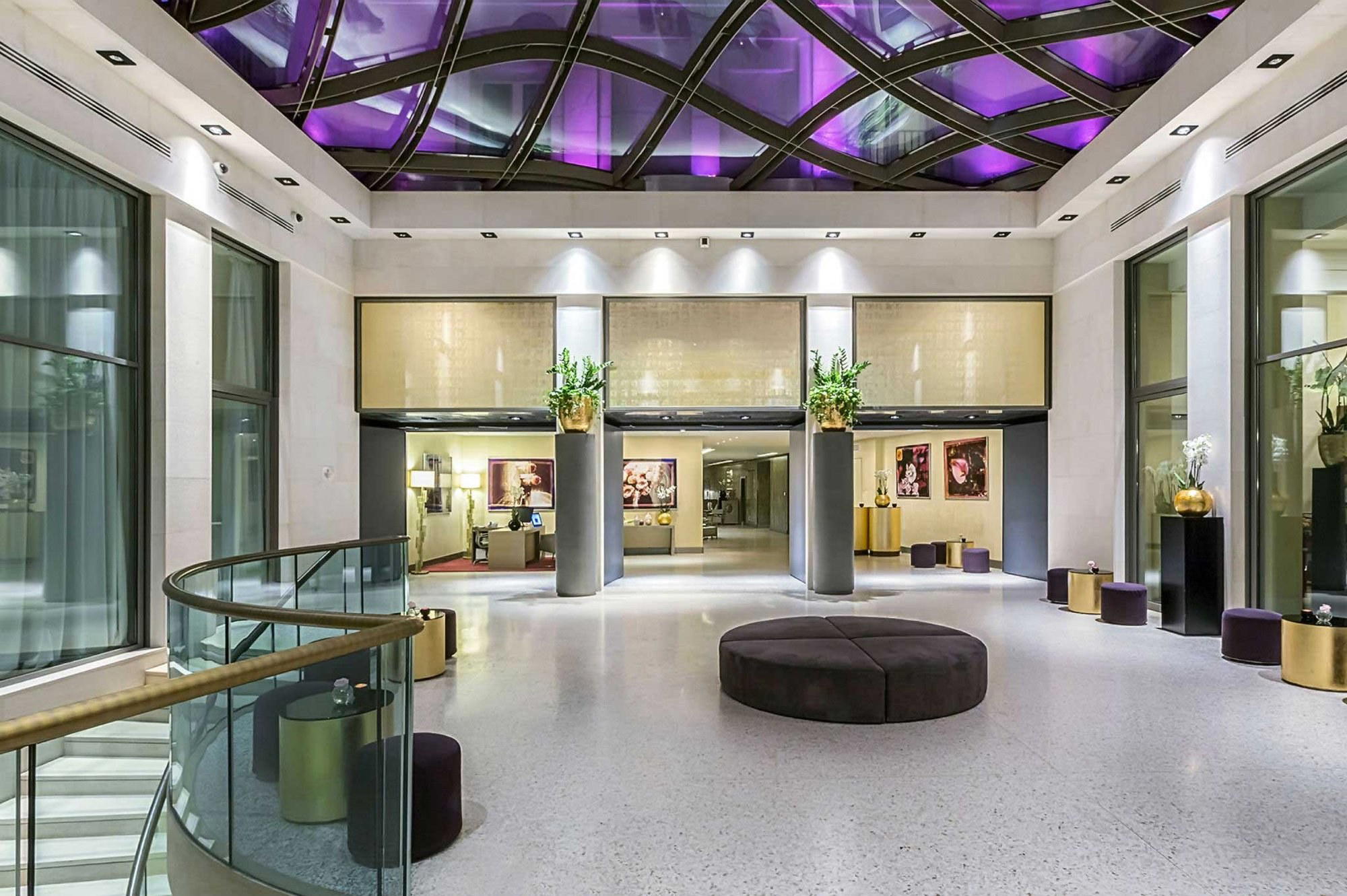
Bright interior rooms with elegant refinement, cozy historic charm, and welcoming atmosphere.