
Michelin Plate
Our verdict
Il Capestrano brings the pastoral larder of Abruzzo to Milan's southern residential belt, anchored by a name borrowed from one of Italy's most enigmatic ancient artefacts. The €€ kitchen draws from small-scale producers across the region, placing hams, aged cheeses, mutton, and slow-cooked lamb alongside grilled kebabs in a format that reads as a committed regional statement rather than a pan-Italian survey. Michelin has awarded a Plate in both 2024 and 2025.

Pearl is the En Primeur Club membership app, where members save venues, book tables and use the concierge.
The menu
What to order
- Arrosticini
- Tagliatelle all'Aquilana
- Maccheroni alla chitarra
- Lamb from Parco della Maiella
- Tiramisu
Abruzzo at the Table: Why Regional Specificity Still Matters in Milan
Milan's restaurant culture has long tilted toward the cosmopolitan: creative tasting menus, contemporary Italian reinterpretation, and international reference points. The city's most-discussed addresses Enrico Bartolini, Andrea Aprea, Seta, and Cracco in Galleria, represent that orientation, operating at the €€€€ tier with menus built around technique and modernist ambition. Against that backdrop, the restaurants that hold firm to a single Italian region occupy a different, quieter niche: less theatricality, more specificity. Il Capestrano belongs to that second category, with a focus so deliberate it reads as a curatorial act.
The address is Via Gian Francesco Pizzi, in the 20141 postal zone south of the city centre, a residential district where the dining culture runs closer to neighbourhood trattoria than destination restaurant. Arriving here requires intent. This is not a venue that captures passing trade from the Duomo or the fashion district; it draws people who know exactly what they are coming for.
The Warrior of Capestrano and What the Name Carries
The restaurant takes its name from the Warrior of Capestrano, a stone statue discovered in 1934 in the Aquila province of Abruzzo. Carved from a single block of local limestone, dating to the sixth century BC, it remains one of the most studied and debated artefacts of pre-Roman Italy: its origins, the civilisation that produced it, and the inscription it bears have occupied archaeologists for decades. The choice of this name is not decorative. It signals that the kitchen understands itself as part of a specific place and a specific lineage, Abruzzo not as a vague geographic reference but as a region with distinct history, materials, and identity.
That framing matters when you consider what regional Italian cooking asks of a restaurant outside its home territory. Abruzzo's food culture is grounded in altitude and agriculture: the Apennine interior produces lamb and mutton from sheep that graze at elevation, small-scale cheesemakers working with ewe and goat milk, and a curing tradition for pork that rivals better-publicised regions without receiving comparable attention in food media. Bringing those ingredients to Milan means sourcing from producers who are not set up for volume, which limits scale and raises the cost of maintaining quality. The €€ price position here reflects those constraints honestly.
What the Kitchen Focuses On
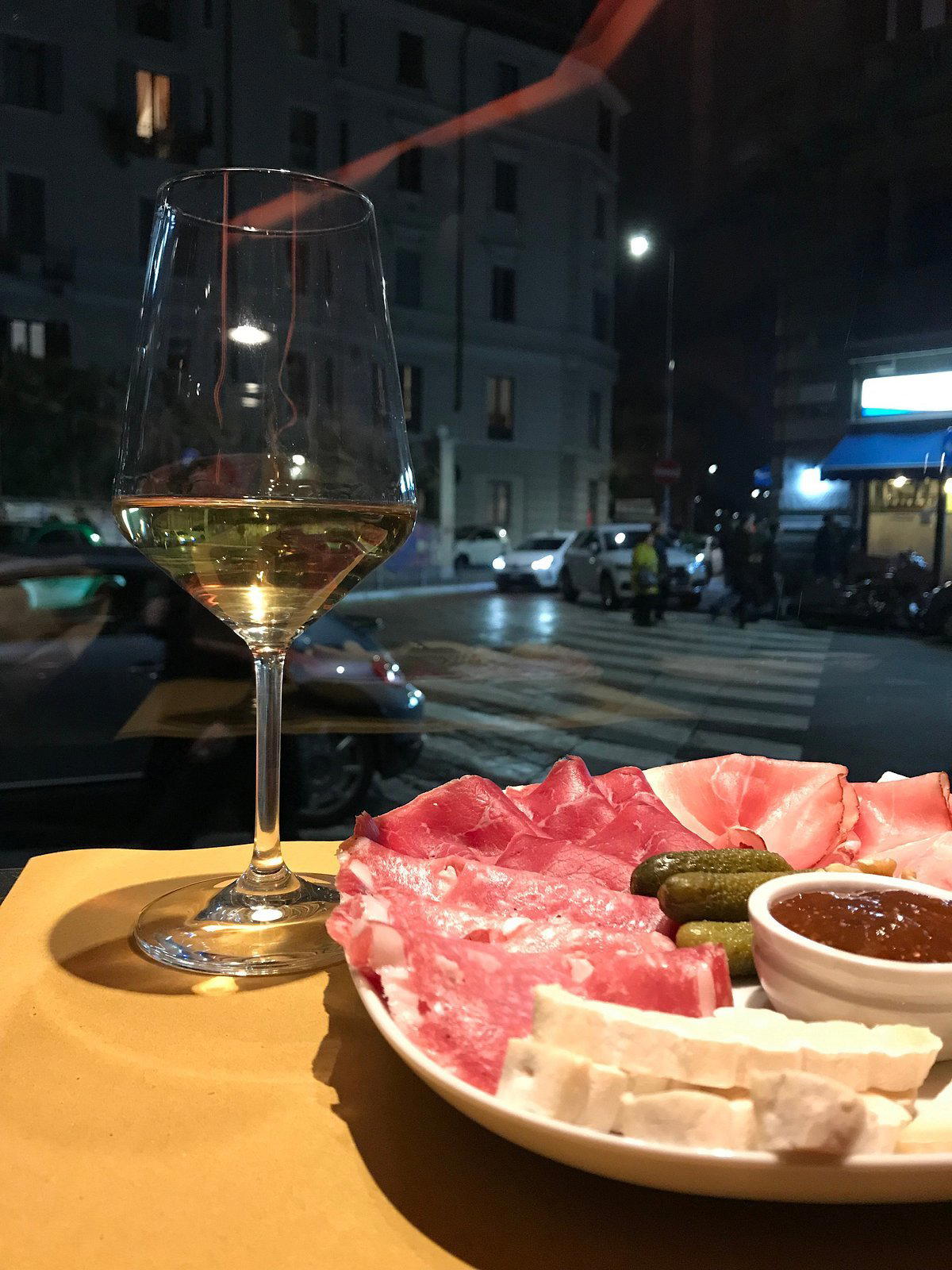
Il Capestrano's menu reads as a regional inventory rather than a chef's personal statement. The emphasis falls on charcuterie and cheese from small Abruzzese producers, cuts of mutton and lamb handled in ways that reflect the mountainous pastoral tradition, and barbecued lamb kebabs, arrosticini, which are one of the most specific and least exported dishes in the regional canon. Arrosticini are made from mutton or lamb, cut into small cubes and threaded onto skewers, cooked over a long, narrow charcoal grill called a fornacella. They are ordinary in the sense that they are street food and home food across Abruzzo; they are also technically demanding in their simplicity, relying entirely on the quality of the meat and the management of the fire. Encountering them in Milan, at this distance from their origin, carries a different weight than finding them in Pescara or L'Aquila.
The commitment to small-scale producers runs through the charcuterie offer, which represents an argument for Abruzzese curing as a serious category. The region produces ventricina, a coarsely ground salume seasoned with sweet and hot peppers and fennel seeds, that has a distinct character from the more familiar Emilian products that dominate the Milan market. Alongside it, local aged sheep's cheeses occupy a space that Lombard and Piedmontese options rarely fill. For a diner whose reference points are built around northern Italian products, the differences are instructive rather than incidental.
Where Il Capestrano Sits in the Milan Regional Dining Scene
Milan has a small but consistent circuit of restaurants committed to specific southern and central Italian regions, serving communities of migrants and drawing curious locals who want something other than the city's dominant northern Italian frame. Da Giannino - L'Angolo d'Abruzzo covers adjacent territory. Both operate at a price point well below the city's Michelin-starred tier, and both serve as connective tissue between Milan's Abruzzese community and the region's food culture.
Michelin has recognised Il Capestrano with a Plate award in both 2024 and 2025. The Plate designation, introduced to acknowledge restaurants that offer good cooking without rising to the Bib Gourmand or star tiers, positions it as a kitchen producing food worth seeking out without placing it in competition with the city's fine-dining circuit. At €€, it sits in a different price conversation entirely from Andrea Aprea or Seta, where tasting menus start at figures that represent a different category of expenditure.
For context on how Abruzzese cuisine reads when produced in its home region, Bacucco d'Oro in Mutignano and Borgo Spoltino in Mosciano Sant'Angelo offer reference points. Italy's broader fine-dining geography, from Osteria Francescana in Modena and Le Calandre in Rubano to Enoteca Pinchiorri in Florence, Piazza Duomo in Alba, and Atelier Moessmer Norbert Niederkofler in Brunico, represents a very different register from what Il Capestrano is doing, but the contrast clarifies the value of what regional specialists contribute to a city's dining ecosystem.
For a restaurant of this type and price in a residential neighbourhood, that figure represents a track record.
The Case for Going South of Centre
A visit to Il Capestrano is most productively understood as an encounter with a regional tradition that receives limited exposure in the city. Milan's dining press concentrates on the creative and the contemporary; Abruzzese cooking does not generate the kind of conceptual narrative that drives that coverage. The result is that restaurants like this operate below the line of maximum visibility while delivering something that the starred circuit, for all its ambition, cannot replicate: the specific flavour of a place that is not Milan, rendered honestly and without apology.
For a broader survey of where to eat, drink, and stay across the city, see our full Milan restaurants guide, our full Milan hotels guide, our full Milan bars guide, our full Milan wineries guide, and our full Milan experiences guide.
Know Before You Go
- Address: Via Gian Francesco Pizzi, 14, 20141 Milano MI, Italy
- Price range: €€
- Awards: Michelin Plate 2024, Michelin Plate 2025
- Cuisine focus: Abruzzo, charcuterie, cheese, mutton, lamb, arrosticini
- Booking: Contact directly; no online booking link available at time of publication
at Il Capestrano?
The kitchen's identity is built around Abruzzese pastoral products, which makes the charcuterie and cheese selection from small regional producers the most direct expression of what the restaurant is doing. Arrosticini, skewered mutton or lamb grilled over charcoal, are the signature preparation of the Abruzzo interior and the dish that most clearly distinguishes this kitchen from any generic Italian offer in the city. The lamb and mutton preparations more broadly reflect a mountain food culture that prioritises the animal over the vegetable garden. Among the trust signals available, the Michelin Plate in both 2024 and 2025 confirms that the kitchen delivers those products reliably. If you are eating here for the first time, the combination of the charcuterie board and the arrosticini gives the clearest account of what Abruzzese cooking means at this address.
Frequently asked questions
What distinctions does Il Capestrano have?
Il Capestrano has received recognition including: This restaurant takes its name from the warrior statue dating back to the 6C BC which was discovered in Capestrano (Aquila province) in 1934. The statue, carved from a single block of local stone, is one of the most mysterious finds in hist….
What's the best thing to order at Il Capestrano?
The kitchen's identity is built around Abruzzese pastoral products, which makes the charcuterie and cheese selection from small regional producers the clearest entry point into what the restaurant does. Mutton, lamb, and barbecued lamb kebabs are also central to the menu, reflecting the livestock traditions of the Aquila province. For context, these are the categories that earned Il Capestrano consecutive Michelin Plate recognition in 2024 and 2025.
Recognition Snapshot
A short peer table to compare basics side-by-side.
| Venue | Cuisine | Price | Awards | Notes |
|---|---|---|---|---|
| Il CapestranoThis venue (the venue you are viewing) | Traditional Abruzzo Cuisine | $50–100 | Michelin Plate | Not listed |
| Enrico Bartolini | Modern Italian Fine Dining | $300–500 | 3 Michelin Stars · World's 50 Best #85 | Creative |
| Cracco in Galleria | Modern Italian Fine Dining | $150–200 | 1 Michelin Star · World's 50 Best #33 | Modern Cuisine |
| Andrea Aprea | Modern Italian Fine Dining | $200–300 | 2 Michelin Stars · La Liste Top Restaurants | Modern Italian, Italian Contemporary |
| Seta | Modern Italian Fine Dining | $150–200 | 2 Michelin Stars · La Liste Top Restaurants | Modern Italian |
| Contraste | Modern Italian Fine Dining | $150–200 | 1 Michelin Star · La Liste Top Restaurants | Progressive Italian, Modern Cuisine |
Recognition history
Dated appearances from independent guides and award organizations, with the underlying list record or original source where available.
Michelin Plate
Michelin
Full recognition history (3 entries)
Michelin Plate
Michelin
Michelin Plate
Michelin
Continue exploring
More in Milan
Restaurants in Milan
All restaurants in Milan →
Bars in Milan
All bars in Milan →

Details
- Elegant
- Cozy
- Intimate
- Sophisticated
- Rustic
- Date Night
- Business Dinner
- Special Occasion
- Celebration
- Open Kitchen
- Extensive Wine List
- Local Sourcing
- A La Carte
- Montepulciano D'abruzzo
- Regional Italian Wines
- Vegetarian Friendly
Current opening hours
- Monday
- 12:30–2:30 PM, 7:30–10:30 PM
- Tuesday
- 12:30–2:30 PM, 7:30–10:30 PM
- Wednesday
- 12:30–2:30 PM, 7:30–10:30 PM
- Thursday
- 12:30–2:30 PM, 7:30–10:30 PM
- Friday
- 12:30–2:30 PM, 7:30–10:30 PM
- Saturday
- 12:30–2:30 PM, 7:30–10:30 PM
- Sunday
- Closed
Hours can change for holidays and private events. Hours as of .
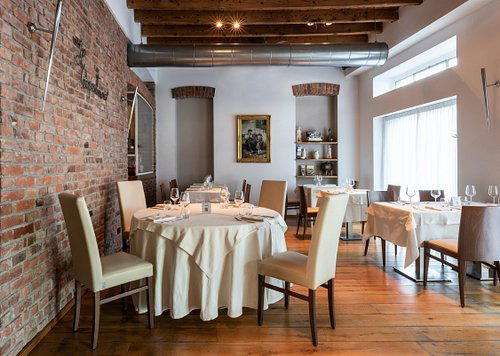
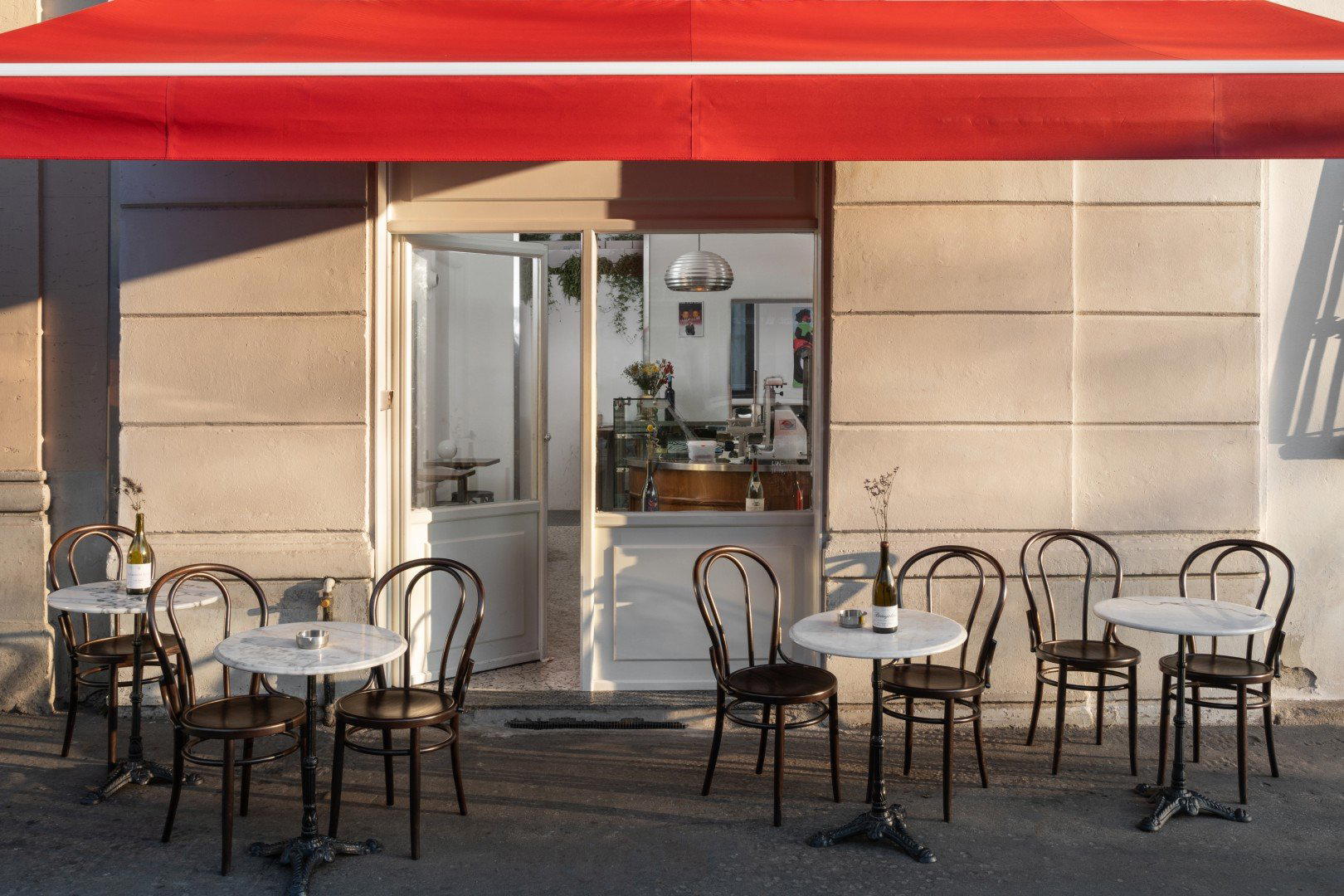
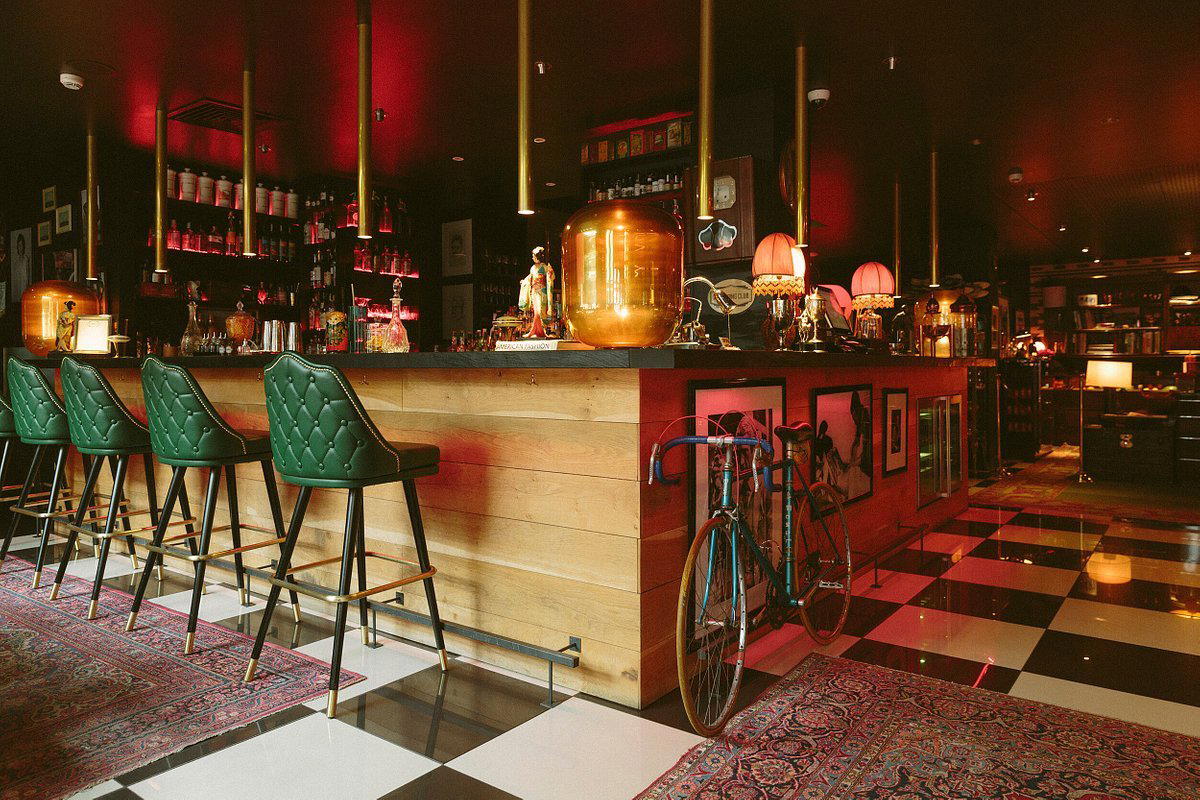
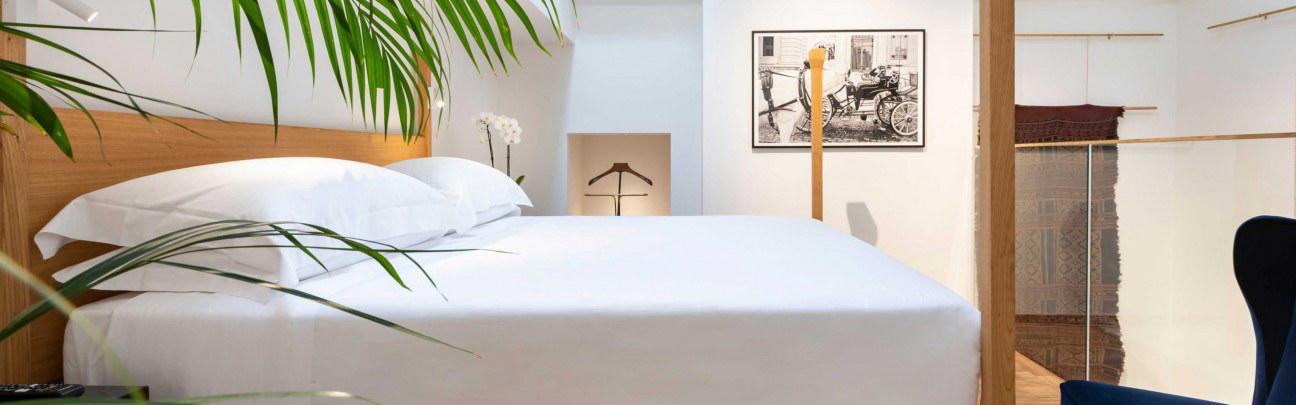
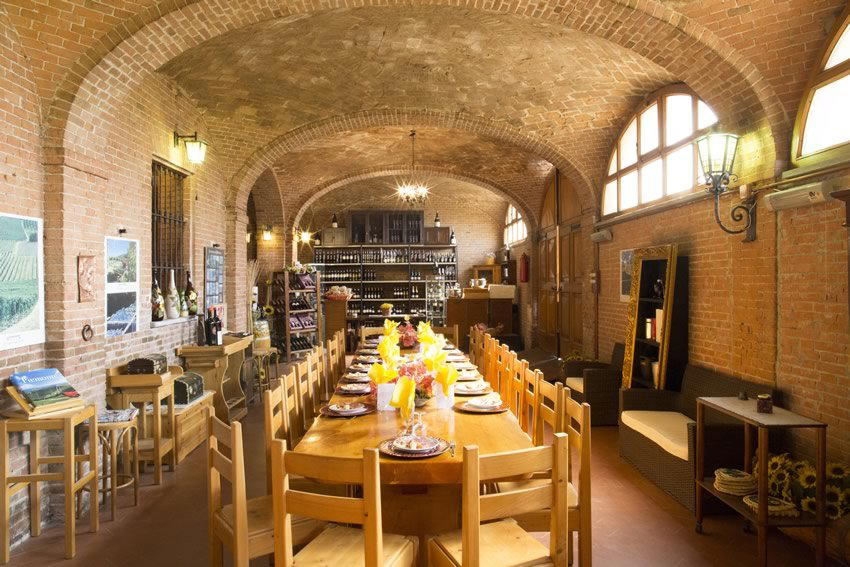
Soft lighting, tastefully furnished across two floors with an open kitchen view, creating an intimate and sophisticated atmosphere that balances rustic tradition with refined elegance.