Kingbird
Kingbird occupies a measured position in Washington D.C.'s hotel dining scene, situated at 2650 Virginia Ave NW in the Watergate complex. The restaurant draws a mixed crowd of hotel guests and local regulars navigating the city's competitive mid-to-upper dining tier. Its Foggy Bottom address places it within reach of the Kennedy Center and Georgetown's broader dining corridor.
Pearl is the En Primeur Club membership app — saves, bookings, and concierge access live there. Same editors, same standards.
- Address
- 2650 Virginia Ave NW, Washington, DC 20037
- Phone
- +18446171972
- Website
- thewatergatehotel.com
- Directions
- Get directions
 Saves & bookings on Pearl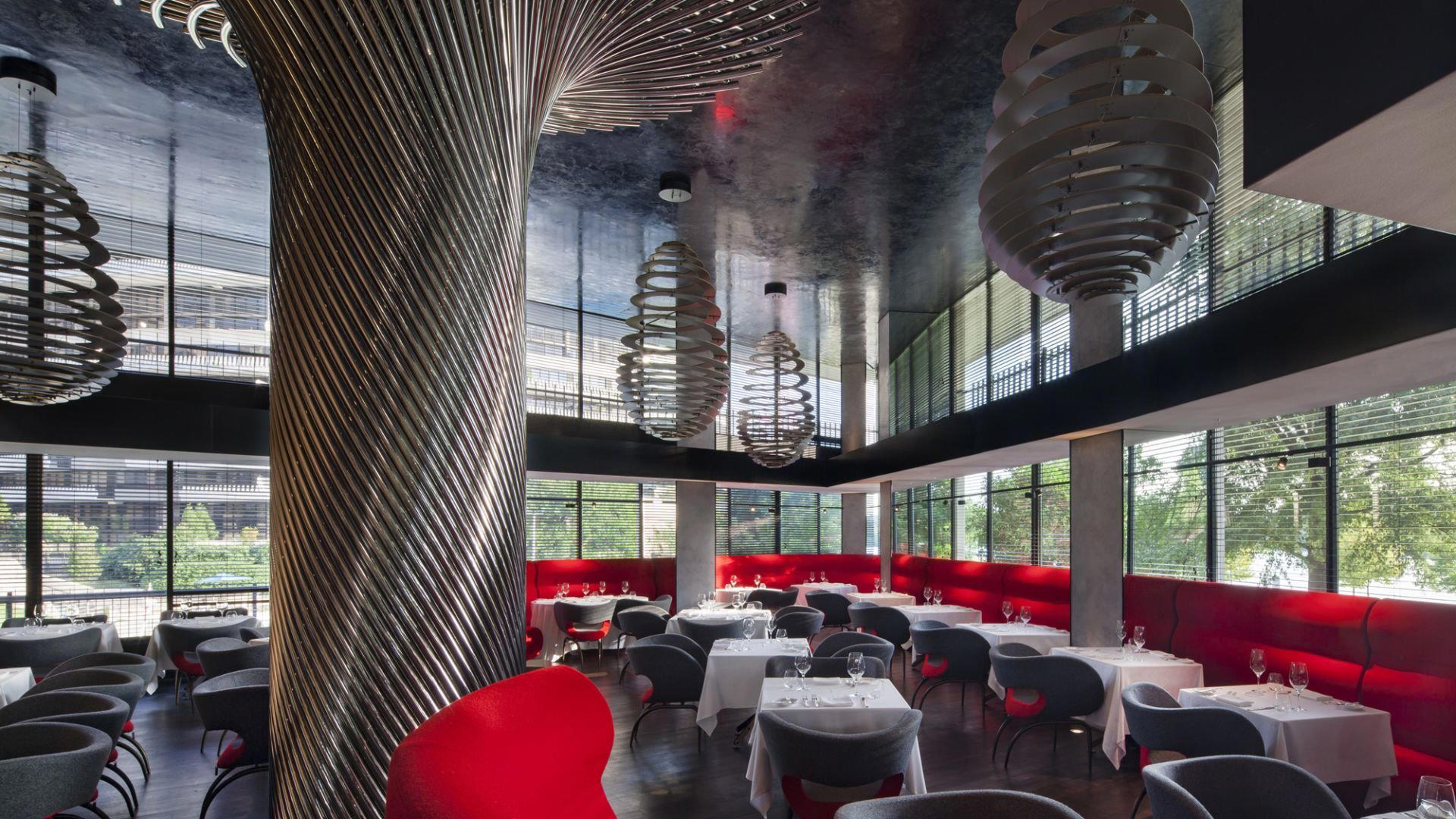
Hotel Dining in D.C., and Where Kingbird Fits
Washington, D.C.'s hotel restaurant scene has undergone a slow but measurable correction over the past decade. The default model, in which a hotel dining room traded on captive guests and a forgiving expense-account crowd rather than culinary ambition, has given way to something more competitive. Across the city, hotel kitchens now sit alongside independent restaurants in the same conversation, reviewed by the same critics, and held to comparable standards. Kingbird, located within the Watergate Hotel at 2650 Virginia Ave NW in Foggy Bottom, operates inside that corrected environment. Its address alone carries historical weight that few other dining rooms in the country can claim, and the surrounding neighbourhood context shapes the experience before a guest even reaches the table.
Foggy Bottom sits at a particular intersection of D.C.'s social geography. The Kennedy Center is a short walk west, Georgetown begins just across Rock Creek, and the State Department's diplomatic ecosystem fills the surrounding blocks. The dining room accordingly draws a mix that few purely independent restaurants replicate: pre-theatre guests in a relative hurry, overnight hotel visitors with no particular agenda, and a local contingent for whom the Watergate address carries its own durable fascination. That compressed diversity of purpose is the defining condition of hotel dining at this level, and it shapes the rhythm of service more than any single menu decision.
The Lunch and Dinner Divide
In hotel restaurants across the American market, the gap between lunch and dinner service is rarely just about the menu. It is about who is in the room, what pace they want, and how the kitchen calibrates to both. At the upper end of this category, lunch tends to attract working professionals, political-adjacent figures on informal meetings, and leisure travellers moving through the city on a fixed schedule. Dinner pulls a different gravitational field: couples, celebratory groups, pre-Kennedy Center audiences arriving with an early curtain time in mind, and visitors who have specifically chosen a hotel dining room for its reliability over the improvisational risk of a newer independent.
This dynamic plays out across comparable hotel restaurants in American cities. At hotel dining rooms anchored to landmark properties, the evening service often carries a slower, more deliberate register, with guests arriving earlier and staying longer than the compressed, purposeful lunch crowd. The value equation also shifts: at dinner, the full bar program and a longer menu format justify the price tier more naturally, while lunch often offers a more accessible entry point into the same kitchen. For a Foggy Bottom address in particular, the proximity to the Kennedy Center makes the pre-theatre dinner window its own distinct sub-service, with guests managing course pacing against a hard departure time.
D.C.'s broader dining scene has sharpened considerably. Restaurants like Jônt and minibar operate at the tasting-menu end of the market, where a single service format defines the entire proposition. Cause-driven kitchens like Oyster Oyster occupy a distinct sustainable-focused niche. Regional-inflected dining at Albi and Peruvian precision at Causa have raised the independent restaurant floor. Against that backdrop, a hotel restaurant at the Watergate competes not primarily on culinary novelty but on consistency, setting, and a service standard that can absorb the range of guests a landmark property draws in a single evening.
The Watergate Setting as Editorial Context
The building itself is a variable that most restaurants do not have to account for. The Watergate Hotel is one of a small number of American properties where the physical address functions as its own layer of meaning, independent of what is happening in the dining room. Hotel restaurants attached to properties of this cultural weight, from landmark urban addresses to historically significant buildings, tend to draw guests who arrive with preformed expectations shaped by the setting. That is not always an advantage. The dining room must earn its place in the guest's memory rather than borrowing indefinitely from the building's reputation.
This is the operating condition that places Kingbird in an interesting competitive position relative to pure independents. A restaurant like The Inn at Little Washington, Patrick O'Connell's long-running destination property in the Virginia countryside, has built its own independent mythology over decades. At the hotel dining rooms attached to distinguished American properties, such as the hotel restaurants associated with award-recognised kitchens at places like Single Thread Farm in Healdsburg or the dining ambitions embedded in properties comparable to Blue Hill at Stone Barns in Tarrytown, the building and the kitchen have achieved a mutual reinforcement. That calibration, between setting and culinary identity, is what any serious hotel dining room is working toward.
Planning a Visit
Given the pre-theatre dinner traffic the neighbourhood generates, guests targeting a relaxed, unhurried dinner should consider earlier weeknight bookings rather than the compressed Friday and Saturday windows around Kennedy Center performances.
For context on how hotel and destination dining operates at comparable American properties, comparable names include Le Bernardin in New York City, Emeril's in New Orleans, Lazy Bear in San Francisco, Alinea in Chicago, The French Laundry in Napa, Providence in Los Angeles, Addison in San Diego, and Atomix in New York City.
Price and Positioning
Comparable venues nearby, for context on price, style, and recognition.
| Venue | Cuisine | Price | Notes |
|---|---|---|---|
| KingbirdThis venue — the venue you are viewing | Foggy Bottom, Modern Italian Steakhouse | $$$ | Not listed |
| Lupo Verde Osteria Palisades | Not listed | $$$ | Berkley, Authentic Southern Italian Trattoria |
| Caruso's Grocery – DC | Hill East, Classic Italian Trattoria | $$$ | Not listed |
| Ama | Near Southeast, Northern Italian | $$$ | Not listed |
| Pete's New Haven Style Apizza | Not listed | $$ | Friendship Heights, New Haven-Style Apizza |
| Il Canale | Not listed | $$ | Waterfront Georgetown, Authentic Neapolitan Pizza |
Continue exploring
More in Washington DC
Restaurants in Washington DC
Browse all →
Bars in Washington DC
Browse all →
Hotels in Washington DC
Browse all →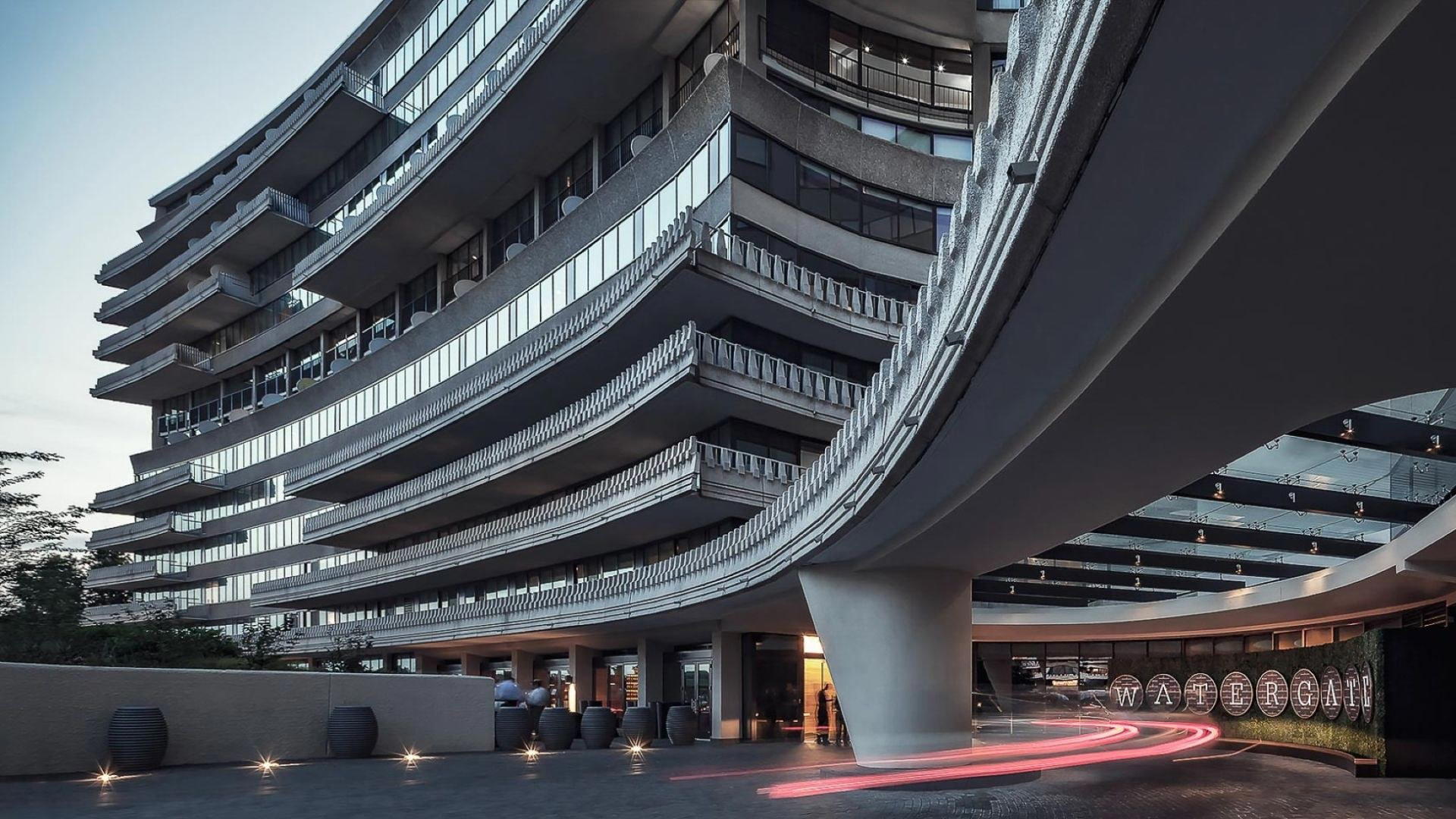
At a Glance
- Modern
- Elegant
- Sophisticated
- Date Night
- Business Dinner
- Special Occasion
- Hotel Restaurant
- Private Dining
- Craft Cocktails
- Waterfront
Current opening hours
- Monday
- 7–10 AM, 11:30 AM–2 PM, 5–9 PM
- Tuesday
- 7–10 AM, 11:30 AM–2 PM, 5–9 PM
- Wednesday
- 7–10 AM, 11:30 AM–2 PM, 5–9 PM
- Thursday
- 7–10 AM, 11:30 AM–2 PM, 5–9 PM
- Friday
- 7–10 AM, 11:30 AM–2 PM, 5–10 PM
- Saturday
- 7:30–10:30 AM, 11 AM–2 PM, 5–10 PM
- Sunday
- 7:30–10:30 AM, 11 AM–2 PM, 5–9 PM
Hours can change for holidays and private events. Last verified .
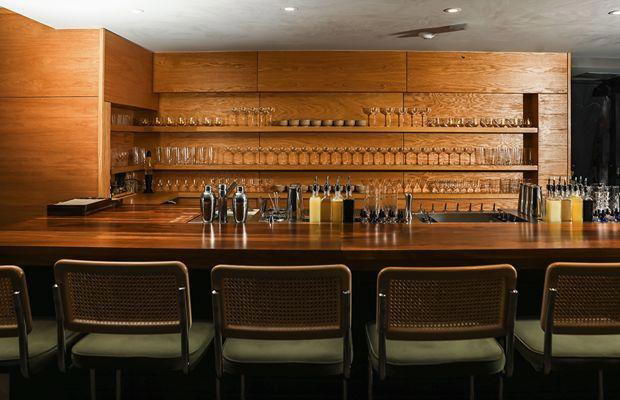
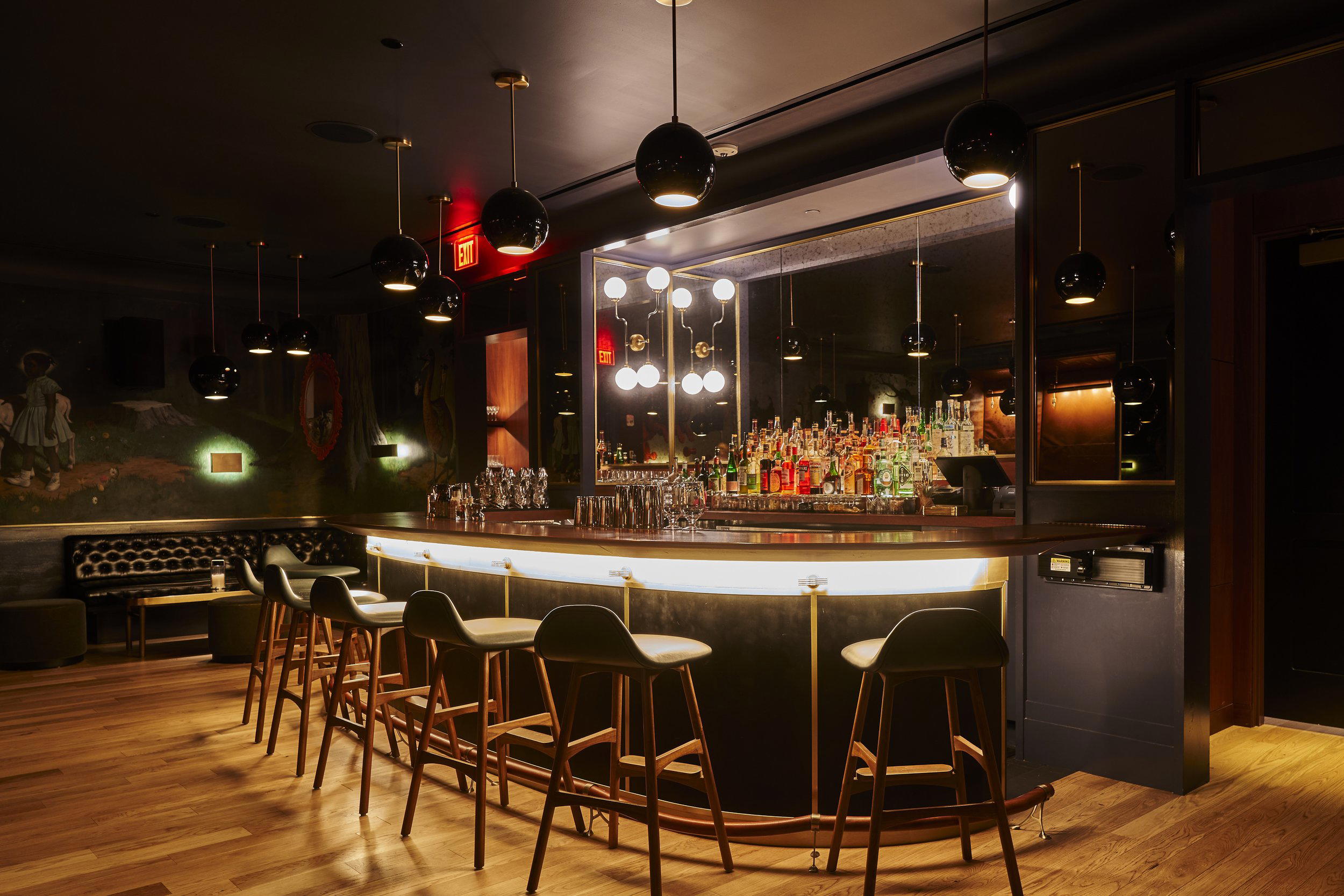
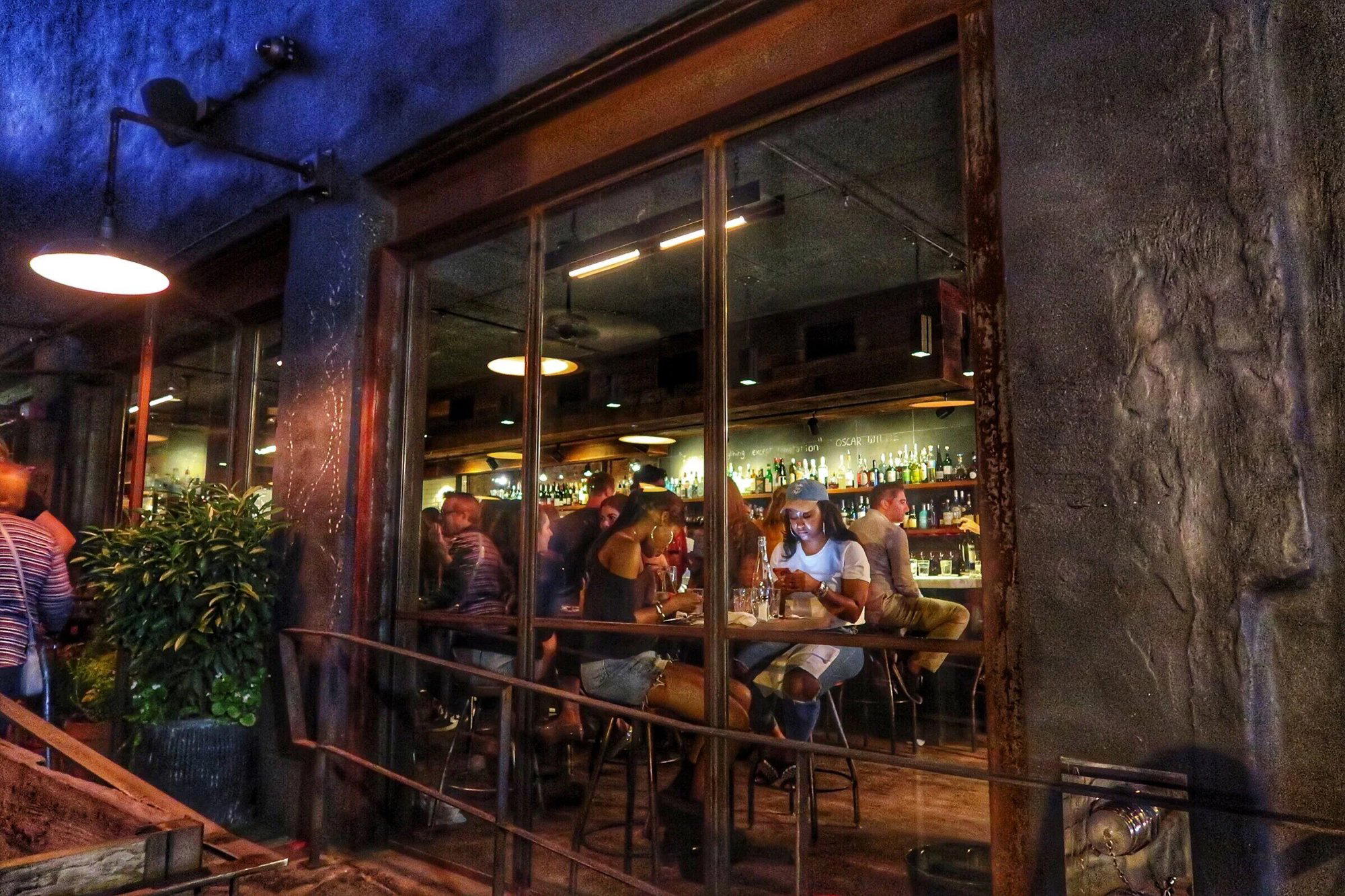
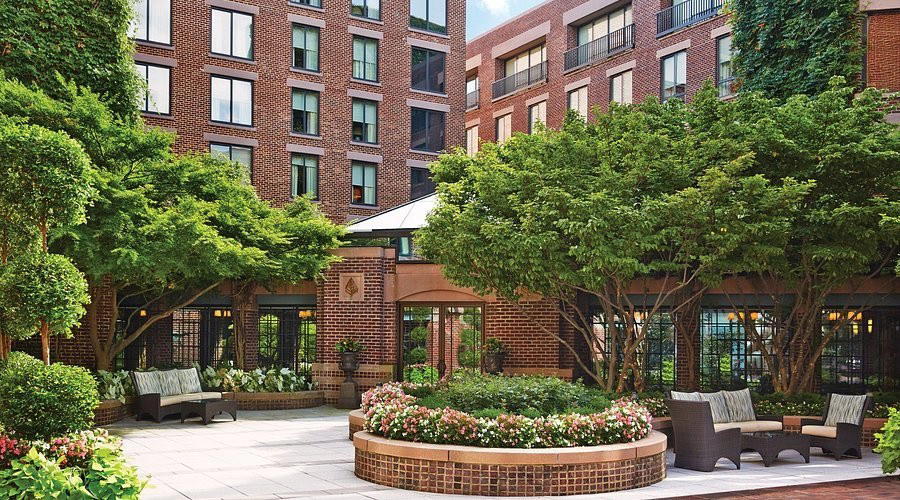
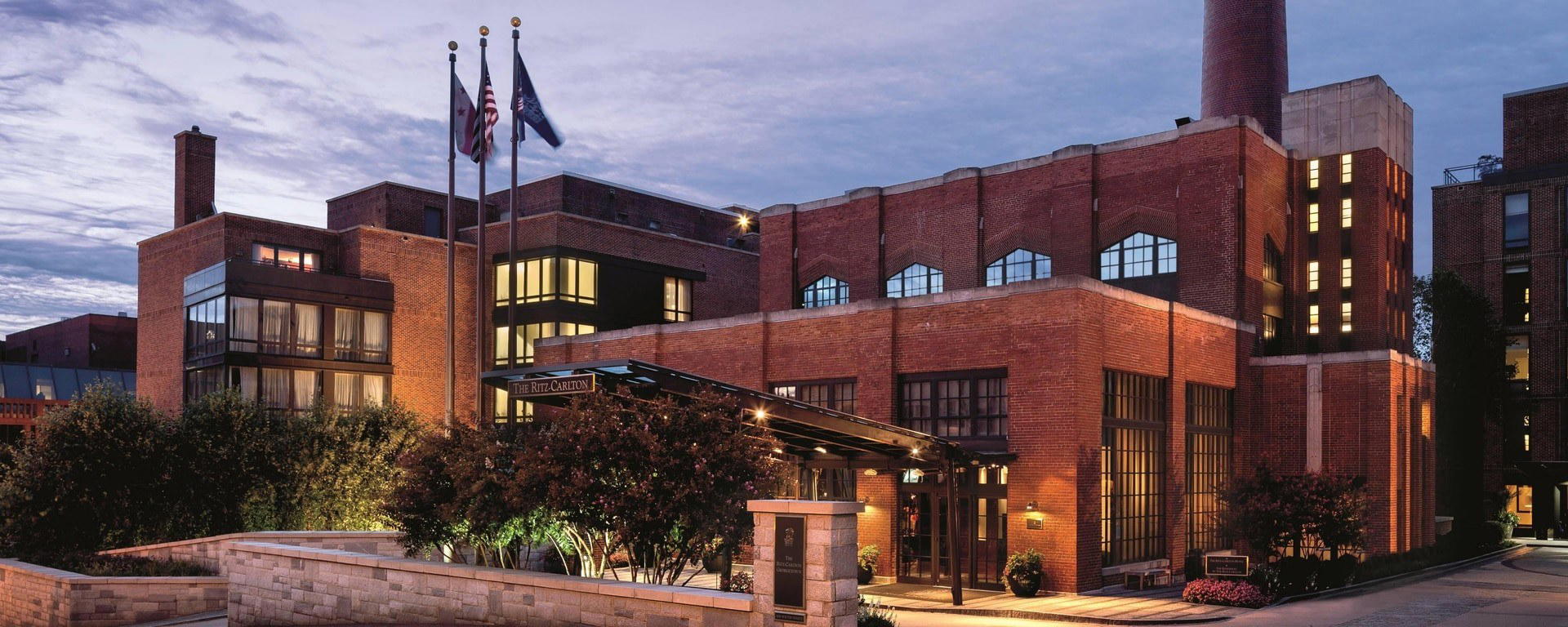
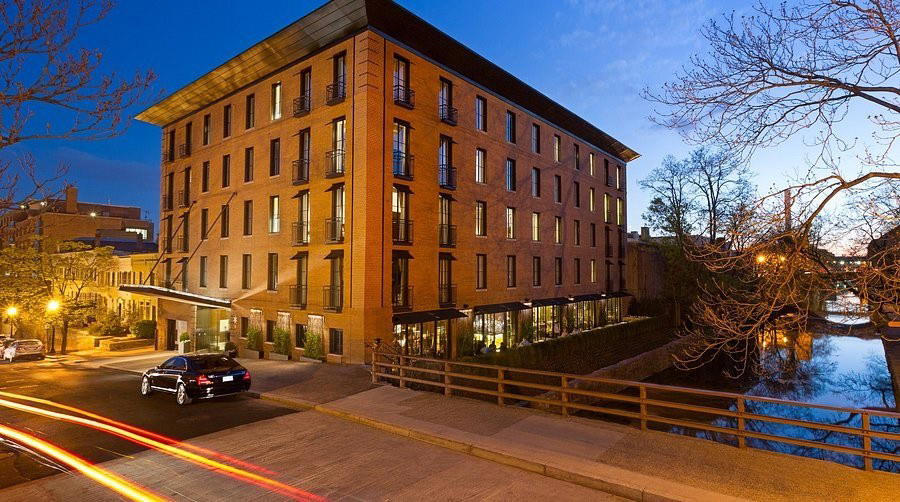
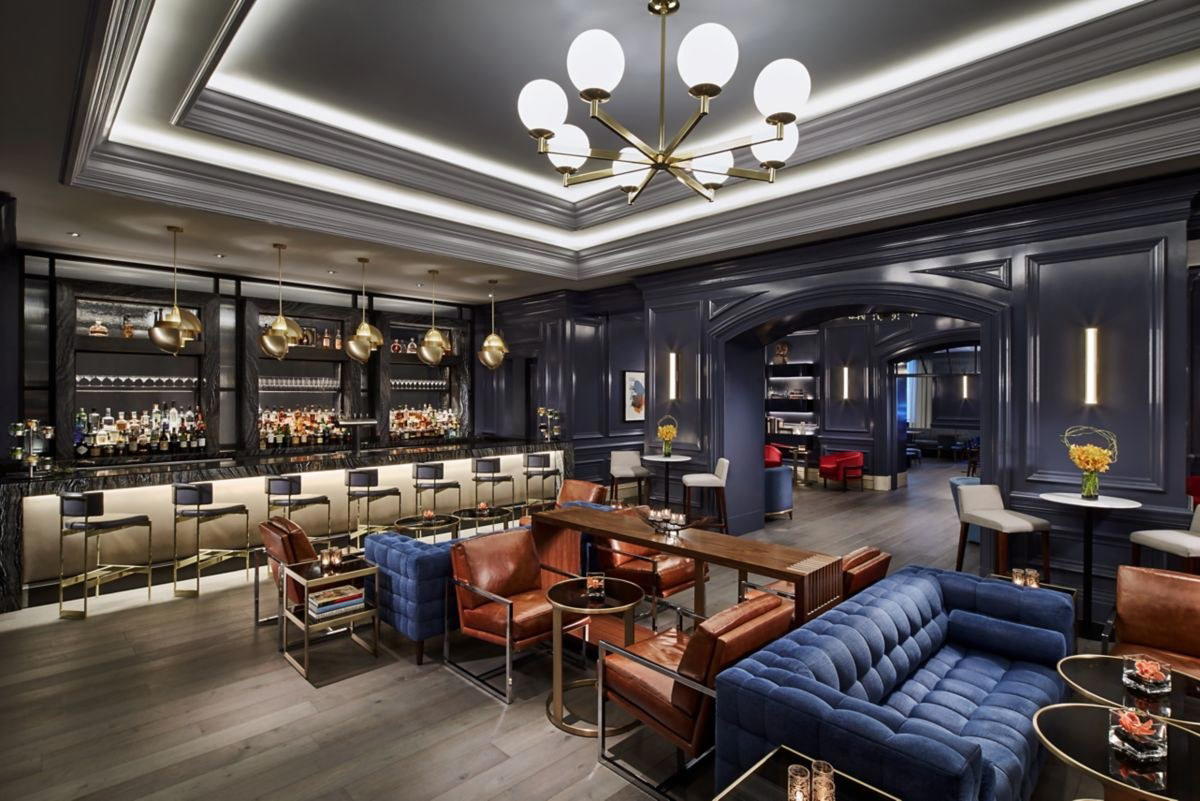
Warm and inviting space with stylish mid-century modern interiors complementing the historic architecture, lively yet elegant atmosphere.