Altatto sits within Milan’s more intimate side of contemporary dining, a city where design discipline and regional food memory often matter more than spectacle. With no public-facing awards, price band, chef listing, or booking details supplied here, the useful read is cultural: treat it as part of Milan’s quieter restaurant conversation rather than a trophy-table chase.
 Request Booking on Pearl
Pearl is the En Primeur Club membership app — saves, bookings, and concierge access live there. Same editors, same standards.
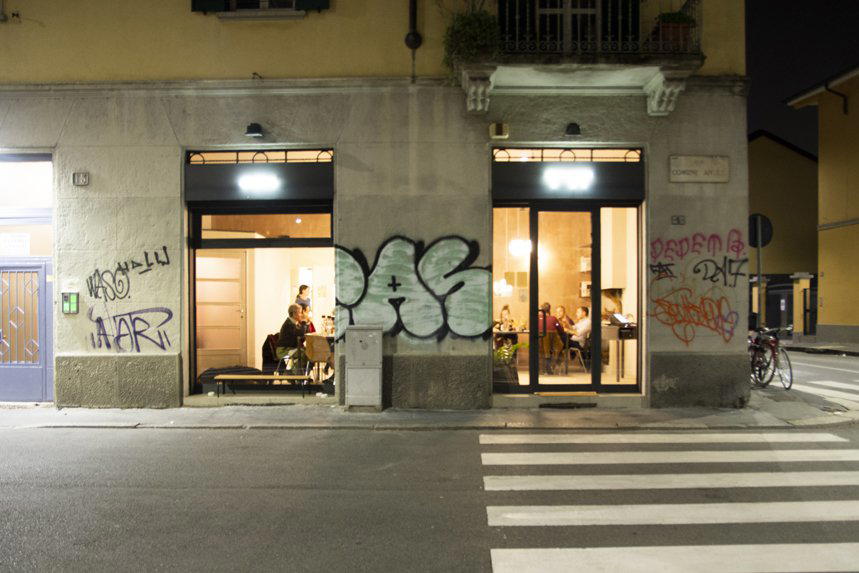
Approaching a small Milan restaurant, the first signal is rarely volume. The city prefers controlled entrances, edited rooms, and a kind of dining confidence that does not need to shout from the pavement. Altatto belongs in that register: a Milan address to read through restraint, format, and the city’s long habit of making taste look composed rather than theatrical.
Milan's quiet dining code: design, restraint, and regional memory
Milan is often misread as a fashion city that happens to eat well. The more useful frame is the reverse: it is a food city shaped by fashion’s discipline. Dining rooms tend to value proportion, lighting, pacing, and a certain refusal of excess. That matters because the local restaurant culture is not built only around classic trattorie or luxury tasting rooms. A middle register has become increasingly important, where contemporary cooking can borrow from regional Italian habits without turning dinner into a museum lesson.
That cultural position is where Altatto becomes interesting. With no listed awards, star rating, chef biography, price range, or seat count attached to the public profile here, the restaurant should not be assessed as a credential machine. The stronger lens is Milanese: how a room participates in a city where dinner often doubles as a study in editing. In this category, the absence of spectacle can be the point, provided the cooking has enough structure to justify the restraint.
For readers mapping the city rather than chasing a single booking, start with Our full Milan restaurants guide, then widen the trip through Our full Milan hotels guide, Our full Milan bars guide, Our full Milan wineries guide, and Our full Milan experiences guide. Milan rewards itinerary planning because the city’s strongest evenings are often assembled across aperitivo, dinner, and a late drink rather than contained in one address.
How to read the table without over-reading the profile
Restaurant culture in northern Italy has always carried a practical streak. The plate is expected to make sense: season, texture, temperature, portion, and sequence all matter. Milan’s contemporary rooms often translate that into menus that feel edited rather than expansive. When public details are sparse, the sensible approach is not to invent a signature dish, a chef’s doctrine, or a price expectation. It is to judge the place by the city’s own standards: clarity of format, confidence in pacing, and whether the cooking has a point of view beyond presentation.
That distinction separates useful criticism from venue mythology. A restaurant without a visible award trail can still be relevant if it reflects a local shift. In Milan, that shift has been toward smaller, more intentional dining rooms that sit between casual neighbourhood cooking and formal fine dining. They appeal to travellers who want contemporary Italy without the ceremony of a grand hotel restaurant or the nostalgia of a red-sauce cliché. The question is not whether the room is famous; the question is whether it helps explain how Milan eats now.
For nearby editorial context within Milan’s restaurant scene, EP Club also covers 10 Corso Como Café, 10_11, 28 Posti (Modern Cuisine), 55 Milan, and [bu:r] (Modern Italian, Creative). Those listings are useful not as direct comparisons to Altatto, but as coordinates for understanding the city’s range: design-led cafés, hotel dining, contemporary kitchens, and creative Italian formats all operate within a compact urban dining map.
Who should place it on a Milan itinerary
This is the kind of address that suits a traveller more interested in Milan’s present tense than in a checklist of famous rooms. The strongest case is cultural rather than trophy-based: it points toward the quieter, more edited side of the city’s restaurant identity. That makes it a better fit for diners who value atmosphere, contemporary Italian context, and a measured evening over a heavily documented prestige meal.
Planning should stay flexible until practical details are confirmed through the restaurant’s own current channels. Hours, booking method, dress code, price range, and dietary handling are not listed here, and Milan’s smaller dining rooms can shift service patterns around private events, holidays, and seasonal closures. The safer move is to confirm the meal before building the rest of the evening around it, especially during Salone del Mobile, fashion weeks, and major autumn fair periods, when the city’s restaurant demand tightens across categories.
For travellers extending the same editorial research beyond Milan, EP Club’s Italy coverage includes 'E Curti Ristorante Tipico di Angela Ceriello & Co SAS in Sant Anastasia, 'l Trippaio di San Frediano in Florence, ‘O Fiore Mio in Faenza, ‘O Scugnizzo in Arezzo, [àbitat] in San Fermo della Battaglia, and /gu.stà.re/ oltrecucina in Rome. Outside Italy, the wider restaurant archive also reaches specialist Japanese formats such as Jōdo Saké Bar in Los Angeles and Onigiri Time in Pasadena, useful for readers comparing how focused formats travel across cities.
Reputation & Price
Comparable venues nearby, for context on price, style, and recognition.
| Venue | Cuisine | Price | Awards | Notes |
|---|---|---|---|---|
| AltattoThis venue — the venue you are viewing | Barona, Modern Vegetarian Fine Dining | $$$ | , | |
| MARTINI | $$$ | , | Duomo, Modern Sicilian with Mediterranean influences | |
| Via Pastrengo | Isola, Modern Italian Trattoria | $$$ | , | |
| Ronin, milano | $$$ | , | Paolo Sarpi / Chinatown, Multi-level Modern Japanese (Izakaya, Robata & Omakase) | |
| FIVE | $$$ | , | Porta Venezia, Contemporary Italian Mediterranean | |
| Røst | $$$ | , | Buenos Aires - Porta Venezia - Porta Monforte, Modern Italian Bistro with Nordic Influences |
Continue exploring
More in Milan
Restaurants in Milan
Browse all →
Bars in Milan
Browse all →
Hotels in Milan
Browse all →
At a Glance
- Sophisticated
- Modern
- Quiet
- Intimate
- Elegant
- Hidden Gem
- Date Night
- Special Occasion
- Business Dinner
- Group Dining
- Standalone
- Street Scene
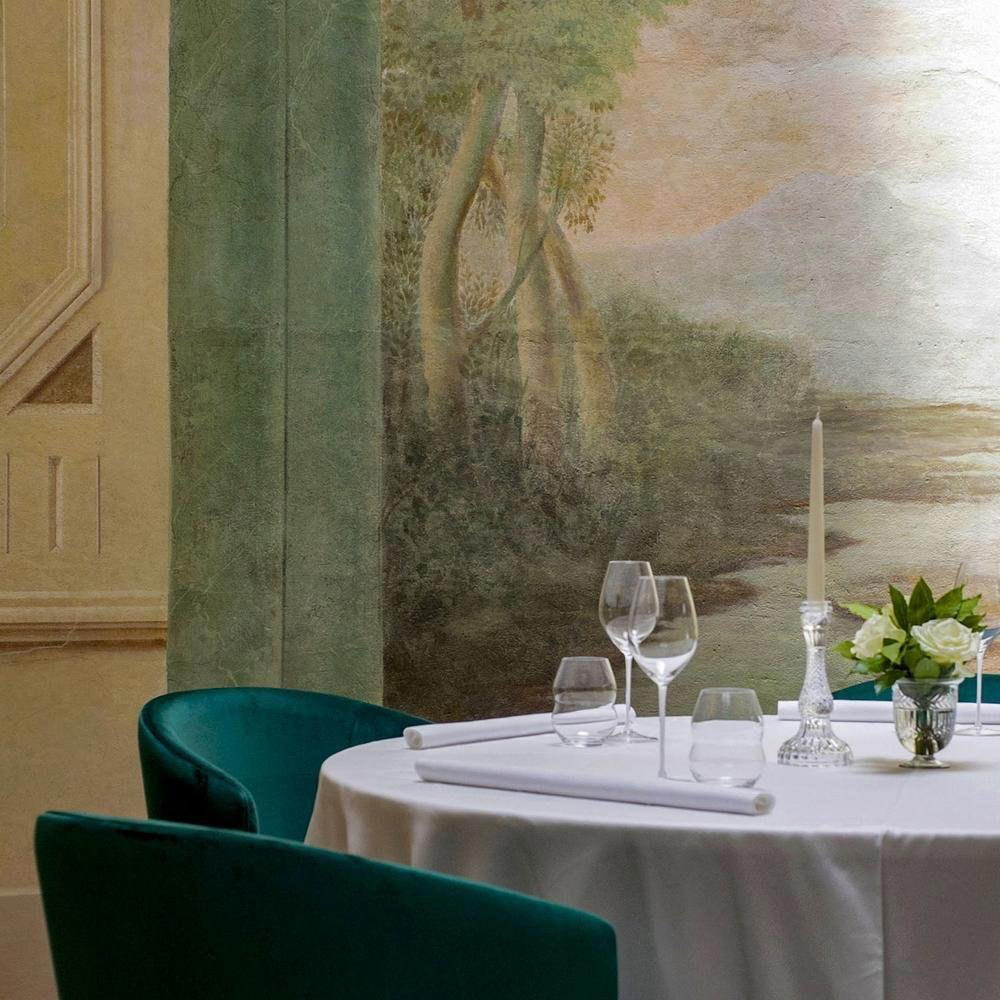
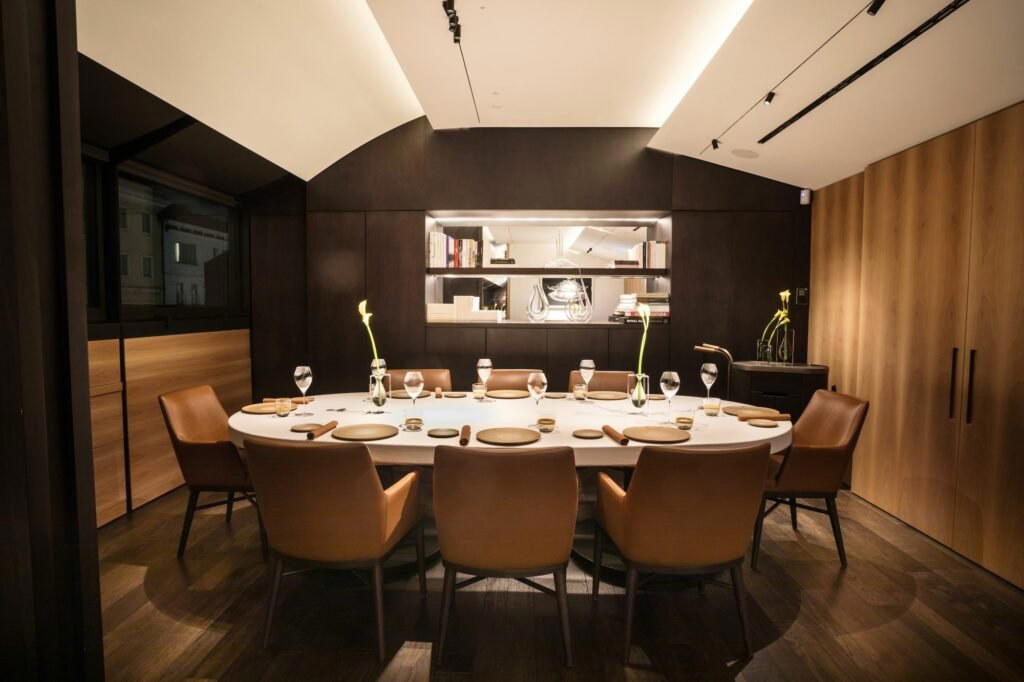
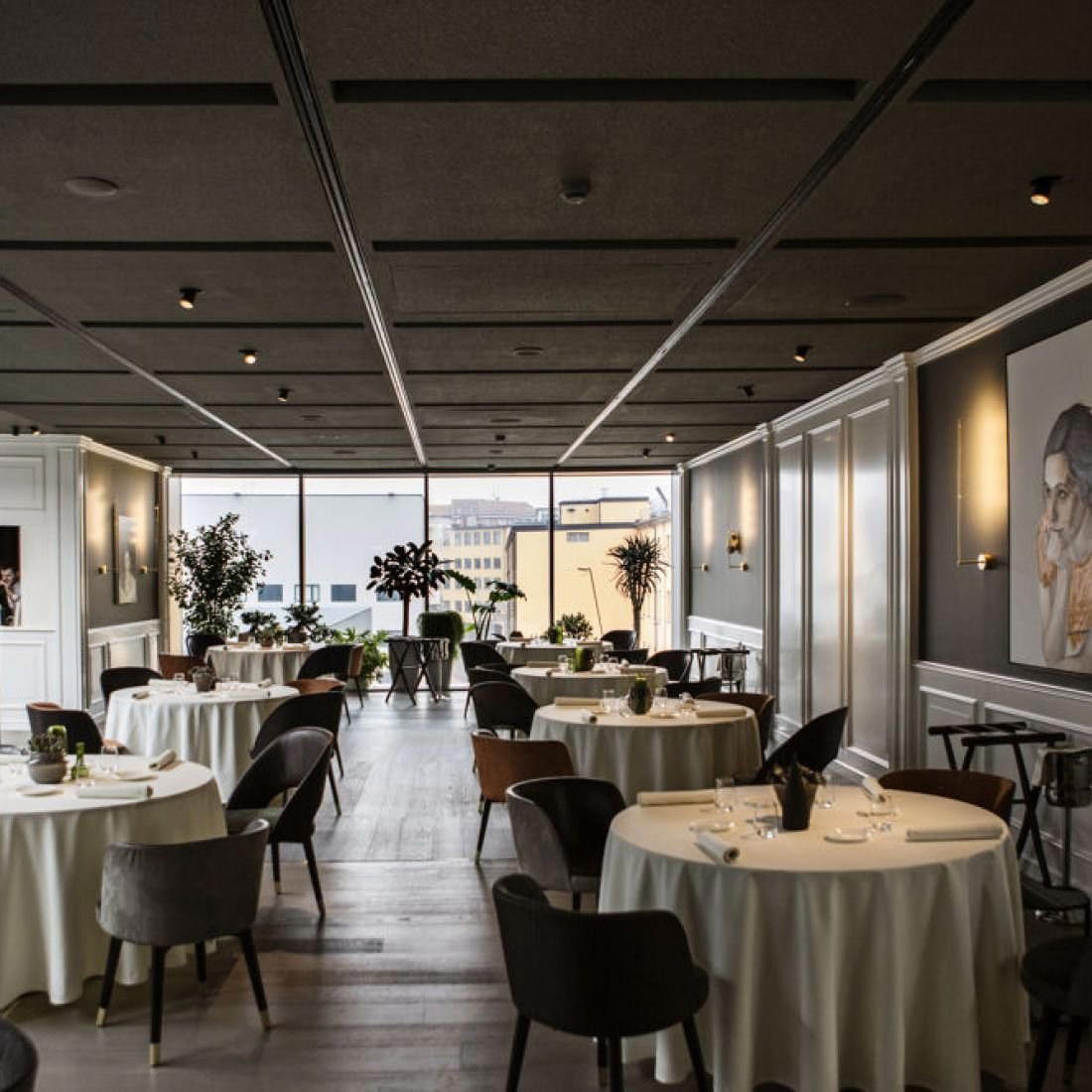
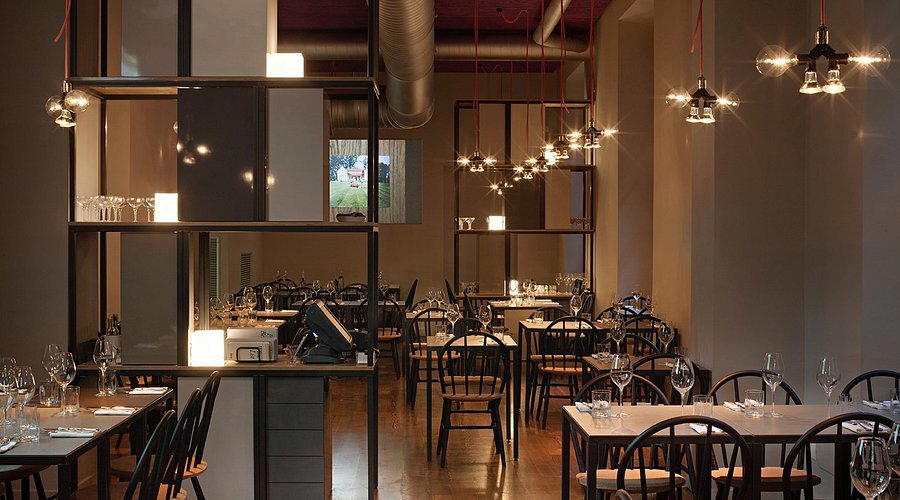
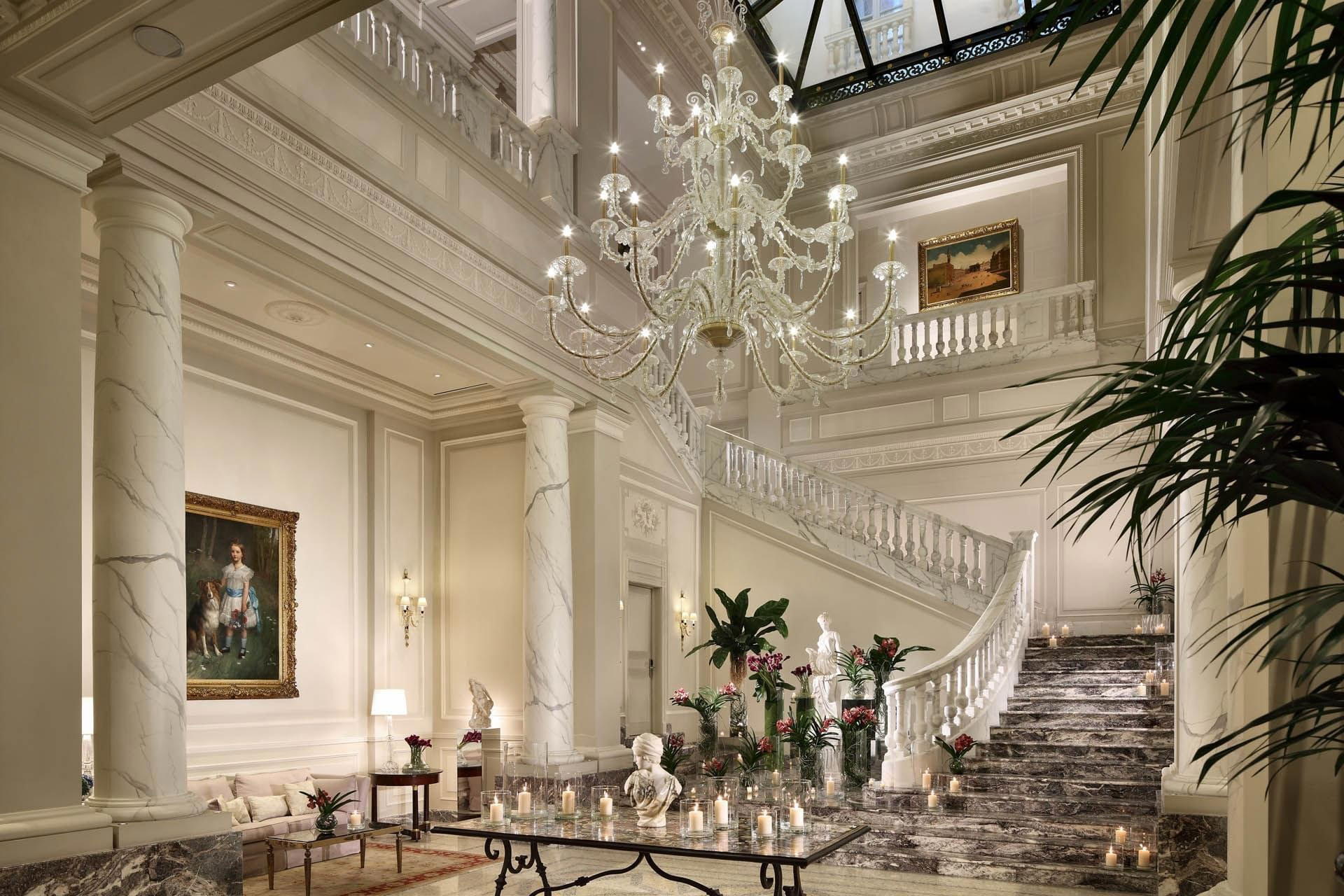
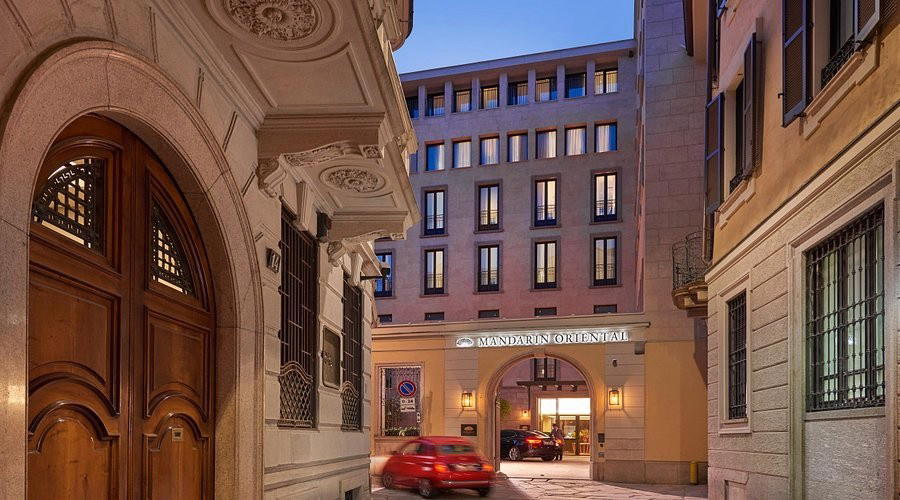
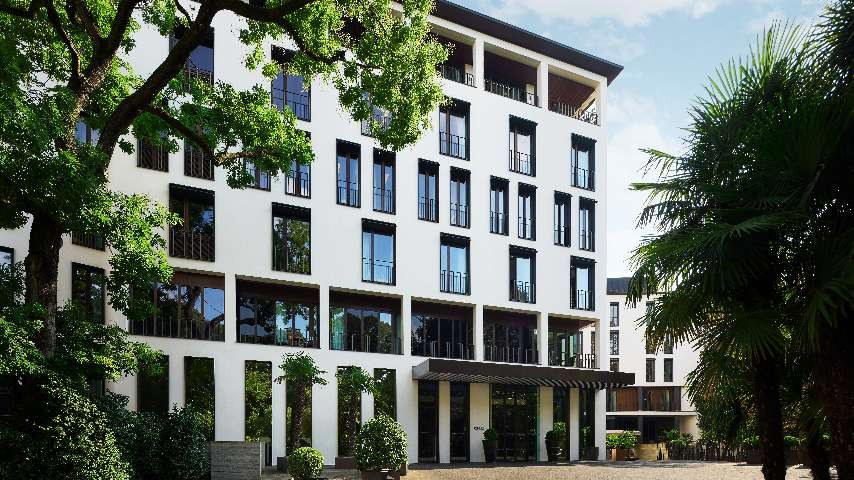
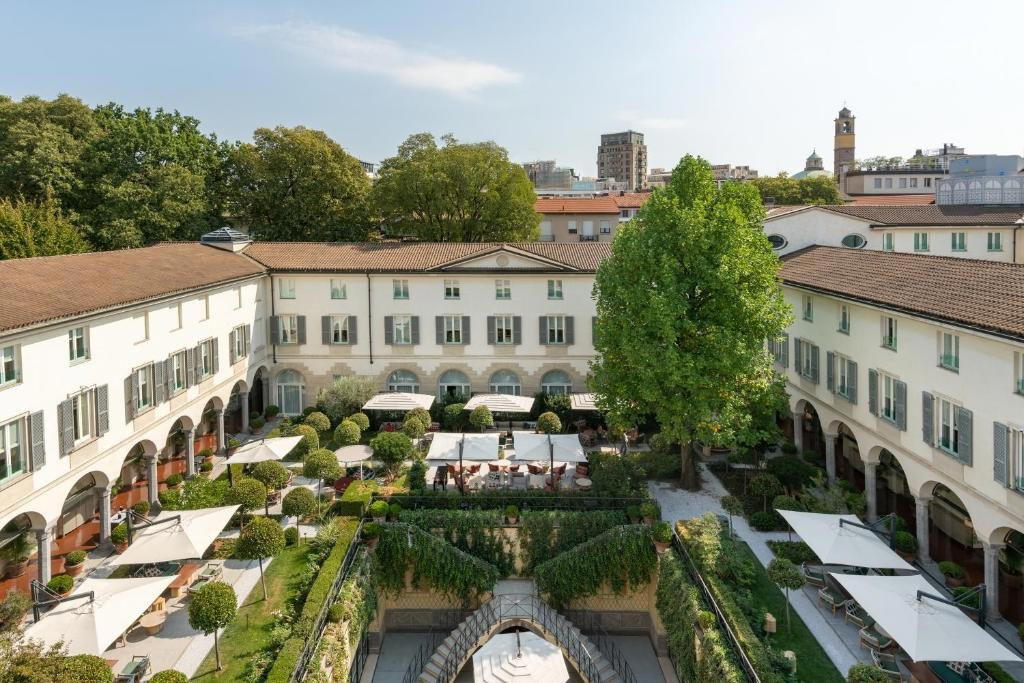
A minimalist, refined, and intimate dining room with a calm, understated atmosphere.