Ronin, milano sits in Milan's central dining quarter, near Corso Como and the fashion district. The kitchen works with seasonal Italian produce and draws from Japanese technique, though specific menu details and awards are not publicly confirmed. Reservations and walk-in policy vary; check availability directly.
Pearl is the En Primeur Club membership app — saves, bookings, and concierge access live there. Same editors, same standards.
- Address
- Milan, Italy
- Directions
- Get directions
 Saves & bookings on Pearl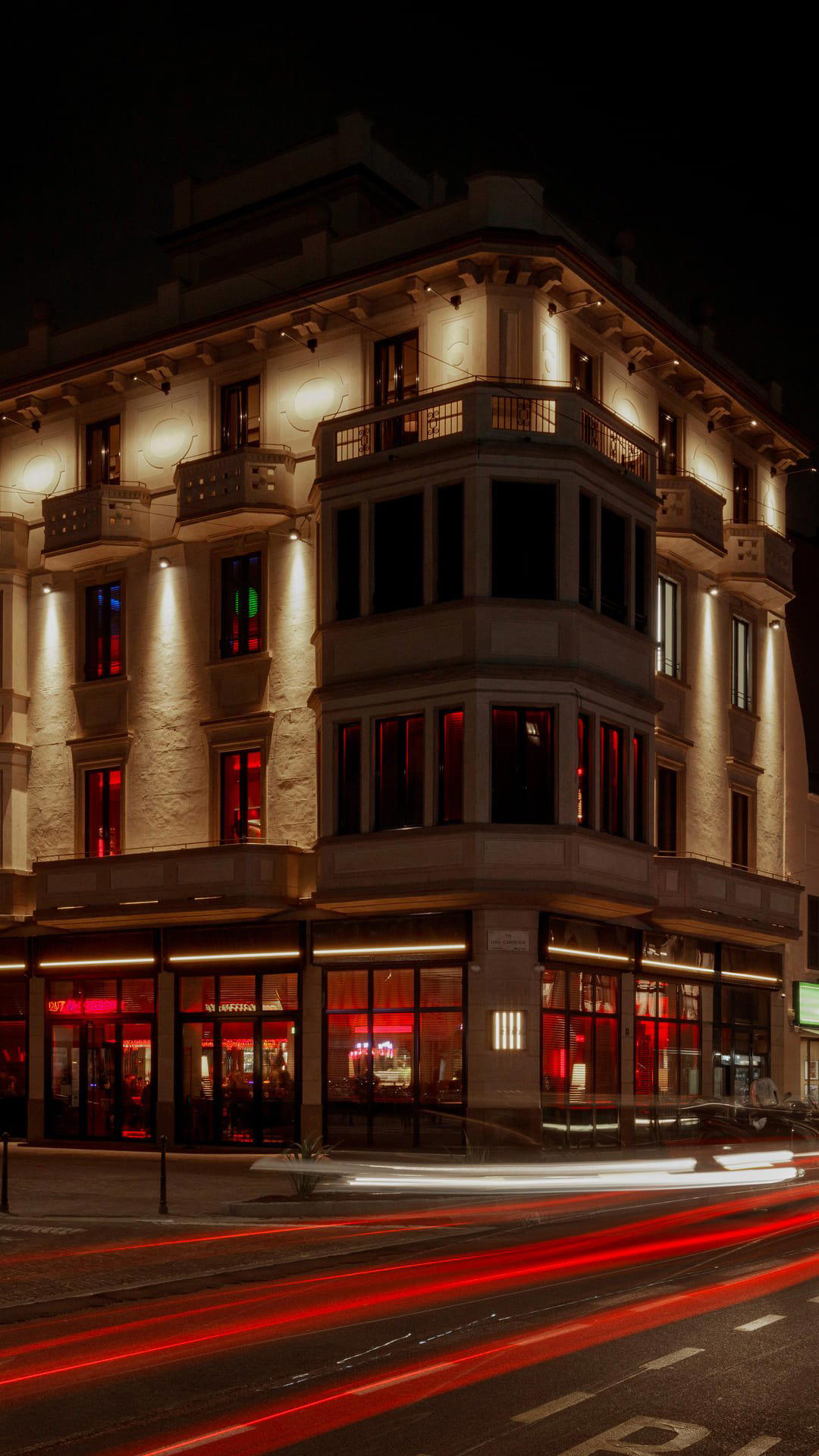
The address sits a few blocks south of the Corso Como corridor, where Milan's dining scene splits between heritage aperitivo bars and ingredient-focused kitchens. Ronin, milano operates in the latter category, working with Italian vegetables, grains, and proteins through a lens shaped by Japanese cooking methods. The format lean toward omakase or set-menu service, though the precise structure and seat count are not publicly listed. Milan has seen a wave of Japanese-inflected Italian restaurants in the past five years, 28 Posti (Modern Cuisine) and 10_11 both work in adjacent territory, and Ronin, milano slots into that niche with a focus on provenance and restraint.
Sourcing and Seasonal Discipline
The kitchen's ingredient roster shifts with the calendar. Spring brings asparagus from Veneto farms, fava beans, and early peas; summer sees tomatoes, zucchini blossoms, and stone fruit; autumn centers on porcini, chestnuts, and root vegetables; winter runs on cavolo nero, citrus, and aged beef. Japanese technique, dashi clarification, kombu curing, low-temperature rice cookery, frames Italian produce rather than replacing it. The approach mirrors what you find at [bu:r] (Modern Italian, Creative) and 55 Milan, where chefs trained in kaiseki or sushi apply those disciplines to Lombardy's ingredient calendar. Ronin, milano does not publish its supplier network, but the menu's regional specificity, Piedmont hazelnuts, Ligurian anchovies, Garda lake fish, suggests direct farm and fishery relationships rather than wholesale aggregators.
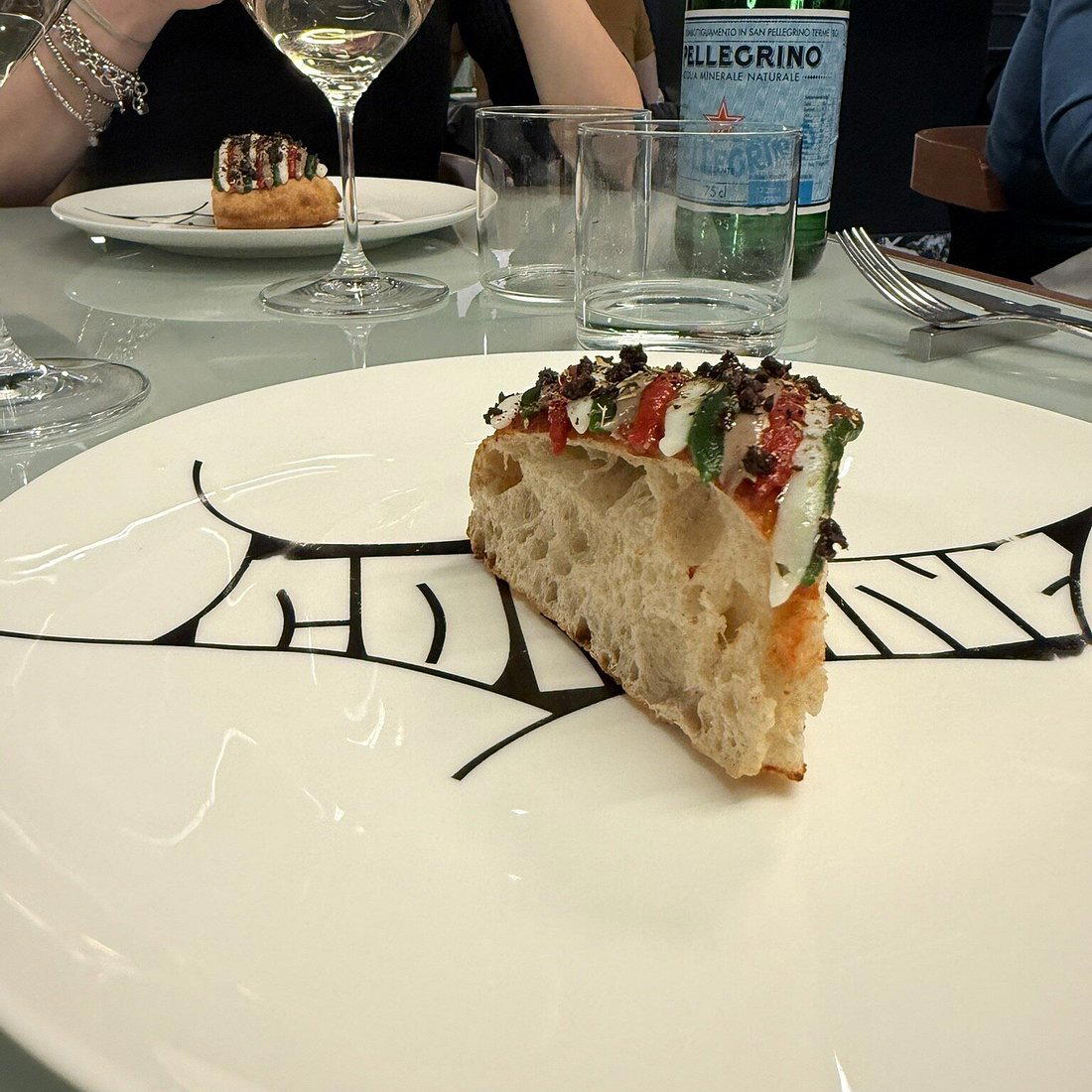
Japanese rice technique plays a central role. Short-grain rice from the Po Valley, cooked to donburi or onigiri texture, anchors several courses. Fermentation appears in miso pastes made from local legumes and in vegetable pickles that follow tsukemono method but use Italian eggplant, fennel, and radicchio. The kitchen does not aim for fusion; it applies a foreign craft vocabulary to domestic ingredients, much like how kaiseki evolved regionally across Japan. The result reads more as a dialect of Italian cooking than as a hybrid category.
The Room and Service Rhythm
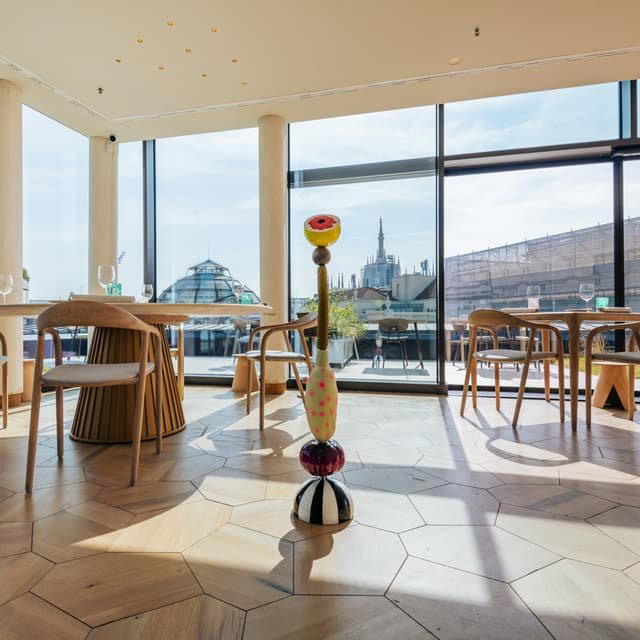
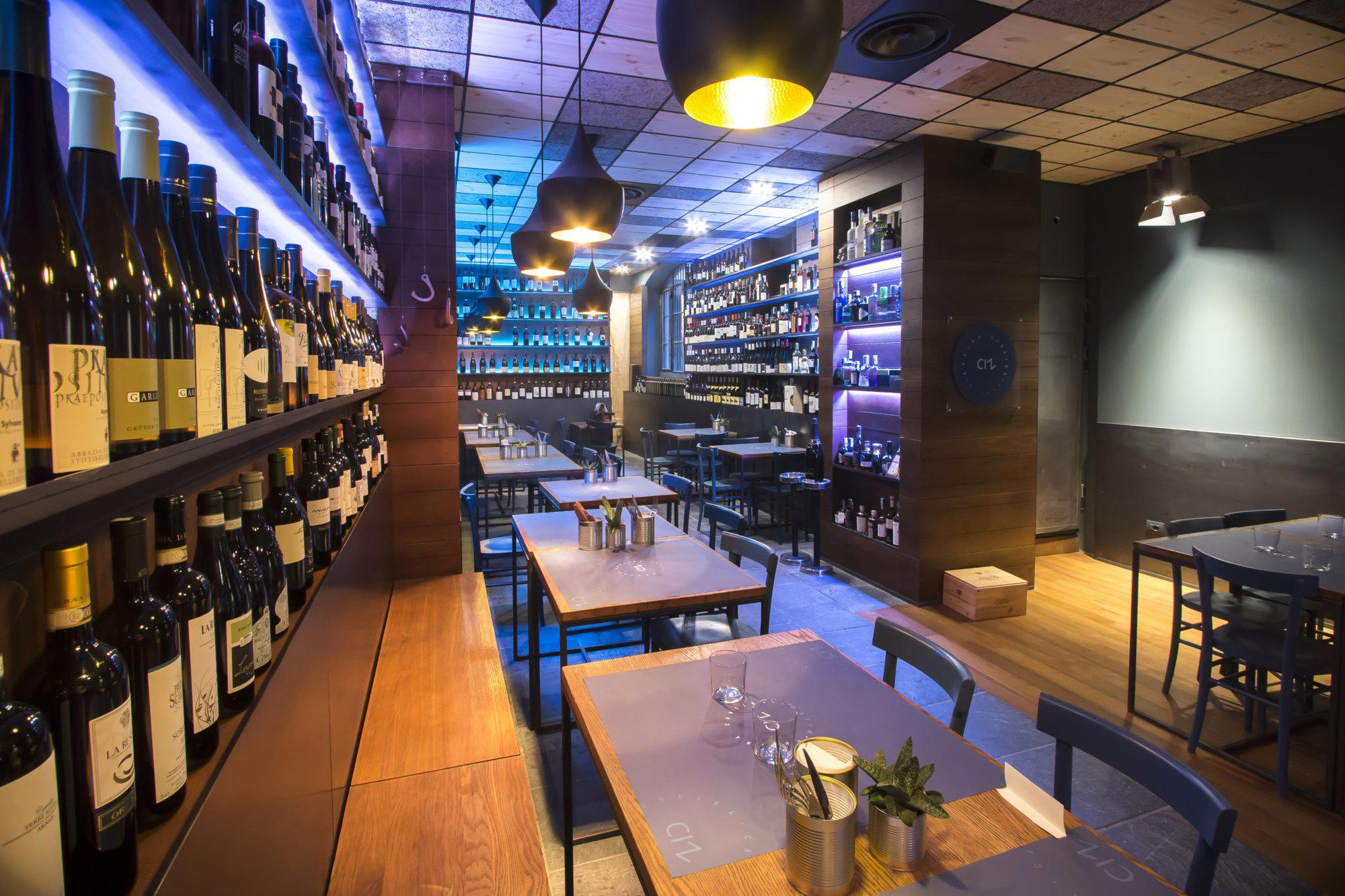
The dining room is compact, with natural wood surfaces, low lighting, and minimal wall decoration. Seating mix counter and table formats, though the exact configuration is unconfirmed. Service follows a paced menu structure, with courses arriving at intervals set by the kitchen. The counter, if present, offers sightlines to prep and plating; table service tends to be quieter and more insulated. Staff explain each dish's provenance, farm names, harvest dates, preparation methods, in a style borrowed from omakase service but applied to Italian ingredients. The wine list leans toward natural and low-intervention producers from Piedmont, Friuli, and Alto Adige, with a smaller selection of sake and craft beer. Pairing options are available but not mandatory.
The neighborhood is dense with design studios, showrooms, and post-work dining traffic. Foot traffic peaks between 20:00 and 22:00 on weeknights; weekends see a mix of locals and visitors exploring the Corso Como area. The venue sits within walking distance of Garibaldi station and a ten-minute tram ride from Duomo. 10 Corso Como Café is two blocks north; Milan's cocktail bars cluster south and west. Parking is limited; public transport or taxi is more practical.
Planning the Visit
Booking mechanics are not confirmed; some omakase-format venues in Milan accept only direct contact, while others list inventory on TheFork or Resy. If the counter is small, eight to twelve seats, advance booking is likely required, especially for Friday and Saturday evenings. Walk-in availability, if offered, tends to open late in the week for midweek slots. Dinner service typically begins at 19:30 or 20:00; lunch service, if available, runs earlier. Check the website or call ahead to confirm. The dress code is smart-casual; jackets are optional, but clean sneakers and tailored separates are standard. Children are not prohibited, but the pacing and format favor adult diners who can commit to a two- to three-hour meal.
For context on Milan's broader dining landscape, see our full Milan restaurants guide. Nearby hotels include those covered in our full Milan hotels guide, and aperitivo options are catalogued in our full Milan bars guide. If exploring wine, our full Milan wineries guide covers producers within day-trip range, and our full Milan experiences guide lists food-focused tours and tastings.
The Verdict
Ronin, milano offers a disciplined take on Japanese technique applied to Italian ingredients, with a seasonal sourcing model that shifts every few months. The kitchen's strength lies in its restraint and ingredient clarity rather than in spectacle or novelty. It fits the profile of a neighborhood-focused, produce-first operation that appeals to diners who prioritize craft and provenance over scale or brand recognition. The venue lacks public awards data and media visibility, so its reputation depends on word-of-mouth and repeat visits. If you're drawn to the Japanese-Italian overlap and want a quieter, less-publicized alternative to Milan's starred kitchens, it merits a booking. If you need confirmed accolades or a high-profile name, look elsewhere in the city's top tier.
How It Stacks Up
Comparable venues by cuisine and price in the same metro.
| Venue | Cuisine | Price |
|---|---|---|
| Ronin, milanoThis venue — the venue you are viewing | Not listed | Not listed |
| Verso Capitaneo | Creative | €€€€ |
Continue exploring
More in Milan
Restaurants in Milan
Browse all →
Bars in Milan
Browse all →
Hotels in Milan
Browse all →



At a Glance
- Trendy
- Energetic
- Modern
- Sophisticated
- Romantic
- Date Night
- Group Dining
- Celebration
- After Work
- Late Night
- Private Event
- Open Kitchen
- Private Dining
- Design Destination
- Historic Building
- Standalone
- Craft Cocktails
- Sake Program
- Street Scene
Immersive and theatrical, with dim lighting, neon blue and red accents, contemporary art, and a progression from busy izakaya and listening bar to refined robata and omakase rooms and, higher up, moody cocktail lounges and a members-style club.
Know Before You Go
- Reservations
- Recommended
- Dress code
- Smart casual