

Michelin Plate
Our verdict
28 Posti brings an ethical sourcing framework to the Navigli neighbourhood, drawing on the gastronomic traditions of Abruzzo and central Italy through chefs Franco Salvatore and Andrea Zazzara. The kitchen runs a seasonal, low-waste programme built around small Italian producers, earning a Michelin Plate in both 2024 and 2025 and an Opinionated About Dining ranking among Europe's top restaurants.

Pearl is the En Primeur Club membership app, where members save venues, book tables and use the concierge.
The menu
What to order
- Spaghettini with fermented pasta water and chickpea miso
Where the Navigli's Casual Energy Meets a Serious Kitchen
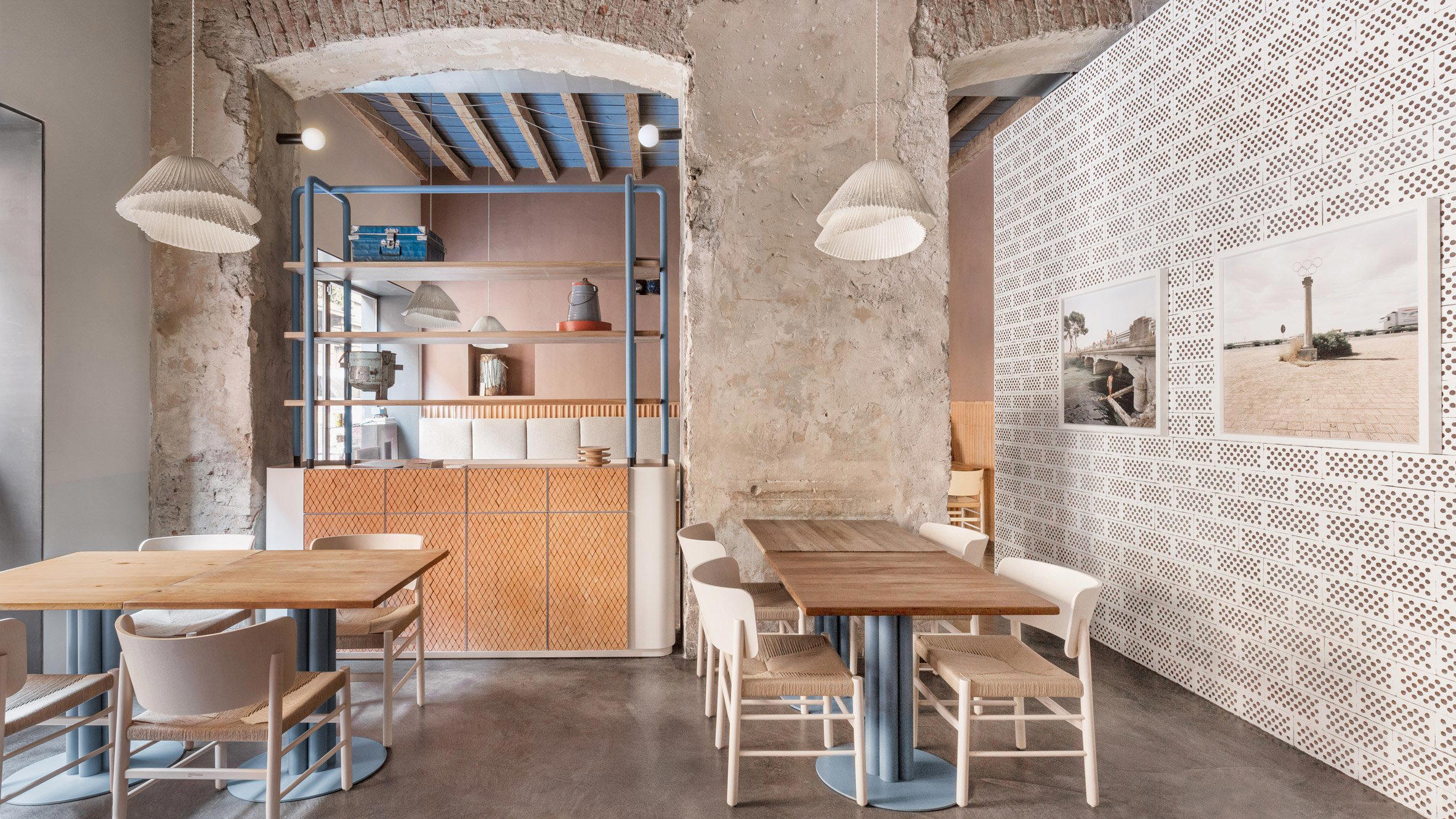
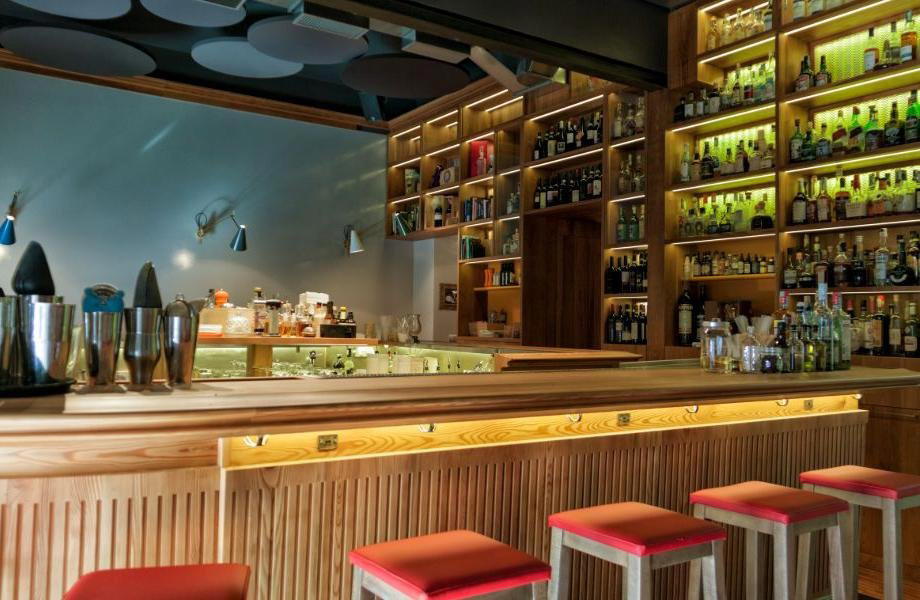
Via Corsico sits a short walk from the canal-side foot traffic of the Navigli district, where Milan's more relaxed dining register sits in deliberate contrast to the €€€€ tasting-counter formality found closer to the Duomo. The street-level approach here carries none of the theatrical grandeur of, say, Cracco in Galleria, where the room and the price point do much of the announcing. At 28 Posti, the architectural language is quieter: a small, considered interior designed, in a detail that has drawn consistent attention, by a team that repurposed scaffolding planks into the furniture. The material choices are not incidental. They signal something about the kitchen's broader orientation before a single plate arrives.
The Sourcing Argument, Made in Abruzzo
Italian fine dining has long wrestled with a foundational tension: the country's most celebrated restaurants, from Osteria Francescana in Modena to Enoteca Pinchiorri in Florence to Piazza Duomo in Alba, have been built on the premise that regional identity and creative ambition are complementary rather than competing forces. 28 Posti works from the same premise, but at a different price tier and with a different institutional structure. The kitchen's ethical sourcing programme is the operational core: ingredients come from small producers, the menu turns with the seasons, and the approach to food waste is treated as a culinary constraint rather than an afterthought. That discipline has been in place for several years, predating both the current chef team and the wider industry conversation about sustainability that now makes this kind of positioning less unusual than it once was.
Chefs Franco Salvatore and Andrea Zazzara, both from Abruzzo, brought their regional background into an existing framework. Central Italian cooking, particularly from Abruzzo, carries a pantry that is simultaneously generous and austere: cured meats, sheep's milk cheeses, pulses and cereals grown in high-altitude terrain, and coastal fish from the Adriatic. The gastronomic traditions of that region do not translate neatly into luxury-restaurant idioms, which makes them well-suited to a kitchen working with producer-sourced seasonal ingredients rather than prestige luxury goods. At the €€€ price point, 28 Posti operates in a bracket where the sourcing philosophy needs to be legible on the plate, not just stated in the marketing copy.
For reference, the Milan restaurants with Michelin star recognition and two or more awards, Acanto, Ceresio 7, Don Carlos, generally operate in the €€€€ band with a different set of expectations around room scale, service formality, and menu architecture. 28 Posti sits one tier below that pricing bracket while holding Michelin Plate recognition in both 2024 and 2025, a distinction that marks considered kitchen craft without the full star apparatus. Its 2025 ranking at position 630 in the Opinionated About Dining Leading Restaurants in Europe gives a European peer-set coordinate: a kitchen taken seriously by the scoring community, but outside the top-tier prestige cluster occupied by restaurants like Le Calandre in Rubano or Atelier Moessmer Norbert Niederkofler in Brunico.
Low Waste as Kitchen Discipline
The low-waste commitment at 28 Posti is worth separating from the broader category of sustainability branding, which has become a common feature of restaurant communication without always manifesting in the cooking itself. Here, the philosophy functions as a technical parameter: when the kitchen is obligated to use each ingredient in its entirety, the menu structure is shaped by that constraint. Vegetable trimmings become stocks or ferments. Secondary cuts appear on the menu with as much care as primary ones. The discipline is not dissimilar to what drives the nose-to-tail cooking tradition in the British Isles, or the whole-fish approach practiced at more expansive addresses, though the cultural context here is distinctly central Italian.
This approach also aligns 28 Posti with a broader European movement toward what might be called producer-transparent fine dining, where the sourcing chain is made explicit to the diner. Restaurants like Frantzén in Stockholm or FZN by Björn Frantzén in Dubai operate at a considerably higher price point with similar producer-led ambitions, but the underlying premise, that knowing where an ingredient comes from changes how you cook and serve it, runs through the 28 Posti kitchen at its own scale.
The Navigli Neighbourhood Context
Milan's Navigli area has long been the city's most accessible fine-dining zone, where younger restaurants test formats that the centro storico's established addresses would not risk. The density of eating and drinking options along the canals and the side streets off Via Naviglio Grande creates a competitive environment that keeps menus honest about value. At the €€€ price tier, a kitchen in this neighbourhood is priced against a neighbourhood that expects substance per euro in a way that the hotel-dining and prestige-destination circuits in central Milan do not face to the same degree. Altriménti is one of the other addresses in the broader area working in a comparable register. The full range of what Milan's dining scene offers across price points and neighbourhoods is covered in our full Milan restaurants guide.
Planning Your Visit
28 Posti is located at Via Corsico, 1, in the 20144 postal zone of Milan, placing it within easy reach of the Porta Genova FS station and the main Navigli canal strip. The €€€ price tier puts a meal here at a meaningful but not prohibitive cost relative to the city's full fine-dining range, broadly in line with what a serious neighbourhood restaurant of this standing commands in any major European city. Given the small scale implied by the name and the consistent review attention the kitchen receives, booking in advance is advisable, particularly for weekend service. The menu's seasonal structure means the offer shifts with the calendar, so returning visitors are likely to encounter a different menu architecture than on a previous visit. For visitors building a broader Milan itinerary, the city's hotel, bar, winery and experience options are covered in our full Milan hotels guide, our full Milan bars guide, our full Milan wineries guide, and our full Milan experiences guide.
Frequently Asked Questions
- Can I bring kids to 28 Posti?
- At the €€€ price tier in Milan, 28 Posti is a considered dining choice rather than a casual drop-in, and while nothing in the available information precludes families, the format suits older children who are comfortable at a focused, chef-driven table.
- What is the atmosphere like at 28 Posti?
- The room reflects the kitchen's broader values: an interior built from repurposed materials in Milan's Navigli district, operating at the €€€ tier with Michelin Plate recognition. The tone is deliberately informal relative to the city's prestige dining circuit, with the kind of neighbourhood seriousness that the Navigli area tends to support.
- What's the must-try dish at 28 Posti?
- The kitchen's Abruzzese background and low-waste sourcing philosophy shape every menu cycle, but because the offer is seasonal and rotates with producer availability, no fixed dish can be cited with confidence. The Michelin Plate (2025) and Opinionated About Dining ranking signal that the kitchen is consistent across its Modern Cuisine output under chefs Franco Salvatore and Andrea Zazzara, the seasonal tasting format is the most reliable guide to what the kitchen is doing at any given time.
A Pricing-First Comparison
| Venue | Cuisine | Price | Awards | Notes |
|---|---|---|---|---|
| 28 PostiThis venue (the venue you are viewing) | Modern Ethical Italian | $30–50 | Michelin Plate | Not listed |
| Enrico Bartolini | Modern Italian Fine Dining | $300–500 | 3 Michelin Stars · World's 50 Best #85 | Creative |
| Cracco in Galleria | Modern Italian Fine Dining | $150–200 | 1 Michelin Star · World's 50 Best #33 | Modern Cuisine |
| Andrea Aprea | Modern Italian Fine Dining | $200–300 | 2 Michelin Stars · La Liste Top Restaurants | Modern Italian, Italian Contemporary |
| Seta | Modern Italian Fine Dining | $150–200 | 2 Michelin Stars · La Liste Top Restaurants | Modern Italian |
| Contraste | Modern Italian Fine Dining | $150–200 | 1 Michelin Star · La Liste Top Restaurants | Progressive Italian, Modern Cuisine |
Recognition history
Dated appearances from independent guides and award organizations, with the underlying list record or original source where available.
Michelin Plate
Michelin
Opinionated About Dining Top Restaurants in Europe Recommended
Opinionated About Dining
Full recognition history (5 entries)
Michelin Plate
Michelin
Opinionated About Dining Top Restaurants in Europe Ranked #630
Opinionated About Dining
Michelin Plate
Michelin
Continue exploring
More in Milan
Restaurants in Milan
All restaurants in Milan →
Bars in Milan
All bars in Milan →

Details
- Modern
- Minimalist
- Cozy
- Intimate
- Sophisticated
- Date Night
- Special Occasion
- Open Kitchen
- Natural Wine
- Sommelier Led
- Local Sourcing
- Street Scene
- Tasting Menu
- A La Carte
- Natural Wine
- Vegetarian Friendly
- Vegan Options
- Gluten Free Options
Current opening hours
- Monday
- Closed
- Tuesday
- Closed
- Wednesday
- 7:30–10 PM
- Thursday
- 7:30–10 PM
- Friday
- 7:30–10 PM
- Saturday
- 12:30–3:30 PM, 7:30–10 PM
- Sunday
- 12:30–3:30 PM
Hours can change for holidays and private events. Hours as of .
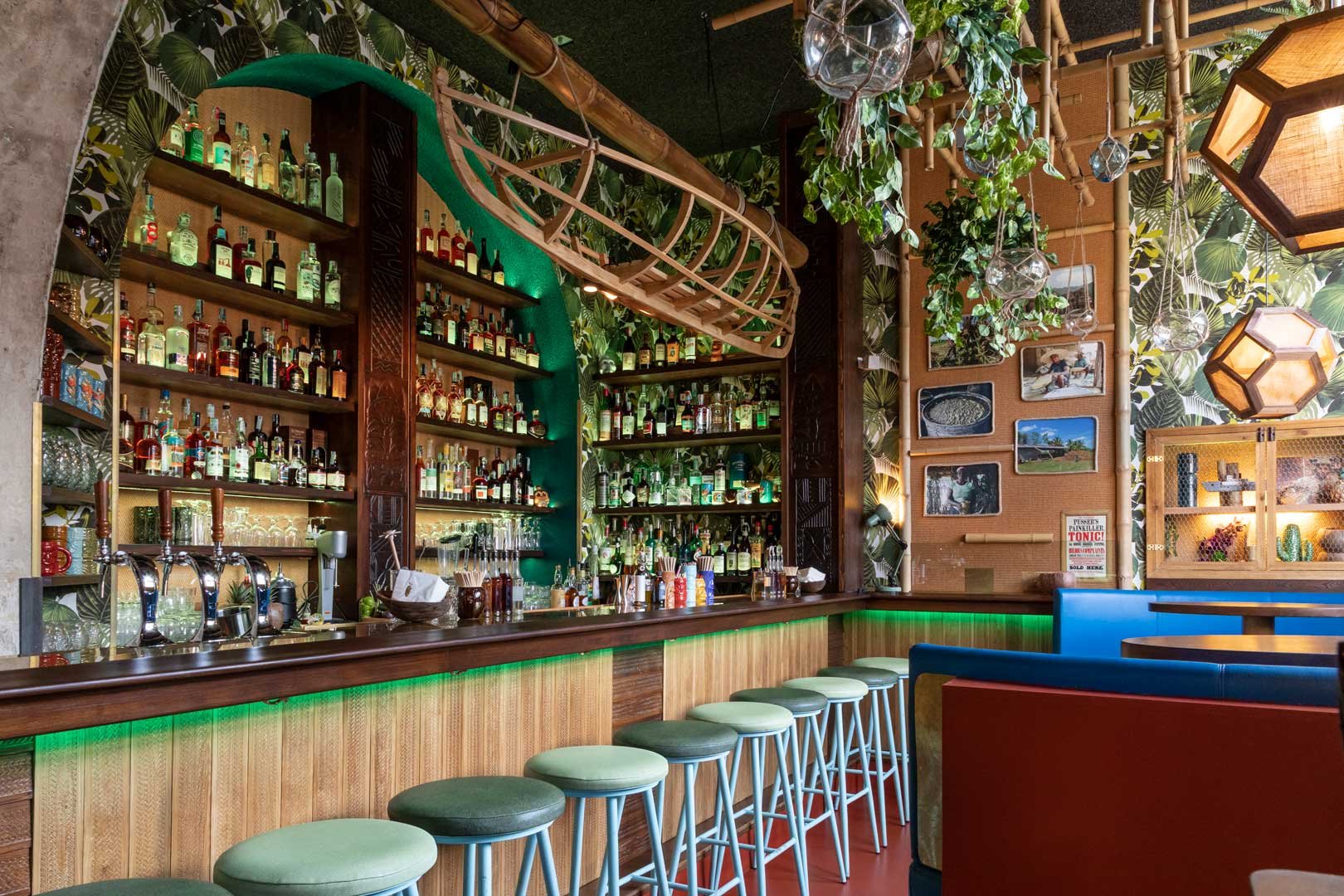
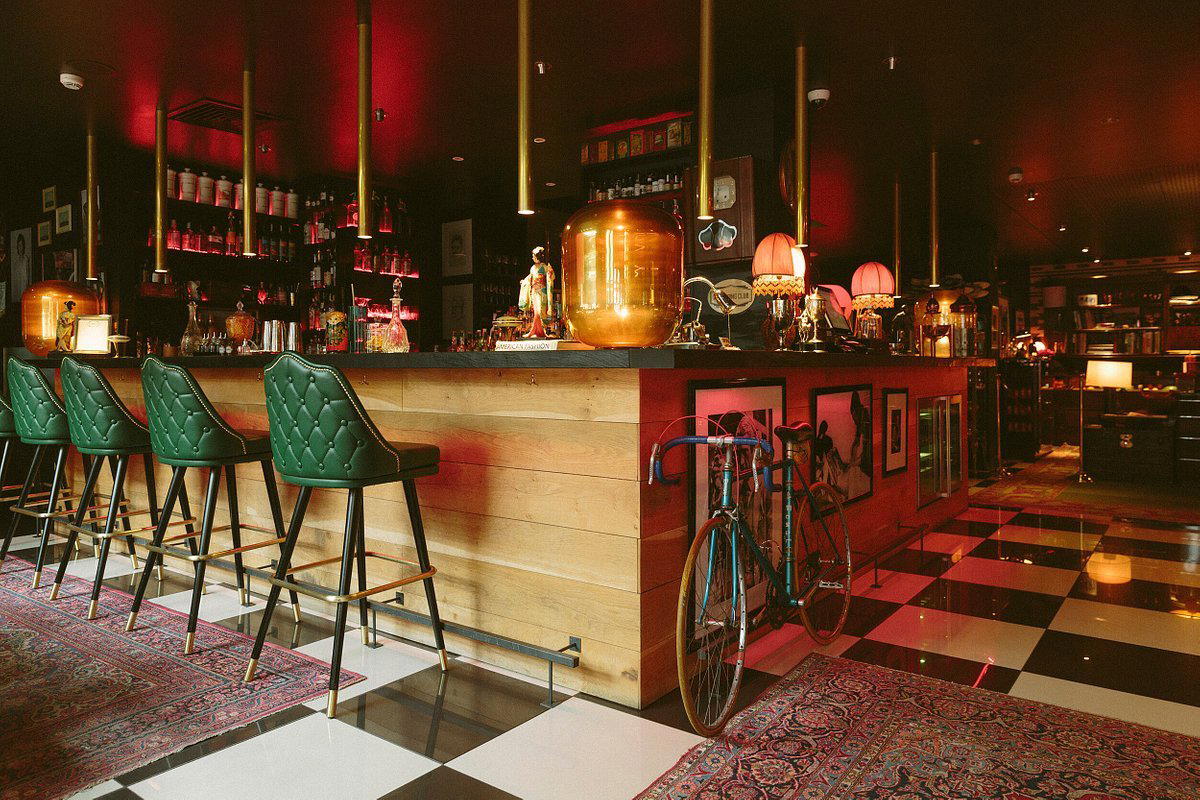
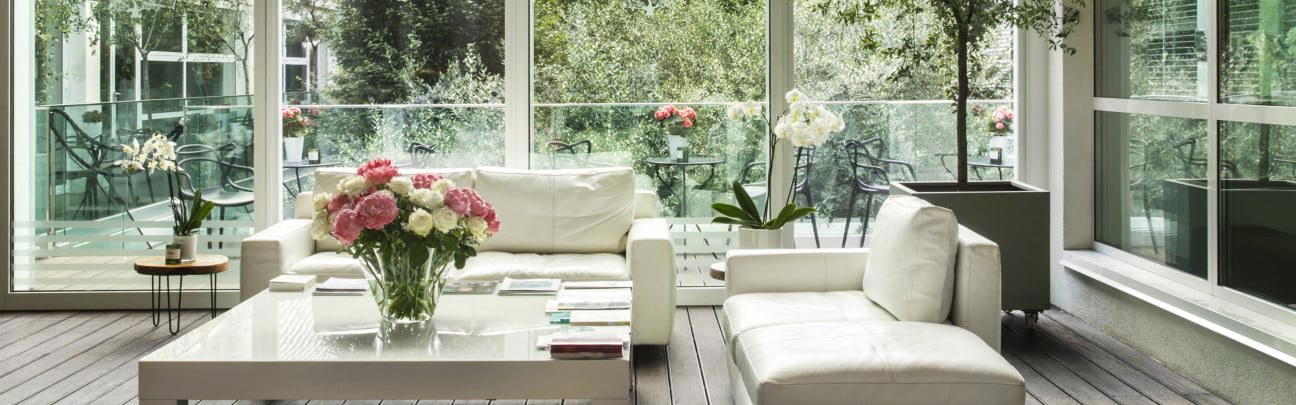
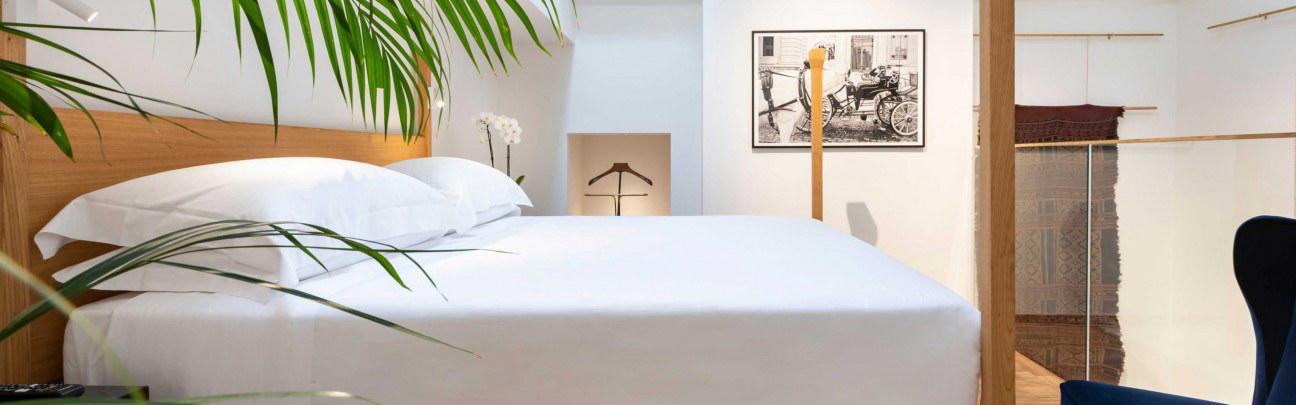
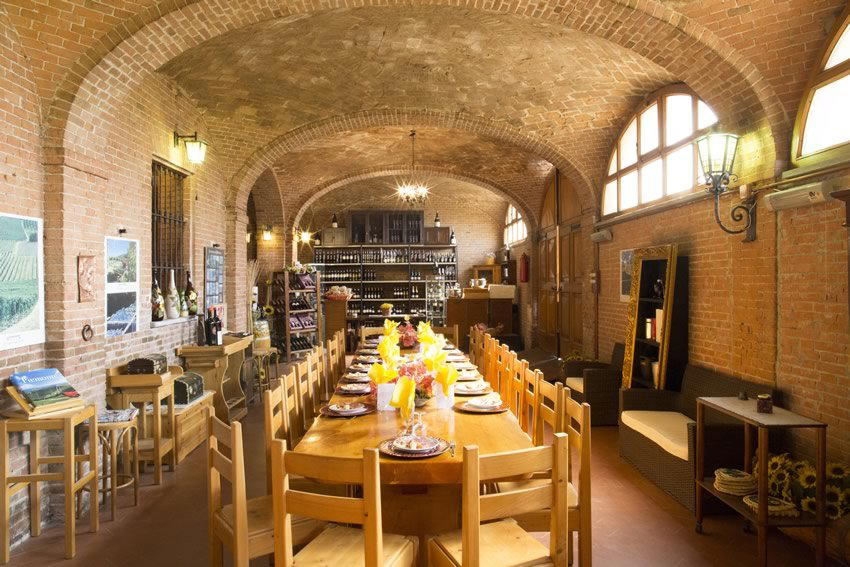
Minimalist decor with earthtones, wood, pendant lamps, and micro-perforated sheet metal creating a cozy, modern Milanese casual glamor.