On Via Piero della Francesca in Milan's Sarpi district, 55 Milan occupies a quieter register than the city's headline fine-dining rooms. The address places it in a neighbourhood undergoing steady culinary development, away from the Duomo-adjacent circuit that defines Milan's most-awarded tier. What distinguishes the experience is how the room shifts character between lunch and dinner, with each service carrying a distinct pace and atmosphere.
Pearl is the En Primeur Club membership app — saves, bookings, and concierge access live there. Same editors, same standards.
- Address
- V. Piero della Francesca, 55, 20154 Milano MI, Italy
- Phone
- +39234936616
- Website
- 55milano.com
- Directions
- Get directions
 Saves & bookings on Pearl
A Street in Sarpi, a Room That Changes with the Light
Via Piero della Francesca runs through one of Milan's more considered residential pockets, the Sarpi quarter that borders Chinatown to the north and the dense commercial grid of Corso Sempione to the west. The address, number 55, sits in a neighbourhood that has accumulated independent restaurants and wine-forward osterie without attracting the same critical machinery that clusters around the Duomo or the fashion district. That relative remove from the city's headline circuit is not a disadvantage. Milan's most-discussed fine-dining rooms, from Enrico Bartolini to Cracco in Galleria and Seta, operate at price points and with reservation lead times that place them firmly in the €€€€ tier. A neighbourhood address in Sarpi implies a different contract with the diner, one built on regularity and proximity as much as occasion.
The building on Via Piero della Francesca is characteristic of the zone: low-rise, functional, with the kind of street-level threshold that reads as a local address rather than a destination marker. Approaching from the tram lines on Corso Sempione, the shift is perceptible. The ambient noise drops, foot traffic thins, and the rhythm of the street adjusts to something residential. For a restaurant, that physical context shapes expectation before the door opens.
The Lunch-Dinner Divide in Milan's Mid-Tier Rooms
Milan operates a sharper lunch-dinner divide than most Italian cities of comparable scale. The city's working culture, particularly in the finance, fashion, and design sectors concentrated in the north and west of the centre, drives genuine midday dining demand. Restaurants in this zone that manage the transition well tend to run a tighter, faster lunch format and a more expansive evening service, the pacing difference sometimes extending to menu structure, table spacing, and the ratio of business tables to social ones.
At the fine-dining end, venues like Andrea Aprea and Verso Capitaneo tend to concentrate their creative tasting formats in the evening, reserving lunch for abbreviated menus or business-oriented formats. The Sarpi district's rhythm is somewhat different: fewer office towers, more studios and ateliers, meaning midday trade skews toward neighbourhood regulars and long lunches that bleed toward mid-afternoon rather than the hard 90-minute slot of the financial quarters.
55 Milan sits within that neighbourhood logic. The evening shift in a room like this typically brings a change in lighting, a slower turn of tables, and guests arriving with more time. The lunch atmosphere in the Sarpi area at this address type tends toward informality, with a more direct approach to service and a menu that reflects what the kitchen can sustain at pace. That bifurcation, when it works, is what gives a neighbourhood restaurant its staying power: it functions as two different rooms over the course of a day without requiring two different kitchens.
How the Room Sits in the Broader Milan Picture
Milan's restaurant scene has consolidated around a small number of well-resourced destination addresses and a larger, less visible layer of neighbourhood rooms that serve a more consistent local function. The destination tier is well documented: Osteria Francescana in Modena and Piazza Duomo in Alba anchor the northern Italian fine-dining reference set, while within Milan itself the starred addresses maintain booking windows of weeks to months and prix-fixe formats that preclude casual visits. Elsewhere in Italy, rooms like Le Calandre in Rubano, Dal Pescatore in Runate, and Uliassi in Senigallia define what serious creative cooking looks like outside the headline cities. Against that reference set, a Sarpi neighbourhood address occupies a deliberately different register: accessible by tram and structured around repeat visits rather than single occasions.
Internationally, rooms that operate at this neighbourhood scale, below the destination tier but above the purely casual, often develop more loyal clientele and more consistent kitchen output than rooms running at full theatrical intensity every evening. The durability of addresses like Enoteca Pinchiorri in Florence or Reale in Castel di Sangro rests partly on their ability to hold a committed local base alongside destination traffic. A neighbourhood room in Milan does not require the same balancing act, but the logic of building consistent trade from a fixed local audience applies here too.
What the Address Signals for the Visitor
For someone travelling to Milan from outside Italy, the Sarpi address carries specific implications. The quarter is reachable from the centre by tram or on foot from the Moscova and Monumentale axis, and it rewards visitors who treat it as a destination in itself rather than a detour. The neighbourhood has accumulated a character distinct from the Navigli dining strip and the design-district restaurant cluster around Tortona, both of which have become progressively more visitor-facing over the past decade. Sarpi remains more residential, and a restaurant at number 55 on Via Piero della Francesca inhabits that residential grain.
Reference points suggest that the shift toward neighbourhood rooms over destination dining has accelerated globally. Rooms like Atomix in New York City have demonstrated that format discipline and a clear positioning within a comparable set matter as much as address prestige. Le Bernardin in New York represents the opposite pole: a decades-long institution whose lunch service has become as much a part of its identity as its evening tasting format. 55 Milan operates at neither extreme, which is part of what defines the mid-tier neighbourhood proposition in a city like Milan.
Via Piero della Francesca 55 is the address, in the 20154 postal district of Milan. The Sarpi quarter is most accessible from the M2 line at Moscova or by tram along Corso Sempione. Visitors combining this with other Milan dining should note that the neighbourhood's pace suits an earlier dinner than the later sittings typical of central Milan addresses. For the full picture of what the city offers across price tiers and formats, the EP Club Milan restaurants guide maps the broader scene. Those extending their itinerary north into the Dolomites might consider Atelier Moessmer Norbert Niederkofler in Brunico, and anyone tracing the Veneto fine-dining circuit should look at Casa Perbellini 12 Apostoli in Verona and Quattro Passi in Marina del Cantone for coastal contrast.
Cuisine-First Comparison
Comparable venues nearby, for context on price, style, and recognition.
| Venue | Cuisine | Price | Notes |
|---|---|---|---|
| 55 MilanThis venue — the venue you are viewing | Italian Casual Dining | $$$ | Not listed |
| Cormorano Sempione | Italian Seafood Trattoria | $$$ | Sarpi |
| Peck | Traditional Milanese Gastronomy | $$$ | Duomo |
| La Ca' di Tencitt | Italian Speakeasy Bistro | $$$ | Duomo |
| Stadera Gastronomia | Campania-Inspired Italian Gastronomia | $$$ | Guastalla |
| Maio Restaurant | Modern Italian with Duomo Views | $$$ | Duomo |
Continue exploring
More in Milan
Restaurants in Milan
Browse all →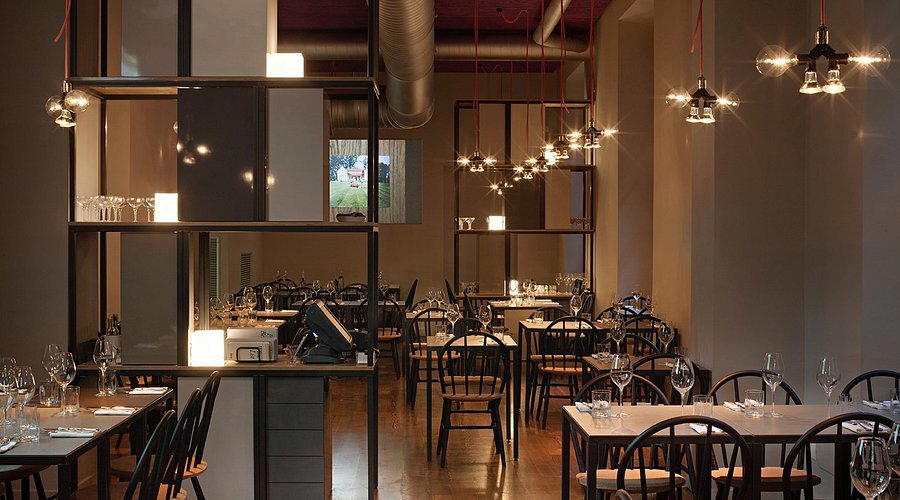
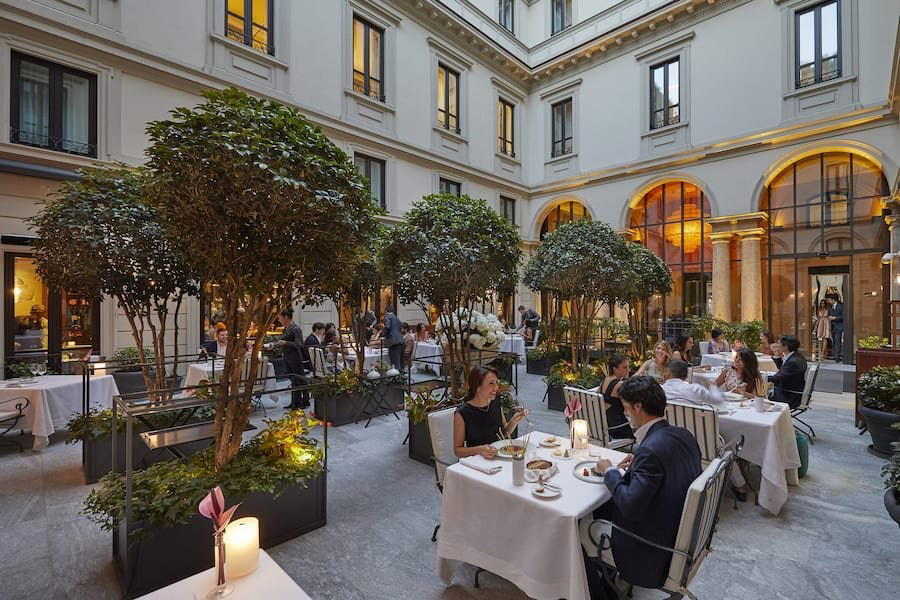
Bars in Milan
Browse all →
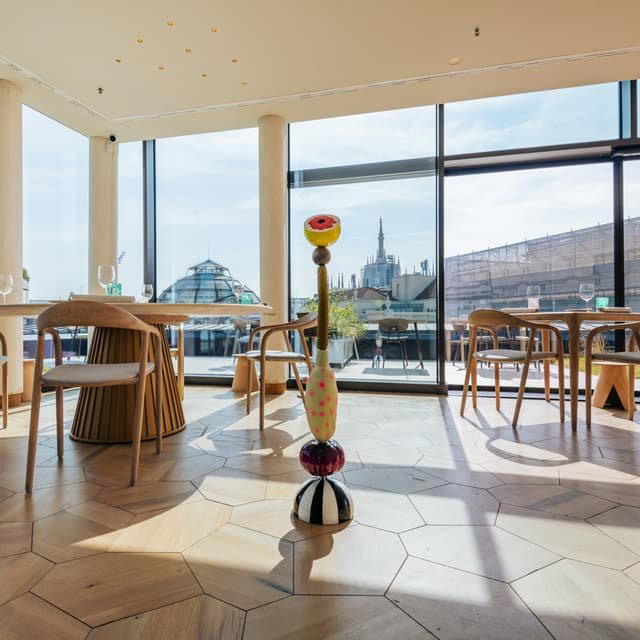
Hotels in Milan
Browse all →
At a Glance
- Elegant
- Sophisticated
- Intimate
- Date Night
- Special Occasion
- Terrace
- Craft Cocktails
Current opening hours
- Monday
- Closed
- Tuesday
- 6 PM–3 AM
- Wednesday
- 6 PM–3 AM
- Thursday
- 6 PM–3 AM
- Friday
- 8 PM–3 AM
- Saturday
- 8 PM–3 AM
- Sunday
- 7 PM–3 AM
Hours can change for holidays and private events. Last verified .
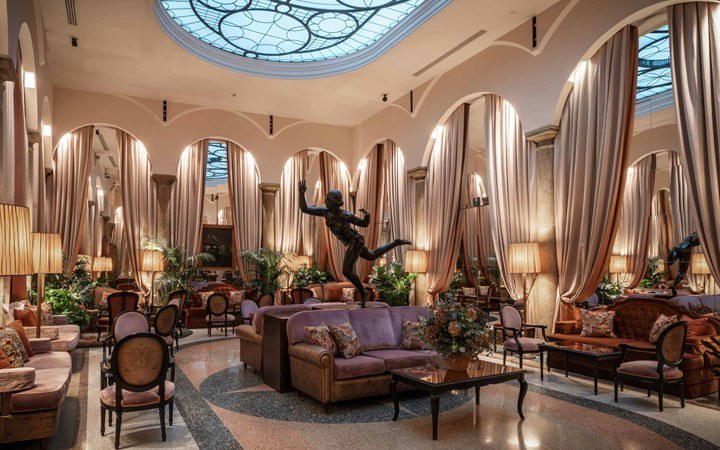
Warm and refined atmosphere with elegant, particular decor featuring historic elements.