Alessandro Mecca al Castello di Grinzane Cavour

Inside an eleventh-century castle that once belonged to Camillo Benso, Count of Cavour, Alessandro serves modern Piedmontese cooking that holds a Michelin Plate for 2024 and 2025. The kitchen draws on anchovy, pepper, and veal in reinterpreted regional forms, extends to fish-based dishes from beyond the region, and applies a strict no-waste approach to every ingredient. At the €€€ price point, it sits in a distinct tier among Langhe dining options.
Pearl is the En Primeur Club membership app — saves, bookings, and concierge access live there. Same editors, same standards.
- Address
- Via Castello, 5, 12060 Grinzane Cavour CN, Italy
- Phone
- +39 375 540 3500
- Website
- alessandromecca.it
- Directions
- Get directions
 Saves & bookings on Pearl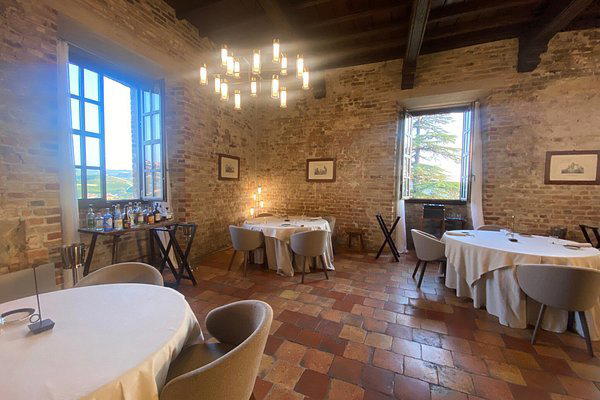
A Castle as Context, Not Costume
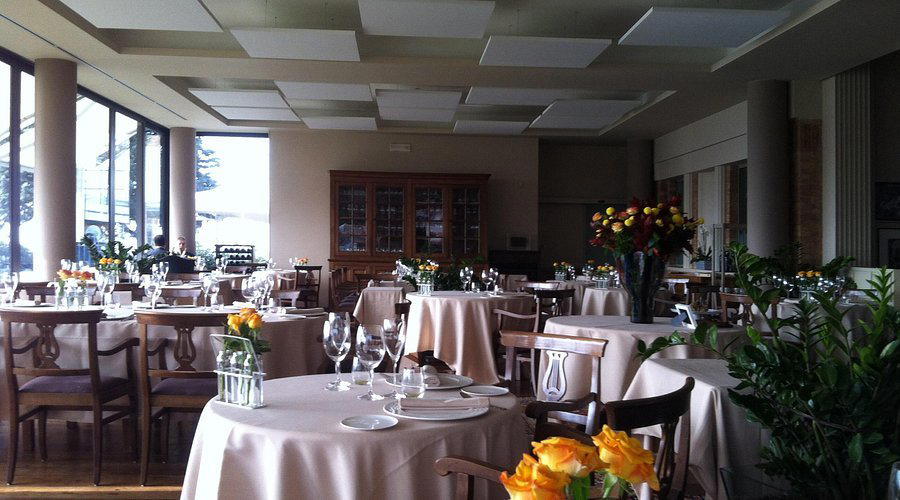
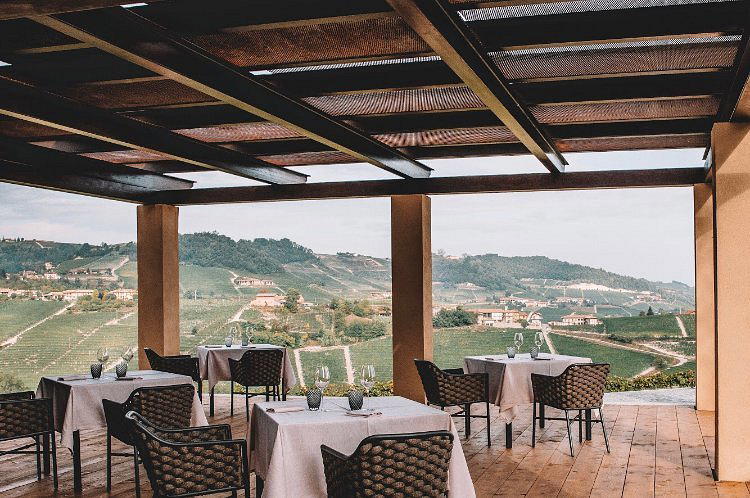
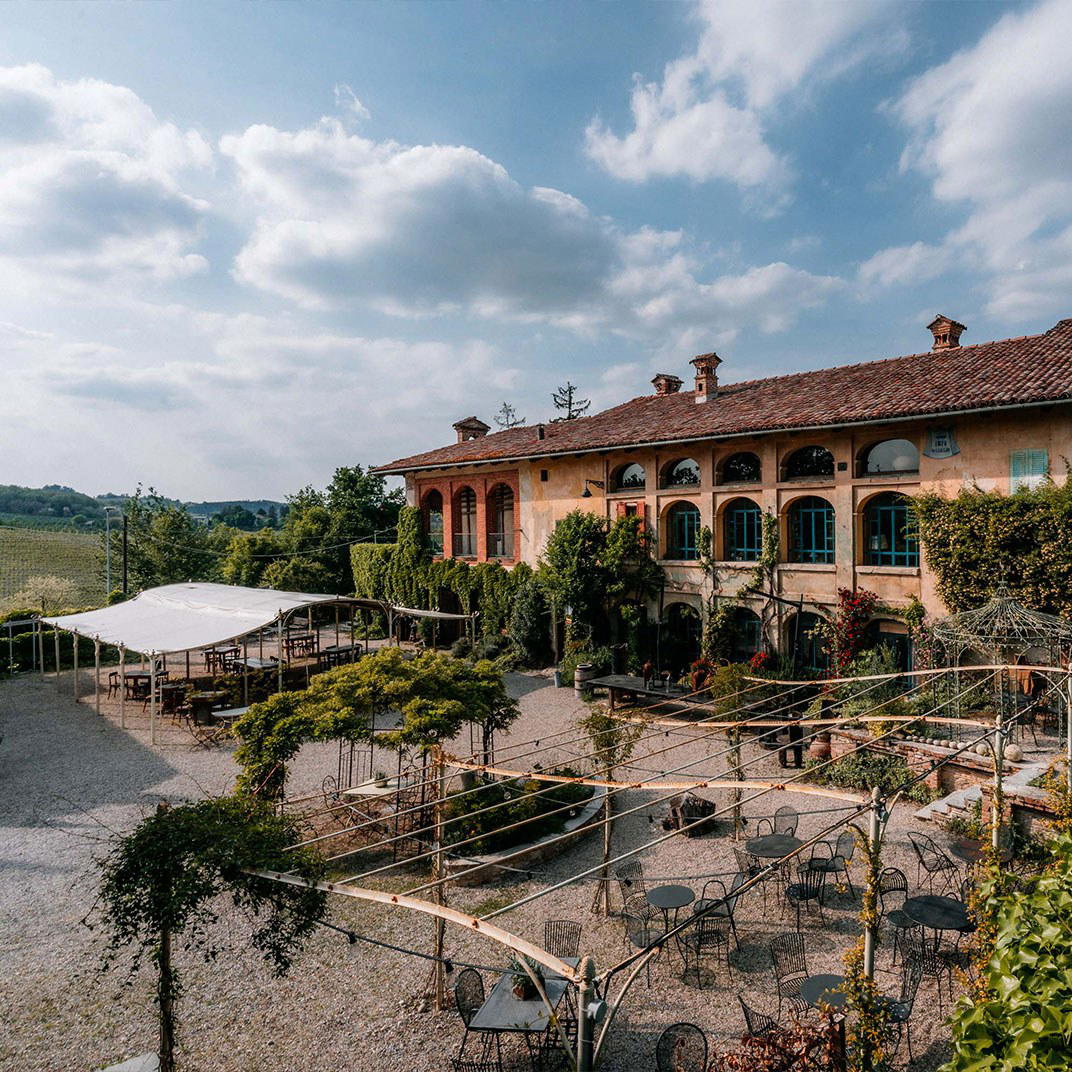
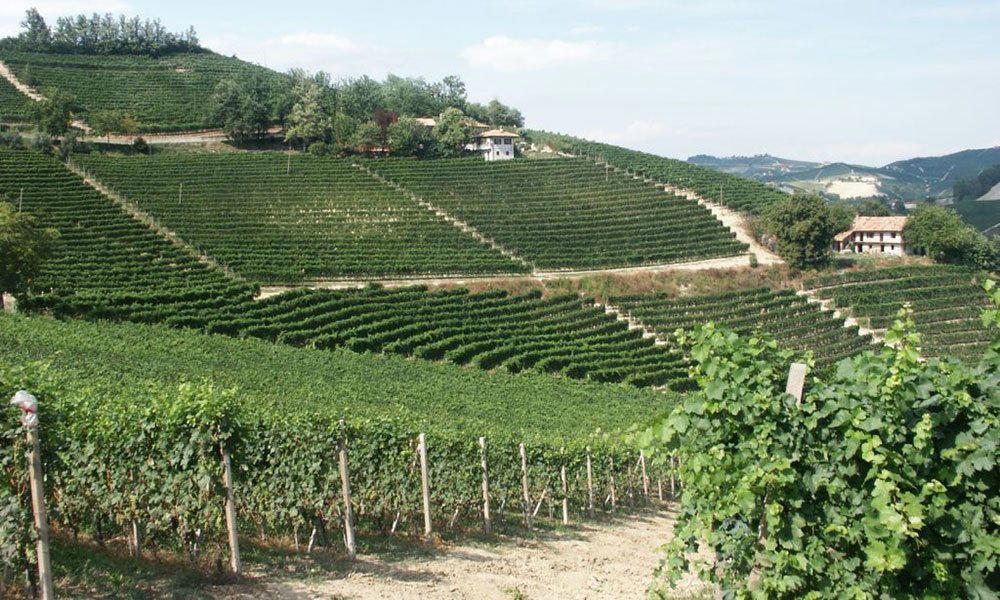
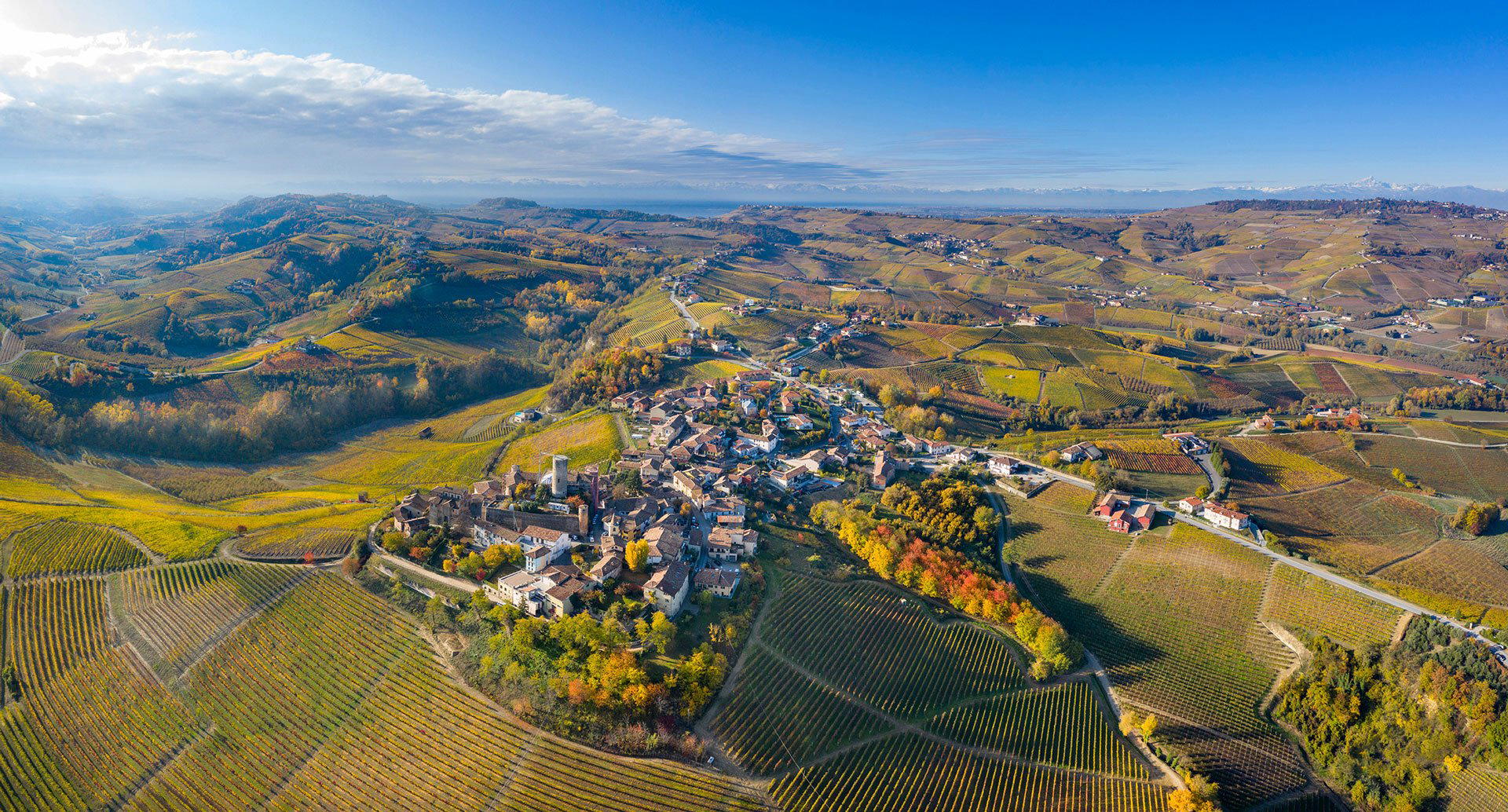
Alessandro Mecca al Castello di Grinzane Cavour is a restaurant in Grinzane Cavour, Italy, serving Modern Piedmontese Fine Dining at about $100 per person. Alessandro al Castello di Grinzane Cavour is not that kind of place. The Castello di Grinzane Cavour, a structure with eleventh-century origins that once served as the residence of Camillo Benso, Count of Cavour, one of the architects of Italian unification, sits above the Langhe vineyards on a hill that would register as significant even without any building on it. Eating inside it carries a specific weight that the kitchen has chosen to meet rather than ignore. The cooking does not perform rusticity for atmosphere's sake, nor does it chase the kind of formal abstraction that would float free of the place entirely. It occupies the productive middle ground: recognisably Piedmontese in its ingredients and references, contemporary in its method and presentation.
What the Ingredients Say About the Region
Piedmontese cooking has a short list of ingredients that appear on menus across the Langhe with near-doctrinal regularity: anchovies preserved in salt from the Ligurian coast that crossed the Alps on centuries-old trade routes, sweet peppers roasted to a concentrated softness, veal prepared in forms ranging from the cold vitello tonnato to slow-braised osso buco variants. These are not generic Italian ingredients. They are specific to a regional tradition that developed in relative geographic isolation, making use of what crossed the mountain passes and what the Po plain produced. The kitchen at Alessandro draws on all three as a structural base, then works with them through a contemporary lens.
That approach to sourcing and ingredient fidelity sits alongside a commitment to using every part of what enters the kitchen. The no-waste philosophy here is not a marketing position; it shapes the menu's logic, producing dishes that work through the less obvious cuts and components of each ingredient rather than defaulting to prime portions alone. In a region where cucina povera has always been more a cultural attitude than an economic necessity, that approach reads as coherent rather than contrived. The same discipline that drove Piedmontese cooks to find value in every part of an animal informs the kitchen's method across protein, vegetable, and fish alike.
The fish-based dishes deserve a specific note. Piedmont is landlocked, which means any seafood on a Langhe menu represents a deliberate choice to look beyond regional borders. Alessandro includes fish options sourced from outside the region, a gesture toward the broader Italian coastal tradition that Piedmontese cooking has historically absorbed selectively. It is the same logic that explains why anchovies became essential in a landlocked territory: the right product, travelling the right distance, arriving with enough quality to justify the journey. Here, fish is a counterpoint rather than a foundation.
Where It Sits in the Langhe Dining Tier
The Langhe and its surrounding appellation villages have become among the more concentrated zones of serious Italian dining outside of Milan or Rome. Piazza Duomo in Alba, just a short drive from Grinzane Cavour, operates at the three-Michelin-star level and sets the ceiling for the region. Alessandro holds Michelin Plate recognition for 2024 and 2025. That distinction matters for planning: this is a kitchen the guide considers worth flagging, not a casual fallback option, but it sits at the €€€ price point rather than the €€€€ register of Piedmont's upper-end peers.
For context on what the starred tier looks like elsewhere in Italy, Osteria Francescana in Modena, Dal Pescatore in Runate, Enoteca Pinchiorri in Florence, Enrico Bartolini in Milan, Le Calandre in Rubano, Reale in Castel di Sangro, and Atelier Moessmer Norbert Niederkofler in Brunico all operate at higher price points and with different ambitions. Alessandro is not competing in that tier and does not need to be read against it. Its comparable set is the growing group of serious regional restaurants that hold Michelin recognition at the Plate level: technically accomplished, ingredient-led, and priced to attract a broader table than the strictly starred circuit. Among the broader European modern cuisine conversation, Frantzén in Stockholm and FZN by Björn Frantzén in Dubai demonstrate how the modern cuisine category operates at its furthest extreme, useful contrast for understanding where regional Piedmontese cooking positions itself. Casa Perbellini 12 Apostoli in Verona is a closer structural comparison: a restaurant with deep regional roots, operating in a historically significant setting, holding Michelin recognition at a non-starred level.
8 from 92 ratings. For a destination restaurant in a rural Langhe village, 83 reviews suggest a visitor profile weighted toward deliberate travellers rather than casual passers-by.
Planning the Visit
The restaurant sits at Via Castello, 5, inside the Castello di Grinzane Cavour itself. Arriving from Alba takes under ten minutes by car; from Barolo or La Morra, the drive is similarly brief. The castle sits on high ground and the approach on foot from the village is short but uphill. At about $100 per person, Alessandro sits above a casual lunch stop and below the full-commitment spend of the region's starred tables. Booking in advance is recommended.
How It Stacks Up
Comparable venues nearby, for context on price, style, and recognition.
| Venue | Cuisine | Price | Awards | Notes |
|---|---|---|---|---|
| Alessandro Mecca al Castello di Grinzane CavourThis venue — the venue you are viewing | Modern Piedmontese Fine Dining | $$$$ | Michelin Plate | Not listed |
| I 5 Sensi | Modern Piemontese | $$$$ | Michelin Plate | Centro Storico |
| La Madernassa | Modern Italian Fine Dining | $$$$ | Michelin Plate | Guarene |
| I Due Buoi | Modern Italian Fine Dining | $$$$ | Michelin Plate | Olivola |
| Locanda dell'Angelo | Modern Italian (Ligurian-Piedmontese) | $$$$ | Michelin Plate | Millesimo |
| Da Annetta | Traditional Italian Fine Dining | $$$$ | Michelin Plate | Capolago |
Recognition history
Dated appearances from independent guides and award organizations, with the underlying list record or original source where available.
Michelin Plate
Michelin
Michelin Plate
Michelin
Michelin Plate
Michelin
Continue exploring
More in Grinzane Cavour
Restaurants in Grinzane Cavour
Browse all →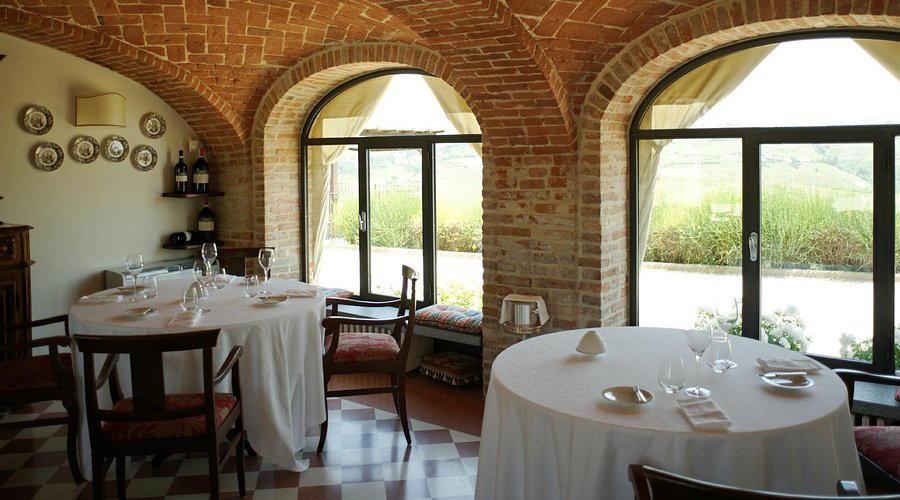
Bars in Grinzane Cavour
Browse all →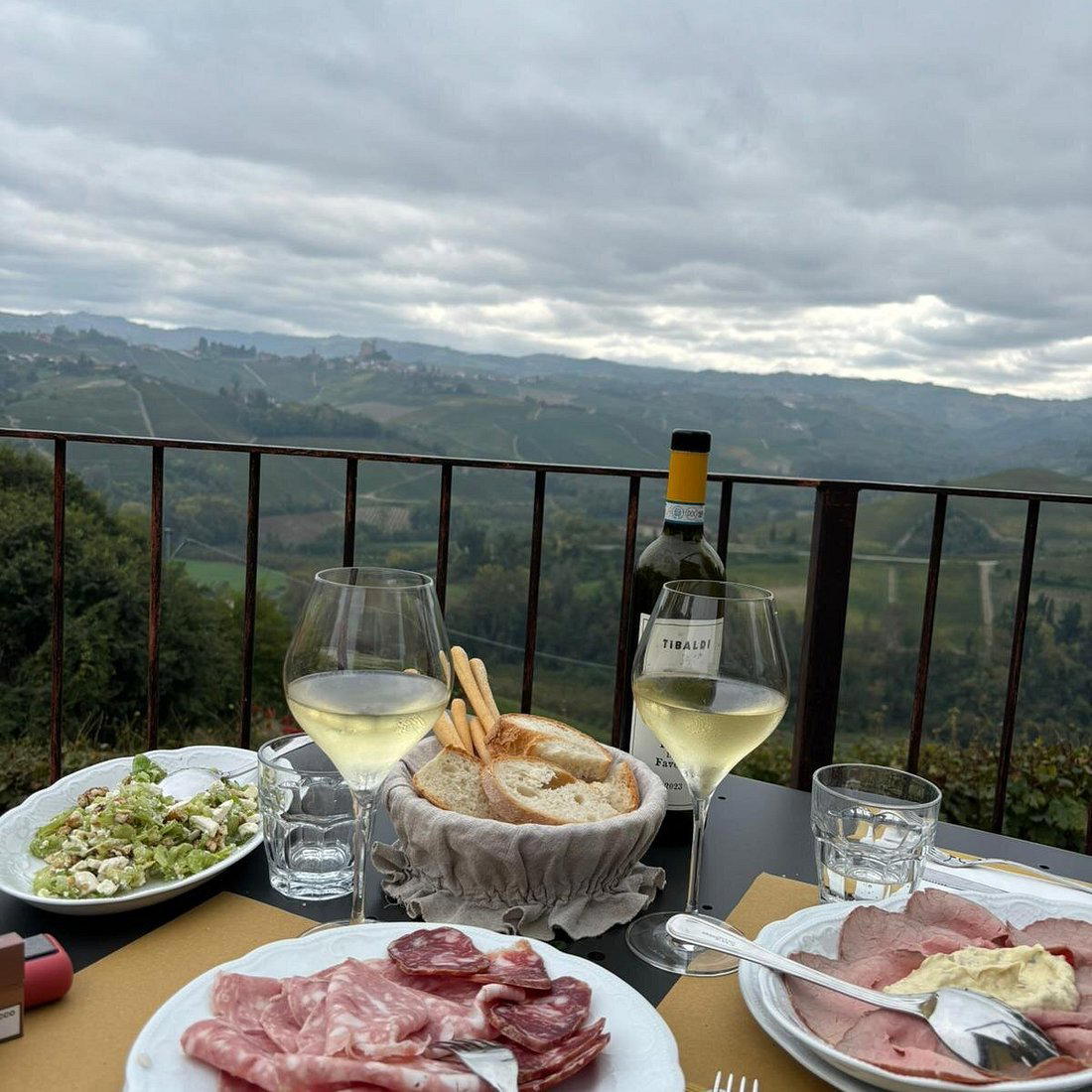
Hotels in Grinzane Cavour
Browse all →
At a Glance
- Romantic
- Elegant
- Scenic
- Sophisticated
- Rustic
- Intimate
- Date Night
- Special Occasion
- Celebration
- Historic Building
- Extensive Wine List
- Sommelier Led
- Local Sourcing
- Vineyard
- Mountain
Current opening hours
- Monday
- Closed
- Tuesday
- Closed
- Wednesday
- 9 AM–7 PM, 7:30–10:30 PM
- Thursday
- 9 AM–6 PM, 7:30–10:30 PM
- Friday
- 12:30–2:30 PM, 7:30–10:30 PM
- Saturday
- 12:30–2:30 PM, 7:30–10:30 PM
- Sunday
- 12:30–2:30 PM, 7:30–10:30 PM
Hours can change for holidays and private events. Last verified .
Peaceful and elegant historic castle setting with professional service and harmonious atmosphere.