One of Madrid's oldest tabernas, Taberna Antonio Sanchez on Calle del Mesón de Paredes has anchored the Lavapiés quarter for generations. The bar trades in the kind of unforced authenticity that the city's historic tavern circuit still does better than anywhere in Spain: vermut at the zinc counter, slow afternoons, and an atmosphere that resists the passage of trend. A reliable point of reference for understanding what traditional Madrid drinking culture actually looks like in practice.
Pearl is the En Primeur Club membership app — saves, bookings, and concierge access live there. Same editors, same standards.
- Address
- C. del Mesón de Paredes, 13, Centro, 28012 Madrid, Spain
- Phone
- +34915397826
- Website
- tabernaantoniosanchez.com
- Directions
- Get directions
 Saves & bookings on Pearl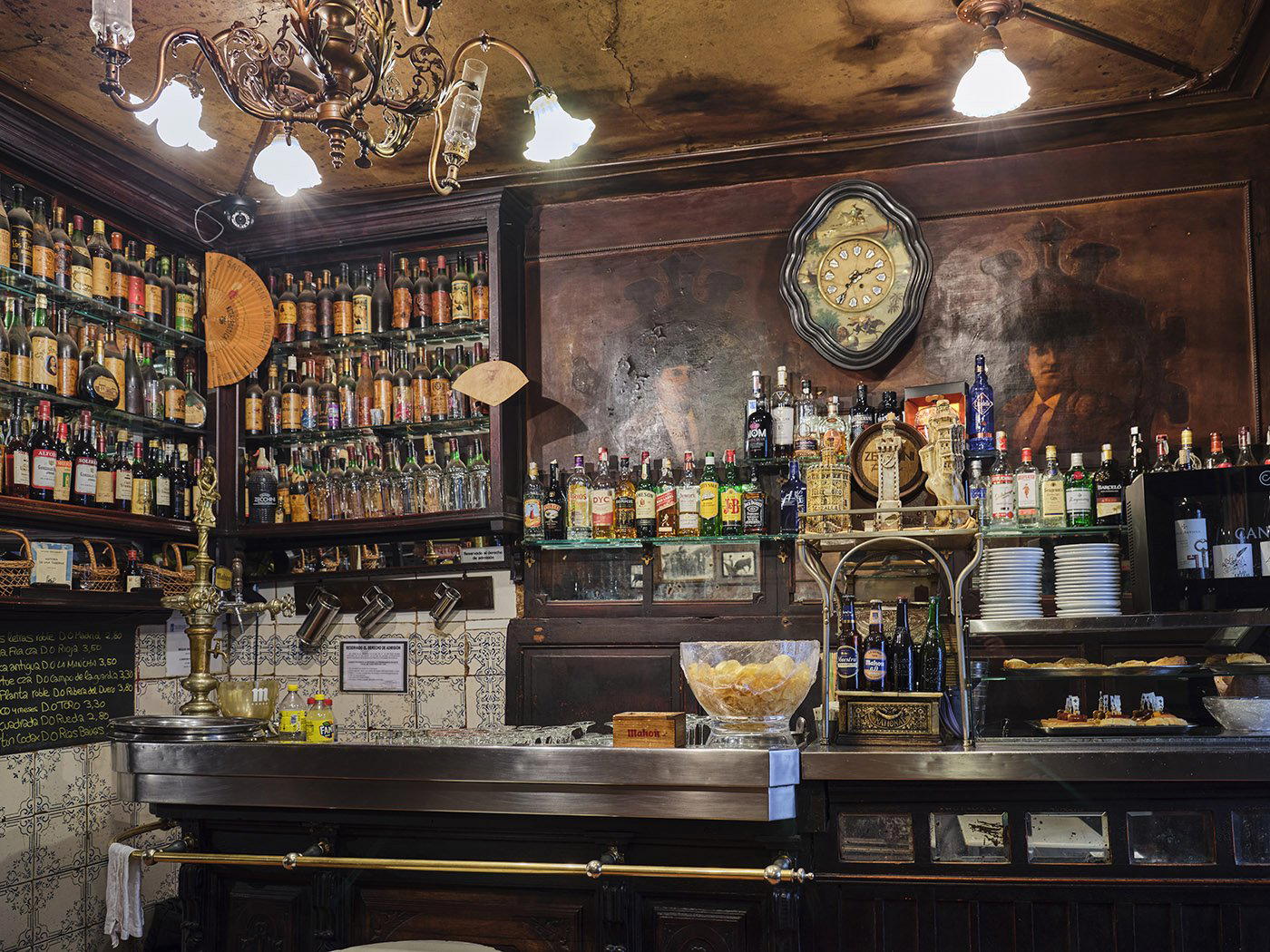
The Taberna as Madrid's Most Durable Format
In a city where dining options now range from the boundary-pushing tasting menus of DiverXO and Coque to the refined contemporary Spanish cooking at Deessa and DSTAgE, the old taberna holds its ground precisely because it offers something the modern formats cannot replicate: time. Not the compressed efficiency of a tasting-menu service, but the slow accumulation of decades that gives a room its particular weight. Taberna Antonio Sanchez, on Calle del Mesón de Paredes in the Lavapiés district, is among the clearest examples of that format surviving intact in central Madrid.
The taberna tradition in Madrid predates the city's emergence as a gastronomic capital by several centuries. These were working-class anchors: places where a glass of wine cost little, the food was plain, and the room functioned as much as a social institution as a commercial one. What separates the handful of genuine survivors from the themed replicas that have appeared across the city centre over the past two decades is a combination of physical continuity and operational consistency. Antonio Sanchez has both. The building on Mesón de Paredes retains much of the visual grammar of the classic Madrid taberna: dark wood, aged tilework, and the kind of zinc-topped bar that no decorator reproduces convincingly.
Lunch in Lavapiés: Where the Day Earns Its Weight
The lunch-versus-dinner divide is more consequential at a taberna than at almost any other type of Madrid venue. At the city's high-end addresses, the split is largely one of price and formality: a shorter menu at midday, a longer one in the evening, with the room filling differently. At Antonio Sanchez, the divide is structural. The midday hours are when the taberna is most itself.
Lavapiés, the neighbourhood that surrounds it, is one of central Madrid's most densely lived-in quarters. It is a district of late risers, working artists, immigrant communities, and long-established families who have not yet been displaced by rising rents. Its rhythms are not those of the tourism-facing streets around Sol or the design-conscious corridors of Chueca. Lunch here tends to start later than the tourist guides suggest and run longer. A table at 2pm on a weekday at Antonio Sanchez will likely be shared, in the ambient sense, with locals who are not making a special occasion of it. That normalcy is part of what the taberna offers, and it is not something that can be manufactured.
The daytime hours also lean heavily on the counter rather than the dining room. Vermut service, which in Madrid typically runs from around noon through the early afternoon, is the taberna's most characteristic offering at this hour. The Spanish custom of the vermut aperitivo, accompanying a small plate of olives or conservas before the main meal, is one of the city's most quietly persistent social rituals, and the tabernas of Lavapiés and La Latina remain among its most reliable settings. Visitors arriving between noon and 2pm will encounter the room at its most social and least formal.
Evening Service and the Shift in Register
By evening, the counter crowd thins and the dining room takes precedence. The shift is less dramatic than at a restaurant with two formal services, but it is perceptible. The taberna after dark in Madrid tends toward the convivial rather than the contemplative: tables of four or six, shared plates, and the kind of slow-paced wine drinking that makes the Spanish evening meal a fundamentally different experience from its northern European equivalent. The food at Antonio Sanchez occupies the traditional Madrid casera register, the kind of cooking that prioritises comfort and familiarity over technical ambition. This positions the venue at the opposite end of the city's dining spectrum from addresses like Paco Roncero, but the comparison is beside the point. The taberna is not competing with the tasting-menu tier; it is preserving a format that the tasting-menu tier cannot replicate.
It is worth situating this within the broader context of Spanish regional cooking. Spain's most formally recognised restaurants, from El Celler de Can Roca in Girona to Arzak in San Sebastián, Azurmendi in Larrabetzu, Martín Berasategui in Lasarte-Oria, Aponiente in El Puerto de Santa María, and Mugaritz in Errenteria, draw their authority partly from a deep engagement with regional culinary identity. The taberna tradition in Madrid is a different expression of the same underlying impulse: the insistence that a place cook what it has always cooked, in the way it has always cooked it. The pressure to modernise is real, and most old tabernas that have attempted it have lost whatever made them worth visiting.
Lavapiés and Its Dining Geography
Lavapiés sits south of the city centre, below Tirso de Molina and east of La Latina. It is not a neighbourhood that routes itself toward first-time visitors in the way that the Retiro perimeter or the Salamanca district does. That relative unfamiliarity from the tourist circuit is part of what preserves its character. The tabernas here, of which Antonio Sanchez is especially publicly referenced, serve a neighbourhood that has not entirely reconfigured itself around visitors. This is less true than it was twenty years ago, and the gentrification pressures on Lavapiés are well-documented, but the street-level experience on Mesón de Paredes remains distinctly different from the pedestrianised corridors of the old city.
Beyond Spain, readers planning broader Iberian itineraries that combine taberna culture with high-end destination dining might also consider Cocina Hermanos Torres in Barcelona, Quique Dacosta in Dénia, Ricard Camarena in València, and Atrio in Cáceres. For those arriving in Madrid from longer international itineraries, the contrast between the taberna format and the technical precision of a venue like Le Bernardin in New York City or the Korean-inflected tasting menus at Atomix in New York City is as sharp as dining contrasts get.
A Pricing-First Comparison
Comparable venues nearby, for context on price, style, and recognition.
| Venue | Cuisine | Price | Notes |
|---|---|---|---|
| Taberna Antonio SanchezThis venue — the venue you are viewing | Lavapies, Traditional Madrilenian Tavern | $$ | Not listed |
| Marcelino, Vinos y Ultraporcinos | Not listed | $$ | Sol, Traditional Spanish Wine Bar & Tapas |
| Malpica | Malasana, Spanish Tapas Bar | $$ | Not listed |
| TABERNA ÚBEDA | Not listed | $$ | Arguelles, Traditional Spanish Tapas from Jaén |
| Arquibar Goya | Goya, Spanish Cafe-Bar with Brunch | $$ | Not listed |
| Abacería Macarena | El Viso, Modern Traditional Spanish | $$ | Not listed |
Continue exploring
More in Madrid
Restaurants in Madrid
Browse all →
Bars in Madrid
Browse all →
Hotels in Madrid
Browse all →

At a Glance
- Classic
- Rustic
- Historic
- Well Known
- Cozy
- Casual Hangout
- Group Dining
- Historic Building
- Extensive Wine List
Current opening hours
- Monday
- 1–5 PM, 7:30 PM–12 AM
- Tuesday
- 1–5 PM, 7:30 PM–12 AM
- Wednesday
- 1–5 PM, 7:30 PM–12 AM
- Thursday
- 1–5 PM, 7:30 PM–12 AM
- Friday
- 1–5 PM, 7:30 PM–12 AM
- Saturday
- 1–5 PM, 7:30 PM–12 AM
- Sunday
- 1–5 PM
Hours can change for holidays and private events. Last verified .
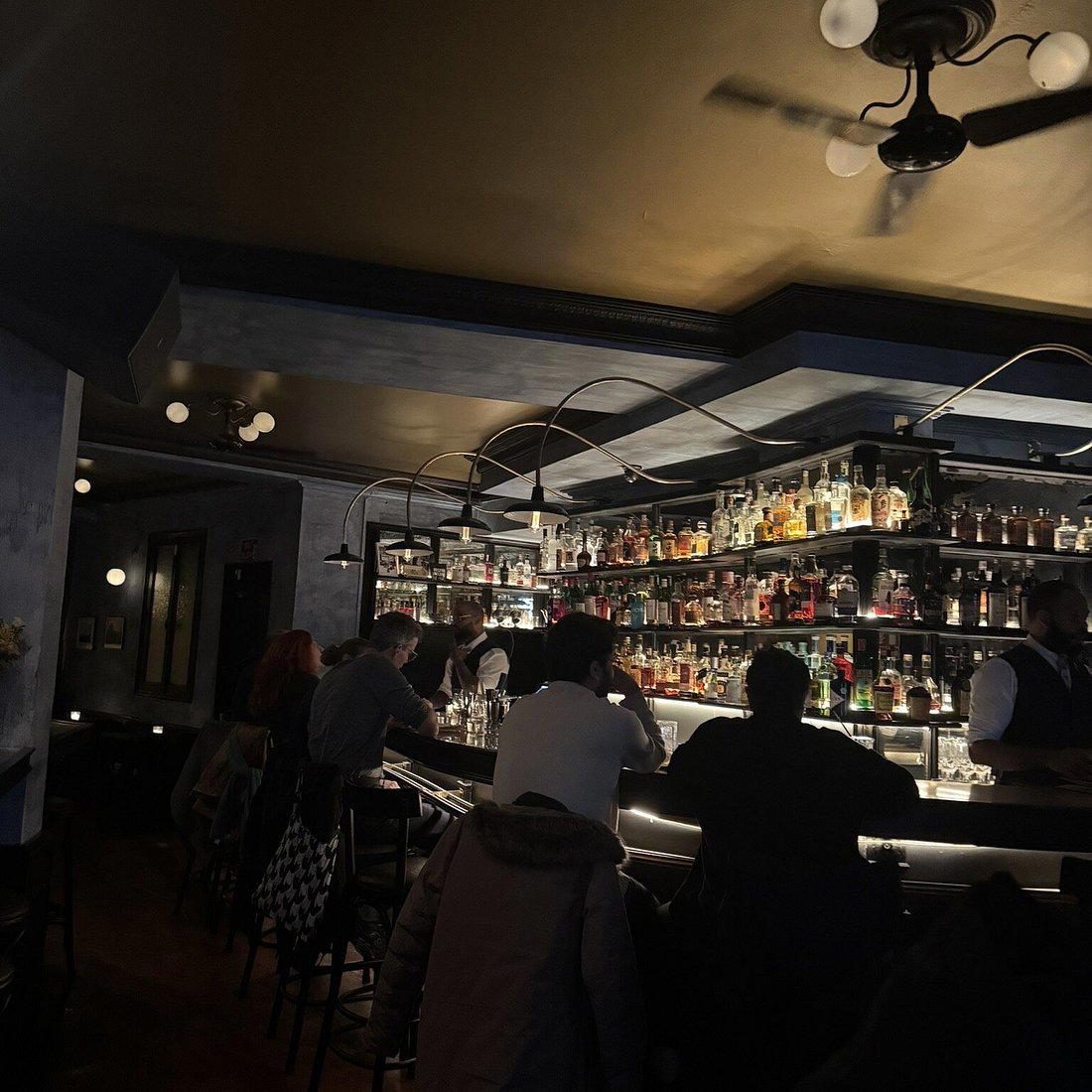
Dark, traditional atmosphere with aged wooden elements, antique decor, bullfighter portraits, and a historic, unrefurbished museum-like feel.