Alassio Restaurant sits in Florence’s Mediterranean register, where olive oil, vegetables, seafood, herbs and measured acidity matter more than theatrical plating. The useful way to read it is through the city’s everyday appetite: Tuscan oil at the base, coastal references at the edges, and a dining culture that rewards restraint over spectacle.

Pearl is the En Primeur Club membership app — saves, bookings, and concierge access live there. Same editors, same standards.
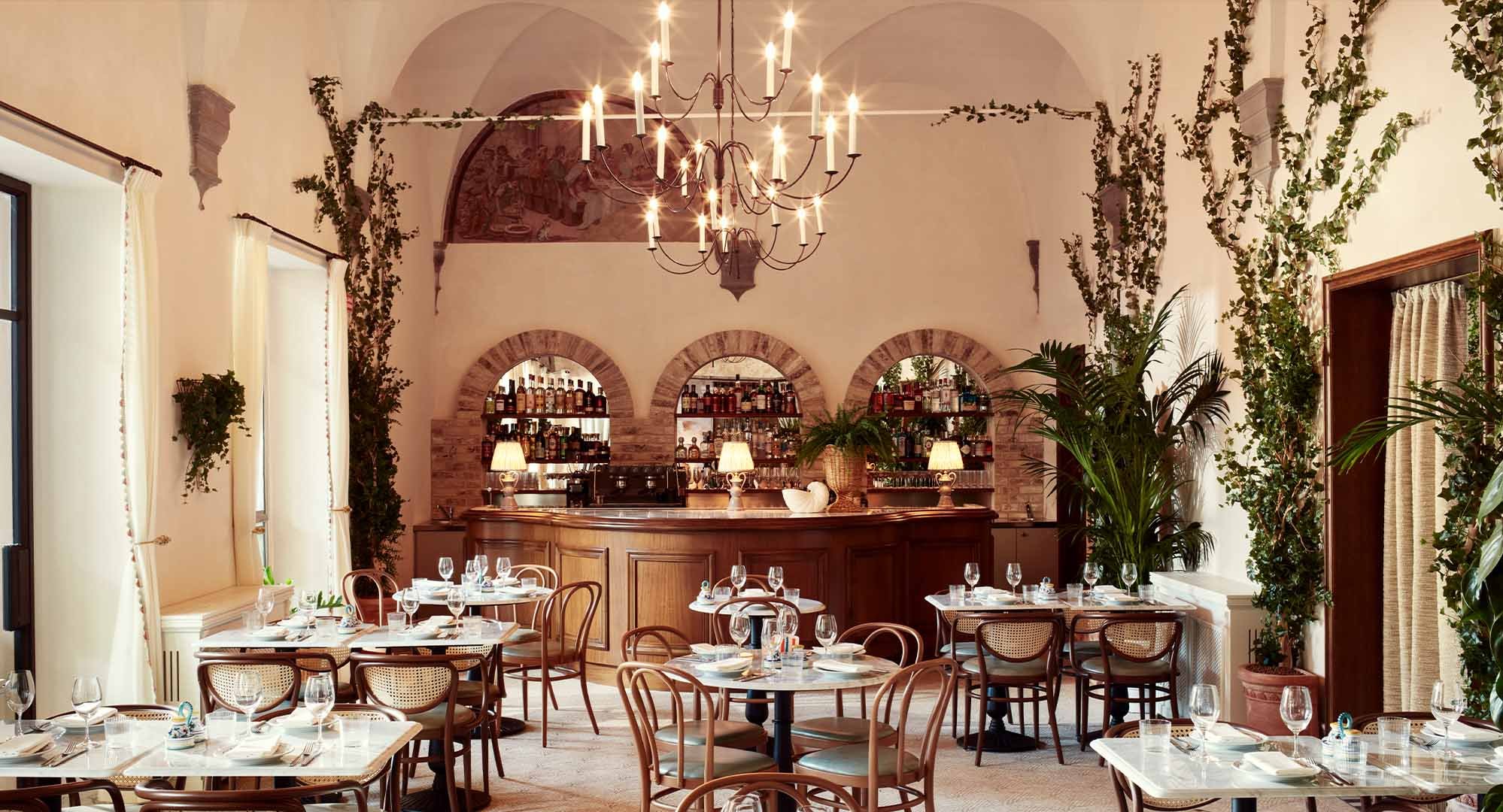
Florence dining begins before the plate: stone lanes holding heat, shutters pulled against afternoon glare, the smell of coffee giving way to oil, garlic and grilled bread as evening service gathers pace. In that setting, Alassio belongs to the Mediterranean side of the city’s table, a category defined less by luxury cues than by the quality of its foundation ingredients. Olive oil is the quiet test. In Tuscany, it is not garnish; it is structure, seasoning, texture and, when handled well, the line between a flat dish and one with shape.
Florence reads Mediterranean cooking through olive oil first
The Florentine appetite has always been land-based, but the modern Mediterranean restaurant in the city has broader obligations. It must speak fluently in vegetables, seafood, grains, herbs and citrus without losing the Tuscan instinct for clarity. Extra-virgin olive oil does much of that work. Local oils, especially those built from Frantoio, Moraiolo and Leccino varieties, tend toward green fruit, pepper and bitterness when fresh. Those traits are not decorative; they cut through starch, give vegetables a bitter edge, and make simple preparations feel deliberate.
This matters because Florence can punish restaurants that confuse abundance with generosity. The city’s stronger cooking traditions are materially disciplined: unsalted bread, beans, brassicas, offal, grilled meats, soups thickened by time rather than cream. A Mediterranean kitchen operating here has to respect that grammar while allowing a wider coastal vocabulary. The category works when olive oil is treated as a cooking medium and a finishing decision, not a luxury flourish added at the end.
Season also changes the argument. New-season Tuscan oil arrives after the autumn harvest with sharper pepper and greener aromatics; later in the year, the same cooking asks for balance rather than force. A restaurant built around Mediterranean habits has to adjust quietly to that rhythm. The reader should look for dishes where oil, acid and salt are doing specific work: vegetables that are not buried, seafood that is not over-dressed, and bread that functions as part of the meal rather than filler.
The useful test is restraint, not theatre
Florence has enough historical weight that restaurants can lean too heavily on setting, nostalgia or tourist expectation. Mediterranean cooking offers a cleaner standard. If the kitchen is confident, the plate usually shows fewer interventions: bitter greens, legumes, fish, tomatoes in season, herbs used with discipline, and olive oil carrying aroma without greasiness. That is the lens through which Alassio Restaurant is easiest to understand. The listed cuisine is Mediterranean, and in Florence that places it in a broad but demanding lane: less formal than tasting-menu gastronomy, more ingredient-sensitive than generic trattoria cooking.
The absence of public awards or a named chef shifts the editorial emphasis to category intelligence. For diners, that is useful. Not every meal in Florence needs the choreography of a starred room or the heavy regional canon of bistecca, ribollita and lampredotto. A Mediterranean table can be the smarter choice when the day has already included museums, long walks and dense Renaissance interiors. The right meal in this register is lighter without being casual in thought: oil-forward, vegetable-literate, and alert to the city’s preference for clean flavours.
For a fuller map of how this address fits into the city, use Our full Florence restaurants guide. Florence’s food culture is easier to read when split by function: quick street-food traditions such as 'l Trippaio di San Frediano, vegetarian-leaning cooking at 5ecinque, international hotel-era dining at Akira Back (Japanese-Korean fusion), and seasonal outdoor formats collected under Al Fresco Dining. The city’s wider travel planning sits across Our full Florence hotels guide, Our full Florence bars guide, Our full Florence wineries guide and Our full Florence experiences guide.
How to read the broader Italian and Mediterranean thread
Italy’s regional cooking is not a single ladder of prestige; it is a set of local economies, oils, grains, fish routes and family formats. A Florence Mediterranean meal sits in conversation with that wider network without needing to imitate it. Southern comfort and Campanian cooking appear in places such as 'E Curti Ristorante Tipico di Angela Ceriello & Co SAS in Sant Anastasia, while pizza-driven regional identity can be traced through ‘O Fiore Mio in Faenza and ‘O Scugnizzo in Arezzo. Contemporary Italian kitchens take different routes at [àbitat] in San Fermo della Battaglia, [bu:r] in Milan and /gu.stà.re/ oltrecucina in Rome.
The Mediterranean label also travels beyond Italy, but it changes meaning with place. In the United States, Agora Bethesda, Mediterranean in Bethesda and Alder, Mediterranean in Cambridge sit inside different produce systems, service expectations and price cultures. Florence’s version is more closely tied to olive oil, bread, vegetables and the tension between Tuscan austerity and coastal ease. That is the useful reason to choose this style of meal in the city: it gives relief from the heavier canon without leaving the region’s ingredient logic behind.
Comparable venues nearby, for context on price, style, and recognition.
| Venue | Cuisine | Price | Notes |
|---|---|---|---|
| Alassio RestaurantThis venue — the venue you are viewing | Coastal Mediterranean & Italian Comfort Food | $$ | Not listed |
| I’Brindellone | Traditional Tuscan Trattoria | $$ | San Frediano |
| C.BIO - Cibo, buono italiano e onesto | Organic Italian Deli | $$ | Ricorboli |
| 5ecinque | Vegetarian Italian (Ligurian & Tuscan) | $$ | Santo Spirito |
| Il Vegetariano | Traditional Italian Vegetarian | $$ | Il Pellegrino |
| Gurdulù Gastronomia | Contemporary Tuscan | $$ | Santo Spirito |
Continue exploring
More in Florence
Restaurants in Florence
Browse all →
Bars in Florence
Browse all →

Hotels in Florence
Browse all →

At a Glance
- Lively
- Trendy
- Cozy
- Modern
- Energetic
- Casual Hangout
- Group Dining
- Brunch
- After Work
- Date Night
- Family
- Courtyard
- Terrace
- Hotel Restaurant
- Design Destination
- Private Dining
- Craft Cocktails
- Extensive Wine List
- Zero Proof
- Garden
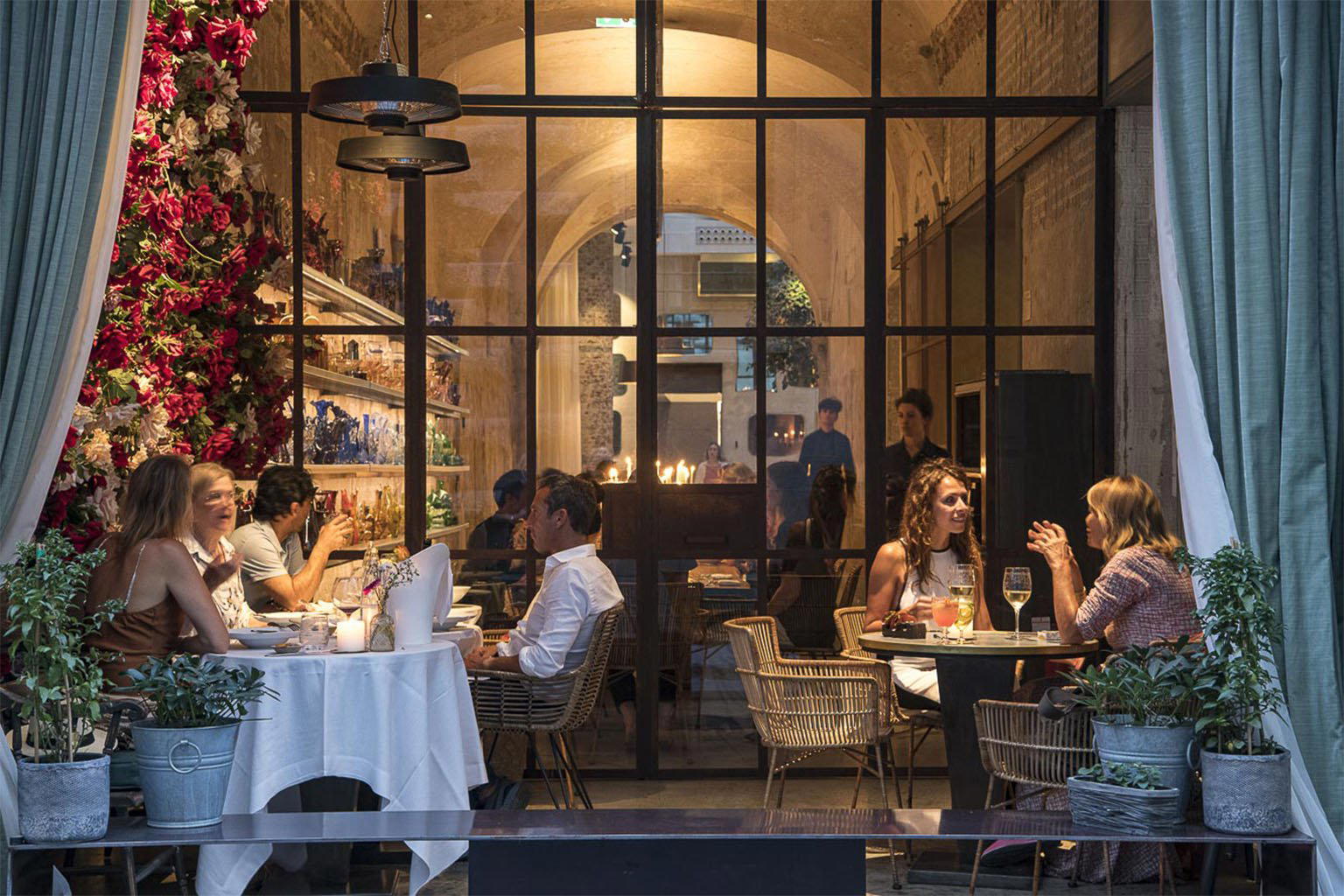
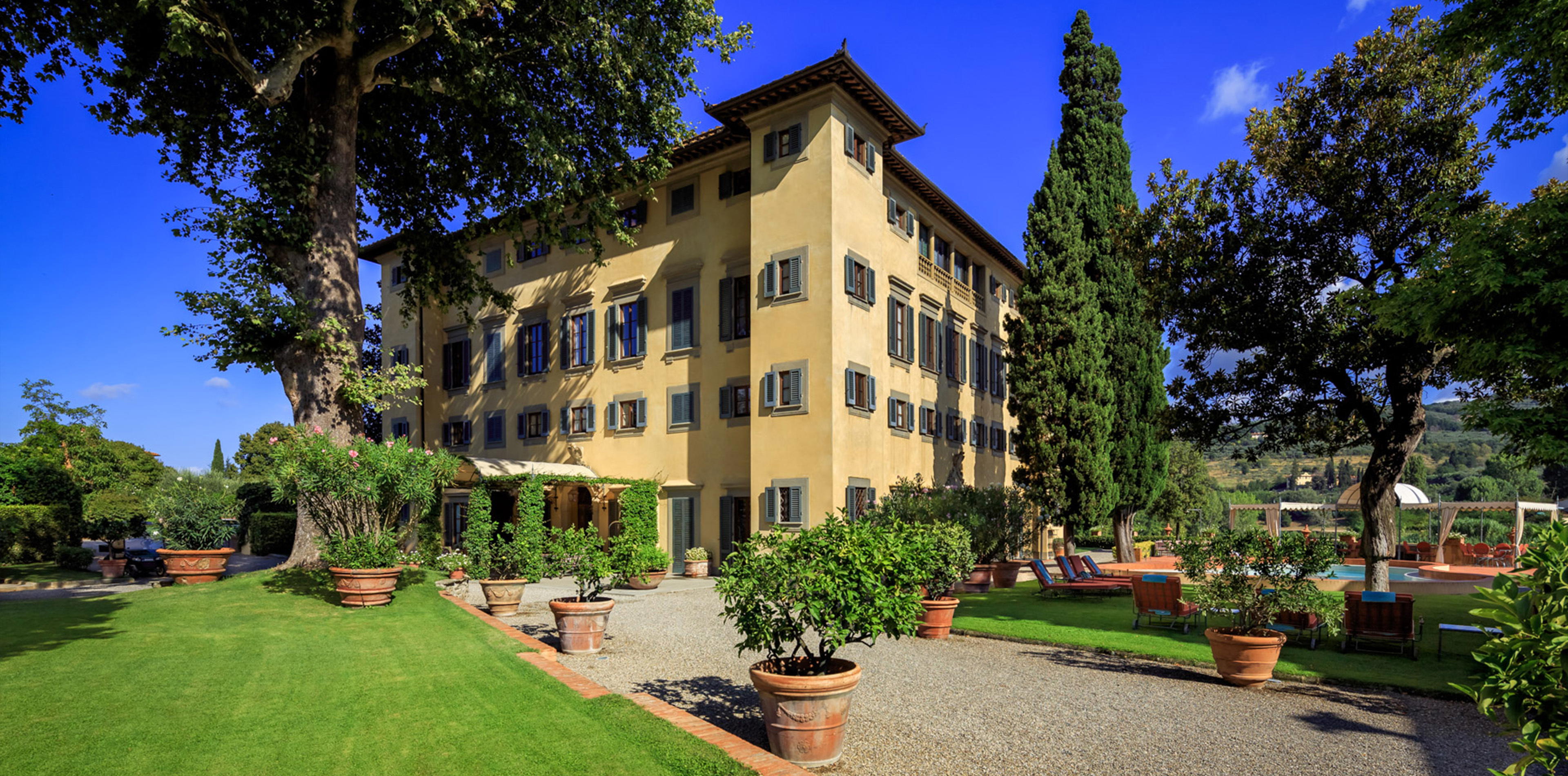
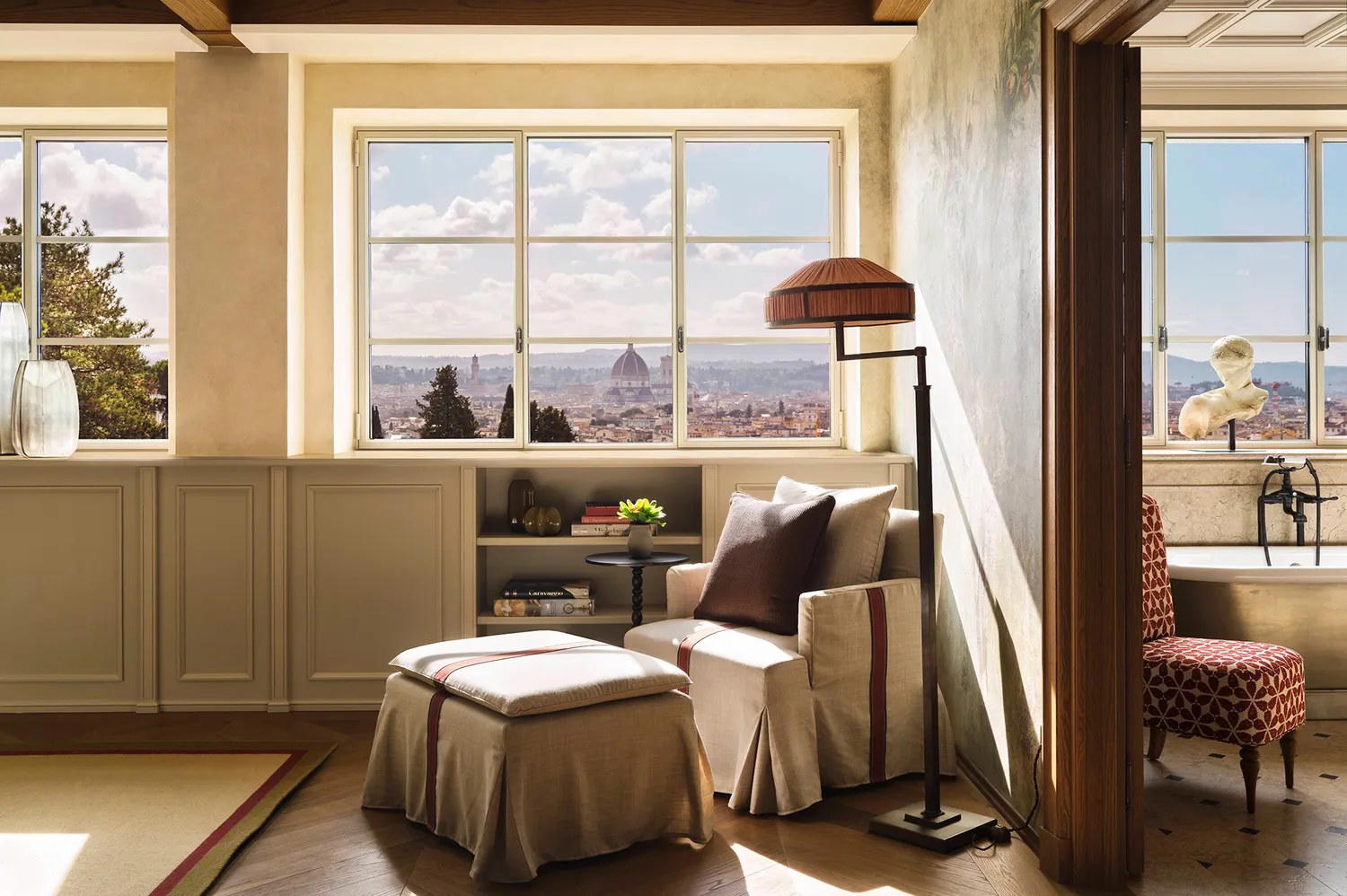
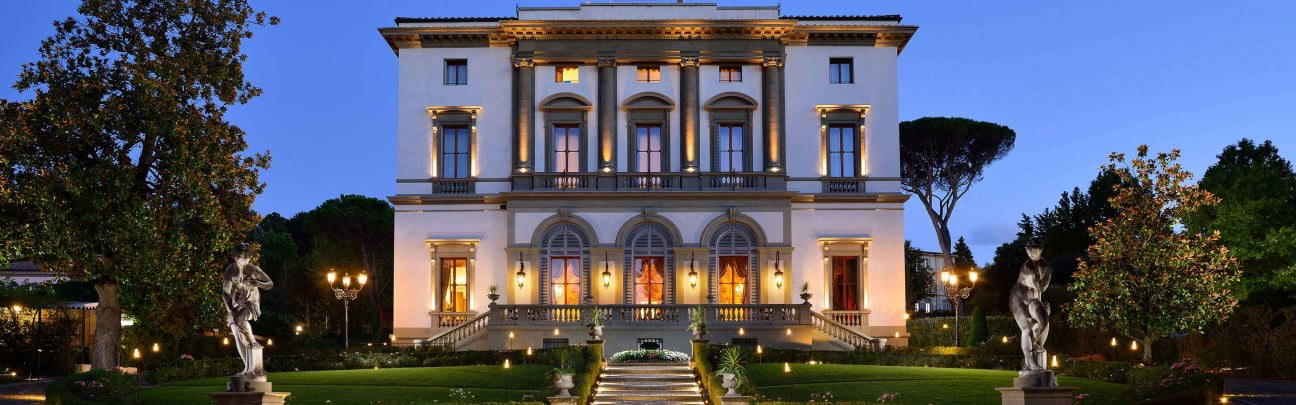
Bright, summery and relaxed with a Mediterranean courtyard feel—potted olive and lemon trees, a central fountain, and an easygoing hotel-restaurant buzz suited to long, laid-back meals and cocktails.