On Reuterstraße in Neukölln, Alaska occupies the quieter, more considered end of Berlin's neighbourhood restaurant scene. The address places it in a district known for independent operators working outside the city's fine-dining consensus, where the conversation tends to centre on sourcing and technique rather than ceremony. It is a venue worth tracking for anyone following how global culinary methods are being applied to locally rooted ingredient cultures.
Pearl is the En Primeur Club membership app — saves, bookings, and concierge access live there. Same editors, same standards.
- Address
- Reuterstraße 85, 12053 Berlin, Germany
- Phone
- +493023914138
- Website
- bookings.zenchef.com
- Directions
- Get directions
 Saves & bookings on Pearl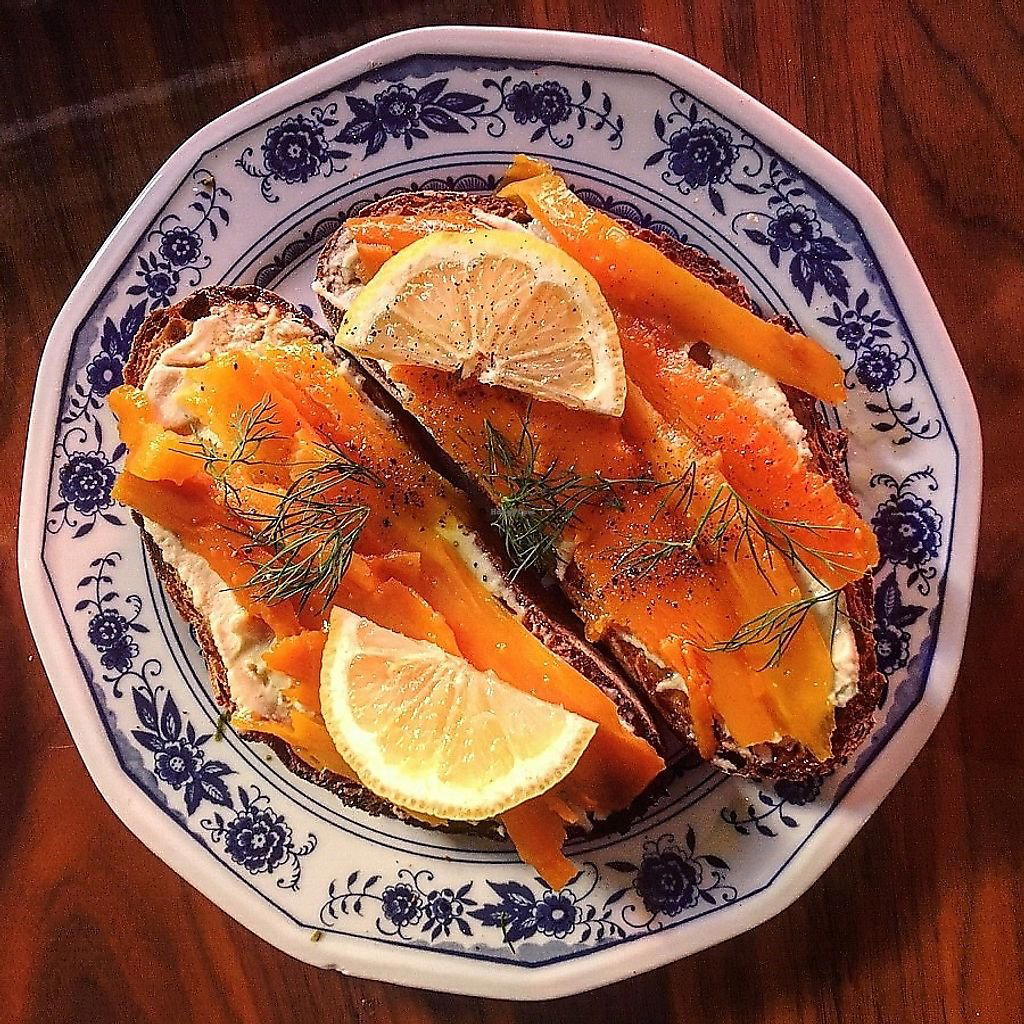
Reuterstraße and the Neukölln Register
Berlin's most interesting restaurants in the past decade have not, generally, been found in Mitte. The energy has moved south and east, into districts where rents allow independent operators to take more considered positions on what they cook and how. Neukölln, and specifically the stretch around Reuterstraße, has become one address where that pattern is legible. The street runs through a part of the city that sits some distance, in character if not geography, from the formal fine-dining tier that includes places like Rutz, FACIL, and Nobelhart & Schmutzig. Alaska sits at Reuterstraße 85, and the address itself signals something about the kind of experience on offer: local in orientation, independent in structure, and operating outside the conventions that govern the city's more institutionalised dining rooms.
Local Ingredients, Imported Methods
A pattern that has been gaining traction across Berlin's independent restaurant tier is the application of technique drawn from international traditions to ingredients sourced within Germany's agricultural regions. It is a different proposition from the hyper-local formalism practised at places like Nobelhart & Schmutzig, where the restriction of the sourcing radius is itself the editorial statement. Instead, the approach is more fluid: a kitchen that might draw on fermentation traditions from East Asia, butchery methods from France, or low-intervention cooking philosophies from Scandinavia, applied to produce that reflects where the restaurant is physically located.
This intersection of imported method and indigenous product has become one of the more productive tensions in European cooking over the past fifteen years. It is not fusion in the late-1990s sense, where combinations were often decorative rather than structural. It is a more disciplined conversation between what a technique can do and what a local ingredient actually is. The results, at their leading, produce food that reads as specific to a place without being nostalgic or folkloric about it. Germany's larder, which includes a serious tradition in dairy, pork, game, and root vegetables, alongside increasingly strong small-scale produce from Brandenburg and beyond, gives a kitchen working in Berlin meaningful raw material to engage with.
Berlin's Neighbourhood Restaurant Tier
Understanding Alaska means understanding where it sits in Berlin's broader dining structure. The city's leading end is covered by a cluster of Michelin-recognised addresses, including the two-starred Restaurant Tim Raue and the dessert-focused CODA Dessert Dining, which operate with tasting menus, formal service structures, and the kind of international profile that brings visitors from outside Germany specifically for the meal. Below that tier, and distinct from it in almost every way, is a neighbourhood layer of restaurants that functions for a different reason: they are woven into the fabric of local life rather than positioned as destinations for visiting critics or travelling food professionals.
Alaska belongs to that neighbourhood layer. Its Neukölln address connects it to a district that has spent the past decade evolving from one of Berlin's most economically pressured areas into one of its more creatively active ones. The restaurant's presence on Reuterstraße places it among independent operators for whom consistency and local relevance tend to matter more than media cycles.
Germany's broader fine-dining tier, for context, includes ambitious kitchens working across different registers: from Schwarzwaldstube in Baiersbronn to Aqua in Wolfsburg, JAN in Munich, and Waldhotel Sonnora in Dreis. Alaska operates at a remove from that institutional level, which is precisely the point.
The Reuterstraße Environment
Approaching Reuterstraße 85, the physical context is that of a working residential street in Neukölln rather than a curated dining destination. The area's character is mixed and unhurried, with the kind of urban texture that Berlin's outer-central districts tend to produce: independent businesses alongside residential blocks, relatively little of the self-conscious design language that marks the city's more tourist-facing areas. That setting creates a specific kind of expectation for a restaurant. Ceremony is not what the address suggests. A more direct, less theatrical experience is the implicit offer, which aligns with how the neighbourhood layer of Berlin's restaurant scene generally operates.
For visitors unfamiliar with Neukölln's geography, the district is well served by the U8 line, with Boddinstraße and Leinestraße both within walking distance of the Reuterstraße address. The area rewards arriving with time to walk rather than arriving precisely at a reservation.
Planning a Visit
Alaska is a casual Vegan Spanish Tapas restaurant at Reuterstraße 85, 12053 Berlin, Germany, with a recommended reservation policy and an average spend of about $20 per person. The practical recommendation is to plan ahead before visiting. Reuterstraße 85 is the confirmed address. For visitors building a wider Berlin itinerary across different price points and formats, the range spans from neighbourhood independents in Neukölln and Kreuzberg through to the city's formal fine-dining tier. Those who have worked through the city's more formal dining rooms and want to understand what is happening at street level in Berlin's most active residential districts will find the Reuterstraße area a productive place to spend time.
Vendôme in Bergisch Gladbach, Victor's Fine Dining by Christian Bau in Perl, ES:SENZ in Grassau, Schanz in Piesport, Restaurant Haerlin in Hamburg, and Bagatelle in Trier represent the kind of institutional commitment to craft that Germany's regional fine-dining tier has built over decades. Internationally, the technique-over-spectacle approach that defines the more serious end of this neighbourhood tier finds equivalents at Le Bernardin in New York City and the communal-format ambition of Lazy Bear in San Francisco, both of which show what can happen when culinary rigour is applied outside conventional fine-dining frameworks.
Awards and Standing
Comparable venues nearby, for context on price, style, and recognition.
| Venue | Cuisine | Price | Notes |
|---|---|---|---|
| AlaskaThis venue — the venue you are viewing | Vegan Spanish Tapas | $$ | Not listed |
| La Sepia | Spanish & Portuguese Seafood | $$ | Charlottenburg |
| Café Botanico | Italian Farm-to-Table | $$ | Neukolln |
| Jemenitisches Restaurant | Authentic Yemeni | $$ | Neukolln |
| Kanal61 | Modern Bistro Sharing Plates | $$ | Kreuzberg |
| Sama Beirut | Authentic Lebanese Street Food | $$ | Kreuzberg |
Continue exploring
More in Berlin
Restaurants in Berlin
Browse all →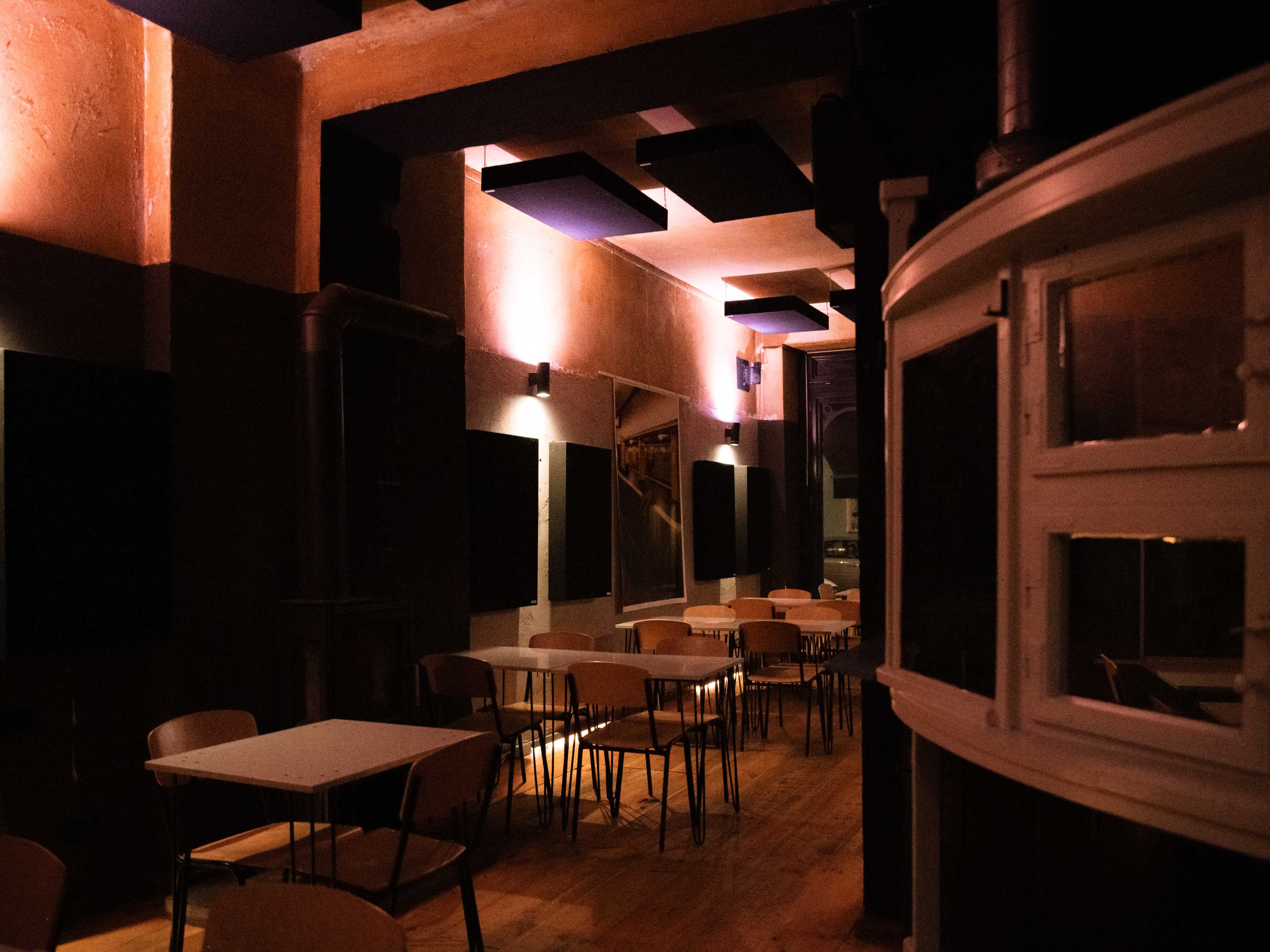
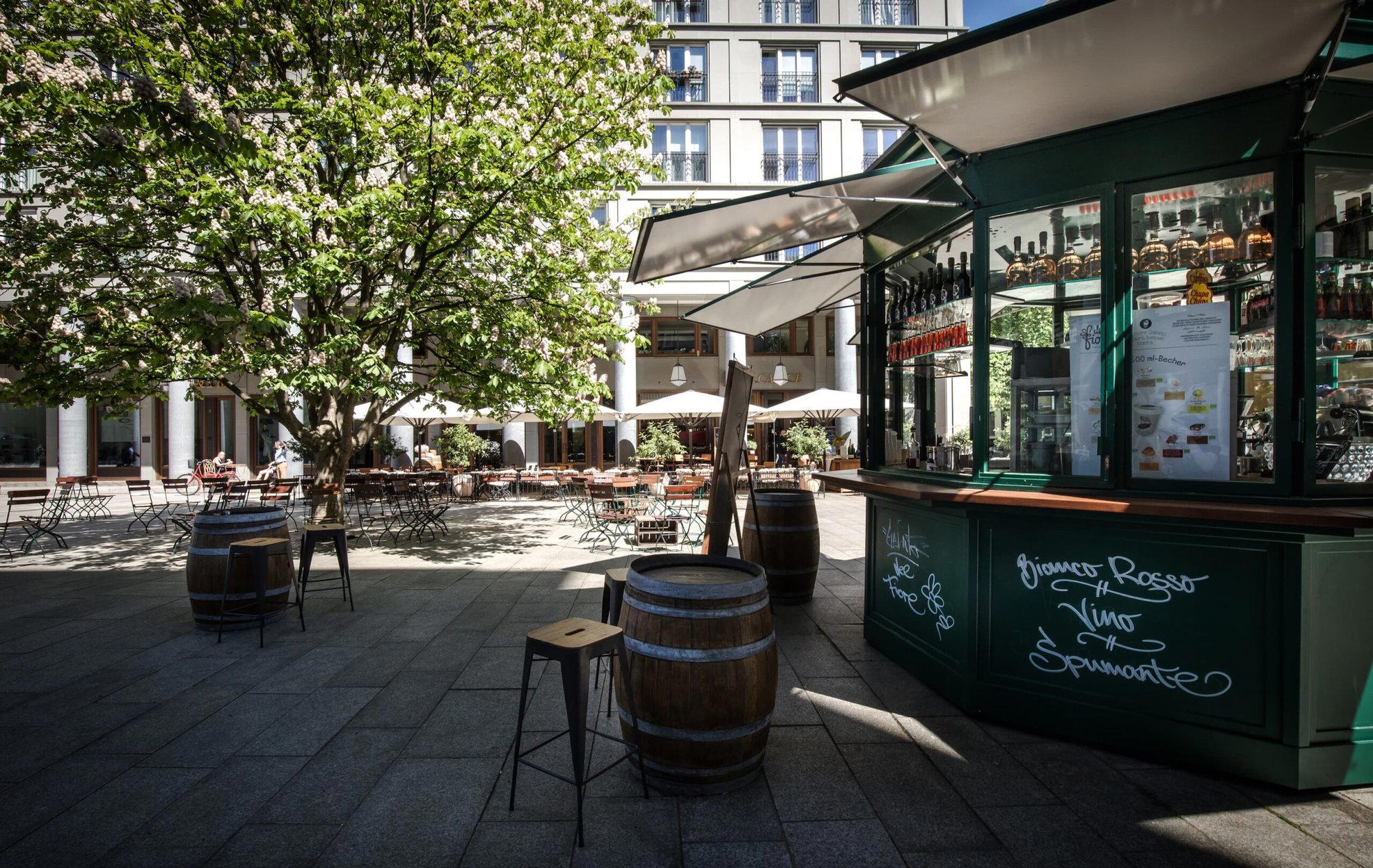
Bars in Berlin
Browse all →
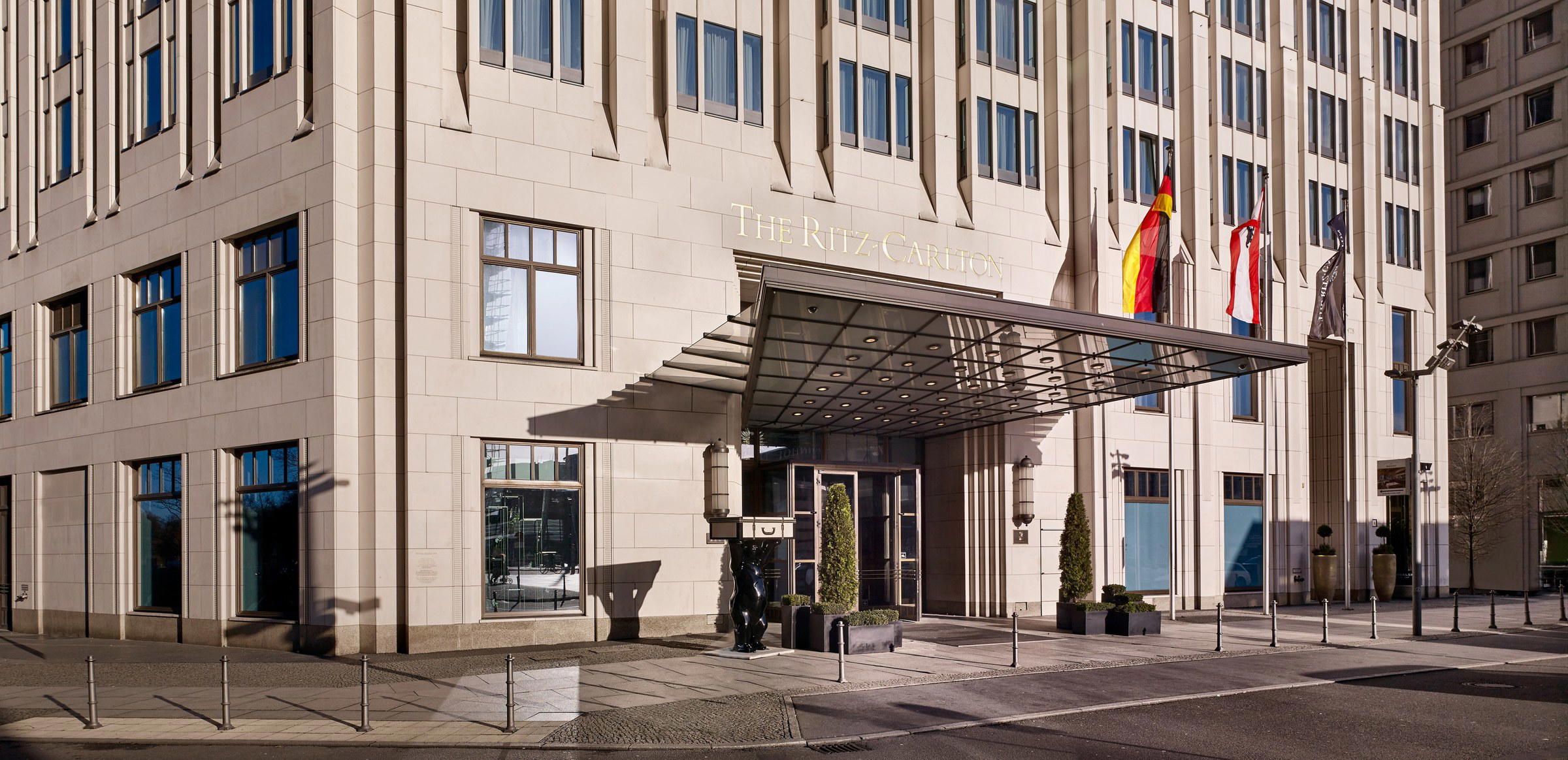
Hotels in Berlin
Browse all →


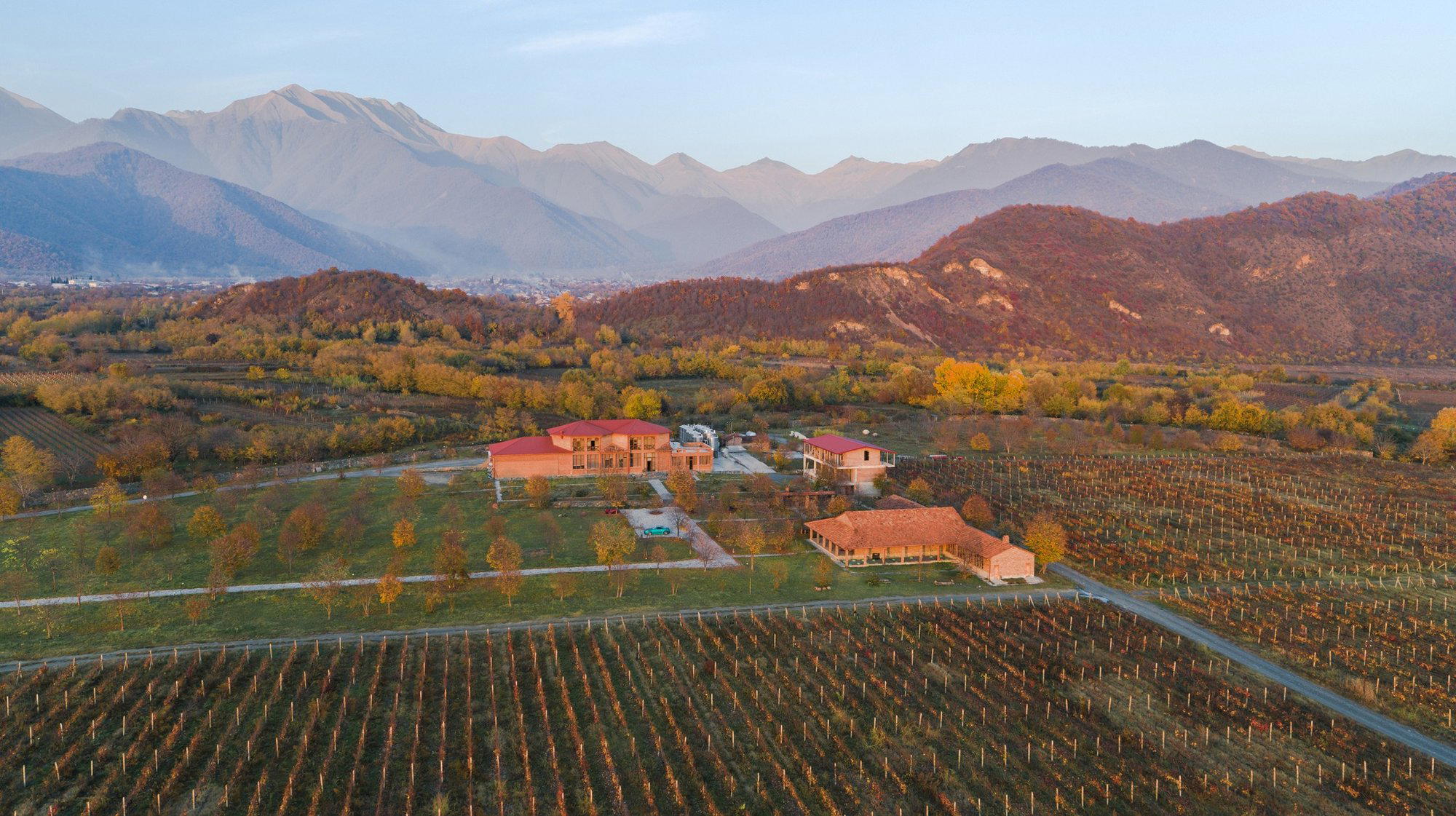
Wineries in Berlin
Browse all →
At a Glance
- Cozy
- Lively
- Trendy
- Casual Hangout
- Date Night
- Open Kitchen
- Craft Cocktails
Current opening hours
- Monday
- 5 PM–12 AM
- Tuesday
- 5 PM–12 AM
- Wednesday
- 5 PM–12 AM
- Thursday
- 5 PM–12 AM
- Friday
- 5 PM–2 AM
- Saturday
- 5 PM–2 AM
- Sunday
- Closed
Hours can change for holidays and private events. Last verified .
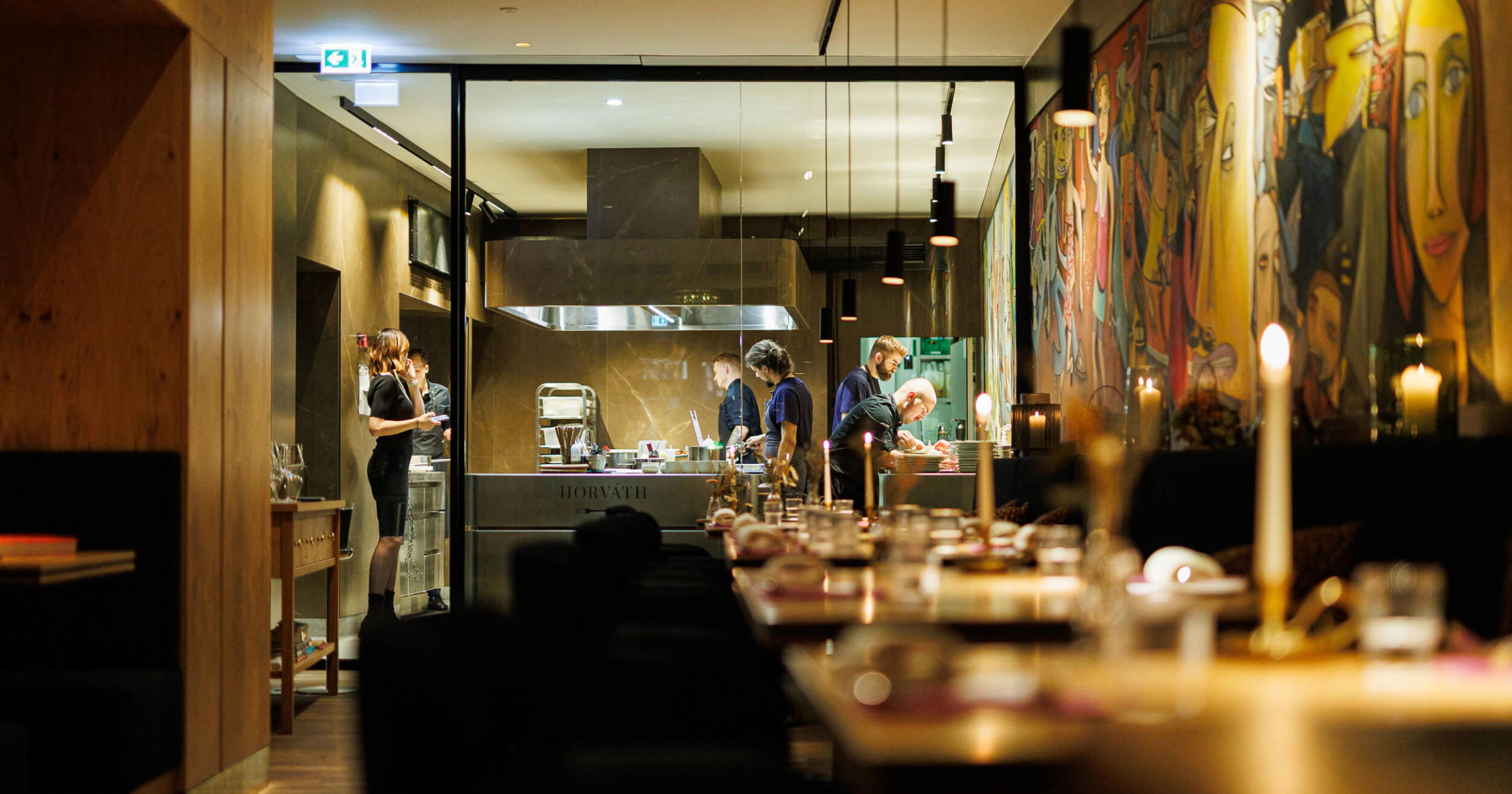
Eclectic and colorful with kitsch decorations, vintage photographs, cozy sofas, and a rowdy bar scene.