Distilleria Schiavo
Distilleria Schiavo operates from Costabissara, a small town in the Vicenza province of northeastern Italy, within a regional distillation tradition that stretches back generations across the Veneto foothills.. For those tracing the arc of Italian grappa and distilled spirits, Costabissara offers a quieter, less-trafficked point of entry than the more prominent Trentino circuit.

Pearl is the En Primeur Club membership app — saves, bookings, and concierge access live there. Same editors, same standards.
- Address
- Via Giuseppe Mazzini, 39, 36030 Costabissara VI
- Phone
- +39 0444 971025
- Website
- schiavograppa.com
- Directions
- Get directions
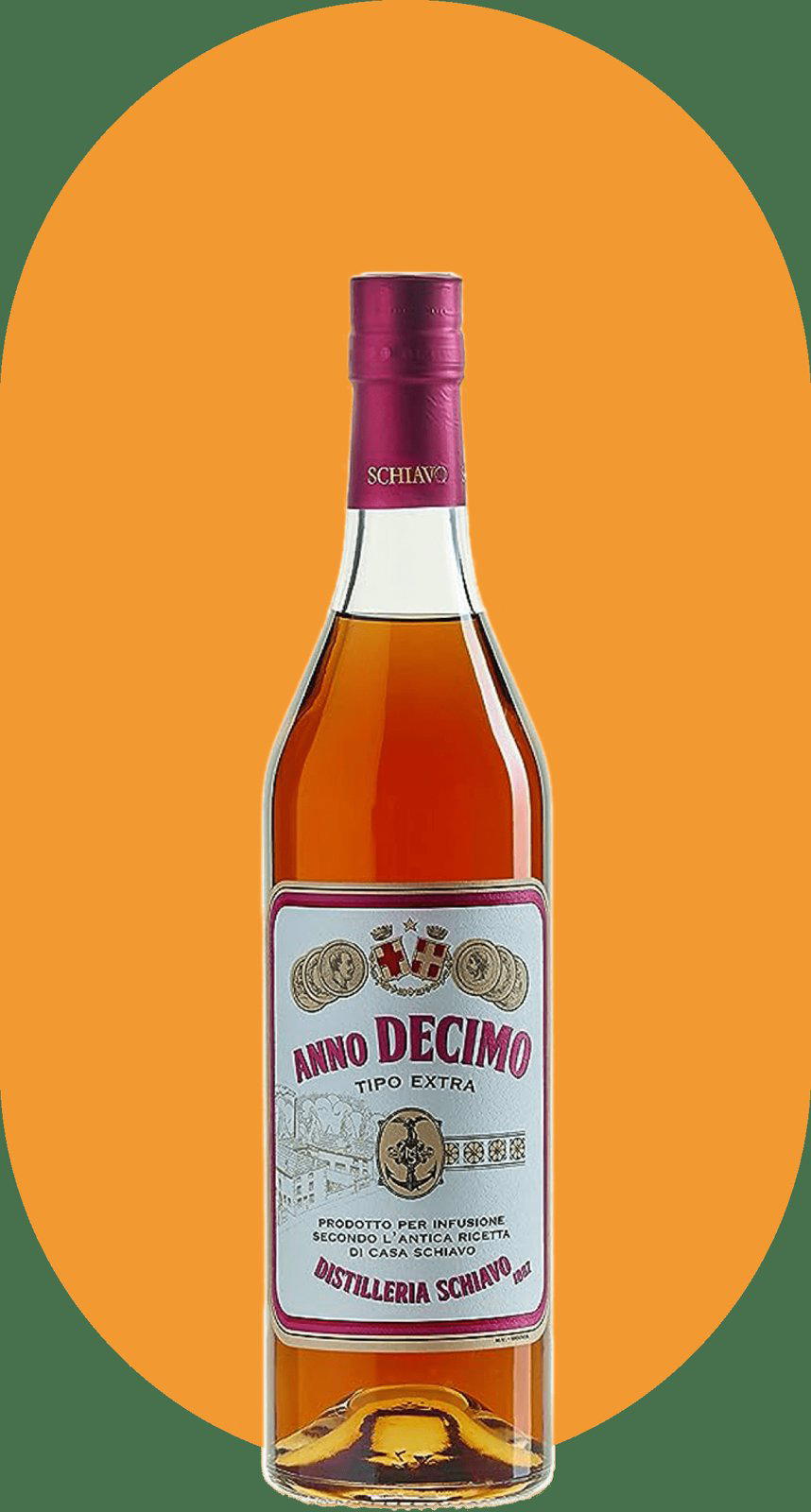
Distillation in the Veneto Foothills: What Costabissara Represents
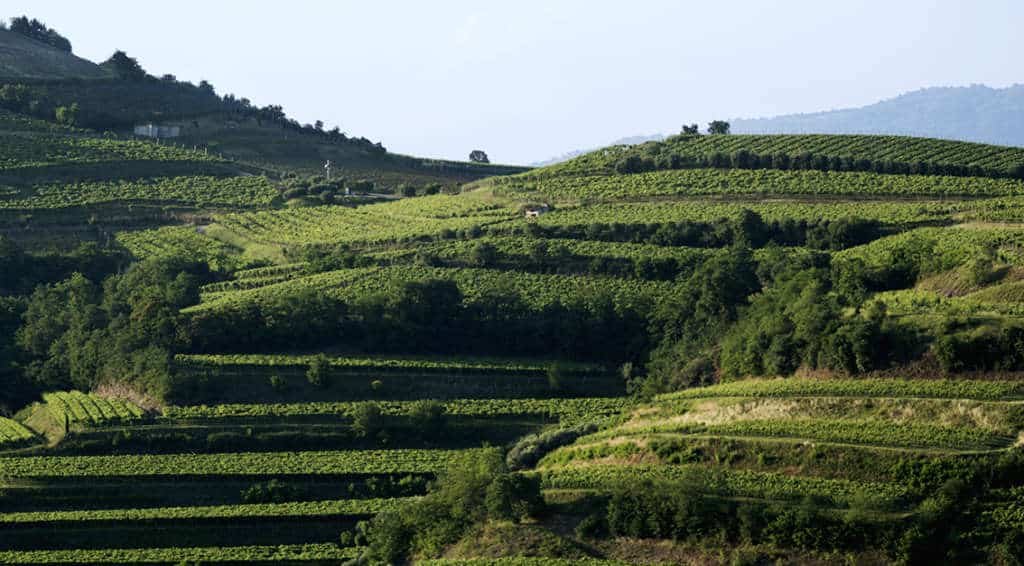
The Vicenza province sits at a geographical inflection point in northern Italy, where the flat agricultural spread of the Po Valley begins to buckle and lift toward the Prealps. This is not wine country in the Barolo or Brunello sense, but the region has a long and underappreciated relationship with distillation. Pomace-based spirits, grappa above all, are woven into the agricultural economy here in a way that is functional rather than ceremonial. Distilleries in towns like Costabissara occupy the same matter-of-fact position in local life that a cooperative winery might hold in Tuscany or Puglia. They process what the vineyards leave behind and, in doing so, create something the vineyards cannot.
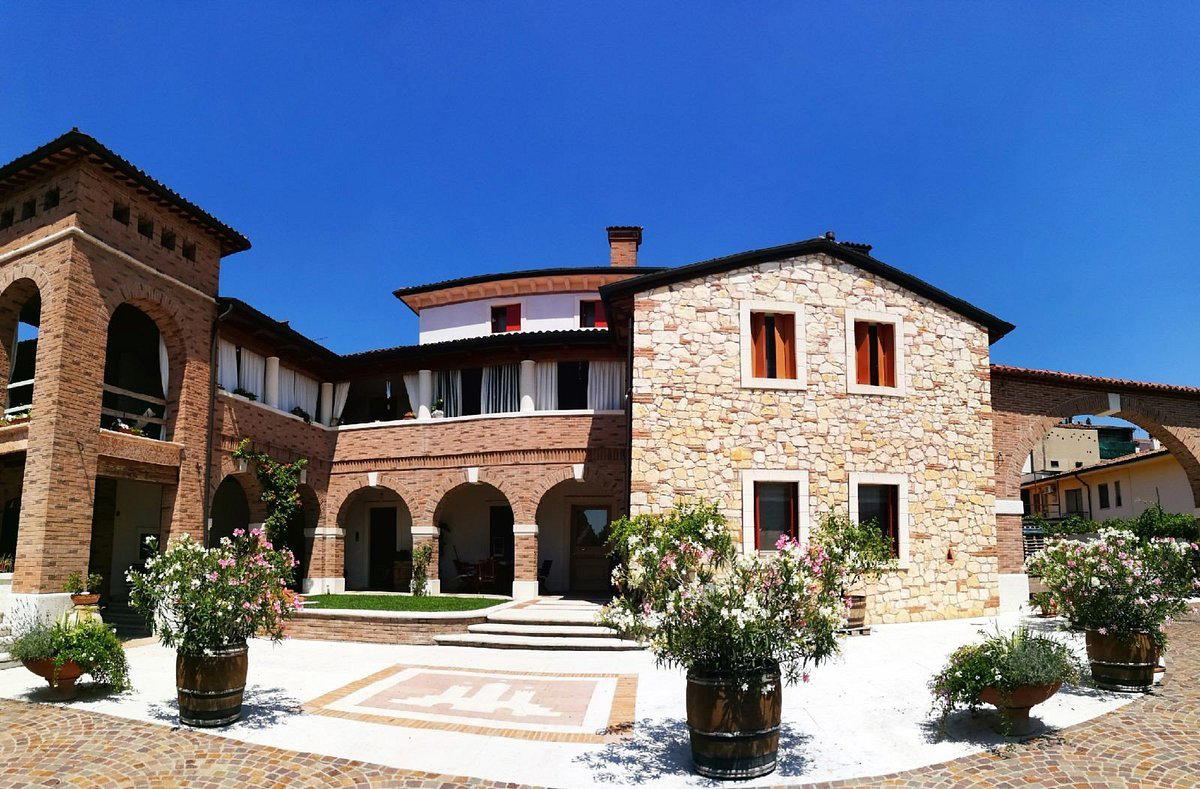
Distilleria Schiavo sits within that tradition, at Via Giuseppe Mazzini, 39 in Costabissara, a short distance from Vicenza itself. The town does not carry the same name recognition as the Trentino distilleries that have built international followings, nor does it compete on the same marketing terrain as the more commercially prominent Veneto operations. What it has instead is the geographic logic of the region: proximity to grape-growing areas that supply the pomace and base materials essential to a grappa-oriented operation, and the climate of the northeastern Italian foothills, where warm days and cool nights through the harvest season concentrate the aromatics that define well-made pomace spirits.
In 2025, Distilleria Schiavo was. This matters as a calibration point for visitors: Italian distilleries at this recognition level tend to attract a more informed, spirits-focused visitor rather than a casual tourist looking for a cellar-door experience. The audience self-selects toward people who are already tracking the category.
For comparative context, the Italian distillation circuit includes operations of very different scales and orientations. Nonino Distillery in Pavia di Udine has built a near-canonical reputation for single-varietal grappa and has done more than perhaps any other producer to shift the international perception of the category upward. Distilleria Marzadro in Nogaredo represents the Trentino axis of Italian grappa production, with a different terroir base and stylistic register. Poli Distillerie in Schiavon, also in the Vicenza province, is the most proximate comparator geographically, and the presence of two recognised Vicenza-area distilleries in the same awards cycle speaks to the province's growing coherence as a production zone. Distilleria Romano Levi in Neive, by contrast, represents the Piedmontese tradition, where grappa is produced in the shadow of Barolo and Barbaresco and the pomace carries the tannic character of Nebbiolo.
Schiavo's Vicenza positioning means its raw material base will differ from those Piedmontese or Trentino counterparts. The Veneto supplies pomace from a range of varieties, including Garganega (the base of Soave), Glera (the grape behind Prosecco), and various local cultivars. Each of those base materials transmits different aromatic profiles into the distillate, and a distillery with access to that range of sources has choices that shape its output at the most fundamental level.
Terroir in a Glass: What Veneto Pomace Carries
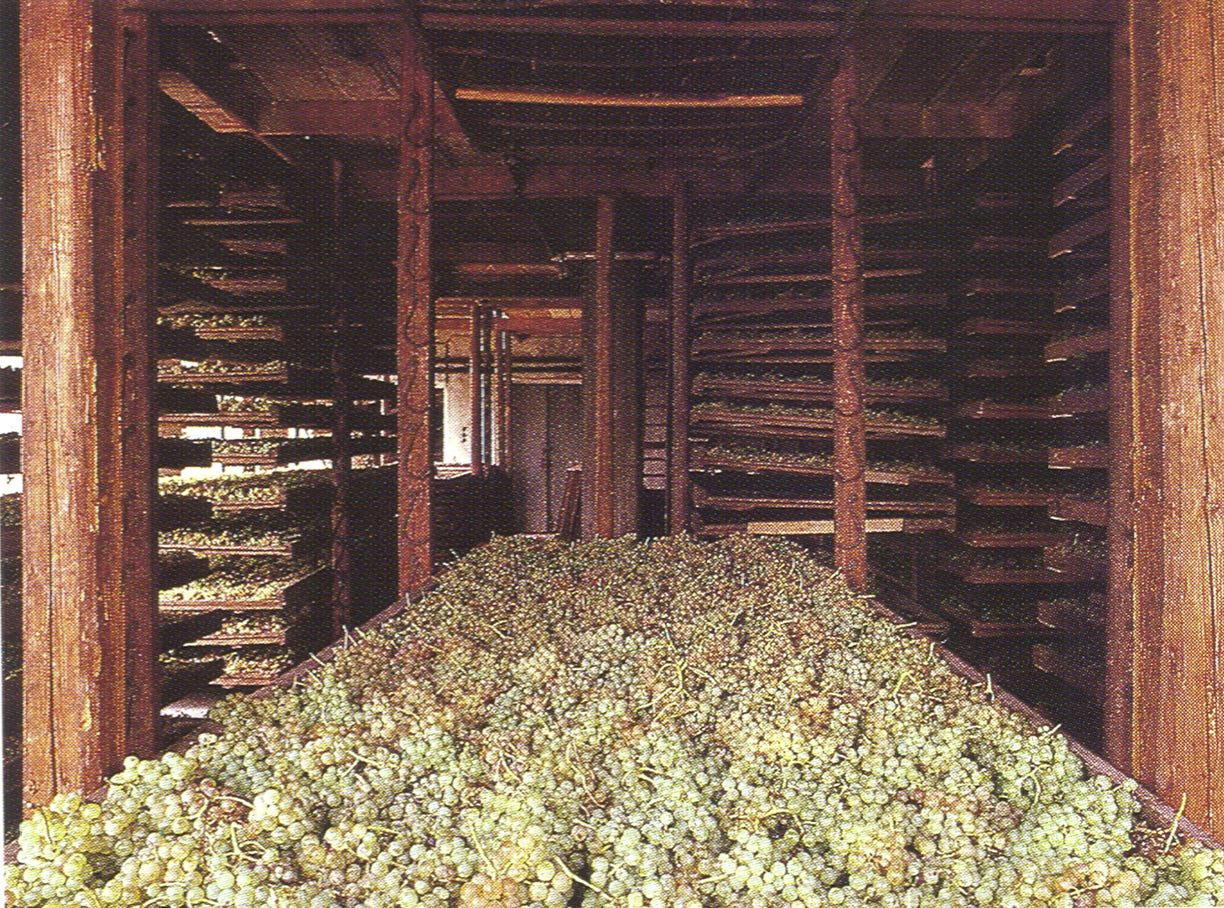
The editorial angle on any serious Italian distillery is ultimately about raw material and process, because that is where the differentiation happens. Unlike wine, where the terroir argument centers on how soil and climate shape a grape still on the vine, grappa's terroir argument is more oblique: it runs through the pomace, the pressed skins and seeds left after winemaking, which carry residual aromatic compounds specific to variety, growing conditions, and harvest timing. A Glera pomace from the Conegliano-Valdobbiadene hills produces a grappa with a particular floral lightness. A Garganega pomace from the Soave Classico zone has more body and a lower aromatic lift. The distiller's craft lies in reading those materials and applying heat and time accordingly.
The Veneto foothills around Vicenza share climatic characteristics with both the Colli Euganei to the south and the Berici Hills that frame the western edge of the province. Neither zone is famous for high-altitude viticulture, but both produce grapes with good acidity retention, which translates into pomace with more live fermentable sugars and a cleaner fermentation profile. That is, in practical terms, better raw material for distillation than heavily extracted pomace from warmer zones.
This is the terroir argument for Veneto grappa, and it is what separates a distillery operating with local, seasonal pomace from one that sources more broadly for consistency.
Visiting Costabissara: Practical Orientation
Costabissara is accessible from Vicenza, which sits on the main rail line between Verona and Venice, two of the region's primary visitor hubs. The town itself is small, and the distillery address on Via Giuseppe Mazzini places it within the built area of the town rather than on an isolated rural property. That civic embeddedness is typical of Veneto artisan producers, many of whom operate in light-industrial or mixed-use settings rather than the manicured estate environments associated with Tuscan wine tourism.
For anyone planning a visit, arriving through our full Costabissara restaurants guide will provide additional orientation on what the area offers beyond the distillery itself. Given the production-focused character of the operation and its location in a working town rather than a tourism zone, advance contact is advisable before making the trip the primary purpose of a day out.
The broader Vicenza-area spirits and wine circuit rewards building an itinerary around multiple stops. The Veneto is home to operations across categories: Ca' del Bosco in Erbusco (across the border in Lombardy's Franciacorta zone) is within range for a day that combines sparkling wine and spirits. Tuscany-based producers like Castello di Volpaia in Radda in Chianti and Lungarotti in Torgiano are further afield but represent the kind of estate-visit format that contrasts usefully with the Veneto's more functional production model. For those tracing Italian spirits specifically, Campari in Milan and Aldo Conterno in Monforte d'Alba anchor different ends of the Italian drinks tradition. Planeta in Menfi, L'Enoteca Banfi in Montalcino, and Poggio Antico in Monte San Vito round out the Italian wine side for travellers building a longer peninsula itinerary. For those drawn to non-Italian distillation comparisons, Aberlour in Aberlour and Accendo Cellars in St. Helena offer transatlantic reference points in single malt and Napa Cabernet respectively.
Side-by-Side Snapshot
Comparable venues nearby, for context on price, style, and recognition.
| Venue | Cuisine | Awards | Notes |
|---|---|---|---|
| Distilleria SchiavoThis venue — the venue you are viewing | Cabernet Sauvignon, Merlot | Not listed | Not listed |
| Gruppo Campari | Winery | Not listed | Milan |
| Bertani | Corvina, Rondinella | Falstaff Winery - 5 Stars | Valpolicella Valpantena |
| Amaro Santa Maria al Monte | Winery | Not listed | Chiavari |
| Distilleria Moccia | other_grape | Not listed | Ferrara |
| San Leonardo | Cabernet Sauvignon, Carmenère | Falstaff Winery - 5 Stars | Vallagarina |
Continue exploring
More in Costabissara
Wineries in Costabissara
Browse all →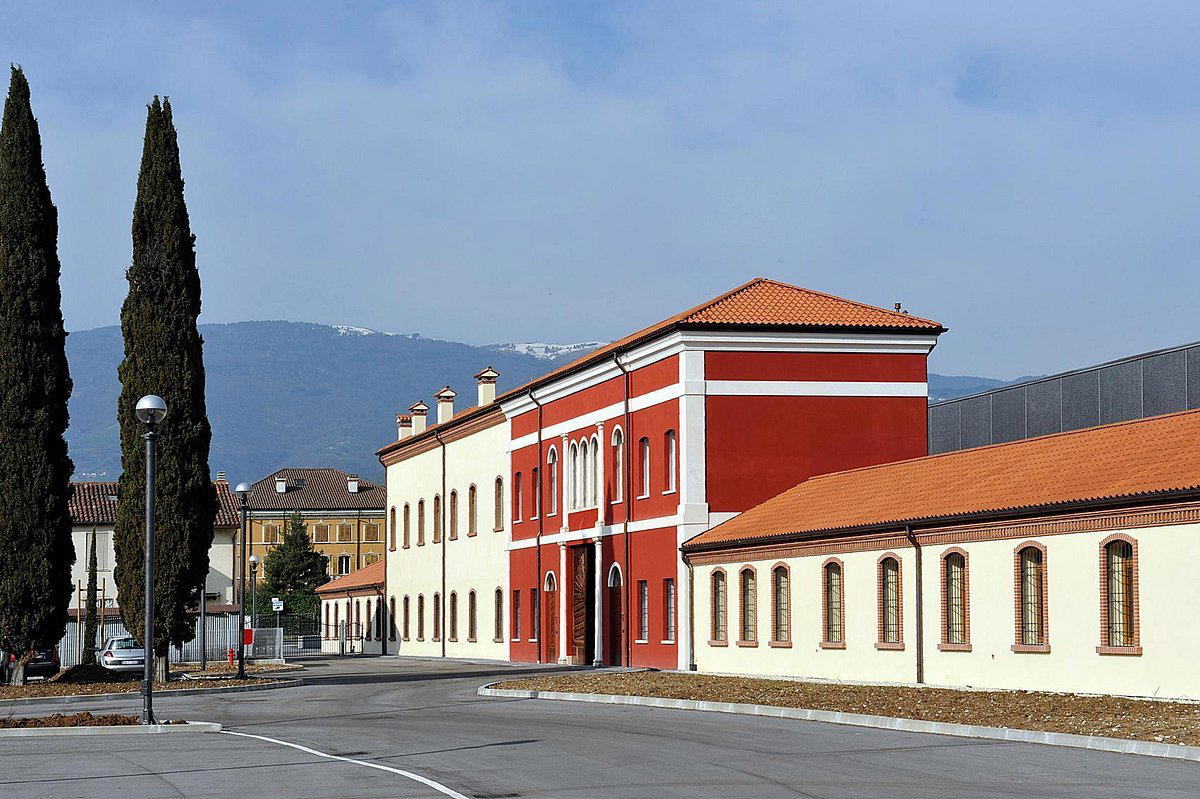
Bars in Costabissara
Browse all →
Restaurants in Costabissara
Browse all →
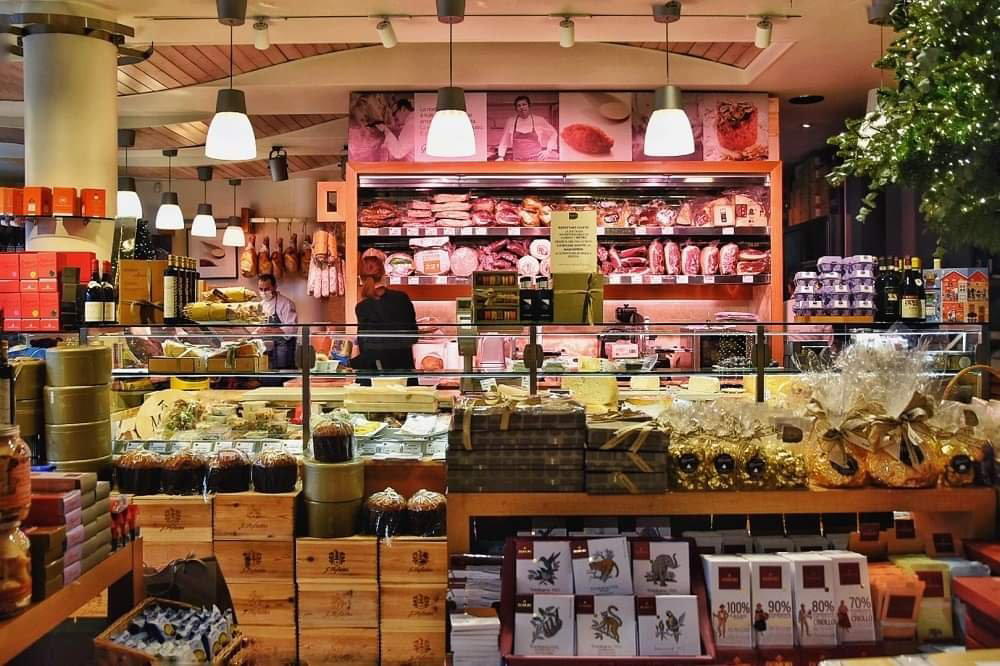
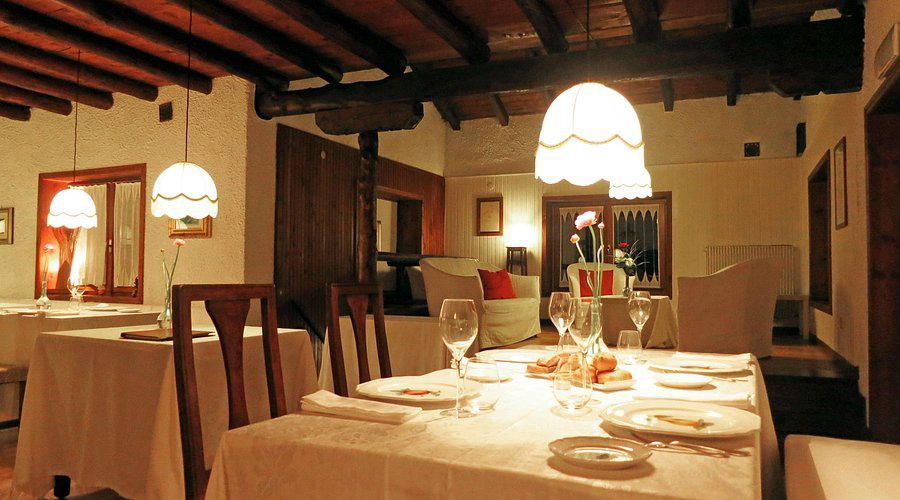
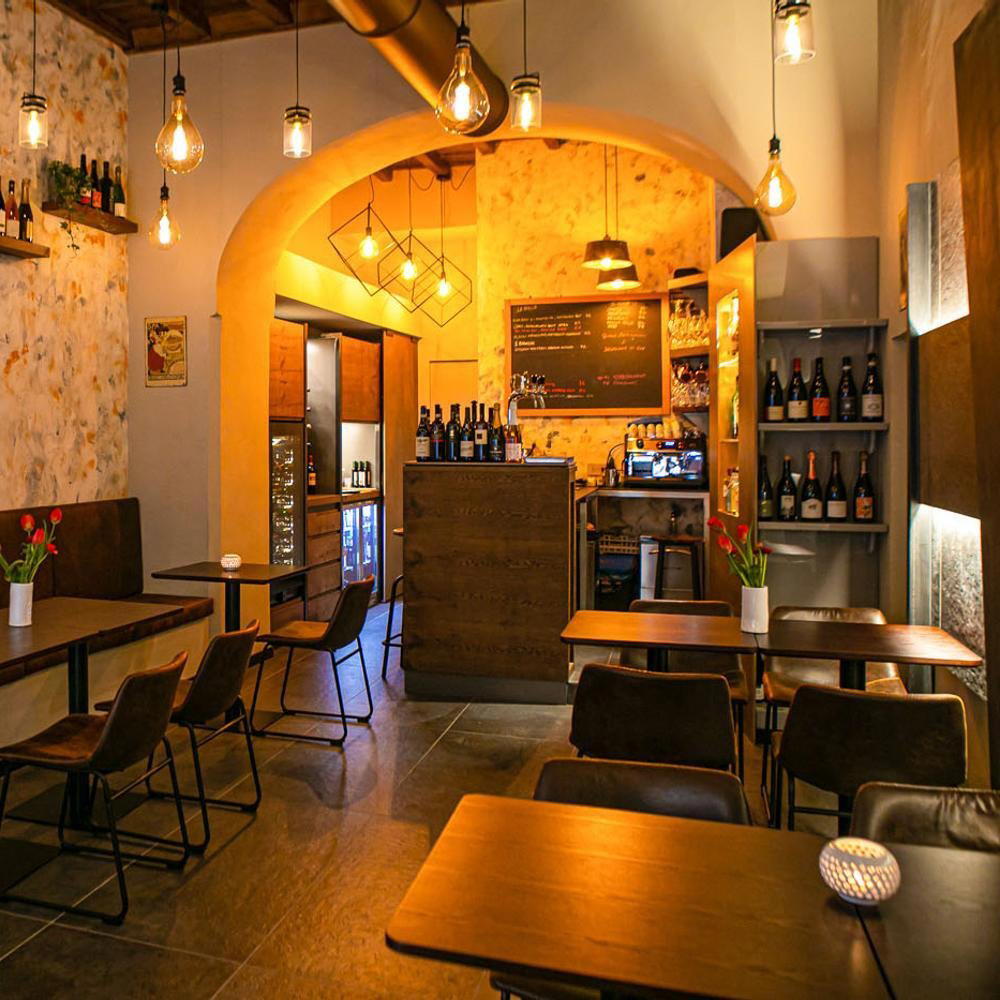
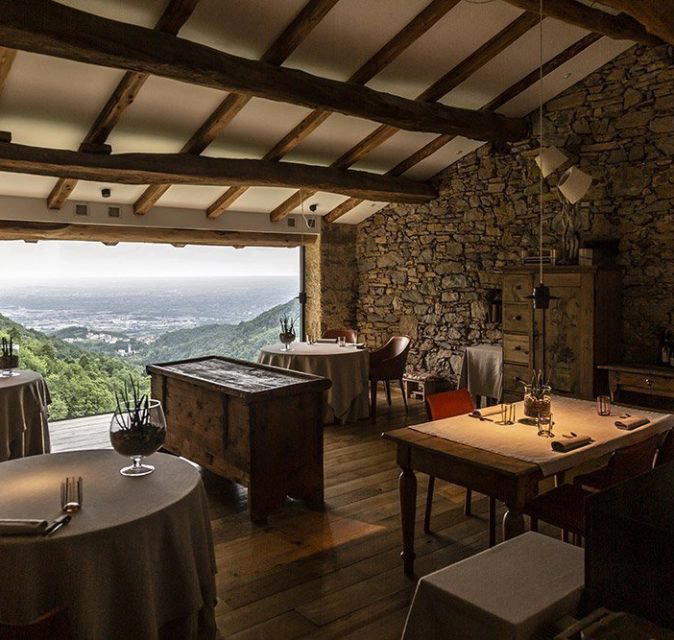
Details
- Wine Education
- Historic Building
- Cabernet Sauvignon
- Merlot
- Garganega
- Moscato
- Carmenère
- Cave Tasting
- Italian
Traditional artisanal atmosphere focused on craftsmanship.