
On Via Ponte Pietra, one of Verona's most photographed streets, Alcova del Frate has earned its status as a neighbourhood institution through a vast wine selection and a convivial interior that rewards those who linger. Outdoor seating faces the Roman bridge; inside, the atmosphere runs warm and close. It belongs to a category of Veronese dining rooms where the cellar does as much talking as the kitchen.
Pearl is the En Primeur Club membership app — saves, bookings, and concierge access live there. Same editors, same standards.
- Address
- Via Ponte Pietra, 19A, 37121 Verona VR, Italy
- Phone
- +39 045 800 0653
- Website
- alcovadelfrate.plateform.app
- Directions
- Get directions
 Saves & bookings on Pearl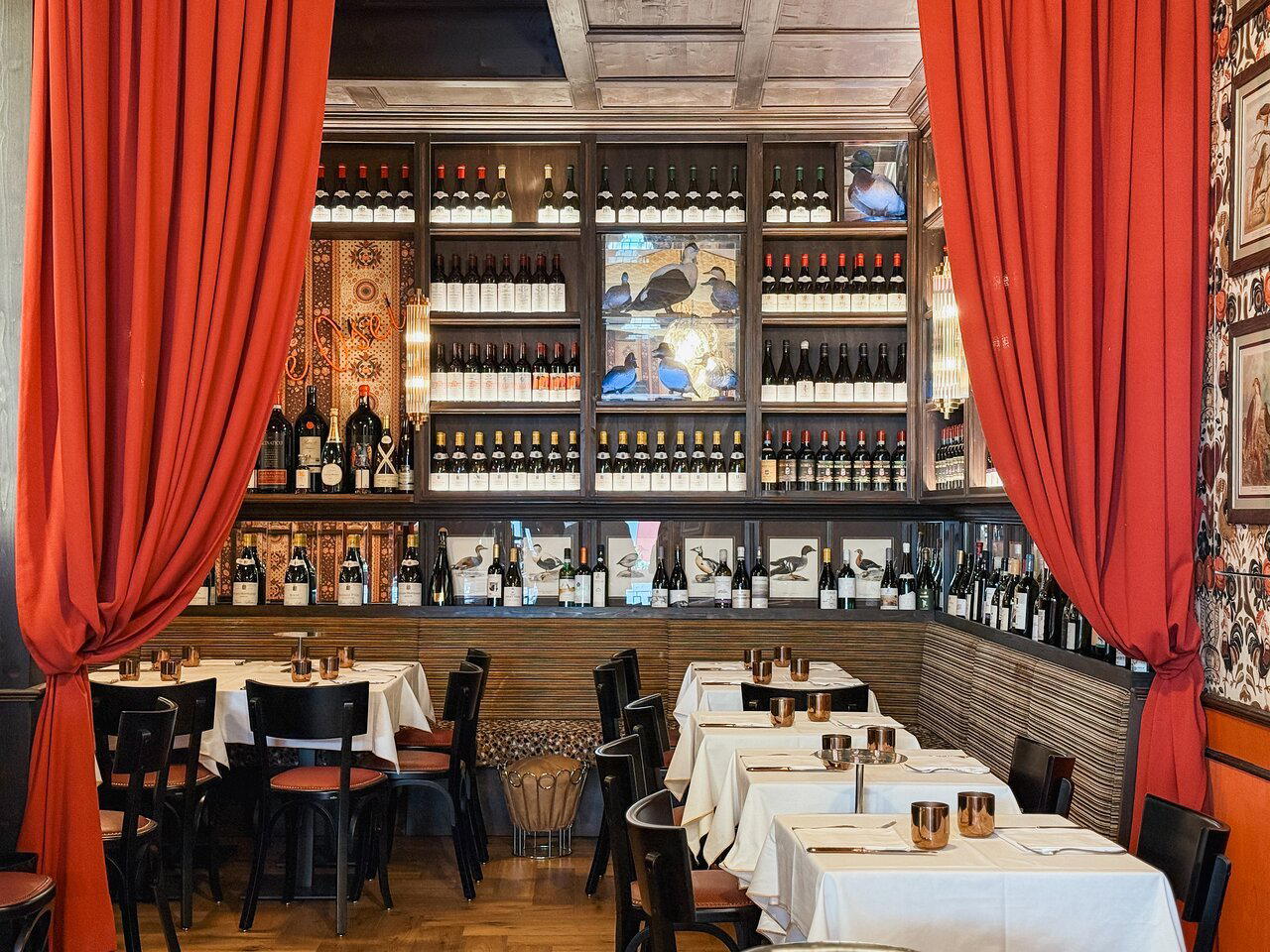
Via Ponte Pietra and the Tradition of the Wine-Led Osteria
Verona has always organised its eating and drinking around wine. The city sits at the western edge of the Veneto, where Valpolicella, Soave, and Bardolino define both agriculture and identity, and the osteria tradition here is older and more deeply rooted than in many Italian cities. Within that tradition, the wine-led osteria occupies a distinct position: a room where the cellar shapes the menu logic, where the choice of a bottle precedes the choice of a dish, and where the experience of the place is measured as much in glass as in plate. Alcova del Frate is a restaurant in Verona, in the Traditional Veronese Italian style, on Via Ponte Pietra.
Via Ponte Pietra itself is worth understanding before you arrive. The street runs alongside the Adige, leading to the oldest standing Roman bridge in Verona, and the combination of stone arches, river light, and narrow façades makes it one of the city's most recognisable stretches. Restaurants and bars on this street operate with a backdrop that most European dining rooms would envy, and outdoor seating here means something specific: a table in direct conversation with a 2,000-year-old crossing. For Verona's restaurant scene more broadly, this corridor between the Roman theatre and the cathedral quarter tends to attract places that understand their setting, which filters out the more transactional tourist operations.
The Interior: Cosy, Bustling, and Earned
The name translates loosely as "the friar's alcove," and the interior delivers on that suggestion. The room is tight and warm, the kind of space that fills quickly on a weekday evening and stays full. Venetian osteria interiors in this price category tend toward exposed stone or dark wood, low ceilings, and a density of bottles that functions as both decoration and declaration of intent. Alcova del Frate reads within that tradition. The outdoor seating extends the experience to the street and the river view, but the interior is where the institution's character accumulates over an evening.
In Verona's broader dining map, Alcova del Frate sits in a different register from the city's tasting-menu rooms. Casa Perbellini 12 Apostoli and Il Desco operate at the creative and Italian contemporary end of the spectrum, with the price points and formality that implies. The restaurant is a counterweight to that: a place where the institution's age and the depth of its wine list do the credentialing, rather than chef accolades or tasting-menu architecture. The comparison set is closer to Al Bersagliere in character, though with a cellar scope that distinguishes it within that bracket.
The Wine List as Editorial Argument
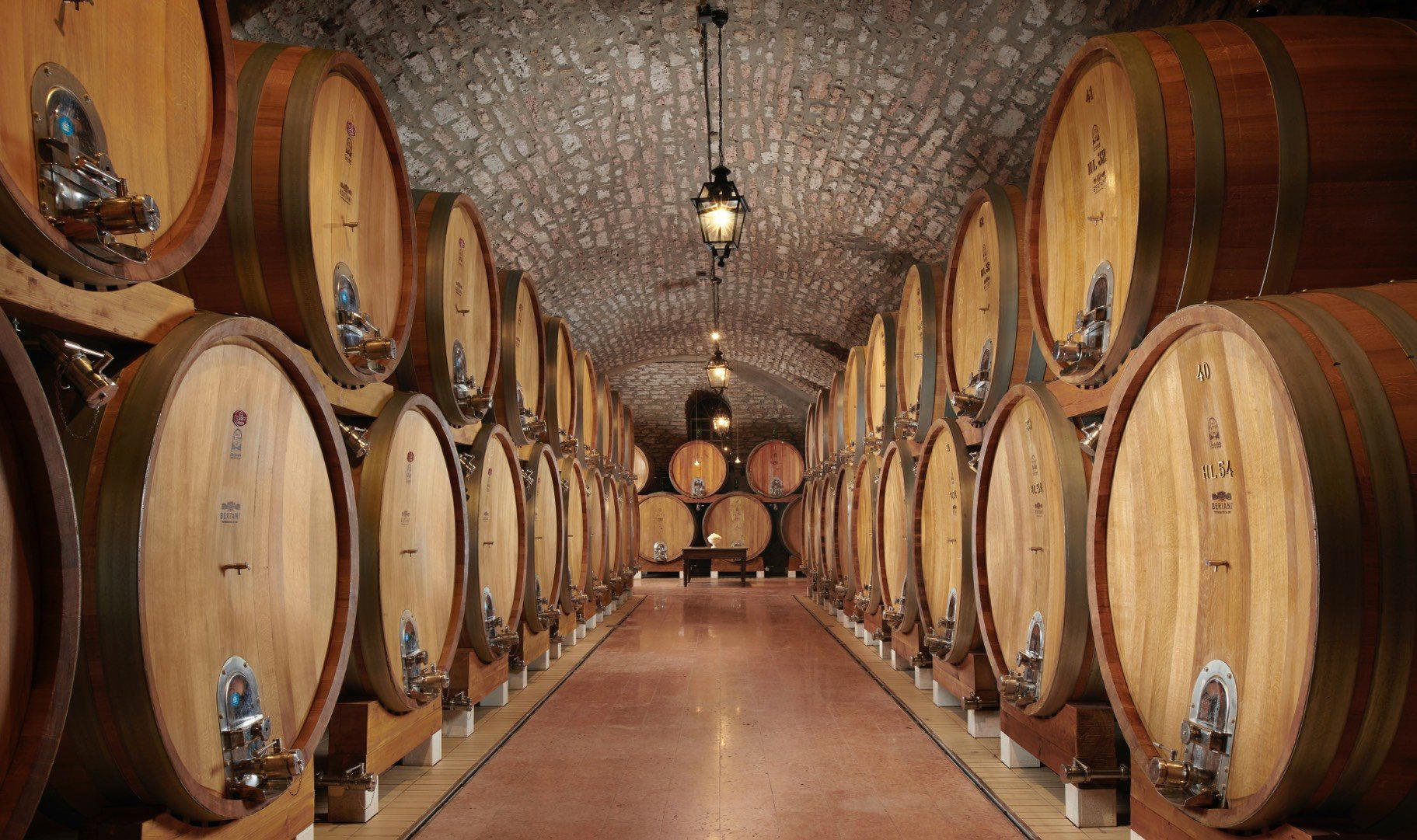
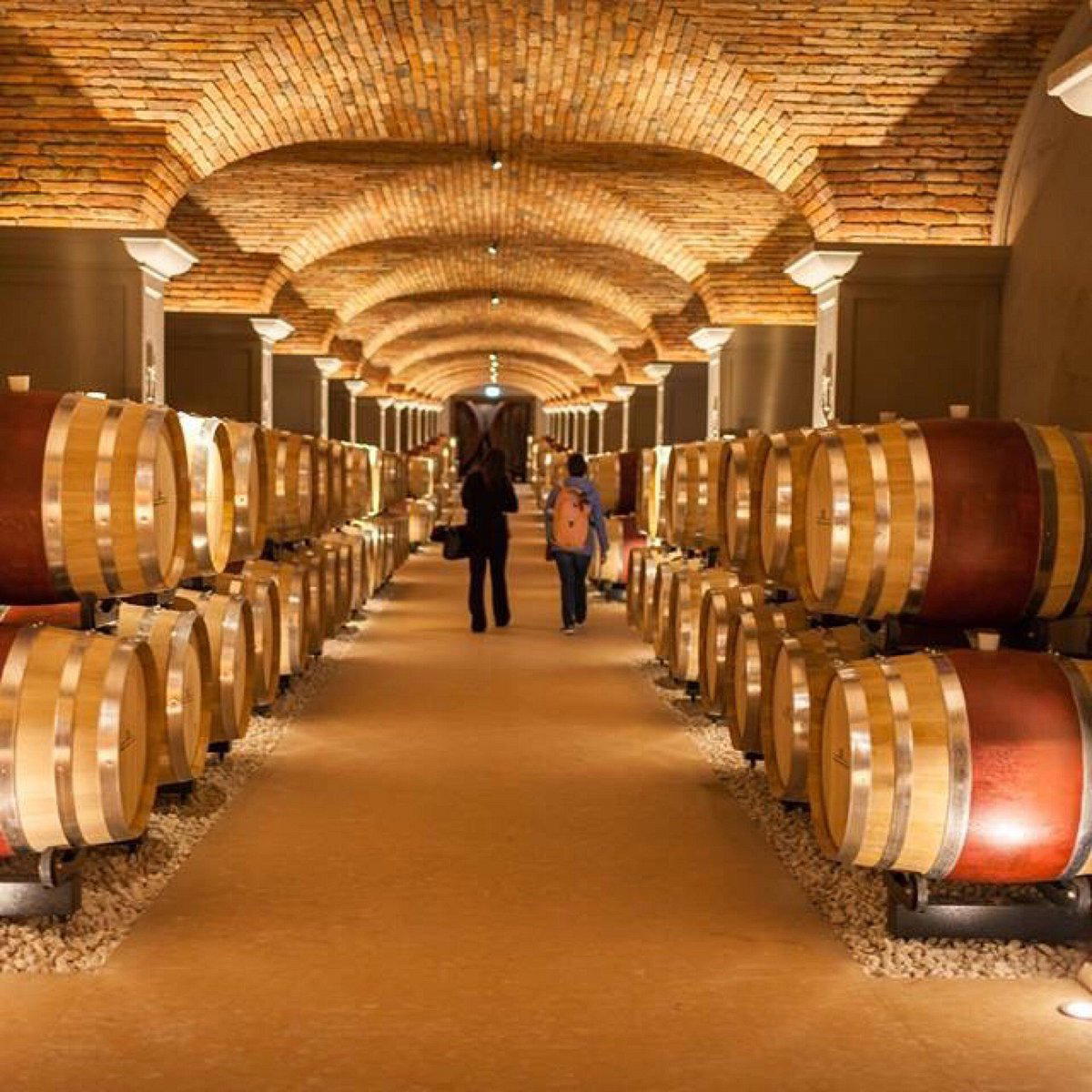
"Vast" is the operative word in how regulars describe the wine selection here. In the context of a Veronese osteria, that means a list built around the major DOC zones of the Veneto, Amarone, Ripasso, Valpolicella Classico, Soave, Lugana, but extended considerably further. The wine-led osteria tradition in northern Italy often functions as an informal archive of regional production: bottles from smaller producers, older vintages held back in the cellar, and an institutional memory of what the surrounding wine zones have produced over decades. For visitors approaching Verona's wine culture through the region's wineries, an evening at a well-stocked osteria like this one can function as a practical seminar in how those wines actually drink at table.
This is where the sourcing angle matters. The relationship between the Veronese osteria and the local wine economy is not metaphorical: many of the older osterie in the city have maintained supplier relationships across multiple generations, and the list reflects those continuities. It is not a curated-by-a-sommelier list in the contemporary fine-dining sense; it is a list built through time, through loyalty, and through geographic rootedness. That distinction matters when reading the selection against a property like Enoteca Pinchiorri in Florence, which operates with the full apparatus of a wine-destination dining room, or against the broader northern Italian fine-dining tradition visible at Dal Pescatore in Runate and Le Calandre in Rubano. The restaurant belongs to a different but equally serious tradition: the cellar as community institution rather than collector's showcase.
What the Kitchen Signals
The Veronese kitchen draws on a set of ingredients that are closely tied to the surrounding territory: Lessinia mushrooms, Monte Veronese cheese, horsemeat preparations still present in traditional restaurants, lake fish from Garda, and the cured meats of the Po Valley. In a wine-led osteria, the kitchen's role is typically to support the cellar, to produce food that gives the wine a reason to open and develop across the meal, rather than to compete with it for the diner's primary attention.
For visitors comparing this format to more kitchen-forward addresses in the city, Iris Ristorante and Al Capitan della Cittadella sit further along the spectrum toward technique-led and seafood-focused cooking respectively. The restaurant is not competing on those terms. The point of the room is the institution itself, its age, its address, its cellar, and the kitchen delivers within that frame.
Planning a Visit
The restaurant sits at Via Ponte Pietra, 19A, in the old city, within easy walking distance of the Roman theatre, the Duomo, and the Arena. It is positioned at the north end of the historic centre, which makes it a natural endpoint for an evening that begins with the amphitheatre and moves north through the medieval lanes. The street's outdoor seating is in demand during the warmer months, particularly during the Arena opera season when the old city fills with evening diners; arriving early or booking ahead is the practical approach. For a fuller picture of what surrounds it, the Verona bars guide, hotels guide, and experiences guide cover the surrounding neighbourhood in detail.
Fast Comparison
Comparable venues nearby, for context on price, style, and recognition.
| Venue | Cuisine | Price | Notes |
|---|---|---|---|
| Alcova del FrateThis venue — the venue you are viewing | Traditional Veronese Italian | $$$ | Not listed |
| Antica Torretta | Contemporary Italian Fine Dining with Seafood Focus | $$$$ | Citta' Antica |
| Maffei | Modern Italian with Veronese Tradition | $$$$ | Citta' Antica |
| Locanda di Castelvecchio | Traditional Veronese Trattoria | $$$$ | Citta' Antica |
| Corte San Mattia | Italian Farm-to-Table Agriturismo | $$ | Valdonega |
| Antica Bottega Del Vino | Traditional Veronese Osteria | $$$ | Citta' Antica |
Recognition history
Dated appearances from independent guides and award organizations, with the underlying list record or original source where available.
Star Wine List
Star Wine List
Continue exploring
More in Verona
Restaurants in Verona
Browse all →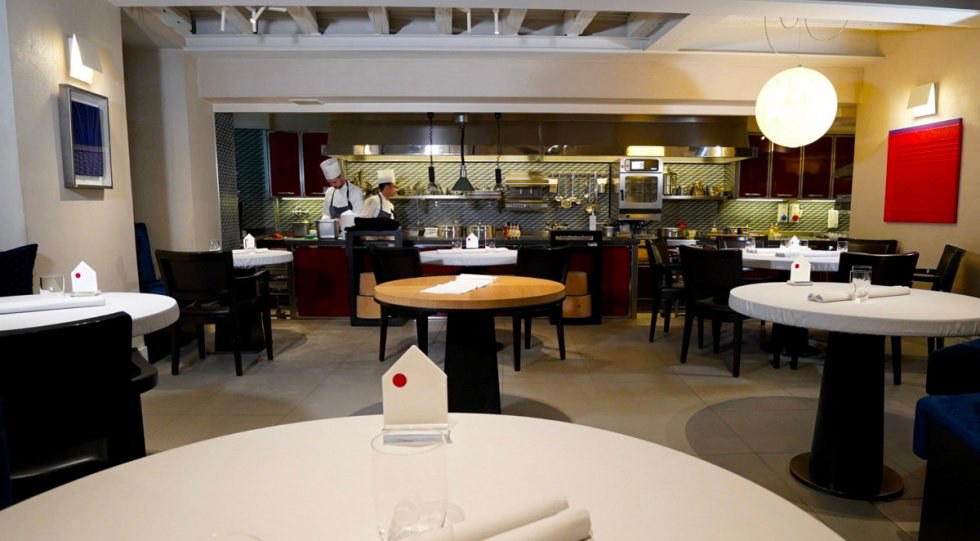
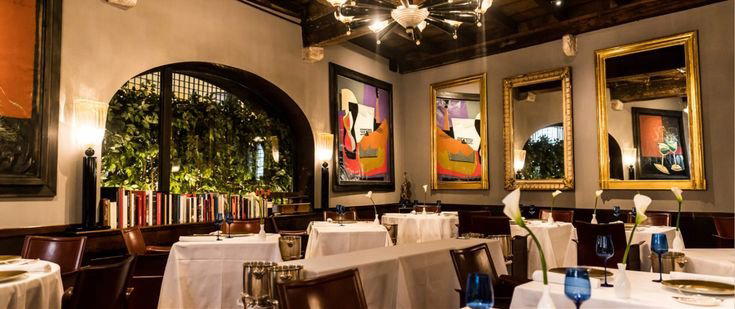
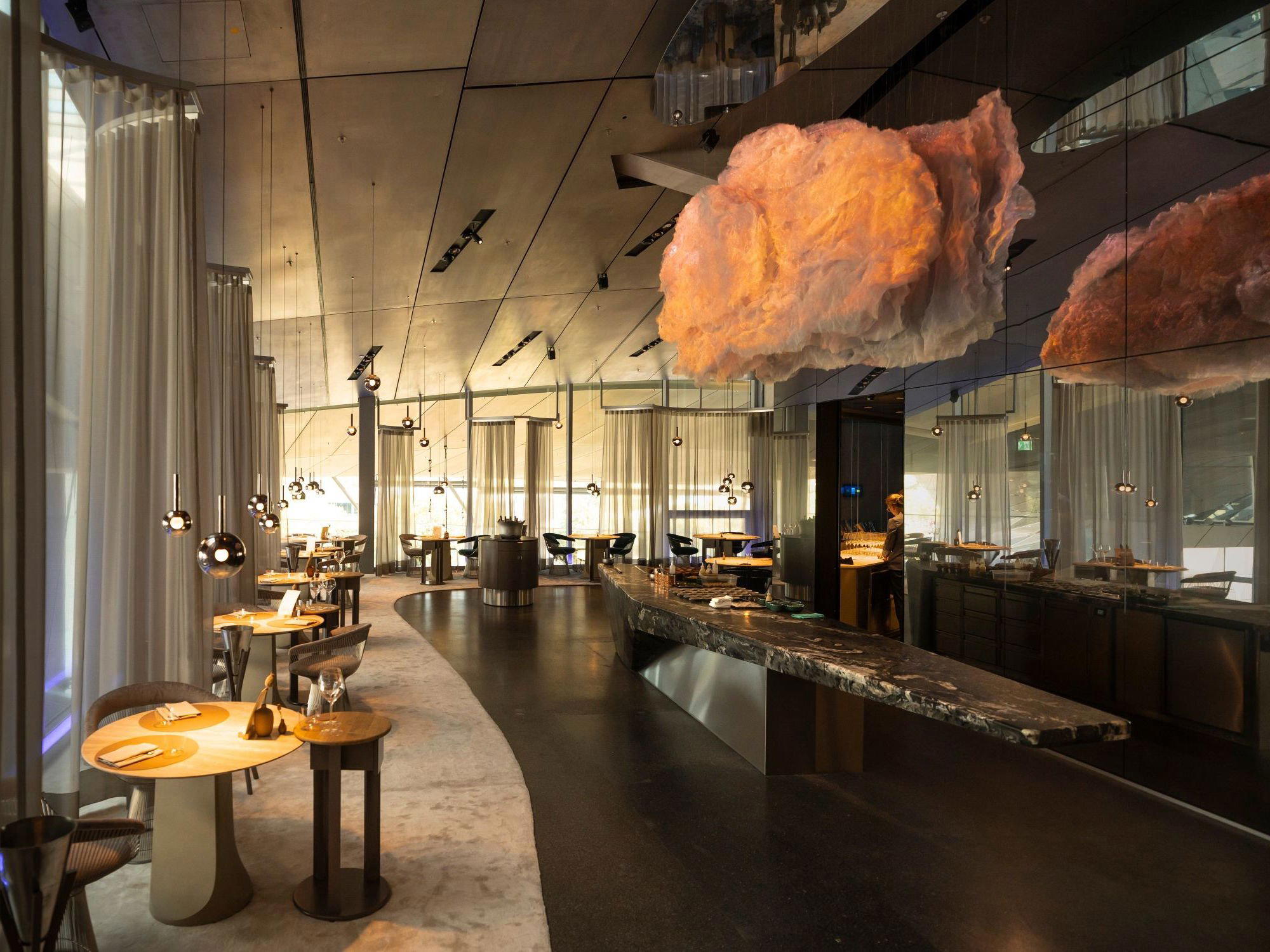
Bars in Verona
Browse all →
Hotels in Verona
Browse all →
At a Glance
- Cozy
- Intimate
- Rustic
- Classic
- Date Night
- Special Occasion
- Historic Building
- Wine Cellar
- Extensive Wine List
- Local Sourcing
- Street Scene
Current opening hours
- Monday
- 10 AM–1 AM
- Tuesday
- 10 AM–1 AM
- Wednesday
- 10 AM–1 AM
- Thursday
- 10 AM–1 AM
- Friday
- 10 AM–1 AM
- Saturday
- 10 AM–1 AM
- Sunday
- 10 AM–1 AM
Hours can change for holidays and private events. Last verified .
Cosy, bustling, and intimate interior with a welcoming, rustic atmosphere.