Romano Dal Forno

Falstaff Winery - 5 Stars
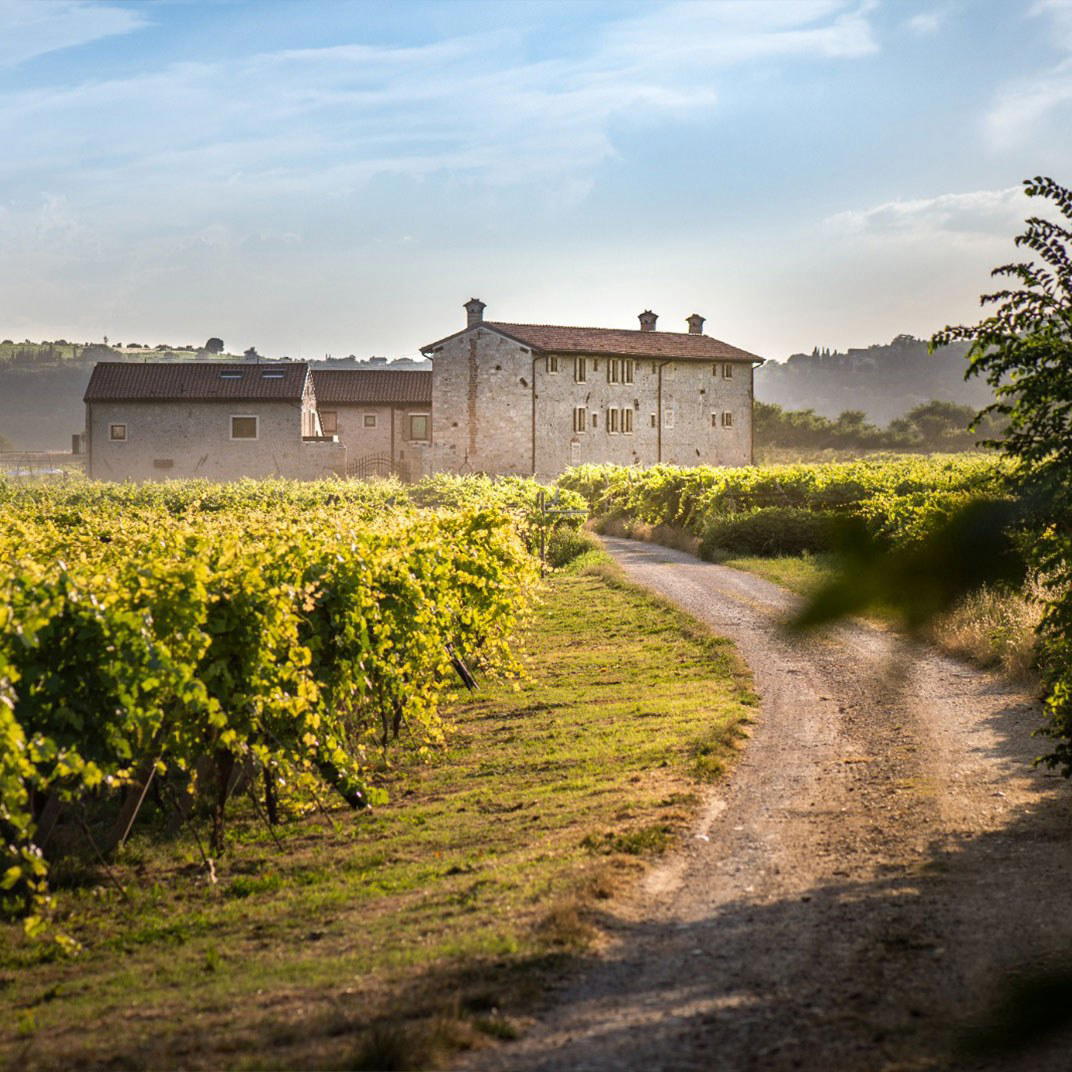
Romano Dal Forno operates from a small address in Cellore d'Illasi, deep in the Valpolicella wine country east of Verona.

Pearl is the En Primeur Club membership app — saves, bookings, and concierge access live there. Same editors, same standards.
- Address
- d'Illasi, Località Lodoletta, 1, 37031 Cellore VR
- Phone
- +39 045 783 4923
- Website
- dalfornoromano.it
- Directions
- Get directions
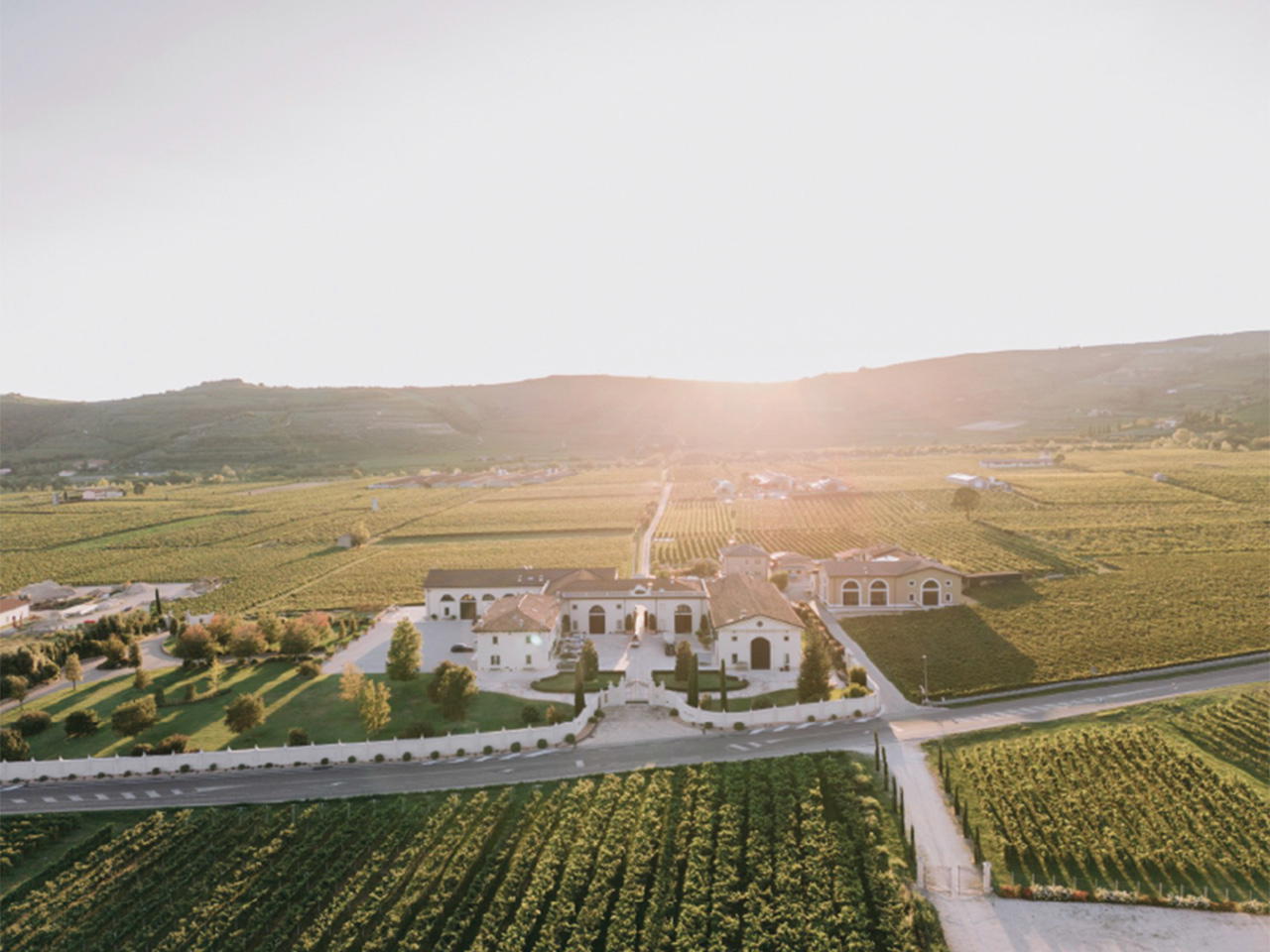
Where the Valpolicella Hillsides Do the Talking
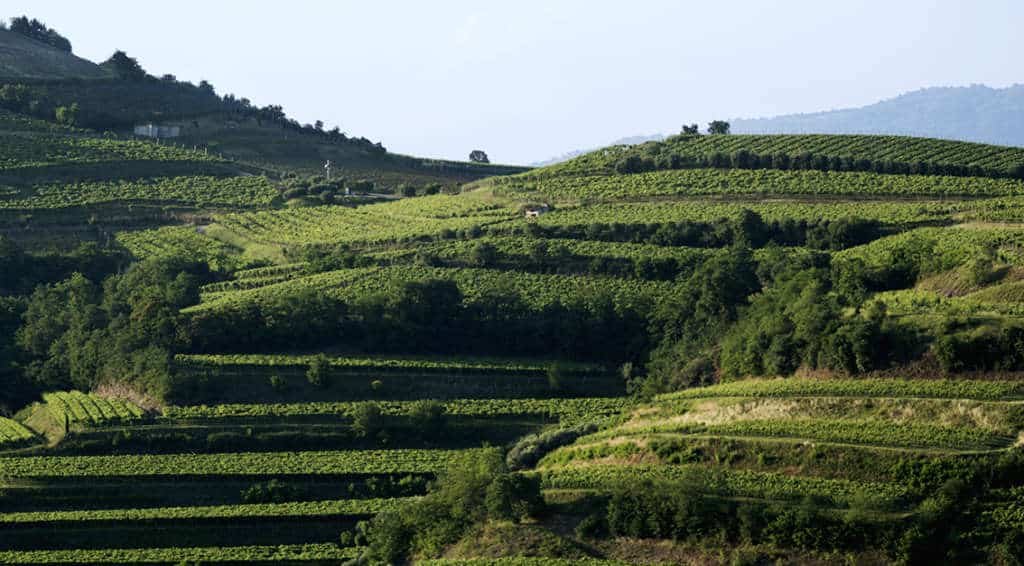
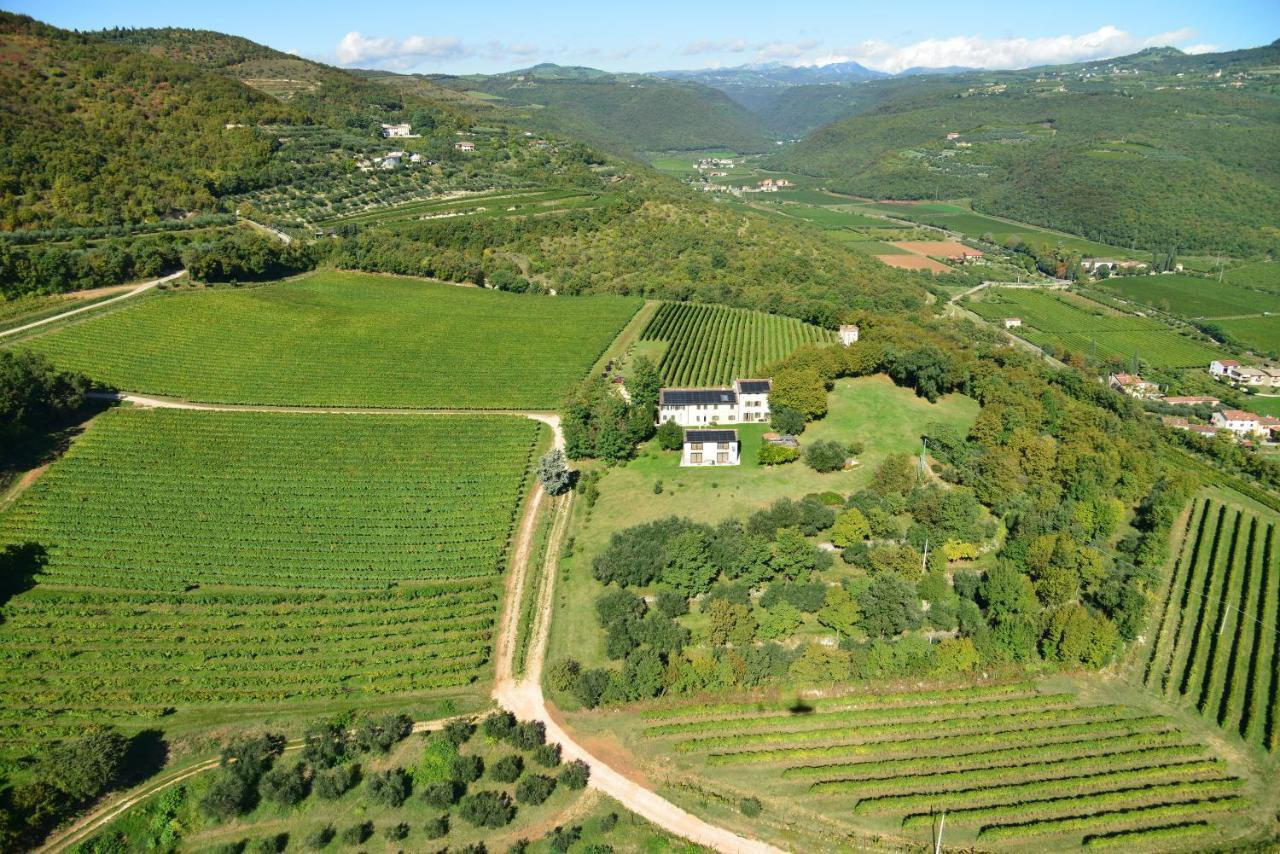
Cellore d'Illasi sits in the eastern arm of the Valpolicella Classico zone, a valley that reaches into the foothills north of Verona where the terrain grows steeper and the viticulture more demanding. This is not the flat, high-yield Valpolicella of the supermarket shelf. The Illasi Valley runs parallel to the better-known Valpantena and Fumane corridors, but it operates at greater altitude and with a narrower floor, which concentrates both the vineyards and the attention required to work them. Romano Dal Forno's address at Località Lodoletta, 1 places it squarely in this terrain, and the wines it produces are inseparable from the physical conditions of that position. For context on the wider northeastern Italian wine scene, our full Cellore d'Illasi restaurants guide maps how this valley fits into a broader set of serious regional producers.
What the Valley Puts into the Wine
The eastern Valpolicella valleys share a geological character shaped by glacial moraine deposits over limestone and basalt. That base drives drainage and forces vine roots deep, reducing yields and concentrating flavour in the grapes that do reach harvest. The native varieties grown here, principally Corvina Veronese alongside Corvinone, Rondinella, and Oseleta, are built for this environment. Corvina in particular carries natural acidity, deep colour, and the structural capacity to withstand the extended drying process that defines Amarone, the zone's most serious appellation.
Amarone della Valpolicella requires partial drying of the harvested grapes, a process called appassimento, which typically runs from October through January or February. During that period the grapes lose between 30 and 45 percent of their weight, concentrating sugar, extract, and tannin. The result is a wine with the density to age for decades and the phenolic mass to polarise opinion in its youth.
To understand where this approach sits within the national picture, it helps to compare across Italy's premium wine zones. Producers like Aldo Conterno in Monforte d'Alba work with Nebbiolo under similarly rigorous conditions in Barolo, where extended maceration and long aging also define the upper tier. Further south, estates in Montalcino such as L'Enoteca Banfi and Poggio Antico face analogous decisions about extraction and aging in Sangiovese-dominated territory. What connects these estates is a commitment to varieties and terroirs that require patience from both producer and drinker, and that resist shortcuts in the cellar.
The Appassimento Discipline and Its Demands
The appassimento process distinguishes Valpolicella's serious tier from almost every other Italian appellation. It demands dedicated drying lofts, careful airflow management, and near-constant monitoring for Botrytis infection, which at scale can destroy an entire harvest. The selection of fruit for drying begins in the vineyard during harvest, when only the best-formed clusters are separated for this purpose. The remainder may go into the lighter Valpolicella Classico or the Ripasso wines that characterise the appellation's middle tier.
Ripasso, made by re-fermenting lighter Valpolicella on the pressed Amarone skins, sits between the base appellation and Amarone in both structure and price. It is a useful commercial bridge for estates that need cash flow during the multi-year wait for Amarone to be ready for release. At the level Romano Dal Forno occupies, the Amarone itself is the primary statement, and its release cycle often stretches to seven or more years after harvest before the estate considers it ready. That kind of patience in production is part of what separates the prestige tier from the broader Valpolicella market.
Internationally, only a handful of appellations demand comparable production timelines. The Barolo aging requirements from Piemonte's Langhe hills and the extended barrel programs at estates like Ca' del Bosco in Franciacorta share this logic of time as a production input rather than a cost centre. In Tuscany, Castello di Volpaia in Radda in Chianti takes a comparable approach to unhurried release, and producers further south including Lungarotti in Torgiano demonstrate that central Italian estates increasingly compete on aging discipline as a point of differentiation.
Visiting and Planning
Cellore d'Illasi is accessible from Verona, which has strong rail connections to Milan and Venice and a regional airport. The Illasi Valley is roughly 25 to 30 kilometres northeast of central Verona by road, through the wine country that progressively narrows as it climbs toward the Lessini plateau. Estate visits in this tier of Valpolicella production are not walk-in affairs.
The eastern valleys of Valpolicella, including Illasi, Mezzane, and Tramigna, are geographically close to one another and can be combined into a two-day itinerary without difficulty. Verona serves as a natural base. The city's dining and wine bar scene has moved toward serious regional focus over the past decade, with an increasing number of venues dedicating cellar space to small-production Valpolicella estates rather than the appellation's volume tier. If the broader Veneto wine route interests you, the region connects logically to Soave to the southeast and to the Bardolino shores of Lake Garda to the west, though the character of those appellations differs substantially from the concentration and structure that defines Illasi Valley Amarone.
For producers working in Italy's distillate tradition alongside wine, the northeast has a strong parallel presence. Poli Distillerie in Schiavon, Nonino Distillery in Pavia di Udine, and Distilleria Marzadro in Nogaredo operate in the grappa tradition that emerged from the same wine-producing culture as Valpolicella, while further into Piedmont, Distilleria Romano Levi in Neive represents the artisanal end of that category. Across the south, Planeta in Menfi and in the north, Campari in Milan round out the range of Italian producers worth understanding as context for the country's drinks culture at the prestige level.
Quick Comparison
Comparable venues nearby, for context on price, style, and recognition.
| Venue | Cuisine | Price | Awards | Notes |
|---|---|---|---|---|
| Romano Dal FornoThis venue — the venue you are viewing | Corvina, Corvinone | Not listed | Falstaff Winery - 5 Stars | Not listed |
| Solaia (Marchesi Antinori) | Cabernet Sauvignon, Sangiovese | Not listed | Not listed | San Casciano in Val di Pesa |
| Poli Distillerie | Merlot, Cabernet Sauvignon | Not listed | Not listed | Schiavon |
| Distilleria Pisoni | Chardonnay, Pinot Nero | Not listed | Not listed | Pergolese |
| Guido Berlucchi | Pinot Nero, Chardonnay | $50–100 | Not listed | Corte Franca |
| Distilleria Zanin | Moscato, Prosecco | Not listed | Not listed | Zugliano |
Recognition history
Dated appearances from independent guides and award organizations, with the underlying list record or original source where available.
Falstaff Winery - 5 Stars
Falstaff
Continue exploring
More in Cellore d'Illasi
Wineries in Cellore d'Illasi
Browse all →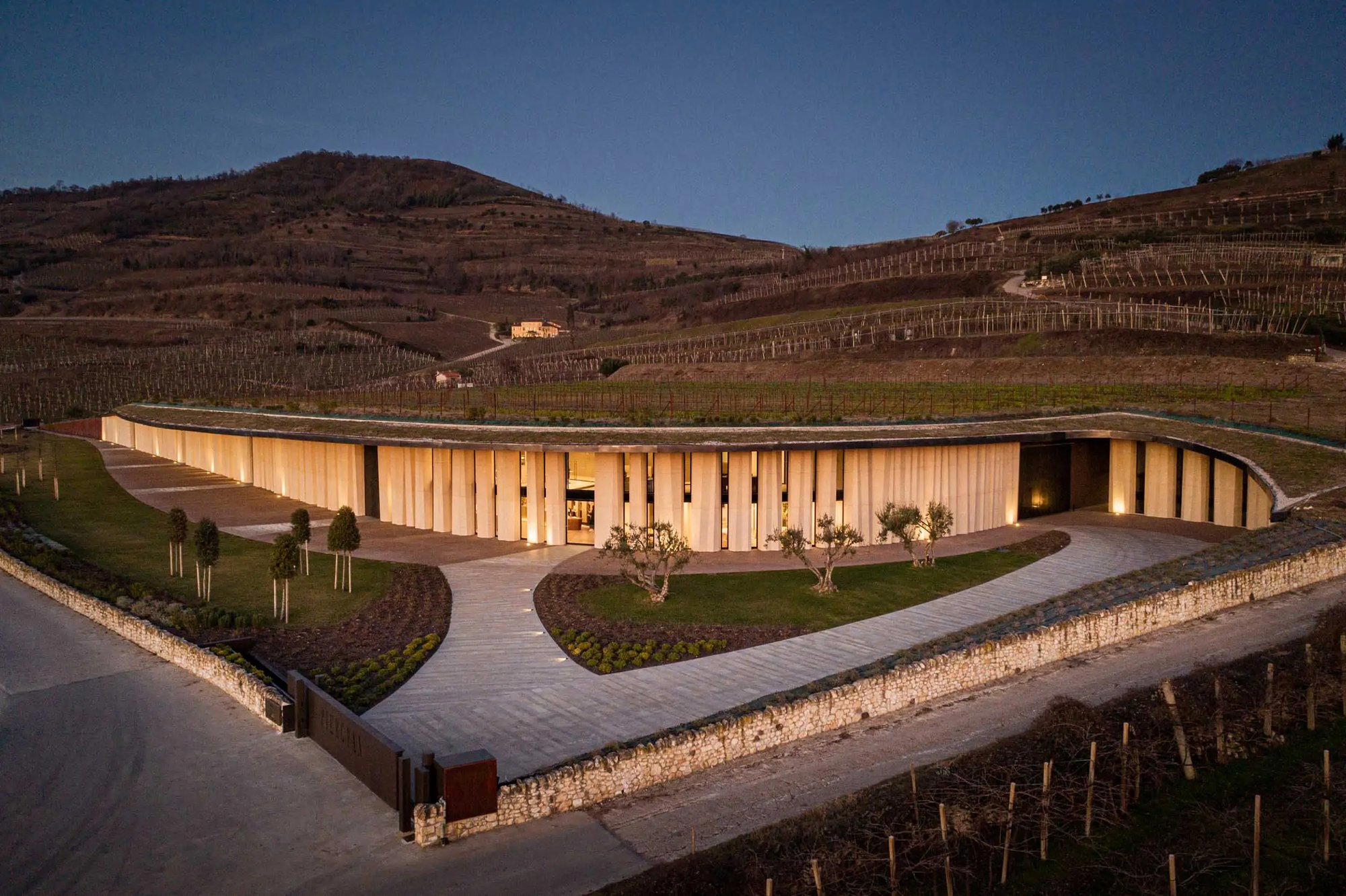
Bars in Cellore d'Illasi
Browse all →
Restaurants in Cellore d'Illasi
Browse all →
Details
- Elegant
- Rustic
- Intimate
- Sophisticated
- Wine Education
- Special Occasion
- Vineyard Tour
- Estate Grounds
- Vineyard
- Mountain
- Corvina
- Corvinone
- Rondinella
- Oseleta
- Croatina
- Still Red
- Private Tasting