Akiba Madrid serves Traditional Spanish Tapas in Hortaleza. Casual service and a conversational pace fit lunch or dinner, with Russian salad, boletus cream, artichokes with ham, and mussels on the menu.
Pearl is the En Primeur Club membership app — saves, bookings, and concierge access live there. Same editors, same standards.
- Address
- C. de Josefina Aldecoa, 13, Local 5, Hortaleza, 28055 Madrid, Spain
- Phone
- +34917540736
- Website
- akibarestaurante.com
- Directions
- Get directions
 Saves & bookings on Pearl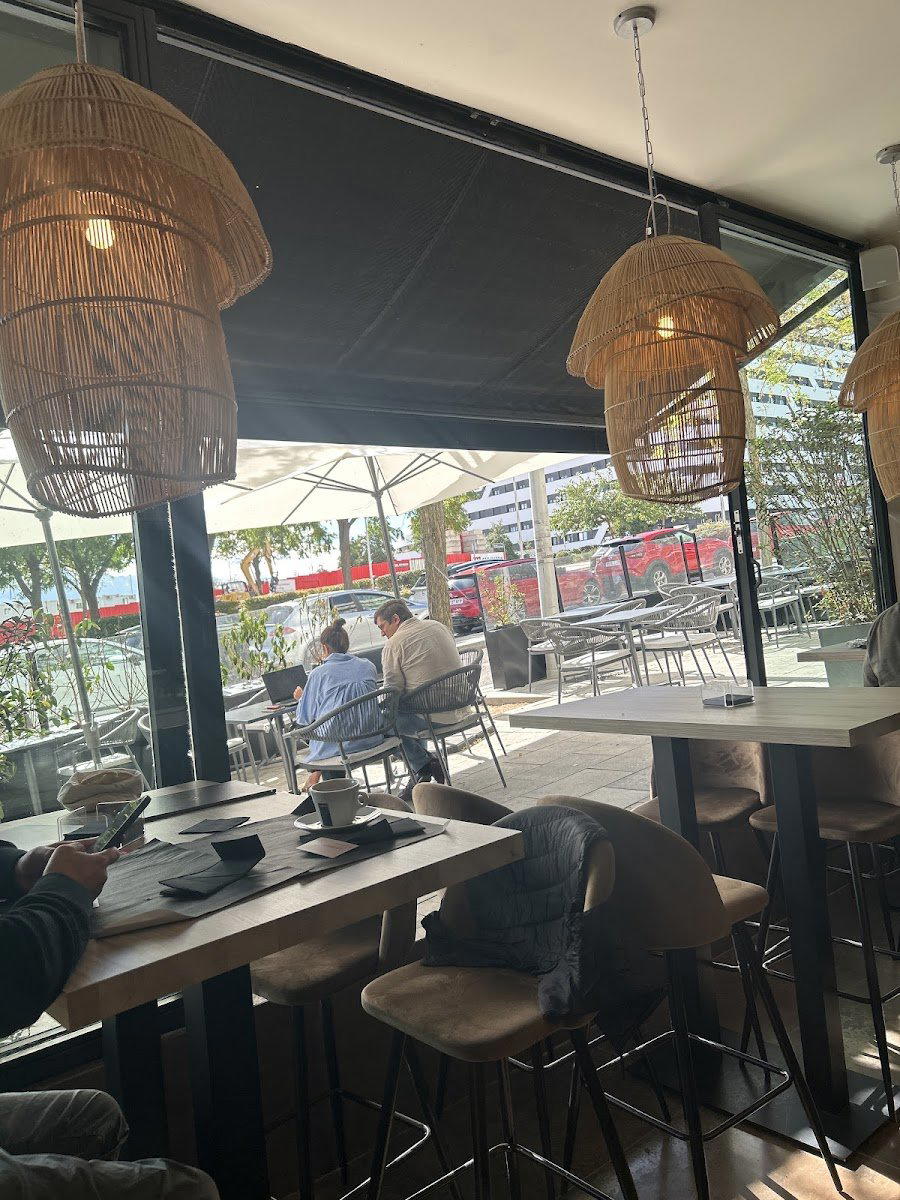
On the Northern Edge of Madrid's Dining Map
Madrid's dining conversation tends to collapse inward, gravitating toward Salamanca, Chueca, and the Michelin-starred rooms of the city centre. Hortaleza, the northern residential district where Akiba Madrid occupies a local unit on Calle de Josefina Aldecoa, sits deliberately outside that gravitational pull. In cities with mature dining cultures, this kind of peripheral address tends to signal one of two things: a venue serving a local community rather than a transient one, or a project confident enough in its offer to forgo the foot traffic premium. Both readings apply to a different kind of attention than the one that fills rooms at DiverXO or Coque.
Approaching a venue in this part of Madrid, you register the shift quickly. The streets are quieter, the architecture is residential rather than commercial, and the rhythm of arrival is unhurried. There is no theatre of arrival that comes with a grand hotel dining room or a high-profile Salamanca address. What replaces it, in venues that work at this register, is a different kind of attention: the kind that comes from a room focused on its regulars rather than its press coverage.
Hortaleza and the Sustainability Question in Urban Dining
Across European cities, a pattern has emerged around restaurants that operate at distance from premium dining corridors: lower fixed costs allow for different sourcing decisions. A kitchen not paying Salamanca-level rent can redirect spend toward ingredient quality, shorter supply chains, or reduced-waste cooking programmes. Spain's broader fine dining conversation has engaged seriously with this question over the past decade. Azurmendi in Larrabetzu has made environmental certification central to its identity, and Aponiente in El Puerto de Santa María built its entire programme around marine ecosystem thinking. These are flagship cases, but the underlying logic, that where a kitchen sources and how it handles waste is as much a culinary decision as what goes on the plate, has filtered down through the Spanish restaurant community more broadly.
Whether Akiba Madrid operates within a formal sustainability framework is not confirmed. What the address implies is a context in which that kind of operating philosophy is at least feasible: a neighbourhood venue without the margin pressure of a prestige postcode has structural room to make different choices about procurement and waste. Madrid's northern residential districts have seen this pattern in other categories, from zero-waste grocery concepts to farm-direct supply arrangements with local restaurants. Hortaleza is not yet a destination dining neighbourhood in the way that certain Barcelona districts have become, but it follows the same underlying logic: reduced overhead, local community anchoring, and space for a kitchen to operate on its own terms.
Where Akiba Madrid Sits in the Madrid Context
Madrid's restaurant scene in 2024 is more stratified than it appears from the outside. At the leading, a cluster of creative tasting-menu rooms including Deessa, DSTAgE, and Paco Roncero compete on the same Michelin and 50 Best metrics that define the international fine dining conversation. Below that tier, a much larger and less legible middle band of neighbourhood restaurants does the actual daily work of feeding the city. The restaurant's address in Hortaleza positions it in that middle band, at a remove from the competitive pressure of the prestige tier but also from the generic comfort of city-centre casual dining.
This positioning is not a criticism. Particularly interesting restaurant projects in European cities over the past five years have come from exactly this kind of deliberate step back from the prestige circuit. Venues in London's outer zones, Paris's 11th arrondissement before it became fashionable, and Barcelona's Poblenou before the design hotels arrived all operated on similar logic: lower visibility, higher freedom, stronger community ties. Spain's regional scene offers comparable examples, from Ricard Camarena in València to the long-established anchoring of Arzak in San Sebastián within its own neighbourhood rather than a tourism-facing postcode.
The restaurant presents a different kind of proposition. Its place in the city is better understood through location and neighborhood context than through awards-led ranking logic. That can mean a project still building its profile, or one that operates quietly and deliberately without seeking that kind of recognition. Both are legitimate restaurant positions, and both are worth understanding on their own terms before applying a comparative framework built for a different tier.
Planning a Visit: What to Know Before You Go
The restaurant is located at C. de Josefina Aldecoa, 13, Local 5, in the Hortaleza district of Madrid, postal code 28055. The address is in a residential part of the city's north, which means arriving by private transport or taxi is one practical approach for visitors coming from the centre. Madrid's metro network covers Hortaleza via the 4 and 7 lines, though the walk from the nearest stations to this specific address requires some planning.
Booking is walk-in friendly, and the regular opening hours are Mon: Closed; Tue: 12 PM to 11:30 PM; Wed: 12 PM to 11:30 PM; Thu: 12 PM to 11:30 PM; Fri: 12 PM to 12 AM; Sat: 11 AM to 12 AM; Sun: 11 AM to 5 PM. For travellers building a broader Spain itinerary around dining, the country's serious restaurant scene extends well beyond Madrid: El Celler de Can Roca in Girona, Mugaritz in Errenteria, Martin Berasategui in Lasarte-Oria, Cocina Hermanos Torres in Barcelona, Atrio in Cáceres, and Quique Dacosta in Dénia each represent distinct regional approaches to the country's contemporary cooking conversation. For international comparison points on what community-focused neighbourhood dining looks like at different scales, Lazy Bear in San Francisco and Le Bernardin in New York City offer useful reference cases from cities with similarly stratified dining cultures.
Cuisine Context
Comparable venues nearby, for context on price, style, and recognition.
| Venue | Cuisine | Price | Notes |
|---|---|---|---|
| Akiba MadridThis venue — the venue you are viewing | Traditional Spanish Tapas | $$ | Not listed |
| Salamar | Spanish Seafood and Paella | $$ | Prosperidad |
| La Gruta Valdebernardo | Cocina Española de Autor | $$ | Casco Historico de Vicalvaro |
| La Vaquería Montañesa | Traditional Spanish Mediterranean Market Cuisine | $$ | Almagro |
| perretxiCo Chueca | Modern Basque Pintxos Taberna | $$ | Chueca |
| Maricastaña | Modern Spanish Fusion | $$ | Malasana |
Continue exploring
More in Madrid
Restaurants in Madrid
Browse all →
Bars in Madrid
Browse all →
Hotels in Madrid
Browse all →

At a Glance
- Cozy
- Classic
- Rustic
- Casual Hangout
- Group Dining
- Standalone
Current opening hours
- Monday
- Closed
- Tuesday
- 12–11:30 PM
- Wednesday
- 12–11:30 PM
- Thursday
- 12–11:30 PM
- Friday
- 12 PM–12 AM
- Saturday
- 11 AM–12 AM
- Sunday
- 11 AM–5 PM
Hours can change for holidays and private events. Last verified .
Cozy and relaxed atmosphere with a casual, welcoming environment ideal for enjoying traditional Spanish fare.