Our verdict
La Vaquería Montañesa occupies a historic dairy storefront on Calle Blanca de Navarra in Chamberí, one of Madrid's most quietly serious dining neighbourhoods. While Madrid's headline restaurant scene tilts toward high-concept tasting menus, this address sits in a different register, neighbourhood-rooted, product-driven, and built for repeat visits rather than occasions. For those plotting a Madrid itinerary around more than one meal, it earns a place on the list.

Pearl is the En Primeur Club membership app, where members save venues, book tables and use the concierge.
The menu
What to order
- Griddled octopus with curry
- Veal ossobuco croquettes
- Fried squid from Santander
- Italian antipasti
Chamberí Before the Restaurant
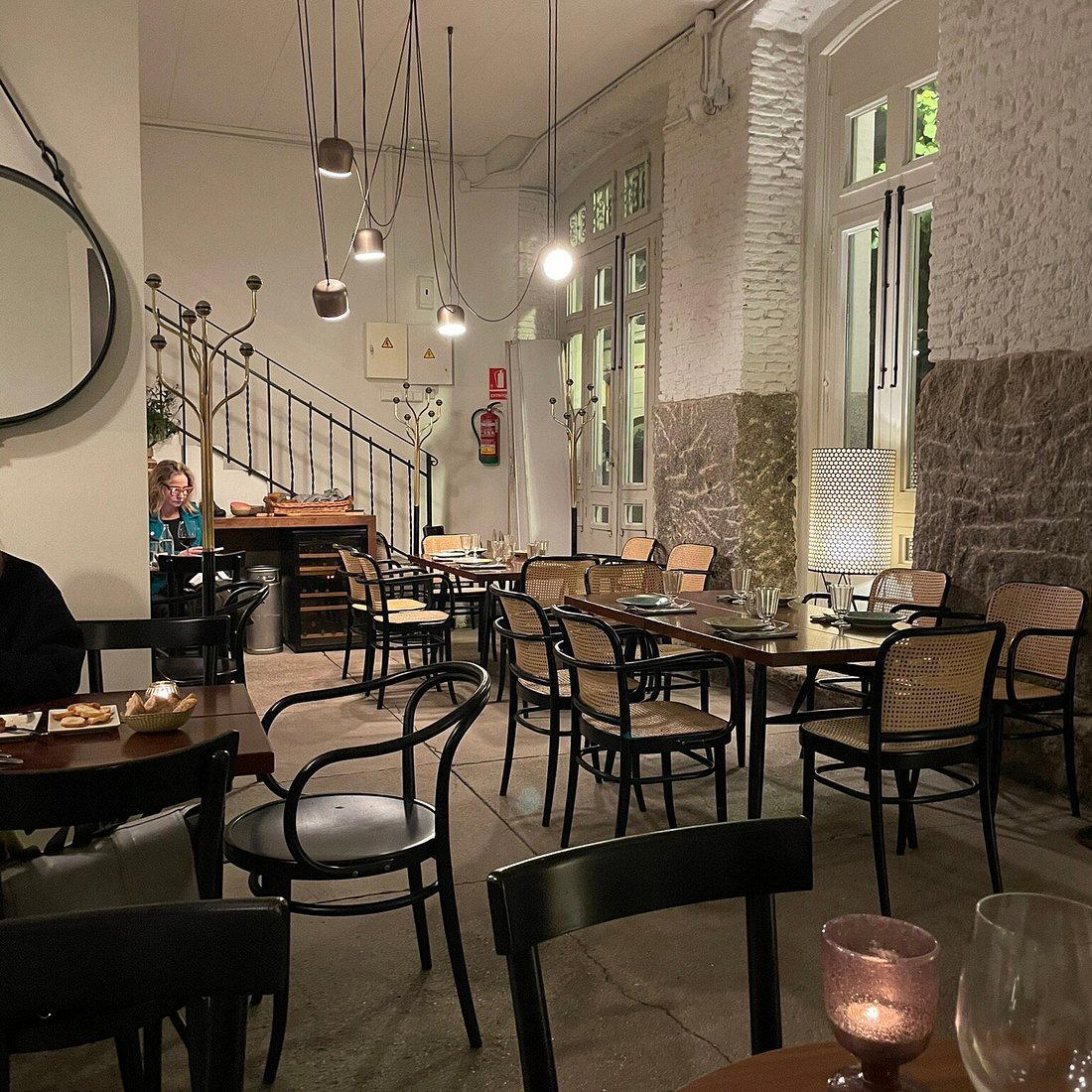
Arrive on Calle Blanca de Navarra on a weekday morning and you'll understand why this corner of Chamberí has held onto its character when much of central Madrid has softened into tourism. The street sits in the grid between Alonso Martínez and Iglesia metro stations, where the neighbourhood still runs on a rhythm of local commerce: the kind of block where a lechería or carnicería occupied the ground floor for generations before the city's dining culture caught up with its real estate. That history is the entry point for La Vaquería Montañesa, which takes its name and its sense of place from the dairy tradition that once defined this stretch of the city. The physical shell of a former dairy shapes the dining room's bones, and that context, before you order anything, tells you what kind of restaurant this is not going to be.
Madrid's fine-dining tier has consolidated around a handful of addresses that compete on international terms: DiverXO, Coque, Deessa, DSTAgE, and Paco Roncero all operate in the €€€€ bracket with elaborate tasting formats and the booking pressures that come with Michelin recognition. La Vaquería Montañesa sits outside that competition entirely. In a city where the restaurant market has bifurcated sharply between accessible tapas culture and destination-level tasting menus, that middle register is where the most interesting meals often happen.
What the Address Signals
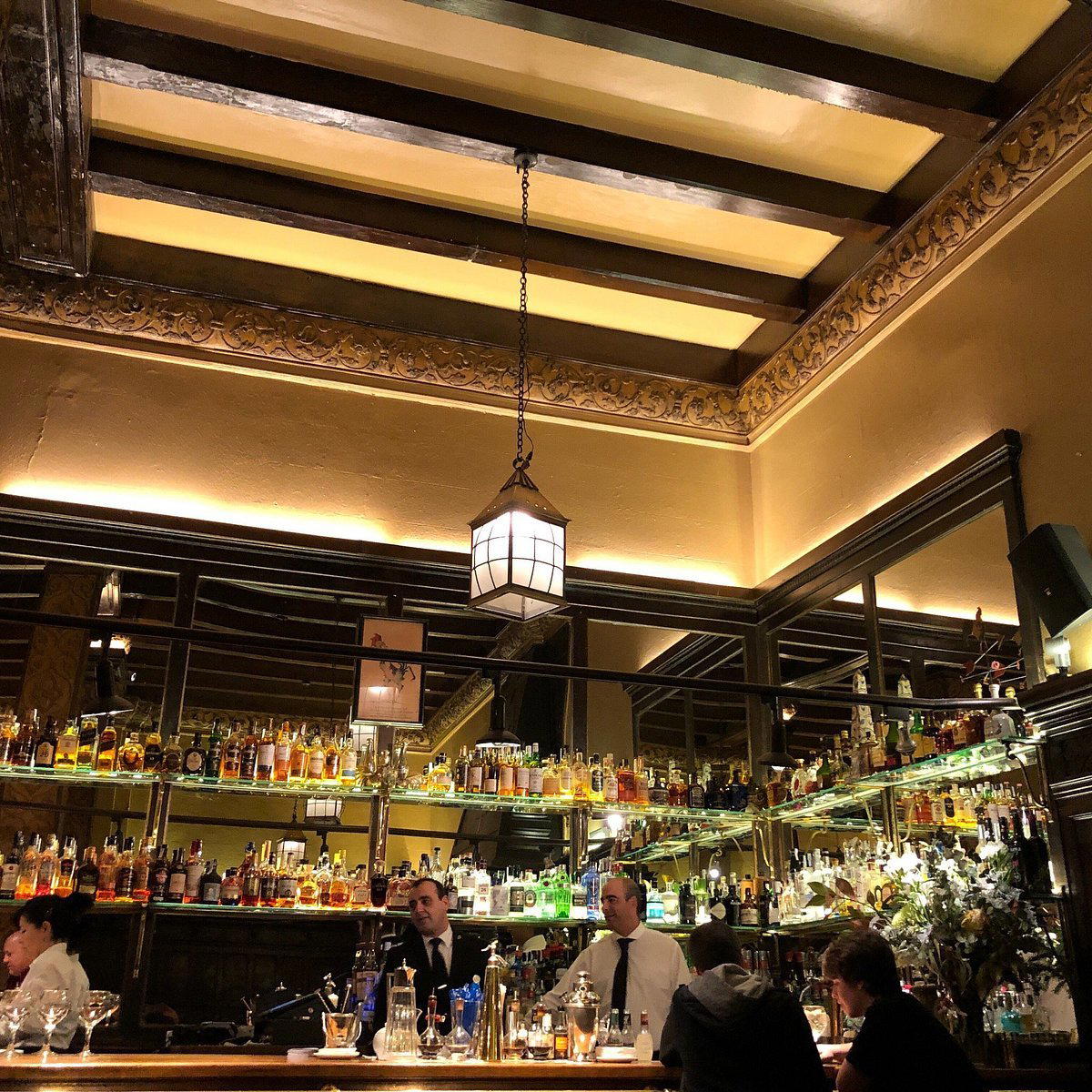
Chamberí has a different dining personality than Chueca or Las Letras. It runs older, more residential, less interested in being noticed. The restaurants that survive here over multiple decades tend to do so because they serve people who live within walking distance and return often, not because they've landed in a travel roundup. That gravitational pull toward regulars rather than tourists shapes how a restaurant like La Vaquería Montañesa operates: the room is calibrated for conversation, the pacing assumes you're not rushing to a show, and the identity of the space carries enough history that it doesn't need to manufacture atmosphere from scratch. The tiled facade and preserved dairy-shop elements do that work without effort.
For visitors building a multi-day Madrid itinerary, Chamberí functions as a corrective to the centre. The full Madrid restaurants guide maps the city's dining by neighbourhood and price tier, and Chamberí consistently appears as the area where the city's own residents eat when they're not performing for out-of-towners. A reservation here slots naturally into a programme that might include a larger-format meal elsewhere, the kind of evening that follows a long lunch at one of Spain's larger destination tables, or precedes a trip to see what the rest of the country is doing at addresses like El Celler de Can Roca in Girona, Arzak in San Sebastián, or Azurmendi in Larrabetzu.
The Booking Experience
Because La Vaquería Montañesa operates outside the Michelin-starred tier that drives the city's most contested reservation windows, the booking process is more direct than at Madrid's headline addresses. At restaurants like DiverXO, where demand runs far ahead of capacity and waiting times extend months out, or at the tasting-menu format venues where a single nightly sitting creates absolute scarcity, the logistics of securing a table become a planning project in themselves. La Vaquería Montañesa occupies a different tier of demand, which means the planning horizon is shorter and the options for walk-in or same-week booking are more realistic, though the neighbourhood's loyal repeat clientele means weekends fill faster than the address's profile might suggest.
For context, the constraint-driven booking models that define Spain's most-discussed restaurants, from Mugaritz in Errenteria to Aponiente in El Puerto de Santa María, reflect a particular concentration of ambition in a relatively small number of sittings. La Vaquería Montañesa asks none of that of its guests. The address at C. Blanca de Navarra, 8 is findable and accessible, the neighbourhood is served by multiple metro lines, and the format rewards a relaxed approach to planning rather than punishing anyone who didn't book three months in advance. That accessibility is part of its value proposition in a city where the most-discussed meals require significant forward commitment.
When the itinerary does call for serious destination dining, Spain's wider calendar is worth building around: Quique Dacosta in Dénia and Martin Berasategui in Lasarte-Oria both close seasonally and require advance planning, while Ricard Camarena in València and Cocina Hermanos Torres in Barcelona draw enough international attention that booking windows tighten around major travel periods. Anchoring a Spain trip with a neighbourhood-level evening in Chamberí, between those larger commitments, is how experienced travellers manage the rhythm of a multi-city itinerary without every meal becoming a logistical exercise. For comparison across markets, formats like Le Bernardin in New York City or Atomix in New York City demonstrate how differently booking pressure operates at the very leading of a city's dining market versus one tier below. Atrio in Cáceres offers a further data point on how Spain's regional fine-dining scene has developed outside the major urban centres.
Know Before You Go
Frequently asked questions
Does La Vaquería Montañesa work for a family meal?
Chamberí's dining personality skews residential and unhurried, which generally suits multigenerational tables better than high-concept tasting-menu rooms. La Vaquería Montañesa sits on Calle Blanca de Navarra in that same register: a neighbourhood address without the performance pressure of Madrid's more theatrical dining districts. That said, families with very young children should factor in the pace and format before booking, as this is not a fast-casual operation.
What's the vibe at La Vaquería Montañesa?
The address in Chamberí sets the tone: this is a district that runs older and more residential than Chueca or Las Letras, and the atmosphere at La Vaquería Montañesa reflects that. Expect a room oriented around regular locals rather than weekend visitors, with the lower-key energy that comes with a street like Calle Blanca de Navarra. It is not a scene restaurant.
Is La Vaquería Montañesa a good option for visitors who want to eat where Madrid locals actually eat?
Chamberí is one of Madrid's more genuinely residential central neighbourhoods, and Calle Blanca de Navarra sits within it rather than on its tourist periphery. La Vaquería Montañesa's address alone places it outside the circuits that aggregate visitors in Malasaña or the Retiro surrounds. For travellers whose priority is a room without an English-language menu insert, this part of the city is a reasonable place to start looking.
What's the best thing to order at La Vaquería Montañesa?
The most practical approach is to ask the staff directly when booking or on arrival, Chamberí restaurants at this level typically have a short list of dishes that regulars return for, and the team will know them. Seasonal availability often determines what's worth ordering on any given visit.
Where exactly is La Vaquería Montañesa?
La Vaquería Montañesa is located at C. Blanca de Navarra, 8, Chamberí, 28010 Madrid, Spain, Madrid.
What's the best way to book La Vaquería Montañesa?
La Vaquería Montañesa operates outside the Michelin-starred tier that creates Madrid's most contested reservation windows, so the booking process is less pressured than at venues like DiverXO or Coque. Midweek bookings in Chamberí typically offer more flexibility than Friday or Saturday evenings.
Compact Comparison
Comparable venues nearby, for context on price, style, and recognition.
| Venue | Cuisine | Price | Awards | Notes |
|---|---|---|---|---|
| La Vaquería MontañesaThis venue (the venue you are viewing) | Traditional Spanish Mediterranean Market Cuisine | $30–50 | Not listed | Not listed |
| TASCA SUPREMA | Traditional Madrid Tavern | $30–50 | Macarfi 7 Food Rating | Chueca, Traditional Madrid Tavern |
| Il Tavolo Verde | Organic Spanish Cafe | Not listed | Not listed | Recoletos, Organic Spanish Cafe |
| Casa Parrondo | Traditional Asturian Tapas & Seafood | $30–50 | Not listed | Sol, Traditional Asturian Tapas & Seafood |
| Arquibar Goya | Spanish Cafe-Bar with Brunch | $20–30 | Not listed | Goya, Spanish Cafe-Bar with Brunch |
| el b_US | Creative Mediterranean Tapas | $30–50 | Not listed | Embajadores, Spanish Tapas Dinner Show |
Continue exploring
More in Madrid
Restaurants in Madrid
All restaurants in Madrid →
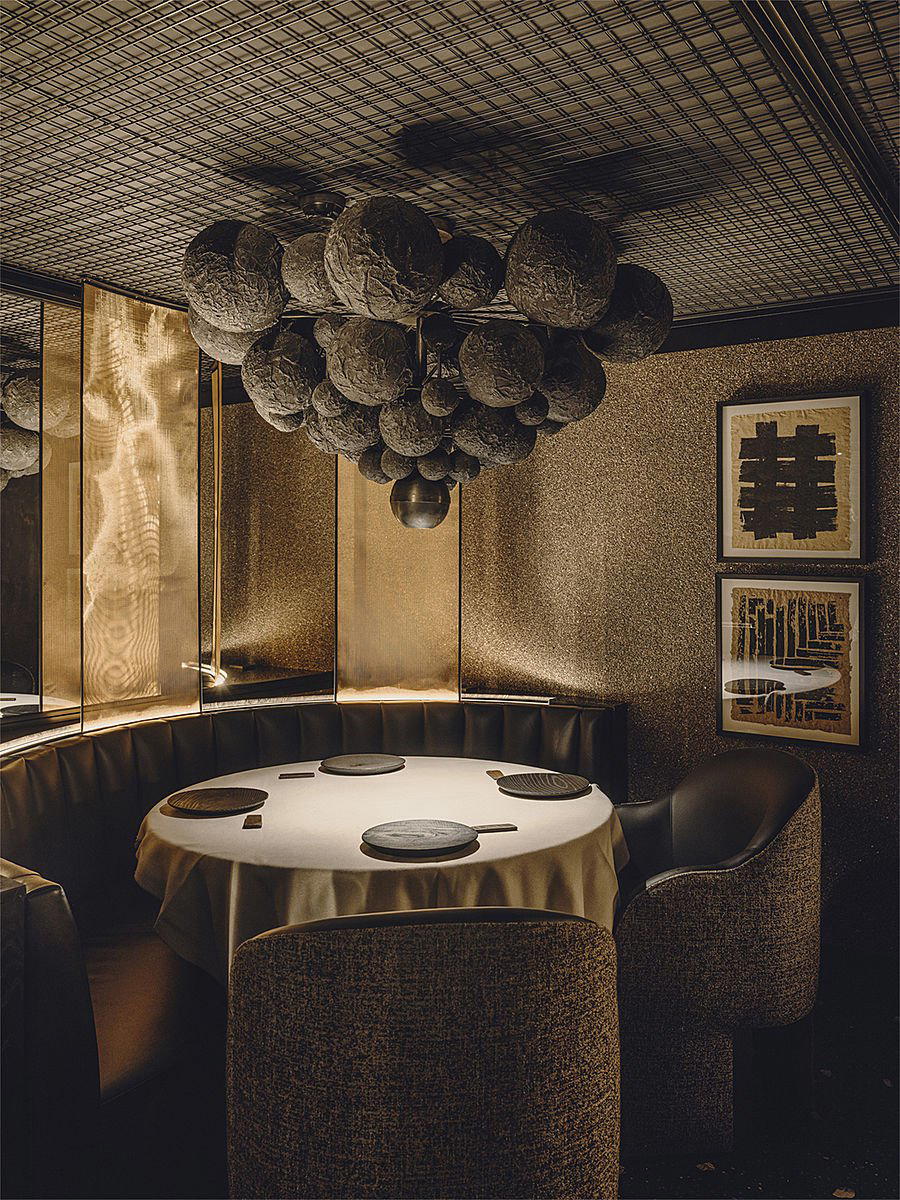
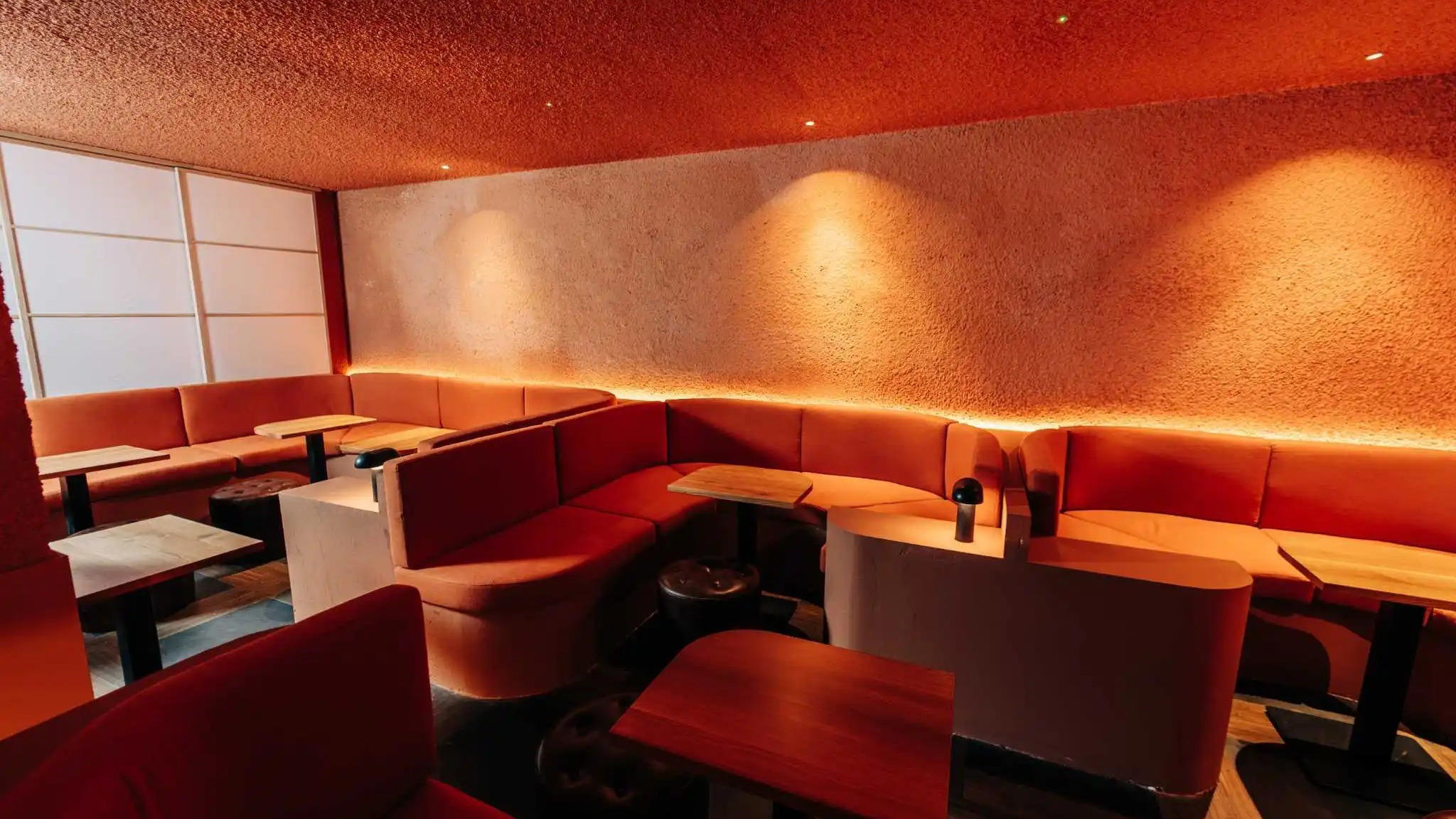
Bars in Madrid
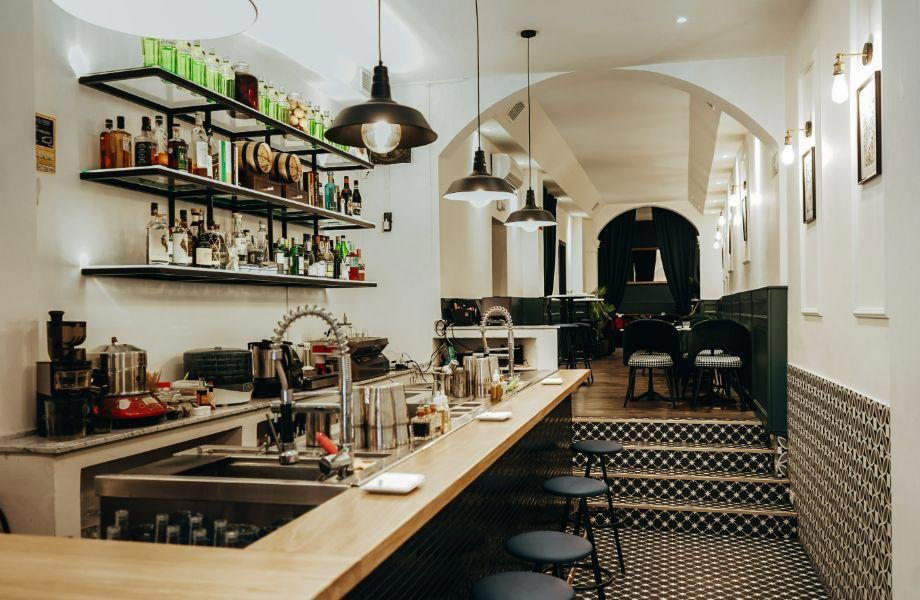
All bars in Madrid →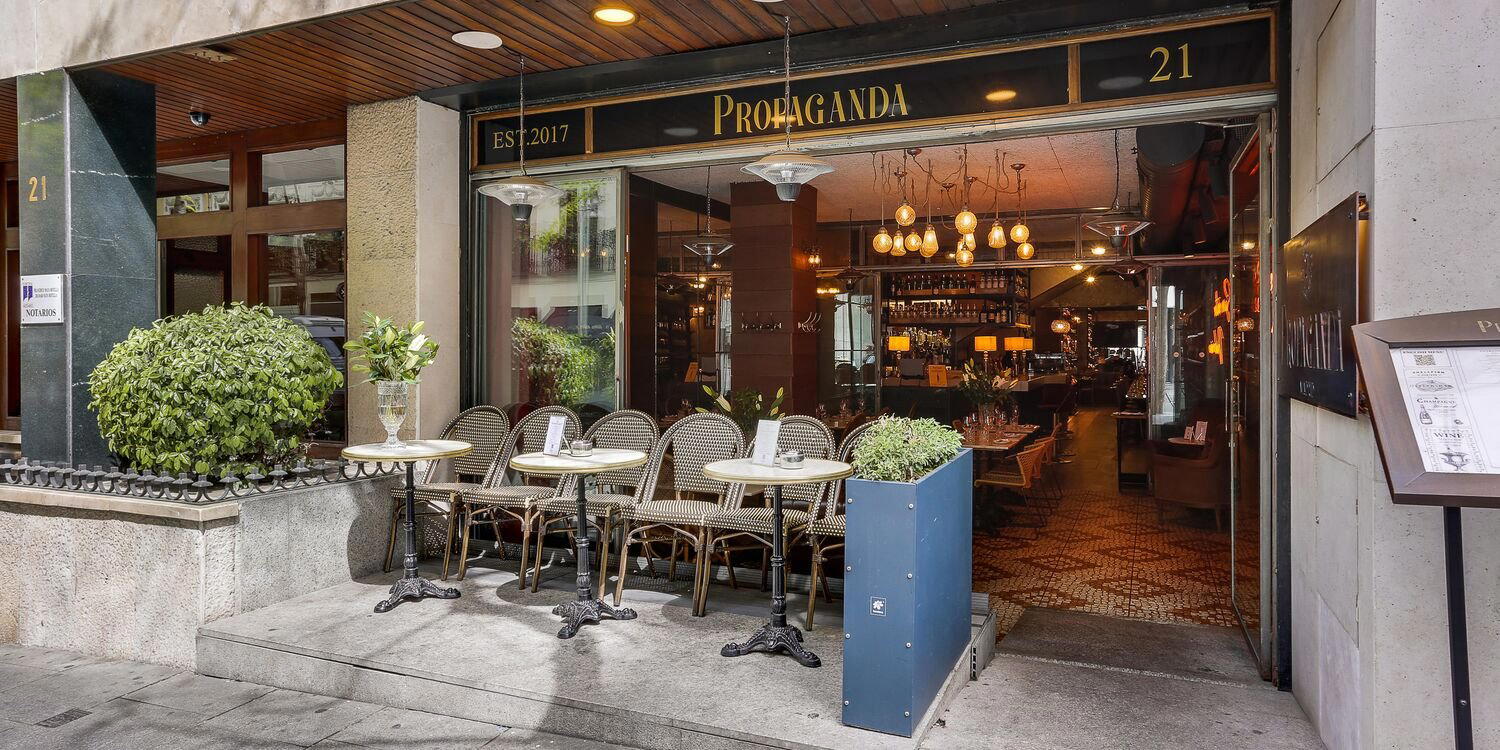

Details
- Classic
- Rustic
- Cozy
- Intimate
- Casual Hangout
- Group Dining
- After Work
- Standalone
- Historic Building
- Farm To Table
- Local Sourcing
- Organic
- A La Carte
- Small Plates
- Vermouth
- Fair Trade Coffee
- Fair Trade Tea
- Vegetarian Friendly
- Vegan Options
- Gluten Free Options
- Organic Focus
Current opening hours
- Monday
- 1–5 PM, 8 PM–12 AM
- Tuesday
- 1–5 PM, 8 PM–12 AM
- Wednesday
- 1–5 PM, 8 PM–12 AM
- Thursday
- 1–5 PM, 8 PM–12 AM
- Friday
- 1–5 PM, 8 PM–12 AM
- Saturday
- 1–5 PM, 8 PM–12 AM
- Sunday
- 1–5 PM, 8 PM–12 AM
Hours can change for holidays and private events. Hours as of .
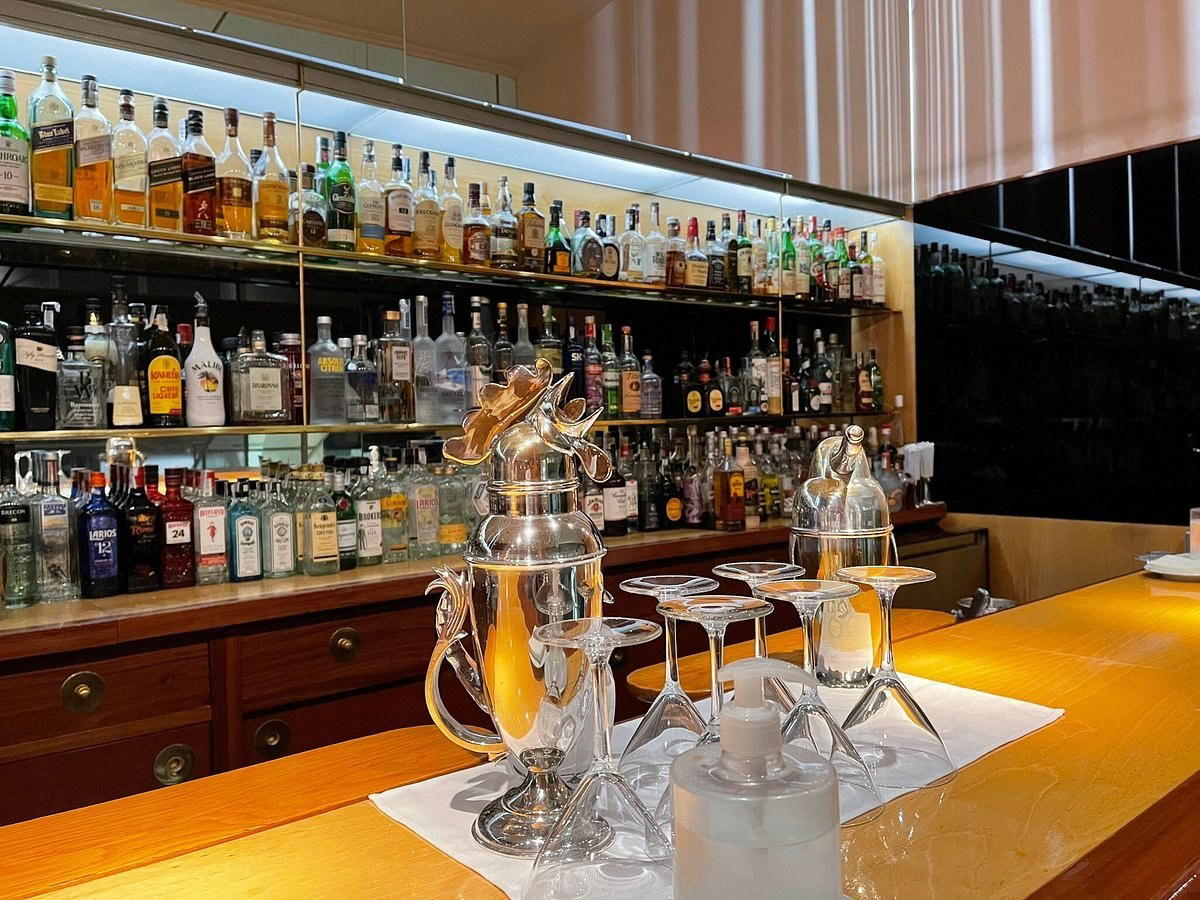
Simple, sober, and décor that connects to the past; clean environment with informal, relaxed atmosphere.