Our verdict
AIJU sits in Izusan, away from Atami’s station-front dining strip, which changes the way to read it: less as a quick resort-town meal and more as part of the city’s quieter hillside food geography. With no public awards, chef, price, or booking details attached, the safer read is contextual: Atami rewards diners who understand its seafood, ryokan, and small-restaurant rhythms before choosing a table.

Pearl is the En Primeur Club membership app — saves, bookings, and concierge access live there. Same editors, same standards.
- Address
- 630番地1 Izusan, Atami, Shizuoka 413-0002, Japan
- Phone
- +81 557-55-7900
- Directions
- Get directions
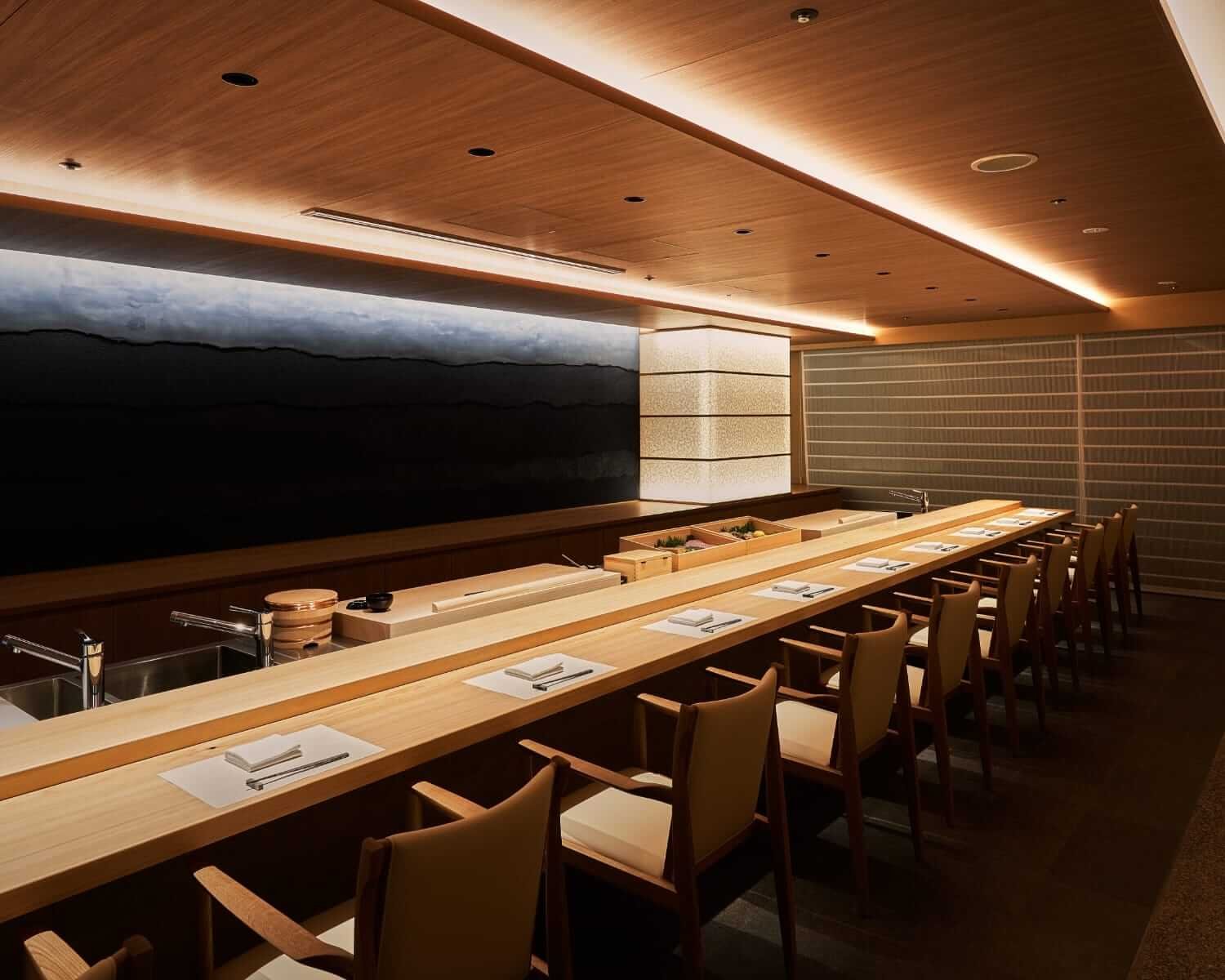
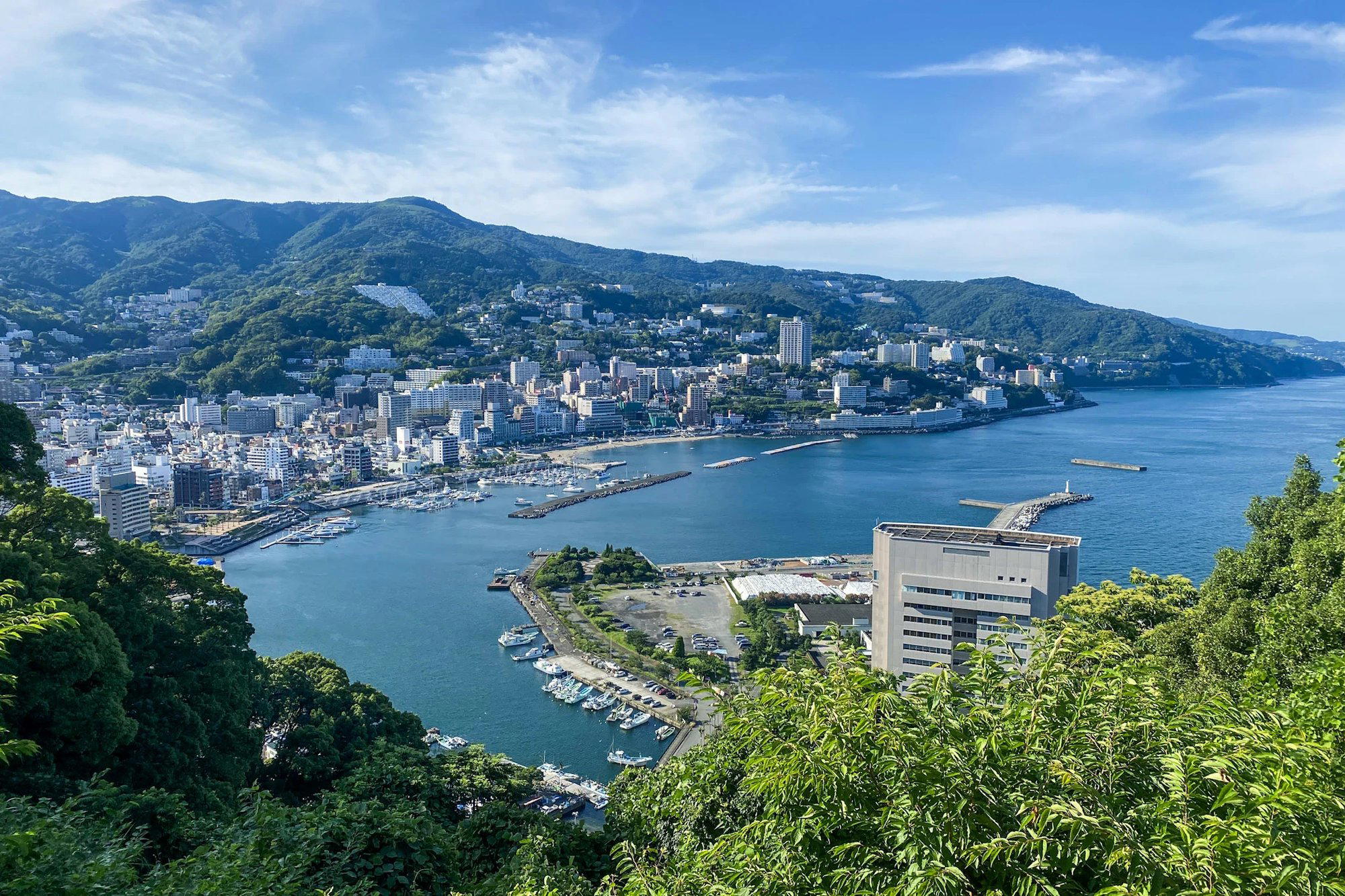
Approaching AIJU shifts the mood of Atami. The city’s louder resort vocabulary, station crowds, souvenir shops, and day-tripper queues gives way to the broader atmosphere of hot-spring Japan: meals can be shaped as much by place as by appetite. AIJU belongs to that side of Atami, where the city setting places it outside the simplest restaurant run around the busiest visitor paths.
That geography matters because Atami is not a city with a single dining identity. It is a compact onsen town pulled between several pressures: local dining habits, ryokan hospitality traditions built around multi-course meals, and a casual tourist trade that wants quick, accessible lunches before the train home. For readers comparing the city’s range, other Atami dining rooms, Ichiban, MUTSUKI, Pan Ju Kuon, and Scott (Shinkan) map the spread more clearly than any single venue can.
Atami puts the meal closer to local supply logic than simple visitor traffic
Ingredient sourcing is the serious lens in this part of Atami. The city faces the sea, and its restaurants serve visitors as well as locals moving through ryokan, counters, casual rooms, and set-meal formats. The wider area adds produce and small-scale suppliers to that equation. A restaurant in Atami is therefore not just using a scenic city address; it is operating within a setting where freshness, seasonality, and short supply chains can carry more weight than elaborate branding.
The public record does not confirm a named cuisine, chef, tasting-menu format, price point, founding year, seat count, or ranking for AIJU. This is not a page to sell fantasy about a signature dish or a chef’s doctrine. The useful question is what kind of Atami meal a diner is seeking. If the priority is public certainty, nearby names such as Ichiban, Scott (Shinkan), Pan Ju Kuon, MUTSUKI, and other Atami dining rooms may give travelers more obvious cues before arrival. AIJU, by contrast, has to be judged less by public signaling and more by location, format cues on arrival, and how clearly the restaurant communicates what it is serving.
That may sound cautious, but it is the right caution in Atami. Resort towns attract inflated language quickly: scenery can become a substitute for cooking, and old-town atmosphere is often asked to do the work of service or sourcing. The better meals here tend to make their choices visible in quieter ways, through what is offered that day, the balance of small plates, or the way a set meal changes with what the kitchen can support.
The useful comparison is not luxury versus casual, but obvious certainty versus local specificity
Atami’s dining map is practical. More central addresses suit tight itineraries, rain, and travelers moving between train and hotel. Quieter addresses ask for more intent. That difference is not about hierarchy; it is about risk and reward. A quick casual stop, a bakery visit, or a fixed-format meal gives the visitor a clearer transaction. A less overtly signposted Atami address asks the diner to accept fewer public signals in exchange for a setting closer to the older resort fabric of the city.
AIJU therefore fits travelers who are already thinking beyond a single meal. The stronger Atami itinerary pairs restaurants with the city’s wider hospitality and coastal culture: ryokan stays, bars after dinner, small producers, and daytime experiences around the bay and hills. For that broader planning frame, use Our full Atami restaurants guide, Our full Atami hotels guide, Our full Atami bars guide, Our full Atami wineries guide, and Our full Atami experiences guide as a city-wide check rather than treating one address as the whole plan.
The comparison also helps visitors who are building a Japan food route outside Atami. Regional specificity looks different in each city, and every place balances local products, visitor expectations, and dining-room format in its own way. Even when focused concepts travel well, Atami’s advantage remains its resort-town setting, hot-spring culture, and access to nearby supply. AIJU should be read within that local context rather than forced into a broader ranking or a cuisine label not supported by the public record.
How to read AIJU before committing a meal slot
The planning stance should be direct. Treat AIJU as an Atami dining choice rather than a fully documented destination restaurant. Confirm the current format, opening pattern, and suitability for the party before building an evening around it, especially if traveling across Atami or coordinating with ryokan check-in. Limited public detail does not disqualify a restaurant; it simply reduces the external shorthand that travelers often use when comparing tables in unfamiliar cities.
For ingredient-focused diners, the right question is not whether the restaurant performs luxury, but whether it can make Atami’s setting legible through the meal. In this city, that means clear communication, seasonal awareness where available, and a meal rhythm that respects the slower tempo of the resort town. AIJU is most compelling as part of that quieter Atami conversation: a city address in a resort town where the source and shape of the meal often matter more than the noise around it.
Frequently asked questions
Is AIJU child-friendly?
AIJU is in Atami.
Is AIJU better for a quiet night or a lively one?
AIJU is in Atami, which can suit a quieter dinner depending on the day and the room. Check the venue's official channels for the latest details.
Where is AIJU in Atami?
Atami.
Can I walk in to AIJU?
The public record does not list a booking policy, so walk-in access cannot be assumed. In Atami, planning ahead is sensible, especially if the meal is part of a tight itinerary. Check the venue's official channels for the latest details.
What's AIJU best at?
The only firm anchor here is location: AIJU is a restaurant in Atami. That makes it a sensible choice for diners prioritizing an Atami meal over a more heavily documented stop.
What if I have allergies at AIJU?
No allergy procedure is listed in the venue details, so the safest approach is to raise all restrictions directly with AIJU before arrival. The location to reference is Atami.
A Quick Peer Check
Comparable venues by cuisine and price in the same metro.
| Venue | Cuisine | Price | Awards | Notes |
|---|---|---|---|---|
| AIJUThis venue — the venue you are viewing | Seasonal Sushi Counter at Luxury Onsen Resort | Not listed | Not listed | Not listed |
| MUTSUKI | Traditional Japanese Kaiseki | Not listed | Not listed | Not listed |
| Pan Ju Kuon | Japanese Bakery Café | Not listed | Tabelog 100 #28 | JPY 999 - JPY 999 |
| Ichiban | Chinese Restaurant | Not listed | Tabelog 100 #97 | JPY 5,000 - JPY 5,999 JPY 2,000 - JPY 2,999 View spending breakdown |
| Scott (Shinkan) | Classic Yoshoku (Japanese-style Western) | $50–100 | Tabelog 100 #37 | JPY 3,000 - JPY 3,999 |
| Bread & Circus | Not listed | Not listed | Not listed | JPY 999 - JPY 999 |
Details
- Elegant
- Modern
- Intimate
- Scenic
- Date Night
- Special Occasion
- Celebration
- Chefs Counter
- Hotel Restaurant
- Standalone
- Panoramic View
- Sake Program
- Local Sourcing
- Waterfront
- Mountain
- Counter Dining
- Omakase
- Sake
- Beer
- Tea
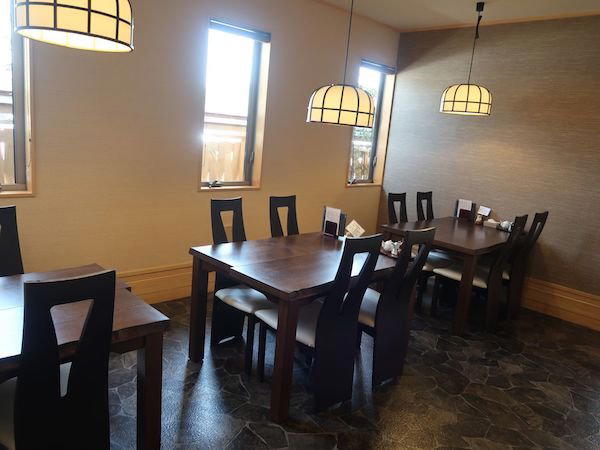
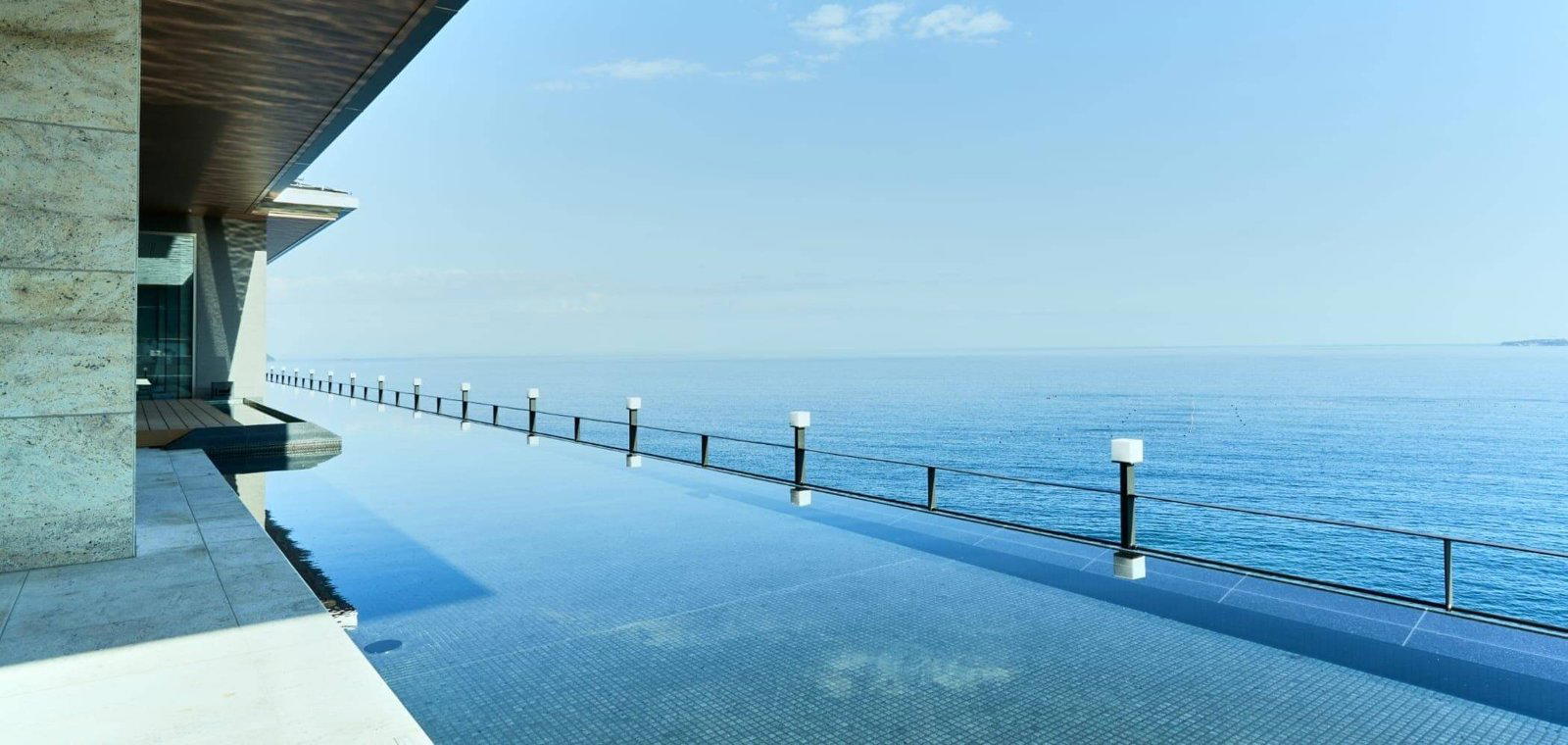
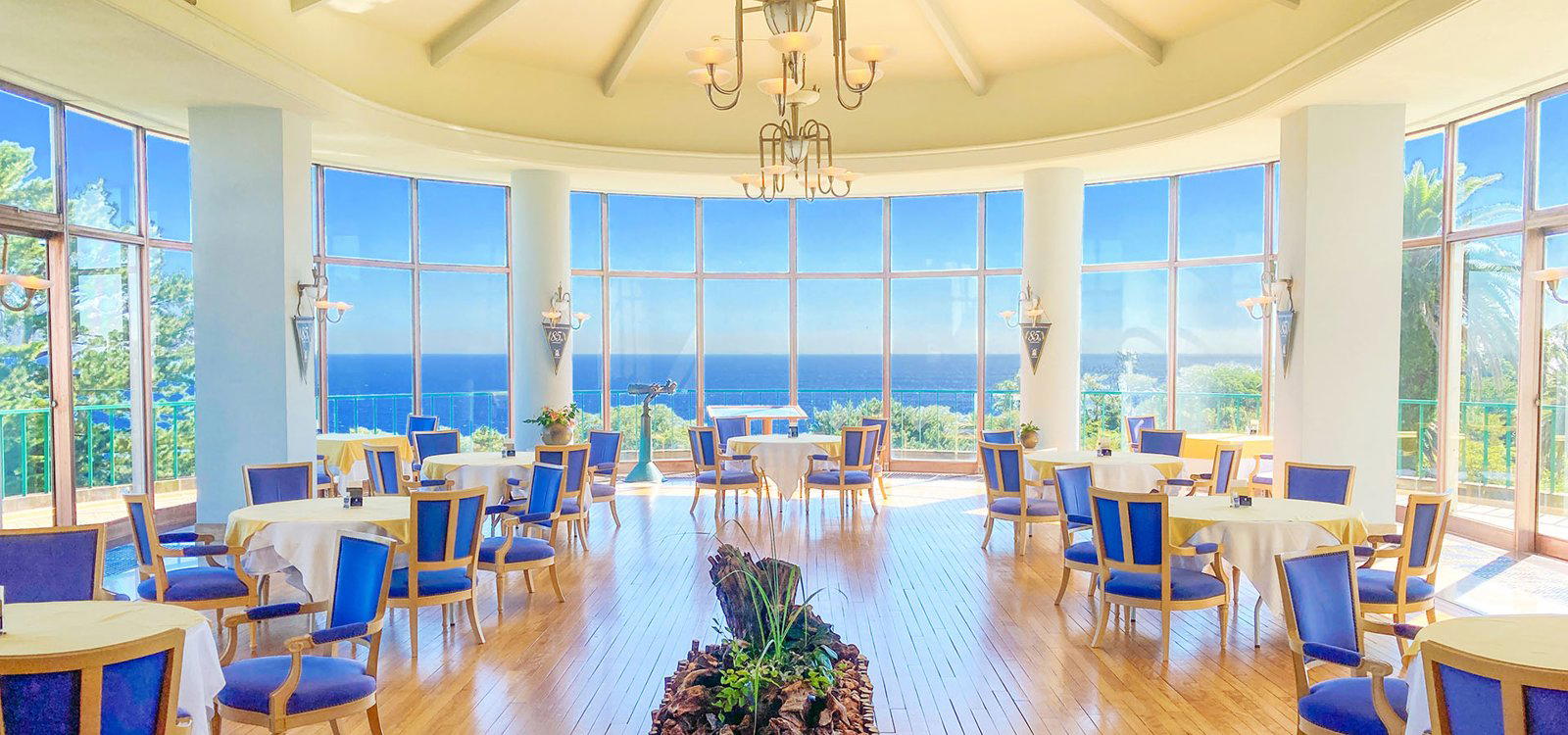
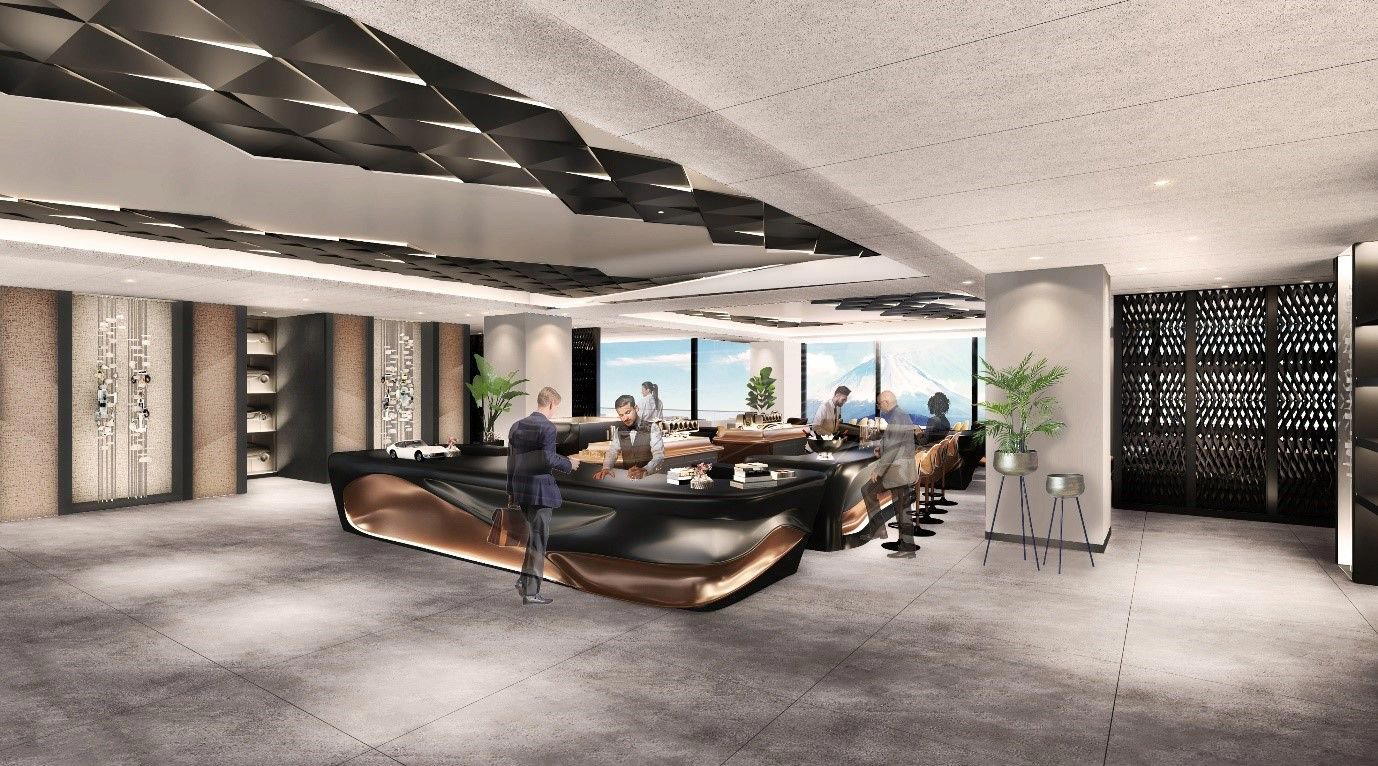
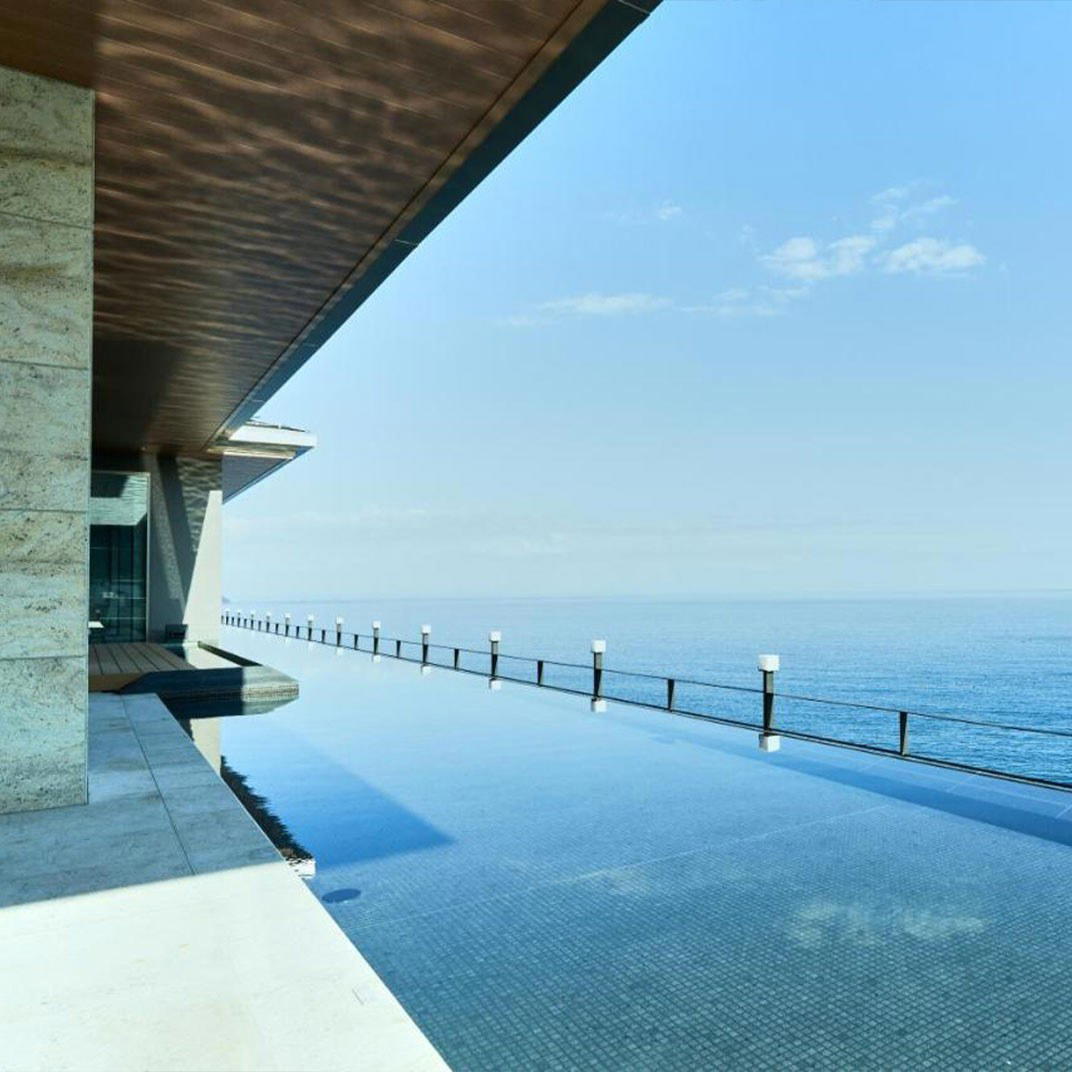
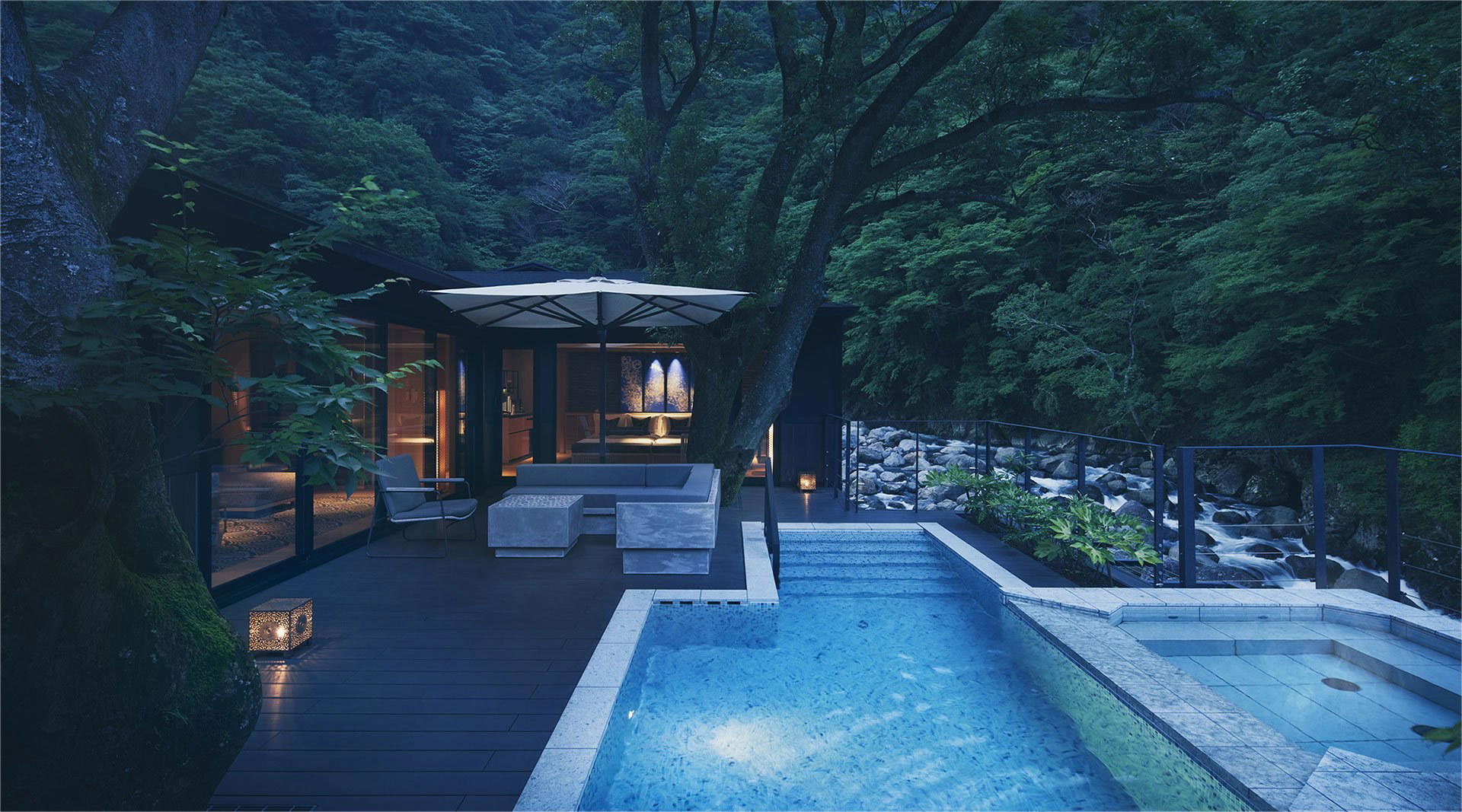
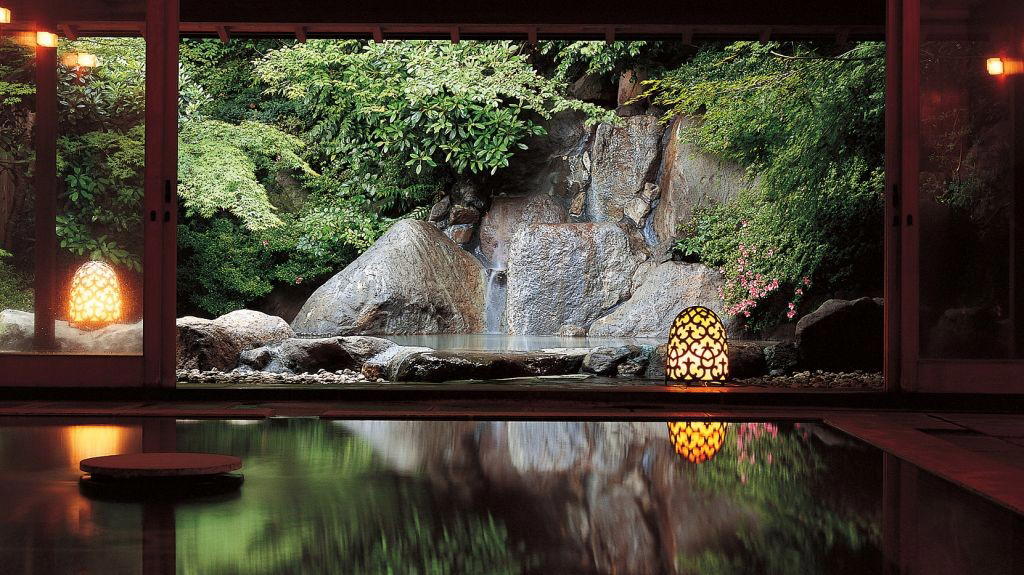
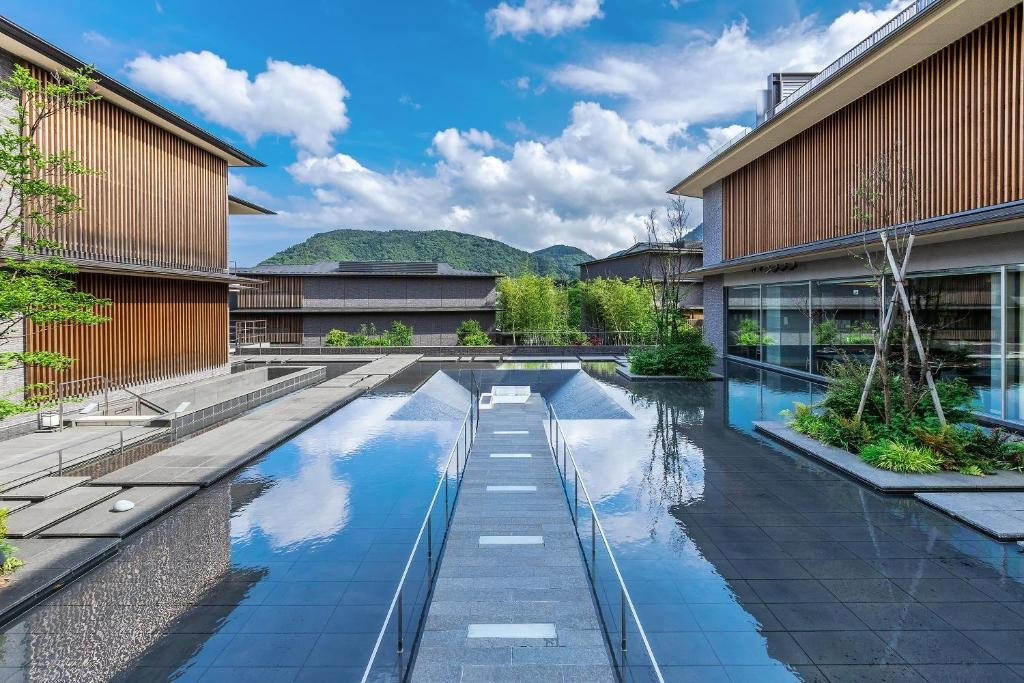
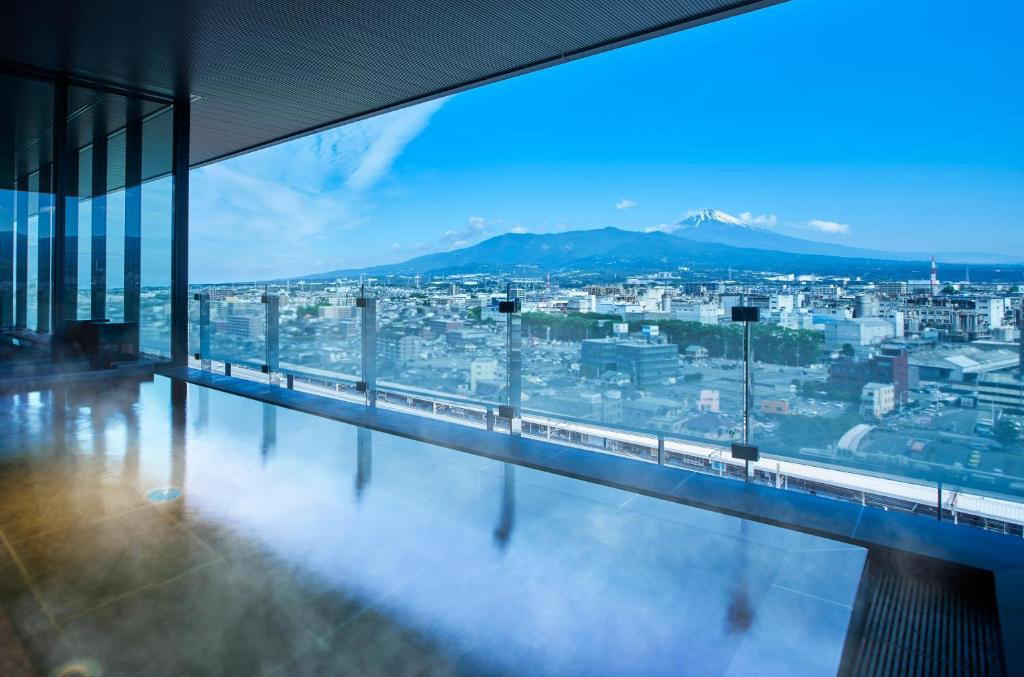
Refined and tranquil, with a beautiful single-piece hinoki counter, soft resort lighting and a serene atmosphere that complements the luxury onsen setting and sea-and-mountain vistas.