Our verdict
On Bulevar Zorana Đinđića in New Belgrade, Aigo.eat occupies a stretch of the city where international chains and local independents compete for the same foot traffic. Against that backdrop, it operates as a restaurant worth tracking for those mapping Belgrade's evolving dining scene. See how it fits into the broader Serbian capital context in our full city guide.

Pearl is the En Primeur Club membership app, where members save venues, book tables and use the concierge.
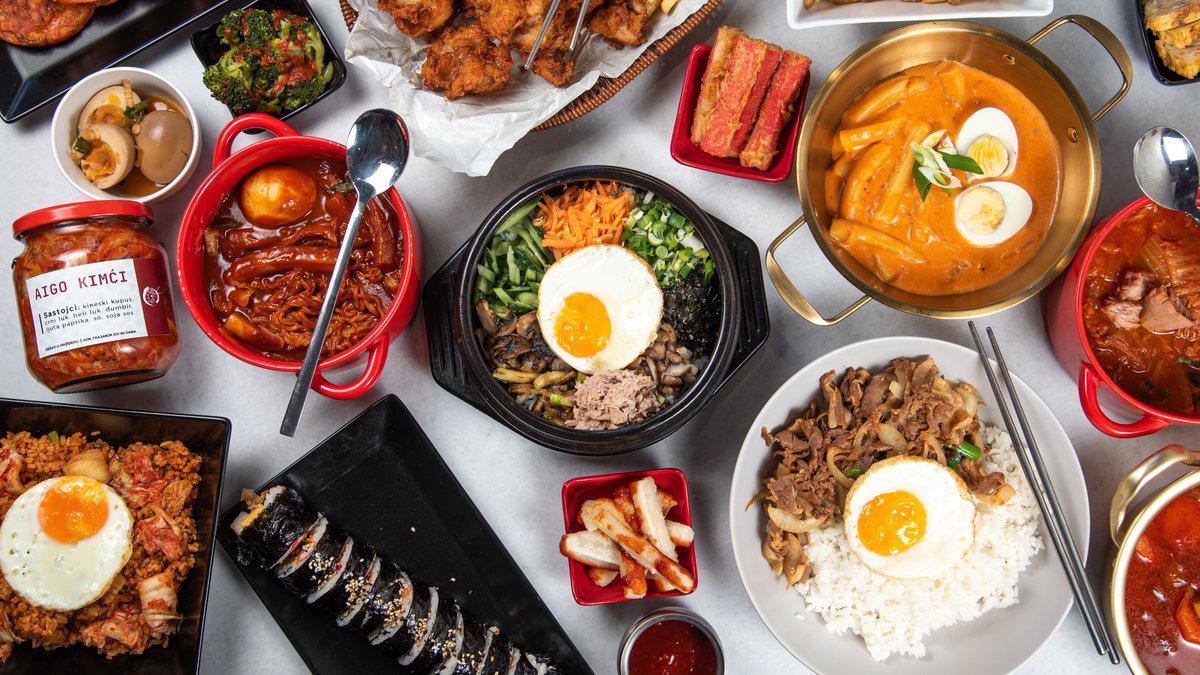
The menu
What to order
- Bibimbap
- Bulgogi
- Tteokbokki
Where New Belgrade Eats, and What That Means
Bulevar Zorana Đinđića runs through the commercial spine of New Belgrade, a district that grew up around socialist-era planning and has since layered in office towers, shopping centres, and a generation of restaurants trying to define what contemporary Serbian dining looks like. The boulevard is not the address of choice for legacy kafanas or heritage-coded cuisine. It is where newer formats try things. Aigo.eat, at number 57 near the Antifašističke borbe intersection, sits inside that logic: a restaurant on a street where the dining proposition has to be legible to an audience that moves between global reference points and local expectations.
New Belgrade's restaurant scene has expanded faster than its critical infrastructure. There is no established neighbourhood consensus about what this part of the city should eat, which creates space for operators willing to make a clear commitment. The more coherent that commitment, the more likely a venue holds its position as the district matures. Belgrade's dining scene overall has been moving in a direction that rewards specificity, whether ingredient-led, technique-led, or provenance-led. Venues in the centre, like Langouste in Belgrade, have anchored that trend at the premium tier. On the boulevard, the conversation is different, but the underlying pressure toward clarity is the same.
The Ingredient Question in Serbian Dining
Serbian cuisine has always carried a strong relationship with provenance, even when that word was never used. Farmers' markets in Belgrade, particularly Kalenić and Zeleni Venac, have operated as the city's informal quality filter for decades, connecting urban kitchens to rural supply chains in Šumadija, the Danube plain, and the mountain regions to the south and west. The question for any restaurant operating in the contemporary moment is whether that connection is active or decorative.
In the Serbian context, ingredient sourcing is not a premium signal in the way it might be at a tasting-menu restaurant in Paris or Copenhagen. It is closer to a baseline expectation among diners who grew up understanding that a tomato from Leskovac and a supermarket tomato are not the same object. Restaurants that can name their supply chains, or that demonstrate seasonal discipline in their menus, tend to read as more credible to that audience than those that rely on generic descriptors. This matters for any venue on Bulevar Zorana Đinđića trying to differentiate itself from the broader commercial noise of the district.
The Serbian restaurant scene outside Belgrade shows how varied this can be in practice. Kod Brana in Cacak operates within a regional tradition that takes local sourcing as given. Etno Kuća Dinar in Vrsac and Kafana Pećinar Ljubiš in Cajetina both draw on regional specificity as a core part of their identity. Urban restaurants have to work harder to make that connection visible, because the distance between source and plate is greater, and the audience is more likely to interrogate the claim.
Reading New Belgrade Through Its Restaurants
Mapping a restaurant scene by neighbourhood in Belgrade reveals how different the city's dining grammar becomes once you cross the Sava. The older parts of the city carry kafana culture, Ottoman-era street patterns, and a food identity tied to decades of established venues. New Belgrade was built on different ground, literally and conceptually, and its restaurants reflect that. The kafana format survives here in modified versions, but the area has also absorbed fast-casual formats, international influences, and a generation of operators who trained outside Serbia.
Venues like Yxlanzh and Znak pitanja (?) represent different positions within Belgrade's broader dining range. Further afield, places like Lovački dom in Valjevo, Windmill in Pancevo, and Kafana Studenac in Bajina Basta demonstrate how Serbian dining character shifts once you move outside the capital's radius. Kafe Restoran Maša in Novi Sad and Aleksandar Gold in Uzice show how second-tier cities are developing their own dining registers, distinct from Belgrade's. ČARDA ZLATNA KRUNA in Apatin sits in the Danube fishing tradition, as does KAFANA DUKAT in Pirot within its own eastern Serbian context. Against that spread, New Belgrade venues operate in a more contested space, where the identity of the dining room has to be built rather than inherited.
For a complete picture of where Belgrade's restaurant scene is moving, the full Београд restaurants guide maps the relevant tiers and neighbourhoods in detail.
Planning a Visit
Aigo.eat is located at Bulevar Zorana Đinđića 57 in New Belgrade, at the Antifašističke borbe junction. The boulevard is well served by public transport, and the address is direct to reach from the city centre or from the major New Belgrade hotel clusters. Current booking details, including whether reservations are accepted online or by phone, are best confirmed directly with the venue, as operating formats in this part of the city can shift. Visitors coming from outside Serbia who want to compare across the capital's range might also consider venues at different price tiers and in different neighbourhoods, from the Savamala district closer to the riverfront to the older kafana quarters of Skadarlija. Kod poštara in Aran Elovac and Grand in Kopaonik offer reference points for Serbian hospitality further outside the capital for those building a wider itinerary.
For international context on what ingredient-led, provenance-focused dining looks like at the high end globally, Le Bernardin in New York City and Atomix in New York City represent how sourcing narratives are structured at Michelin-starred level, a useful frame for understanding where the Serbian capital sits in the broader conversation.
Frequently asked questions
Where do I go for Aigo.eat?
Aigo.eat is located at Bulevar Zorana Đinđića 57 (Antifašističke borbe), 11000 Београд, Београд.
How does Aigo.eat fit into the broader New Belgrade restaurant scene?
Aigo.eat occupies a spot on Bulevar Zorana Đinđića, the commercial artery running through New Belgrade, a district that has developed a distinct dining identity separate from the older Stari Grad neighbourhoods across the Sava. Restaurants along this boulevard tend to draw a local, repeat-visit crowd rather than a tourist circuit, which shapes both menu approach and atmosphere. For visitors oriented around Belgrade's emerging neighbourhood dining culture rather than its established centre, this address is a relevant data point.
What do regulars order at Aigo.eat?
Specific dish details for Aigo. Given the restaurant's location on Bulevar Zorana Đinđića in New Belgrade, a district with a strong tradition of ingredient-led Serbian cooking, the menu likely reflects seasonal and locally sourced produce.
Is Aigo.eat reservation-only?
Booking policy details for Aigo. The restaurant sits at the Antifašističke borbe junction on one of New Belgrade's busier commercial boulevards, so demand during peak hours can be significant. Contacting the venue directly before visiting is the safest approach.
What's the signature at Aigo.eat?
No single dish has been formally documented as Aigo. Restaurants operating in New Belgrade's current dining scene tend to anchor their identity in Serbian produce traditions, often centering on grilled meats, fermented dairy, or market-driven vegetable preparations. The clearest answer will come from the venue itself.
How It Stacks Up
Comparable venues nearby, for context on price, style, and recognition.
| Venue | Cuisine | Price | Notes |
|---|---|---|---|
| Aigo.eatThis venue (the venue you are viewing) | Authentic Korean | $10–20 | Not listed |
| Restoran Tri | Creative Balkan-Italian Fusion | $20–30 | Stari Grad |
| Yxlanzh | Authentic Chinese Noodles | $10–20 | Not listed |
| MIG | Italian Pizza and Gelato | Not listed | Novi Beograd |
| Da Giorgio | Authentic Italian | $20–30 | Novi Belgrade |
| Campania Pizza Gourmet | Neapolitan Pizza Gourmet | $10–20 | Novi Beograd |
Continue exploring
More in Belgrade
Restaurants in Belgrade
All restaurants in Belgrade →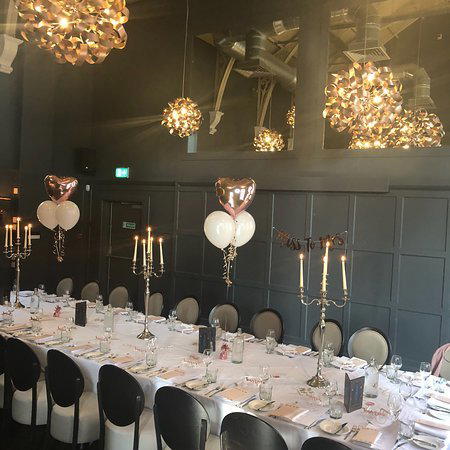
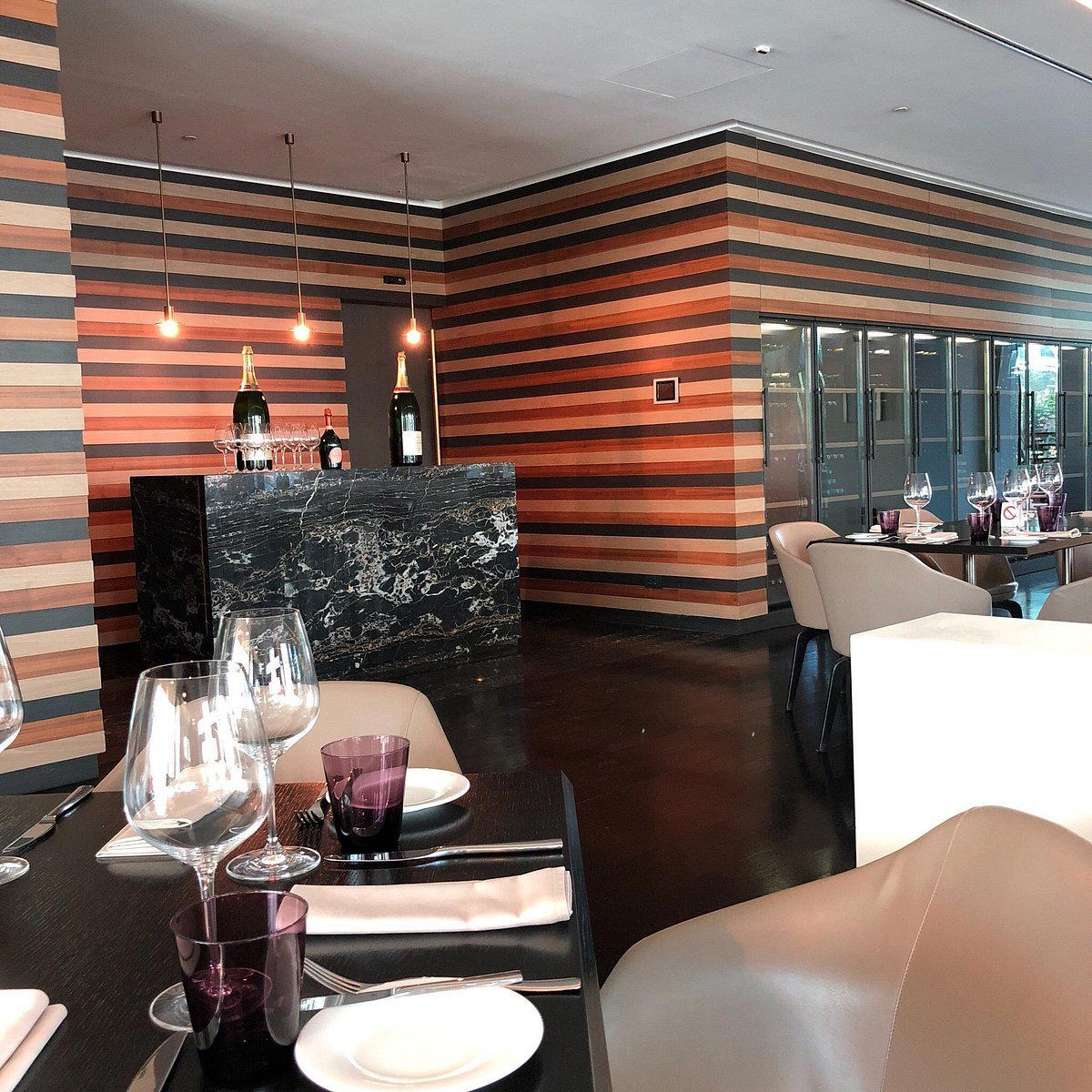
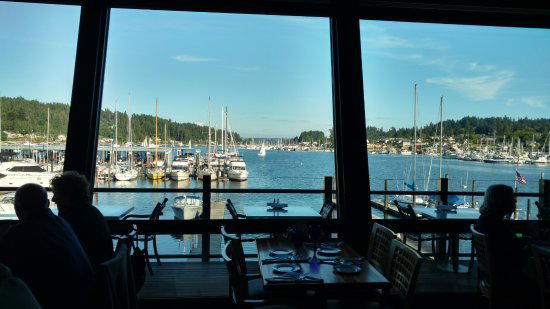
Bars in Belgrade
All bars in Belgrade →

Details
- Cozy
- Casual Hangout
- Standalone
- A La Carte
- Vegetarian Friendly
Cozy family setting with warm and friendly atmosphere.