
Matijašević vinogradi belongs to Serbia’s newer, polished winery tier: an Orašac estate in Šumadija working with local and international grapes across still white, red, and orange styles. The draw is terroir-led tasting rather than rustic cellar theatre, with vineyard views, guided estate formats, and bottlings such as Belina, SoviNoa, Čukundeda, and Tri Doline shaping the conversation.
Pearl is the En Primeur Club membership app — saves, bookings, and concierge access live there. Same editors, same standards.
- Address
- Лесковац, Dubrovačko-neretvanska županija, Kroatien
- Directions
- Get directions
 Saves & bookings on Pearl
Approach this kind of Šumadija winery expecting vineyard geometry before cellar romance: rows of vines, a quieter estate rhythm, and the contemporary Serbian habit of treating wine tourism as design, not folklore. Matijašević vinogradi sits in Orašac, where the appeal is less about urban dining polish and more about how a modern estate frames land, grape variety, and cellar work for visitors who want the production story made legible.
Serbia’s premium wine conversation has changed sharply over the past decade. The old shorthand of hearty regional reds and informal tastings no longer covers the field. Producers in Šumadija now have to speak two languages at once: local identity through grapes such as Smederevka and Prokupac, and international fluency through varieties including Sauvignon Blanc, Pinot Blanc, Merlot, and Malbec. This estate works inside that overlap, with a portfolio that signals both regional grounding and export-aware ambition.
Šumadija terroir, read through local and international grapes
The strongest editorial reason to pay attention here is the grape mix. Smederevka and Prokupac matter because they keep the estate tied to Serbian wine culture rather than turning it into a generic international-variety project. Sauvignon Blanc, Pinot Blanc, Merlot, and Malbec place it in a more familiar global register, useful for visitors calibrating Serbian bottles against wines they already know.
That tension is where Šumadija becomes interesting. The region’s contemporary producers are not simply preserving tradition; they are deciding which native grapes can carry a premium identity and which international grapes help translate the place to a wider audience. Matijašević vinogradi is positioned as a terroir-and-cellar-craft estate rather than a casual farm stop, and its wine focus spans still whites, still reds, and orange wine. That range gives the tasting format more breadth than a single-variety cellar, without requiring the visitor to treat the estate as a technical seminar.
The named bottlings, including Belina, SoviNoa, Čukundeda, and Tri Doline, give the portfolio enough definition to avoid the vague “house wine” feel that can weaken smaller tasting-room experiences. Čukundeda, in particular, carries a distinctly Serbian linguistic and cultural charge, while Tri Doline points back to place rather than cellar branding alone. The estate is also described through vineyards in Orašac, Kopljare, and Banja, so the sense of place is not confined to a single label claim.
For wider context on the city’s food and drink options, EP Club’s Orašac guides sit in separate tracks: Our full Orasac restaurants guide, Our full Orasac hotels guide, Our full Orasac bars guide, Our full Orasac wineries guide, and Our full Orasac experiences guide.
A polished estate format rather than a rustic cellar call
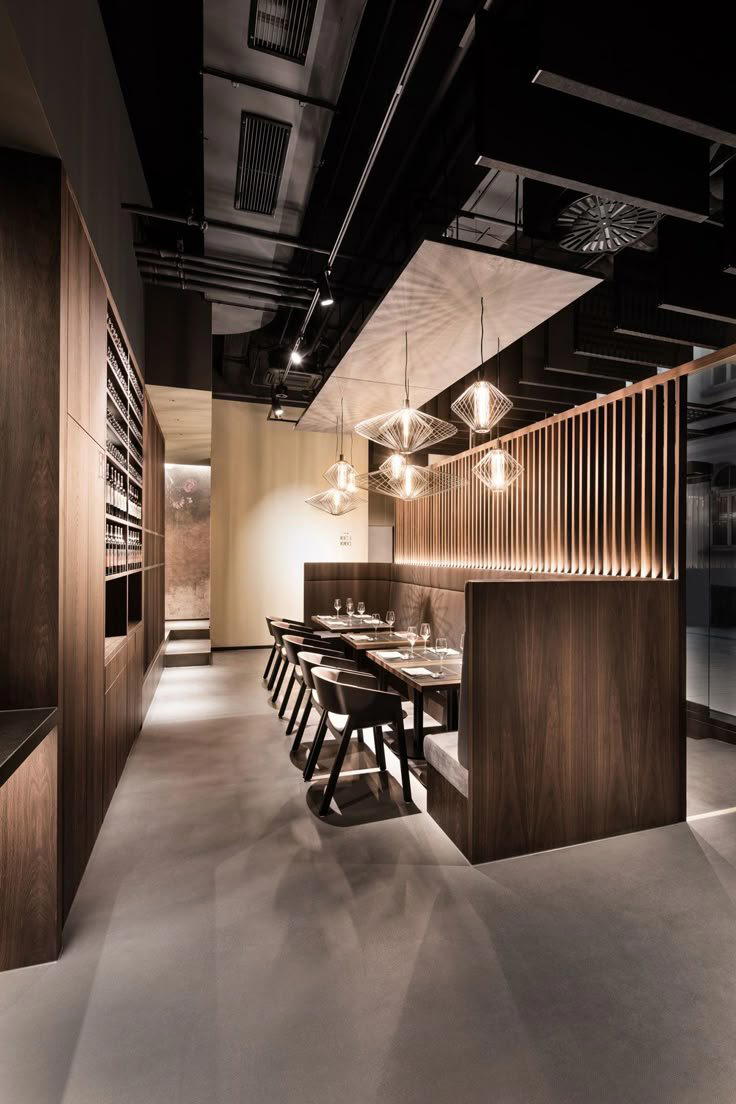
The experience is built around guided tasting and estate tasting, with vineyard tours and private tasting formats shaping the visit. That matters because winery tourism in this part of Europe can split between informal pours and more structured, appointment-led hospitality. This address sits on the more controlled side of that divide: quiet atmosphere, vineyard outlook, estate grounds, and a smart-casual tone rather than a drop-in bar mood.
There is a useful distinction between premium and stiff. The format here reads as refined, modern, and scenic, but the real value is educational: guests are likely to get more from the visit if they care about grape identity, regional positioning, and how a producer balances local and international varieties. Food pairing is part of the offer, which also shifts the experience away from a purely retail tasting and toward a more complete read of the wines.
Scale also helps explain the feel. The operation is medium in production profile, independent, and not shaped as a chain-style hospitality product. It has been operating since 2015, which makes it young by European wine-estate standards but mature enough to have moved beyond launch-phase anonymity. The company reports 9 employees and 2025 revenue of 61,321,000 Serbian dinars, with net profit of 18,296,000 dinars and EBITDA of 28,702,000 dinars. Those are business signals rather than tasting notes, but they support the picture of an active producer with operational substance behind the visitor-facing polish.
How to place it within a Serbian wine itinerary
For travelers building a Serbian wine itinerary, this is not the stop to treat as a casual add-on between meals. It belongs to the appointment-led estate category, better suited to visitors who want a composed tasting with some depth. The price level sits in the premium band, so the stronger case is not volume or spontaneity; it is the chance to read Šumadija through a producer that foregrounds vineyard setting, modern cellar identity, and a wider grape vocabulary.
The estate’s sustainable production philosophy is another relevant marker, though it should be read as part of the positioning rather than a substitute for detailed farming certification. In contemporary wine travel, sustainability language has become common, and serious visitors should distinguish between broad philosophy, certified practice, and measurable vineyard protocols. Here, the editorial takeaway is that the estate presents itself within the modern sustainability conversation while keeping the main visitor proposition focused on terroir expression and guided tasting.
Readers comparing Serbian wine styles beyond Orašac can also look across EP Club’s wider winery coverage, including Aleksić Vinarija in Vranje, Bikicki in Banostor, Bojan Baša in Syrmien, Cilić Vinarija in Lozovik, Despotika Winery in Smederevska Pa, Ernő Sagmeister in Magyarkanizsa, Fleur d’Oranger in Novi Sad, Fragaria in Aleksandrovac, »der Steiner« Hans Steiner in Podersdorf am See, and & Handwein in Mannheim.
The editorial call is clear: Matijašević vinogradi is for visitors who want Serbian wine presented with structure, vineyard context, and a premium estate tone. It is less persuasive as a spontaneous detour and more convincing as a planned Šumadija tasting built around local grapes, modern cellar ambition, and a controlled sense of place.
Recognition history
Dated appearances from independent guides and award organizations, with the underlying list record or original source where available.
Falstaff Winery - 3 Stars
Falstaff
Continue exploring
More in Orasac
Wineries in Orasac
Browse all →Bars in Orasac
Browse all →
Restaurants in Orasac
Browse all →
At a Glance
- Sophisticated
- Modern
- Scenic
- Wine Education
- Special Occasion
- Group Outing
- Vineyard Tour
- Private Tasting
- Estate Grounds
- Vineyard
- Šumadija
- Smederevka
- Sauvignon Blanc
- Pinot Blanc
- Prokupac
- Merlot
- Malbec
- Still White
- Still Red
- Orange
- Guided Tasting
- Estate Tasting
Premium, design-forward winery atmosphere with a strong terroir-and-cellar-craft narrative; the estate is presented as polished and award-focused rather than rustic or casual.