
Michelin Plate
Our verdict
A Michelin Plate-recognised seafood address in Belgrade's Radnička quarter, Gušti mora brings a tradition-led approach to fish and shellfish at a mid-range price point. The menu follows the catch rather than a fixed formula, with daily specials sitting alongside risottos and pasta that reflect an Adriatic sensibility.

Pearl is the En Primeur Club membership app — saves, bookings, and concierge access live there. Same editors, same standards.
- Address
- Radnička 27, Beograd, Serbia
- Phone
- +381 64 2886080
- Hours
- Daily 12–11 PM
- Website
- gustimora.com
- Directions
- Get directions
The menu
What to order
- Prawn tartar
- Langoustines
- Fresh saltwater fish
- Lobster
Where the Adriatic Reaches Belgrade
Landlocked cities tend to have a complicated relationship with seafood. Supply chains are longer, the catch is less predictable, and the margin for error on freshness is narrower than at any coastal address. Belgrade has historically leaned into its river traditions — carp, catfish, pike — leaving the Adriatic-style fish restaurant as a smaller, more specialised corner of the dining scene. That corner, however, has its committed practitioners, and Gušti mora
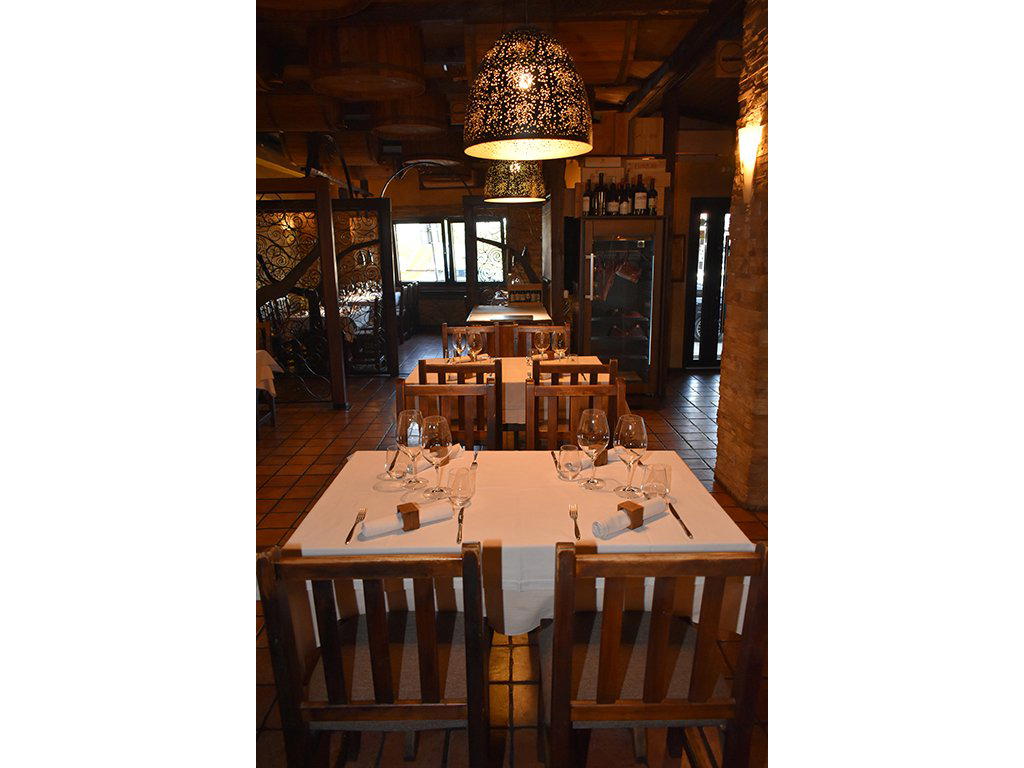
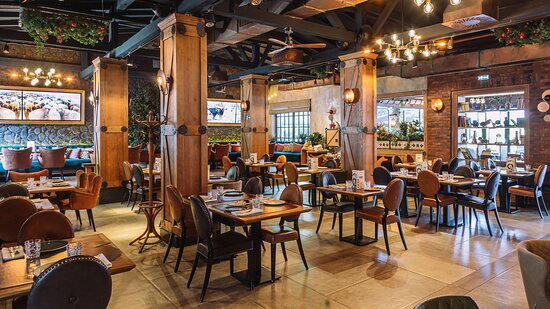
The restaurant occupies a spot just outside the city centre, which in Belgrade's terms means a short distance from the main restaurant cluster but a step back from the noise. The dining rooms carry a rustic texture, materials and atmosphere that read as deliberate rather than accidental, the kind of environment that signals the kitchen's priorities lean toward the plate rather than the fit-out. It is not the context you find at, say, Langouste, where modern cuisine commands a four-tier price bracket and a different register entirely. Gušti mora operates in the mid-range, the €€ band, which in this city means genuinely accessible for what the Michelin recognition implies.
The Logic of Simple Fish
Across European seafood traditions, from the Breton coast to the Calabrian waterfront, the strongest argument for a fish restaurant is usually restraint. The ingredient does not need intervention; it needs accurate heat, good timing, and honest sourcing. The kitchens that understand this tend to produce menus that look sparse on paper but deliver on the plate. This is the tradition Gušti mora works within. The format is fish prepared simply, with a respect for ingredient quality that the menu itself is built around, freshness as the organising principle, not technique as spectacle.
That approach places it in an interesting comparative position within Belgrade's wider scene. Bela Reka anchors the traditional Serbian end at a lower price point. The Square operates in the contemporary French register at a similar €€ level but with a very different culinary language. Gušti mora occupies neither of those positions, its reference points are Adriatic rather than Serbian or French, and the kitchen's vocabulary is closer to what you find at coastal Italian or Dalmatian addresses than to anything rooted in the Pannonian inland.
Shellfish and the Daily Catch
The editorial angle that matters most at a restaurant like this is not the standing menu but the catch of the day. In practice-led seafood cooking, what arrives on the truck in the morning shapes what appears on the table at lunch and dinner. Staff can advise on what the day's catch includes, and that conversation, asking before you order, is how experienced regulars work the menu. It is also the moment where crustaceans and molluscs tend to surface, creatures whose quality is almost entirely a function of how recently they left the water and how carefully they were handled afterward.
The principle of shellfish cookery holds across traditions: a well-sourced scallop, lobster, or crab requires less from the kitchen than a mediocre one can be rescued by. Across the European seafood spectrum, from Aux Pesked in Saint-Brieuc to Angler in London, the restaurants that earn sustained recognition in this category are those where the sourcing chain is treated as the primary kitchen tool. Gušti mora's consecutive Michelin recognition signals that the kitchen meets that standard within its market context, even if the format and price tier differ from those coastal European counterparts.
For a broader reference across the Adriatic-influenced spectrum, Gambero Rosso in Marina di Gioiosa Ionica and Alici on the Amalfi Coast represent the coastal Italian end of the tradition that informs Gušti mora's sensibility. Bistrot in Forte dei Marmi and Cañabota in Seville offer further points of comparison for how serious fish restaurants operate at different price levels in coastal European cities. What connects all of them, regardless of geography, is that the menu follows the water rather than a predetermined formula.
The Italian Thread
One structural feature of the menu worth noting is the Italian presence: risottos and spaghetti appear alongside the fish-led dishes, reflecting the cultural and culinary proximity between the eastern Adriatic coast and the Italian mainland. This is not an unusual combination in Serbian restaurants with Dalmatian or broader Adriatic affiliations. The pasta and risotto formats provide reliable anchors for guests who want something more structured than a whole fish, and they allow the kitchen to work shellfish and seafood into forms that suit a longer meal. Comunale Caffè e Cucina handles the pure Italian register in Belgrade for those whose interest runs in that direction; Gušti mora uses the Italian formats as a complement to the fish kitchen rather than as its identity.
The combination also broadens the appeal across a table where not every guest wants a whole fish or a shellfish-forward plate. A risotto built on a good seafood base can carry as much quality signal as the main course beside it, and in kitchens where the sourcing is consistent, it tends to reveal the same standards.
Planning a Visit
Gušti mora sits at Radnička 27, a few minutes from the central Belgrade restaurant cluster. For a fuller picture of where it sits within Belgrade's dining options, our full Belgrade restaurants guide maps the city across cuisine types and price tiers, and Ebisu offers a contrasting Japanese perspective at the same address for those building a longer itinerary. Belgrade's hotel, bar, winery, and experience offerings are covered in detail across our hotels guide, bars guide, wineries guide, and experiences guide.
Because daily catch specials are part of how the kitchen operates, arriving with some flexibility, and asking the staff what came in that day, will generally produce a better meal than working from the printed menu alone. That is a principle that holds at fish restaurants everywhere, from Conchas de Piedra in Valle de Guadalupe to Fleur de Sel in Novi Slankamen, and Gušti mora is no exception. For those with an interest in where Serbian seafood cooking connects to the broader regional tradition, it is a useful reference point at an accessible price.
Frequently asked questions
What kind of recognition has Gušti mora received?
Gušti mora has received recognition including: This is the place for anyone who appreciates fish crafted simply and with respect for tradition, allowing the freshness and quality of the ingredients, the true stars of each dish, to shout their name. In addition to the menu, ask the staff….
Is Gušti mora more mid-range or high-end?
Pricing at Gušti mora is listed as €€.
What's the best thing to order at Gušti mora?
Ask the staff about the catch of the day rather than defaulting to the standing menu. At a Michelin Plate-recognised seafood restaurant built around ingredient quality, whatever arrived most recently is the most reliable order. The Italian-inflected risottos are a secondary strength worth noting if the daily catch is limited.
How do I find Gušti mora?
Gušti mora is located at Radnička 27, Beograd, Serbia, Belgrade.
How far ahead should I plan for Gušti mora?
Gušti mora sits at Radnička 27, just outside Belgrade's central dining cluster, which keeps it off some tourists' radar. Checking availability a few days in advance is prudent, particularly for weekends.
What's the signature at Gušti mora?
The restaurant's guiding principle is minimal intervention: fish prepared simply, with the ingredient doing the work. That approach, combined with the daily catch rotation, means the menu shifts with supply rather than centering on a fixed signature dish. The Michelin Plate (2025) acknowledges this restraint-led style rather than any single preparation.
Peers in This Market
| Venue | Cuisine | Price | Awards | Notes |
|---|---|---|---|---|
| Gušti moraThis venue — the venue you are viewing | Fresh Mediterranean Seafood | $30–50 | Michelin Plate | Not listed |
| Langouste | Modern Serbian Fine Dining with Seafood Focus | $50–100 | 1 Michelin Star · La Liste Top Restaurants | Modern Cuisine |
| The Square | Modern European Fine Dining | $50–100 | Michelin Plate · World's 50 Best #34 | Contemporary French, Modern Cuisine |
| Istok | Vietnamese Fusion with Thai & Korean | $10–20 | Michelin Bib Gourmand | Vietnamese |
| Salon 1905 | Modern Serbian Fine Dining | Not listed | Michelin Plate · La Liste Top Restaurants | Modern Cuisine |
| Bela Reka | Traditional Serbian | $20–30 | Michelin Bib Gourmand | Traditional Cuisine |
Recognition history
Dated appearances from independent guides and award organizations, with the underlying list record or original source where available.
Michelin Plate
Michelin
Full recognition history (3 entries)
Michelin Plate
Michelin
Michelin Plate
Michelin
Continue exploring
More in Belgrade
Restaurants in Belgrade
Browse all →
Bars in Belgrade
Browse all →
Hotels in Belgrade
Browse all →


Gušti mora
The wine
- Wine program
- Curated wine list
- Extensive wine list
Details
- Cozy
- Rustic
- Romantic
- Elegant
- Date Night
- Special Occasion
- Group Dining
- Standalone
- Waterfront
- Extensive Wine List
- Sustainable Seafood
- Local Sourcing
- A La Carte
- Wine
- Pescatarian Friendly
Current opening hours
- Monday
- 12–11 PM
- Tuesday
- 12–11 PM
- Wednesday
- 12–11 PM
- Thursday
- 12–11 PM
- Friday
- 12–11 PM
- Saturday
- 12–11 PM
- Sunday
- 12–11 PM
Hours can change for holidays and private events. Last verified .
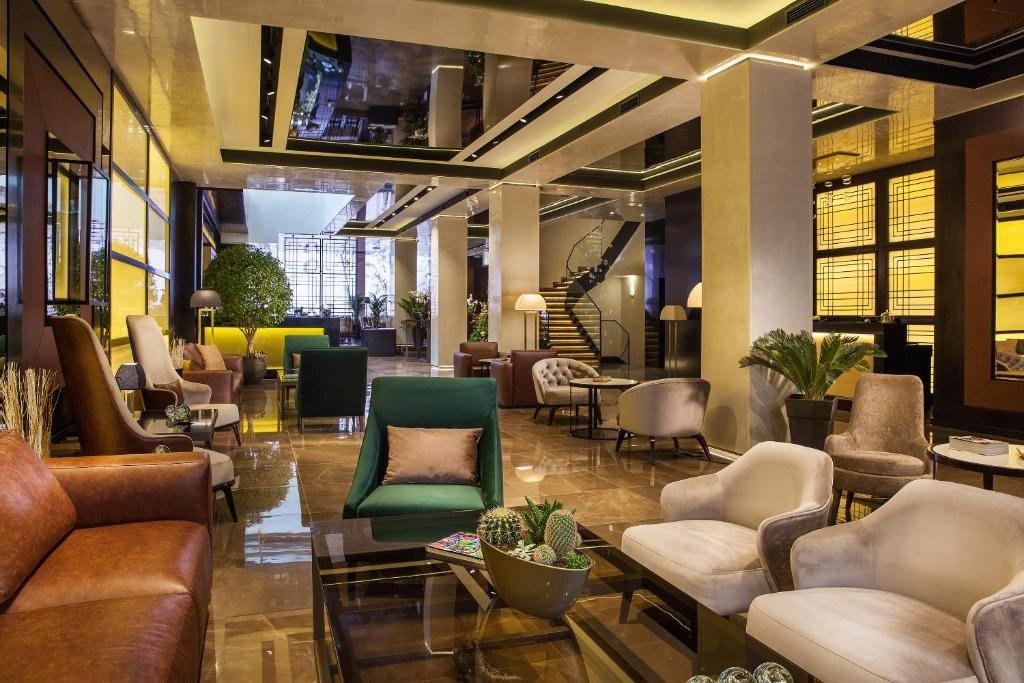
Warm and inviting with candlelit tables, wooden beams, nautical decor, and a rustic-elegant blend that evokes a coastal Mediterranean atmosphere.