Michelin Plate
Our verdict
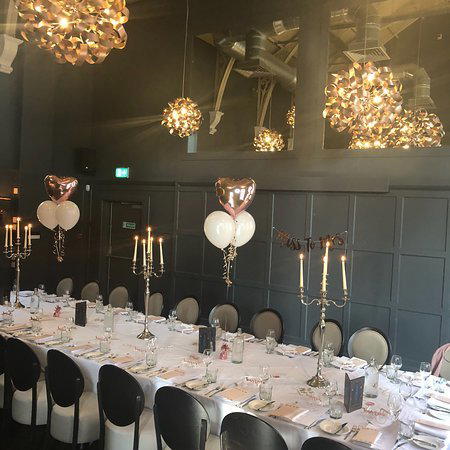
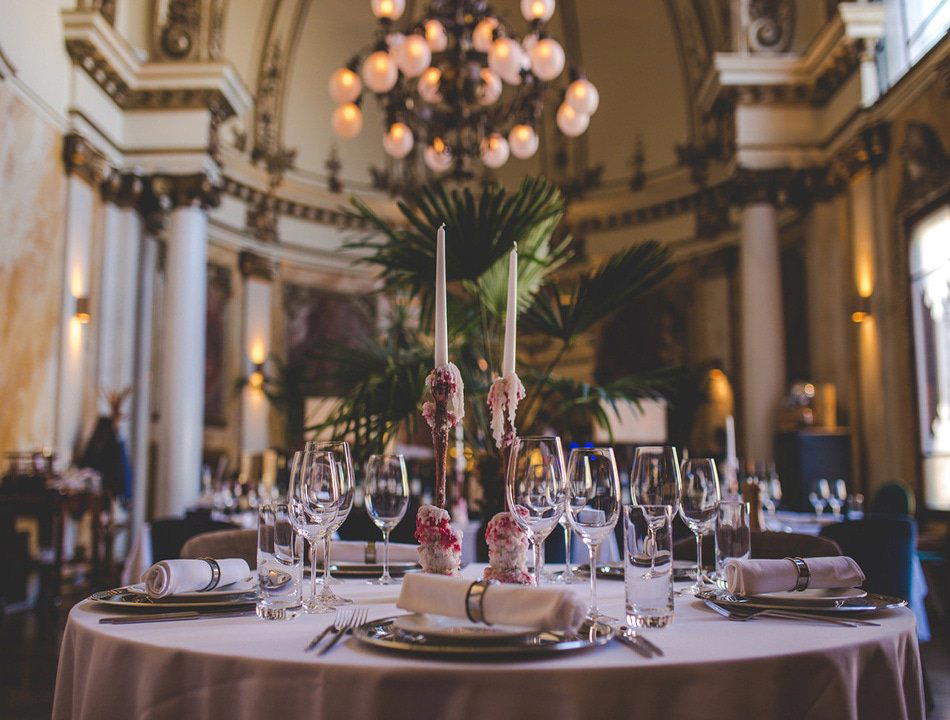
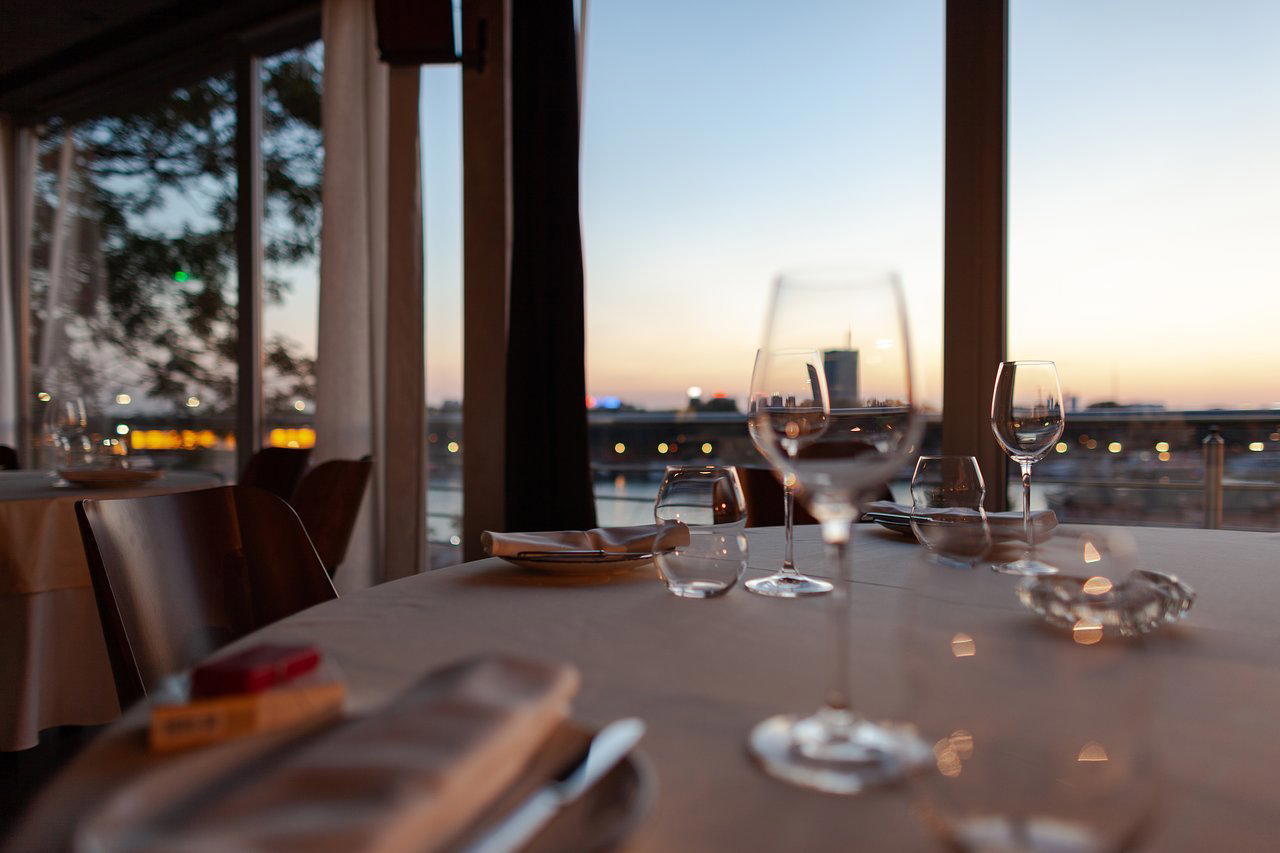
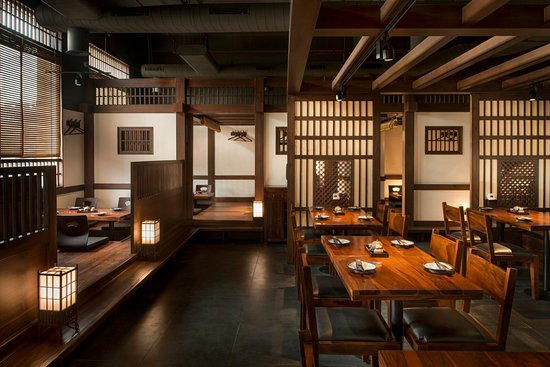
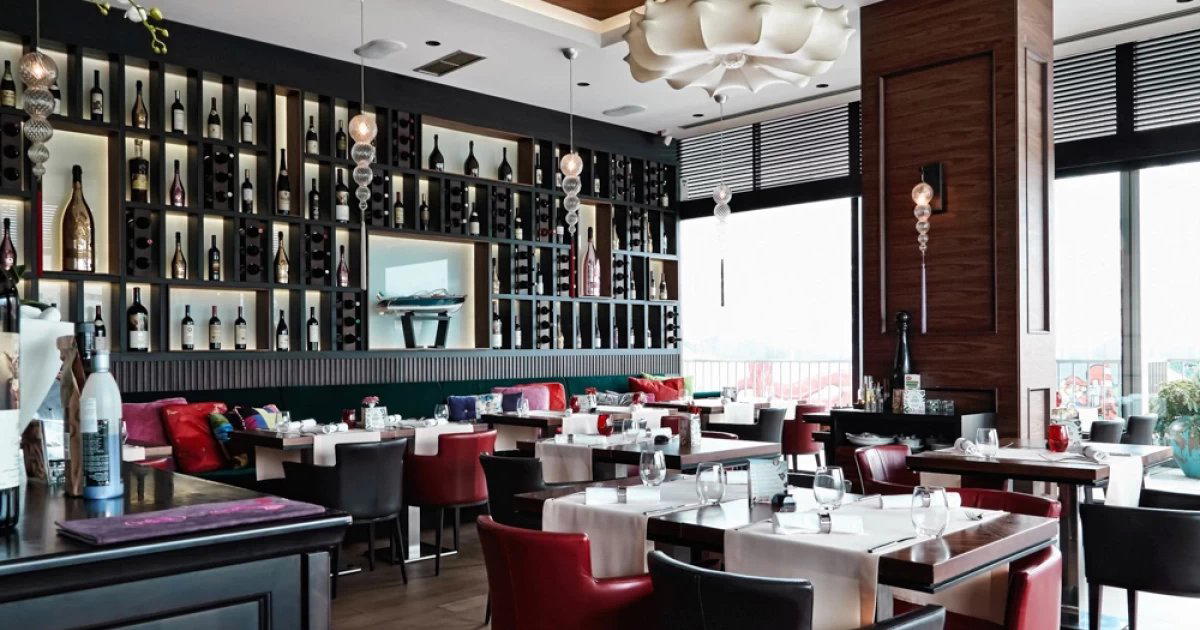
Situated on the ground floor of the Crowne Plaza Belgrade, Prime draws a loyal following with a menu built around Mediterranean and Italian cooking, weighted toward serious meat preparations but with a full section devoted to pasta, risotto, and gnocchi. The dessert course, which carries a distinct French influence in both technique and plating, is a consistent point of praise among regulars. It operates as a hotel restaurant that functions convincingly as a standalone dining destination.

Pearl is the En Primeur Club membership app, where members save venues, book tables and use the concierge.
A Hotel Address That Earns Its Own Reputation
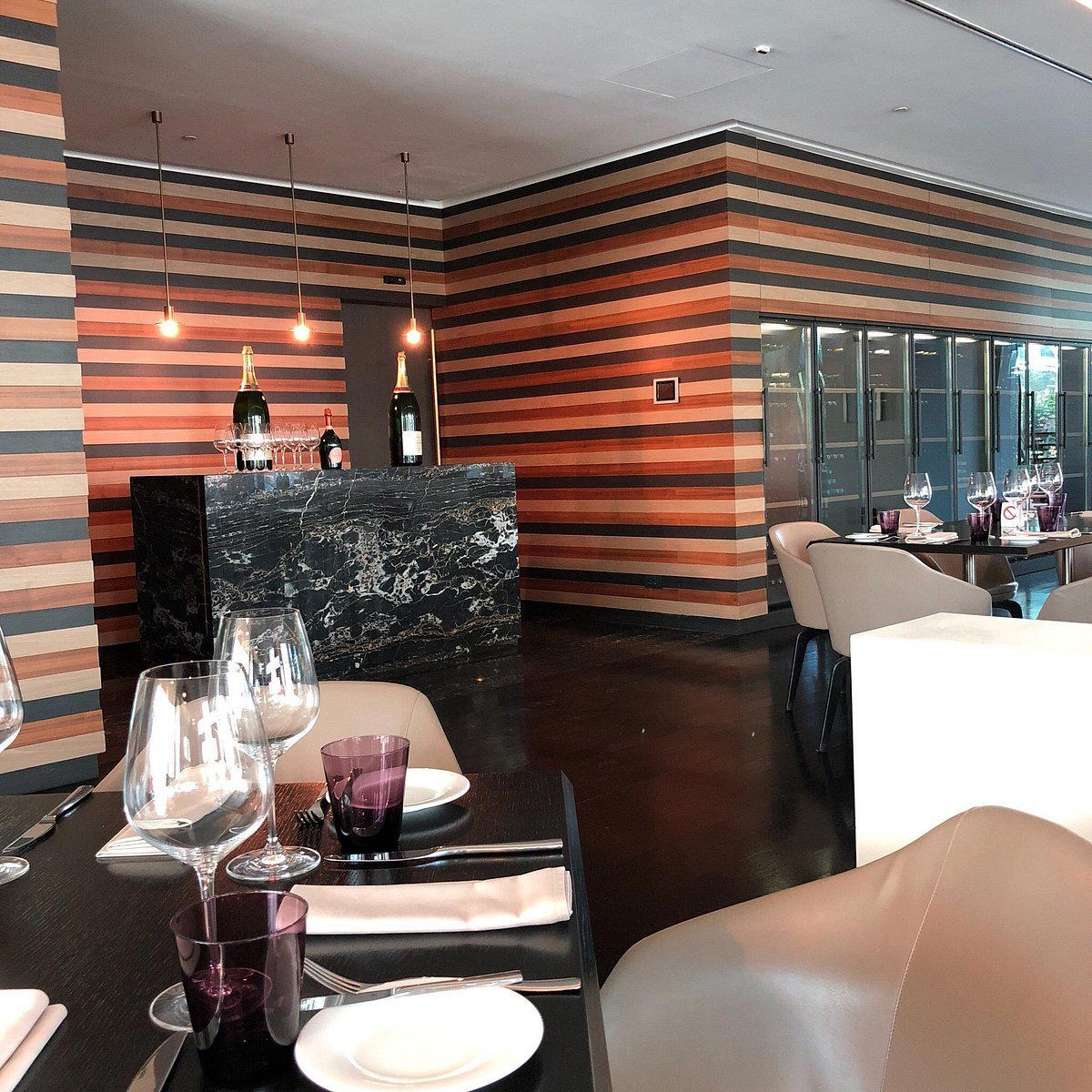
Hotel restaurants occupy a complicated position in any city's dining order. They attract business travellers by default, which can make kitchen teams complacent, and the pressure to serve broad international tastes often flattens what could be distinctive cooking. Belgrade has its share of that type. Prime, on the ground floor of the Crowne Plaza in Novi Beograd, is positioned differently. The restaurant has its own private entrance, a detail that signals intention: this is not a hotel lobby annex designed to capture guests who can't be bothered to go elsewhere. It functions as a dining room with a defined culinary point of view, and it has built a following that reflects that.
Novi Beograd's restaurant scene is sparser than the older city core around Skadarlija or Savamala, which makes a serious kitchen here more consequential. Diners coming to this address are making a deliberate choice, not stumbling in from a nearby street. That context matters when reading what Prime has chosen to do with its menu.
Mediterranean Sourcing in a Continental Kitchen
The editorial angle here is worth stating clearly: the Mediterranean and Italian tradition that anchors Prime's menu is, at its core, a sourcing tradition. Italian cooking in particular is built on the logic that ingredient provenance determines the ceiling of the dish. San Marzano tomatoes, Parmigiano Reggiano aged to specification, olive oils from named Sicilian or Ligurian producers, these are not decorative details but structural ones. When a kitchen in Belgrade commits to this tradition, the practical question becomes how faithfully it sources the materials the tradition depends on, and how it supplements those imports with what the Serbian interior can supply.
Serbia's agricultural position is genuinely interesting in this context. The country is a significant producer of high-quality pork and beef, and its inland geography produces lamb, game, and dairy with characteristics that hold up well against Western European equivalents. A kitchen drawing on Mediterranean technique with access to Balkan-sourced proteins has a legitimate argument for a distinct regional expression, rather than a copy of something that exists more fully formed in Rome or Bologna. Prime's emphasis on meat main courses suggests the kitchen is exploiting exactly that overlap: Italian and Mediterranean preparation applied to central European raw material.
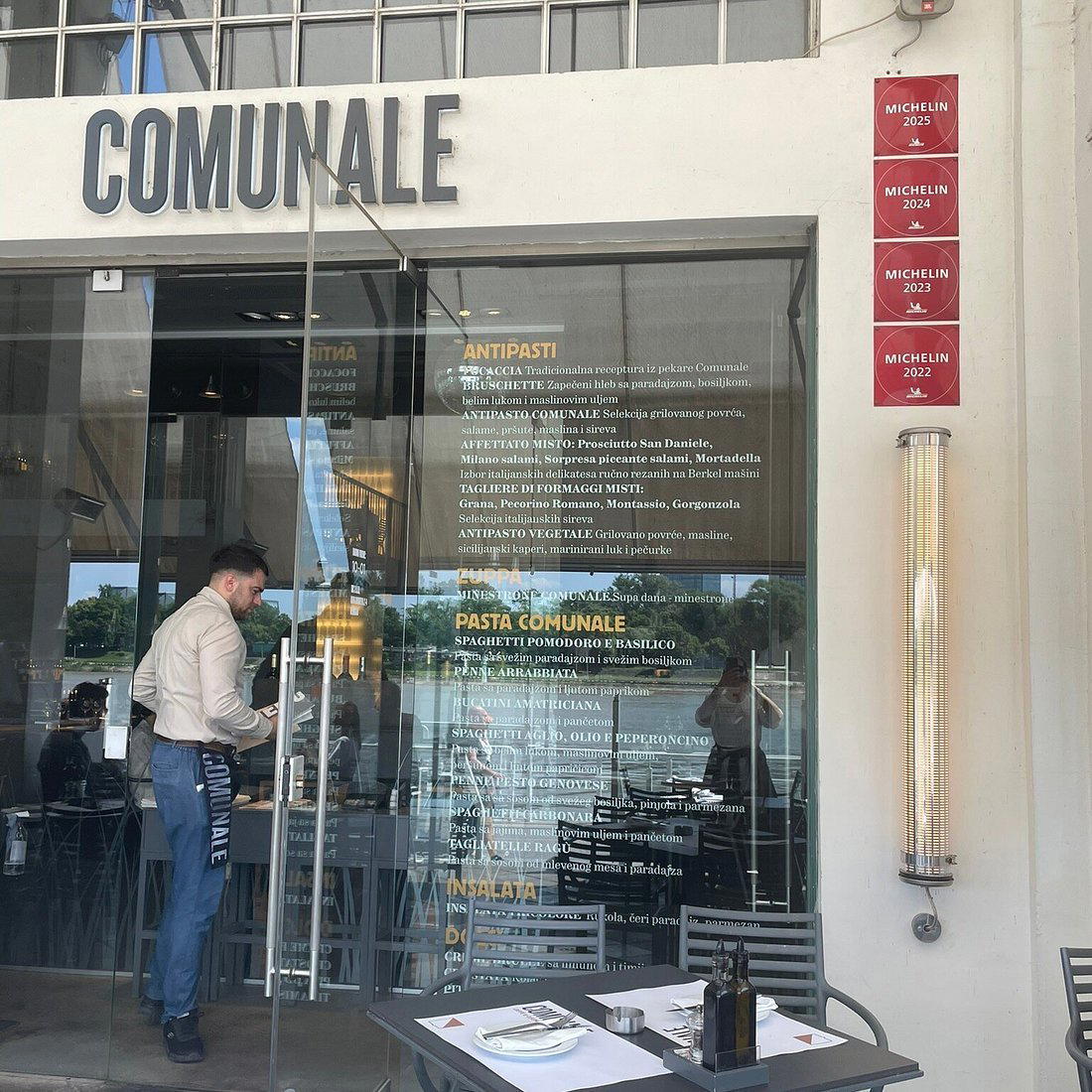
This is a different project from what restaurants like Bela Reka pursue, where the focus stays within Serbian traditional cooking and the sourcing is local by definition. Prime is working a more hybrid register, and it sits alongside venues like Comunale Caffè e Cucina in Belgrade's Italian-inflected tier. The city's appetite for this cuisine has supported multiple credible operators, which tells you something about the depth of demand.
Pasta, Risotto, and the Weight of the Carbohydrate Section
In Italian kitchens of any ambition, the pasta and risotto section is where technical standards become most legible. Pasta can be bought in and finished adequately, or it can be made fresh with properly hydrated dough, appropriate flour ratios, and resting times that change the texture of the finished plate. Risotto is even less forgiving: the technique is entirely manual, the timing is inflexible, and the result broadcasts the kitchen's discipline in real time. A risotto that arrives overcooked or under-seasoned tells you something definite about how the kitchen operates at the moment the order was placed.
Prime dedicates an entire section of its menu to pasta, risotto, and gnocchi, a commitment that goes beyond token coverage of the carbohydrate course. For a restaurant anchoring itself in the Mediterranean and Italian tradition, this signals that the kitchen takes these preparations seriously as a category rather than as a concession to guests who won't order meat. It is the kind of menu architecture that earns trust from guests who know the cuisine well.
For context, Belgrade's Italian dining tier has grown more sophisticated over the past decade, and the comparison set now extends to some technically ambitious operators. Internationally, kitchens like 8½ Otto e Mezzo Bombana in Hong Kong have demonstrated how far Italian cooking can travel when ingredient sourcing is taken seriously in a non-Italian city. Prime is operating at a different scale and price point, but the underlying logic, that sourcing discipline is what makes or breaks Mediterranean cooking outside its home geography, applies equally.
The Dessert Course as Differentiator
The French influence in Prime's dessert section is a meaningful distinction in Belgrade's dining scene. French pastry technique is a separate discipline from Italian and Mediterranean cooking, and kitchens that can execute both credibly are rarer than the menu description suggests. The artful plating noted by consistent observers indicates that the dessert section is not an afterthought, it is a course designed with the same intent as the savory sections.
This cross-cultural fluency in the sweet course puts Prime in a small subset of Belgrade restaurants. The Square works in Contemporary French across its full menu, and Langouste operates in the modern cuisine tier. Prime's approach is narrower in scope but specific in its ambitions: Italian and Mediterranean body, French finish. It is a combination that appears in some of the most decorated European rooms, the Alain Ducasse approach across addresses like Louis XV in Monte Carlo and Alléno Paris au Pavillon Ledoyen draws on similar cross-channel borrowing, though those are reference points for the tradition, not comparisons to Prime's scale.
Planning Your Visit
Prime is located at Vladimira Popovića 10, in the Crowne Plaza building in Novi Beograd. The private entrance means you can arrive and depart without passing through hotel lobby traffic, which improves the experience of dining here as a standalone evening rather than a hotel amenity. Novi Beograd is accessible from the city centre by taxi or rideshare in under fifteen minutes, and the address is direct to reach from the main arterials.
For those building a broader Belgrade itinerary around food and drink, the city's scene extends well beyond this single address. Ebisu covers Japanese, and the Fleur de Sel in Novi Slankamen is worth the drive for a more regional Serbian perspective. The full picture is in our Belgrade restaurants guide, alongside hotels, bars, wineries, and experiences for the city.
Frequently asked questions
What's Prime's location?
Prime is located at Vladimira Popovića 10, Beograd 11070, Serbia, Belgrade.
What's Prime known for in terms of accolades?
Prime has received recognition including: Located on the ground floor of the Crowne Plaza and with its own private entrance, this restaurant is a favourite with fans of Mediterranean, particularly Italian cuisine, with a distinct preference for meat main courses, although an entire….
What should I eat at Prime?
The menu divides into Mediterranean and Italian directions, with meat main courses drawing particular attention from regulars. A dedicated section covers pasta, risotto, and gnocchi, which is where the kitchen's technical confidence tends to show. The desserts carry a French pastry influence and are regarded by the restaurant's own positioning as among its most distinctive offerings.
How hard is it to get a table at Prime?
Prime operates on the ground floor of the Crowne Plaza in Novi Beograd at Vladimira Popovića 10, with a private entrance separate from the hotel lobby. As a hotel restaurant with that level of foot traffic, walk-ins are more viable than at standalone destination restaurants, though booking ahead is advisable for dinner on weekends.
What do critics highlight about Prime?
The dessert section draws consistent editorial notice for its French pastry technique and considered plating, which sits at an angle to the Mediterranean and Italian focus of the rest of the menu. The meat-led main courses and the breadth of the carbohydrate section, pasta, risotto, gnocchi, are also cited as reasons the restaurant has built a following beyond hotel guests.
What if I have allergies at Prime?
The menu spans Mediterranean and Italian cooking with a significant pasta and risotto section, meaning gluten is a structural ingredient across many dishes. Guests with specific dietary requirements should contact the Crowne Plaza Belgrade directly through the hotel's reservation channels, as Prime's own contact details are not separately listed.
How It Stacks Up
Comparable venues nearby, for context on price, style, and recognition.
| Venue | Cuisine | Price | Awards | Notes |
|---|---|---|---|---|
| PrimeThis venue (the venue you are viewing) | Modern Serbian Steakhouse | $30–50 | Michelin Plate | Not listed |
| GiG | Modern Fine Dining with Serbian Influences | $100–150 | Michelin Plate · Star Wine List | Novi Beograd |
| Salon 1905 | Modern Serbian Fine Dining | Not listed | Michelin Plate · La Liste Top Restaurants | old town |
| Filter | Modern Cafe & Breakfast | $10–20 | Not listed | Belgrade |
| Restoran 27 | Modern Mediterranean Fine Dining | $50–100 | Michelin Plate · Star Wine List | Senjak |
| Faro restoran Vračar | Modern Serbian | $30–50 | Not listed | Vračar |
Recognition history
Dated appearances from independent guides and award organizations, with the underlying list record or original source where available.
Michelin Plate
Michelin