Google: 4.4 · 552 reviews
On Lehmweg in Hamburg's Hoheluft-Ost quarter, ÆNDRÈ Deli occupies a position between neighbourhood institution and considered food destination. The address draws a local crowd that knows its provisions well, set within a district that sits apart from Hamburg's more conspicuous dining corridors. For visitors oriented around food culture rather than restaurant spectacle, it is worth factoring into any serious Hamburg itinerary.
 Discover on Pearl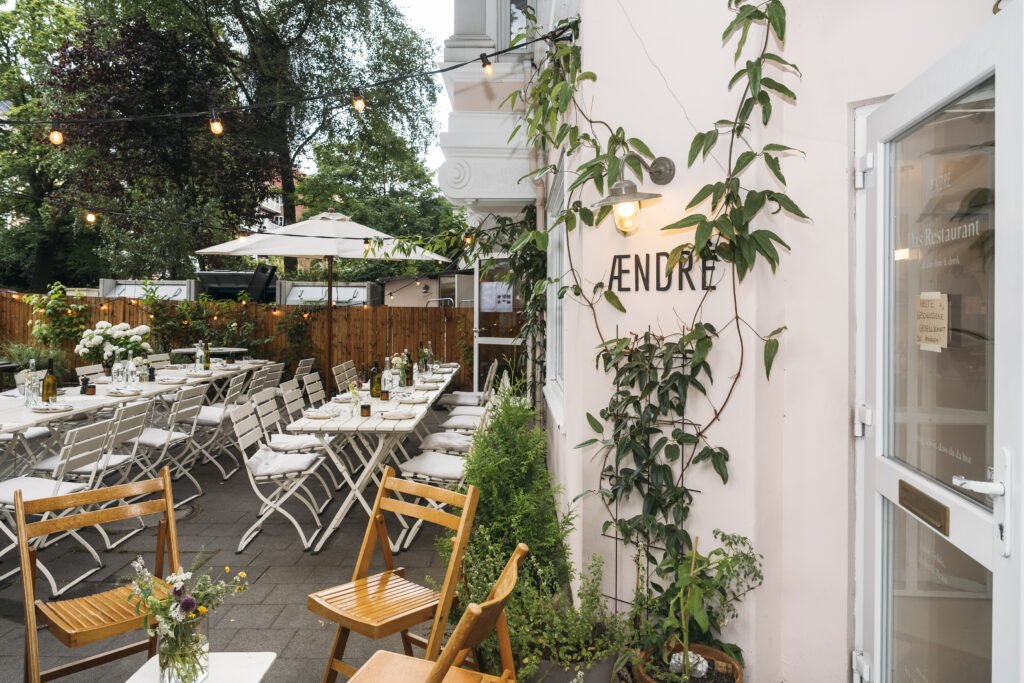
Hoheluft-Ost and the Lehmweg Address
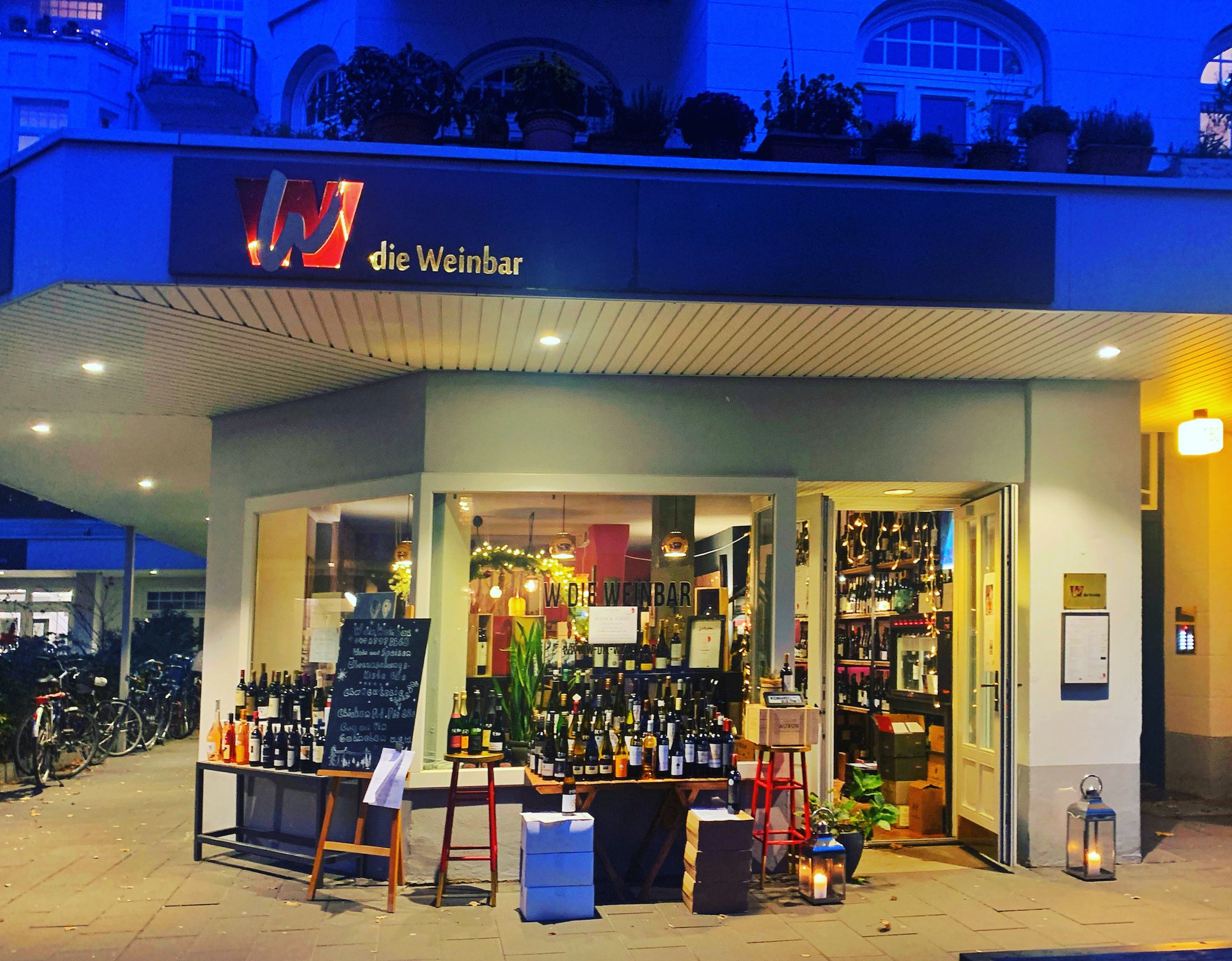
Hamburg's most-discussed dining addresses tend to cluster in HafenCity, the Speicherstadt edges, or along the Elbchaussee — the city's established prestige corridor. Lehmweg 31A sits outside all of those gravitational fields, in Hoheluft-Ost, a residential quarter where the building stock runs to late-nineteenth-century Gründerzeit blocks and the retail strip serves people who actually live there. Approaching along Lehmweg on a weekday morning, the rhythm is domestic: bakeries doing early trade, cyclists threading between parked cars, the particular unhurried pace of a neighbourhood that hasn't been rebranded for visitors. ÆNDRÈ Deli occupies that context deliberately. The signage doesn't announce itself aggressively, and the format — a deli, not a tasting menu room , is oriented around daily use rather than occasion dining.
That positioning matters when reading Hamburg's food scene accurately. The city has a credible fine-dining tier: Restaurant Haerlin anchors the classical French tradition, The Table Kevin Fehling operates at the creative extreme with a €€€€ price bracket, and addresses like bianc and Lakeside fill the modern Mediterranean and lakeside German niches at comparable spend levels. ÆNDRÈ Deli doesn't compete in that tier. It operates where the everyday and the considered intersect , a format that, done well, is harder to sustain than a tasting-menu counter, because the audience is less captive and the margin for mediocrity is lower.
The Deli Format in a Northern European Context
The deli as a serious food format has a complicated relationship with Northern European cities. In Hamburg specifically, the term has historically implied something between a delicatessen and a prepared-foods counter , useful but not aspirational. What has shifted in the last decade, across Hamburg and comparable German cities, is the emergence of deli-format addresses where the sourcing logic and product selection reflect the same thinking you'd find behind a well-run wine list or a chef's larder. The format becomes a lens on provenance rather than simply a convenience.
ÆNDRÈ Deli's location in Hoheluft-Ost places it within a neighbourhood that has developed a quiet density of food-literate businesses over recent years , not a destination cluster in the way that certain Altona or Eimsbüttel blocks have become, but a district where residents have shown consistent appetite for quality over spectacle. For a deli format to hold its position here, the offer has to be genuinely curated rather than broadly stocked.
Wine as the Structuring Principle
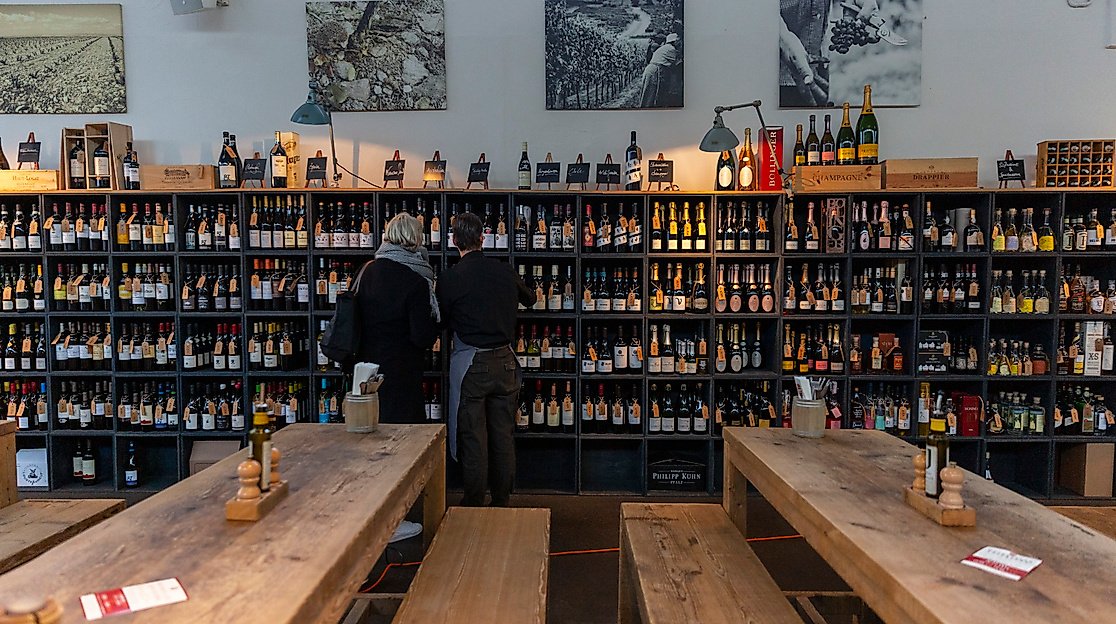
In the current generation of European deli formats that have earned serious attention, the wine selection frequently functions as the most reliable indicator of curatorial intent. A deli that stocks wine carelessly , leaning on recognisable labels or regional defaults , signals that the food selection is probably similarly unconsidered. Conversely, when the bottle selection reflects a coherent point of view , whether that means natural producers, small-domaine Burgundy, or grower Champagne over commercial houses , it tends to validate the broader proposition.
Germany itself provides rich material for a cellar with ambitions beyond the obvious. The Mosel's steep-slate Rieslings, from producers working sites like the Erdener Treppchen or the Wehlener Sonnenuhr, represent one of the most compelling value-to-quality ratios in European wine. The Nahe and Rheingau produce Riesling in distinctly different registers. Further south, the Pfalz and Baden have developed serious red wine programs, with Spätburgunder (Pinot Noir) from producers like Meyer-Näkel now commanding international attention. A Hamburg deli that reads this domestic map intelligently , rather than defaulting to a Franco-Italian safe list , occupies a genuinely useful position for wine-literate visitors trying to understand German production beyond the export tier.
For context on what serious cellar curation looks like at the fine-dining end of the German spectrum, Waldhotel Sonnora in Dreis and Vendôme in Bergisch Gladbach both maintain wine programs that are considered benchmarks in the country. Schanz in Piesport, sitting directly in Mosel country, pairs its kitchen with a list that reflects the surrounding producers in serious depth. These are tasting-menu rooms with dedicated sommelier teams , a different format entirely , but they illustrate the standard against which any serious German wine selection gets measured, whether in a three-Michelin-star dining room or a well-run neighbourhood deli.
Hamburg's Broader Food Geography
Understanding where ÆNDRÈ Deli sits requires a working sense of how Hamburg's food geography has developed. The full Hamburg restaurants guide maps the city's dining in more detail, but the relevant pattern here is Hamburg's relative weakness in the mid-tier casual-but-serious category. The city's restaurant culture has historically polarised between formal dining rooms and direct neighbourhood Gaststätten, with less of the chef-casual middle ground that cities like Berlin or Munich have developed more organically.
Berlin's food scene, for instance, has produced formats like CODA Dessert Dining , a two-Michelin-star address built around an unconventional format , which would be harder to sustain in Hamburg's more conservative dining culture. Munich's JAN operates in a similarly format-forward space. ÆNDRÈ Deli doesn't slot into either of those categories, but it operates in the gap that Hamburg's restaurant scene has left partially unaddressed: the format that is neither special-occasion dining nor unremarkable convenience.
Internationally, the deli-with-serious-wine model has found more established footing in cities like New York, where addresses adjacent to the fine-dining world , near institutions like Le Bernardin , have developed hybrid retail-and-eat formats that treat bottle selection as editorial. The West Coast equivalent exists too, in the orbit of places like Lazy Bear in San Francisco, where chef-adjacent retail has become a legitimate format. Hamburg is not yet at the density where that ecosystem is fully established, which makes an address like ÆNDRÈ Deli , if it is executing well , relatively more useful to the visitor who wants something between a restaurant reservation and a supermarket.
Planning a Visit
Lehmweg 31A is accessible from central Hamburg via the U3 line to Hoheluft or Eppendorfer Baum, both within a short walk of the address. The format suits daytime visits , deli operations in this neighbourhood tend to orient around morning and lunchtime trade rather than evening service, though specific hours are not confirmed in available data and should be verified directly before visiting. Phone and website details are not currently listed in public records; the address itself is the most reliable starting point for planning. For visitors building a Hamburg itinerary that combines serious dining with neighbourhood food culture, pairing a visit here with a dinner reservation at one of the city's Michelin-recognised rooms , 100/200 Kitchen operates in the creative format at the leading of the Hamburg market, alongside Restaurant Haerlin for classical French , gives a more complete read of the city's range. Germany's broader fine-dining geography, from Schwarzwaldstube in Baiersbronn to Aqua in Wolfsburg and ES:SENZ in Grassau, provides the wider context within which Hamburg's food culture positions itself.
City Peers
A quick look at comparable venues, using the data we have on file.
| Venue | Cuisine | Price | Notes |
|---|---|---|---|
| ÆNDRÈ Deli | This venue | ||
| The Table Kevin Fehling | Creative | €€€€ | Creative, €€€€ |
| bianc | Modern Mediterranean, Mediterranean Cuisine | €€€€ | Modern Mediterranean, Mediterranean Cuisine, €€€€ |
| Lakeside | German Lakeside | €€€€ | German Lakeside, €€€€ |
| Heimatjuwel | German, Creative | €€€ | German, Creative, €€€ |
| Landhaus Scherrer | Modern European, Classic Cuisine | €€€€ | Modern European, Classic Cuisine, €€€€ |
At a Glance
- Cozy
- Modern
- Trendy
- Brunch
- Casual Hangout
- Solo
- Terrace
- Local Sourcing
- Organic
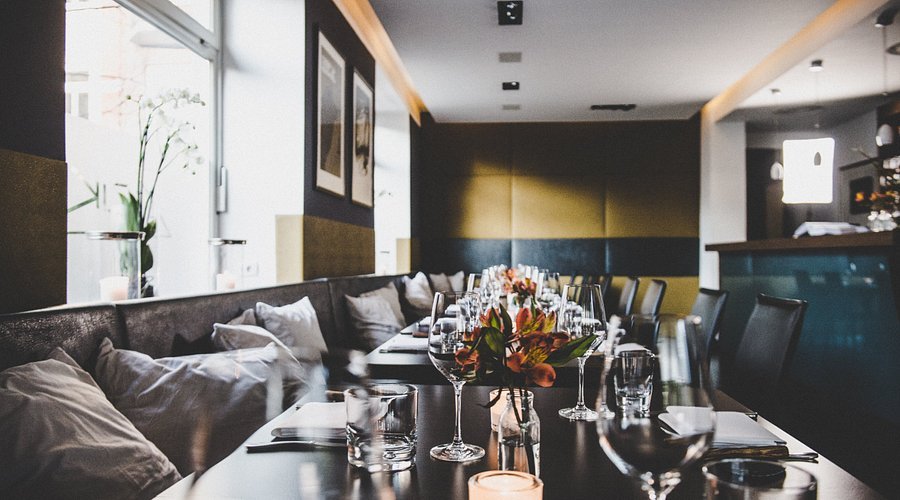
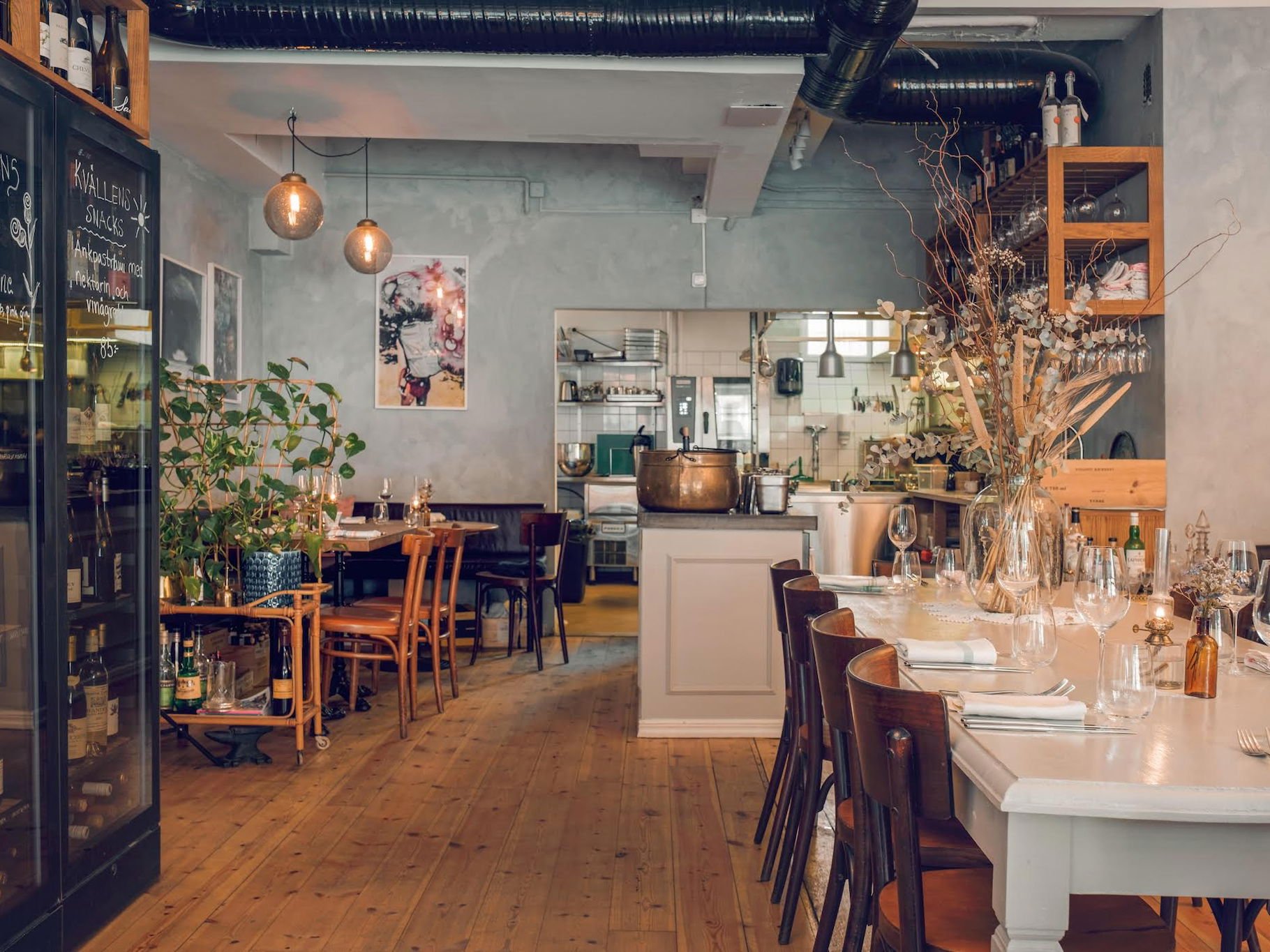
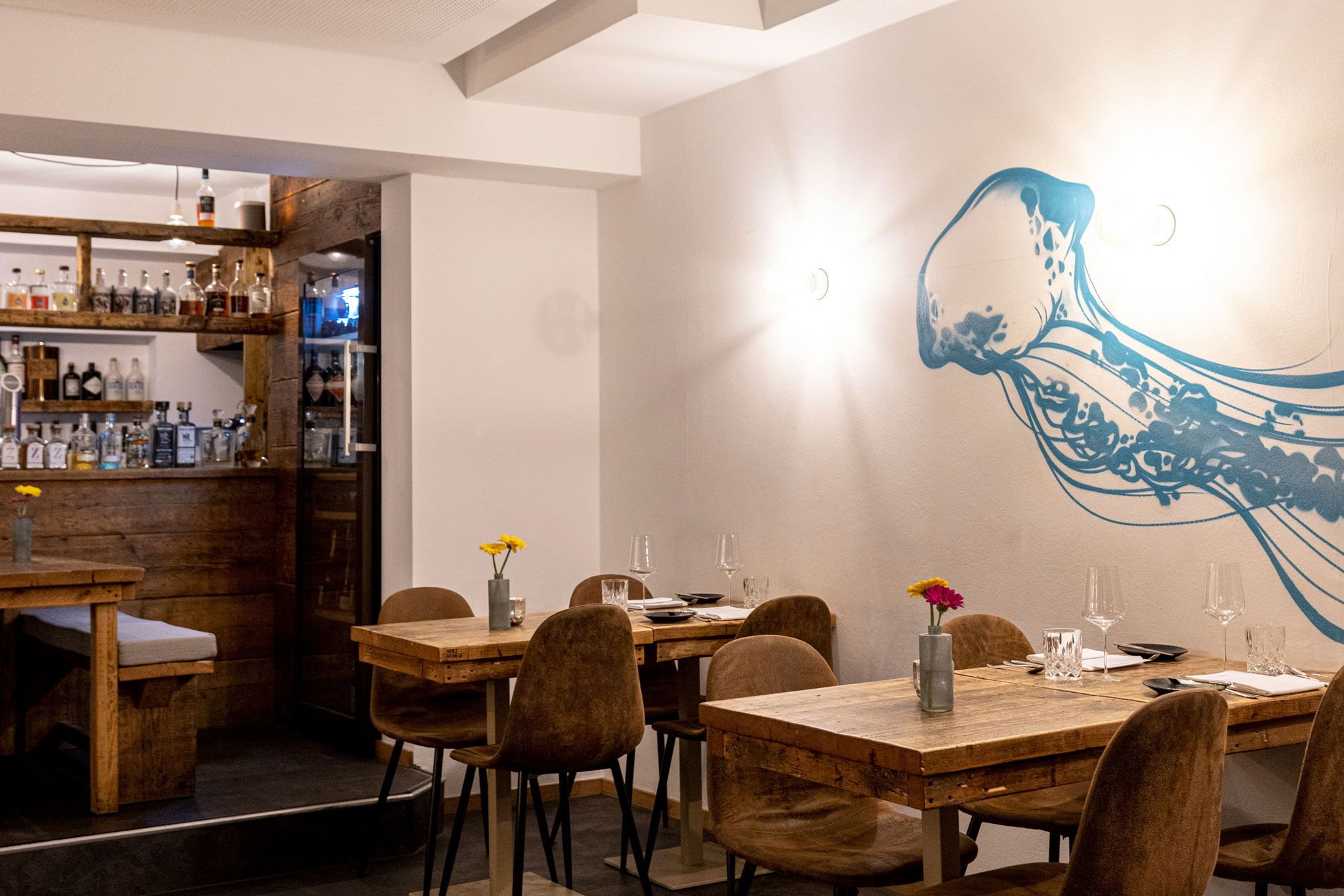
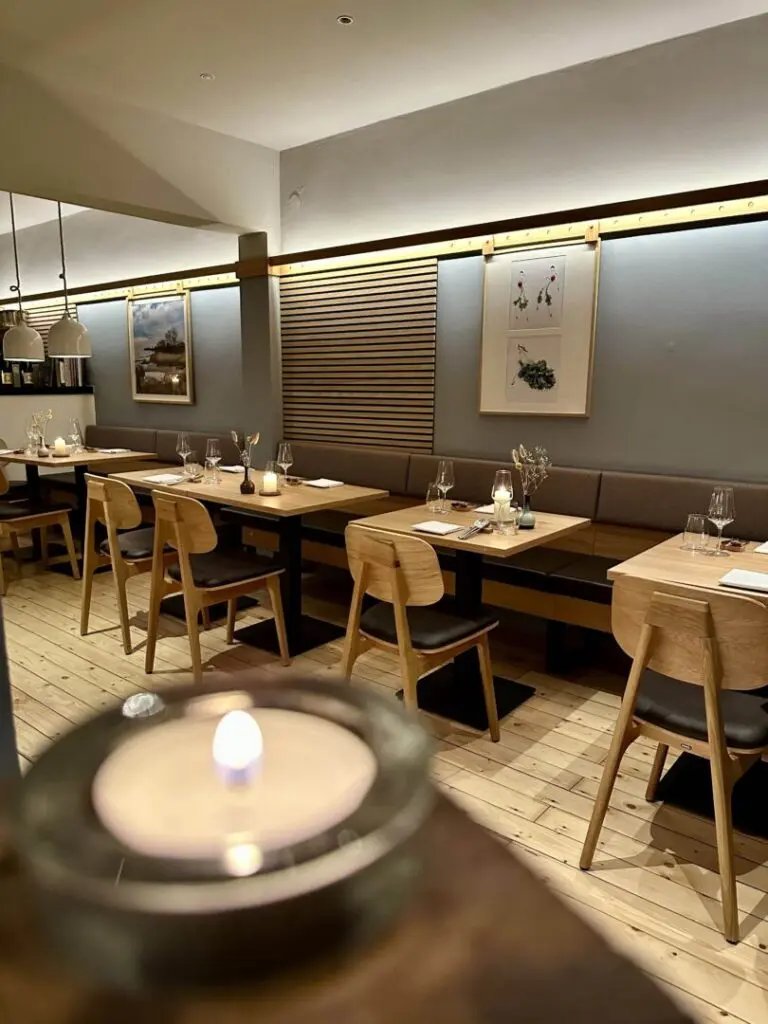
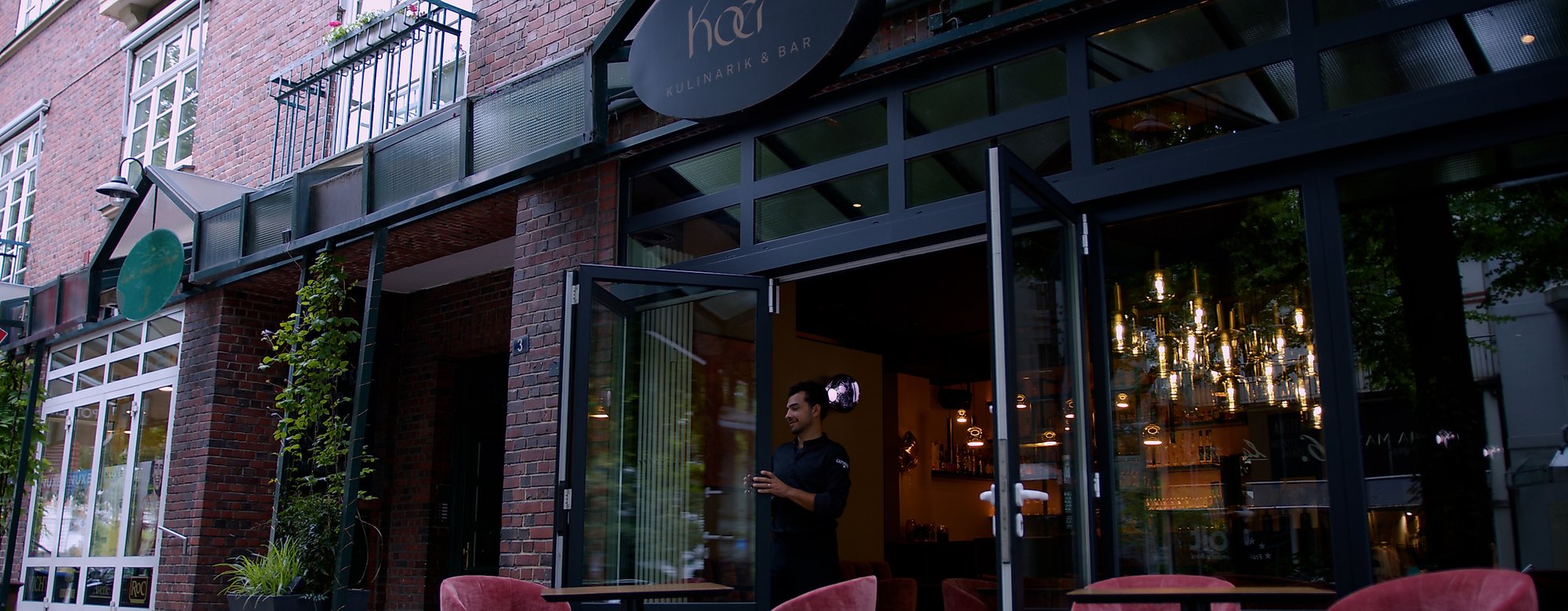
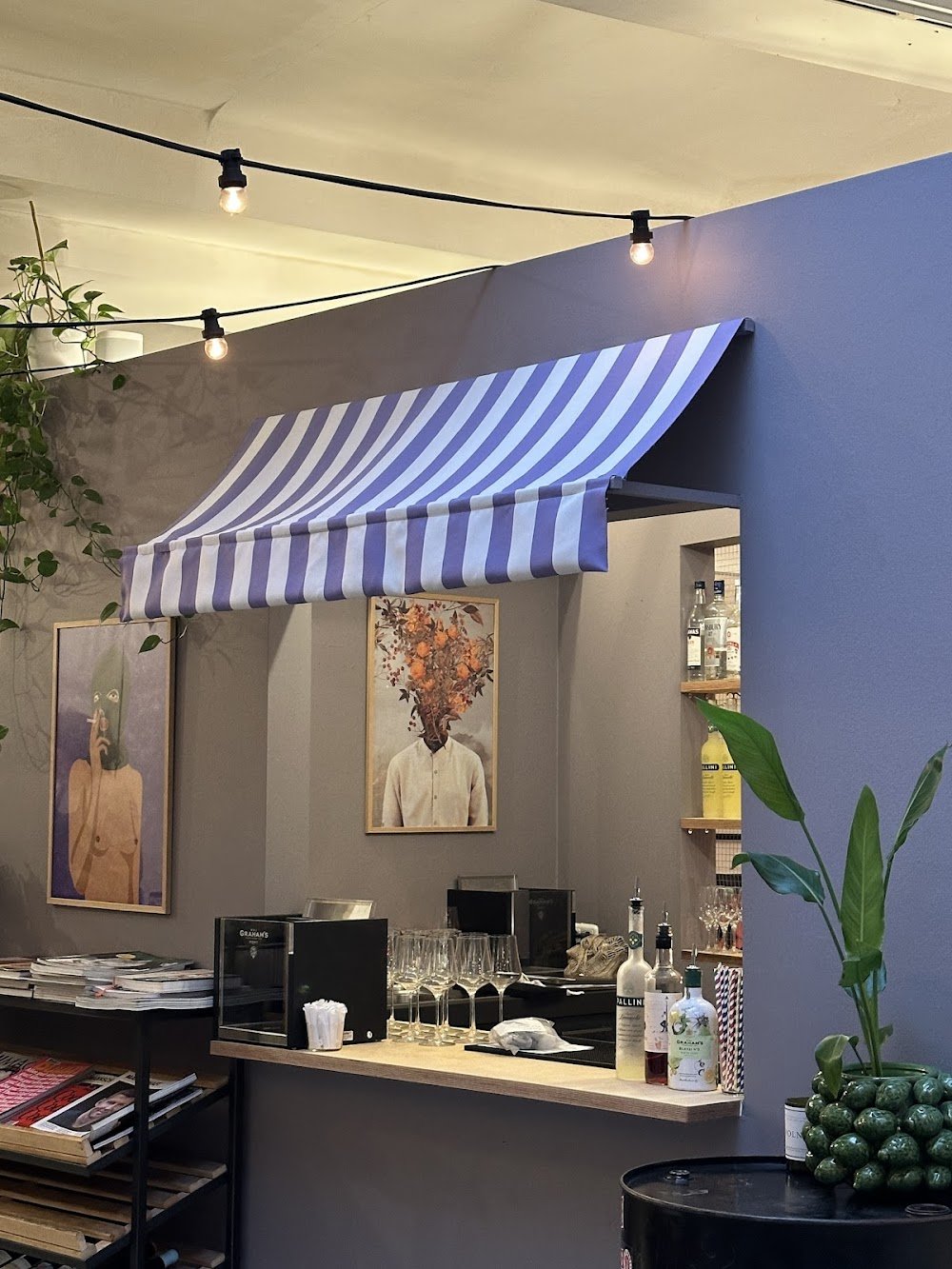
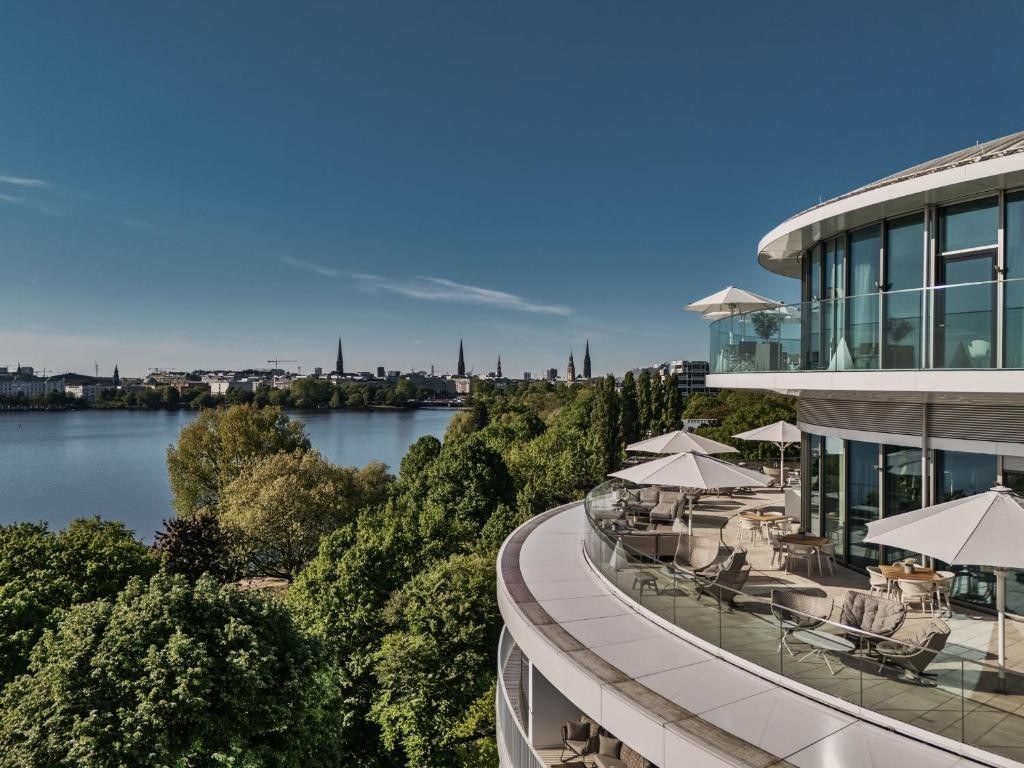
Bright, vibrant, and health-conscious atmosphere with visually appealing dishes; casual counter-service setting with 25 indoor seats in a historic building and 25 barrier-free terrace seats.