Acqua Bistecca
Acqua Bistecca occupies a corner of Washington D.C.'s upper Northwest corridor at 14 Ridge Square NW, where the city's growing appetite for ingredient-driven, sustainability-conscious dining has found a quiet but deliberate home. The name signals both water and beef, a pairing that frames a kitchen working within the grain of responsible sourcing rather than against it. For D.C. diners tracking the broader shift toward ethical procurement, it belongs in the conversation.
Pearl is the En Primeur Club membership app — saves, bookings, and concierge access live there. Same editors, same standards.
- Address
- 14 Ridge Square NW, Washington, DC 20016
- Phone
- +12025715907
- Website
- acquabistecca.com
- Directions
- Get directions
 Saves & bookings on Pearl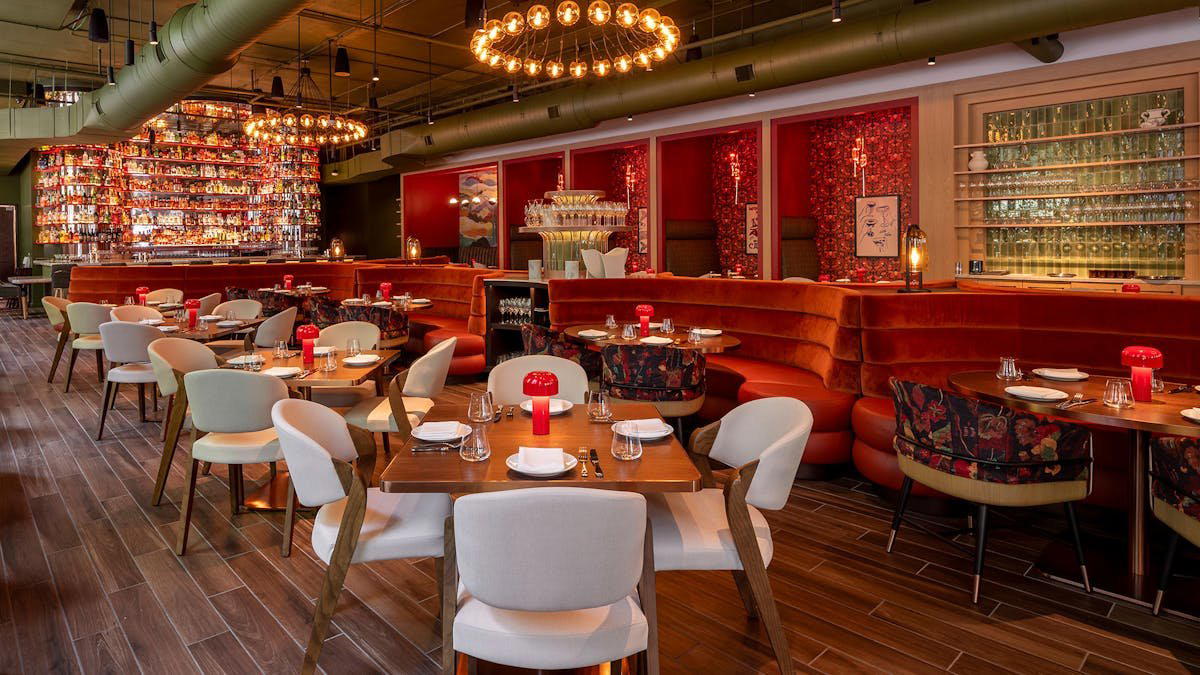
Ridge Square and the Ethics of the Plate
Acqua Bistecca is an Italian seafood steakhouse in Washington, D.C. The neighborhoods anchoring the Ridge Square corridor attract residents who eat locally by habit rather than by Instagram, and the dining that has taken root here tends to reflect that. Acqua Bistecca, at 14 Ridge Square NW, sits inside that pattern: a restaurant whose name, combining water and beef, two of particularly resource-intensive ingredients in any kitchen's inventory, signals something about the tensions this kind of cooking is expected to address.
Across American cities, the sustainability conversation in restaurants has fragmented into several distinct registers. There is the high-visibility version practiced at places like Blue Hill at Stone Barns in Tarrytown, where the farm is the argument and the dining room is almost incidental evidence. There is the procurement-forward approach of Single Thread Farm in Healdsburg, where supply chain transparency is built into the menu format itself. And then there is the quieter, neighborhood-embedded version, where a kitchen simply makes choices about where its proteins come from and how far ingredients travel, without making those choices the primary theatrical event of the evening. Acqua Bistecca appears to operate in that third register.
The Name as a Program
"Acqua" and "bistecca" together point toward a kitchen organizing itself around two of particularly scrutinized categories in responsible sourcing discourse: water usage and meat production. Beef carries the heaviest environmental footprint of any protein on a restaurant menu, a fact that has pushed some D.C. kitchens, including the plant-forward Oyster Oyster, to restructure their menus entirely around vegetables and fungi. Acqua Bistecca appears to take a different position: rather than eliminating the high-impact ingredient, working with it more deliberately, which in practice means sourcing from producers whose land management, water stewardship, and animal welfare standards reduce the downstream cost of that choice.
This is not a new idea. Restaurants from Providence in Los Angeles to Smyth in Chicago have spent years building supplier relationships that make the story behind a protein as legible as the preparation technique. What changes by geography is the available supply base. The Mid-Atlantic, with its proximity to Virginia and Maryland cattle operations, Chesapeake Bay seafood systems, and a growing network of small-scale regional farms, gives a D.C. kitchen more to work with than most American cities its size.
Where It Fits in D.C.'s Dining Map
The D.C. restaurant scene has developed a distinct tier of restaurants that treat sourcing ethics as a load-bearing element of their identity rather than an add-on. Albi builds a Middle Eastern-inflected program around wood fire and regional ingredients. Causa anchors a Peruvian format in ingredient sourcing that mirrors the biodiversity logic of the cuisine's home country. Jônt and minibar operate at the technical extreme of the city's fine dining, where precision and provenance overlap.
The restaurant's position at Ridge Square places it outside that cluster geographically, which typically means a slightly different diner profile: less destination-driven, more neighborhood-embedded, and often more price-resistant. That context shapes what a sustainability-oriented program can look like in practice. The overhead calculus of a neighborhood bistro differs from a downtown tasting menu counter, which means the ethical sourcing commitments have to survive on tighter margins. That constraint, is a more honest test of whether those commitments are genuine or performative.
For comparison outside D.C. the restaurants that have made this model work at a neighborhood scale tend to share a few structural features: tight menus that reduce waste by limiting the number of proteins and produce lines in rotation at any given time; preparation techniques that extract full value from each ingredient (using the whole animal, building stocks from trim, composting at volume); and supplier relationships deep enough to give the kitchen some influence over how the product is grown or raised. The restaurant's naming and address context suggest a kitchen oriented in that direction. Diners wanting a fuller picture of where D.C.'s sustainability-conscious restaurants sit relative to each other can cross-reference the full Washington, D.C. restaurants guide.
The Broader American Context
Nationally, the restaurants most associated with ethical sourcing have tended to cluster at the summit of the price distribution. The French Laundry in Napa, Addison in San Diego, and Le Bernardin in New York City all have the margin structure to absorb premium sourcing costs without restructuring their format. At the other end of the accessibility spectrum, places like Lazy Bear in San Francisco have used communal formats and fixed pricing to make that sourcing philosophy financially viable at a broader scale.
The Italian-rooted bistecca format, when practiced with sourcing discipline, sits somewhere between those poles. It is not a cheap night out, quality beef from traceable operations carries a cost, but it is also not a twelve-course commitment. That middle position is where a lot of interesting sustainability work in American restaurants is happening right now: not in the chef's tasting menu laboratory, but in the Tuesday-night bistro that has made a deliberate decision about where its protein comes from and refuses to negotiate it down.
Internationally, that argument has its clearest expression at Atelier Moessmer Norbert Niederkofler in Brunico, where a regional sourcing philosophy has been taken to its logical extreme. D.C. is a different context, denser, less agriculturally adjacent, more politically self-conscious about food, but the underlying question is the same: what does a kitchen owe to the ecosystem it draws from?
Planning a Visit
The restaurant is located at 14 Ridge Square NW, Washington, DC 20016, in the upper Northwest corridor. The address places it within reach of the Tenleytown and Friendship Heights Metro stops on the Red Line, making it accessible without a car from most central D.C. neighborhoods. Reservations are recommended, and hours run Mon: 4-9 PM; Tue: 4-9 PM; Wed: 4-9 PM; Thu: 4-9 PM; Fri: 4-10 PM; Sat: 5-10 PM; Sun: 5-9 PM. The Ridge Square location is a neighborhood anchor rather than a destination dining strip, so arriving with confirmed timing matters more here than it might in a higher-density dining corridor.
Cuisine and Credentials
Comparable venues nearby, for context on price, style, and recognition.
| Venue | Cuisine | Price | Notes |
|---|---|---|---|
| Acqua BisteccaThis venue — the venue you are viewing | Italian Seafood Steakhouse | $$$ | Not listed |
| Ama | Northern Italian | $$$ | Near Southeast |
| Centrolina | Seasonal Regional Italian | $$$ | East End |
| Cafe Milano | Contemporary Italian | $$$$ | West Village Georgetown |
| DuPont Italian Kitchen | Classic Italian Trattoria | $$ | Dupont Circle |
| Pete's New Haven Style Apizza | New Haven-Style Apizza | $$ | Friendship Heights |
Continue exploring
More in Washington DC
Restaurants in Washington DC
Browse all →
Bars in Washington DC
Browse all →
Hotels in Washington DC
Browse all →

At a Glance
- Elegant
- Sophisticated
- Lively
- Business Dinner
- Date Night
- Group Dining
- Celebration
- Private Dining
- Craft Cocktails
- Local Sourcing
Current opening hours
- Monday
- 4–9 PM
- Tuesday
- 4–9 PM
- Wednesday
- 4–9 PM
- Thursday
- 4–9 PM
- Friday
- 4–10 PM
- Saturday
- 5–10 PM
- Sunday
- 5–9 PM
Hours can change for holidays and private events. Last verified .
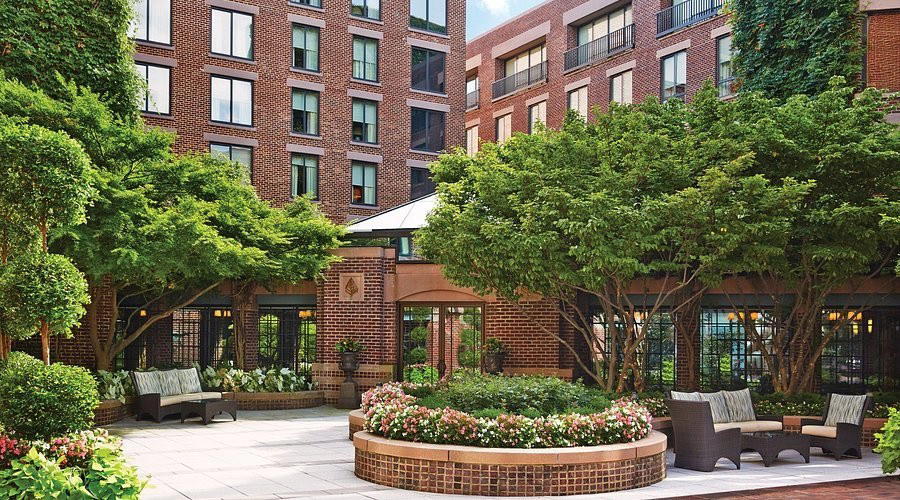
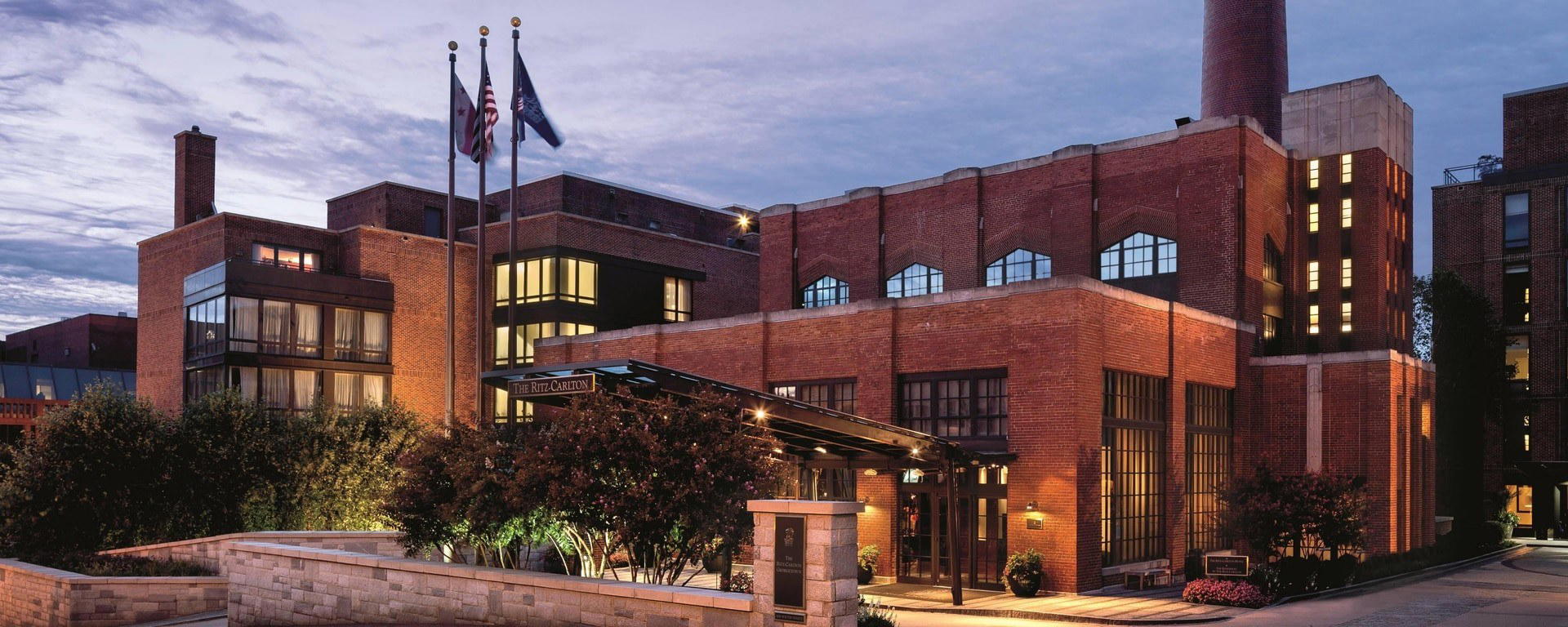
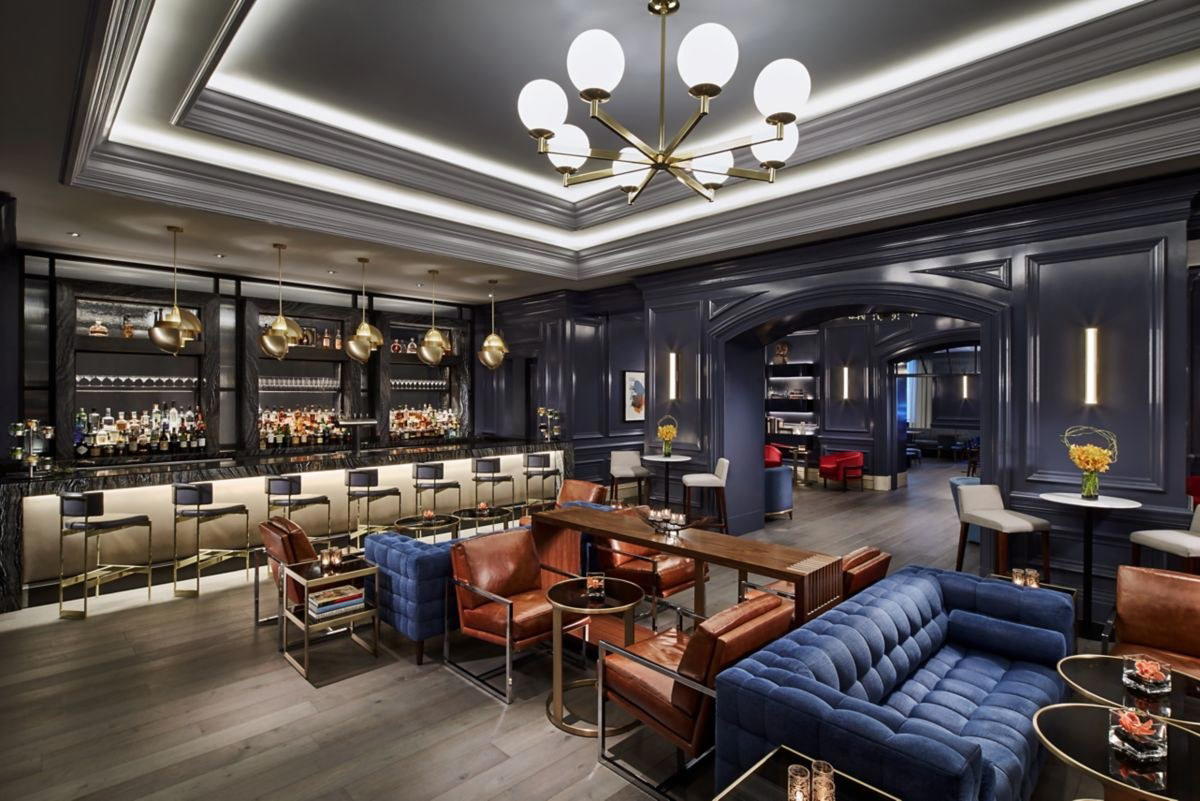
Warm, inviting, sophisticated atmosphere with high ambience ratings from diners.