Centrolina

James Beard Award Semi Finalist
Our verdict
Centrolina occupies a prime position in Washington, D.C.'s CityCenter district, bringing Italian-rooted cooking to one of the capital's most design-conscious dining corridors. The restaurant sits within a dining scene that rewards Italian market traditions and seasonal discipline, drawing a crowd that ranges from Capitol-adjacent professionals to visitors seeking something more grounded than the city's formal tasting-menu circuit.

Pearl is the En Primeur Club membership app, where members save venues, book tables and use the concierge.
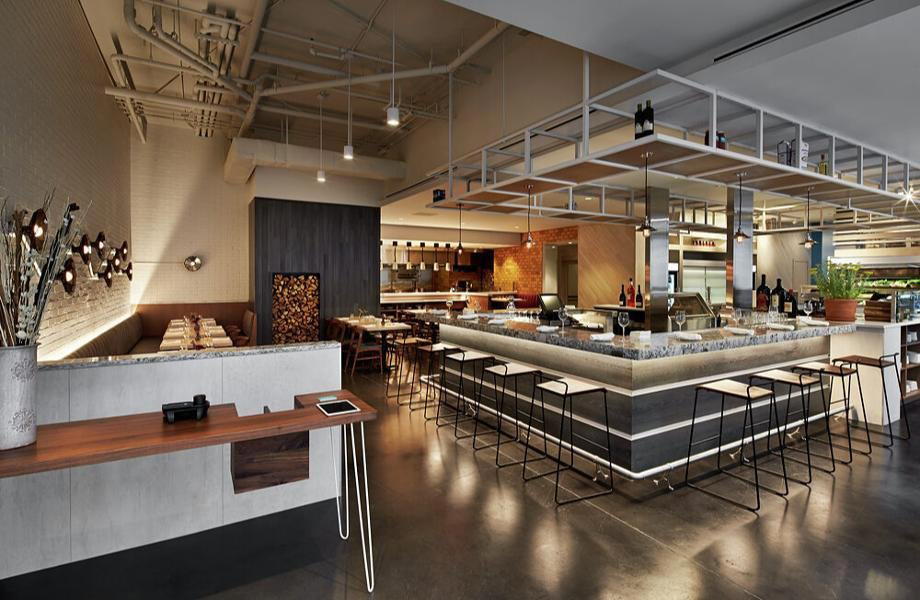
The menu
What to order
- Squid_ink_spaghetti
- Handmade_pasta
- Wood-fired_fish
Palmer Alley and the Case for Italian Roots in a Federal City
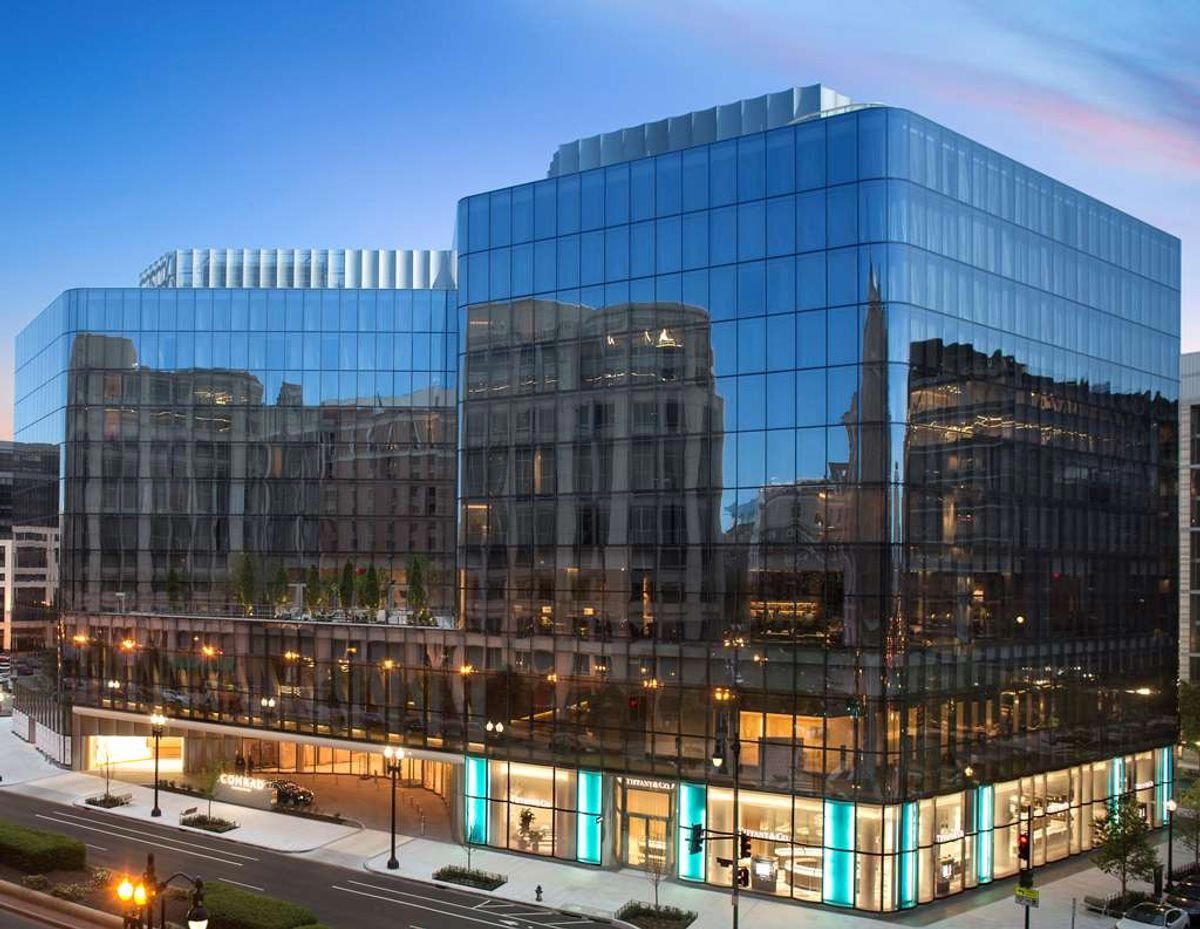
Palmer Alley NW cuts through CityCenter D.C. with the unhurried confidence of a European arcade. The street is lined with glass storefronts and open-air seating that feels more Milan than mid-Atlantic, and Centrolina fits that register naturally. Italian restaurants in American cities often drift toward one of two poles: red-sauce comfort houses that lean on nostalgia, or aggressively modern interpretations that use Italian as a loose conceptual frame. Centrolina positions itself in the space between, where the cultural logic of the alimentari, the Italian market that functions as grocery, deli, and gathering point simultaneously, organizes the dining experience rather than a single chef's ego or a particular regional dogma.
That organizational principle matters more than it might first appear. Italian cooking at its most serious is fundamentally about shopping: what the market offered this morning, what the season dictates, what arrived from a specific producer in Emilia-Romagna or Campania. When a restaurant builds its identity around that ethos rather than a fixed menu of greatest hits, the food tends to track closer to how Italians actually eat, which rewards repeat visitors and resists the stagnation that can afflict Italian-American restaurants with unchanging pasta lists.
Where Centrolina Sits in Washington's Dining Conversation
Washington's restaurant scene has undergone a meaningful reordering over the past decade. The capital once operated primarily as a destination for formal power dining, expense-account steakhouses, hotel grand cafes, and a handful of European-inflected fine-dining rooms. That tier persists, but a more interesting layer has grown alongside it: restaurants that draw on specific culinary traditions with genuine depth rather than broad appeal. Albi works the eastern Mediterranean with precision; Causa treats Peruvian cooking as a serious technical enterprise; Oyster Oyster builds a vegetable-forward New American program around sustainability credentials. Centrolina belongs in that company, restaurants where the cultural rootedness of the cuisine is the argument, not the decor or the celebrity associations.
At the upper end of the capital's Italian options, Centrolina competes less on price point signaling and more on coherence: does the kitchen understand what Italian market cooking actually demands, and does it execute that understanding consistently? The answer, based on its sustained presence in CityCenter and its continued hold on a demanding downtown lunch and dinner crowd, appears to be yes. For context on how D.C.'s dining tier operates more broadly, our full Washington, D.C. restaurants guide maps the scene across neighborhoods and price points.
The Cultural Weight of the Italian Market Tradition
The alimentari concept is worth taking seriously as a culinary framework, because it shapes not just what appears on the plate but how the dining room operates. In Italy, the market-adjacent restaurant is a democratic institution: it serves the person who stopped in for a quick lunch of cured meats and the couple who settled in for a three-course dinner with equal seriousness. The menu is a transcript of what was available that day, which means the kitchen's relationship with suppliers is its most important operational variable, more significant than technique or equipment.
American restaurants that adopt this framework face a specific challenge: the supply chain is different, the seasons read differently, and the cultural expectation around Italian dining carries a great deal of sentimental weight. The risk is sentimentality winning. When it doesn't, when a kitchen actually tracks seasonal Italian logic rather than performing it, the result is food that feels genuinely alive rather than assembled from a template. That's the standard against which a restaurant like Centrolina should be measured, and it's a harder standard than a Michelin star or a James Beard nomination, both of which can be gamed by technical polish alone.
Across the country, the restaurants that execute this most convincingly tend to share a few structural traits: they keep menus short and rotate them frequently, they develop direct supplier relationships rather than relying on broadline distributors, and they treat the pasta and charcuterie programs as core rather than supporting acts. Whether Centrolina hits all three markers consistently is a question that rewards a visit, ideally more than one. For comparison, the seasonal discipline applied at farm-driven American restaurants like Blue Hill at Stone Barns in Tarrytown and Single Thread Farm in Healdsburg offers a reference point for what genuine seasonal commitment looks like at the institutional level.
CityCenter as a Dining Address
The neighborhood context shapes expectations. CityCenter D.C. is a mixed-use development that attracts a lunchtime crowd of office workers and an evening clientele of theatergoers, hotel guests, and residents of the surrounding Penn Quarter and Mount Vernon Triangle neighborhoods. It is not a destination dining strip in the way that 14th Street or Shaw can be; it skews toward accessibility and polish over experimentation. That cuts both ways for Centrolina. The foot traffic is reliable and the customer base is sophisticated enough to appreciate quality without requiring provocation. The risk is that CityCenter's commercial gloss can make a restaurant feel transactional if the kitchen doesn't assert itself.
The Italian market format is one of the better defenses against that risk, because it gives the room a reason to exist beyond mere convenience. When the mercato component, cured meats, cheeses, house-made products, is genuinely curated rather than decorative, it anchors the dining experience in something specific rather than something ambient. For restaurants that lean harder into the experimental end of D.C.'s spectrum, Jônt and minibar represent the city's most technically ambitious tasting-menu formats. Nationally, references like Le Bernardin in New York City, The French Laundry in Napa, Smyth in Chicago, Lazy Bear in San Francisco, Providence in Los Angeles, Addison in San Diego, Atomix in New York City, Emeril's in New Orleans, Atelier Moessmer Norbert Niederkofler in Brunico, and The Inn at Little Washington define the upper register of the American and European fine-dining conversation, a context that helps clarify what Centrolina is doing and what it is not attempting to do.
Planning a Visit
Centrolina is located at 974 Palmer Alley NW, Washington, DC 20001, in the CityCenter development. The alley is pedestrian-friendly and easy to reach from the Gallery Place-Chinatown Metro station, making it accessible without a car. Given the mixed lunch-and-dinner format that Italian market-style restaurants typically run, the room tends to operate across a longer daily window than a single-service tasting menu format would. Visitors coming for a weekday lunch will generally find more flexibility than weekend dinner, when CityCenter draws a broader leisure crowd. For current hours, reservations, and any private dining options, checking directly with the restaurant is advisable, as details on those fronts were not available at time of writing.
Frequently asked questions
What part of town is Centrolina in?
Centrolina is located at 974 Palmer Alley NW, Washington, DC 20001, Washington, D.C.
How does the Italian market concept at Centrolina differ from a standard Italian restaurant in Washington D.C.?
Centrolina draws on the alimentari format, which combines market, deli, and restaurant functions under one roof, a structure common in northern and central Italy but rare among Washington D.C.'s Italian options. This means the dining experience at 974 Palmer Alley NW is organized around ingredient sourcing and market-side retail as much as plated cooking, giving it a different rhythm from Italian restaurants that operate purely as sit-down destinations. The distinction is structural, not just atmospheric.
What's the must-try dish at Centrolina?
Centrolina's Italian market orientation places pasta and charcuterie at the center of the menu, and these are the clearest measures of kitchen discipline at a restaurant built on alimentari principles. At an address like 974 Palmer Alley NW, where the room draws a lunch crowd of office workers alongside evening diners, the pasta program tends to be where the kitchen's Italian sourcing philosophy is most legible. Order there first.
What's the best way to book Centrolina?
Centrolina sits in Washington D.C.'s mid-to-upper dining tier, where reservations typically run through platforms such as OpenTable or Resy, check the restaurant's current channels directly, as booking policies shift. For weekend evenings at CityCenter D.C. lead time of one to two weeks is a reasonable baseline. Walk-in availability at the bar or market counter, if offered, can be a practical alternative for shorter notice.
Price and Recognition
| Venue | Cuisine | Price | Awards | Notes |
|---|---|---|---|---|
| CentrolinaThis venue (the venue you are viewing) | Seasonal Regional Italian | $50–100 | James Beard Award Semi Finalist | Not listed |
| Oyster Oyster | Modern Vegetable-Focused Tasting Menu | Not listed | 1 Michelin Star · James Beard Award Outstanding Chef #1 | New American, Vegetarian, Vegetarian (Sustainable) |
| Albi | Modern Levantine Fine Dining | $300–500 | 1 Michelin Star · World's 50 Best #6 | United States, Middle Eastern |
| Causa | Modern Peruvian Fine Dining | $150–200 | 1 Michelin Star · James Beard Award Best Chef: Mid-Atlantic | Peruvian |
| Rooster & Owl | Modern Global Fusion Fine Dining | $50–100 | 1 Michelin Star · Washingtonian 100 Very Best Restaurants #65 | Contemporary |
| Rose’s Luxury | Modern American Fine Dining | $200–300 | 1 Michelin Star · James Beard Award Best Chefs | New American, Contemporary |
Recognition history
Dated appearances from independent guides and award organizations, with the underlying list record or original source where available.
James Beard Award Semi Finalist
James Beard Award
Full recognition history (2 entries)
James Beard Award Semi Finalist
James Beard Award
Continue exploring
More in Washington DC
Restaurants in Washington DC
All restaurants in Washington DC →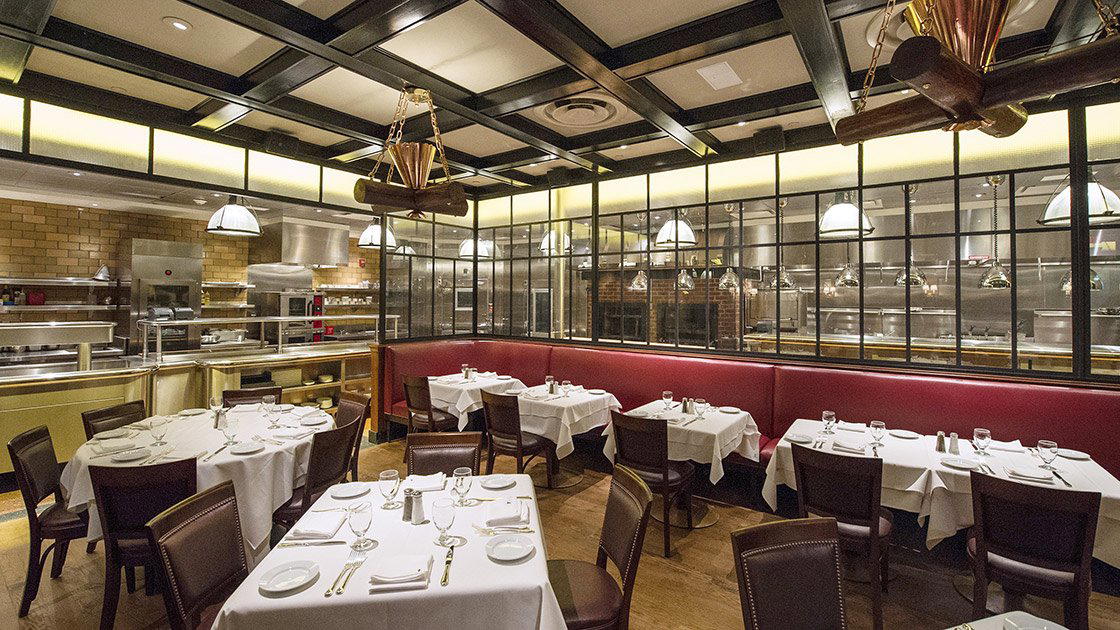
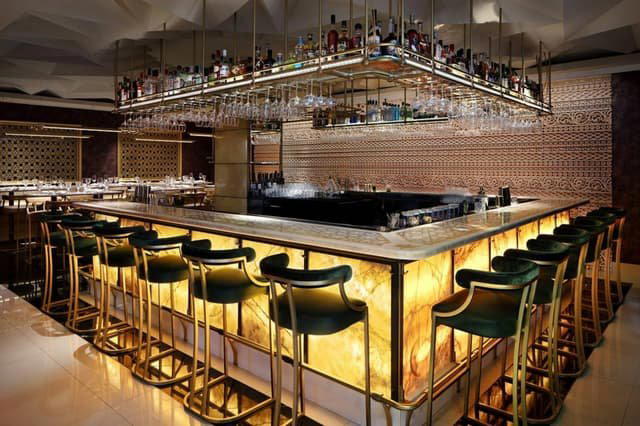
Bars in Washington DC
All bars in Washington DC →

Details
- Sophisticated
- Elegant
- Modern
- Cozy
- Date Night
- Special Occasion
- Business Dinner
- Open Kitchen
- Extensive Wine List
- Local Sourcing
- A La Carte
- Tasting Menu
- Vegetarian Friendly
- Vegan Options
Current opening hours
- Monday
- 11:30 AM–2:30 PM, 5–9 PM
- Tuesday
- 11:30 AM–2:30 PM, 5–9 PM
- Wednesday
- 11:30 AM–2:30 PM, 5–9 PM
- Thursday
- 11:30 AM–2:30 PM, 5–9 PM
- Friday
- 11:30 AM–2:30 PM, 5–9:30 PM
- Saturday
- 11:30 AM–2:30 PM, 5–9:30 PM
- Sunday
- Closed
Hours can change for holidays and private events. Hours as of .
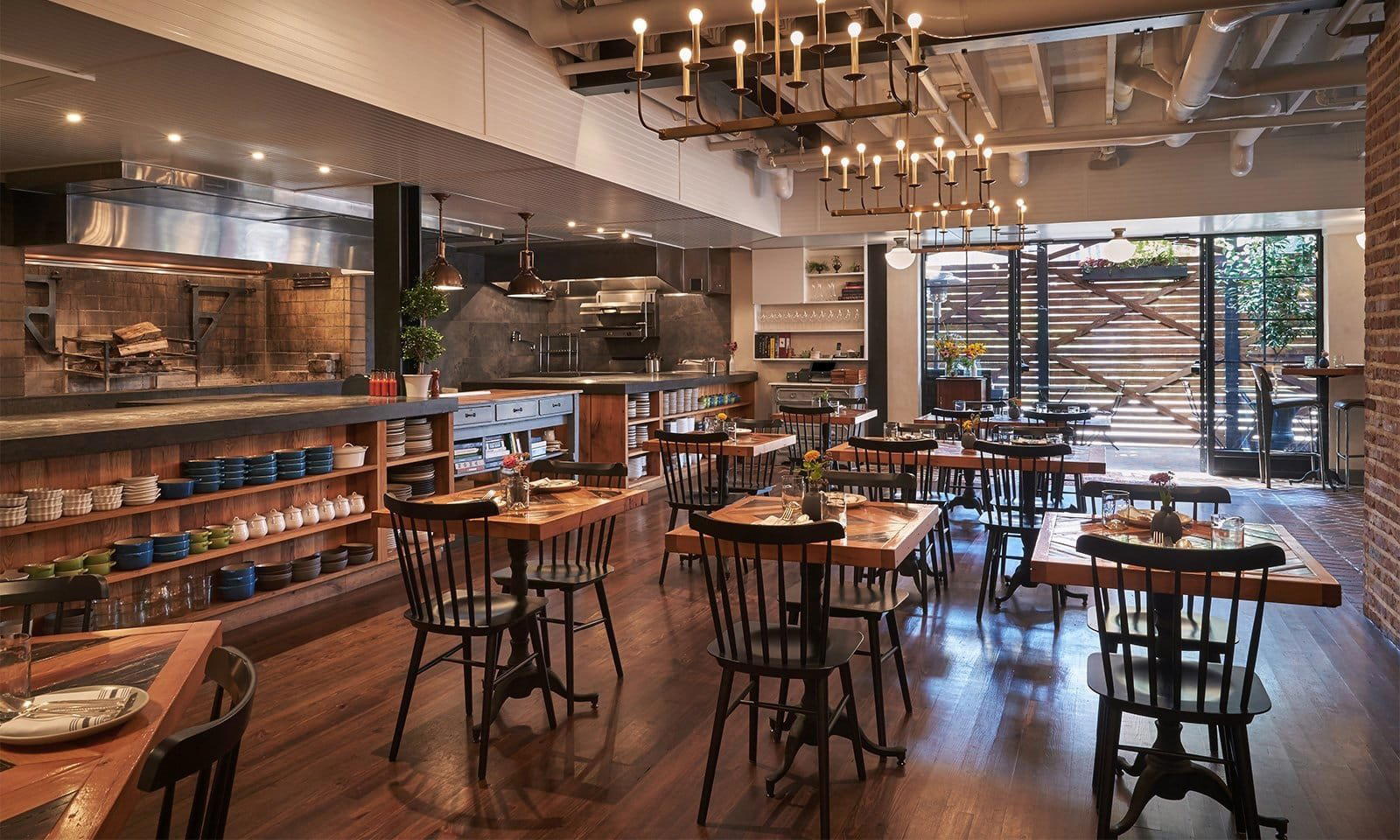
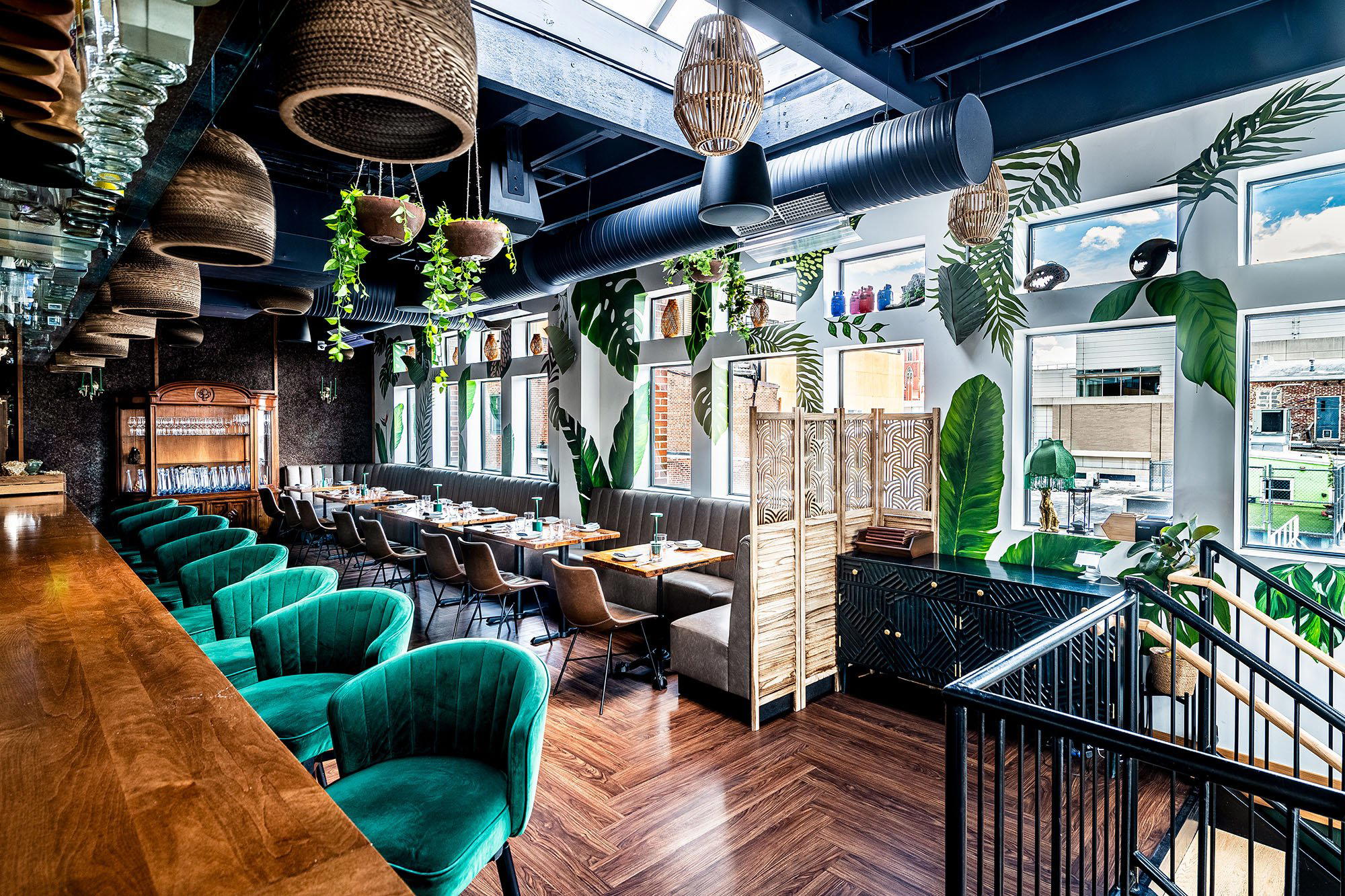
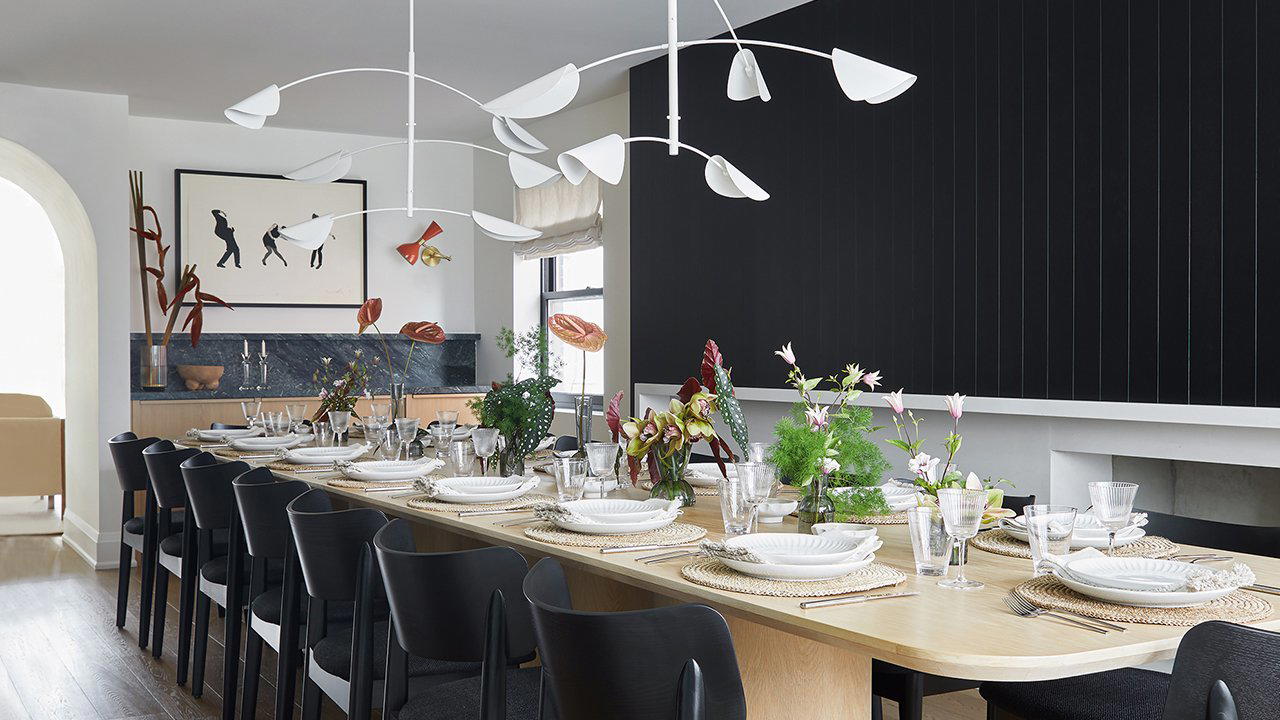
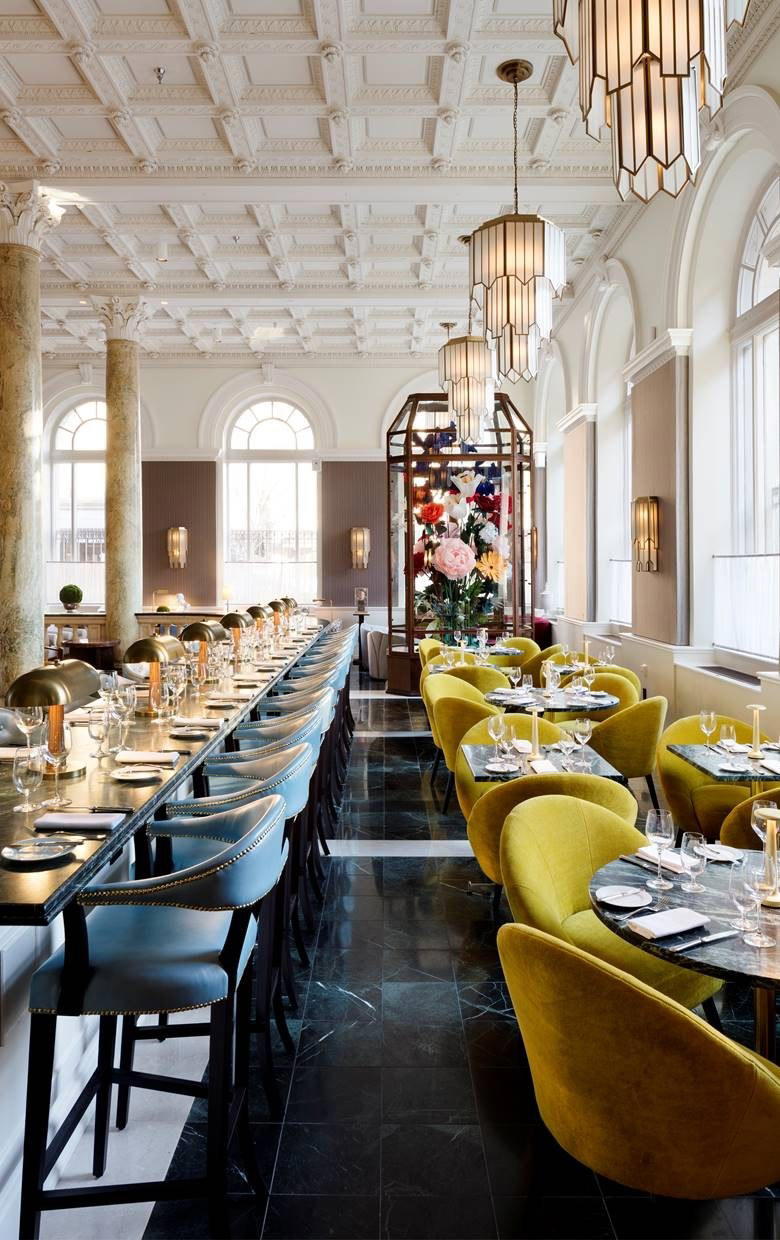
Sleek, bright setting with buttery lighting, marble, fireplace, metal accents, polished concrete, exposed brick, and soft leather creating a luxurious yet welcoming sophisticated atmosphere.