Our verdict
Kumoji's Quiet Shift Toward Ingredient-Driven Dining Naha's dining scene has been splitting along a familiar axis in recent years. On one side sit the high-turnover izakayas and tourist-facing champuru houses that line Kokusai-dori. On the other, a smaller cohort of venues has quietly repositioned Okinawan produce — its bitter melons, its coral-sea fish, its heritage pork — as material worthy of the same scrutiny applied to Kyoto vegetables or Hokkaido dairy. A LONG VACATION. operating from the ground floor of the Southwest Grand Hotel on Kumoji 3-chome, belongs to that second group. The hotel address might suggest convenience dining, but the venue's name and its positioning within Naha's more considered dining tier signal different intentions. This broader reorientation toward sourcing-led cooking is not unique to Okinawa, but it lands with particular force here. Okinawa Prefecture sits at the southernmost reach of Japan's main island chain, with a subtropical climate that produces ingredients largely absent from the mainland larder: island tofu pressed firmer than its Kanto or Kansai equivalents, mozuku seaweed harvested from relatively shallow reef waters, bitter gourd varieties whose intensity exceeds anything grown further north, and a pork culture so embedded in local tradition that the saying goes every part of the pig is used except its cry. When a Naha restaurant treats these materials with the sourcing discipline that defines top-tier kaiseki in Kyoto or Kyushu, it changes the register of the meal entirely. For comparison, RyuGin in Tokyo and HAJIME in Osaka have demonstrated how rigorous sourcing discipline reshapes what a Japanese dining experience can mean at the highest level, that same logic, applied to Okinawa's distinctly southern pantry, is what venues in this tier of the Naha market are beginning to pursue. What the Southwest Grand Hotel Address Actually Means Hotel-lobby restaurants occupy an awkward position in the critical imagination. The assumption, not always wrong, is that they optimise for convenience and legibility over ambition. In Naha, however, the Kumoji corridor has seen a handful of hotel-adjacent venues break from that pattern, using reliable foot traffic and operational infrastructure to fund more exacting kitchen programs. A LONG VACATION.'s ground-floor placement puts it physically accessible without requiring the navigation of a dedicated-door speakeasy format; the entrance question settles quickly, which shifts attention toward what happens at the table. Kumoji itself sits just west of the Kokusai-dori tourist axis, close enough to draw visitors but far enough that its restaurant population skews toward a more locally anchored crowd. That geographic middle position matters for sourcing-focused venues: proximity to the Makishi Public Market, roughly ten minutes on foot, connects a kitchen to one of Okinawa's most direct points of access for reef fish, tropical vegetables, and the pork cuts that define Okinawan home cooking. The market's vendor relationships, built over decades of daily trade, represent a sourcing infrastructure that formal wholesale channels rarely replicate. Okinawan Ingredients in Serious Hands The editorial case for paying attention to ingredient sourcing in Okinawa rests on geography as much as culture. The Ryukyu Islands' position between Japan and the Asian mainland produced a cuisine that absorbed Chinese, Southeast Asian, and eventually Japanese influences while retaining a pantry that the mainland never fully adopted. Goya (bitter melon), rafute (braised pork belly in awamori and soy), tofuyo (fermented tofu aged in red koji and awamori), and the variety of seaweeds peculiar to Okinawan reefs are not ingredients that travel easily or translate cleanly into mainland Japanese cooking idiom. They require either contextual knowledge or disciplined sourcing relationships with the islands' producers. Venues in Naha that take those sourcing relationships seriously occupy a different tier from those that assemble a plausible Okinawan menu from regional distributors. The difference is legible on the plate: the texture of fresh-harvested mozuku against the flabbier version that has spent days in transit, or the mineral intensity of reef fish landed same-day at Makishi versus fish that has moved through a centralised wholesale chain. Across Japan, this sourcing gap is increasingly the primary differentiator between competent and compelling regional restaurants. Gion Sasaki in Kyoto, Goh in Fukuoka, and Tsukumo in Nara each derive their authority partly from the specificity of their producer relationships, the same logic applies in Naha, where the island's geographic isolation makes sourcing decisions even more consequential. Naha's Broader Dining Context Placing A LONG VACATION. accurately requires understanding what it sits alongside. Naha's restaurant population includes several distinct tiers. At the top of the sourcing-and-technique bracket, a small number of venues have begun attracting attention from diners who would otherwise route their Japan itineraries through Tokyo, Kyoto, or Fukuoka. Izumi and YOROKOBI represent Naha's more formal fine-dining positions. Teppanyaki Matsuo and Miyazaki Beef Specialty Restaurant Naha Miyachiku anchor the premium protein end of the market, while オステリア ドゥエ signals the city's expanding interest in European-influenced formats. A LONG VACATION. sits within this ecosystem as a venue whose name and hotel-ground-floor positioning suggest a more relaxed register, the pacing of a long meal rather than a compressed tasting sequence. That positioning resonates with a broader pattern visible in cities like Fukuoka and Kanazawa, where venues operating adjacent to the leading formal tier have developed loyal followings by applying serious sourcing discipline within a less ceremony-heavy format. Aji Arai in Oita and Chinese Sen in Miyazaki are examples from Kyushu of kitchens that treat regional produce with rigour without demanding formal attire or three-hour commitments from diners. The appetite for that format is real and growing. Internationally, venues like Le Bernardin in New York City and Lazy Bear in San Francisco have demonstrated how a strong sourcing philosophy, communicated clearly to diners, builds long-term reputations that outlast trend cycles. Planning a Visit A LONG VACATION. is located at Kumoji 3-chome-29-52, Southwest Grand Hotel 1F, Naha, a direct address to reach from Naha's Yui Rail network, with Kencho-mae station placing the Kumoji district within comfortable walking distance. The hotel-ground-floor format typically means more walk-in flexibility than a standalone reservation-only restaurant, though Naha's dining scene has tightened during peak travel periods, Okinawa's busiest months run from late July through August and again in the Golden Week window around late April and early May, when securing any table at a quality venue benefits from advance planning. For a fuller picture of what Naha's dining scene offers across formats and price tiers, our full Naha restaurants guide maps the city's current restaurant population with editorial depth. Regional comparison is also worth pursuing: Aotsuka Shokudo in Hokkaido (Otaru) and é·æ± SORAE in Takamatsu illustrate how Japan's regional dining scenes are producing serious work well outside the three major metropolitan corridors, a pattern that Naha is now beginning to participate in more visibly. Frequently Asked Questions Is A LONG VACATION. suitable for children?The ground-floor hotel setting and the venue's apparent emphasis on a relaxed, unhurried pace suggest a more adult-oriented dining environment rather than a family-canteen format. Naha has no shortage of casual Okinawan restaurants better suited to younger diners, particularly around the Makishi market area, but for families where older children are comfortable with a seated, considered meal, the Kumoji location is accessible and low-stress logistically. Confirm the current format directly with the Southwest Grand Hotel before booking with children.What's the overall feel of A LONG VACATION.?The name itself is an editorial statement: this is a venue positioned around pace rather than efficiency. In a Naha dining scene that ranges from rapid-turnover izakayas to formal multi-course kaiseki, A LONG VACATION. signals a middle register, considered without being ceremonial. The Southwest Grand Hotel address in Kumoji places it in a neighbourhood that skews local rather than tourist-facing, which tends to produce a quieter, more settled room atmosphere than venues directly on Kokusai-dori.What's the must-try dish at A LONG VACATION.? What can be said is that venues in this tier of Naha's dining scene typically anchor their menus around Okinawan staple ingredients, reef fish, heritage pork preparations, and seasonal island produce, treated with sourcing discipline. Asking the kitchen or front-of-house staff what is freshest on a given day is, in most sourcing-led Okinawan restaurants, the most reliable route to the leading plate on the menu.How hard is it to get a table at A LONG VACATION.? However, the hotel-lobby format generally allows for more walk-in access than standalone destination restaurants. During Okinawa's peak seasons, late July through August, and Golden Week in late April and early May, even hotel restaurants in Naha experience increased pressure. Contacting the Southwest Grand Hotel in advance remains the safest approach during those windows.What has A LONG VACATION. built its reputation on?The venue's positioning within Naha's Kumoji district, adjacent to one of Okinawa's most direct sourcing corridors in the Makishi market area, suggests a kitchen program oriented around Okinawan ingredient integrity rather than a particularly technique-forward or internationally inflected approach. In Japan's regional dining scene, that sourcing-first identity has become an increasingly recognised differentiator, and in Okinawa specifically, where the island's subtropical pantry is genuinely distinct from the mainland, it carries particular weight.Does A LONG VACATION. serve awamori alongside its food?Okinawa's indigenous spirit, awamori, distilled from long-grain indica rice and aged in clay pots, is a standard component of serious Okinawan dining rooms, where it functions as both a cultural artifact and a natural pairing for the island's pork-heavy and fermented-food traditions. Venues in the Kumoji and Makishi corridor that treat Okinawan ingredients with care typically maintain an awamori selection that reflects local distillery relationships rather than a generic spirits list. Verifying the specific program at A LONG VACATION. with the Southwest Grand Hotel directly will give the clearest picture of what is available.

Pearl is the En Primeur Club membership app — saves, bookings, and concierge access live there. Same editors, same standards.
The menu
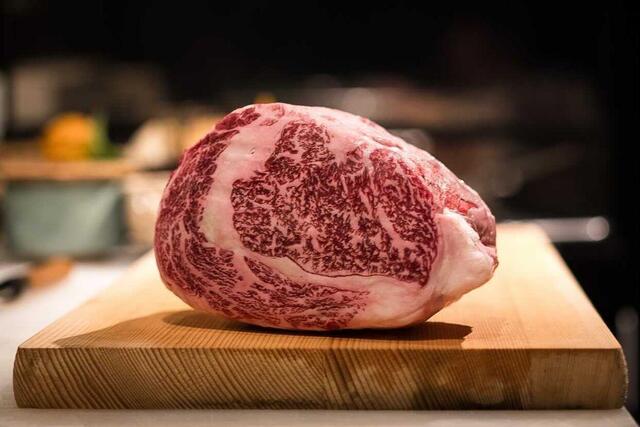
What to order
- Original pancakes
- Chef-selected oysters
- Original beef burger
Kumoji's Quiet Shift Toward Ingredient-Driven Dining
Naha's dining scene has been splitting along a familiar axis in recent years. On one side sit the high-turnover izakayas and tourist-facing champuru houses that line Kokusai-dori. On the other, a smaller cohort of venues has quietly repositioned Okinawan produce — its bitter melons, its coral-sea fish, its heritage pork — as material worthy of the same scrutiny applied to Kyoto vegetables or Hokkaido dairy. A LONG VACATION. operating from the ground floor of the Southwest Grand Hotel on Kumoji 3-chome, belongs to that second group. The hotel address might suggest convenience dining, but the venue's name and its positioning within Naha's more considered dining tier signal different intentions.
This broader reorientation toward sourcing-led cooking is not unique to Okinawa, but it lands with particular force here. Okinawa Prefecture sits at the southernmost reach of Japan's main island chain, with a subtropical climate that produces ingredients largely absent from the mainland larder: island tofu pressed firmer than its Kanto or Kansai equivalents, mozuku seaweed harvested from relatively shallow reef waters, bitter gourd varieties whose intensity exceeds anything grown further north, and a pork culture so embedded in local tradition that the saying goes every part of the pig is used except its cry. When a Naha restaurant treats these materials with the sourcing discipline that defines top-tier kaiseki in Kyoto or Kyushu, it changes the register of the meal entirely. For comparison, RyuGin in Tokyo and HAJIME in Osaka have demonstrated how rigorous sourcing discipline reshapes what a Japanese dining experience can mean at the highest level, that same logic, applied to Okinawa's distinctly southern pantry, is what venues in this tier of the Naha market are beginning to pursue.
What the Southwest Grand Hotel Address Actually Means
Hotel-lobby restaurants occupy an awkward position in the critical imagination. The assumption, not always wrong, is that they optimise for convenience and legibility over ambition. In Naha, however, the Kumoji corridor has seen a handful of hotel-adjacent venues break from that pattern, using reliable foot traffic and operational infrastructure to fund more exacting kitchen programs. A LONG VACATION.'s ground-floor placement puts it physically accessible without requiring the navigation of a dedicated-door speakeasy format; the entrance question settles quickly, which shifts attention toward what happens at the table.
Kumoji itself sits just west of the Kokusai-dori tourist axis, close enough to draw visitors but far enough that its restaurant population skews toward a more locally anchored crowd. That geographic middle position matters for sourcing-focused venues: proximity to the Makishi Public Market, roughly ten minutes on foot, connects a kitchen to one of Okinawa's most direct points of access for reef fish, tropical vegetables, and the pork cuts that define Okinawan home cooking. The market's vendor relationships, built over decades of daily trade, represent a sourcing infrastructure that formal wholesale channels rarely replicate.
Okinawan Ingredients in Serious Hands
The editorial case for paying attention to ingredient sourcing in Okinawa rests on geography as much as culture. The Ryukyu Islands' position between Japan and the Asian mainland produced a cuisine that absorbed Chinese, Southeast Asian, and eventually Japanese influences while retaining a pantry that the mainland never fully adopted. Goya (bitter melon), rafute (braised pork belly in awamori and soy), tofuyo (fermented tofu aged in red koji and awamori), and the variety of seaweeds peculiar to Okinawan reefs are not ingredients that travel easily or translate cleanly into mainland Japanese cooking idiom. They require either contextual knowledge or disciplined sourcing relationships with the islands' producers.
Venues in Naha that take those sourcing relationships seriously occupy a different tier from those that assemble a plausible Okinawan menu from regional distributors. The difference is legible on the plate: the texture of fresh-harvested mozuku against the flabbier version that has spent days in transit, or the mineral intensity of reef fish landed same-day at Makishi versus fish that has moved through a centralised wholesale chain. Across Japan, this sourcing gap is increasingly the primary differentiator between competent and compelling regional restaurants. Gion Sasaki in Kyoto, Goh in Fukuoka, and Tsukumo in Nara each derive their authority partly from the specificity of their producer relationships, the same logic applies in Naha, where the island's geographic isolation makes sourcing decisions even more consequential.
Naha's Broader Dining Context
Placing A LONG VACATION. accurately requires understanding what it sits alongside. Naha's restaurant population includes several distinct tiers. At the top of the sourcing-and-technique bracket, a small number of venues have begun attracting attention from diners who would otherwise route their Japan itineraries through Tokyo, Kyoto, or Fukuoka. Izumi and YOROKOBI represent Naha's more formal fine-dining positions. Teppanyaki Matsuo and Miyazaki Beef Specialty Restaurant Naha Miyachiku anchor the premium protein end of the market, while オステリア ドゥエ signals the city's expanding interest in European-influenced formats. A LONG VACATION. sits within this ecosystem as a venue whose name and hotel-ground-floor positioning suggest a more relaxed register, the pacing of a long meal rather than a compressed tasting sequence.
That positioning resonates with a broader pattern visible in cities like Fukuoka and Kanazawa, where venues operating adjacent to the leading formal tier have developed loyal followings by applying serious sourcing discipline within a less ceremony-heavy format. Aji Arai in Oita and Chinese Sen in Miyazaki are examples from Kyushu of kitchens that treat regional produce with rigour without demanding formal attire or three-hour commitments from diners. The appetite for that format is real and growing. Internationally, venues like Le Bernardin in New York City and Lazy Bear in San Francisco have demonstrated how a strong sourcing philosophy, communicated clearly to diners, builds long-term reputations that outlast trend cycles.
Planning a Visit
A LONG VACATION. is located at Kumoji 3-chome-29-52, Southwest Grand Hotel 1F, Naha, a direct address to reach from Naha's Yui Rail network, with Kencho-mae station placing the Kumoji district within comfortable walking distance. The hotel-ground-floor format typically means more walk-in flexibility than a standalone reservation-only restaurant, though Naha's dining scene has tightened during peak travel periods, Okinawa's busiest months run from late July through August and again in the Golden Week window around late April and early May, when securing any table at a quality venue benefits from advance planning.
For a fuller picture of what Naha's dining scene offers across formats and price tiers, our full Naha restaurants guide maps the city's current restaurant population with editorial depth. Regional comparison is also worth pursuing: Aotsuka Shokudo in Hokkaido (Otaru) and é·æ± SORAE in Takamatsu illustrate how Japan's regional dining scenes are producing serious work well outside the three major metropolitan corridors, a pattern that Naha is now beginning to participate in more visibly.
Frequently asked questions
Is A LONG VACATION. suitable for children?
What's the overall feel of A LONG VACATION.?
What's the must-try dish at A LONG VACATION.?
How hard is it to get a table at A LONG VACATION.?
What has A LONG VACATION. built its reputation on?
Does A LONG VACATION. serve awamori alongside its food?
Continue exploring
More in Naha
Restaurants in Naha
All restaurants in Naha →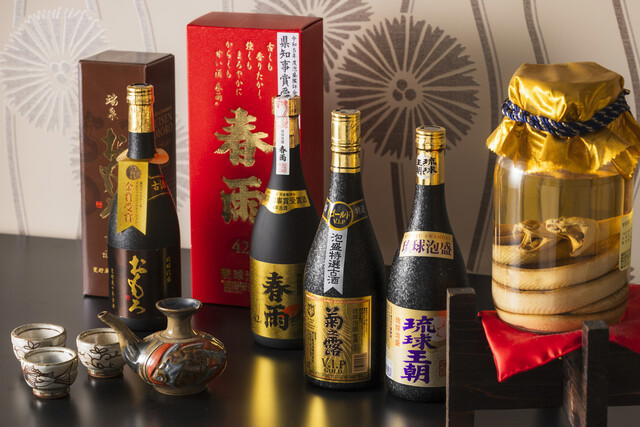

Bars in Naha
Browse all →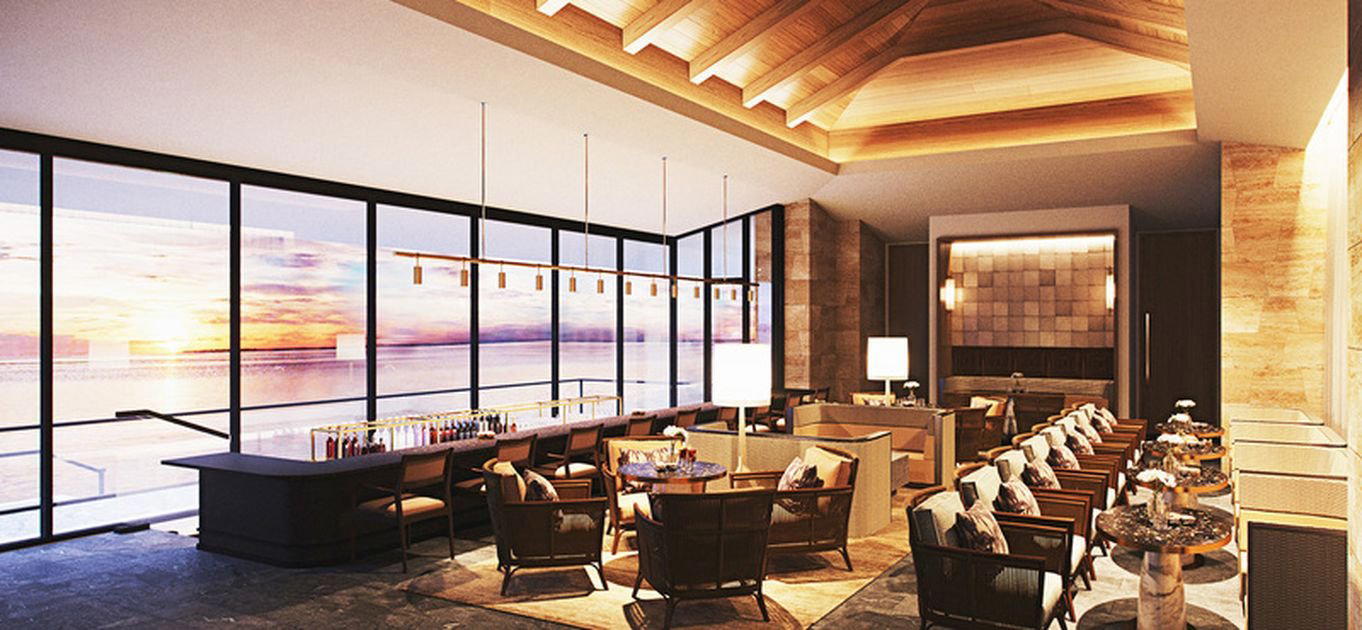
A LONG VACATION.
The wine
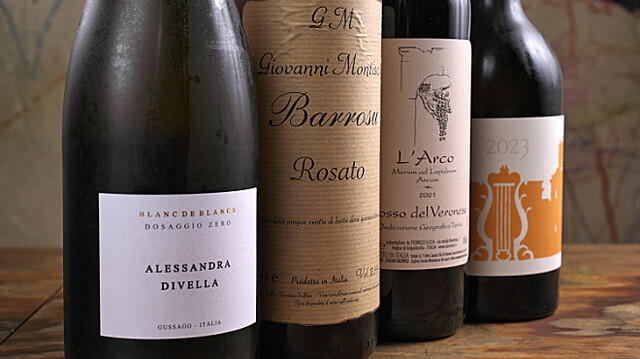
- Wine program
- Curated wine list
- Extensive wine list
- Craft cocktails
Details
- Lively
- Modern
- Trendy
- Brunch
- Casual Hangout
- Family
- Group Dining
- Open Kitchen
- Terrace
- Hotel Restaurant
- Craft Cocktails
- Extensive Wine List
- Local Sourcing
- Street Scene
- A La Carte
- Small Plates
- Buffet
- Cocktails
- Wine
- Beer
- Gluten Free Options
- Allergy Accommodating
Current opening hours
- Monday
- 7 AM–11 PM
- Tuesday
- 7 AM–11 PM
- Wednesday
- 7 AM–11 PM
- Thursday
- 7 AM–11 PM
- Friday
- 7 AM–11 PM
- Saturday
- 7 AM–11 PM
- Sunday
- 7 AM–11 PM
Hours can change for holidays and private events. Last verified .
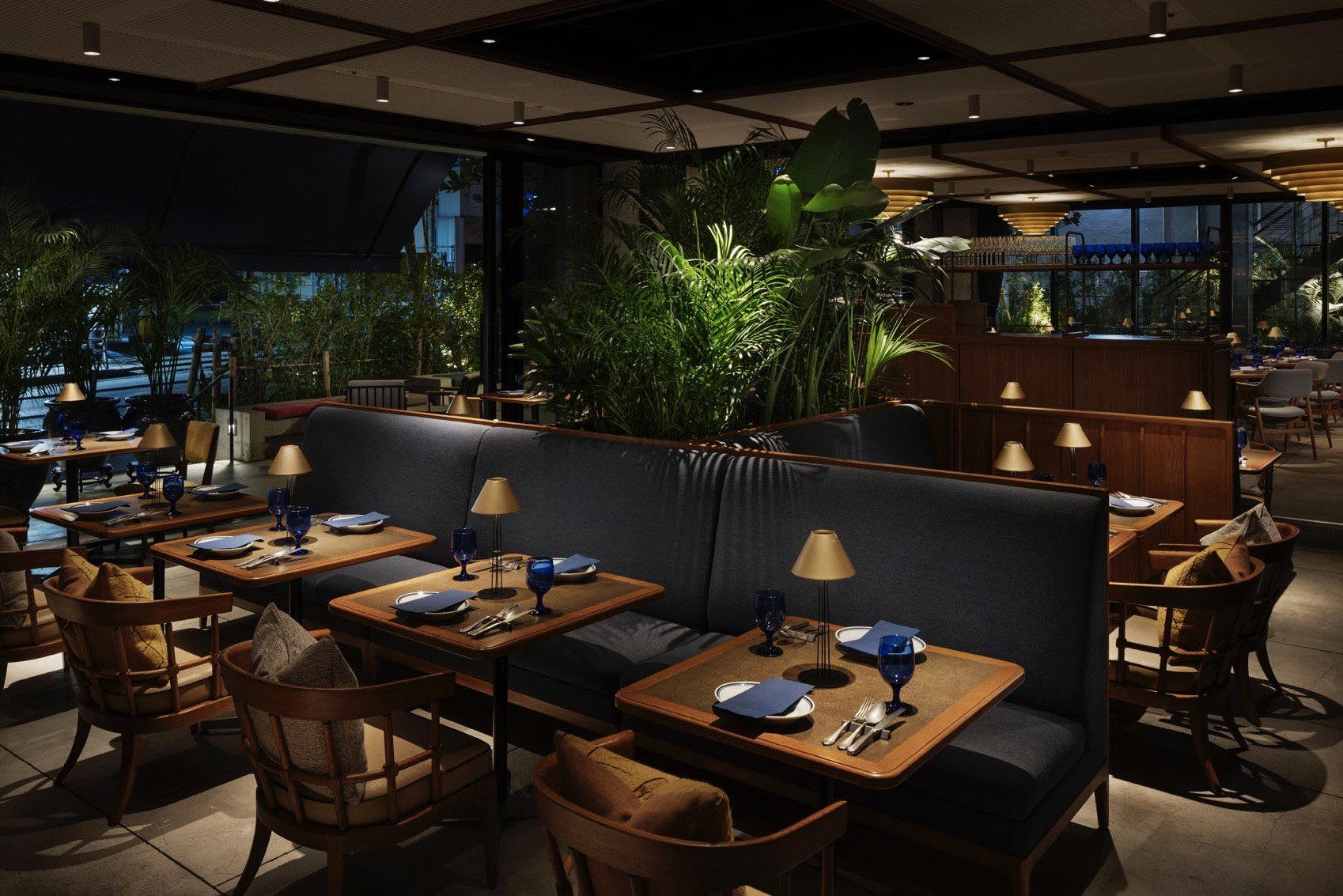
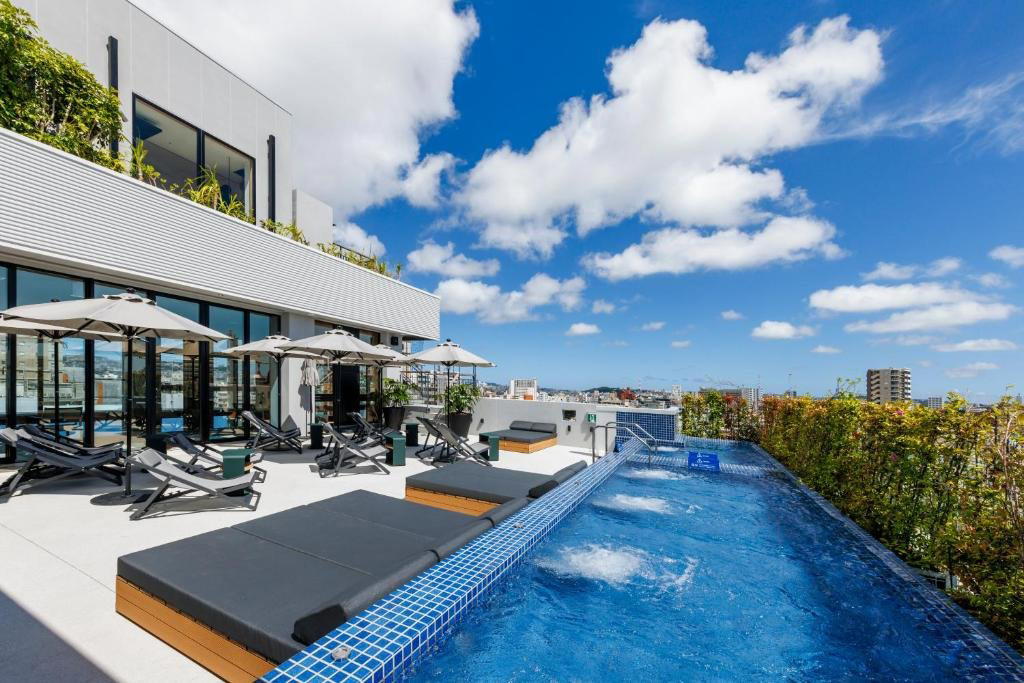
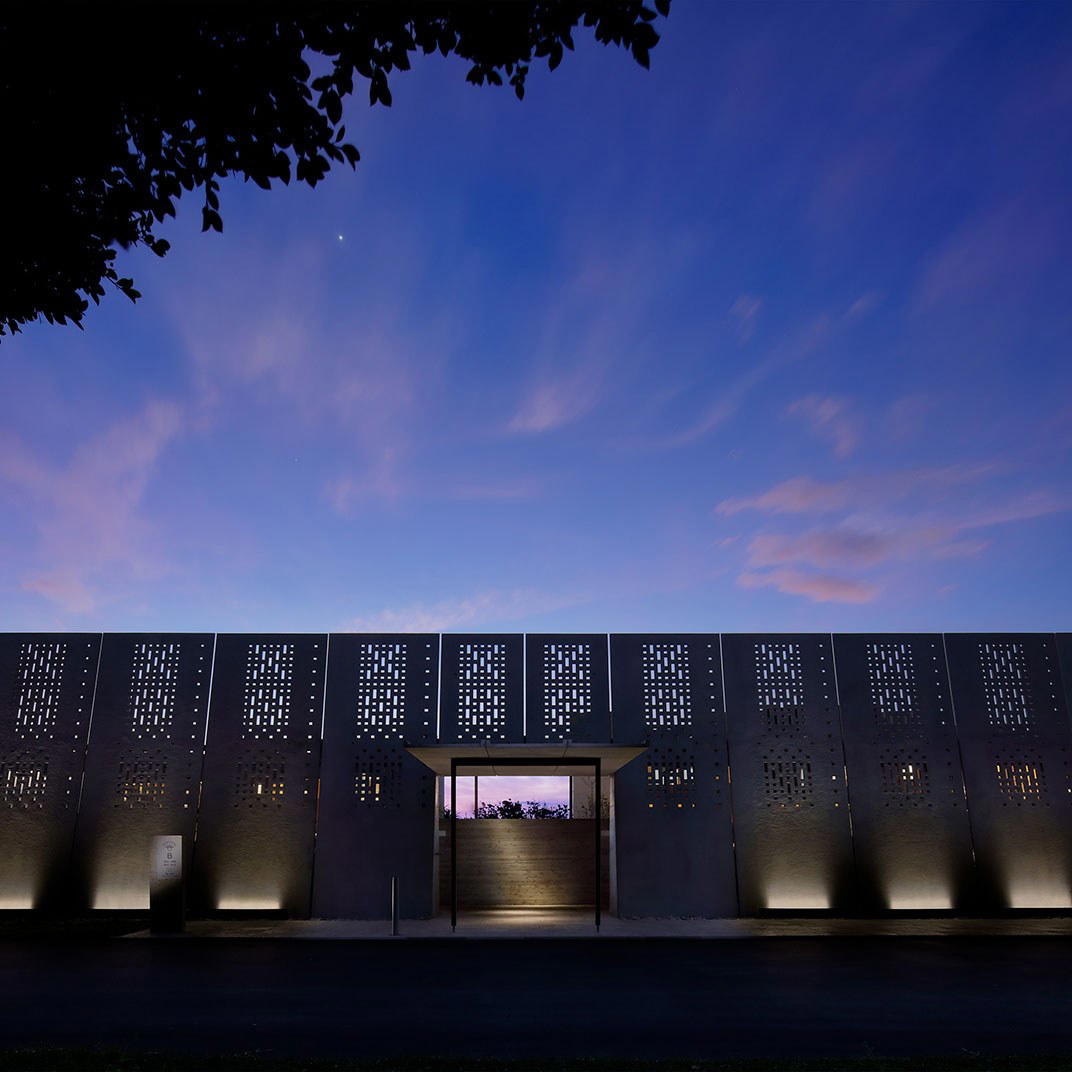
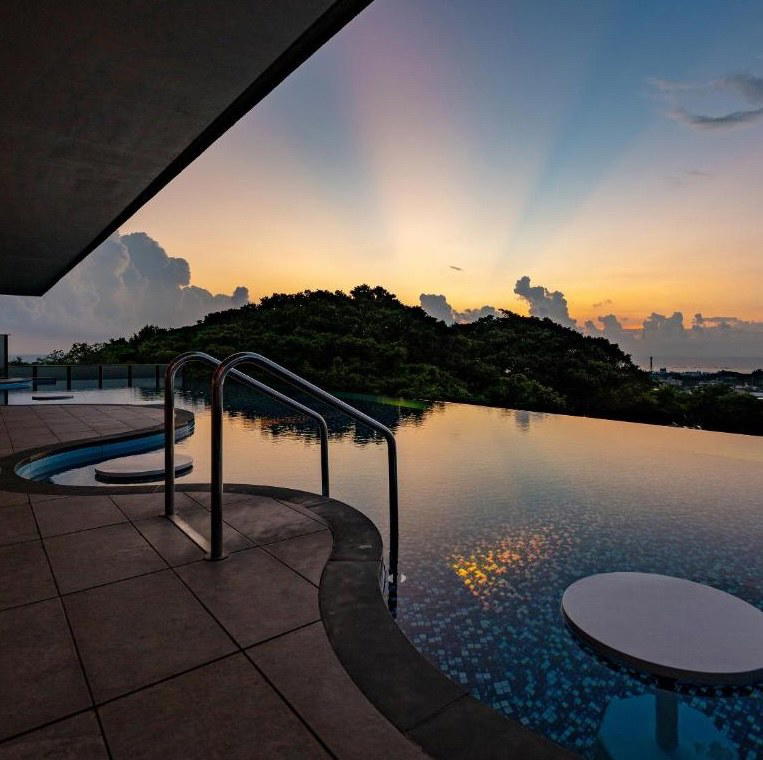
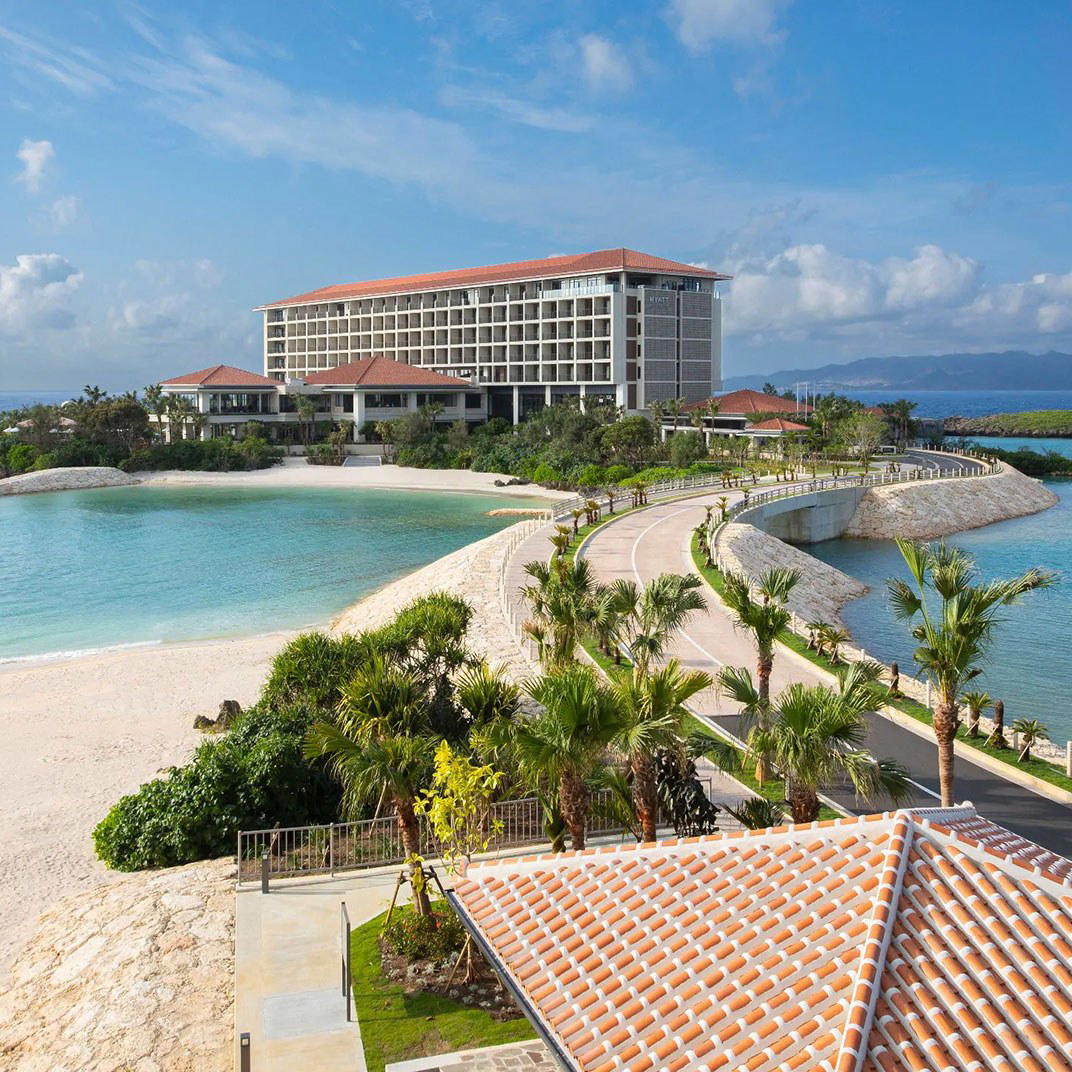
Bright and chic indoor space with open kitchen, neon-lit bar by night, and sun-drenched terrace evoking Okinawan climate.