Aotsuka Shokudo
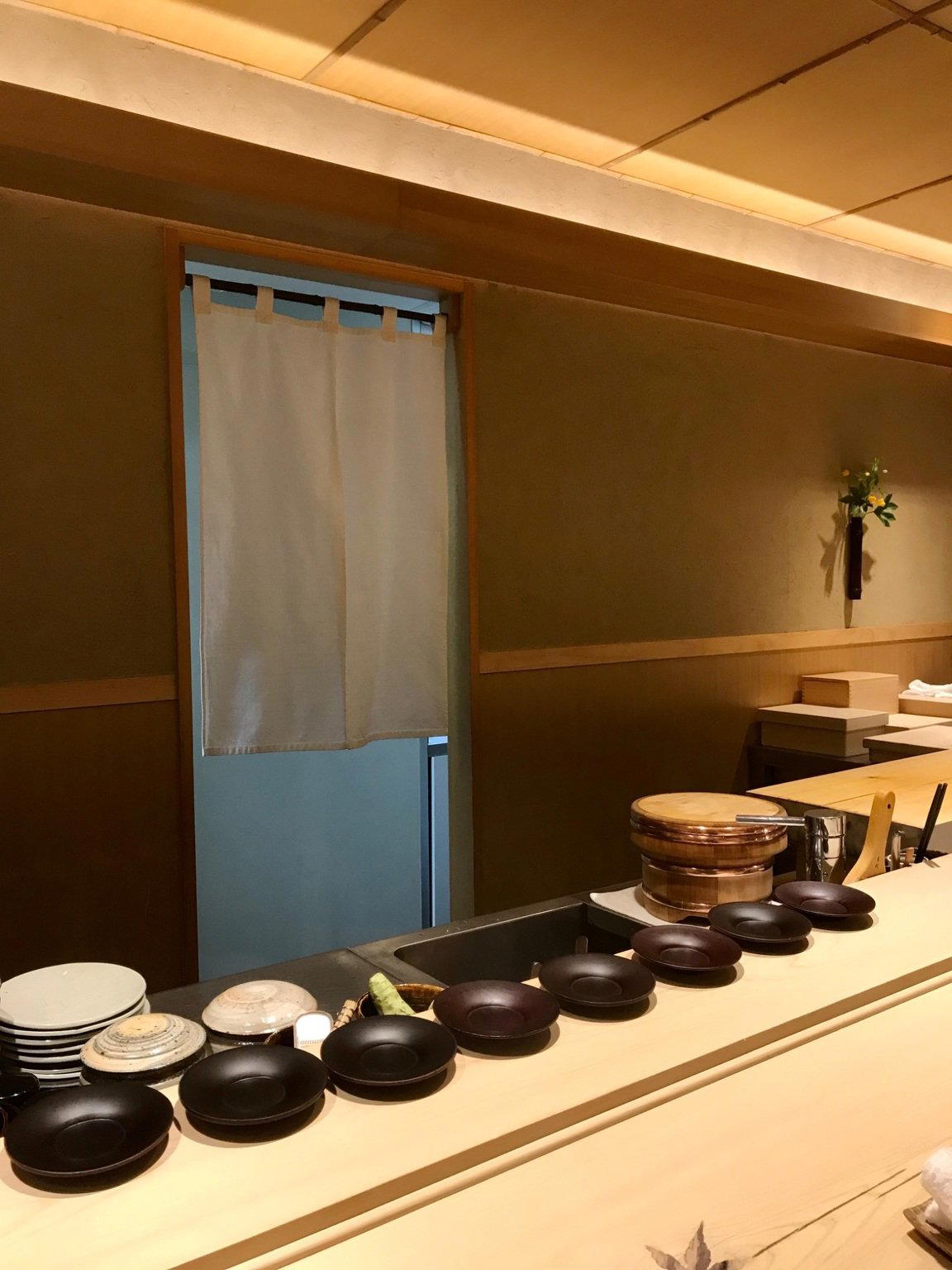
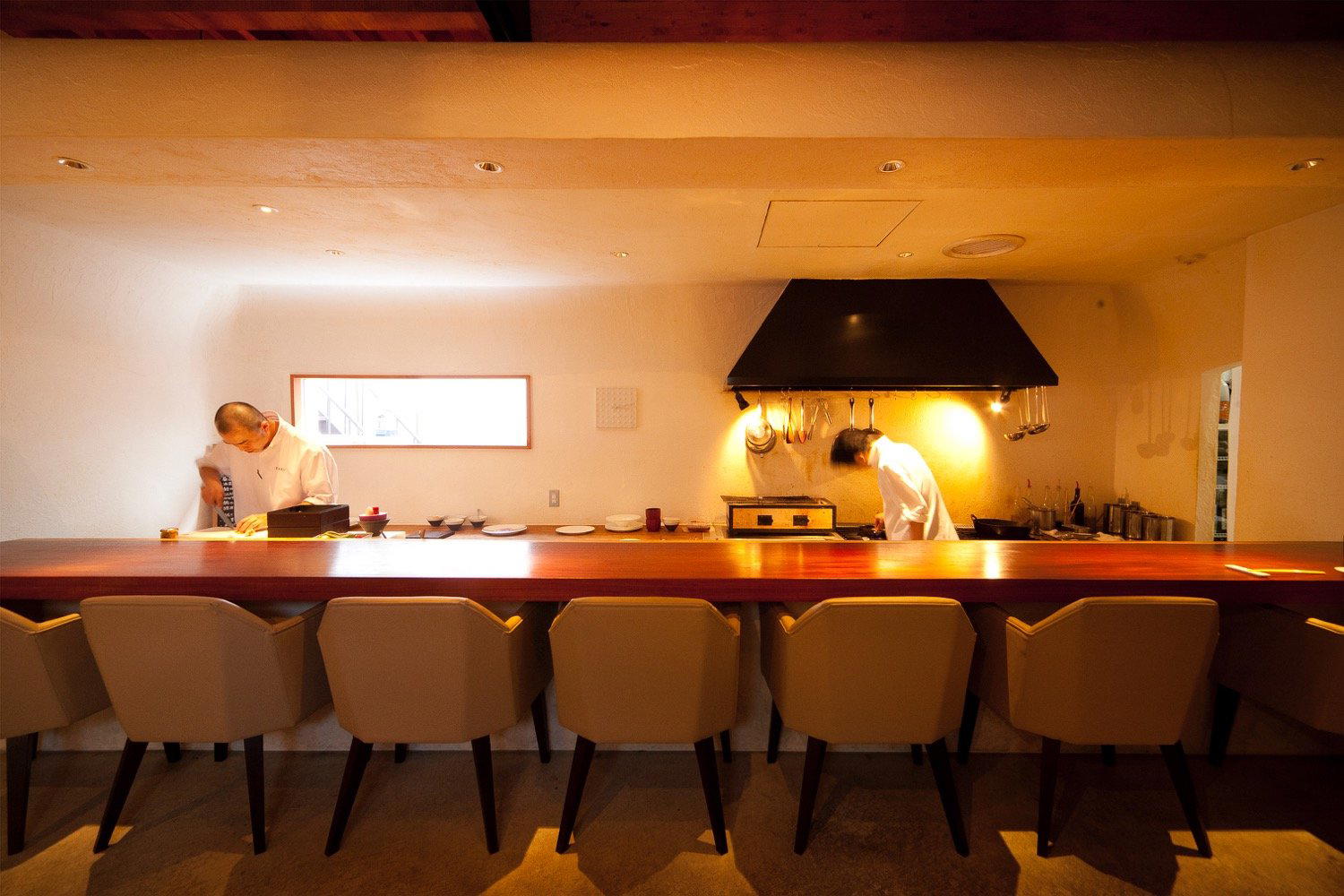
Aotsuka Shokudo serves Traditional Hokkaido Grilled Seafood in Otaru, with a waterfront open kitchen, casual service, and a beer program for lunch or dinner.
Pearl is the En Primeur Club membership app — saves, bookings, and concierge access live there. Same editors, same standards.
- Address
- Hokkaido (Otaru), Japan
- Directions
- Get directions
 Saves & bookings on Pearl
Shokudo Culture and the Otaru Table
In Japan, the shokudo occupies a category that has no clean Western equivalent. Part canteen, part neighbourhood restaurant, the format is built on accessibility rather than ceremony: a short menu, reliable execution, and a room that belongs to the people who eat in it daily rather than to occasional visitors. Otaru, the port city on Hokkaido's southwestern coast, has long supported this kind of dining. The city's identity as a working seafood hub, shaped by decades of herring trade and cold-water fishing, gave rise to a local eating culture that prizes ingredient quality without demanding formal presentation. Against that backdrop, Aotsuka Shokudo represents a specific strand of Hokkaido hospitality: the neighbourhood table where geography and season do most of the work.
Hokkaido's cold Sea of Japan and Pacific waters produce some of Japan's most sought-after raw materials. Sea urchin from Rishiri and Rebun, snow crab from the Okhotsk, scallops farmed in Saroma Lake, and salmon running the island's rivers give local restaurants an ingredient base that kitchens in Osaka or Tokyo pay considerably more to source. In Otaru specifically, proximity to Hokkaido's wholesale fish markets means that the gap between what arrives on the boat and what arrives on the plate is narrower than almost anywhere else in the country. A shokudo operating in this environment does not need to construct elaborate concepts around its food. The logic of place is already doing the heavy lifting.
Where Otaru Sits in Hokkaido's Dining Order
Hokkaido's dining reputation is anchored in Sapporo, where concentrated population and tourism infrastructure support a broader range of formats, from refined kaiseki to ramen specialists. Otaru functions as a satellite, smaller and less commercially pressured, but with direct access to the same raw materials. The canal district draws considerable visitor traffic, particularly from mainland Japan and East Asia, but the city's food culture extends well beyond the tourist corridor.
Within Otaru, the shokudo and teishoku format sits below the dedicated seafood counter and above the convenience-store circuit. It is the format of lunch for local workers, early dinners for families, and low-key meals for travellers who are not chasing an omakase reservation. Nearby, Naruto Main Shop represents a different register of Otaru dining, built around the port city's long ramen tradition. Both formats serve the same practical purpose from different culinary angles.
The Cultural Logic of the Hokkaido Shokudo
Shokudo dining in Hokkaido carries a specific cultural weight that distinguishes it from the same format in warmer prefectures. The island's agricultural and fishing communities built eating habits around recovery from physical labour in cold conditions: portions run larger, miso is used more heavily, and rice appears as a structural element of the meal rather than a side thought. Donburi, the rice bowl format that layers protein directly over cooked white rice, is one of the clearest expressions of this logic. In Otaru, a kaisen-don (seafood rice bowl) built from locally caught material is not a tourist novelty. It is the format in which the leading available ingredient meets the practical presentation.
This places the Hokkaido shokudo in an interesting comparative position relative to Japan's high-end dining tier. Restaurants like Harutaka in Tokyo and Gion Sasaki in Kyoto operate within traditions that have been codified into formal ceremony over generations. The shokudo operates according to the opposite logic: the same reverence for ingredient quality, expressed without structural ritual. The comparison is not one of hierarchy but of register. Japan's dining culture holds space for both, and the Hokkaido shokudo has earned its place through utility rather than prestige.
At the further end of Japan's innovation spectrum, restaurants such as HAJIME in Osaka and akordu in Nara work with Japanese ingredients through lenses borrowed from European fine dining. Goh in Fukuoka occupies yet another position, translating Kyushu produce into a contemporary kaiseki idiom. These restaurants and the neighbourhood shokudo share an underlying commitment to place-specific sourcing, even as their modes of expression diverge almost completely. The shokudo does not aspire to that tier; it operates on different terms, where proximity and practicality are the primary values.
Planning a Visit to Aotsuka Shokudo
Otaru is accessible from Sapporo in approximately 40 minutes by rapid train on the JR Hakodate Line, making it a practical half-day or full-day excursion from the prefectural capital. The city is compact enough that most of its central dining is reachable on foot from Otaru Station. Shokudo formats in Japan typically operate through midday lunch service and an early dinner window, with many closing by mid-evening.
Otaru's visitor traffic peaks during summer, when the canal district and seafood markets draw the largest crowds, and again in winter, when the Snow Light Path festival brings a different category of visitor. Shoulder season, particularly autumn, offers a combination of Hokkaido's leading seafood availability and lower foot traffic in the dining rooms. Travellers planning a broader Japan itinerary may also note that the country's premium dining circuit runs through a different booking logic entirely: counters such as those explored in Harutaka in Tokyo require reservations months in advance, while international comparisons like Le Bernardin in New York City and Atomix in New York City operate in a similarly pressured reservation environment. The neighbourhood shokudo is usually recommended for casual, no-fuss dining.
夕佳亭山乃 in Sapporo, 三本木 石川製 in Nanao, and 湖隣庵 in Takashima. Across Honshu, 庄羽屋 in Nishikawa Machi, Birdland in Sakai, Bistro Ange in Toyohashi, Blue Ocean Steak in Nakagami District, bodai in 那智勝浦町, and Cafe Naoshima Konichiwa in Naoshima each represent distinct regional dining traditions worth noting when planning a Japan trip across multiple prefectures.
Budget and Context
Comparable venues nearby, for context on price, style, and recognition.
| Venue | Cuisine | Price | Notes |
|---|---|---|---|
| Aotsuka ShokudoThis venue — the venue you are viewing | Not listed | $$ | Not listed |
| Naruto Main Shop | Not listed | $$ | Inaho, Hokkaido Fried Chicken (Zangi) Specialist |
| 海女小屋 はちまんかまど | 相差町, Ama Diver Seafood Grill | $$ | Not listed |
| Uogashi Fukuchan 2 gou ten | Not listed | $$ | Shibuya, Standing seafood izakaya (tachinomi) |
| Sakaba Yamato | Kita, Seafood Izakaya | $$ | Not listed |
| Hamada Shoten | Rebuncho, Shiretoko Rausu Seafood | $$ | Not listed |
Continue exploring
More in Hokkaido (Otaru)
Restaurants in Hokkaido (Otaru)
Browse all →
Bars in Hokkaido (Otaru)
Browse all →
Hotels in Hokkaido (Otaru)
Browse all →
Wineries in Hokkaido (Otaru)
Browse all →
At a Glance
- Scenic
- Cozy
- Rustic
- Group Dining
- Casual Hangout
- Family
- Waterfront
- Standalone
- Beer Program
- Local Sourcing
- Sustainable Seafood
- Waterfront
Casual, lively seaside atmosphere with ocean views and a traditional cafeteria feel; press and reviews describe it as scenic and authentic, with a bustling lunch rush.