Agu Shabushabu Kami Mae

Tabelog 100 #40
Our verdict
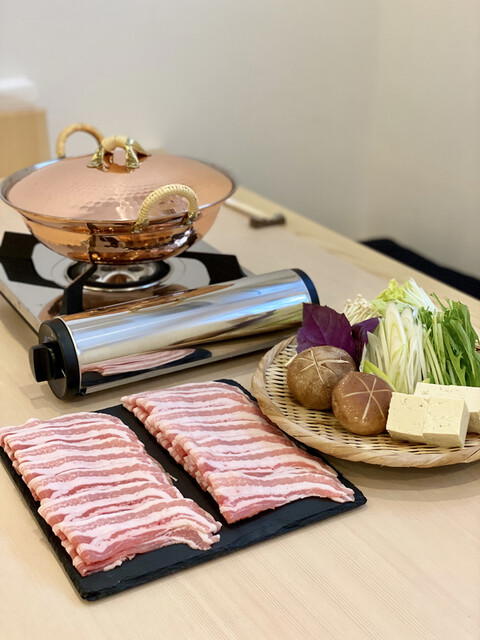
Agu Shabushabu Kami Mae gives Chatan’s dinner scene a pork-focused hot-pot address with Tabelog 100 - Hot Pot - 2024 recognition and a format built around Agu pork and Hiraboku Berkshire pork. The appeal is not spectacle; it is Okinawa’s local ingredient identity translated through shabu-shabu, izakaya ease, private rooms, counter seats, and sunken kotatsu seating.

Pearl is the En Primeur Club membership app — saves, bookings, and concierge access live there. Same editors, same standards.
- Address
- 2 Chome-2-8 Chatan, Nakagami District, Okinawa 904-0116, Japan
- Phone
- +81 98-989-1180
- Hours
- Mon ClosedTue–Sun 5–11 PM
- Website
- s.tabelog.com
- Directions
- Get directions
The menu
What to order
- Kami-mae Agu shabu-shabu course
- Hiraboku Bāku Sangenton pork shabu-shabu course
- Okinawa soba hotpot finish
Chatan’s coastal dining rhythm is shaped by sea air, car culture, family tables, and a steady mix of Okinawan residents, domestic travelers, and visitors moving between beach walks and late dinners. Here, hot pot works differently from a Tokyo counter meal: communal, table-paced, and built around ingredients with local meaning. Agu Shabushabu Kami Mae fits that role, using the pot not as theater but to focus attention on pork, broth, dipping sauces, and the meal’s social tempo.
Okinawa’s food identity is often reduced to pork, awamori, bitter melon, taco rice, and resort dining. More usefully, pork sits at the center of island cooking because it has long been treated as whole-animal cuisine rather than narrow luxury-cut culture. Shabu-shabu gives that tradition a modern restaurant frame. Thin-sliced pork cooks quickly, the table controls the pace, and the meal can shift between family dinner, date-night privacy, and izakaya-style drinking without changing format.
A pork hot-pot address in Chatan's beach-adjacent dining circuit
The ingredient signal is explicit: Agu pork and Hiraboku Berkshire pork anchor the restaurant’s public identity. Agu, Okinawa’s heritage pig, links the meal to the prefecture rather than a generic Japanese hot-pot template. Hiraboku Berkshire pork places it in a broader premium pork conversation, one Japanese diners read through fat quality, texture, and clean finish rather than heavy saucing. That combination makes this Chatan meal more compelling than another resort-area steak booking.
The Tabelog 100 - Hot Pot - 2024 selection gives the restaurant a trust marker in a category where tourists can struggle to separate serious regional cooking from souvenir-strip comfort food. A 3.42 Tabelog score is not a luxury signal alone; in Japan’s rating culture, category recognition and format clarity often matter more than the number. The relevant point is competitive placement: for hot pot, the restaurant is judged inside a national shabu-shabu and sukiyaki field, not just against nearby casual dinner options.
Chatan’s restaurant map makes the choice legible. BLUE SEAL Chatan ten is a low-cost Okinawan ice-cream stop, not a sit-down dinner anchor. Asian Shokudo Shirokuma shows the area’s casual Asian-dining range, while PUB LOUNGE EMERALD reflects Chatan’s older American-influenced bar-and-grill current. Against that mix, a pork shabu-shabu specialist reads as a sharper regional choice: less novelty, more Okinawan pork at the center of dinner.
Why shabu-shabu works particularly well for Okinawan pork
Visitors often mistake shabu-shabu for a light meal because cooking is quick and seasoning can look restrained. Its discipline is different: the ingredient must carry the table, making sourcing visible. Pork with insufficient fat or weak texture disappears in the broth; pork with character holds through repetition. In Okinawa, where pork has cultural weight, that matters. The pot tests supply, slicing, service rhythm, and the ability to keep dinner convivial without becoming a tasting-menu performance.
The room supports that middle ground. Thirty seats divide into counter seating, table seating, and sunken kotatsu seating, with private rooms available. That matters in Nakagami-gun, where restaurants often serve families with children, couples after Araha Beach, local groups, and travelers wanting Okinawan ingredients without formal kaiseki. Counter seats suit smaller parties; sunken kotatsu seating suits longer group meals. Children are welcomed, including babies, preschoolers, and school-age children, placing the restaurant within Japan’s family-dinner tradition rather than a hushed special-occasion room.
The izakaya side also shapes the experience. Shochu and wine are listed, and the restaurant is non-smoking, a practical combination for pork hot pot, where broth and fat can otherwise be overwhelmed by a barroom atmosphere. Celebrations and surprises are part of the service profile, but the format remains table-led. Dinner can be structured without becoming stiff.
How to place it within a wider Japan itinerary
For travelers building a Japan food route, Agu Shabushabu Kami Mae fits a specific slot: regional ingredient dinner in Okinawa, not a trophy counter in Tokyo or Kyoto. A national itinerary might pair it conceptually with beef-focused cooking such as -Grilled beef Sukiyaki- KAMAKURA TANUKIAN 鎌倉 たぬき庵 in Kamakura or meat-led dining such as #肉といえば松田 奈良本店 in Kashihara, but Okinawa’s distinction is pork, not beef. The better comparison is not price or ceremony; it is how a region argues for its staple ingredient.
That separates it from urban grazing culture around 鮪と炭火焼き うお炭 秋葉原店 in Tokyo, the café-driven tempo of.cafe in Osaka, the contemporary regional dining signaled by.know in Kumamoto, or the specialist curry pull of [Curry Senmon Ten] Maruyama Kyoju. in Sapporo. Okinawa rewards diners who do not force a mainland template onto the island. Here, read shabu-shabu as a local-pork lens, then let the evening stay relaxed.
Chatan’s planning context matters because the district rarely behaves like a single-purpose dining destination. The full Nakagami-gun restaurants guide maps dinner choices across the area, while the Nakagami-gun hotels guide helps travelers decide whether to sleep near the coast or commute from elsewhere on the island. Evening plans can stretch into the Nakagami-gun bars guide, and daytime structure sits better with the Nakagami-gun experiences guide. The Nakagami-gun wineries guide reminds readers that not every category has equal depth in Okinawa; restaurants and coastal experiences do more heavy lifting here.
For cross-Pacific readers, the Japanese specificity matters. Jōdo Saké Bar in Los Angeles and Onigiri Time in Pasadena show how Japanese formats travel abroad, but Okinawan pork shabu-shabu is harder to translate outside Japan because the ingredient identity is tied to place. (Shoku) Vietnam in Kawasaki and [ki:] in Kyoto belong to different conversations: immigrant cooking and Kyoto dining culture. In Chatan, the argument is narrower and more persuasive. Choose the pot for the pork, group rhythm, and a view of Okinawa’s dining character beyond resort clichés.
Frequently asked questions
Is Agu Shabushabu Kami Mae good for families?
Yes. The restaurant is marked family friendly and welcomes babies, preschoolers, and school-age children, with 30 seats and private rooms available in Chatan, Nakagami-gun. Its JPY 4,000–4,999 price range also keeps it in a practical dinner bracket.
What kind of setting is Agu Shabushabu Kami Mae?
It is a non-smoking pork shabu-shabu and izakaya with counter seating, table seating, a tatami room, and sunken seating. The room count is modest at 30 seats, which suits its Tabelog 100 Hot Pot 2024 profile without feeling formal.
How much does it cost to eat at Agu Shabushabu Kami Mae?
Pricing at Agu Shabushabu Kami Mae is listed as JPY 4,000 - JPY 4,999.
What are the opening hours for Agu Shabushabu Kami Mae?
Hours at Agu Shabushabu Kami Mae: Mon: Closed; Tue: 5–11 PM; Wed: 5–11 PM; Thu: 5–11 PM; Fri: 5–11 PM; Sat: 5–11 PM; Sun: 5–11 PM.
Side-by-Side Snapshot
Comparable venues by cuisine and price in the same metro.
| Venue | Cuisine | Price | Awards | Notes |
|---|---|---|---|---|
| Agu Shabushabu Kami MaeThis venue — the venue you are viewing | Agu pork shabu-shabu & izakaya | $30–50 | Tabelog 100 #40 | Not listed |
| PUB LOUNGE EMERALD | American pub and steakhouse with Okinawan dishes | $20–30 | Tabelog 100 #95 | / Kitanakagusuku, Nakagami-gun |
| BLUE SEAL Chatan ten | Ice cream & dessert cafe with Okinawan flavors | $1–10 | Tabelog 100 #9 | Chatan (American Village / Depot Island area) |
| Asian Shokudo Shirokuma | Casual Thai & Asian street food | Not listed | Tabelog 100 #90 | Yomitan |
| Ishigaki Jima Kitauchi Bokujou | Ishigaki Wagyu Yakiniku | $50–100 | Not listed | Maezato |
| Shokudo Miyazaki | Refined Kyoto Omakase | $50–100 | Not listed | Kiyamachi |
Recognition history
Dated appearances from independent guides and award organizations, with the underlying list record or original source where available.
Tabelog 100 #40 · No. 40
Tabelog · Tabelog 100 - Hot Pot - 2024
Continue exploring
More in Nakagami-gun
Restaurants in Nakagami-gun
Browse all →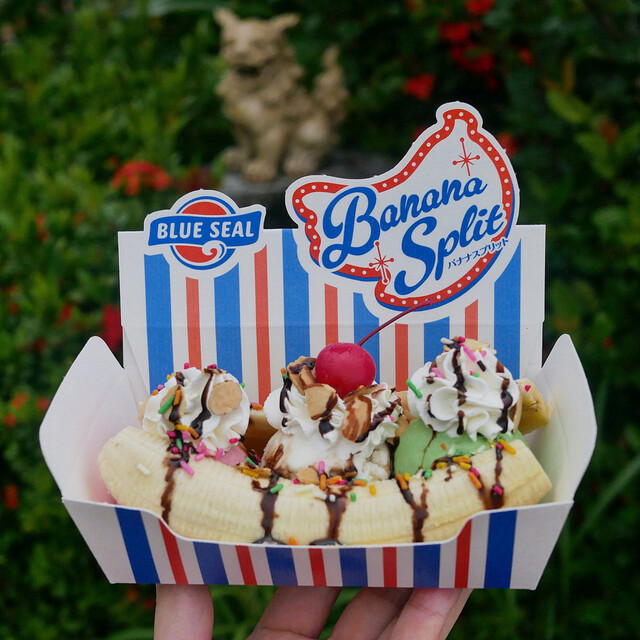
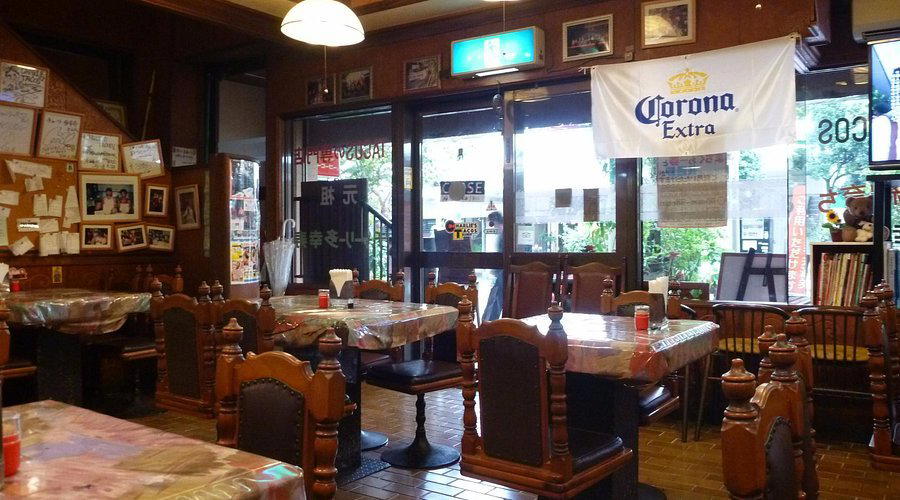
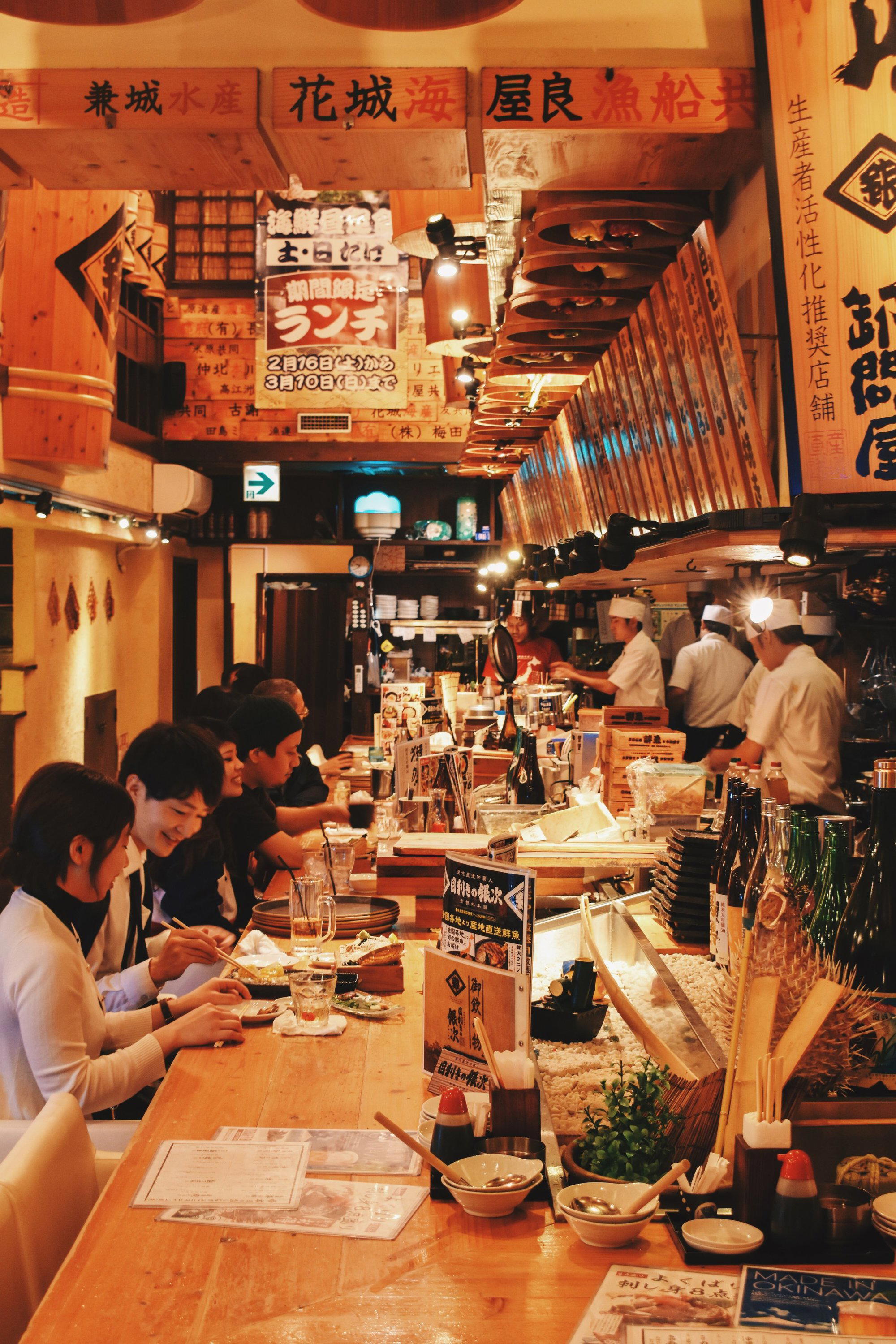
Bars in Nakagami-gun
Browse all →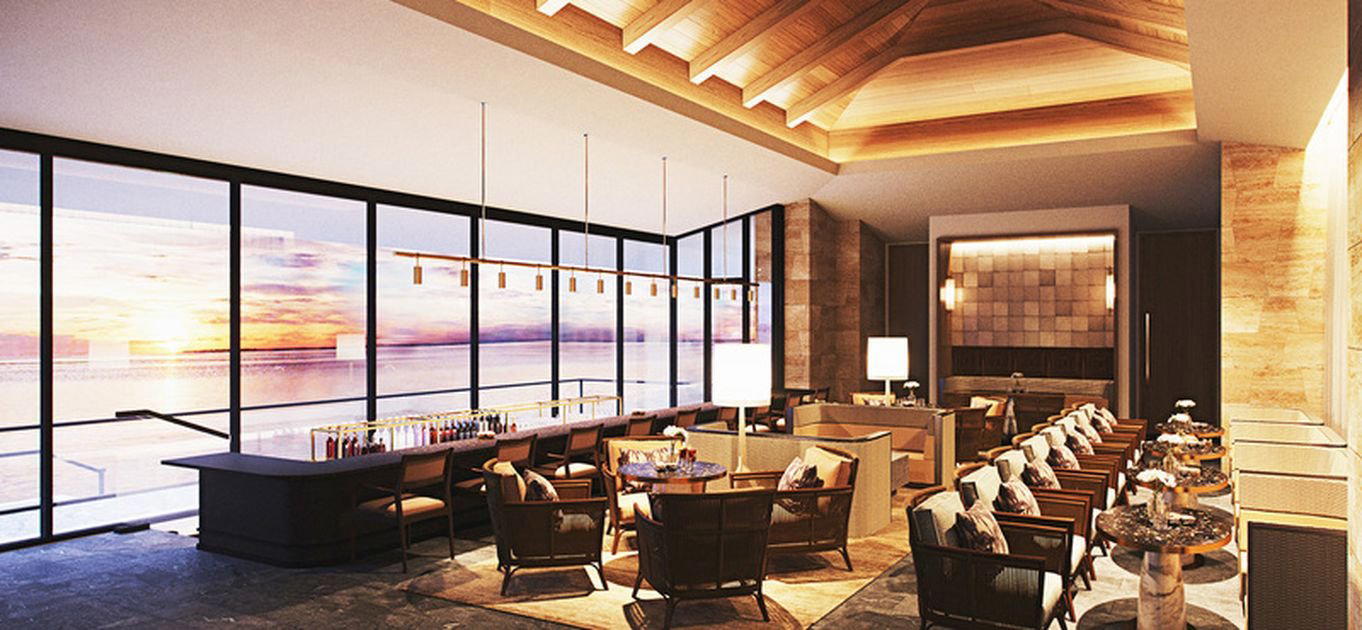
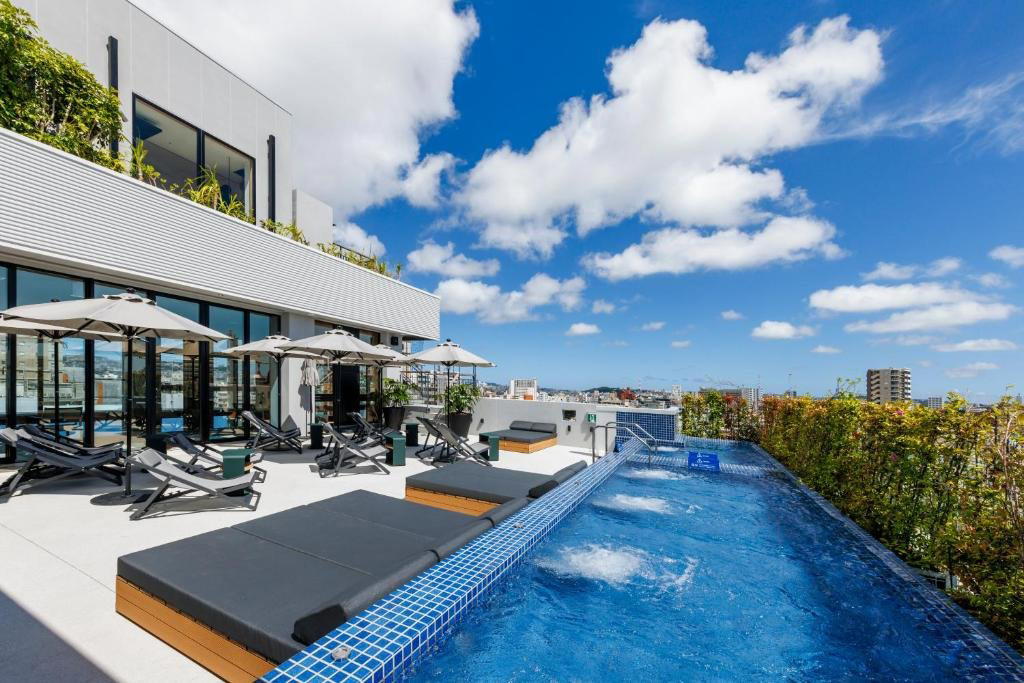
Details
- Modern
- Cozy
- Elegant
- Group Dining
- Family
- Casual Hangout
- Celebration
- Date Night
- Standalone
- Local Sourcing
- Set Menu
- Family Style
- Awamori
- Beer
- Sake
Current opening hours
- Monday
- Closed
- Tuesday
- 5–11 PM
- Wednesday
- 5–11 PM
- Thursday
- 5–11 PM
- Friday
- 5–11 PM
- Saturday
- 5–11 PM
- Sunday
- 5–11 PM
Hours can change for holidays and private events. Last verified .
A clean, white-and-black, modern Japanese space with an upper-scale yet relaxed izakaya feel, offering a calm setting for leisurely hotpot meals and drinks.