Our verdict
ブリコール occupies a quiet address in Kurashiki's Central district, placing it within walking distance of the Bikan historical quarter and its preserved Edo-period canal streets. The restaurant operates in a city where dining culture sits between Osaka's density and the slower rhythms of rural Okayama, making it an interesting reference point for anyone tracing Western Japan's more considered dining scene.

Pearl is the En Primeur Club membership app, where members save venues, book tables and use the concierge.
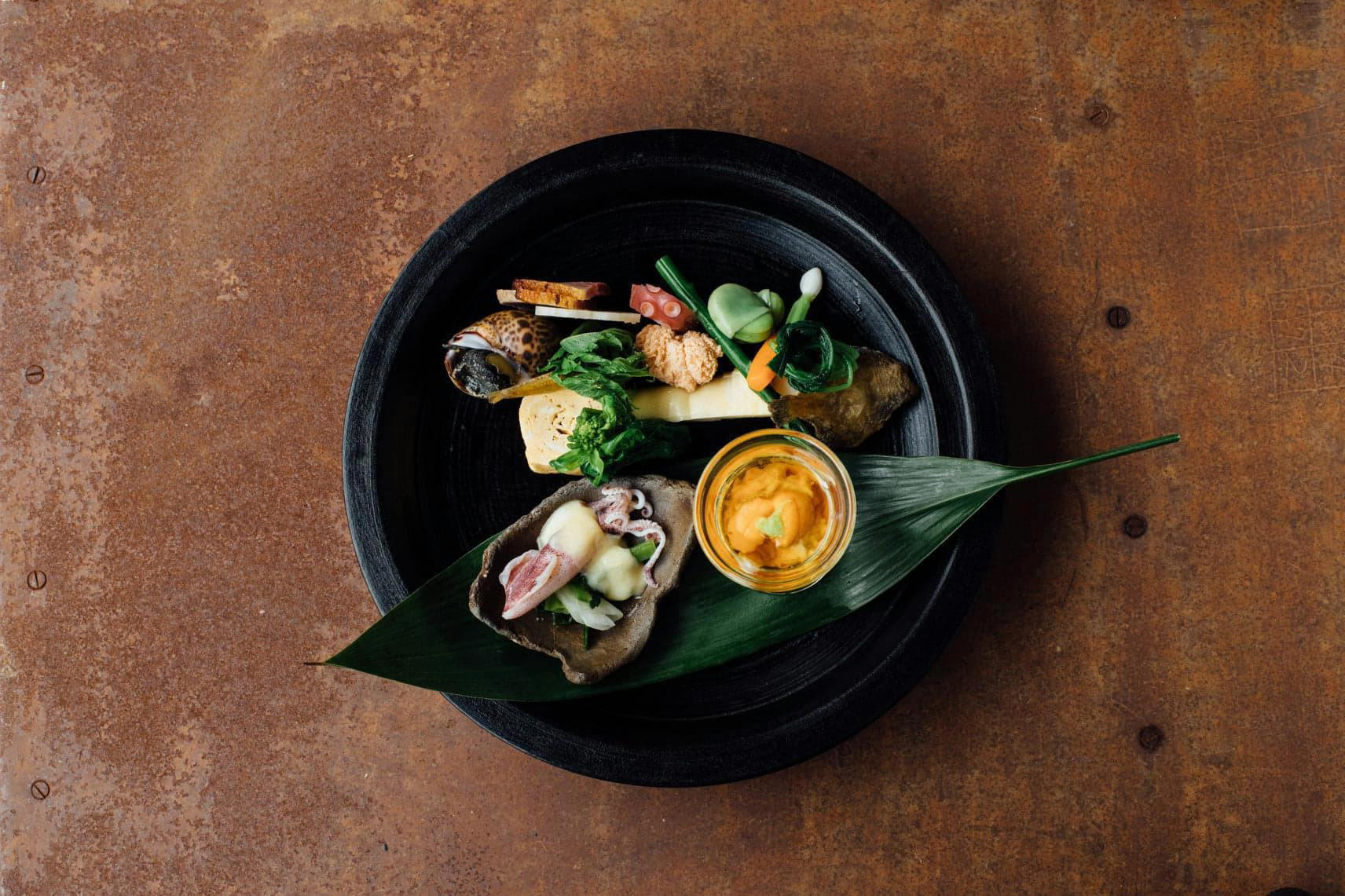
Kurashiki's Dining Register and Where ブリコール Sits
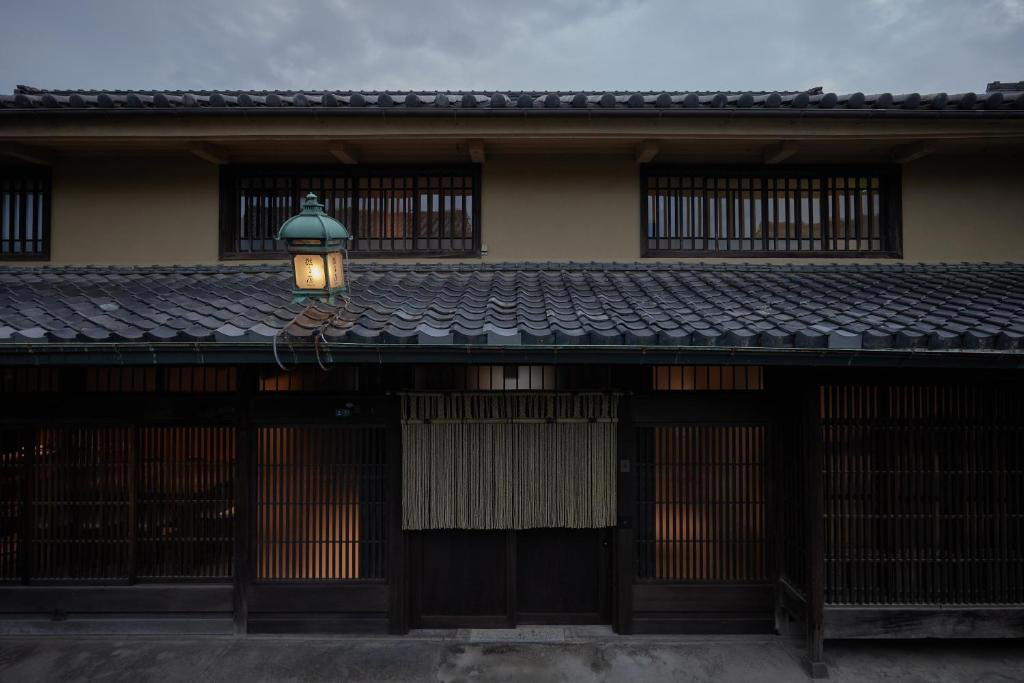
Kurashiki is not a city that announces itself loudly on Japan's fine dining circuit. That distinction belongs to Osaka, Kyoto, and Tokyo, where the concentration of Michelin-starred rooms, places like HAJIME in Osaka or Gion Sasaki in Kyoto, sets the national benchmark. Kurashiki operates differently: it is a city shaped by craft, commerce, and the careful preservation of Edo-period architecture, and its restaurant culture reflects that same tendency toward restraint and specificity over volume. The Bikan historical quarter, with its whitewashed kura storehouses lining willow-shaded canals, draws visitors who are already oriented toward considered experience rather than spectacle. The dining rooms that hold the attention of serious travellers in this city tend to be small, particular, and resistant to easy categorisation.
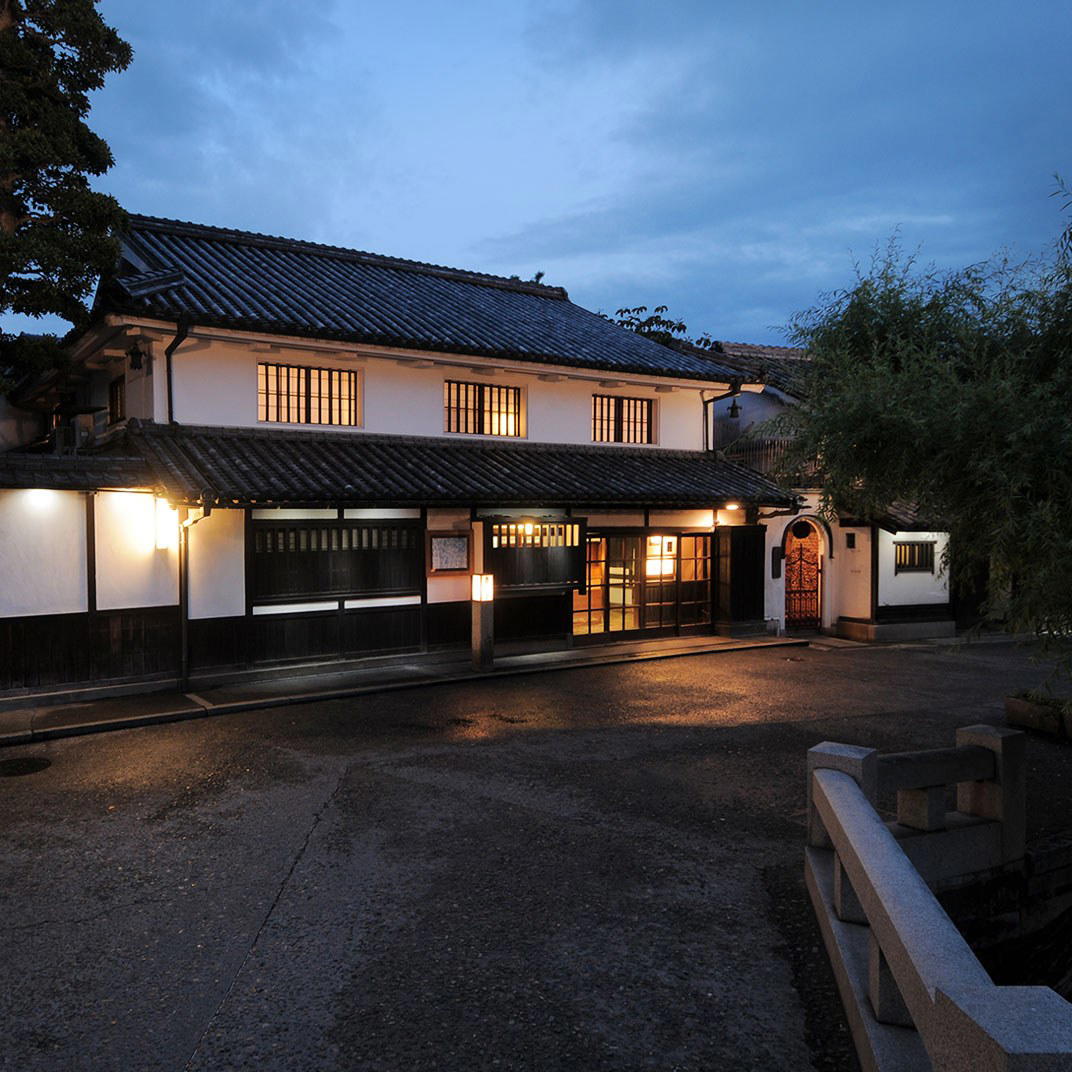
ブリコール, addressed at 1 Chome-6-8 Central in Kurashiki, sits inside this pattern. The Central district positions it close enough to the Bikan canal area that the surrounding civic texture, aged stone, low rooflines, a quieter pedestrian tempo than any comparable city in Kansai, informs the approach before a guest even arrives. For context on where Kurashiki's dining scene sits across registers and cuisine types, the full Kurashiki restaurants guide maps the city's options with more granularity.
The Ritual of the Meal: Pacing, Setting, and What the Space Asks of You
In Japan, the physical approach to a restaurant functions as the opening movement of the meal. The transition from street to entry, from outside noise to interior atmosphere, is rarely accidental. Smaller cities like Kurashiki tend to amplify this quality: without the compression of Tokyo neighbourhoods or the tourist density of central Kyoto, the walk to a table here carries more space around it. What this means practically is that the guest arrives less rushed, and any restaurant operating at a serious level takes advantage of that different rhythm.
The dining ritual in rooms of this scale and seriousness across Japan generally follows a logic of deliberate pacing. Courses arrive with intervals that encourage attention rather than acceleration. The sequence of what comes when, and in what vessel, is rarely arbitrary. This is the tradition that connects a counter in Ginza to a quiet room in Kurashiki, and it is the tradition against which any serious restaurant in the city will be read by guests who have eaten across Japan's regional circuits. Comparable exercises in pacing and craft appear at akordu in Nara and Goh in Fukuoka, both of which demonstrate how smaller Japanese cities host dining that operates at a high level of intentionality without the promotional infrastructure of a major metropolitan market.
Regional Context: Okayama's Produce and Western Japan's Culinary Logic
Okayama Prefecture carries genuine agricultural credibility. The region's mild climate and fertile plains produce fruit, particularly Muscat grapes and white peaches, that command premium prices across Japan. Seafood access runs through the Seto Inland Sea, whose relatively calm, nutrient-rich waters yield shellfish and flatfish of consistent quality. This is the supply geography that any serious kitchen in Kurashiki works within, and it positions local cooking in relationship to both Kyoto's refined vegetable traditions and Osaka's market-driven directness.
Western Japan's culinary logic differs from Tokyo's in ways that matter to how a meal reads. The seasoning tends to run lighter on the soy, the dashi work often shows more restraint, and there is a stronger institutional memory of cooking to the ingredient rather than to a style. Restaurants in smaller Okayama cities have been developing this vocabulary without the external pressure that comes with dense media coverage or competitive Michelin mapping. For guests arriving from cities where every serious restaurant exists in a context of published benchmarks, the way Harutaka in Tokyo or Atomix in New York City operate inside fully documented competitive sets, Kurashiki requires a recalibration toward observation rather than comparison-checking.
Peer Positioning and What the Address Implies
Within Kurashiki's restaurant geography, ブリコール shares the Central district with a small number of places worth tracking. Kappa and はしまや represent two other reference points in the city's dining structure, each operating within the same civic perimeter.
Across Japan's smaller-city dining circuit, the pattern of French-influenced or fusion-adjacent rooms working with regional Japanese produce is well established. It appears in different registers from Bistro Ange in Toyohashi to bodai, and at higher technical levels through places like Le Bernardin in New York City, which represents the kind of rigorous European-trained precision that has influenced Japanese chefs working in the French mode for decades. Where ブリコール positions itself within that range is a question the venue data does not resolve, which makes direct contact with the restaurant the necessary first step for any serious visit.
Planning a Visit: What to Know Before You Go
Kurashiki is accessible from Osaka via the San'yo Shinkansen to Okayama Station, followed by a local train to Kurashiki, with total journey time from Shin-Osaka running under an hour and a half in most configurations. From Tokyo, the journey extends to approximately three and a half hours. The Bikan historical area and the Central district are compact enough to cover on foot once you have arrived in the city.
Smaller serious restaurants in Japan's regional cities often operate with limited covers and seats that fill days or weeks ahead, particularly for weekend service. The discipline required by that kind of booking structure is part of how these rooms maintain the quality and pacing that makes them worth the journey. Other serious restaurants across Japan with comparable regional positioning, such as 一本木 佐川製 in Nanao or 湖畔荘 in Takashima, operate on similarly close-held booking calendars that reward guests who plan with precision.
Frequently asked questions
What's the address for ブリコール?
ブリコール is located at 1 Chome-6-8 Central, Kurashiki, Okayama 710-0046, Japan, Kurashiki.
Is ブリコール a good option for travellers visiting Kurashiki's Bikan historical quarter?
ブリコール's address in the Central district places it within the core of Kurashiki, the same zone that anchors the city's canal-side Bikan quarter and its concentration of Edo-period storehouses. For travellers spending a day or more in the area, having a considered restaurant at this address removes the need to return to Okayama city for dinner.
What do regulars order at ブリコール?
What is clear is that the restaurant sits within Okayama Prefecture, a region with serious agricultural credentials: Muscat grapes, white peaches, and fertile plains that supply some of Western Japan's most respected kitchen tables. Any serious kitchen working in Kurashiki's Central district would have access to that produce basis, and regulars at comparable Okayama restaurants tend to gravitate toward whatever reflects the season most directly.
How far ahead should I plan for ブリコール?
For a visit to Kurashiki, reachable from Osaka in roughly 90 minutes via the San'yo Shinkansen to Okayama and a local transfer, planning at least two to three weeks out is a reasonable baseline, with more lead time warranted if you're coordinating around a fixed travel itinerary.
Cuisine and Recognition
Comparable venues nearby, for context on price, style, and recognition.
| Venue | Cuisine | Price | Awards | Notes |
|---|---|---|---|---|
| ブリコールThis venue (the venue you are viewing) | Setouchi Regional Japanese Cuisine | $50–100 | Not listed | Not listed |
| Machiya Kissa Miyake Shoten | Seasonal Japanese Machiya Café | $10–20 | Tabelog 100 #88 | Kurashiki Bikan Historical Quarter |
| カツカレーの店 KAPPA | Tonkatsu with Demi-Glace Sauce | $10–20 | Tabelog 100 #78 | 倉敷えびす通り商店街 |
| Kashiwaya Kobayashi | Yakitori & Chicken Specialties | $50–100 | Tabelog 100 #82 | Achi |
| PIZZERIA La Cenetta | Italian Pizza | $20–30 | Tabelog 100 #7 | Kurashiki |
| Kappa | Tonkatsu with Demi-Glace Sauce | $10–20 | Tabelog 100 #78 | Achi |
Continue exploring
More in Kurashiki
Restaurants in Kurashiki
All restaurants in Kurashiki →
Bars in Kurashiki
All bars in Kurashiki →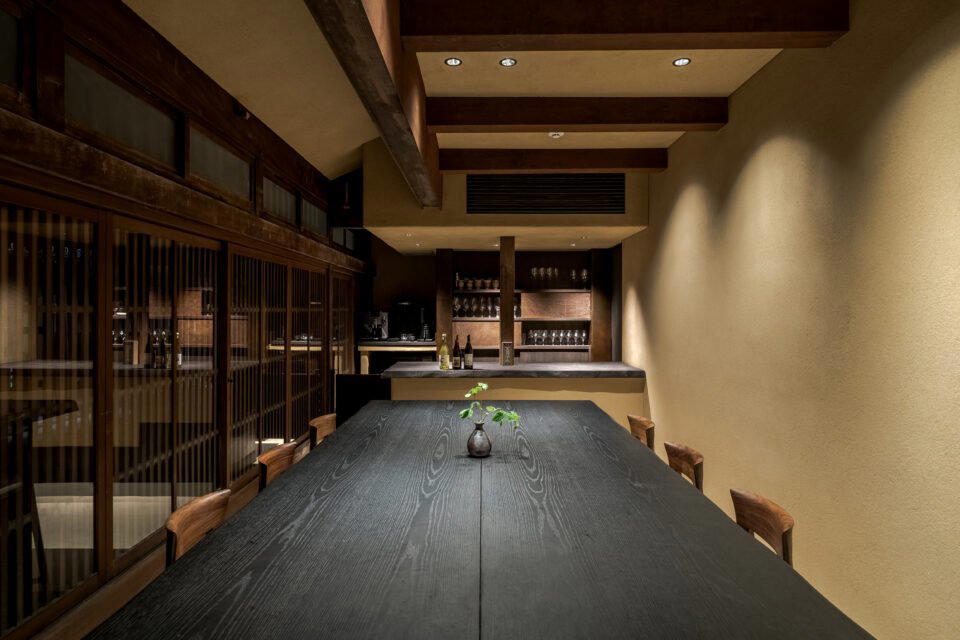
Details
- Elegant
- Quiet
- Sophisticated
- Special Occasion
- Date Night
- Business Dinner
- Historic Building
- Design Destination
- Byob
- Local Sourcing
- Farm To Table
- Tasting Menu
- Set Menu
- Sake
Current opening hours
- Monday
- Closed
- Tuesday
- 6–10 PM
- Wednesday
- 6–10 PM
- Thursday
- 6–10 PM
- Friday
- 6–10 PM
- Saturday
- 6–10 PM
- Sunday
- 6–10 PM
Hours can change for holidays and private events. Hours as of .
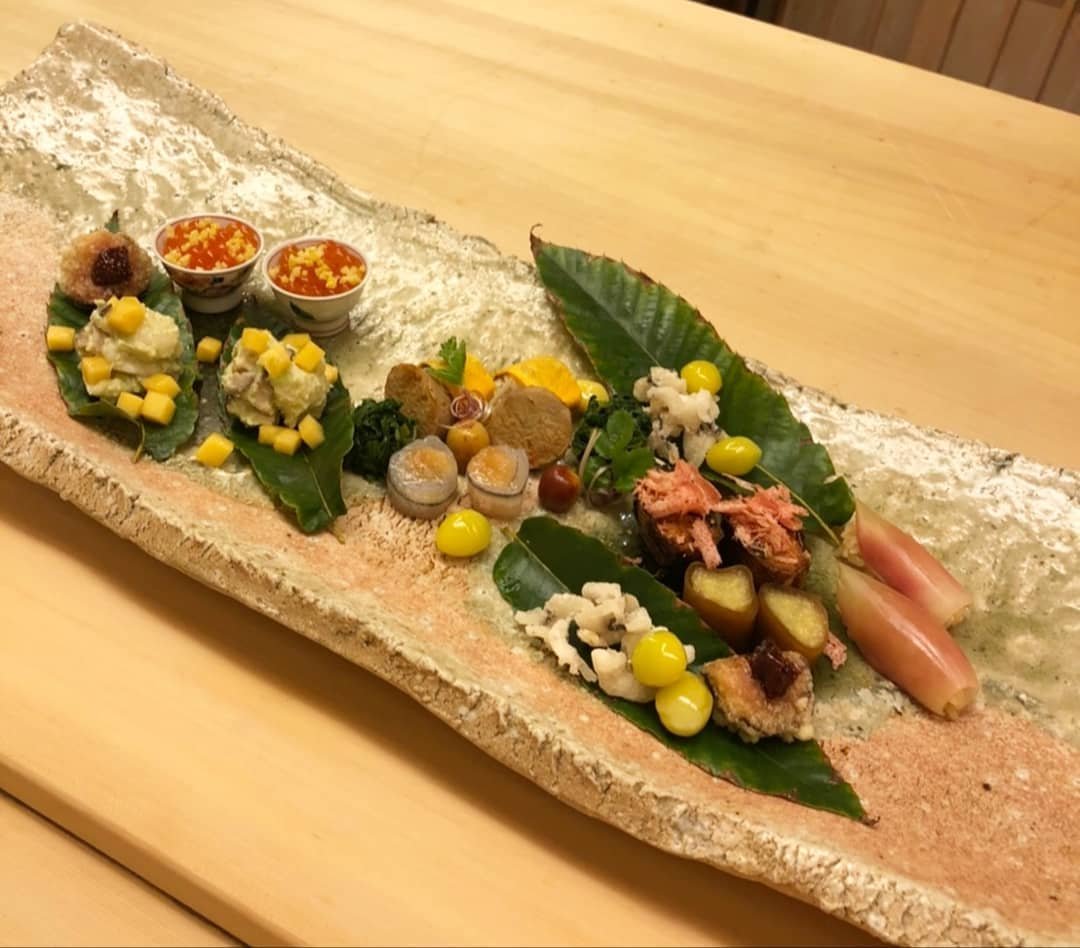
quiet and calm with delicate, carefully crafted presentation reflecting the refined nature of the cuisine.