
Kashiwaya Kobayashi puts Kurashiki’s evening yakitori culture into a tighter, more ingredient-focused frame: chicken skewers, chicken dishes, izakaya pacing, and a drinks program that covers sake, shochu, and wine. Its Tabelog 100 Yakitori WEST 2025 selection places it in a serious regional bracket, while the room keeps the experience grounded in Achi rather than destination-restaurant theatre.
Pearl is the En Primeur Club membership app — saves, bookings, and concierge access live there. Same editors, same standards.
- Address
- 3 Chome-8-1 Achi, Kurashiki, Okayama 710-0055, Japan
- Phone
- +81 86-421-4113
- Website
- kashiwaya-kobayashi.owst.jp
- Directions
- Get directions
 Saves & bookings on Pearl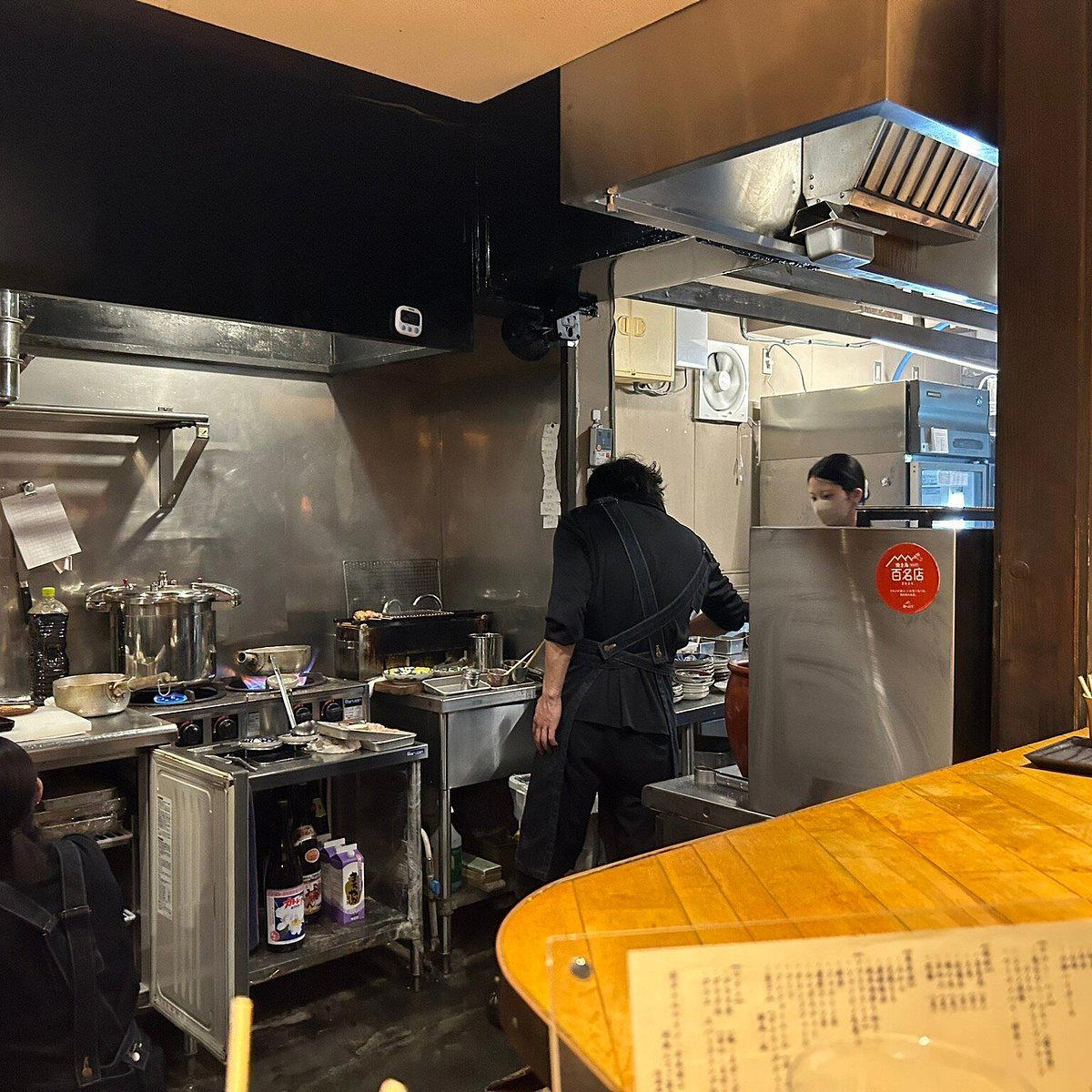
In Achi, Kurashiki’s restaurant streets shift after dark from canal-side sightseeing to a more local rhythm: lanterns, counter seats, small groups, and the smell of binchotan-led cooking moving through narrow evening blocks. Yakitori belongs to that register. It is not a grand dining format by nature; it is built on sourcing, cut selection, heat control, and the confidence to let chicken carry a meal without dressing it up as something else.
Kashiwaya Kobayashi sits in that category with unusual regional weight. Its selection for Tabelog 100 Yakitori WEST 2025 matters because yakitori in western Japan is not judged only on smoke and price. The stronger houses tend to separate themselves through the range of chicken parts, consistency at the grill, and how well the drink list supports salt, tare, fat, and char across an evening. Here, the listed categories are yakitori, chicken dishes, and izakaya, which is the right signal: this is a chicken-led night out rather than a generalized small-plates bar.
Kurashiki yakitori, treated as sourcing rather than snack food
Yakitori’s discipline starts before the skewer reaches the grill. A serious chicken restaurant has to make decisions about texture as much as flavour: lean breast behaves differently from thigh, skin, cartilage, liver, gizzard, and tail. The point is not variety for its own sake. The pleasure comes from moving through parts that show different fat levels, chew, and response to heat, with seasoning kept close enough that the bird remains the subject.
That ingredient logic gives this kind of restaurant a different role in Kurashiki from cafés and daytime machiya addresses. Kurashiki Coffee Kan and Machiya Kissa Miyake Shoten speak to the city’s preserved-townhouse, slow-afternoon identity; yakitori belongs to the later, more adult layer of the same city. The comparison is useful because it shows how Kurashiki changes by hour. By day, the city rewards coffee, sweets, udon, and walking routes; by night, the better meals tend to be compact, counter-driven, and specific.
The drink listing reinforces that reading. Sake, shochu, and wine are all part of the stated program, and that mix is increasingly common at higher-grade yakitori rooms because chicken is more flexible than many diners assume. Sake can sit with salt and smoke, shochu can reset the palate, and wine gives a route through richer cuts and tare-seasoned skewers. The important point is range with purpose, not a long bottle list for display.
A small-room format with counter gravity
The room’s structure tells experienced diners how to read the meal. Thirty-three seats is not tiny, but the eight counter seats are the gravitational centre for anyone who wants to watch timing, turning, and pacing. Tables and private rooms make the format more social than a strict chef-counter restaurant, which suits Kurashiki: this is a city where meals often fold into conversation rather than performance.
That balance matters for visitors. A counter-only yakitori room can feel severe if the diner does not speak Japanese or know the sequence; a broader izakaya-adjacent format gives the experience more elasticity. English-language support is listed, which lowers the friction for travellers without changing the essential character of the meal. Non-smoking status also matters in this category, since smoke should come from the grill, not the next table.
Within Kurashiki’s dining spread, the price tier places it above casual udon and coffee stops and below the rarefied tasting-menu economy of major Japanese cities. Honkaku Teuchi Udon Tomosaku occupies a different daytime comfort-food lane, while PIZZERIA La Cenetta shows how the city also supports specialist non-Japanese cooking. Kashiwaya Kobayashi is better understood as Kurashiki’s ingredient-led evening option: narrower in focus, more dependent on grill craft, and stronger for diners who prefer one subject handled with repetition and control.
How to place it in a Kurashiki itinerary
Kurashiki is not Tokyo or Osaka, and that is the advantage. The city’s stronger food experiences tend to work at human scale: a coffee house with history, a handmade noodle stop, a townhouse café, a grill room that can hold regulars and visitors in the same service. For a broader read on the city, our full Kurashiki restaurants guide gives the useful spread, while our full Kurashiki hotels guide, our full Kurashiki bars guide, our full Kurashiki wineries guide, and our full Kurashiki experiences guide help build the rest of the stay around the meal rather than treating dinner as an isolated booking.
The practical decision is simple: choose this when the night calls for chicken, charcoal, and drinks rather than a broad menu. Groups can use the table and private-room structure; counter-minded diners should treat the grill as the reason to go. The address in Achi also keeps it within Kurashiki’s central evening orbit, which is useful after a day around the historic quarter.
For nearby contrast, Kappa gives another Kurashiki restaurant reference point, while the city’s café culture is better handled by the two coffee and machiya addresses already noted. For readers mapping Japanese dining more widely, EP Club also tracks different formats, from -Grilled beef Sukiyaki- KAMAKURA TANUKIAN 鎌倉 たぬき庵 in Kamakura and. 鮪と炭火焼き うお炭 秋葉原店 in Tokyo to.cafe in Osaka.know in Kumamoto, (Shoku) Vietnam in Kawasaki, and [Curry Senmon Ten] Maruyama Kyoju. in Sapporo. The same lens applies outside Japan too: Jōdo Saké Bar in Los Angeles and Onigiri Time in Pasadena show how Japanese formats travel when the core product remains specific.
The final read is that Kashiwaya Kobayashi is not trying to be a grand occasion restaurant. Its appeal is narrower and more useful: a Kurashiki yakitori address with a serious regional recognition signal, an ingredient-first chicken focus, and enough structural comfort for travellers who want the counter experience without turning dinner into a test.
In Context: Similar Options
Comparable venues by cuisine and price in the same metro.
| Venue | Cuisine | Price | Notes |
|---|---|---|---|
| Kashiwaya Kobayashi | Yakitori & Chicken Specialties | $$$ | Achi |
| ブリコール | Setouchi Regional Japanese Cuisine | $$$ | Kurashiki (Bikan Historical Quarter) |
| カツカレーの店 KAPPA | カツカレー専門洋食 | $ | 倉敷えびす通り商店街 |
| Honkaku Teuchi Udon Tomosaku | Authentic Handmade Udon & Oden | $ | Nakasho |
| Machiya Kissa Miyake Shoten | Seasonal Japanese Machiya Café | $$ | Kurashiki Bikan Historical Quarter |
| Kappa | Tonkatsu with Demi-Glace Sauce | $$ | Achi |
Recognition history
Dated appearances from independent guides and award organizations, with the underlying list record or original source where available.
Tabelog 100 #82 · No. 82
Tabelog · Tabelog 100 - Yakitori - WEST - 2025
Continue exploring
More in Kurashiki
Restaurants in Kurashiki
Browse all →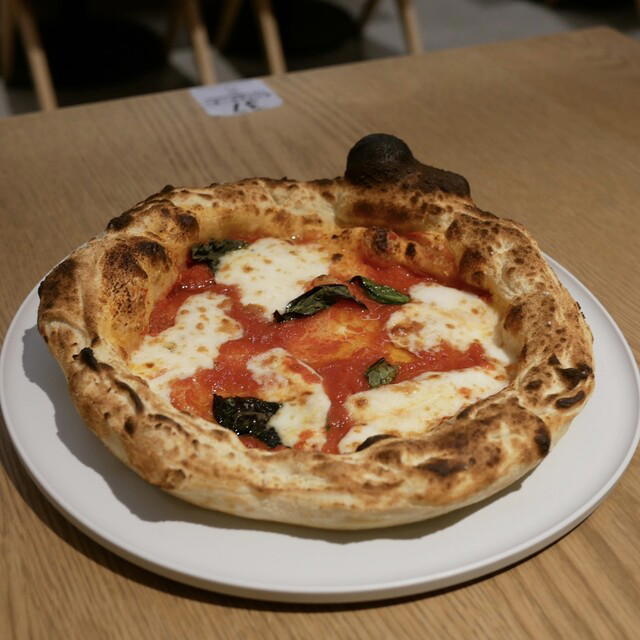
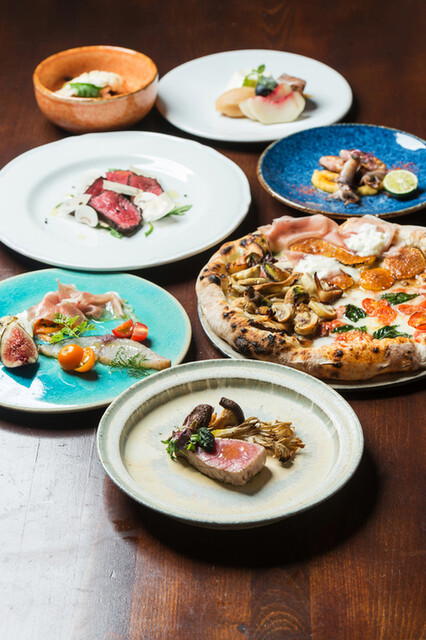
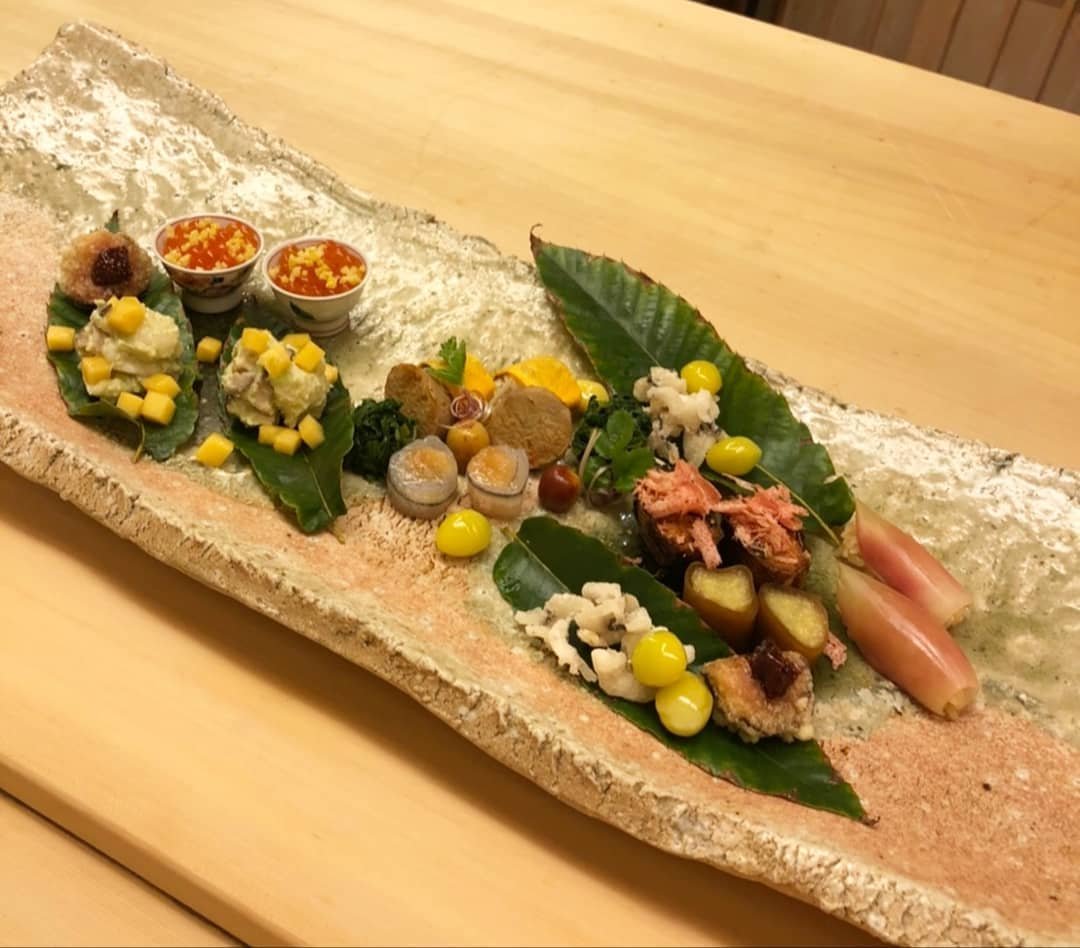
Bars in Kurashiki
Browse all →

At a Glance
- Cozy
- Elegant
- Intimate
- Classic
- Date Night
- Group Dining
- After Work
- Casual Hangout
- Late Night
- Standalone
- Design Destination
- Sake Program
- Beer Program
- Local Sourcing
Current opening hours
- Monday
- 5–10 PM
- Tuesday
- 5–10 PM
- Wednesday
- 5–10 PM
- Thursday
- 5–10 PM
- Friday
- 5–10 PM
- Saturday
- 5–10 PM
- Sunday
- 5–10 PM
Hours can change for holidays and private events. Last verified .
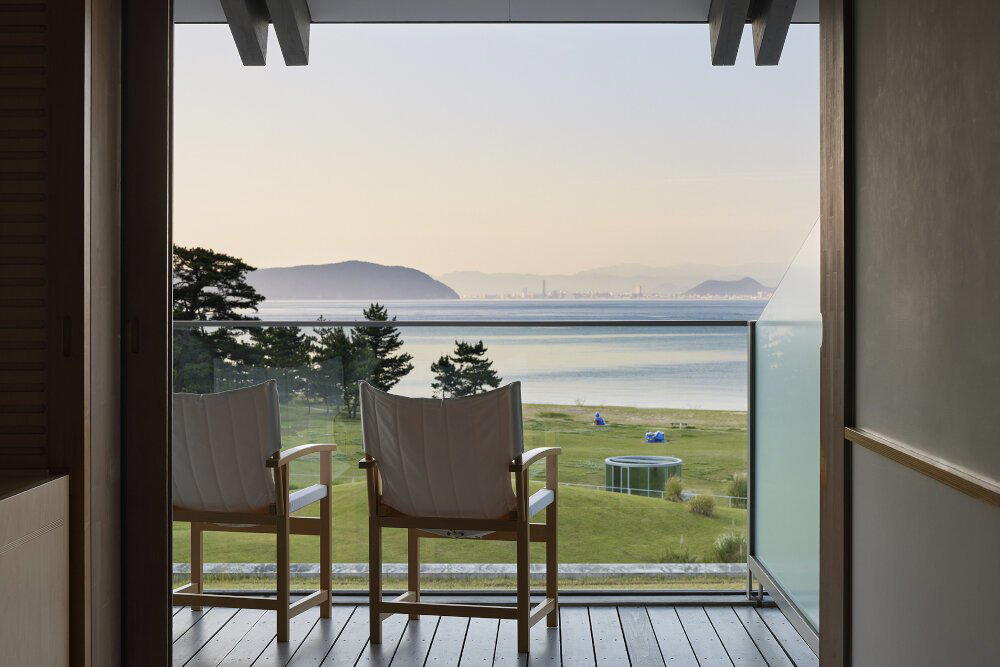
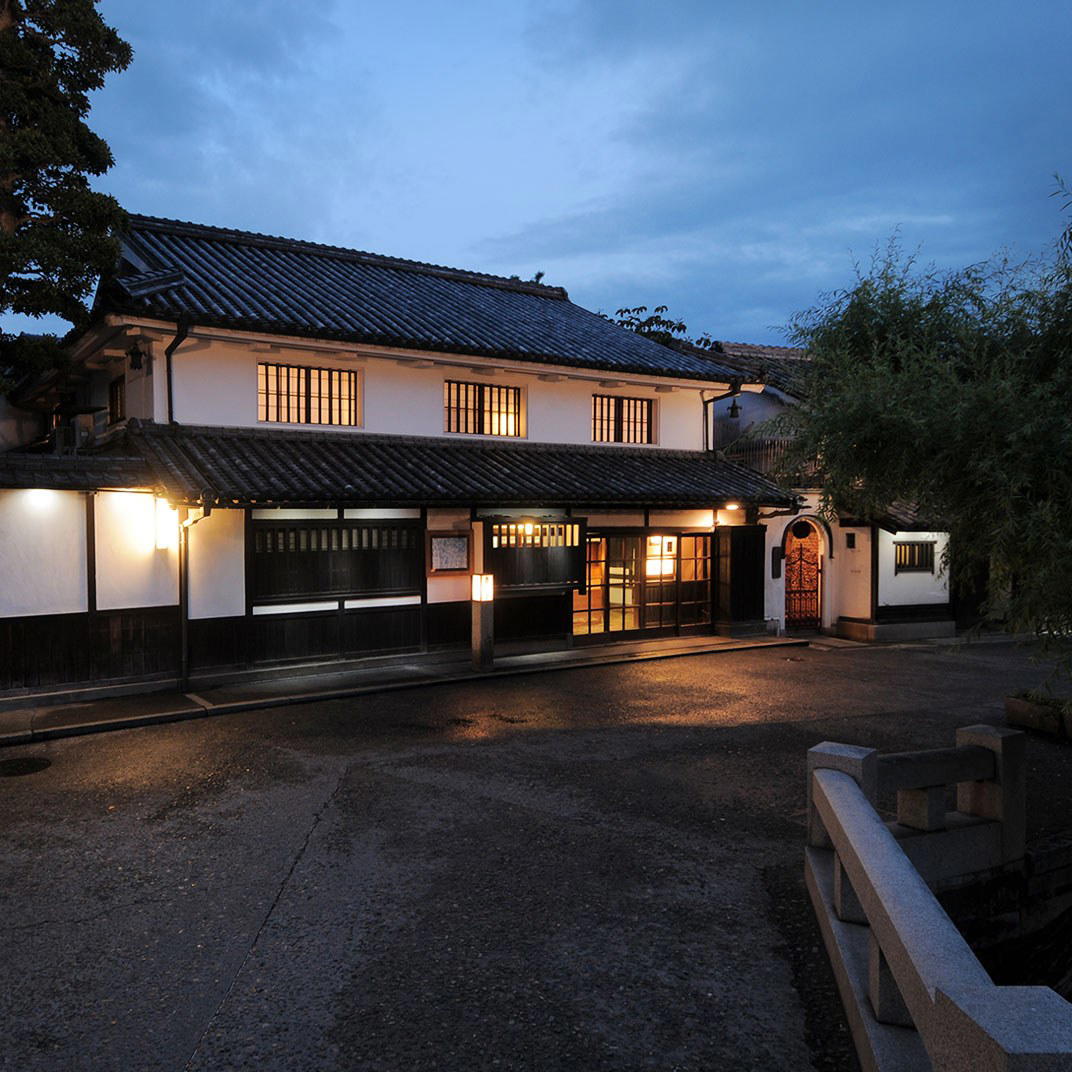
A small house-style restaurant with warm lighting, counter and table seating, and a refined yet relaxed atmosphere where guests savor expertly grilled chicken skewers and seasonal dishes in a calm, grown-up setting.