
Machiya Kissa Miyake Shoten gives Kurashiki’s historic café culture a concrete address: a townhouse café in the Bikan Historical Area where curry, tea-room pacing, and local sightseeing rhythms meet. Its Tabelog Cafe WEST 100 selection for 2025 and 42-seat scale place it above a casual coffee stop, but the appeal remains grounded in an old merchant-district setting rather than ceremony.
Pearl is the En Primeur Club membership app — saves, bookings, and concierge access live there. Same editors, same standards.
- Address
- 3-11 Honmachi, Kurashiki, Okayama 710-0054, Japan
- Phone
- +81 86-426-4600
- Website
- miyakeshouten.com
 Saves & bookings on Pearl
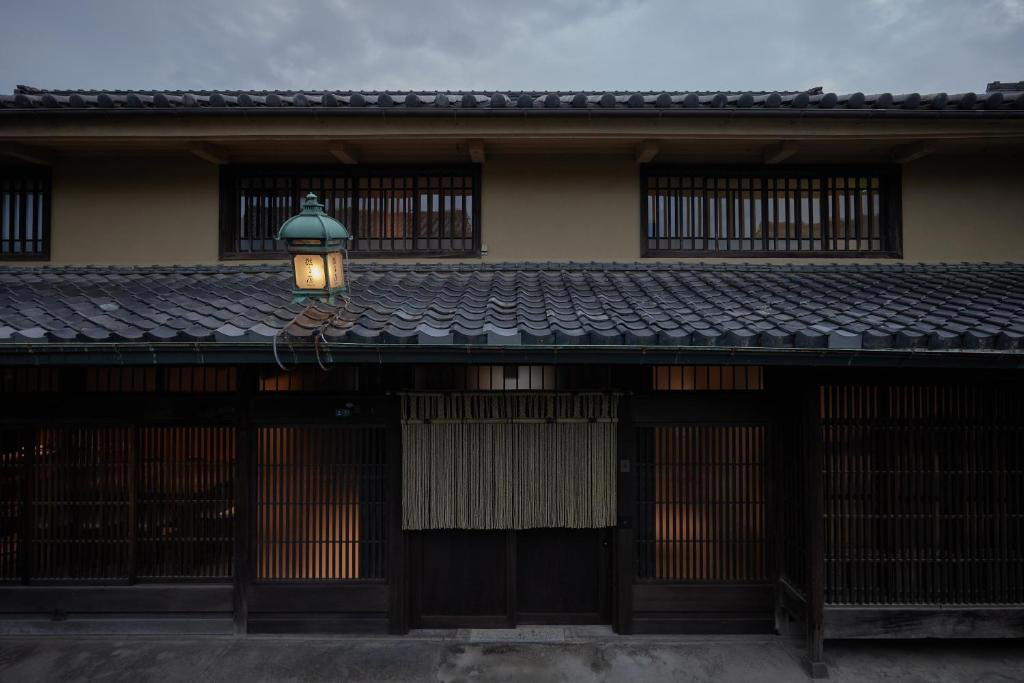
Honmachi Street sets the tone before the meal: narrow frontage, old-town proportions, and the slower foot traffic of Kurashiki’s Bikan Historical Area. In a city better known to first-time visitors for white-walled storehouses and willow-lined canals, the café tradition works differently from Tokyo’s precision coffee bars or Kyoto’s temple-adjacent sweets rooms. It is less spectacle than a practical pause between museums, shopping streets, and the station walk.
Machiya Kissa Miyake Shoten belongs to Kurashiki’s category of places where the room matters because the district matters. The format is café and curry, not kaiseki theatre. That distinction helps: Kurashiki’s daytime dining can split between quick coffee, udon, and sit-down meals for visitors moving through the historic quarter. This address sits between them, structured enough for lunch and informal enough for an afternoon stop.
Townhouse café culture, with curry as the anchor
Japan’s strongest regional cafés often resist the international all-day-café template. The point is not a long global menu, but a narrow promise delivered in a room that understands its neighbourhood. Here, curry gives the kitchen a savoury centre, while the café identity keeps the experience within Kurashiki’s sightseeing tempo. In the Bikan area, that matters: many visitors need something more substantial than cake but less formal than a multi-course restaurant.
The ingredient-sourcing angle is not expressed through grand tasting-menu language. It appears in how curry works as regional comfort: rice, sauce, vegetables, aromatics, and steady kitchen repetition that rewards consistency over novelty. Without a named farm list or producer roll call, the safer reading is format-based: food built around familiar Japanese café staples rather than imported luxury signals. That makes price important. Lunch sits in the JPY 1,000 to JPY 1,999 range, keeping the room accessible in a tourist district where heritage atmosphere can push venues toward souvenir pricing.
Recognition adds another layer. Selection for Tabelog Cafe WEST 100 in 2025 places the café within a western Japan café list, not only a local sightseeing circuit. Its Tabelog score, 3.59, is not international-awards language, but in Japan’s user-review ecosystem it signals sustained attention beyond walk-in convenience. For the city’s wider dining spread, compare it with Kurashiki Coffee Kan, where the emphasis is lower-priced coffee-house ritual, or PIZZERIA La Cenetta, a different casual-dining lane at a higher meal spend.
Why the Bikan setting changes the meal
Kurashiki’s historic centre gives cafés a job beyond refreshment. They manage the break between visual culture and appetite: Ohara Museum visits, canal walks, denim-shopping detours, and day-trippers from Okayama and beyond. A renovated machiya-style room suits that rhythm better than a polished hotel lounge because it keeps the meal inside the district’s material language. Tatami seating and private rooms, both listed features, broaden the use case from solo coffee to small family gatherings.
The 42-seat count is another useful signal. It is neither a counter-only room built for scarcity nor a large tourist hall built for volume. That middle scale suits Kurashiki: small enough to feel tied to the townhouse setting, large enough to absorb uneven weekend sightseeing surges. Children are welcome, and private rooms are available for groups from two people to larger parties, making the café more flexible than many preserved-district addresses that trade atmosphere for tight seating.
Compared with Kurashiki’s more meal-specific addresses, the appeal is timing flexibility. Honkaku Teuchi Udon Tomosaku speaks to the region’s noodle appetite; Kappa and Kashiwaya Kobayashi sit elsewhere in the city’s dining map. Miyake Shoten is better read as a heritage-district café with savoury credibility, an address for a day structured around walking rather than a single destination meal.
Planning the stop without overcomplicating it
The café sits at 3-11 Honmachi, inside the Kurashiki Bikan Historical Area, with Kurashiki Station reachable on foot from the district. Pair it with the historic quarter rather than treating it as a cross-city detour. Weekdays run from late morning to late afternoon, Saturdays and public holidays begin slightly earlier, and Sundays start in the morning, giving Sunday visitors a broader window than many small Japanese cafés. Last order is in the late afternoon, so this is not a late-night dining plan.
Reservations are available, and the venue notes that AutoReserve is not accepted; use the official channels named by the restaurant rather than third-party automation. Parking is not provided, so drivers should expect nearby paid lots. Payments are comparatively easy for Japan travel planning: major credit cards, transport IC cards, iD, QUICPay, and PayPay are listed. Non-smoking status also makes it a cleaner fit for families and mixed-age groups.
For a wider Kurashiki itinerary, this café fits a day that may include city guides beyond restaurants: Our full Kurashiki restaurants guide, Our full Kurashiki hotels guide, Our full Kurashiki bars guide, Our full Kurashiki wineries guide, and Our full Kurashiki experiences guide. Travellers comparing Japanese café and casual dining formats across cities can also use.cafe in Osaka.know in Kumamoto, (Shoku) Vietnam in Kawasaki, and [Curry Senmon Ten] Maruyama Kyoju. in Sapporo as reference points for how focused casual formats shift by city.
The editorial case is strongest for lunch or an early-afternoon break in the Bikan quarter. Tabelog Cafe WEST 100 recognition gives credibility; the curry-and-café format gives usefulness; the townhouse setting gives it a Kurashiki reason to exist. For readers mapping Japan more broadly, contrast the preserved-district logic here with destination-specific formats such as -Grilled beef Sukiyaki- KAMAKURA TANUKIAN 鎌倉 たぬき庵 in Kamakura. 鮪と炭火焼き うお炭 秋葉原店 in Tokyo, or overseas Japanese-adjacent dining at Jōdo Saké Bar in Los Angeles and Onigiri Time in Pasadena. Kurashiki asks for a slower register, and this café is built for that pace.
Snapshot
Comparable venues by cuisine and price in the same metro.
| Venue | Cuisine | Price | Notes |
|---|---|---|---|
| Machiya Kissa Miyake ShotenThis venue — the venue you are viewing | Seasonal Japanese Machiya Café | $$ | Not listed |
| Kappa | Tonkatsu with Demi-Glace Sauce | $$ | Achi |
| Kurashiki Coffee Kan | Traditional Japanese kissaten coffeehouse | $ | Kurashiki Bikan Historical Quarter |
| Honkaku Teuchi Udon Tomosaku | Authentic Handmade Udon & Oden | $ | Nakasho |
| ブリコール | Setouchi Regional Japanese Cuisine | $$$ | Kurashiki (Bikan Historical Quarter) |
| PIZZERIA La Cenetta | Italian Pizza | $$ | Kurashiki |
Recognition history
Dated appearances from independent guides and award organizations, with the underlying list record or original source where available.
Tabelog 100 #88 · No. 88
Tabelog · Tabelog 100 - Cafe - WEST - 2025
Continue exploring
More in Kurashiki
Restaurants in Kurashiki
Browse all →
At a Glance
- Cozy
- Classic
- Rustic
- Intimate
- Casual Hangout
- Date Night
- Family
- Group Dining
- After Work
- Celebration
- Historic Building
- Design Destination
- Standalone
- Private Dining
- Zero Proof
- Street Scene
Current opening hours
- Monday
- 11:30 AM–5 PM
- Tuesday
- 11:30 AM–5 PM
- Wednesday
- 11:30 AM–5 PM
- Thursday
- 11:30 AM–5 PM
- Friday
- 11:30 AM–5 PM
- Saturday
- 11 AM–5 PM
- Sunday
- 8:30 AM–5 PM
Hours can change for holidays and private events. Last verified .
Set inside a late‑Edo period machiya with earthen floors, storehouse, and traditional mud walls, the café feels warm and nostalgic, with a relaxed, homey atmosphere that invites lingering over curry, sweets, and tea.