Our verdict
はしまや occupies a quiet address in Kurashiki's Higashimachi district, a neighbourhood whose preserved Edo-period streetscape sets the cultural register before you reach the door. The restaurant operates within a regional dining tradition that prizes seasonal produce and understated craft. Booking details and current hours are best confirmed directly with the venue before visiting.

Pearl is the En Primeur Club membership app, where members save venues, book tables and use the concierge.
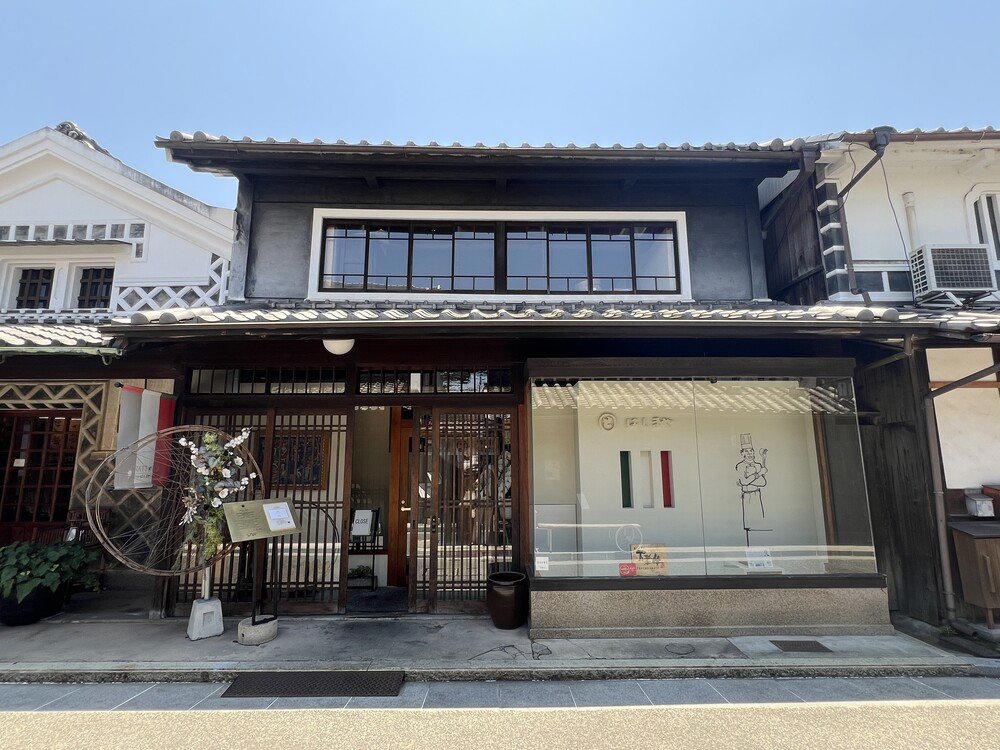
Kurashiki's Quiet Discipline: What Higashimachi Tells You Before You Enter
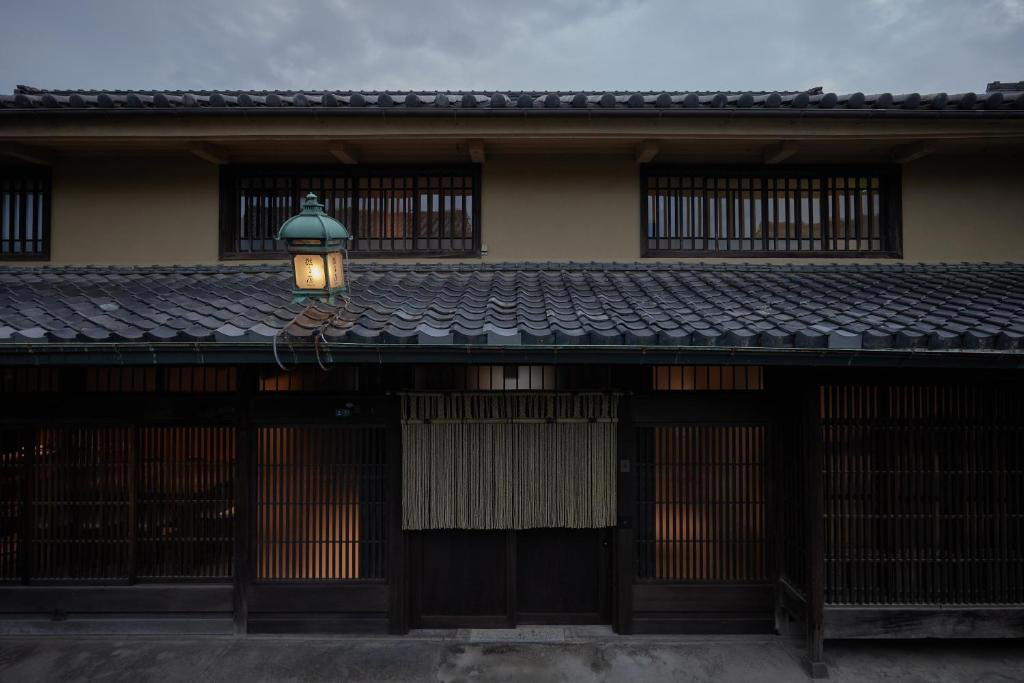
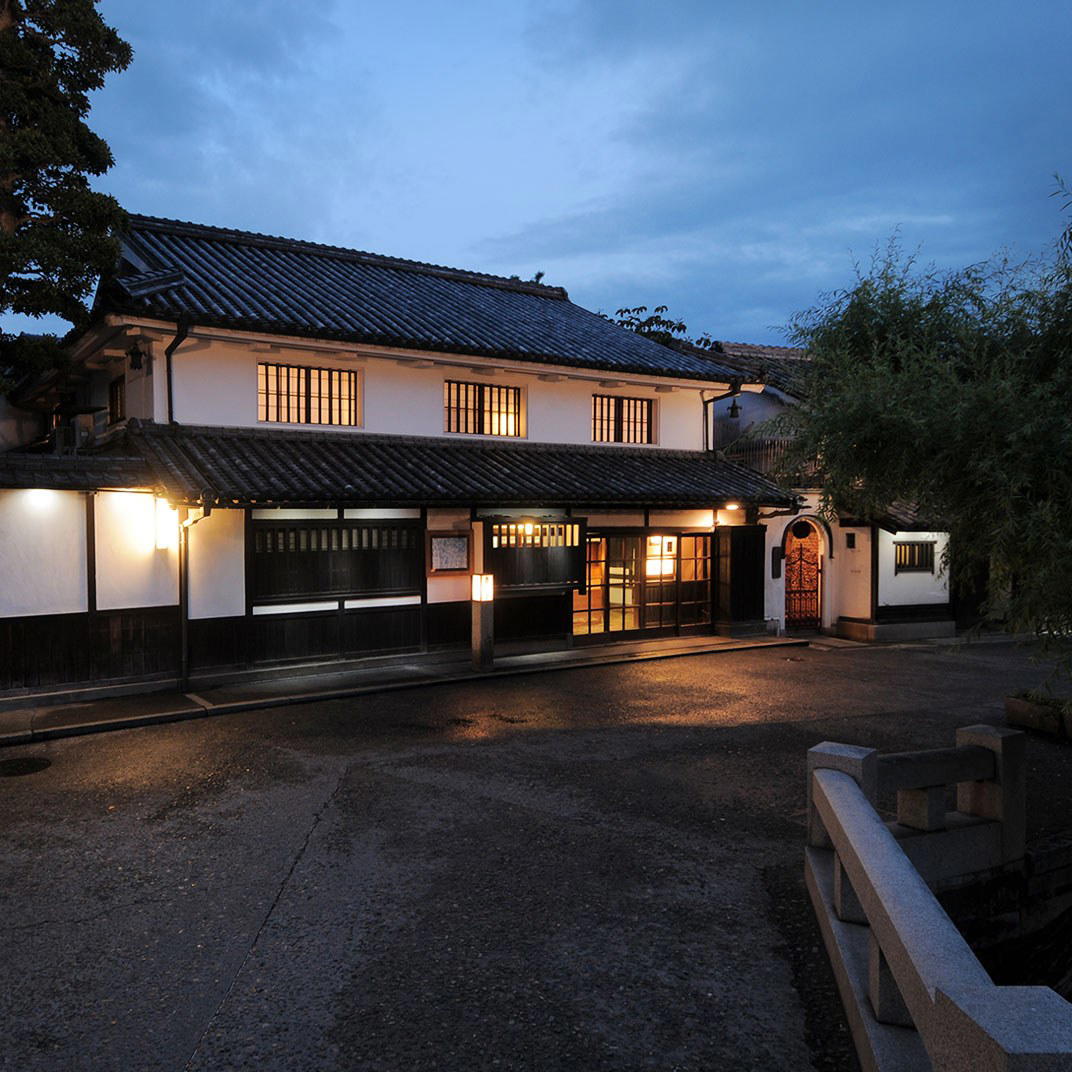
The streets around 2-4 Higashimachi move at a different pace than most Japanese cities of comparable size. Kurashiki's Bikan Historical Quarter, the canal-side belt of whitewashed kura storehouses and merchant-era facades that has defined the city's identity since the Edo period, sits minutes from this address, and its atmosphere carries: measured, unhurried, built around an idea of preservation rather than spectacle. Restaurants in this part of Kurashiki tend to absorb that character. The dining rooms are rarely large, the signage is often minimal, and the expectation on both sides of the counter is that the food will do the communicating.
はしまや sits inside that tradition. The Higashimachi address places it within a district where the physical fabric of the city is itself an argument for craft and continuity, a context that shapes what local diners expect and what visiting diners are, consciously or not, primed to receive. For anyone arriving from our full Kurashiki restaurants guide, the neighbourhood logic should already feel familiar.
The Regional Frame: Okayama Prefecture and Its Dining Priorities
Okayama Prefecture occupies an unusual position in Japanese gastronomy. It lacks the international visibility of Kyoto's kaiseki circuit or Tokyo's omakase density, but it carries genuine agricultural weight: the prefecture is among Japan's better-known producers of white peaches, Muscat grapes, and sea bream from the Seto Inland Sea. Regional cooking in this corridor of Honshu tends to treat those local materials as the organizing logic of a meal rather than as accent notes inside an imported format.
That orientation distinguishes the Okayama and western Honshu table from the more internationally legible formats at, say, HAJIME in Osaka, where the French-innovative framework is the primary language and local ingredients operate within it. In Kurashiki, the direction of influence more often runs the other way: the local produce sets the agenda, and technique follows. It is a subtler form of localism than the farm-to-table rhetoric common in European and American contexts, because it rarely announces itself, it simply assumes that seasonal fidelity is the baseline.
This is also distinct from the high-precision sushi omakase model represented by Harutaka in Tokyo, where the format and the fish are the twin organizing forces. Regional washoku in cities like Kurashiki is less about a single product or technique and more about a coherent seasonal vocabulary applied across multiple preparations.
Placement Within Kurashiki's Dining Tier
Kurashiki does not have the restaurant density of Kyoto or Fukuoka, a city like Goh in Fukuoka operates in a market with significant critical infrastructure around it. What Kurashiki offers instead is a smaller, more internally consistent dining environment where the competition for a meal at a serious table is less acute than in major culinary cities, but where the cultural expectations around craft and seasonal awareness remain high.
Within the local tier, はしまや occupies the Higashimachi address, a placement that signals a certain kind of intention. The district is not a high-traffic tourist strip; it sits adjacent to the historical core without being consumed by it. That geography tends to sort for a clientele that is arriving with purpose rather than passing through, and the restaurants that survive in it over time generally reflect that self-selection in how they approach their work.
Kurashiki's better restaurants work in a register that is harder to categorize by a single genre label, which is partly what makes the city interesting to visit as a dining destination rather than simply as a heritage tourism stop.
Nearby alternatives in Kurashiki's mid-to-upper tier include Kappa and ブリコール, both of which operate in the same neighbourhood circuit and offer useful reference points for the city's current dining character.
Cultural Roots: The Washoku Premise
The cultural architecture behind a restaurant like はしまや is washoku, the collective term for traditional Japanese cuisine that UNESCO added to its Intangible Cultural Heritage list in 2013. The designation matters not as a marketing category but as a description of a set of priorities: the centrality of dashi as a foundational flavour, the organisation of a meal around the five tastes and five colours, the elevation of seasonal alignment to something close to an ethical principle rather than a marketing claim.
That framework is not unique to any single restaurant, it is the background logic against which most serious Japanese regional cooking takes place. What varies is how consciously a given kitchen engages with it and how local its material sourcing actually is. In a prefecture with Okayama's agricultural profile, the conditions for genuine washoku discipline are better than average. The Seto Inland Sea provides shellfish and white fish; the mountain interior provides bamboo shoots, mountain vegetables, and game in season; the agricultural plains deliver the fruit and rice that complete the picture.
Internationally, the formal endpoint of this tradition is represented by multi-course kaiseki counters. But washoku also encompasses the quieter, less theatrical register of regional dining rooms that do not court critical attention and are not built around the omakase format as a performance. はしまや, on the evidence of its address and district positioning, belongs closer to that second category.
Planning Your Visit
はしまや is located at 2-4 Higashimachi, Kurashiki, Okayama 710-0053. Kurashiki Station on the JR Sanyo Main Line is the standard arrival point, with the Bikan Historical Quarter and Higashimachi district accessible on foot in under fifteen minutes from the south exit. Visitors planning a broader Chugoku region itinerary might also consider how Kurashiki fits alongside western Honshu's other dining options, the prefecture's rail connectivity makes day or overnight trips feasible from Hiroshima, Okayama City, and Kobe.
For broader context on Japanese regional dining beyond the Kansai and Kanto corridors, EP Club covers a wide range of prefectural tables, from 一本杉川島 in Nanao on the Noto Peninsula to 古代山乃井 in Sapporo in Hokkaido, as well as the more internationally legible formats at Le Bernardin in New York City and Atomix in New York City for comparison against where Japanese culinary influence registers abroad.
Frequently asked questions
What part of town is はしまや in?
はしまや is located at 2-4 Higashimachi, Kurashiki, Okayama 710-0053, Japan, Kurashiki.
How far is はしまや from Kurashiki Station, and how do you get there on foot?
はしまや is located at 2-4 Higashimachi, Kurashiki, within the Bikan Historical Quarter, which is directly accessible from Kurashiki Station on the JR Sanyo Main Line. The walk from the station to the Higashimachi area runs through the preserved canal district and takes under fifteen minutes on foot. No taxi or additional transport is required.
What's the best way to book はしまや?
No phone number or website is confirmed in EP Club's records for はしまや at 2-4 Higashimachi, Kurashiki. For restaurants in Kurashiki's Higashimachi district, approaching in person or asking your accommodation's concierge to call ahead is the most reliable method, particularly if you do not read Japanese.
What's the signature at はしまや?
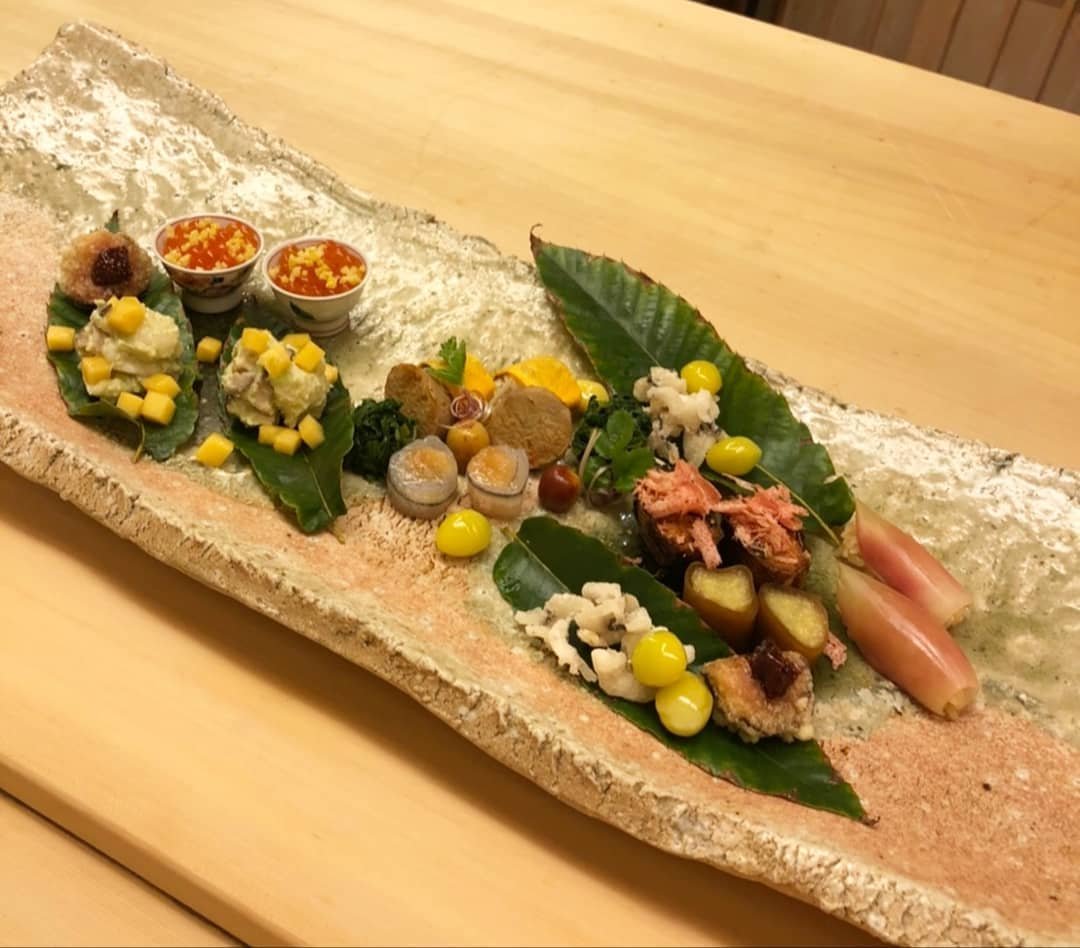
Confirmed signature dishes or techniques are not in EP Club's database for はしまや. The Higashimachi address places it within Kurashiki's preserved historical core, where dining rooms at this level tend to anchor menus in washoku tradition, seasonal, locally sourced, and structured around the prefecture's Seto Inland Sea proximity.
Do they accommodate allergies at はしまや?
No allergy or dietary policy is confirmed in EP Club's records for はしまや. In most regional Japanese dining rooms of this type in Kurashiki, dietary requirements are best communicated in writing, in Japanese, well before your reservation date, rather than on arrival.
Is a meal at はしまや worth the investment?
The Higashimachi address carries weight in Kurashiki's dining context: the neighbourhood draws visitors specifically for its preserved Edo-period streetscape, and restaurants that operate here do so within a setting that commands a premium in itself.
Budget Reality Check
Comparable venues nearby, for context on price, style, and recognition.
| Venue | Cuisine | Price | Awards | Notes |
|---|---|---|---|---|
| はしまやThis venue (the venue you are viewing) | Southern Italian with Local Japanese Influences | $50–100 | Not listed | Not listed |
| ブリコール | Setouchi Regional Japanese Cuisine | $50–100 | Not listed | Kurashiki (Bikan Historical Quarter), Setouchi Regional Japanese Cuisine |
| Kashiwaya Kobayashi | Yakitori & Chicken Specialties | $50–100 | Tabelog 100 #82 | Achi, Yakitori & Chicken Specialties |
| Machiya Kissa Miyake Shoten | Seasonal Japanese Machiya Café | $10–20 | Tabelog 100 #88 | Kurashiki Bikan Historical Quarter, Seasonal Japanese Machiya Café |
| PIZZERIA La Cenetta | Italian Pizza | $20–30 | Tabelog 100 #7 | Kurashiki, Italian Pizza |
| Kurashiki Coffee Kan | Not listed | $1–10 | Tabelog 100 | Kurashiki Bikan Historical Quarter, Traditional Japanese kissaten coffeehouse |
Continue exploring
More in Kurashiki
Restaurants in Kurashiki
All restaurants in Kurashiki →
Bars in Kurashiki
All bars in Kurashiki →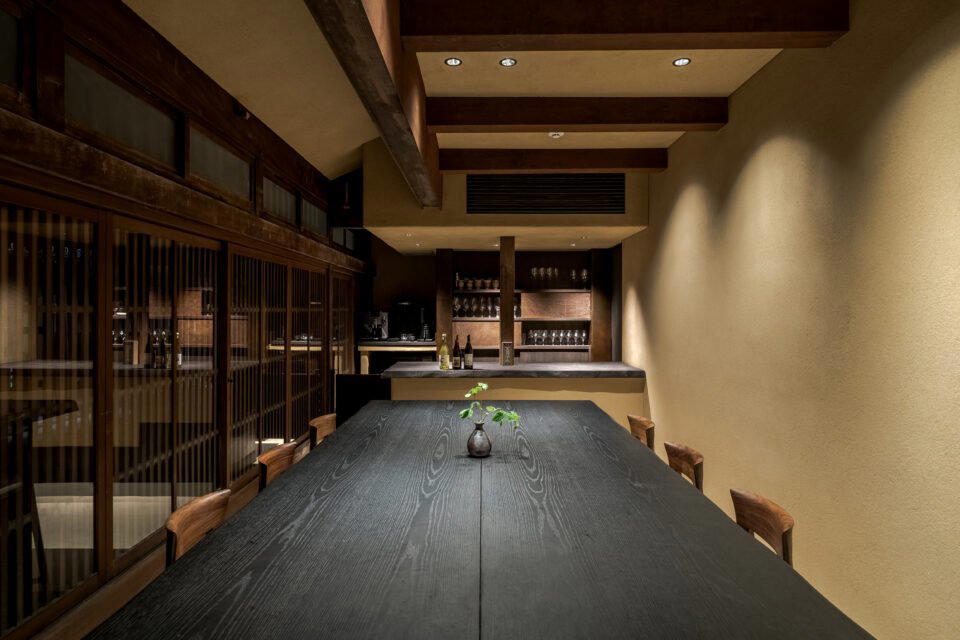
Details
- Cozy
- Elegant
- Rustic
- Date Night
- Special Occasion
- Open Kitchen
- Historic Building
- Sake Program
- Local Sourcing
- A La Carte
- Prix Fixe
Current opening hours
- Monday
- 12:30–2:30 PM, 7–10 PM
- Tuesday
- Closed
- Wednesday
- 7–10 PM
- Thursday
- 12:30–2:30 PM, 7–10 PM
- Friday
- 12:30–2:30 PM, 7–10 PM
- Saturday
- 12:30–2:30 PM, 7–10 PM
- Sunday
- 12:30–2:30 PM, 7–10 PM
Hours can change for holidays and private events. Hours as of .
Cozy and elegant atmosphere in a traditional house with counter, table, and private room seating for leisurely dining.